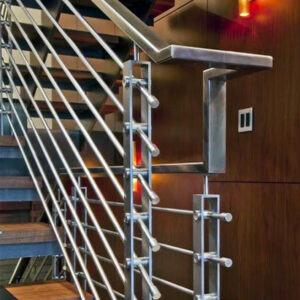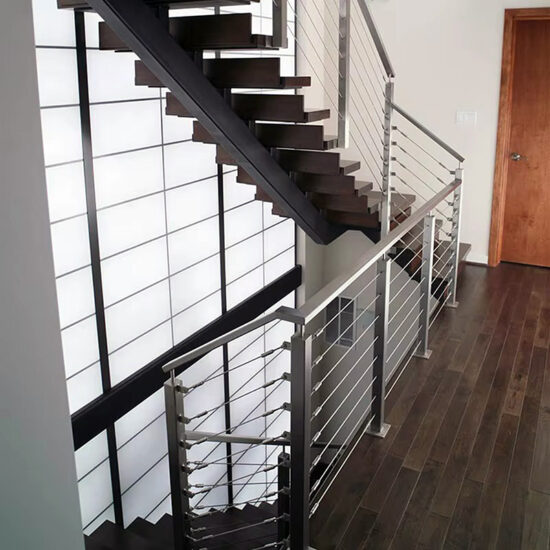
The modern office lobby is no longer a transitional space. It is a strategic asset, a physical manifestation of corporate identity designed to impress clients and welcome employees. Yet, a common design challenge persists: how to implement the required safety barriers without compromising the open, light-filled aesthetic that defines contemporary commercial architecture. Traditional guardrail systems, with their dense posts and rails, often create visual clutter that contradicts these goals.
This tension makes the specification of perimeter and stair railings a critical decision. The choice between traditional systems and frameless glass alternatives directly impacts spatial perception, brand messaging, and long-term operational value. For architects, designers, and facility managers, understanding the technical, compliance, and lifecycle implications of frameless stainless steel glass railings is essential for delivering a lobby that is both code-compliant and conceptually powerful.
Frameless Glass Railings vs. Traditional Guardrail Systems
The Paradigm Shift in Spatial Dynamics
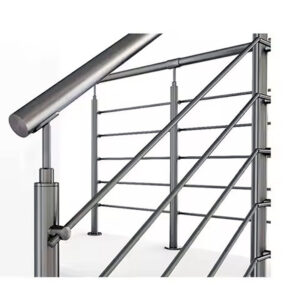
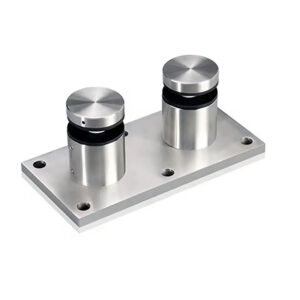
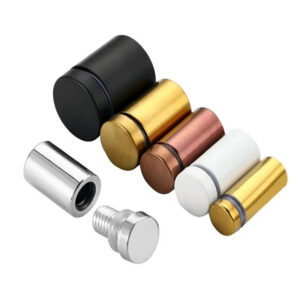
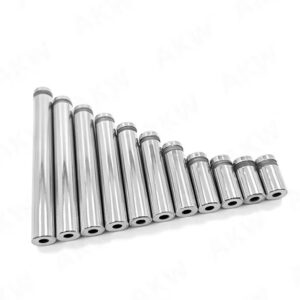
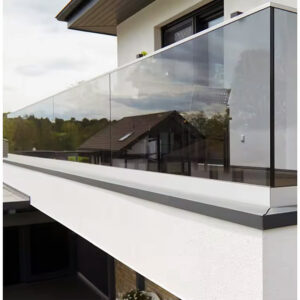
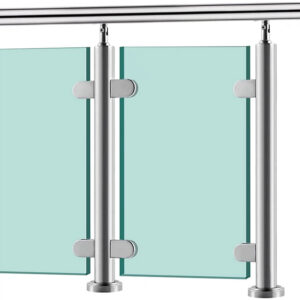
Traditional guardrail systems function as solid visual barriers. Constructed from metal, wood, or glass with prominent frames, they compartmentalize space with posts, top rails, and often mid-rails. Their primary function is safety, but their form inherently segments sightlines. Frameless glass railings, in contrast, re-engineer the safety barrier. They utilize tempered or laminated glass panels secured with minimal, precision-engineered stainless steel hardware. This approach transfers critical loads through point-fixed standoffs or U-channels while preserving near-total visual transparency. The result is a “floating” barrier that defines space without enclosing it.
Strategic Implications and Project Risk
The pursuit of this minimalist aesthetic shifts inherent project risk. Unlike off-the-shelf traditional rails, frameless systems are custom-fabricated. This demands meticulous measurement, precision engineering, and expert installation to ensure the visual simplicity is matched by uncompromising structural integrity. Industry experts recommend that project teams treat the glass railing not as a late-stage commodity but as an early-integrated architectural component. According to research from leading fabricators, common coordination mistakes include late structural attachment point design and inadequate tolerance planning for glass panels, which can lead to costly field modifications. The strategic implication is clear: the value is unlocked through upfront coordination and partner selection, not just product specification.
Key Design Benefits for Commercial Office Lobbies
Creating a Powerful First Impression
The primary benefit of frameless glass railings is their ability to foster spatial expansion. By eliminating visual clutter, they make lobbies feel more expansive and airy. This transparency maximizes the penetration of natural light deep into the space, enhancing ambient quality and contributing to a calm, welcoming arrival experience. For multi-level atriums, the system enables uninterrupted visual connectivity, reinforcing corporate themes of openness, collaboration, and transparency. The railing is transformed from a mere code requirement into an active contributor to the brand environment.
A Multi-Value Proposition
This design choice delivers secondary operational benefits. The integration of laminated glass, for instance, adds a measurable degree of noise reduction. In our experience specifying systems for corporate headquarters, this acoustic buffering between lobby circulation and adjacent quiet zones is a frequently overlooked detail that significantly enhances occupant comfort. Strategically, this reframes a safety mandate into a multi-value proposition, addressing acoustic comfort, aesthetic ambition, and long-term performance within a single, elegant assembly.
Technical Specifications: Glass Types & Mounting Systems
The Foundation: Glass Performance and Clarity
Technical execution hinges on precise glass specifications. For safety, glass must be tempered or laminated. A superior specification for high-traffic lobbies is laminated glass, such as an 8mm-8mm-4mm construction of tempered glass plies bonded with a polyvinyl butyral (PVB) interlayer. This provides impact resistance and crucial fail-safe performance; if broken, the interlayer holds the glass together. For optimal visual clarity, low-iron “ultra-clear” glass is specified to minimize the green tint inherent in standard clear glass. Compliance with standards like ASTM C1172 Standard Specification for Laminated Architectural Flat Glass ensures the material meets rigorous quality and safety benchmarks.
Hardware and Mounting Methodologies
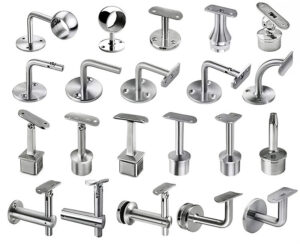
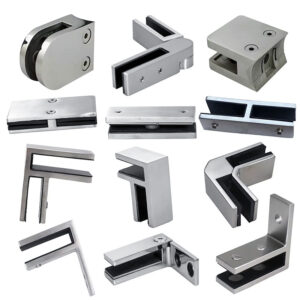
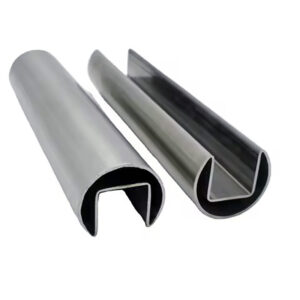
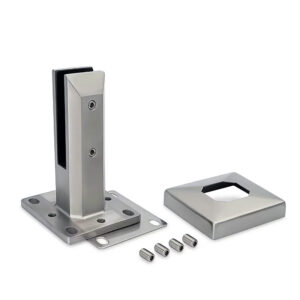
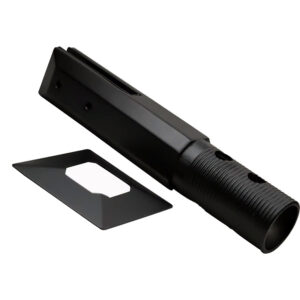
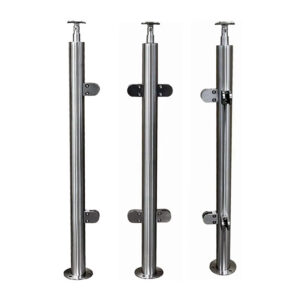
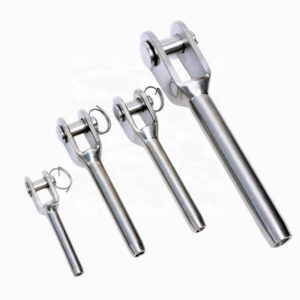
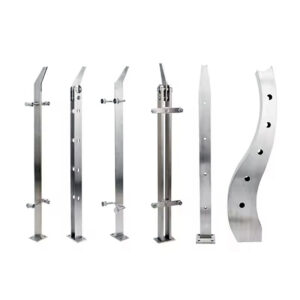
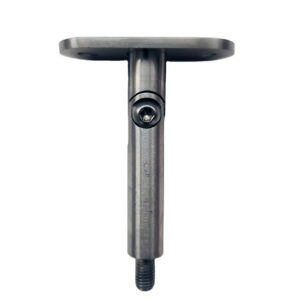
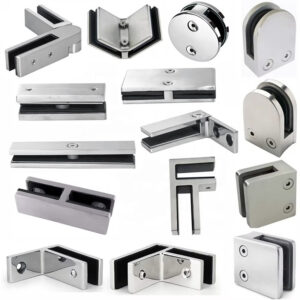
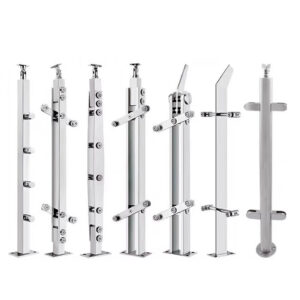
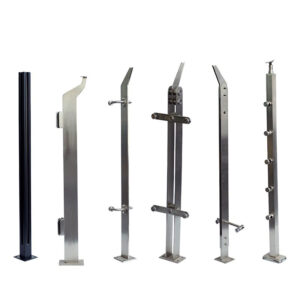
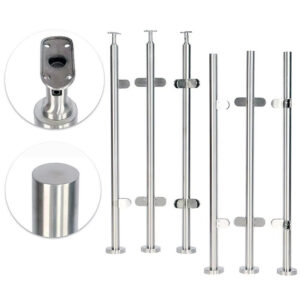
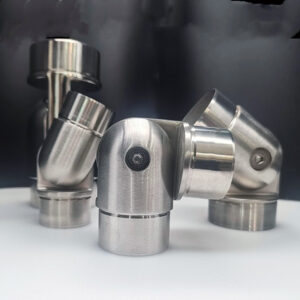
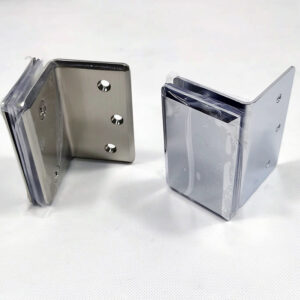
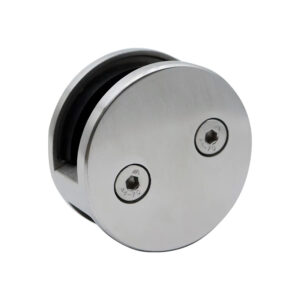
The mounting system defines the visual character. Standoff (point-fixed) connectors create a distinctive “floating” effect, while U-channel clamp systems offer a clean, continuous top line. Side-mount patch fittings are used for attachment to stairs or walls. The strategic selection of hardware material is a critical bottleneck where material science dictates long-term viability. In corrosive coastal environments or for exterior applications, 316-grade stainless steel is non-negotiable to prevent premature failure and staining.
The following table outlines key technical specifications for a robust commercial system:
| Component | Specification / Type | Key Characteristic |
|---|---|---|
| Glass Type | Laminated (Tempered plies) | 8mm-8mm-4mm construction |
| Glass Clarity | Low-iron “ultra-clear” | Minimizes green tint |
| Mounting System | Standoff (point-fixed) | Creates floating effect |
| Mounting System | U-channel clamp | Clean top line |
| Hardware Material | 316-grade stainless steel | Corrosion resistance |
Source: ASTM C1172 Standard Specification for Laminated Architectural Flat Glass. This standard defines the quality and safety requirements for laminated glass, ensuring the specified multi-ply construction provides necessary impact resistance and fail-safe performance for railing applications.
Cost Considerations & Long-Term Value Analysis
Understanding the Initial Investment
Initial costs for frameless glass systems are undeniably higher than for traditional guardrails. This premium encompasses the raw material quality (ultra-clear laminated glass, 316 stainless steel), custom fabrication, and the specialized labor required for precise installation. A simple comparison of line-item costs often disfavors glass. However, this analysis is incomplete without considering the total cost of ownership and the value of design intent.
The Lifecycle Value Equation
A long-term value analysis reveals a different financial picture. The exceptional durability of stainless steel and laminated glass translates to a longer service life and reduced replacement cycles. Their timeless aesthetic offers design longevity, avoiding the visual obsolescence that can plague dated metal or wood systems. Strategically, the sustainability narrative is potent: high-quality, durable systems support resource efficiency and reduce lifecycle waste, aligning directly with corporate ESG goals. For client-facing sectors like high-end hospitality, the investment is justified by the enhanced guest experience and the support of premium positioning.
The financial and operational comparison is clarified in the following analysis:
| Factor | Frameless Glass System | Traditional Guardrail |
|---|---|---|
| Initial Cost | Higher | Lower |
| Material Durability | Exceptional longevity | Standard longevity |
| Aesthetic Longevity | Timeless, avoids obsolescence | Can become dated |
| Maintenance Cycle | Reduced replacement | Standard replacement |
| Sustainability Alignment | High (ESG goals) | Variable |
Source: Technical documentation and industry specifications.
Compliance & Safety Standards for Commercial Buildings
Navigating a Hyper-Localized Landscape
Compliance is the non-negotiable foundation. Systems must meet stringent local building codes, which are far from universal. Common mandates include a minimum guard height of 42 inches, the ability to withstand a 200-pound concentrated load, and adherence to the 4-inch sphere rule to prevent child passage. In special regions like Florida’s High-Velocity Hurricane Zone (HVHZ), wind load requirements (170+ mph) add a critical layer of structural performance. This reveals a key insight: code approval is jurisdictional. A system engineered for one municipality may not be approved in another without modification. Successful execution requires partners with demonstrable local knowledge and a history of securing permits for similar projects.
The Handrail Imperative
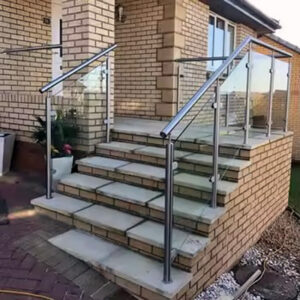
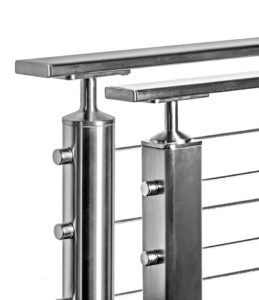
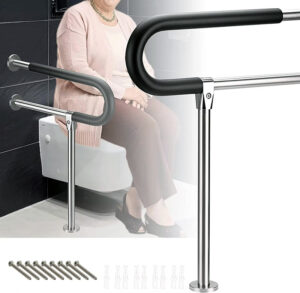
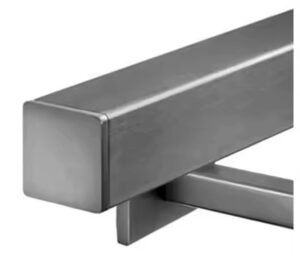
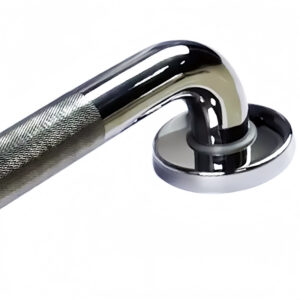
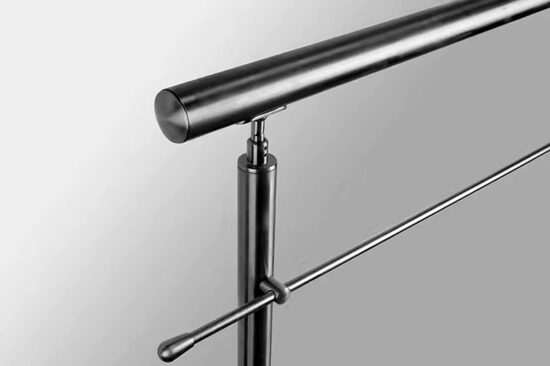
A fundamental design integration point is the handrail. On stairs and ramps, codes mandate a continuous, graspable handrail for ADA accessibility. This creates an essential trade-off between pure minimalism and inclusive functionality. The handrail, often in a complementary stainless steel or warm wood, must be integrated without compromising the system’s clean lines. Its design and attachment become a critical exercise in balancing code compliance with aesthetic cohesion, governed by standards like IBC International Building Code Chapter 24 Glass and Glazing for the glazing and overall safety.
The core compliance requirements are summarized below:
| Requirement | Typical Specification | Governing Consideration |
|---|---|---|
| Guard Height | 42 inches minimum | Local building codes |
| Concentrated Load | 200 pounds minimum | Structural performance |
| Child Safety Rule | 4-inch sphere rule | Prevents passage |
| Hurricane Zone Wind Load | 170+ mph (e.g., Florida HVHZ) | Regional code addendum |
| Handrail Requirement | Graspable, ADA-compliant | Stairs & ramps |
Source: IBC International Building Code Chapter 24 Glass and Glazing. Chapter 24 provides the fundamental safety glazing and installation mandates, governing critical parameters like glass type, labeling, and railing height to protect occupants from fall hazards.
Integration with Stairs, Handrails, and Lobby Features
Unifying Architectural Elements
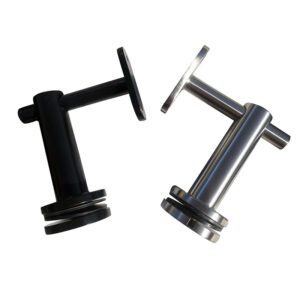
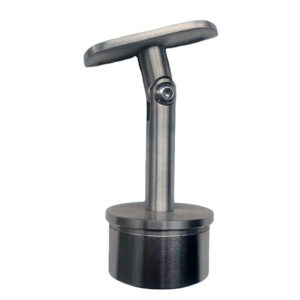
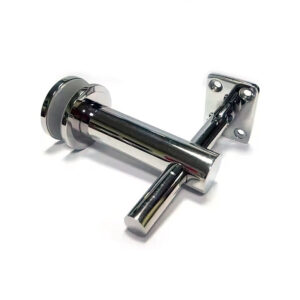
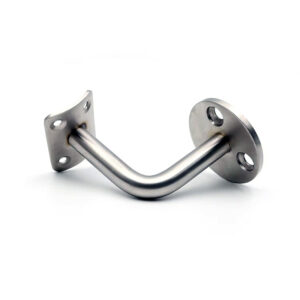
The transparency of glass allows for elegant integration with other lobby features. For modern monolithic or floating staircases, glass panels attach via standoffs or side fittings directly to the treads, maintaining an open, sculptural look. The required handrail is mounted via discrete clamps or brackets that align with the overall hardware finish strategy. This integration extends to the broader lobby design language; hardware finishes (brushed stainless, matte black) are selected to coordinate with door pulls, elevator surrounds, and other fixtures.
The Brand Canvas Opportunity
Strategically, the glass railing system can be extended into a brand storytelling tool. While the railing itself remains transparent, adjacent glass partitions or feature walls can be back-painted. This enables custom color matching to corporate logos, creating a cohesive and immersive brand environment without compromising the primary railing’s visual openness. It’s a detail that transforms a functional component into an integrated brand asset.
Maintenance Requirements for Long-Term Performance
Simplified Operational Protocols
Frameless glass railings are inherently low-maintenance, a key contributor to their lifecycle value. Routine care involves cleaning the glass with a neutral, non-abrasive cleaner and a soft cloth to maintain clarity and prevent scratching. The stainless steel hardware requires only occasional washing with mild soap and water to remove fingerprints and environmental deposits. A critical protocol is the complete avoidance of abrasive cleaners or steel wool on metal components, as these will permanently mar the finish.
Durability by Design
The emphasis on premium, durable materials from the outset—316 stainless in corrosive environments and laminated glass—ensures long-term performance with minimal intervention. This operational simplicity reduces long-term facility management costs and preserves the system’s aesthetic integrity for decades. The maintenance requirements are straightforward, as outlined below:
| Component | Maintenance Action | Frequency / Note |
|---|---|---|
| Glass Panels | Clean with neutral cleaner | Routine, as needed |
| Stainless Steel Hardware | Wash with mild soap | Occasional |
| Abrasive Cleaners | Avoid completely | Preserves finishes |
| Material Durability | 316 stainless in corrosion zones | Ensures performance |
| Overall System | Low-maintenance protocol | Reduces facility costs |
Source: ANSI/BHMA A156.18 American National Standard for Materials and Finishes. This standard specifies requirements for hardware materials and finishes, ensuring the selected components like clamps and brackets have the corrosion resistance and durability to withstand long-term use with minimal upkeep.
Selecting the Right System for Your Building Project
A Holistic Decision Framework
Selecting the appropriate system requires balancing four core vectors: aesthetics, performance, budget, and compliance. Key decision factors start with environmental exposure (dictating stainless steel grade) and local code jurisdiction. The desired level of visual perfection influences glass type (low-iron vs. standard), while integration complexity with unique stairs or curves impacts the mounting methodology and cost. We compared proposals from multiple vendors and found the greatest variance was not in base material cost, but in the engineering depth and installation assurance provided.
The Partner Selection Imperative
The industry trend is toward vertically integrated fabricator-installers who offer full-service bundles from engineering and permitting to installation. These partners provide single-point accountability and guaranteed compliance, a model that pressures pure-play distributors to add meaningful value-added services. Furthermore, leveraging 3D visualization and BIM integration to de-risk the decision for these custom, high-stakes installations is transitioning from a differentiator to a standard expectation. It mitigates client anxiety by providing certainty about the final outcome before fabrication begins. Ultimately, partner capability and proven local experience are as crucial as the product specification itself. For detailed specifications on engineered stainless steel glass railing hardware, ensure your provider’s components meet the relevant material and performance standards.
The specification of frameless glass railings is a strategic design decision with lasting impact. Prioritize early integration to coordinate structural attachments and tolerances. Validate all material and performance specifications against local building codes and environmental demands, using standards like ASTM E2358 for performance validation as a benchmark. Finally, select a partner whose expertise spans engineering, compliance, and precision installation, not just product supply.
Need professional guidance to navigate the technical and compliance landscape for your lobby project? The experts at Esang specialize in engineered solutions that bridge design intent with built reality, ensuring your vision is realized without compromise.
For a direct consultation on your specific requirements, you can also Contact Us.
Frequently Asked Questions
Q: How do you ensure a frameless glass railing meets local building code and safety requirements?
A: Compliance is hyper-localized and requires meeting specific jurisdictional codes for guard height (typically 42 inches), load resistance (e.g., 200-lb concentrated load), and the 4-inch sphere rule. In high-wind zones, systems must also withstand hurricane-level loads. The fundamental authority for glazing safety is IBC International Building Code Chapter 24 Glass and Glazing. This means you must partner with a fabricator who has proven experience with your local authority having jurisdiction (AHJ) to avoid costly approval delays.
Q: What are the key differences between tempered and laminated glass for a commercial lobby railing?
A: Tempered glass is heat-treated for strength, while laminated glass bonds multiple tempered plies with an interlayer, offering superior safety. Laminated glass provides fail-safe performance, as the interlayer holds broken glass in place, and it can also reduce noise. The quality of laminated glass is defined by ASTM C1172 Standard Specification for Laminated Architectural Flat Glass. For projects where occupant safety and acoustic comfort are priorities, such as healthcare or hospitality lobbies, you should specify laminated construction.
Q: What long-term value justifies the higher initial cost of a frameless glass system?
A: The value proposition lies in lifecycle cost, brand enhancement, and operational benefits. Premium materials like 316-grade stainless steel and laminated glass offer exceptional durability, reducing replacement cycles and maintenance. The timeless aesthetic avoids visual obsolescence, and the system’s durability supports sustainability and ESG narratives. This means for premium commercial projects focused on long-term asset value and occupant experience, the total cost of ownership often favors frameless glass over traditional systems.
Q: How do you select the right stainless steel grade for hardware in a corrosive environment?
A: Material selection is a critical technical bottleneck for long-term viability. For standard interiors, 304-grade stainless may suffice, but for coastal environments or areas with de-icing salts, you must specify 316-grade stainless steel for its superior corrosion resistance. The performance of metal fittings can be guided by standards like ANSI/BHMA A156.18 American National Standard for Materials and Finishes. This means facilities in corrosive climates should prioritize material science over initial cost to prevent premature hardware failure.
Q: What is the best mounting system to achieve a truly “floating” aesthetic for glass railings?
A: Point-fixed standoff connectors create the most pronounced floating effect by securing glass panels with discrete fittings at discrete points. For a clean, continuous top line, U-channel clamp systems are an alternative. The structural performance of any glass assembly must be validated per ASTM E2358 Standard Test Methods for Performance of Glass in Permanent Glass Railing Systems, Guards, and Balustrades. If your design goal is maximal transparency and a minimalist look, plan for the precise engineering and custom fabrication that standoff systems require.
Q: How do you integrate the required ADA-compliant handrail without compromising a minimalist glass design?
A: The handrail creates a fundamental design trade-off between pure minimalism and inclusive functionality. It is typically a slender profile in matching stainless steel or warm wood, mounted via discrete clamps to the top of the glass panel. This integration is mandatory for stairs and ramps to provide a graspable surface. For projects where brand aesthetics are paramount, you should coordinate the handrail’s finish and profile with other lobby fixtures during the design phase.
Q: What should you look for when selecting a vendor for a custom frameless glass railing project?
A: Prioritize partners who offer full-service engineering, fabrication, and installation with single-point accountability. They should provide deep local knowledge of your building codes and use 3D visualization tools to de-risk the design outcome. The trend is toward vertically integrated fabricator-installers who guarantee compliance. This means for your high-cost custom installation, you should evaluate vendors on their technical competency and project coordination capabilities as heavily as on their product portfolio.