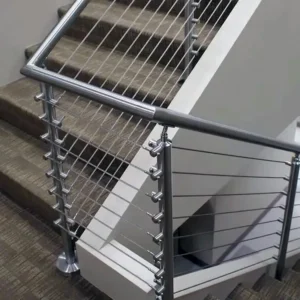
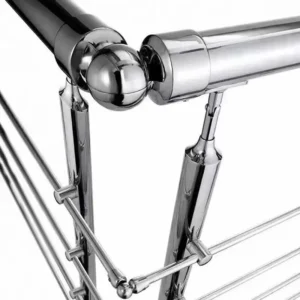
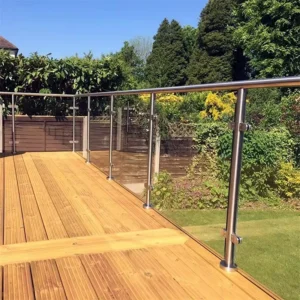
Surface Mount Handrails
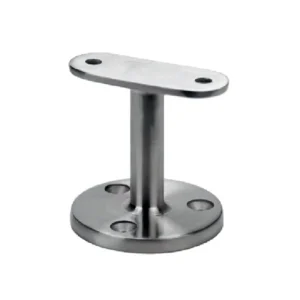
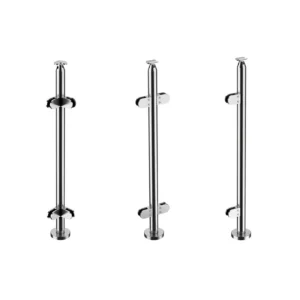
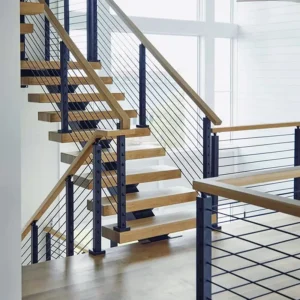
Surface Mount Handrails
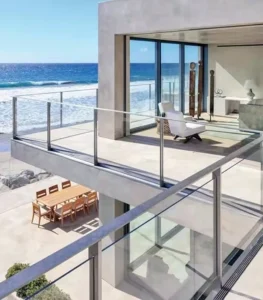
Use this category when handrail or railing supports will be fixed from above on a deck, slab, stair, platform, balcony floor or another horizontal construction. The visible finish is not the structural specification. Buyers need to identify the load-bearing substrate, build-up, edge and water-management conditions before a base or anchor interface can be matched.
Discuss surface-mount handrails on WhatsApp
Route to the right product family
• Deck Surface Handrail Systems — start here for deck, terrace or raised-platform layouts. Identify the structure below boards, finishes or membranes and state who selects the fixing method.
• Concrete Surface Handrails — use where the confirmed supporting construction is concrete. Supply slab and edge information plus project anchor criteria; the product category does not validate the concrete or anchor design.
• Top Mount Handrail Brackets — use when the purchasing task is the bracket between the top of a support and the rail. Match the support footprint, handrail profile and fixing orientation.
• Flat Surface Handrails — use for a general flat-support condition that still needs the surface, slope, build-up and interface defined.
• Universal Surface Mount Systems — use as the route for a flexible or not-yet-final mounting brief. “Universal” does not mean compatible with every substrate, anchor, post or load case; the proposed configuration must be stated.
Five site conditions drive the mounting choice
1. Structural substrate
State what carries the connection: concrete, structural steel, timber framing or another verified support. Tile, stone, coating, decking and waterproof membranes are build-up layers, not a substitute for the supporting structure.
2. Edge geometry
Provide available distances to slab, stair, deck or balcony edges, along with base footprint restrictions and obstructions. Do not select a base plate or anchor layout from a finish photo alone. Required edge and embedment criteria belong to the project’s structural/anchor design.
3. Water management
Show slopes, drains, membranes, coatings and areas where penetrations are restricted. Ask the quotation to distinguish supplied metal components from site sealing, flashing, waterproofing and repair responsibilities.
4. Alignment and build-up
Identify finished-surface levels, falls and tolerances. State whether adjustment, packing, covers or custom base geometry is requested. An adjustable-looking component should not be assumed to correct an unspecified slope or field error.
5. Complete railing interfaces
Show posts, handrail or top rail, glass/cable/bar infill and terminal/corner positions. The base, post and upper rail connection must be coordinated, while the performance of one part cannot be extended to the complete installed railing.
Separate supplied hardware from site engineering
A useful offer should say whether it includes base plates, posts, covers, rail supports, rail sections, connectors, fasteners or anchors. It should also state the assumed substrate and which fixing, drilling, grouting, sealing, waterproofing and inspection tasks remain with the project team. If substrate or performance data are not final, request a component proposal subject to those confirmations rather than treating it as installation approval.
What to compare in quotations
Compare the proposed base footprint and hole layout; post and rail profiles; supplied connection parts; material grade and finish; adjustment or leveling provision; included fasteners/anchors or exclusions; fabrication state; quantity basis; packaging; and the site inputs still required. Product-family names alone are not enough for comparison.
Minimum information to start
Send plan/elevation drawings or marked-up photos, the load-bearing substrate, finish build-up, edge distances if known, route and post layout, rail/infill type, indoor or outdoor exposure, waterproofing constraints, quantity and destination. Approximate details can start the review; final interfaces and project criteria must be confirmed before production.
Related Posts:
Handrail Tube Only or a Complete Component Package: What Should the Supplier Quote Include?
Compare tube-only and component-package handrail quotes by separating fittings, fabrication, mounting interfaces, finish work and delivered quantities.
Continuous or Sectional Handrail Supply: Which Split Strategy Fits Transport and Site Assembly?
Compare continuous and sectional handrail supply using delivery access, joint locations, mating details and section identification before fabrication release.
Where Should a Handrail Change from Wall-Supported to Post-Supported Along a Mixed Route?
Choose a handrail support change by comparing wall and post interfaces, preserving the gripping path and locating the transition on coordinated drawings.
Level, Raked or Raked-to-Level Mesh Panels: Which Geometry Belongs on Each Railing Run?
Choose between level, raked, and raked-to-level mesh panel geometry by railing run, pattern orientation, interfaces, and project drawings.
How to Specify Internal Sleeves and Splice Locks for Handrail Tubes
Specify handrail sleeves and splice locks by the actual tube interior, required retention and installation access so the connector can fit and be secured.
Where Should Handrail Splices and Supports Go on Long Runs?
Locate splices with supports, transitions and assembly access so shipping breaks also work as documented connections in the installed handrail.
Esang's Projects

Esang's Certificate
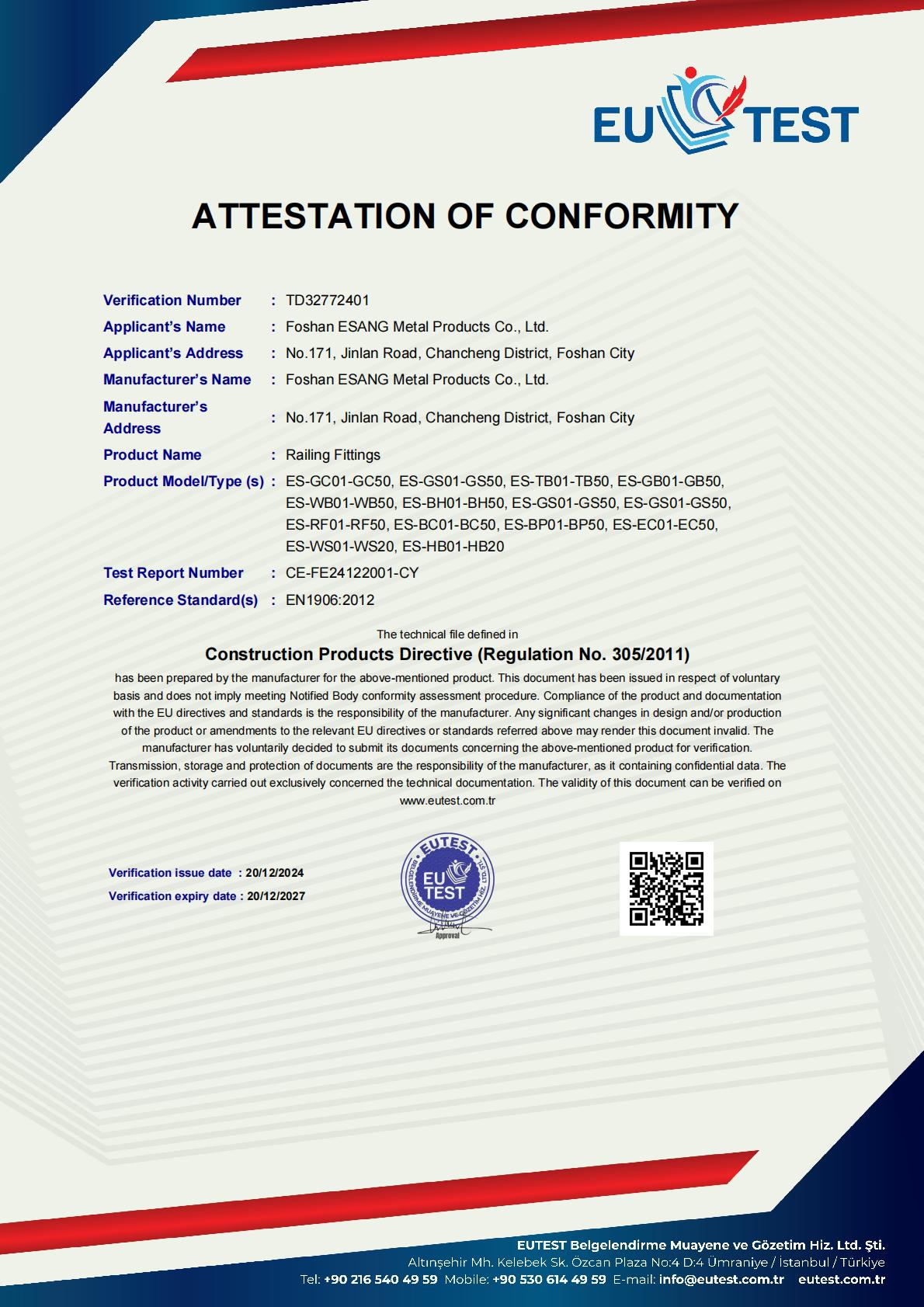
Foshan ESANG Metal Products proudly maintains CE certification (Verification No. TD32772401) under the Construction Products Directive (Regulation No. 305/2011), affirming our commitment to the highest European safety and quality standards.
Certified Product Range:
Our comprehensive railing fittings portfolio—including glass clamps, tensioners, brackets, wall mounts, base shoes, handrail fittings, cable hardware, and post components—meets EN1906:2012 standards, ensuring structural integrity and performance reliability across all installations.
What This Means for Your Project:
✓ Full regulatory compliance for European and international markets
✓ Independently verified safety and durability performance
✓ Documentation support for architectural specifications
✓ Peace of mind from third-party quality assurance
Certification valid through 2027 | Test Report: CE-FE24122001-CY
Esang's Projects

Reference Products