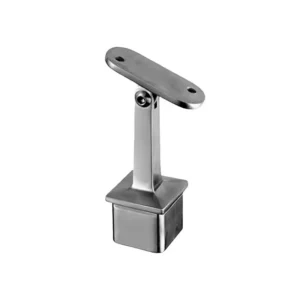
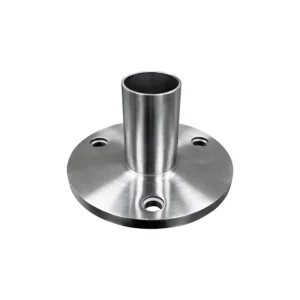
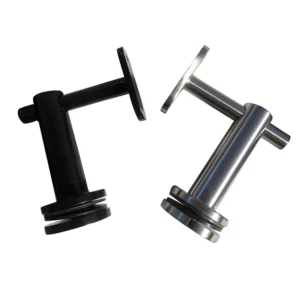
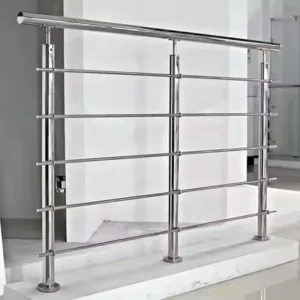
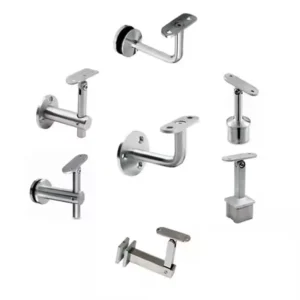
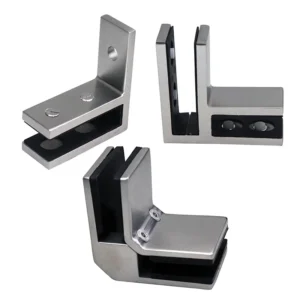
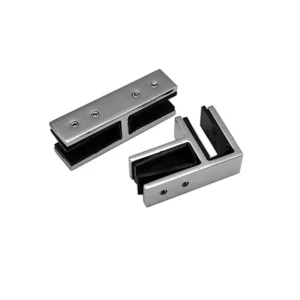
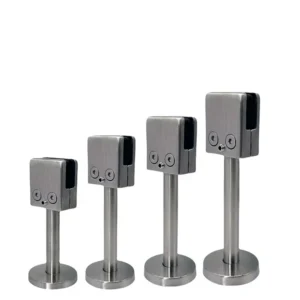
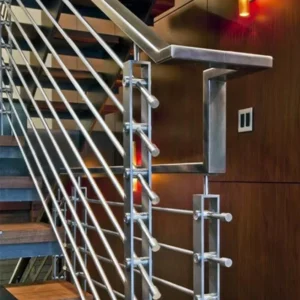
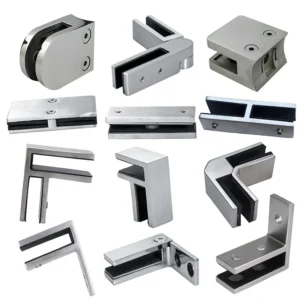
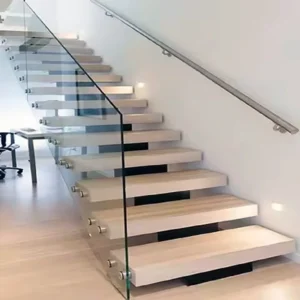
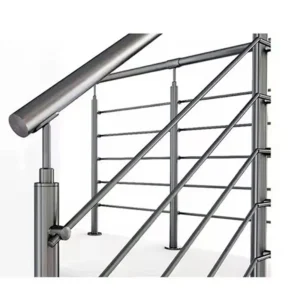
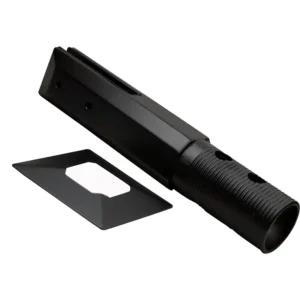
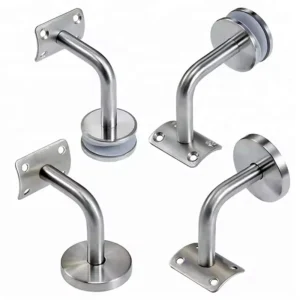
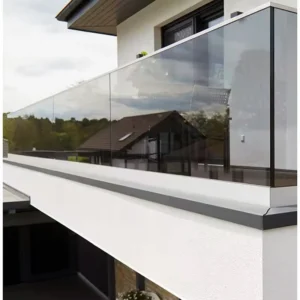
Surface-mount glass spigots are the practical route when the fixing point must stay above the finished surface and the substrate can accept a base plate and its anchors. The buying decision is not simply square or round: the base footprint, glass pocket, packing system, anchor layout and substrate all have to work as one assembly. Send a plan, site photo or marked-up sketch to start; exact glass and anchor details can follow before the configuration is frozen.
Discuss surface-mount spigots on WhatsApp
Choose surface mounting for the right reason
A surface-mount spigot has a visible base plate that transfers load into anchors at the top of the supporting structure. It can suit new work or retrofit work where core drilling is undesirable, but only when the finished build-up and the structure below it can take the selected fixing pattern.
- Choose it over a core-drill spigot when an embedded pocket is not available or when a removable, accessible fixing is important. The trade-off is a larger visible footprint and an anchor group close to the slab edge.
- Check the complete floor build-up. Tile, paver, screed, waterproofing and insulation are not automatically structural. If the base bears or anchors only into a finish layer, movement, cracked finishes or water entry can follow.
- Reserve edge distance and tool access. A base that fits on a drawing can still fail the layout if an anchor is too near an edge, clashes with reinforcement, or cannot be drilled and tightened without damaging adjacent finishes.
If the project instead has suitable concrete depth and deliberately allows an embedded stem, compare the core-drill spigot route before committing to base plates.

Match the glass pocket before ordering panels
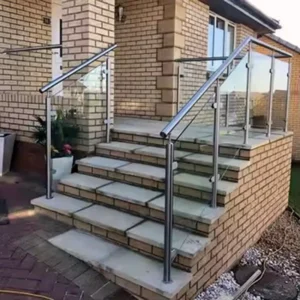
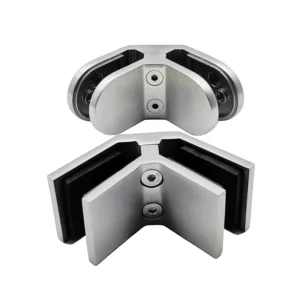
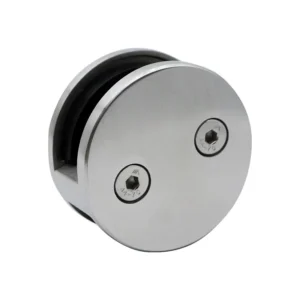
The spigot shown is an edge-clamping form, but the project still needs an exact proposed-product drawing. Do not order glass from a generic product name. Confirm these fields together:
- Glass make-up and actual thickness: monolithic or laminated, heat-treated condition, interlayer where relevant, panel height and width. Nominal thickness alone may not describe the built-up glass.
- Pocket and contact set: clear opening, liner or gasket thickness, base setting block, pressure plate or screw arrangement, and the approved tightening method. Missing or incorrect contact pieces can put metal against glass or concentrate pressure at the edge.
- Glass fabrication: confirm whether the quoted friction-clamp configuration needs no glass holes, or whether a different proposed spigot requires holes, notches or other fabrication. Freeze hole and edge details before tempering.
- Panel setting: spigot centres, end distance, bottom clearance, panel gaps, line and level, and any top rail or connector required by the project design.
Base plate, anchors and substrate form one load path
The spigot body is only one link. A usable proposal must identify the base geometry and the fixing into the actual structure. For concrete, provide slab or curb thickness, edge distance, strength information if available, reinforcement or services constraints, and the finish layers above it. For structural steel, provide the member size, thickness, access to the reverse side and whether through-bolting or another engineered connection is intended. For timber, provide the structural member—not just the deck board—and access around waterproofing.
Anchor type, diameter, embedment, hole preparation, spacing, corrosion exposure and installation torque belong to the anchor design and substrate assessment. They should not be inferred from the holes visible in a base plate. If leveling shims or grout are proposed beneath the base, their material and bearing area also need to be stated; an uneven base can twist the clamp line or leave the cover sitting proud.
Separate the hardware package from the railing system
A quotation for surface-mount spigots should say exactly what is included. Ask for separate lines or a clear bill of materials covering:
- spigot body and exact base plate;
- glass liners, packers, setting pieces and clamping fasteners;
- decorative base cover, if proposed;
- substrate anchors, washers, nuts, sleeves or adhesive, if included;
- leveling pieces, sealant or waterproofing accessories, if included;
- glass, top rail, panel connectors, gates and adjacent posts, if any;
- installation template, tools, drawings, test evidence or engineering documents, if requested.
Items not listed should be treated as by others. A spigot material statement or component test is not a rating for the completed guard. The applicable designer or engineer must assess the glass, spacing, connections, anchors and substrate against the project loads and local requirements.
Compare offers on the fields that change installation
Two surface-mount offers are only comparable when they identify the same interfaces. Ask each supplier to state the proposed product reference, visible form and finish, body/base material statement, glass make-up and thickness, liner set, pocket geometry, base dimensions and hole layout, allowed adjustment, included fasteners, anchor responsibility, panel spacing basis and documents supplied.
Also identify the exposure: interior dry area, sheltered exterior, pool splash, coastal salt, de-icing salts or industrial chemicals. The proposed grade, finish and cleaning plan should be chosen for that exposure and confirmed in the quote; appearance alone does not identify an alloy or corrosion performance.
Information that starts a useful quote
You can begin with estimated quantities and incomplete drawings. Send:
- project location and indoor/outdoor exposure;
- a plan, elevation, panel schedule or site photos with the railing run marked;
- known glass make-up and thickness, or the design stage if not yet selected;
- substrate type, thickness, edge distance and finish/waterproofing build-up;
- panel sizes, approximate spigot centres, corners, slopes, gates and end conditions;
- preferred visible form, finish, quantity and packaging needs;
- whether glass, anchors, covers, liners, top rail and engineering documents are to be included or quoted separately.
The returned proposal should freeze the exact spigot configuration and interface fields before glass fabrication or drilling begins.