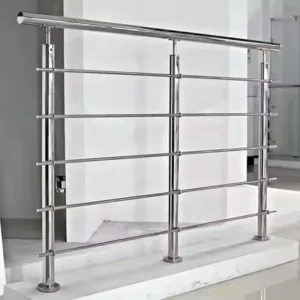
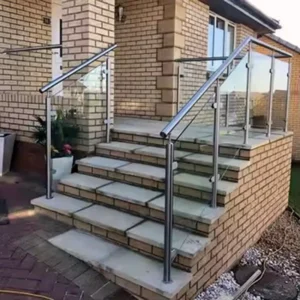
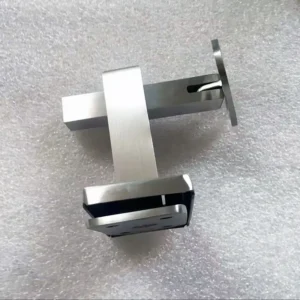
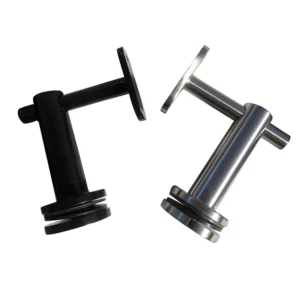
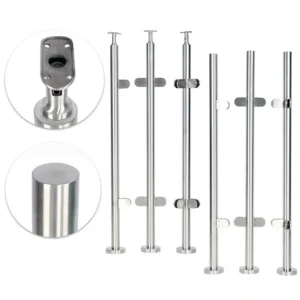
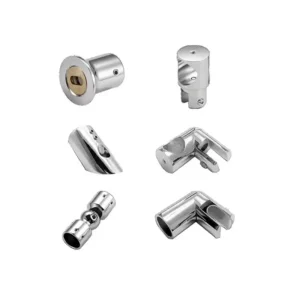
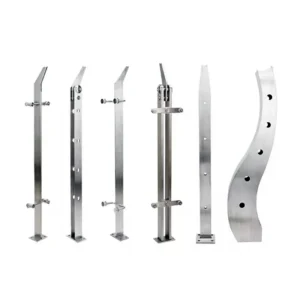
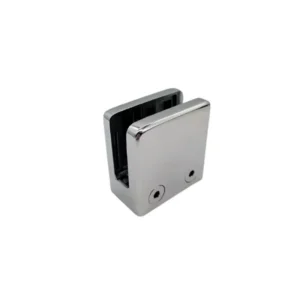
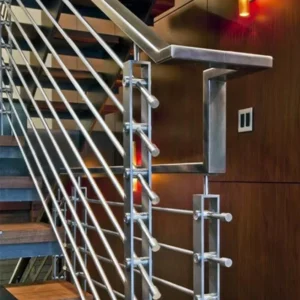
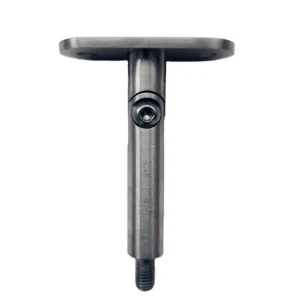
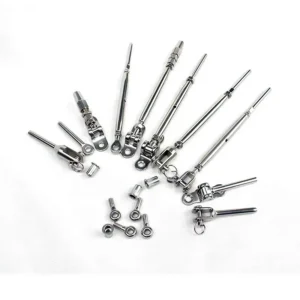
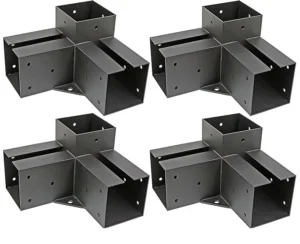
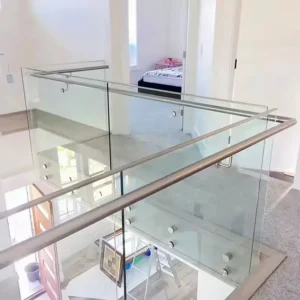
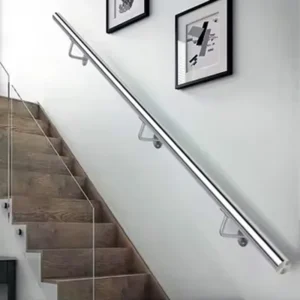
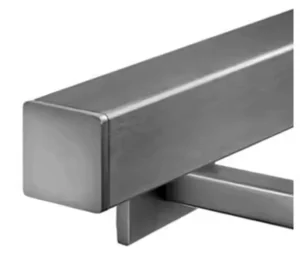
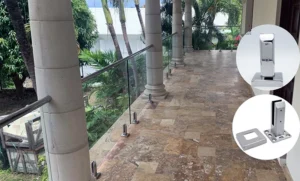
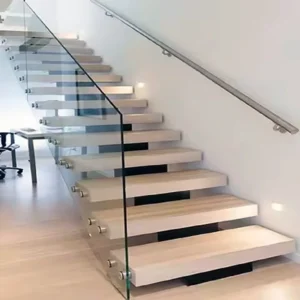
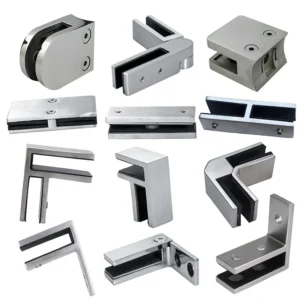
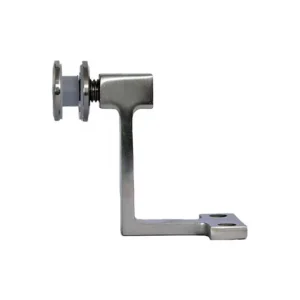
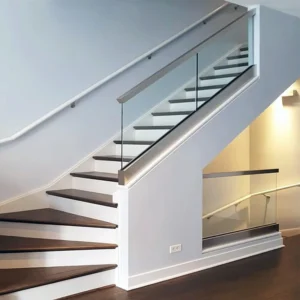
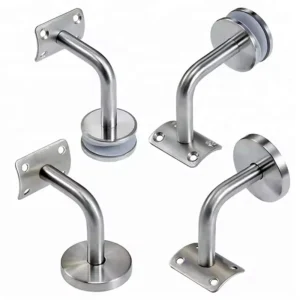
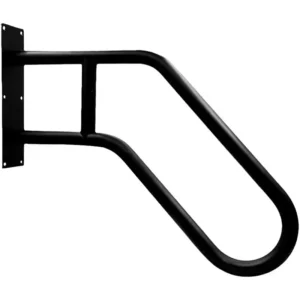
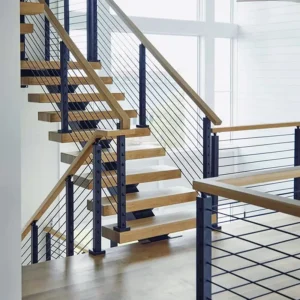
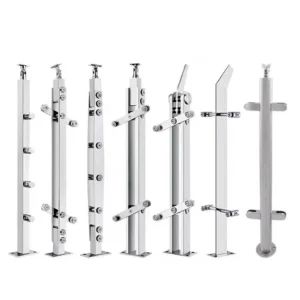
Round post mount brackets connect a circular post to a handrail or adjacent railing component. The critical purchase decision is not the finish; it is whether the post-side saddle, rail-side support and fastening method match the two real sections being joined. You can start an enquiry with a photo or sketch, estimated quantity and the post outside diameter even if final dimensions are still being confirmed.
Match the round-post saddle first
A curved contact face should be selected against the post’s actual outside diameter, not a nominal family name. A saddle that is too flat can concentrate pressure near its edges and rock on the post; a saddle that is too tight may not seat fully. State the post diameter, wall thickness, seam or slot position, and whether the bracket meets a plain tube, a sleeved area or a prepared boss.
The post wall and the internal bearing arrangement matter as much as the bracket. A thin hollow post can distort when a through-bolt or set screw is tightened without suitable support. Ask the proposed quotation to identify whether the post-side connection uses a through-bolt, a tapped insert, a welded boss, a backing piece or another defined interface. That choice determines drilling, access to the post interior and how tightening force is carried.

Keep the post interface and rail interface separate
A round post does not automatically mean a round top rail. The rail-side end may need a curved saddle for round tube, a flat plate for a rectangular or flat-bottom rail, or a prepared connector for another railing component. Provide the rail outside diameter or section drawing, the desired rail centreline and the bracket projection. If the rail runs on a stair or ramp, also provide the slope and say whether the saddle must be factory-set or site-adjustable.
Do not use a handrail-support bracket as a substitute for an infill, glass or cable connection without a system drawing. The supported component, load direction, edge distances and required fasteners are different responsibilities. The bracket quotation should name the exact component it supports and list any matching screws, inserts, saddles or cover pieces included in the proposed supply.
Decide how rotation is restrained
A circular post gives fewer geometric anti-rotation cues than a square post. Rotation control must therefore come from the defined joint: for example, a shaped saddle with adequate contact, a positive locating feature, a through-fastener, multiple fixing points or a factory-prepared interface. A single set screw should not be assumed to provide the final system’s anti-rotation capacity unless that exact joint has been specified and verified.
- For a factory-prepared post: show the hole, insert, weld boss or bracket location on the post drawing and require the supplied bracket to match it.
- For field preparation: confirm the drilling template, internal access, edge clearances, fastener type and tightening instruction before work begins.
- For an existing post: send close-up photos plus the outside diameter, wall thickness if known, and any restriction on drilling or welding.
What the drawing and quotation should resolve
| Decision | Input from buyer or site | Field to show in the offer |
|---|---|---|
| Post fit | Outside diameter, wall thickness, prepared feature | Saddle geometry, clearance and post-side fastening |
| Rail fit | Rail section, centreline, slope and projection | Rail support form, hole pattern and included fasteners |
| Movement control | Expected direction of force and site access | Anti-rotation feature and tightening or locking method |
| Work split | Factory-ready or field-prepared installation | Drilling, welding, inserts and assembly responsibility |
Use adjustment only when it is specified
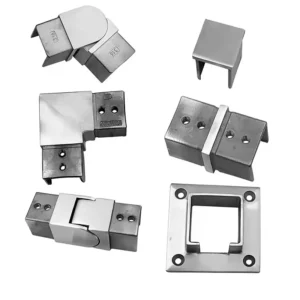
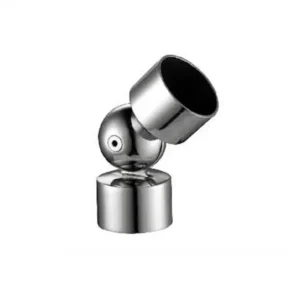
Some visible bracket forms include a pivoting or slotted connection, while others are fixed. Do not infer an adjustment range from appearance alone. If alignment correction is required, state the adjustment plane, required minimum and maximum angle, whether it is set once during installation, and how it is locked. A movable-looking joint is not proof that it can remain mobile in service.
Send enough information to compare two offers
For an initial review, send the post diameter, post wall thickness if known, rail section, bracket projection or rail centreline, slope where relevant, exposure condition, approximate quantity and a marked-up photo or sketch. Before order release, the proposed configuration should identify the bracket form, post-side and rail-side interfaces, fasteners and inserts, anti-rotation method, finish request, included parts, excluded site work and any project-specific verification still required.
Send your round-post interface to WhatsApp: +86 185 6601 2949