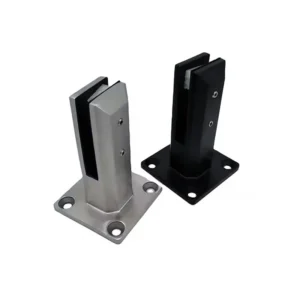
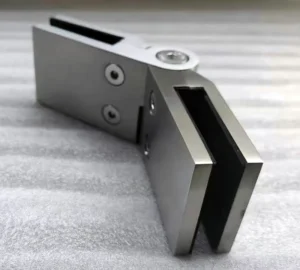
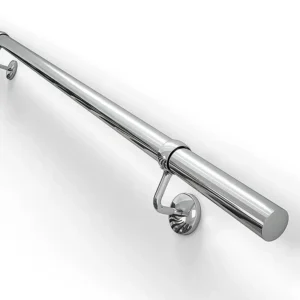
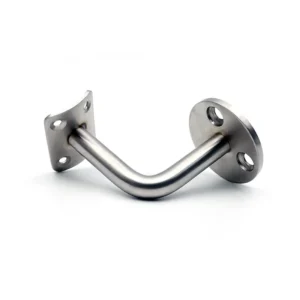
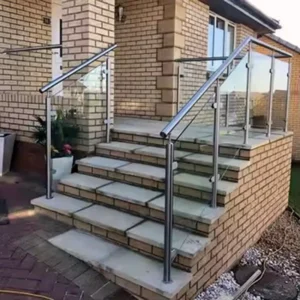
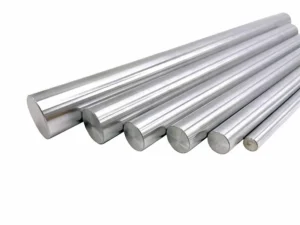
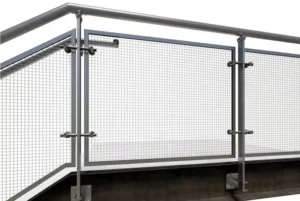
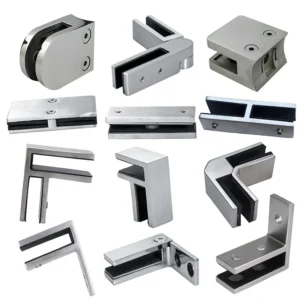
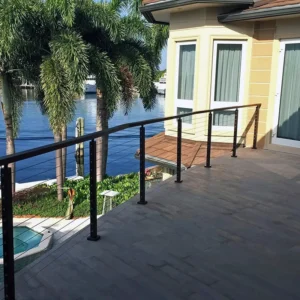
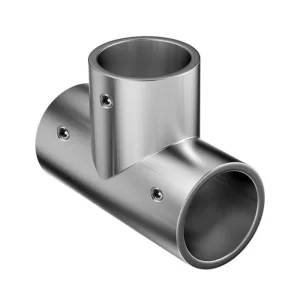
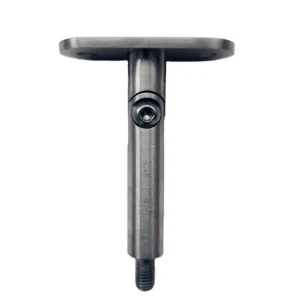
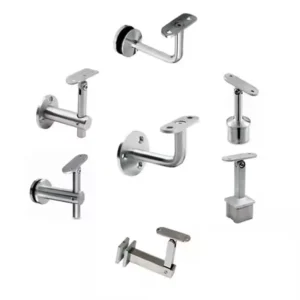
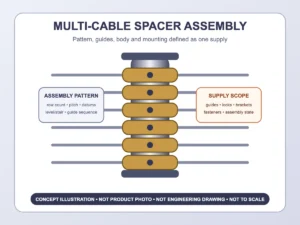
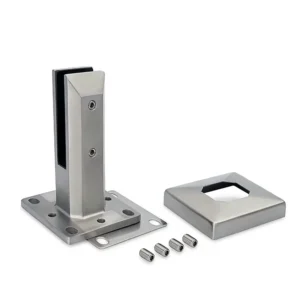
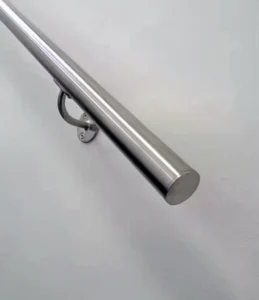
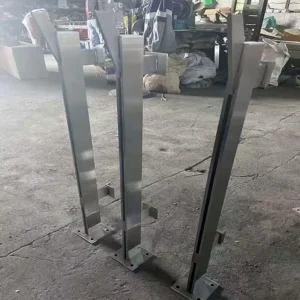
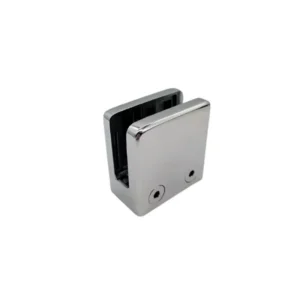
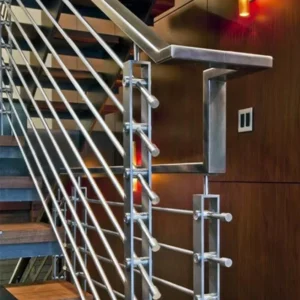
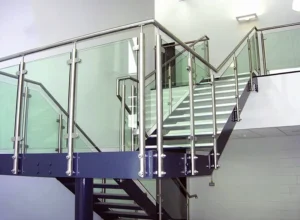
Round stainless steel posts provide a continuous curved face and a consistent visual relationship with round rails, but the profile changes how bases, saddles, clamps and drilled fittings meet the post. This page covers 304 and 316 as grade requests for quotation, not a promise that every diameter, wall, finish or connection is available in both. Send your railing layout and environment so ESANG can return a proposed round-post configuration.
Request round stainless posts on WhatsApp
Diameter and wall are only the first two fields
A useful post specification also identifies finished height, mounting allowance, location type and the interfaces attached to the curved surface. A larger diameter does not prove greater installed capacity, and the same tube can behave differently with a taller free height, thinner wall, different base or wider post spacing. Structural selection belongs to the whole frame and anchorage.
| Decision | Round-post consequence | What to require in the proposal |
|---|---|---|
| Tube diameter and wall | Changes visual scale, internal clearance, connector fit and structural input | Outside diameter, wall, tolerance and any applicable material/tube specification |
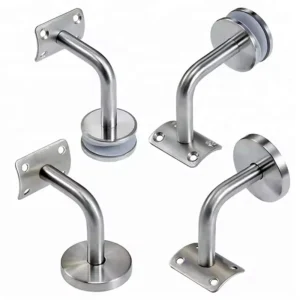
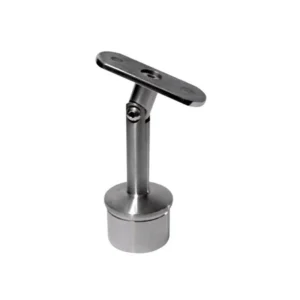
| Curved-surface hardware | Flat brackets can rock or leave gaps without a matching saddle or round-back interface | Saddle/clamp radius, fastener arrangement and included liners or gaskets |
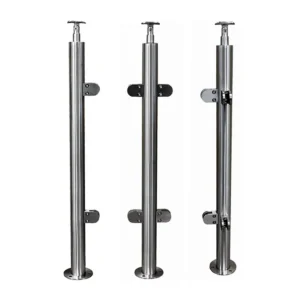
| Post position | Intermediate, terminal, corner and stair posts need different hole and bracket patterns | Type-by-type machining drawing rather than one universal post |
| Mounting route | Surface, fascia, core and embedded mounts change length, base shape and installation access | Finished and overall lengths, base/receiver detail and anchor scope |

Choose 304 or 316 from the exposure
Both are widely used austenitic stainless grades. Grade 316 contains molybdenum and generally provides higher resistance to pitting in chloride-bearing environments than 304. That makes it a common request for coastal, poolside or more aggressive exposure, but distance from the sea alone is not a sufficient specification. Salt deposition, cleaning, temperature, sheltered crevices, drainage and contact with other metals can all affect performance.
Ask the quotation to identify the proposed grade, source documentation and grade of visible fittings or fasteners. A 316 post combined with unsuitable hardware or an uncleaned crevice is not automatically a durable “marine system.” If welding is part of the supply, state whether the finished appearance and post-fabrication surface treatment have to match adjacent tube.
Match the post to the rail, infill and base
- Post body: supplies the round vertical member and its prepared holes, inserts or brackets.
- Base and anchors: connect the post to concrete, steel, timber, fascia or an embedded receiver. Substrate capacity, anchor design, edge distance and waterproofing are separate project responsibilities.
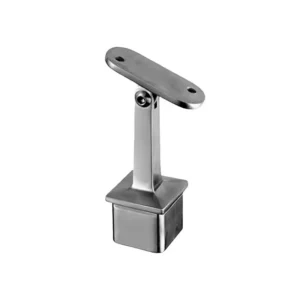
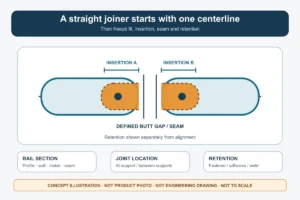
- Top rail: needs a saddle or connector that matches both the rail profile and post diameter. A round post does not require a round top rail, but the interface must be defined.
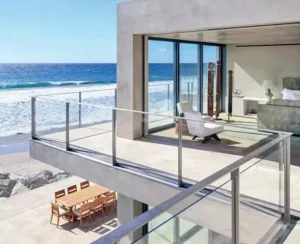
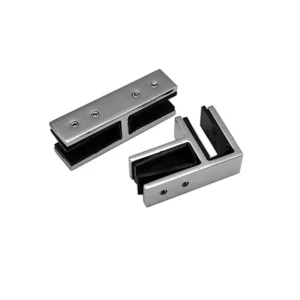
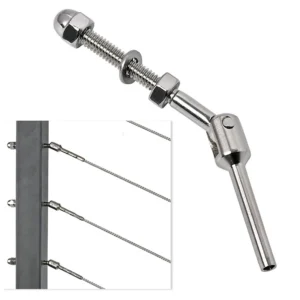
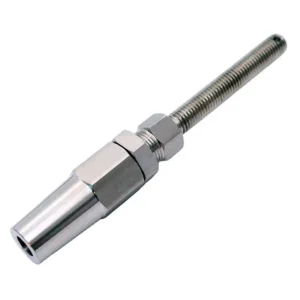
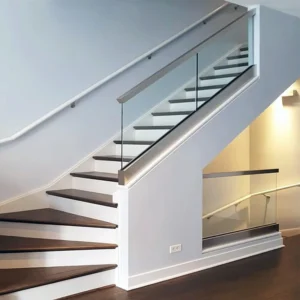
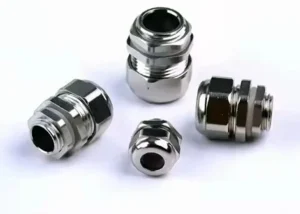
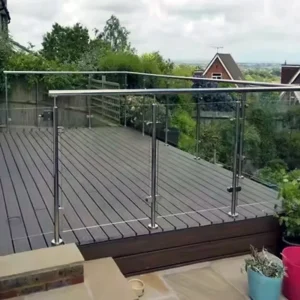
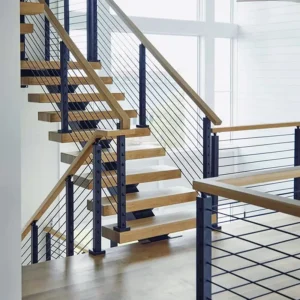
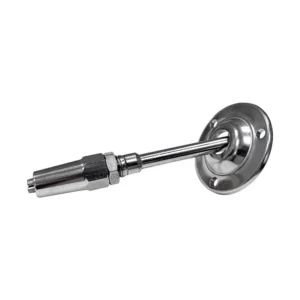
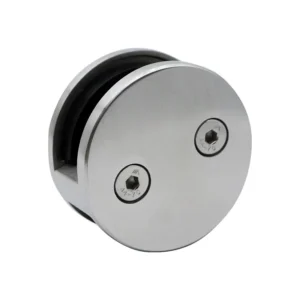
- Infill: glass clamps need the correct round-back geometry and panel build-up; cable needs aligned pass-through or terminal fittings; bars and panels need their own brackets.
- Location: intermediate posts repeat within a run, terminal posts end it, corner posts turn it, and newels resolve stair or landing transitions. Their machining should not be merged into one “standard” part.
Surface finish changes the inspection language
For a brushed finish, state the grain direction and acceptable blending at welds, brackets and cut ends. For a reflective finish, agree on the visual reference and protective-film handling because site marks are more visible. If the post is coated or colour-finished, request the base stainless grade, colour reference, gloss and repair responsibility separately. A finish name alone does not describe corrosion performance.
Release holes only after the infill is known
Round tubes have limited flat bearing area and internal access. Glass clamps, cable sleeves, terminal bodies and rail brackets may need different hole diameters, offsets, inserts or backing. At stairs, the hole line may follow the pitch while the post remains vertical. At a cable corner, the path can require a different treatment from a straight intermediate post. Coordinate these details with the actual hardware rather than drilling to an assumed catalogue pattern.
Information for a comparable quotation
Start with a plan/elevation or photographs, the count of intermediate, terminal, corner and stair positions, desired diameter and height if known, mounting route and substrate, top-rail profile, infill system, exposure, finish, quantity and required documentation. Early estimates are acceptable if open items are marked clearly.
The proposal should state tube diameter and wall, grade, finish, finished and overall length, base or receiver, type-specific machining, included rail/infill hardware, fasteners or anchors, material documents, packaging and exclusions. Final spacing, capacity, anchorage and compliance must be verified for the actual system and site.