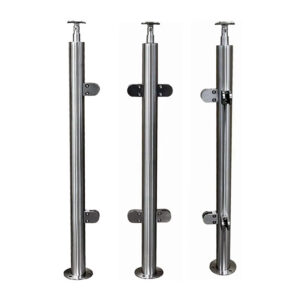
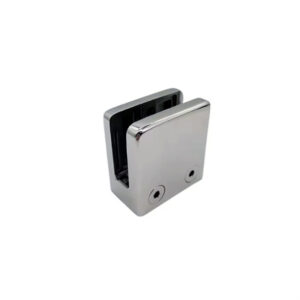
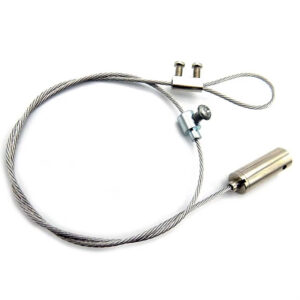
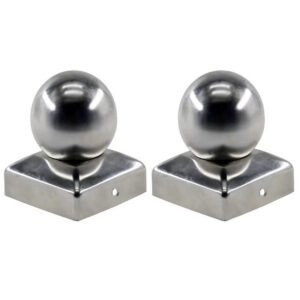
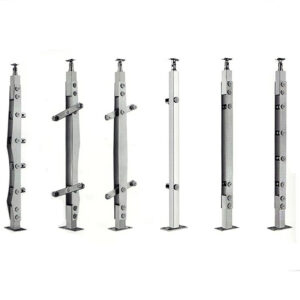
Spécifier “ acier inoxydable de qualité marine ” dans un cahier des charges de garde-corps sans faire la distinction entre les nuances 316 et 316L constitue une lacune de désignation susceptible d’entraîner de réelles conséquences au niveau de la fabrication — en particulier lorsque des travaux de soudure sont prévus ou lorsque le projet est situé dans un environnement à forte teneur en chlorure. La défaillance qui s’ensuit généralement n’apparaît pas sur le tube lui-même. Elle se manifeste au niveau du siège du support, de la tête de la fixation ou du cordon de soudure, après qu’une saison d’exposition au sel a altéré un assemblage qui semblait identique à un assemblage correctement spécifié sur toutes les photos du produit. Comprendre où la distinction entre le 316 et le 316L est réellement importante — et où elle ne l’est pas — est ce qui rend le choix du matériau justifiable plutôt que purement habituel.
Allégations relatives à la qualité « marine » avant la spécification de l'acier 316L
“L’expression ” grade 316 marin » n’est pas un terme réglementé ayant une signification technique bien définie. Il s’agit d’un argument marketing qui indique une résistance à la corrosion, mais qui ne garantit pas une faible teneur en carbone et n’implique pas automatiquement l’utilisation de l’acier 316L. Cette ambiguïté revêt une importance particulière lorsque le projet comporte des assemblages soudés ou une exposition directe aux chlorures, car la distinction entre les aciers 316 et 316L porte précisément sur ce qui se passe au niveau de la zone de soudure sous l’effet de la chaleur.
Pour les systèmes de garde-corps préfabriqués — où les tubes sont découpés, les supports soudés en place et les joints finis et passivés —, le fait de préciser uniquement “ qualité marine ” ne permet pas de définir la teneur en carbone. Un fabricant répondant à cette spécification peut livrer de l’acier 316 ou 316L en fonction des stocks disponibles, de la formulation exacte du bon de commande ou de la manière dont la classification interne des nuances est structurée. Si l’entrepreneur destinataire ou le chef de projet n’insiste pas pour obtenir une confirmation explicite de la nuance 316L, la documentation relative au matériau peut ne pas révéler cette différence avant l’apparition de la corrosion.
La solution pratique est simple : toute spécification matérielle impliquant une soudure ou une exposition au sel doit mentionner explicitement la référence “ 316L ”, et non pas simplement “ qualité marine ” ou « acier inoxydable 316 ». Cette précision est également importante pour la documentation : les dossiers techniques qui font explicitement référence au 316L sont plus faciles à vérifier à l'aide des certificats d'usine que ceux qui se contentent d'utiliser un terme marketing.
Intérêt de l'acier inoxydable à faible teneur en carbone dans les assemblages soudés
C'est la différence de teneur en carbone entre les nuances 316 et 316L — environ 0,081 TP4T au maximum pour la nuance 316 contre 0,031 TP4T au maximum pour la nuance 316L — qui détermine le risque de sensibilisation lors du soudage. La sensibilisation est un phénomène par lequel des carbures de chrome se précipitent aux joints de grains dans la zone affectée thermiquement, entraînant une diminution de la teneur en chrome qui assure la résistance à la corrosion. Dans le 316, cette diminution peut ne pas être entièrement compensée après le soudage sans un recuit de mise en solution post-soudage. Dans le 316L, la teneur en carbone plus faible réduit d’emblée le risque de sensibilisation.
Aux épaisseurs de paroi couramment utilisées dans la fabrication de tubes pour garde-corps — notamment celles de l’ordre de 0,065″ —, l’apport de chaleur lors du soudage est suffisant pour créer une zone affectée thermiquement où une sensibilisation peut se développer si la teneur en carbone n’est pas contrôlée. Il ne s’agit pas d’une défaillance qui apparaît immédiatement. Dans un environnement intérieur sec, la zone affectée thermiquement d’une soudure en acier 316 peut ne jamais poser de problème visible. En revanche, dans une installation en bord de mer ou au bord d’une piscine, cette même zone devient le point de corrosion préférentielle, se manifestant souvent par une décoloration ou des piqûres le long du cordon de soudure, plusieurs mois après la mise en service.
L'intérêt de l'acier 316L dans les assemblages soudés tient moins à la résistance globale à la corrosion du tube de base qu'à ce qui se passe au niveau de cette zone de transition. Si la fabrication implique de souder des supports directement sur le tube, de souder des embouts ou d’assembler des sections sur site, la désignation « faible teneur en carbone » revêt une importance particulière. Si l’installation est un système assemblé mécaniquement sans soudure sur site, l’argument de la sensibilisation est moins déterminant — ce qui explique en partie pourquoi une spécification générale en 316L, sans compréhension de l’étendue de la fabrication, peut représenter un surcoût inutile dans certains types de projets.
Pour les projets nécessitant des documents justificatifs, la norme ISO 9227:2022, qui traite de la méthodologie des essais au brouillard salin, fournit un cadre permettant d'évaluer la résistance à la corrosion des assemblages soudés dans des conditions contrôlées — ce qui s'avère pertinent lorsqu'un maître d'ouvrage ou une équipe chargée de l'élaboration des cahiers des charges a besoin de données comparatives sur les différentes options de matériaux.
Alignement de précision des supports, des fixations et des tubes
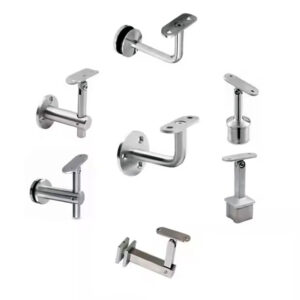
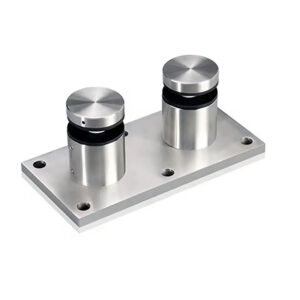
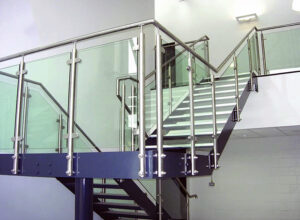
Un tube 316L correctement spécifié ne suffit pas à garantir la conformité d’un système de garde-corps aux normes marines. Ce qui garantit la cohérence de la classe de résistance du système, c’est le fait que chaque composant en contact avec l’environnement — y compris ceux qui sont partiellement ou entièrement dissimulés — soit spécifié et vérifié selon la même norme. Les incompatibilités de classe de résistance constituent la cause la plus fréquente de corrosion localisée dans des installations de garde-corps par ailleurs bien spécifiées, et elles sont structurellement difficiles à détecter car les photos des produits et les dossiers de soumission montrent généralement le tube.
La combinaison qui présente le risque de défaillance le plus évident est celle d’un tube en 316L avec des fixations en acier inoxydable 410. Le 410 est une nuance martensitique utilisée lorsque la dureté et la résistance mécanique priment sur la résistance à la corrosion. Dans un environnement marin ou côtier, la différence électrochimique entre le 410 et le 316L au niveau d’un point de raccordement commun peut entraîner une corrosion localisée au niveau de la tête de la fixation, de la zone d’engagement du filetage ou du bord du trou de montage — des zones où l’eau et le sel s’accumulent et où l’appauvrissement en oxygène peut accélérer le processus. La défaillance apparaît au niveau du raccord, et non du tube, ce qui signifie qu’une inspection visuelle de la surface du tube ne permet pas de détecter que quelque chose ne va pas.
Chaque composant de l'ensemble présente son propre risque lié à la qualité.
| Composante | Risque d'inadéquation | Ce qu'il faut confirmer |
|---|---|---|
| Tube | Peut porter la mention “ Marine Grade 316 ”, mais ne présente pas les avantages liés à sa faible teneur en carbone | Vérifier les caractéristiques techniques de l'acier 316L, en particulier si des travaux de soudure sont prévus |
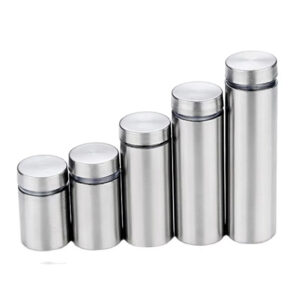
| Attacher | Les fixations en acier inoxydable 410 provoquent une corrosion galvanique avec les tubes en 316L | Choisir des fixations adaptées au tube (acier inoxydable 316L ou équivalent de qualité marine) |
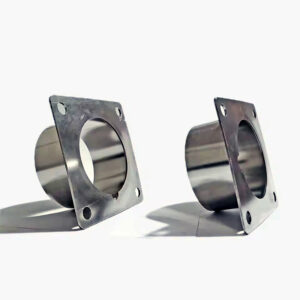
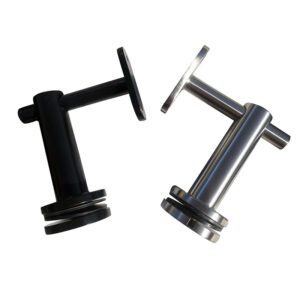
| Support | Le matériau des supports cachés peut être de qualité inférieure à celui des tubes visibles | Vérifier que le matériau du support est conforme aux spécifications de qualité marine |
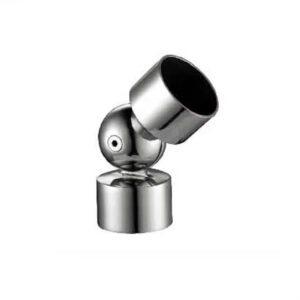
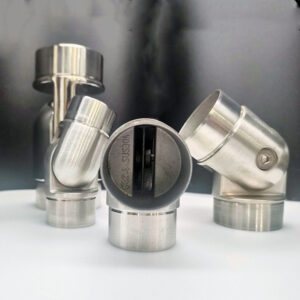
| Connecteur | Une qualité inconnue peut entraîner une défaillance localisée au niveau des points de raccordement | Vérifiez que le raccord est bien aligné avec le tube et le support |
| Zone de soudure | Le matériau d'apport ou la zone affectée thermiquement peuvent réduire la résistance à la corrosion | S'assurer que le métal d'apport et le procédé de soudage sont compatibles avec l'acier 316L |
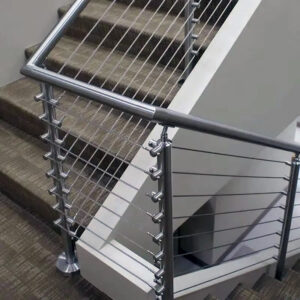
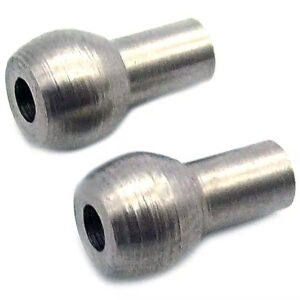
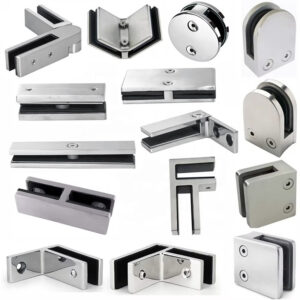
En matière d’approvisionnement et d’examen des soumissions, cela implique qu’une confirmation des matériaux doit être exigée au niveau des composants, et non pas uniquement pour le produit principal. Un fournisseur capable de confirmer l’utilisation de tubes en acier 316L mais incapable de fournir une documentation sur la nuance des fixations et des supports a fourni un cahier des charges incomplet. Dans le cadre de projets côtiers ou de piscines, exiger la traçabilité des certificats d’usine au niveau des composants — ou, au minimum, une confirmation écrite de la nuance des fixations et des supports — constitue une mesure de contrôle qualité raisonnable avant le début de l’installation. Esang’s systèmes de garde-corps de qualité marine en acier inoxydable 316L sont documentées au niveau des composants précisément pour cette raison.
Surcoût lié à la spécification de l'acier 316L au-delà des besoins réels en matière d'exposition
Le 316L présente effectivement un surcoût par rapport au 316, et ce surcoût s’accumule lorsqu’il s’applique à l’ensemble des composants d’un grand système de garde-corps — tubes, supports, fixations, raccords et quincaillerie dissimulée. Pour les projets situés dans des environnements présentant une forte concentration en chlorure, ce coût se justifie au regard du coût du cycle de vie lié à la corrosion précoce, aux travaux de réfection et à la responsabilité civile potentielle. En revanche, pour les projets en intérieur des terres ne présentant pas d’exposition significative au sel, cette même augmentation de coût n’apporte aucun avantage mesurable en termes de performances.
Il convient de nommer clairement cette erreur d’approvisionnement qui peut se manifester dans les deux sens. Le fait de surspécifier le 316L pour un escalier commercial situé à l’intérieur des terres et à l’abri des intempéries entraîne des coûts supplémentaires sans apporter d’avantage proportionnel. À l’inverse, une spécification insuffisante — utiliser de l’acier 316 là où l’acier 316L est réellement nécessaire, ou utiliser des tubes en 316L avec des pièces de quincaillerie en 316 ou de qualité inférieure — donne lieu à un système qui semble parfaitement conforme sur le papier, mais dont les performances sur le terrain sont limitées par son composant le plus faible. Aucune de ces erreurs n’apparaît avant que le projet ne soit suffisamment avancé pour que leur correction devienne coûteuse.
Le seuil de décision qui justifie le recours à l’acier 316L repose sur deux conditions : le fait que le soudage fasse partie de la fabrication ou de l’installation, et l’existence d’une exposition significative aux chlorures dans l’environnement. Lorsque ces deux conditions sont réunies — par exemple, un système de garde-corps soudé sur une terrasse en bord de mer ou autour d’une piscine d’eau salée —, le choix de la spécification 316L pour l’ensemble des composants constitue la décision d’achat la plus rationnelle. En l’absence de ces deux conditions, cette même spécification peut représenter un coût que le projet ne justifie pas. S’appuyer sur les conditions d’exposition plutôt que sur un argument marketing est le principe fondamental qui permet de justifier l’achat dans un sens comme dans l’autre.
Pour les projets où la nuance 316 est la plus adaptée et où l'utilisation se fait en extérieur, loin de la côte, Systèmes de garde-corps pour terrasses en acier inoxydable 316 offrir une référence adaptée au niveau scolaire, sans la majoration liée à la norme 316L.
Décision relative au matériau après que les conditions de soudage, la teneur en chlorure et la documentation sont connues
Le choix de la nuance de matériau pour un système de garde-corps doit se fonder sur les informations concrètes dont on dispose concernant le projet au moment de la rédaction du cahier des charges — et non sur des hypothèses, ni sur la description figurant dans le titre du produit. Les conditions qui font du 316L le choix approprié sont identifiables : exposition directe ou quasi directe aux chlorures, construction par assemblage soudé et environnements où la protection contre la corrosion est difficile à maintenir à long terme. Lorsque ces conditions sont confirmées, le choix du 316L pour l’ensemble des composants s’impose clairement. En leur absence, prescrire du 316L pour l’ensemble du système peut constituer un surinvestissement par rapport aux exigences de l’environnement.
Les environnements de piscines d'eau salée constituent l'un des cas les plus clairs en matière de choix. La combinaison d'une concentration élevée en chlorure due au traitement chimique de la piscine et de la présence probable de raccords soudés ou de socles de poteaux fait de l'acier 316L la recommandation pratique pour tous les composants des systèmes de garde-corps — tubes, quincaillerie et fixations. Ce choix repose sur une logique d'exposition et non sur une norme universelle des fabricants, mais le mécanisme d'action du chlorure est suffisamment constant pour que le fait de considérer les piscines d'eau salée comme des environnements de type 316L constitue une position de conception défendable.
La question de la proximité du littoral n’est pas aussi tranchée. La corrosivité atmosphérique dans les environnements marins n’est pas un effet lié à une distance fixe : elle est influencée par la direction dominante des vents, l’altitude, la topographie côtière et le fait que l’installation soit abritée ou directement exposée. La norme ISO 9223:2012 fournit un cadre permettant de comprendre le lien entre les catégories de corrosivité atmosphérique et le dépôt de chlorure, ce qui constitue un contexte utile pour évaluer les risques spécifiques à un projet plutôt que d’appliquer une règle générale. À titre de seuil pratique de planification, les projets situés à environ 10 miles d’un environnement marin sont souvent considérés comme nécessitant une passivation et une protection anticorrosion supplémentaire après l’installation, même lorsque le matériau de base est du 316L. Cette distance constitue une recommandation de planification destinée aux professionnels, et non un seuil réglementaire, mais elle correspond à la manière dont les degrés d’exposition atmosphérique ont tendance à évoluer à mesure que la concentration des aérosols marins diminue vers l’intérieur des terres.
L’importance accordée à la documentation est souvent sous-estimée dans les premières phases d’un projet. Si le cahier des charges prévoit l’utilisation d’acier 316L, la certification du matériau doit le confirmer : un rapport d’essai indiquant une composition chimique de type 316 ne satisfait pas à la spécification 316L, même si le produit porte la mention “ qualité marine ”. La vérification de la teneur en carbone par rapport au certificat d’usine, en particulier pour les composants soudés, est l’étape qui confère à la spécification de qualité toute sa valeur concrète, au-delà d’une simple désignation nominale.
Chaque condition correspond à une action spécifique.
| Condition | Seuil ou détail | Matière / Action |
|---|---|---|
| Exposition au chlorure (bassins salins, zones côtières) | Systèmes de garde-corps dans les environnements de piscines d'eau salée | Prévoir l'acier 316L pour tous les composants du système de garde-corps |
| Soudure requise | L'acier 316L à faible teneur en carbone réduit la sensibilisation, en particulier pour les épaisseurs de paroi courantes (par exemple, 0,065″) | Utiliser de l'acier 316L dans les assemblages de rails soudés |
| Proximité avec le milieu marin | A moins de 10 miles de la côte | Appliquer un passivant et une protection anticorrosion supplémentaire après l'installation |
L'article de fond sur Quincaillerie en acier inoxydable 316L vs 316 dans les assemblages soudés aborde de manière plus approfondie, sur le plan technique, la teneur en carbone et le mécanisme de sensibilisation, à l'intention des équipes chargées de prendre des décisions relatives au périmètre de fabrication.
La vérification la plus utile à effectuer avant l’achat, pour un cahier des charges de garde-corps de qualité marine, consiste à confirmer la nuance de chaque composant — et pas seulement celle des tubes — et à recouper cette confirmation avec les informations réelles concernant la méthode de fabrication et l’exposition aux chlorures. Si le projet implique des soudures et se situe dans un environnement côtier ou au bord d’une piscine, l’utilisation de l’acier 316L pour l’ensemble des composants est la solution qui résiste le mieux à l’examen du cycle de vie. Dans le cas contraire, cette même spécification risque d’engendrer des coûts supplémentaires sans justification.
Ce qui est souvent reporté à après l'installation — vérifier la classe des fixations, s'assurer du matériau des supports, contrôler la compatibilité des métaux d'apport de soudure — coûte bien moins cher à régler avant de passer commande. Les incompatibilités de classe, invisibles dans la documentation, se manifestent sous forme de corrosion localisée au niveau des points de raccordement, et les retouches qui s'ensuivent sont souvent attribuées à des problèmes de finition plutôt qu'à des lacunes dans le cahier des charges, ce qui signifie que la même erreur d'approvisionnement peut se reproduire lors du projet suivant. L'article sur Critères de décision relatifs à l'exposition au chlorure pour les spécifications 316 et 304 fournit un cadre décisionnel parallèle pour les projets dans lesquels la question de la nuance de base — et pas seulement la distinction entre 316 et 316L — reste en suspens.
Questions fréquemment posées
Q : Est-il judicieux de prescrire l'acier 316L pour l'ensemble des composants d'un système de garde-corps assemblé mécaniquement, sans soudure sur chantier ?
R : Pas nécessairement. L'argument de la sensibilisation en faveur du 316L — son principal avantage par rapport au 316 — est particulièrement pertinent lorsque le soudage crée une zone affectée par la chaleur. Dans un assemblage entièrement mécanique, sans soudage ni exposition significative aux chlorures, le 316 peut offrir des performances identiques à celles du 316L à un coût moindre. Le critère déterminant pour choisir le 316L est la combinaison du soudage et de l'exposition aux chlorures, et non pas uniquement le fait qu'il soit qualifié de « qualité marine ».
Q : Si un projet est situé à l'intérieur des terres mais comprend un bassin d'eau salée, l'ensemble du système doit-il tout de même être en acier 316L ?
R : Oui. La chimie des bassins salins génère des concentrations élevées en chlorure qui sont, d’un point de vue fonctionnel, comparables à une exposition côtière, quelle que soit la distance géographique par rapport à l’océan. Le mécanisme de corrosion par le chlorure, responsable de la corrosion de la zone de soudure et de la corrosion en interstice, ne fait pas la distinction entre le sel atmosphérique et le sel généré par le bassin. La position adoptée systématiquement en matière de conception consiste à traiter les installations de bassins salins comme des environnements entièrement en acier 316L — tubes, supports, fixations et éléments de quincaillerie cachés.
Q : Que se passe-t-il si un fournisseur est en mesure de confirmer la nuance du tube, mais ne peut pas fournir de documentation concernant la nuance des fixations et des supports ?
R : Cette lacune constitue une spécification incomplète et comporte un risque réel de défaillance. La corrosion localisée dans les assemblages de nuances mixtes apparaît généralement au niveau des points de raccordement — têtes de fixations, zones d’engagement des filetages et sièges de supports — et non sur la surface des tubes. Un fournisseur incapable de fournir une confirmation écrite de la nuance ou la traçabilité du certificat d’usine pour les fixations et les supports n’a pas livré un système de qualité marine vérifiable, quelle que soit la désignation figurant sur le produit phare.
Q : Comment une équipe de projet peut-elle vérifier que le matériau livré est bien du 316L et non du 316 ?
R : La seule méthode fiable consiste à vérifier la teneur en carbone par rapport au certificat d’usine. Un rapport d’essai indiquant une composition chimique de type 316 — avec une teneur maximale en carbone de 0,081 TP4T — ne répond pas aux spécifications du 316L, même si le produit est étiqueté “ qualité marine ”. Le seuil pour le 316L est fixé à une teneur maximale en carbone de 0,031 TP4T, et cette valeur doit figurer explicitement dans le certificat du matériau. Se fier à l'étiquetage du produit ou à la description du bon de commande sans vérifier le certificat rend la spécification purement théorique plutôt que confirmée.
Q : Existe-t-il un seuil à partir duquel la proximité du littoral ou l'exposition aux chlorures est suffisamment faible pour que la passivation seule constitue une protection suffisante, sans qu'il soit nécessaire de passer à l'acier 316L ?
R : Oui, pour les assemblages mécaniques non revêtus dans des environnements terrestres à faible corrosivité, la passivation de pièces en acier 316 correctement spécifiées peut s’avérer suffisante. Le seuil change lorsque des opérations de soudage sont impliquées ou lorsque le site se trouve sous l’influence atmosphérique marine — généralement considérée comme s’étendant jusqu’à environ 10 miles d’un environnement marin, où le dépôt de chlorure reste significatif. Au-delà de cette distance, dans un contexte abrité et non exposé à l’action des vagues, l’acier 316, associé à une passivation et à un entretien appropriés, peut constituer un choix justifiable ; toutefois, cette évaluation doit s’appuyer sur les conditions réelles du site plutôt que sur une simple estimation fondée sur la distance.