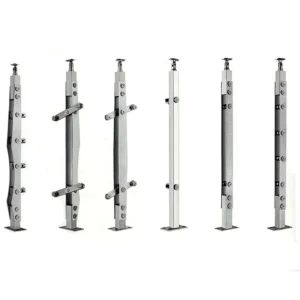
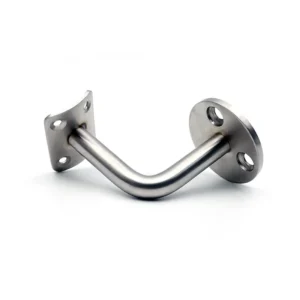
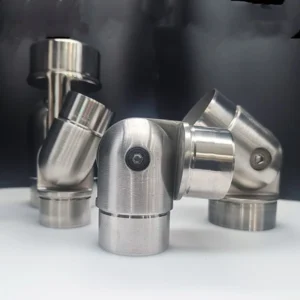
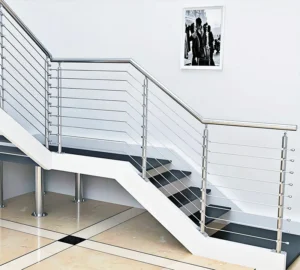
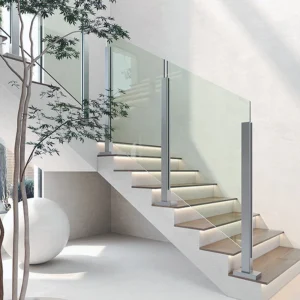
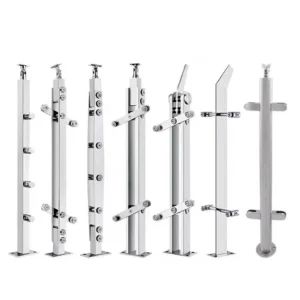
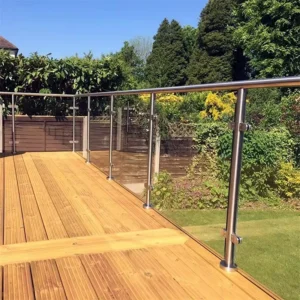
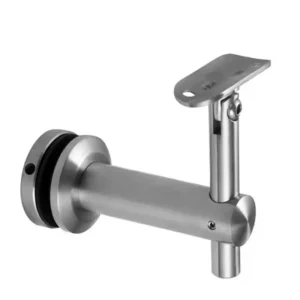
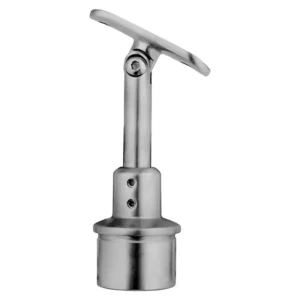
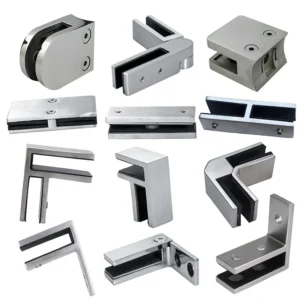
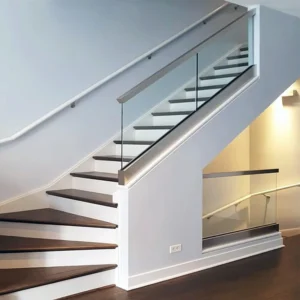
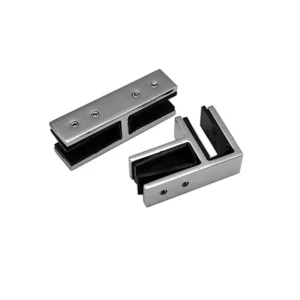
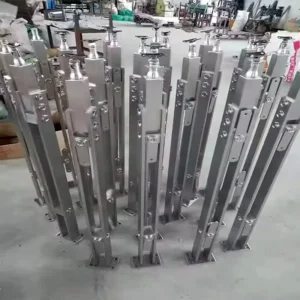
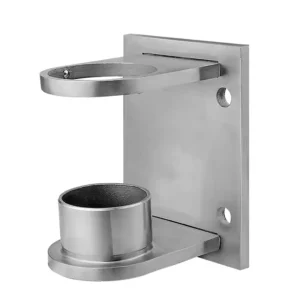
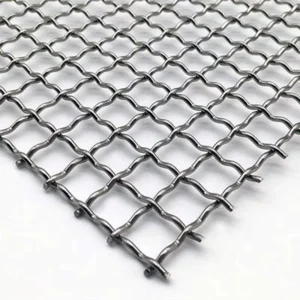
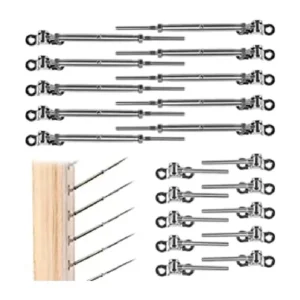
Intermediate posts repeat within a railing run, but they are not generic spacers. They support the rail or guard frame at defined locations and provide the interfaces that keep glass, cable, bars or panels aligned between the ends. Their spacing, section and connection pattern belong to the complete system design. Share a run length, elevation and infill choice and ESANG can prepare an intermediate-post proposal for comparison.
Request an intermediate post proposal on WhatsApp
Start with the bay layout
Post spacing cannot be selected from appearance alone. It changes with post section and wall, finished height, top-rail behaviour, infill stiffness, wind or occupancy criteria, mounting structure and local requirements. Show the total run and fixed end/corner locations first; intermediate bays can then be coordinated without promising a universal spacing.
| Intermediate-post choice | Result to coordinate | Quotation field |
|---|---|---|
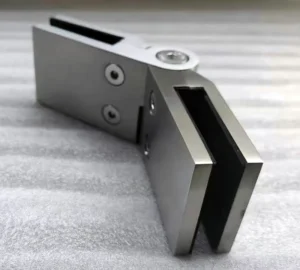
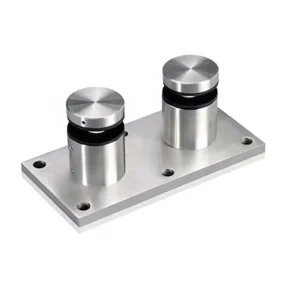
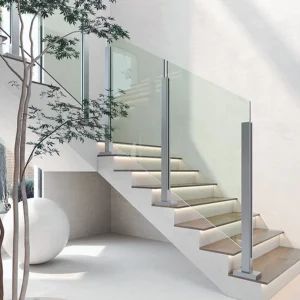
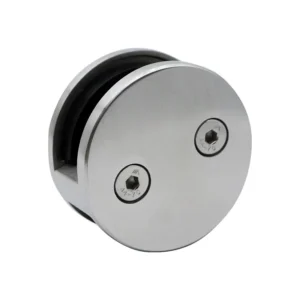
| Glass clamps on one or two sides | Panel edge clearances, gasket set, clamp direction and panel-removal sequence | Clamp faces, panel build-up, hole/no-hole condition and included liners |
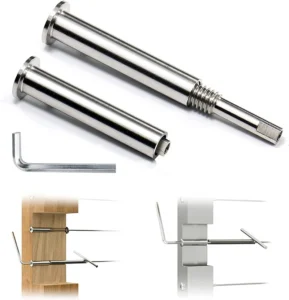
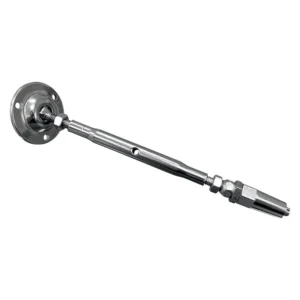
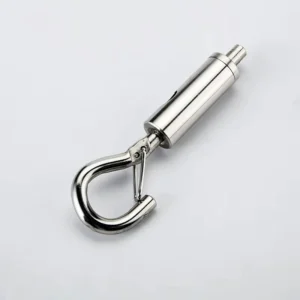
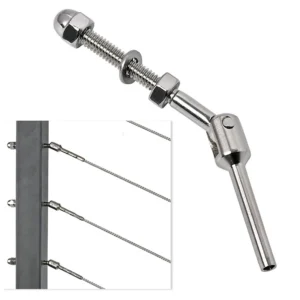
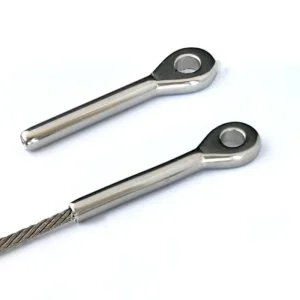
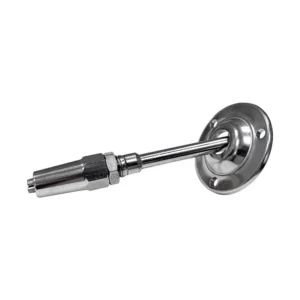
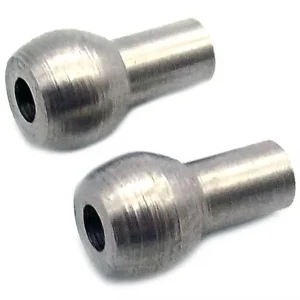
| Cable pass-through | Hole alignment, cable abrasion protection, stair angle and relation to terminal fittings | Hole/sleeve schedule and identification of fittings supplied separately |
| Bars or framed panels | Bracket depth, weld or mechanical joints, finish repair and panel tolerance | Bracket or tab geometry, shop/site connection and finish after fabrication |
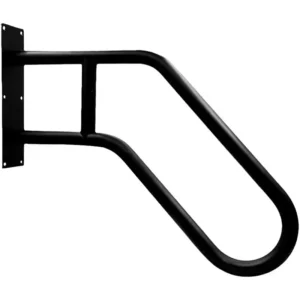
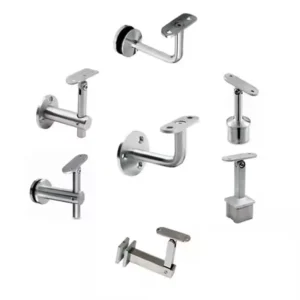
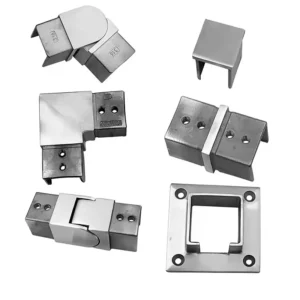
| Top-rail support | Rail profile, saddle, joint position, pitch and continuity | Post-top preparation and rail connector scope |
Intermediate is a location, not a lighter-duty promise
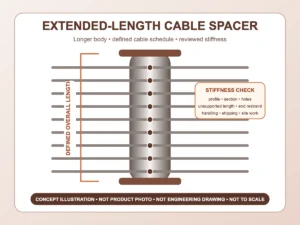
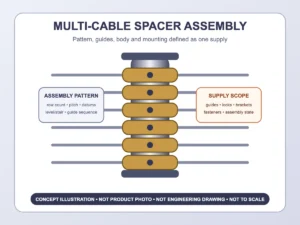
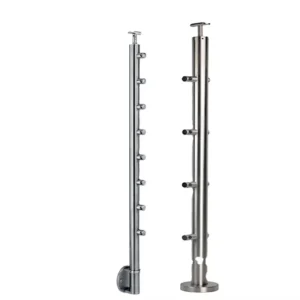
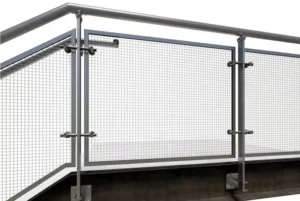
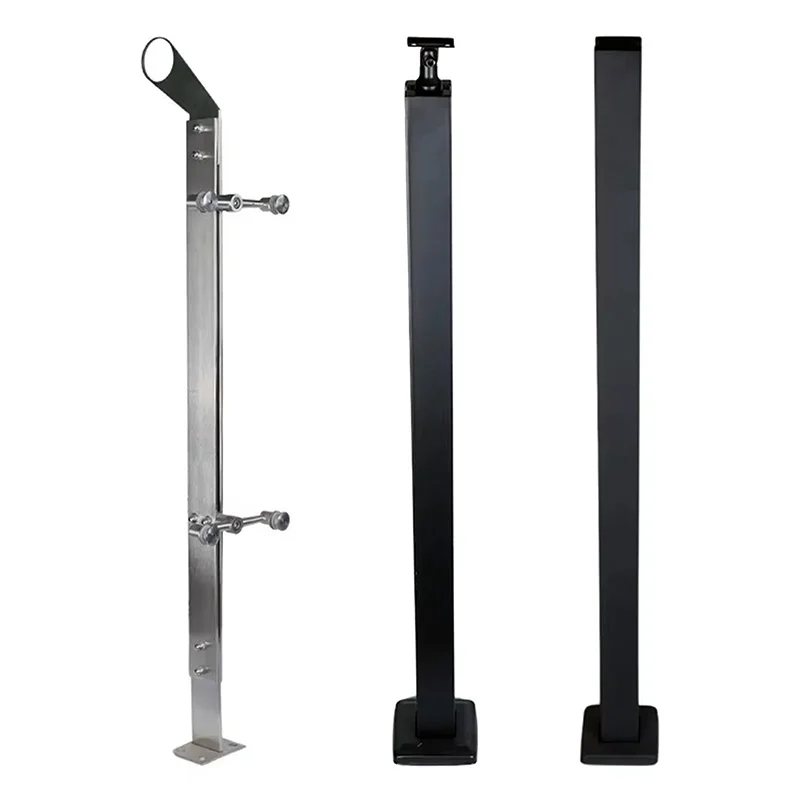
In a cable railing, an intermediate post may guide the cable while terminal and corner posts receive the end fittings—but its structural role still depends on the selected frame. A slender vertical spacer used only to control cable deflection is not automatically interchangeable with a structural intermediate post. In a glass guard, the post may support panel clamps and the top rail. In a bar or panel guard, it may receive the infill frame from both sides. The drawings and proposal should name the role instead of relying on “intermediate” alone.
- Post body: provides the repeated vertical support and the connection faces or pass-through preparation.
- Base and anchors: transfer each repeated post into the actual substrate; anchor suitability is project-specific.
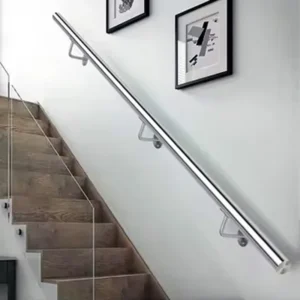
- Top rail: may tie posts together and support a handhold or frame; its continuity and joints should be shown.
- Infill: controls bay closure and brings its own clamps, sleeves, brackets or tolerances.
- Intermediate position: sits between defined ends and corners. It should not be used as a terminal or turn post without a separate interface and load review.
Repeatability depends on a controlled schedule
For multiple posts, issue a type schedule rather than one typical detail with field interpretation. Identify level and stair types, left/right faces, hole or bracket elevations, base orientation and post-top preparation. If a rail joint is allowed above an intermediate post, mark which post receives it. If a glass panel or framed infill must be replaceable, confirm which connectors remain accessible after installation.
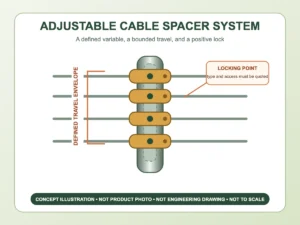
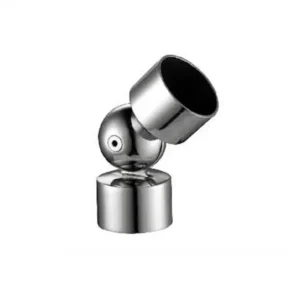
At stairs and ramps, the post can remain vertical while holes or brackets follow the pitch. Provide the actual angle and finished levels. At curved or faceted plans, show the local rail direction at every post. “Adjustable” hardware should be proposed only after its movement and locking method are identified.
304 and 316 are requests, not automatic configurations
Grade 316 generally offers higher resistance to chloride-related pitting than 304, but grade choice must follow the real exposure and the complete connection. Indoor, sheltered exterior, poolside, coastal and chemical-cleaning conditions are not equivalent. State the environment and request the proposed grade for the post, brackets and fasteners, plus any material certificate. Drainage, crevices, surface contamination, compatible metals and maintenance remain relevant regardless of grade.
Prepare a take-off that suppliers can answer consistently
Send the total run lengths, end/corner positions, proposed bay dimensions if known, post height and profile, mounting method and substrate, top rail, infill, stair pitch, exposure, finish and estimated quantities. Photographs and marked screenshots are acceptable for an initial discussion.
The offer should return post types and quantities, body section and wall, grade, finish, finished/overall length, base or receiver, post-top detail, face machining, included connectors, fasteners, source documents, packaging and exclusions. Final bay spacing, structural capacity, anchors, glass design, cable tension and local compliance require confirmation for the actual installation.