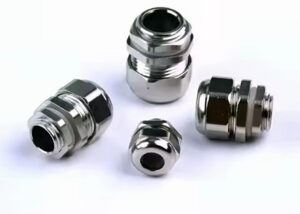
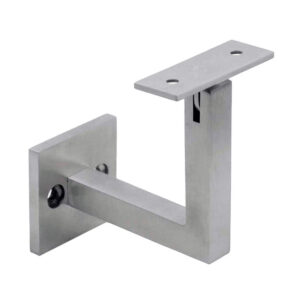
أعمدة الدرابزين ومكوناته
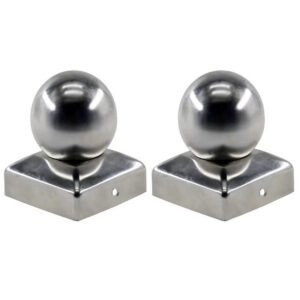
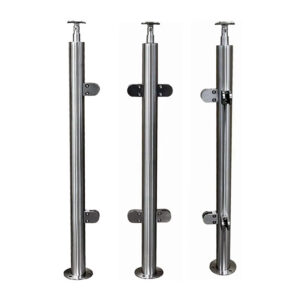
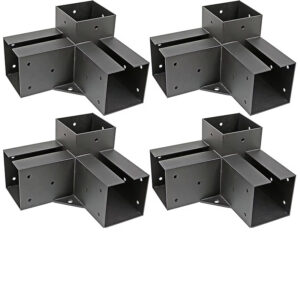
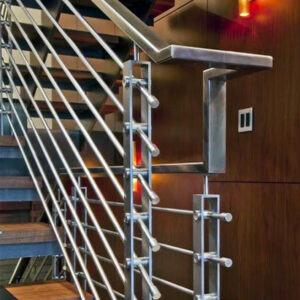
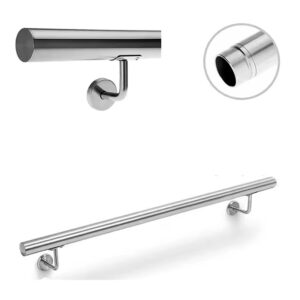
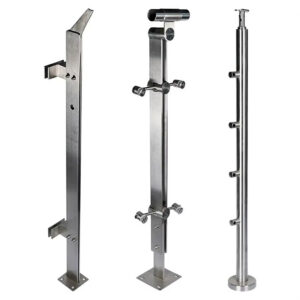
أعمدة الدرابزين ومكوناته
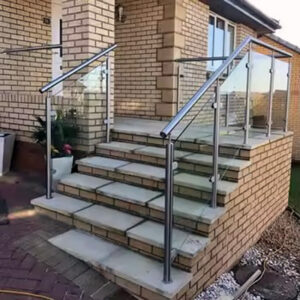
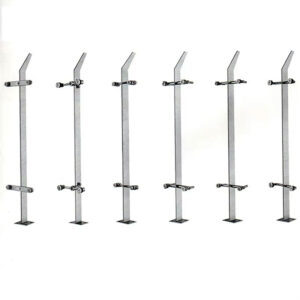
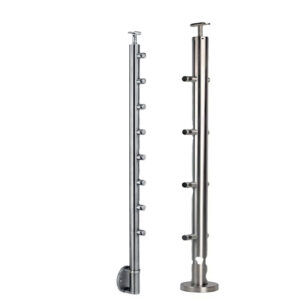
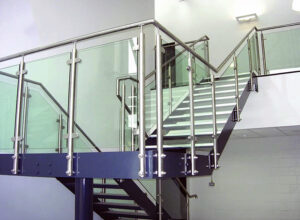
تُستخدم أعمدة ومكونات الدرابزين من ESANG في بناء الهيكل الرئيسي لأنظمة الدرابزين المصنوعة من الفولاذ المقاوم للصدأ، وذلك للسلالم والشرفات والتراسات والطوابق الخارجية والمباني التجارية والمشاريع السكنية وأنظمة الدرابزين الزجاجية وأنظمة الدرابزين الكبلية والتطبيقات المعمارية المخصصة.
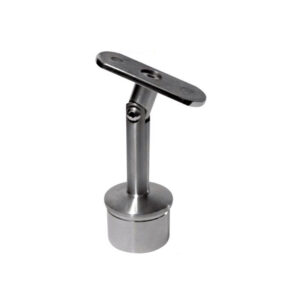
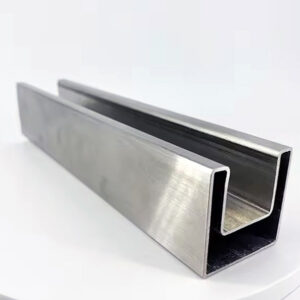
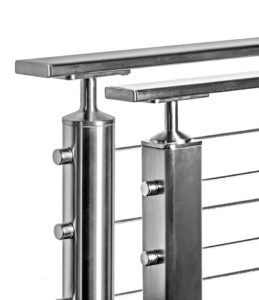
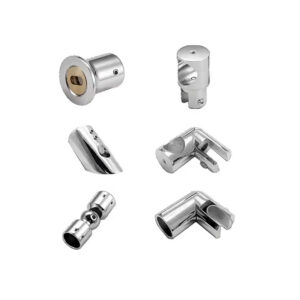
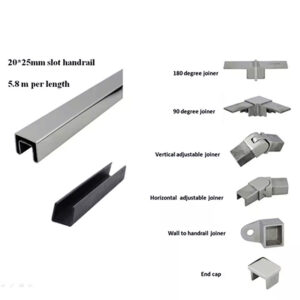
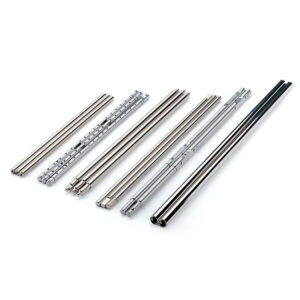
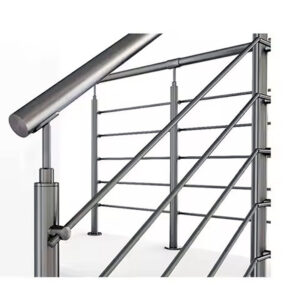
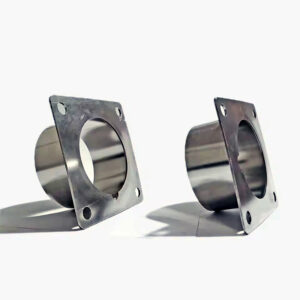
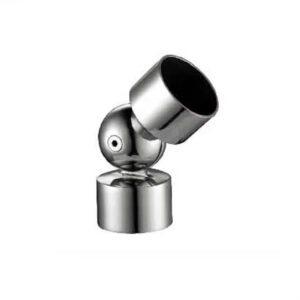
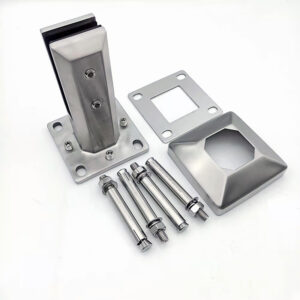
تشمل هذه الفئة أعمدة من الفولاذ المقاوم للصدأ, القضبان العلوية والقضبان السفلية, تركيب الأجهزة والتثبيت, ، و أنظمة الحشو. تساعد هذه المكونات في تحديد متانة نظام الدرابزين الكامل وتصميمه ومظهره وطريقة تركيبه.
بالنسبة للمقاولين والموزعين والمصنعين ومشتري المشاريع، يجب أن يستند اختيار الأعمدة والمكونات إلى نوع الدرابزين، وظروف التركيب، ودرجة جودة المواد، وطريقة الحشو، ووصلة الدرابزين، والتشطيب السطحي، ومتطلبات المشروع. يمكن لشركة ESANG تصنيع أعمدة الدرابزين والمكونات ذات الصلة وفقًا للرسومات والأبعاد ودرجة جودة المواد ومتطلبات التشطيب وظروف التركيب.
خيارات أعمدة الدرابزين ومكوناته
| الفئة | أفضل استخدام له هو | أسئلة أساسية حول الاختيار |
|---|---|---|
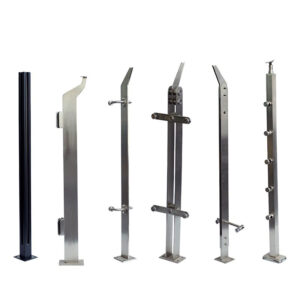
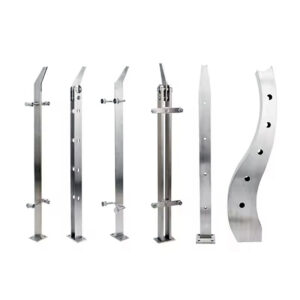
| أعمدة من الفولاذ المقاوم للصدأ | الدرابزينات، وحواجز الشرفات، وحواجز السلالم، وأنظمة الحواجز الزجاجية، وأنظمة الحواجز الكبلية، وهياكل الحواجز الواقية | هل ينبغي أن يستخدم المشروع أعمدة مستديرة أم مربعة أم مستطيلة أم زاوية أم طرفية أم وسيطة أم أعمدة الدرابزين؟ |
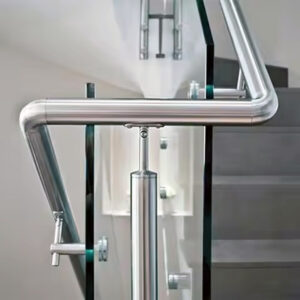
| القضبان العلوية والقضبان السفلية | أنظمة الدرابزين التي تتطلب دعماً مستمراً من الأعلى أو من الأسفل، أو محاذاة أفقية للدرابزين | ما هو شكل القضيب المطلوب؟ هل يتصل القضيب بالأعمدة أم بالزجاج أم بألواح التعبئة أم بحوامل الدرابزين؟ |
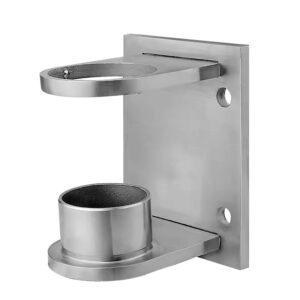
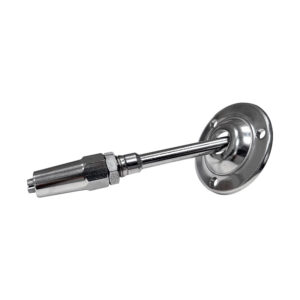
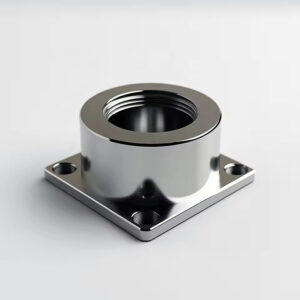
| تركيب الأجهزة والتثبيت | التثبيت على السطح، والتثبيت على الواجهة، والتثبيت على القلب، والقاعدة القابلة للتعديل، وتطبيقات التشطيب اللاحق | ما هي القاعدة التي سيدعمها العمود؟ هل يتم تثبيت العمود من الأعلى أم من الجانب أم في ثقب تم حفره في قلب المادة؟ |
| أنظمة الحشو | تصاميم الدرابزينات ذات الأعمدة الرأسية، والقضبان الأفقية، والقضبان، والشبكات السلكية، والألواح المصممة حسب الطلب | ما هو نوع الحشو المطلوب، وكيف سيتم ربطه بالأعمدة والقضبان؟ |
كيفية اختيار أعمدة ومكونات الدرابزين
أعمدة الدرابزين ليست مجرد دعامات رأسية فحسب. فهي تحدد كيفية تثبيت نظام الدرابزين، وكيفية توصيل الدرابزين اليدوي، وكيفية تثبيت الحشو، وكيفية نقل الحمل إلى هيكل المبنى. قد تبدو الأعمدة المستخدمة في نظام الدرابزين الزجاجي، ونظام الدرابزين الكبلي، ونظام الحشو التقليدي بالقضبان متشابهة في الشكل، لكن تفاصيل التوصيل بينها قد تختلف اختلافًا كبيرًا.
| حالة المشروع | الاتجاه الموصى به | ما أهمية ذلك |
|---|---|---|
| يستخدم الدرابزين ألواحًا زجاجية | استخدم أعمدة متوافقة مع مشابك الزجاج أو محولات الزجاج أو الدعامات ذات الشكل القنوي | يجب مراعاة سماكة الزجاج، وتصميم الألواح، وموضع المشابك، والمسافة الفاصلة بين الحواف، معًا. |
| يتميز الدرابزين بحشوة من الكابلات | استخدم الدعامات المصممة لتوجيه الكابلات، وتوصيل الأطراف، ومعدات الشد | تتطلب أنظمة الكابلات محاذاة صحيحة، ومعالجة الزوايا، ودعم الشد. |
| يتم تثبيت العمود على لوح خرساني أو سطح خرساني | استخدم لوحات التثبيت السطحية أو خيارات لوحات التثبيت المخصصة للأحمال الثقيلة | يؤثر اختيار المثبت وحجم لوحة القاعدة وقوة الركيزة على أداء التركيب. |
| يتم تثبيت العمود على جانب الدرج أو حافة الشرفة | استخدم لوحات التثبيت على الواجهة أو أدوات التثبيت الجانبية للأعمدة | يؤدي التثبيت الجانبي إلى تغيير مسار الحمل ويتطلب محاذاة دقيقة. |
| يتطلب المشروع مظهرًا نهائيًا أنيقًا | استخدم أغطية القواعد وأغطية الأعمدة وأغطية الأطراف المتناسقة، بالإضافة إلى التشطيبات السطحية المتناسقة | تؤثر الأجزاء المادية الظاهرة على المظهر المعماري النهائي. |
| يُنفذ المشروع في الهواء الطلق، أو على الساحل، أو بجانب المسبح، أو في بيئة رطبة | يجب مراعاة الفولاذ المقاوم للصدأ من النوع 316 ومتطلبات التشطيب والصيانة المناسبة | تكتسب مقاومة التآكل والعناية بالسطح أهمية أكبر في البيئات الرطبة أو المعرضة للكلوريد. |
أنواع الأعمدة وتصميم الدرابزين
تؤدي أنواع الدعامات المختلفة أدوارًا مختلفة في نظام الدرابزين. ويساعد اختيار نوع الدعامة الصحيح على تحسين المحاذاة وكفاءة التركيب والتوافق مع الدرابزينات والقضبان والزجاج والكابلات أو الألواح المملوءة.
| نوع المنشور | الدور النموذجي | الاعتبارات العامة |
|---|---|---|
| الوظائف المتوسطة | قم بتثبيت الدرابزين بين الأطراف أو الزوايا | المسافات، ووصلات الحشو، ودعامات الدرابزين، والتناسق البصري |
| أعمدة المحطة | إنهاء مسار الدرابزين أو طرف كابل/قضيب الدعم | الأحمال الطرفية، ووصلات التوصيل، والأغطية الطرفية، وقوة التوصيل |
| أعمدة الزوايا | ربط مسارات الدرابزين عند المنعطفات أو الزوايا | الزاوية، ومسار الكابل، وموضع موصل السكة، واتجاه الحشو |
| أعمدة الدرابزين | توفير دعم بصري أو هيكلي أقوى عند السلالم، أو منصات السلالم، أو نقاط الانتقال الرئيسية | هندسة الدرج، وانتقال الدرابزين، وتركيب القاعدة، والمظهر |
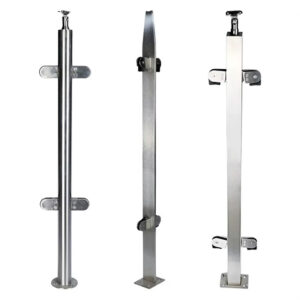
| أعمدة مستديرة أو مربعة أو مستطيلة | توافق مع النمط المعماري والأجهزة المتوافقة | شكل مشبك الزجاج، ونوع دعامة الدرابزين، والتشطيب، وأسلوب تصميم المشروع |
المواد والتشطيبات والتصنيع حسب الطلب
تستطيع شركة ESANG تصنيع أعمدة الدرابزين والمكونات ذات الصلة وفقًا لمتطلبات المشروع، بما في ذلك درجة جودة المواد، وشكل العمود، وسماكة الجدار، وطريقة التثبيت، والتشطيب السطحي، وموضع الثقوب، وتصميم الوصلات، ومتطلبات التعبئة والتغليف. ويمكن للعملاء تقديم الرسومات، أو العينات، أو المواصفات المطلوبة، أو شروط التركيب للمراجعة.
| الخامة أو التشطيب | الاستخدام النموذجي | الملاحظات |
|---|---|---|
| فولاذ مقاوم للصدأ 304 | أعمدة الدرابزين الداخلية، والمشاريع التجارية العامة، ودرابزينات المباني السكنية، والبيئات الجافة | خيار شائع للمواد المستخدمة في العديد من أنظمة الدرابزينات المعمارية الداخلية. |
| 316 فولاذ مقاوم للصدأ | البيئات الخارجية، أو الساحلية، أو بجانب حمامات السباحة، أو الرطبة، أو التي تتسم بدرجة تآكل أعلى | يُفضل استخدامه عادةً عندما تكون هناك حاجة إلى مقاومة أفضل للتآكل. |
| فولاذ 316L المقاوم للصدأ | المشاريع التي تتطلب قابلية لحام محسّنة أو أداءً أعلى في مقاومة التآكل | مناسب عندما تتطلب المواصفات استخدام الفولاذ المقاوم للصدأ منخفض الكربون. |
| تشطيب مصقول أو ساتاني | المباني التجارية، والمناطق المفتوحة للجمهور، والسلالم، ومعظم مشاريع الدرابزينات المعمارية | يساعد على تقليل ظهور بصمات الأصابع وعلامات الاستخدام الطفيفة. |
| تلميع المرآة | المشاريع الزخرفية، والفنادق، والفيلات، وتطبيقات محددة ذات تأثير بصري قوي | يمنح مظهرًا أكثر إشراقًا، لكنه يتطلب عناية وصيانة أكثر دقة. |
طرق التركيب
ينبغي اختيار طريقة التركيب وفقًا للسطح المراد التثبيت عليه، وتصميم الدرابزين، وحالة الحواف، وتصميم المشروع. وقد تتطلب الأعمدة المثبتة على السطح، والأعمدة المثبتة على الواجهة، والأعمدة المثبتة في اللب، أدوات تثبيت أساسية مختلفة وإجراءات تحضيرية مختلفة للتركيب.
| طريقة التركيب | الاستخدام الشائع | ما الذي يجب التأكد منه |
|---|---|---|
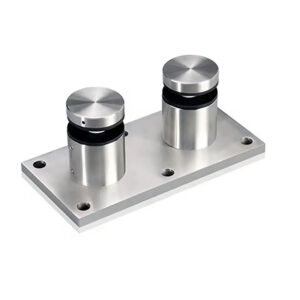
| لوحات قاعدة التثبيت على السطح | الألواح الخرسانية، والأسطح، والشرفات، والمنصات، وأعمدة الدرابزين المثبتة في الأعلى | حجم اللوح الأساسي، ونوع المثبت، وسماكة الركيزة، وحالة الأرضية النهائية |
| ألواح قاعدة التثبيت على اللفافة | التركيبات الجانبية على الشرفات أو السلالم أو الأسطح أو الحواف | متانة الهيكل الجانبي، وإزاحة العمود، ومسافة الحافة، والمحاذاة |
| ألواح قاعدة قابلة للتعديل | المشاريع التي تتطلب التسوية أو المحاذاة أو التعديل الميداني | نطاق الضبط، وضبط العمود الرأسي، وتفاوتات التركيب، وتصميم الغطاء النهائي |
| أنظمة قواعد التثبيت الأساسية | المشاريع التي يتم فيها إدخال الأعمدة في ثقوب معدة مسبقًا أو فتحات محفورة باستخدام مثقاب لقطاع | عمق الثقب، وطريقة الحشو أو التثبيت، والعزل المائي، وتسلسل التركيب |
التوافق مع الدرابزينات والزجاج والكابلات والملء
يجب اختيار أعمدة الدرابزين بالتزامن مع باقي أجزاء النظام. فقد يحتاج العمود المستخدم في مشروع درابزين زجاجي إلى ثقوب أو مشابك أو دعامات أو محولات مختلفة عن تلك المستخدمة في الدرابزين الكبلي أو الحشو بالقضبان الأفقية.
- في مشاريع الدرابزين، قد تحتاج الأعمدة إلى مكونات متوافقة درابزين تثبيت العمود, ، أو حوامل السرج، أو دعامات القضيب العلوي، أو موصلات القضبان.
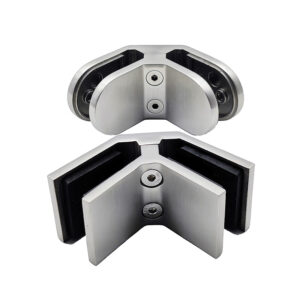
- بالنسبة لأنظمة الدرابزين الزجاجية، قد تحتاج الأعمدة إلى مشابك ووصلات زجاجية, حاملات ومحولات زجاجية, ، أو تفاصيل قضبان التثبيت المنسقة.
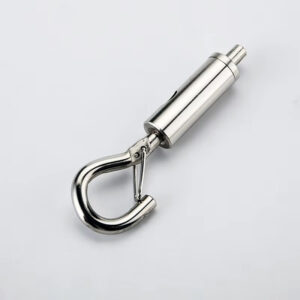
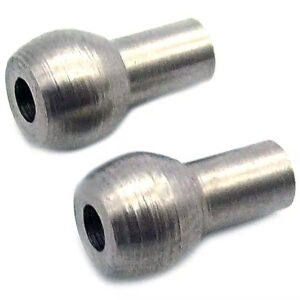
- بالنسبة لأنظمة الدرابزينات الكبلية، قد تحتاج الأعمدة إلى الأجهزة العابرة للوظيفة, ، وأجهزة الشد، ووصلات أطراف الكابلات، وتفاصيل توجيه الكابلات عند الزوايا.
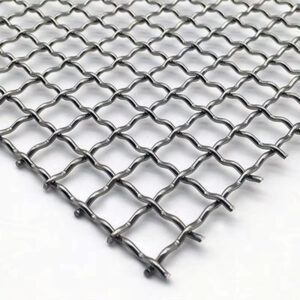
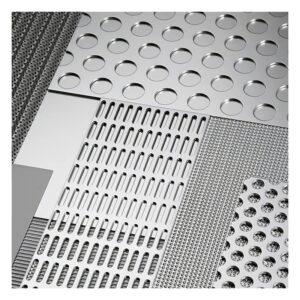
- بالنسبة لأنظمة الحشو التي تتكون من قضبان أو شبكات أو ألواح، قد تحتاج الدعامات إلى ثقوب محفورة مسبقًا أو ألسنة ملحومة أو أكمام أو مشابك أو نقاط توصيل مخصصة.
- لإضفاء مظهر نهائي أنيق، يمكن استخدام أغطية القواعد وأغطية الأعمدة وأغطية الأطراف وتشطيبات سطحية متناسقة مع الأعمدة.
التخصيص وفقًا لمتطلبات المشروع
يتم تصنيع العديد من مشاريع أعمدة الدرابزين وفقًا لرسومات العميل ومتطلبات المشروع. وتستطيع شركة ESANG تلبية المتطلبات الخاصة بأبعاد الأعمدة، والمقاطع الدائرية أو المربعة، والأشكال المستطيلة للأعمدة، وأنواع لوحات القاعدة، وتوزيع الثقوب، وتفاصيل الوصلات الملحومة، وتشطيبات الأسطح، ومتطلبات التعبئة والتغليف.
عندما تتضمن متطلبات المشروع معايير محددة، مثل ارتفاع الحاجز الواقي، أو طريقة توصيل الدرابزين، أو قيود الفتحات، أو درجة جودة المواد، أو متطلبات التصميم المتعلقة بالحمل، يجب على العملاء تقديم المواصفات المطلوبة. يمكن لشركة ESANG تصنيع أعمدة الدرابزين ومكوناته بما يتوافق مع تلك التفاصيل المقدمة، على أن يتم التأكد من الامتثال النهائي بناءً على النظام المركب بالكامل، والتصميم الهيكلي، وطريقة التركيب، والقوانين المحلية المعمول بها.
اعتبارات التثبيت والمتطلبات البرمجية
غالبًا ما تكون أعمدة الدرابزين ومكوناته جزءًا من نظام درابزين أو درابزين يدوي متكامل، لذا فإن أداءها يعتمد على التجميع المُركَّب. وينبغي مراجعة المسافة بين الأعمدة، وتثبيت القاعدة، وقوة الركيزة، وربط الحشو، ودعم الدرابزين اليدوي، وحالة الزوايا، بشكل متكامل.
- المسافات بين المنشورات وتصميمها
- طريقة التثبيت وتصميم لوحة القاعدة
- متانة الركيزة واختيار المثبتات
- توصيل الدرابزين بالقضيب العلوي
- التوافق مع الحشوات الزجاجية أو الكبلية أو القضيبية أو الشبكية أو اللوحية
- متطلبات الأعمدة الطرفية والأعمدة الزاوية والأعمدة النهائية
- درجة جودة المواد المخصصة للاستخدام في الأماكن المغلقة أو في الهواء الطلق أو في المناطق الساحلية أو في البيئات الصناعية
- متطلبات التشطيب السطحي والصيانة
- متطلبات قوانين البناء المحلية ومواصفات المشروع
بالنسبة للمشاريع الخاصة بأماكن العمل والأماكن العامة، قد يكون من الضروري مراجعة المتطلبات المتعلقة بالدرابزينات ودرابزينات الدعم للتأكد من توافقها مع القواعد المحلية المعمول بها. في الولايات المتحدة،, إدارة السلامة والصحة المهنية 1910.29 يقدم هذا الدليل المتطلبات المرجعية لأنظمة الحماية من السقوط وشروط الدرابزين ذات الصلة. وينبغي دائمًا التأكد من الامتثال النهائي لهذه المتطلبات من قِبل مصمم المشروع أو المهندس أو المقاول أو السلطة المحلية.
سيناريوهات التطبيق
المباني التجارية
غالبًا ما تتطلب المباني التجارية أعمدة درابزين تتيح التركيب المتكرر، وتشطيبًا متسقًا، واستخدامًا يوميًا على المدى الطويل. وتُستخدم أعمدة الفولاذ المقاوم للصدأ بشكل شائع في مباني المكاتب، والفنادق، ومراكز التسوق، والمستشفيات، والمدارس، والمرافق العامة.
مشاريع الدرابزين الزجاجي
قد تتطلب مشاريع الدرابزين الزجاجي استخدام أعمدة مصممة خصيصًا للتوافق مع المشابك أو المحولات أو الدعامات أو قضبان التغطية. وينبغي التحقق من شكل العمود وسماكة الزجاج ونوع المشبك والمسافة بين الوحدات قبل البدء في الإنتاج.
مشاريع الدرابزينات المصنوعة من الكابلات
تتطلب أنظمة الدرابزينات الكبلية أعمدة قادرة على دعم توجيه الكابلات وتوصيل أطرافها وشدها. وتكتسب الأعمدة الزاوية والأعمدة الطرفية أهمية خاصة لأن اتجاه الكابلات وأحمال الشد تتغير في هذه المواضع.
درابزينات الشرفات والسلالم والتراسات
قد تستخدم مشاريع الشرفات والسلالم والتراسات أعمدة مستديرة أو مربعة أو مستطيلة أو وسيطة أو طرفية أو زاوية، حسب التصميم. وينبغي اختيار خيارات التثبيت السطحي أو التثبيت على الواجهة أو التثبيت الداخلي وفقًا لظروف الموقع.
المنشآت الخارجية والساحلية
تتطلب المشاريع الخارجية والساحلية اختيارًا دقيقًا للمواد والتشطيبات. وغالبًا ما يُفضل استخدام الفولاذ المقاوم للصدأ من النوع 316 أو 316L في البيئات الرطبة أو الساحلية أو المجاورة للمسابح أو البحرية، حيث تُعد مقاومة التآكل عاملاً بالغ الأهمية.
فئات المنتجات ذات الصلة
- أعمدة من الفولاذ المقاوم للصدأ
- القضبان العلوية والقضبان السفلية
- تركيب الأجهزة والتثبيت
- أنظمة الحشو
- درابزين تثبيت العمود
- مشابك ووصلات زجاجية
- الأجهزة العابرة للوظيفة
- دعامات التثبيت العمودية
الأسئلة الشائعة
ما هي أنواع أعمدة الدرابزين المصنوعة من الفولاذ المقاوم للصدأ التي توفرها شركة ESANG؟
يمكن لشركة ESANG توفير خيارات من الأعمدة الدائرية والمربعة والمستطيلة والأعمدة الوسيطة والأعمدة الطرفية والأعمدة الزاوية وأعمدة الدرابزين، وفقًا لمتطلبات المشروع. ويمكن تحديد شكل العمود ودرجة جودة المادة والتشطيب وطريقة التثبيت وتفاصيل التوصيل بناءً على الرسومات أو احتياجات المشروع.
كيف أختار بين الأعمدة الدائرية والمربعة والمستطيلة؟
غالبًا ما تُستخدم الأعمدة الدائرية لإضفاء خطوط معمارية أكثر انسيابية، كما تُستخدم في العديد من أنظمة الدرابزينات الزجاجية أو المصنوعة من الكابلات. أما الأعمدة المربعة والمستطيلة فتضفي مظهرًا أكثر استقامةً، وقد تكون مناسبة لتصاميم الدرابزينات التجارية الحديثة ودرابزينات الشرفات والسلالم. وينبغي أن يأخذ الاختيار النهائي في الاعتبار أيضًا المشابك والدعامات والقضبان ومعدات التثبيت المتوافقة.
ما الفرق بين الأعمدة الوسيطة والأعمدة الطرفية والأعمدة الزاوية؟
تدعم الأعمدة الوسيطة الدرابزين بين الأطراف أو الزوايا. أما الأعمدة الطرفية فتُستخدم في نهاية مسار الدرابزين أو في الأماكن التي تنتهي فيها التجهيزات. وتربط الأعمدة الزاوية مسارات الدرابزين عند المنعطفات، وغالبًا ما تتطلب اهتمامًا خاصًا فيما يتعلق بموصلات الدرابزين، وترتيب الزجاج، ومسار الكابلات، أو اتجاه الحشو.
هل يمكن لشركة ESANG تخصيص ارتفاع الأعمدة، والثقوب، وألواح القاعدة، وتفاصيل التوصيل؟
نعم. يمكن لشركة ESANG تصنيع أعمدة الدرابزين وفقًا للرسومات والأبعاد ومواقع الثقوب ومتطلبات لوحات القاعدة وتفاصيل اللحام ومتطلبات التشطيب واحتياجات التعبئة والتغليف. ويساعد تقديم الرسومات أو العينات في التأكد من الجدوى وتفاصيل عرض الأسعار.
هل يجب أن أختار أعمدة من الفولاذ المقاوم للصدأ من النوع 304 أم 316؟
يُستخدم الفولاذ المقاوم للصدأ من النوع 304 عادةً في الأماكن الداخلية والبيئات الجافة عمومًا. أما الفولاذ المقاوم للصدأ من النوع 316 فيُفضل استخدامه عادةً في الأماكن الخارجية، أو المناطق الساحلية، أو البيئات الرطبة، أو بجانب حمامات السباحة، أو البيئات المعرضة للتآكل بدرجة أكبر. وينبغي اختيار النوع النهائي للمادة وفقًا لموقع التركيب ومواصفات المشروع.
ما هي طريقة التثبيت التي ينبغي أن أستخدمها لأعمدة الدرابزين؟
تُستخدم لوحات التثبيت السطحية عادةً للأعمدة المثبتة من الأعلى على الألواح الخرسانية أو الأسطح. أما لوحات التثبيت المثبتة على الواجهة، فتُستخدم في حالات التثبيت الجانبي. ويمكن استخدام أنظمة التثبيت في الوسط في الحالات التي يتم فيها إدخال الأعمدة في ثقوب مُعدة مسبقًا. وتعتمد الطريقة المناسبة على الركيزة وحالة الحواف ومتطلبات التصميم وتسلسل التركيب.
هل يمكن استخدام هذه الدعامات مع أنظمة الدرابزين الزجاجية؟
نعم. يمكن تصنيع أعمدة الدرابزين أو اختيارها بحيث تتوافق مع مشابك الزجاج، أو المحولات، أو قضبان التغطية، أو أي من مكونات الدرابزين الزجاجي الأخرى. ويجب التأكد من سماكة الزجاج، والمسافة بين الأعمدة، ونوع المشابك، وتصميم المشروع قبل البدء في الإنتاج.
هل يمكن استخدام هذه الأعمدة مع أنظمة الدرابزين الكبلية؟
نعم. قد تتطلب أعمدة الدرابزين الكبلية ثقوبًا، ووصلات تمر عبر العمود، وأجهزة شد، ووصلات طرفية، وتفاصيل توجيه الزوايا. وينبغي مراجعة الأعمدة الطرفية والزاوية بعناية لأن اتجاه الكابل ومتطلبات الشد تؤثر على تصميم العمود.
ما هي المعلومات المطلوبة لتقديم استفسار بشأن أعمدة الدرابزين؟
تشمل المعلومات المفيدة التي يجب تضمينها في الاستفسار نوع العمود، والارتفاع، والمقطع الجانبي، ودرجة جودة المادة، والتشطيب، وطريقة التركيب، ومتطلبات لوحة القاعدة، وتوزيع الثقوب، ونوع الحشو، ووصلة الدرابزين أو القضيب العلوي، والكمية، والرسومات، وبيئة المشروع.
كيف ينبغي صيانة أعمدة الدرابزين المصنوعة من الفولاذ المقاوم للصدأ؟
يتم التنظيف الروتيني عادةً باستخدام منظف معتدل وماء نظيف وقطعة قماش ناعمة. تجنب استخدام المنظفات التي تحتوي على الكلور والصوف الفولاذي والأدوات الكاشطة. وينبغي تنظيف المنشآت الخارجية والساحلية بشكل أكثر انتظامًا للحد من تلوث الأسطح والحفاظ على مظهرها.
منشورات ذات صلة:
Replacing Core-Mounted Posts With Surface Bases: Precheck
Check the existing opening, slab condition, edge geometry, drainage, and revised load path before converting an embedded post to a surface base.
Railing Post Base RFQ Checklist for Project Buyers
Request comparable base hardware, substrate inputs, finishes, drawings, anchor boundaries, samples, and inspection documents in one project RFQ.
Adjustable Railing Post Bases for Sloped or Uneven Surfaces
Compare adjustable bases against the actual slope, bearing surface, leveling range, finish interface, and fixing access before selecting a detail.
Railing Post Base Anchors: Inputs for Engineering Review
Define substrate, geometry, loads, exposure, and anchor evidence before engineering review so a hardware label is not mistaken for a connection design.
Railing Post Base-Plate Drawings: Holes, Edges, and Tolerances
Give fabricators and installers a base-plate drawing that resolves hole centers, slab edges, tool access, and agreed tolerances before production.
ESANG Wall Bracket Range: Standard, Heavy-Duty, Adjustable, and Flush
Match standard, heavy-duty, adjustable, and flush wall bracket options to projection, wall build-up, access, finish, and project evidence needs.
مشاريع إيسانج

شهادة إيسانج
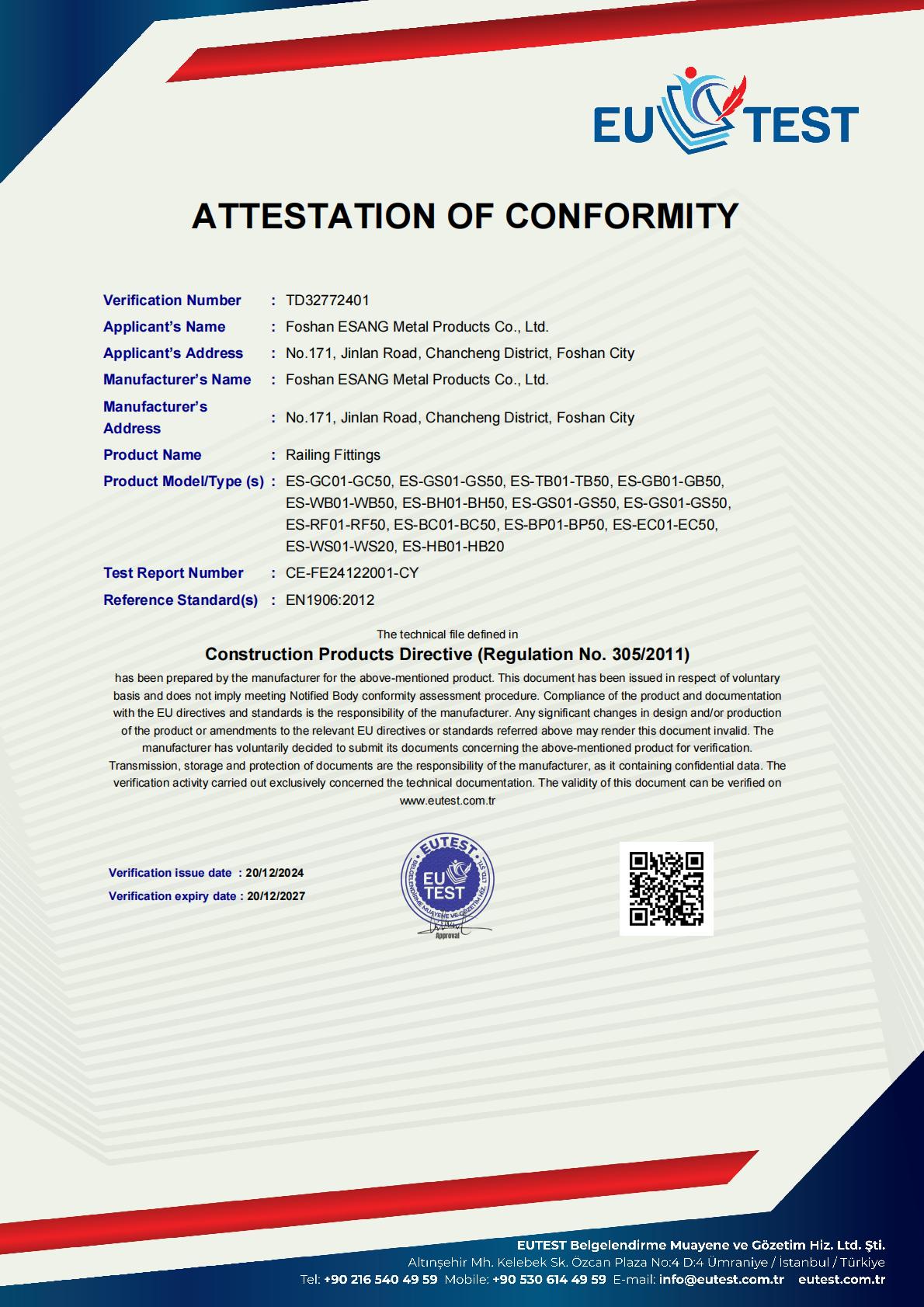
تفخر شركة فوشان إسانج للمنتجات المعدنية بما يلي شهادة CE (التحقق رقم TD3272772401) بموجب توجيه منتجات البناء (اللائحة رقم 305/2011)، مما يؤكد التزامنا بأعلى معايير السلامة والجودة الأوروبية.
مجموعة المنتجات المعتمدة:
مجموعة تجهيزات الدرابزين الشاملة التي نقدمها - بما في ذلك المشابك الزجاجية وأجهزة الشد والأقواس وحوامل الحائط وأحذية القاعدة وتجهيزات الدرابزين وأجهزة الكابلات ومكونات العمود - تلبي EN1906:2012 المعايير، مما يضمن السلامة الهيكلية وموثوقية الأداء في جميع المنشآت.
ماذا يعني ذلك بالنسبة لمشروعك:
✓ الامتثال التنظيمي الكامل للأسواق الأوروبية والدولية
✓ أداء السلامة والمتانة الذي تم التحقق منه بشكل مستقل
✓ دعم التوثيق للمواصفات المعمارية
✓ راحة البال من ضمان الجودة من طرف ثالث
الشهادة صالحة حتى عام 2027 | تقرير الاختبار: سي-إي 2412122001-سي
مشاريع إيسانج

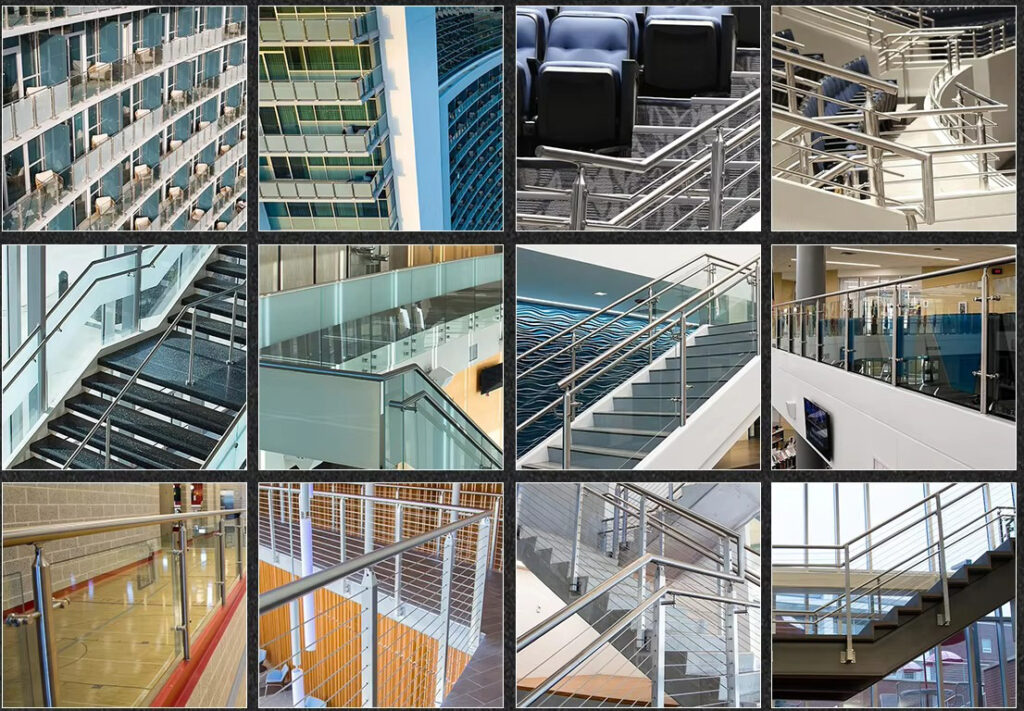
المنتجات المرجعية