不锈钢玻璃栏杆五金件的表面处理:拉丝、缎面和镜面处理的优缺点

已安装玻璃栏杆五金件的表面处理不一致,是项目中较为容易避免的拒收情况之一,也是补救成本最高的情况之一。如果表面处理的确认仅通过产品目录图片或数字色卡进行,而非实物样品,那么从同一条生产线出厂的夹具、插销和顶轨可能会存在细微的光泽度差异——而这种差异在五金件安装完毕且斜射光照射到组件上之前是无法察觉的。届时,所产生的成本包括重新订购、交付延迟,以及承包商需承担工期延误的影响。防止此类问题的决策并不复杂,但必须在项目的正确阶段做出:即在生产放行之前,而非在组件已打包并处于运输途中之后。.
表面处理规格需要实物样品控制

仅依据产品目录图片来批准表面处理工艺,会导致一种具体且可预见的缺陷:不同部件类型之间的光泽度不一致。夹具、插销和盖条通常分批生产,有时甚至在不同的生产线上或由不同的分包商制造;因此,产品说明书中标注为“拉丝缎面”的表面处理,一旦将这些部件并排安装在玻璃面板上,可能会呈现出三种细微不同的表面特征。这种不一致在技术文档中无法察觉,只有在实际安装条件下才能显现出来。.

实物样品的确认能在问题变得不可逆转之前将其扼杀在萌芽状态。样品的作用不仅在于确认颜色或砂粒号——它还确立了一个供生产批次对照的参考标准,使木纹方向从抽象概念变为具体实物,并在买家、规格制定团队和生产车间之间建立起共同的视觉标准。如果没有这个参考实物,验收标准就仅存在于买家的脑海中,而这种印象并不一定与工厂在每一批次中的理解完全一致。.

后处理为样品验收增加了第二个需考虑的变量。如果规范中要求进行符合 ASTM A380/A380M 标准的钝化处理,或采用 EnduroShield 等防粘表面处理,则必须在验收前对验收样品进行该处理——而非事后在装运前的成品上进行验证。某些处理会改变光泽一致性或表面反射率,而仅凭未经处理的样品无法预测这些变化。先批准未经处理的表面状态,然后在发货前进行处理,会引入一项从未经过审查的变更。.

如果省略了这些控制元素中的任何一个,都会导致一种特定的故障模式。.

控制元素未包含时的风险需要澄清的问题
实物样品确认夹具、插头和盖轨的光泽度不一致在放行生产前,须经买方对实物样品的确认
刷牙方向组件之间存在明显的晶粒错配指定所有硬件的晶粒取向和连续性
镜面质量反射率和耐腐蚀性不一致定义电抛光工艺及均匀钝化氧化层的要求
钝化或清洗处理处理可能会改变光泽或表面质地对实物样本验证治疗效果
批次间一致性因外观差异导致安装被拒制定比较方法和可接受的偏差限值

该表涵盖了结构要素。值得重点关注的是以下这一下游影响:一旦生产启动并开始包装,若要推翻最终决定,就必须重新进行全流程生产。样品审批环节的成本仅需数小时;而跳过该环节的代价则是长达数周的重新订购周期。.

刷毛方向、镜面效果和缎面质感

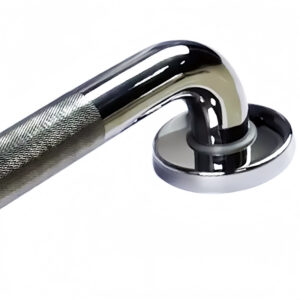
拉丝和缎面处理并非指同一表面处理的同义词。实际上,“缎面”通常指通过受控的磨料或砂带抛光工艺获得的、更细腻、对比度较低的表面;而“拉丝”则指具有明显线性纹理且木纹可见的表面。这两种都是定向表面处理,即磨料痕迹沿特定轴线分布——且该轴线在组件的每个部件上必须保持一致。如果将具有垂直纹理的夹具与具有水平纹理的插销并排安装,那么在自然光下,它们会呈现为两种不同的表面处理效果,无论这两件部件在技术上是否都符合相同的粒度规格。.

镜面处理的原理有所不同。其表面无方向性——无需对齐晶粒——但不同生产方法制成的镜面质量并不一致。电解抛光通过去除最外层的金属层,形成微观上光滑的表面,其钝化氧化层比仅采用标准机械抛光所能达到的更为均匀。这种工艺差异对外观一致性和耐腐蚀性都至关重要:在平坦的漫射光下,机械抛光表面和电解抛光表面可能看起来相似,但在反射环境或沿海环境中表现却截然不同。对于将镜面质量视为硬性要求而非一般美学偏好的规格,应明确规定表面处理方法,而不仅仅是目标外观。关于表面处理选择如何与栏杆五金件的腐蚀暴露相互作用的更多背景信息,请参阅 玻璃栏杆的不锈钢表面处理选项 更详细地探讨了环境方面的权衡问题。.

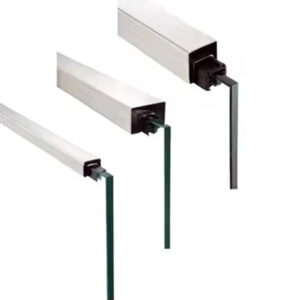
在多组件装配中,表面光洁度的统一性是规格制定团队最常低估的难点。顶饰条通常是长条状的挤压或成形型材,其表面处理特征是在连续生产过程中逐步形成的。而卡扣和插销则是独立的铸造或机加工零件,其表面处理是在批量生产中完成的。要在相同的照明条件下使这些部件呈现出统一连贯的表面效果,必须在样品阶段就确定好纹理方向、磨料粒度序列和表面特征——不是通过书面描述这些参数,而是通过经批准的实物参考样本,以便生产团队能够直接参照匹配。.

按表面处理类型划分的划痕可见度与处理风险

镜面抛光能呈现出拉丝和缎面工艺无法复制的独特美感,但其维护负担应纳入规格讨论之中,而非在安装完成后才被发现。每一处指纹、细微划痕和触碰痕迹都会在镜面表面显现,因为造就高端外观的高反射率同时也放大了表面的瑕疵。在商业场所或人流量大的住宅环境中,安装于手部高度的栏杆系统中,这意味着持续的清洁频率将成为选择镜面抛光处理后的实际运营现实——而非次要问题。.

拉丝和缎面饰面虽然更耐使用,但它们带来了一项镜面饰面所没有的限制:木纹对齐。在整体一致的拉丝组件中,只要有一个部件木纹对齐不当,在斜射光下就会显眼,即使该单件的表面特性符合规格要求,也会被视为制造缺陷。这意味着其中的权衡并非仅仅是“镜面看起来高档但容易划伤,拉丝面则更耐刮”。关键在于,拉丝和缎面工艺将质量控制的重担从安装后的维护转移到了安装前的纹理方向管理上。.

这对采购和处理工作的实际影响在于,不同表面处理工艺的包装保护要求各不相同。镜面部件需要单独包装或使用泡沫隔层,以防止在运输和储存过程中因接触而产生划痕。拉丝和缎面部件则需要采取针对性保护措施,以防止沿与既定纹理方向相反的纹理方向发生接触,从而避免产生可见划痕。这两种表面处理工艺的加工表面均受益于保护膜的覆盖,但它们所防范的失效模式却有所不同。.

表面处理类型划痕/指纹可见度处理标记隐藏问题纤维方向要求
镜子非常显眼;指纹和划痕十分明显操作痕迹显而易见无需对齐纹理方向(无方向性)
拉丝不那么显眼;划痕和指纹不那么明显能很好地掩盖处理痕迹所有部件的木纹方向必须保持一致
缎面不那么明显;类似于拉丝效果能很好地掩盖处理痕迹必须对齐木纹方向,以确保外观一致

该表格未能体现的是复利效应:如果收到的一套拉丝组件中有一件部件对齐不当,就需要做出决定——是更换该部件,还是接受这种肉眼可见的不一致;而如果收到的一套镜面组件上有划痕,则需要判断该划痕是否超出了样品验收时设定的缺陷限值。如果在生产开始前就落实了适当的控制措施,这两项决定本可避免。.

检查照明与验收限值

除非明确规定了观察条件,否则最终验收本质上是主观的。同一表面在漫射的顶部荧光灯下可能看起来一致,但在定向自然光或斜射LED光源下则会明显不一致。这并非理论上的担忧——正是这种机制导致硬件通过工厂检验却在现场检验中不合格。工厂的检验员和接收货物的承包商并非在相同的条件下观察同一表面;如果没有明确的检验照明标准,双方对同一物理对象的判断就会各不相同。.

NAAMM AMP 500-06 为建筑金属构件领域的表面光洁度检测提供了有用的参考框架,其中包括这样一项原则:观察距离和照明角度是检测条件的一部分,而非附带因素。该手册虽未专门针对栏杆五金件作出规定,但其将观察环境定义为验收标准组成部分的做法,可直接作为规划参考。将其作为确立检验条件的框架——而非将表面处理验收视为纯粹的视觉判断——既为规范制定团队提供了可辩护的审批依据,也为工厂在包装前审查中应用了一致的标准。.

Defect limits need the same specificity. Acceptable defect limits for mirror finish will differ from those for brushed or satin, because the visibility threshold differs. A minor surface inclusion that disappears into the grain texture of a brushed component may be conspicuous on a mirror panel. Defining defect limits in terms of size, density, and location on the component — rather than through general language like “no visible defects” — reduces the range of interpretable outcomes at both factory sign-off and delivery inspection.

对于 square glass clamps and other close-tolerance hardware where multiple faces are exposed in the installed condition, the inspection check should cover all visible faces, not just the primary finished surface — because raking light in an installed assembly will find the faces that a flat-table inspection misses.

Production lock point before packaging begins

There is a specific moment in the production sequence where the cost of reversing a finish decision inflects sharply upward: when packaging begins. Before that point, a grain mismatch can be corrected with a rework run. After that point, components are protected, labeled, and committed to dispatch — and reversing the decision means reopening packaged goods, re-inspecting under controlled conditions, and potentially delaying a scheduled shipment. The production lock point is the last practical gate before that inflection.

Treating that gate as a formal hold — where grain direction, batch-to-batch consistency, treatment effect, and defect limits against the approved sample are all confirmed before packaging authorization releases — is not an additional bureaucratic step. It is the consolidation of all the controls that were specified earlier in the process into a single sign-off that covers the full finish scope. For multi-component assemblies like glass cap rail systems, where clamps, spigots, and cap rail sections must read as a coherent surface, confirming all component types against the same reference sample at this stage is the only reliable way to catch batch variation before it reaches a job site.

The practical implementation requires that the approved physical sample — including the treatment state if passivation or a surface coating is specified — is present at the lock point review, not filed away in a specification binder. Batch-to-batch comparison against a reference sample that is not physically accessible at the review point is a form check, not a finish check. The comparison needs to happen under the agreed inspection lighting condition, with the agreed defect limits applied, across all component types in the assembly. 表面安装玻璃拉钉 in particular warrant close attention at this stage because their exposed multi-face geometry makes grain direction and finish consistency more visually consequential than it is on components with fewer exposed surfaces.

The lead time implication is worth naming explicitly: adding a lock point review adds time to the production schedule, and that time must be built into the procurement timeline, not absorbed by compressing transit or installation staging. Buyers who schedule delivery against the earliest possible ship date without accounting for the lock point review window are the ones most likely to pressure the factory into skipping it — which is the condition under which finish variation reaches the job site.

The core procurement judgment in finish specification is not which finish to choose — it is when to finalize that choice and what evidence is required before production moves forward. A physical sample approved with grain direction confirmed, treatment applied, and defect limits defined against a named inspection condition is a concrete artifact that anchors all downstream decisions. A digital approval or a catalog reference is not.

Before releasing production for any multi-component glass railing assembly, confirm that the approved sample covers every component type in the assembly, that any passivation or post-treatment has been applied to the sample, and that the inspection lighting condition used at sign-off is documented and reproducible at the factory’s pre-packaging review. Those three confirmations do not eliminate finish variation risk entirely, but they remove the conditions under which that variation goes undetected until hardware is already on a job site.

常见问题

Q: What happens if grain direction is specified in writing but no physical sample is approved before production begins?
A: A written grain direction specification is not sufficient to prevent misalignment across component types. Cap rails, clamps, and spigots are finished in separate runs, and without a shared physical reference artifact, each production line interprets “vertical grain” or “horizontal grain” against its own calibration. The mismatch only becomes visible under raking light after installation — at which point it reads as a manufacturing defect even if every piece technically meets the written spec. The physical sample is the only control that makes grain direction consistent across the full assembly.

Q: Does the choice between 304 and 316 stainless affect which finish is achievable or how the finish holds up over time?
A: Grade affects corrosion resistance in exposed environments, but it does not determine which finish types are achievable — brushed, satin, and mirror are all available in both 304 and 316. Where grade becomes relevant to finish longevity is in coastal or high-chloride environments: 316’s higher molybdenum content slows the surface degradation that can dull a mirror finish or introduce pitting that registers as visible defects in a brushed assembly. Specifying a high-quality finish on 304 hardware installed in salt-air exposure is a condition where the grade choice and the finish maintenance expectation need to be reconciled before procurement, not after the first season of exposure.

Q: At what project stage is it too late to change the specified finish without a meaningful cost or schedule impact?
A: Once production has released and packaging has begun, a finish change requires a full rerun of all affected component types — not a rework of individual pieces. The practical point of no return is earlier than most buyers assume: it is when the factory assigns the job to a production queue, because at that stage raw material may already be allocated and finishing line time scheduled. Requesting a finish change after production assignment typically means absorbing both the material cost of the first run and the lead time of the second. The finish must be locked — with physical sample approved, treatment confirmed, and defect limits defined — before that queue assignment happens.

Q: Is there a meaningful quality difference between mirror finish achieved through mechanical polishing versus electropolishing, and does that difference show up in railing hardware?
A: Yes, the difference is meaningful in installed railing conditions. Mechanical polishing creates a smooth surface by progressively removing material with abrasives, but microscopic peaks and valleys remain. Electropolishing removes the outermost metal layer electrochemically, producing a more uniform surface and a thicker passive oxide layer. In practice, the two methods may look similar under flat diffuse light but resolve differently when the hardware is viewed in reflective environments or at angles — electropolished surfaces tend to hold a more consistent reflective character across the component. For mirror specifications in commercial or high-visibility installations, defining the finishing method rather than only the target appearance prevents a situation where samples and production batches are technically both “mirror” but read differently on site.

Q: If a project uses components from more than one supplier or production batch, is there a reliable way to achieve finish consistency without rerunning everything from a single source?
A: Consistency across multiple suppliers or batches is possible but requires more rigorous control than single-source procurement. The approved physical sample must function as the shared reference standard for every batch — meaning it must be physically present at each supplier’s pre-packaging review, not just filed in a specification document. In addition to the sample, the inspection lighting condition, grain direction axis, and defect limits must be documented in terms that every supplier’s quality team can apply independently. Where this approach most commonly fails is when the reference sample degrades or is unavailable for later batch comparisons, or when one supplier’s inspection lighting differs from another’s. Buyers managing multi-source assemblies should factor in a batch comparison step — placing components from different sources side by side under the agreed lighting condition — before any batch is packaged for shipment.

相关职位:

Ivy Wang 的图片

Ivy Wang

Ivy Wang 是 esang.co 的技术撰稿人和产品专家,在不锈钢栏杆系统方面拥有 6 年经验。现年 29 岁的她已经参与了 200 多个定制五金项目,帮助客户解决从船舶级安装到商业合规要求等各种问题。Ivy 的工作方法侧重于以客户为中心的实用解决方案,而不是 "一刀切 "的建议。她擅长将复杂的技术规格转化为建筑师、承包商和业主的可行建议。.

立即联系我们 !