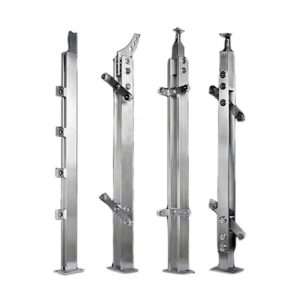
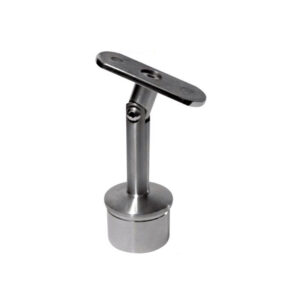
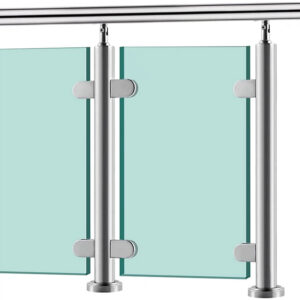
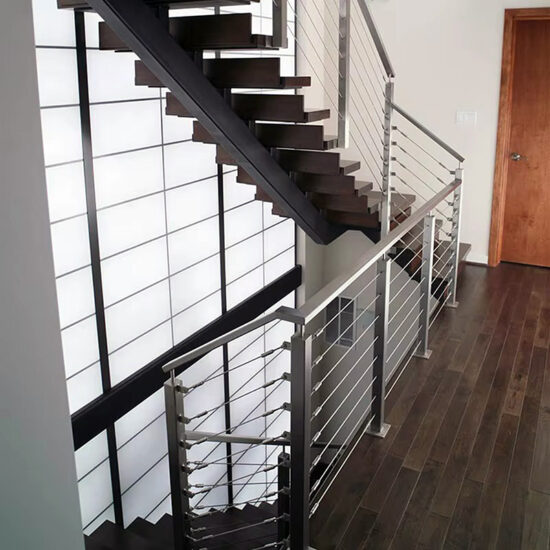
Специалисты по закупкам, которые рассматривают проект установки перил как единую позицию в заказе, зачастую обнаруживают несоответствия только тогда, когда монтаж заходит в тупик: кронштейны, заказанные отдельно, оказываются несовместимыми с профилем труб; анкера, поставляемые в комплекте со стойками, рассчитаны на бетон, а основание — деревянное; а комплект чертежей, без проблем прошедший внутреннюю экспертизу, возвращается инспектором, поскольку в нём указана геометрия перил, но отсутствуют детали крепления к полу. Каждый из этих сбоев можно исправить, но исправление происходит на объекте, в условиях жестких сроков и с затратами, которые никогда не были заложены в бюджет. Решения, позволяющие их предотвратить, принимаются на более ранних этапах: разбиение системы на компоненты до определения технических характеристик любого из них, подтверждение типа монтажной поверхности до выбора типа анкера и понимание того, какая документация фактически потребуется органу, выдающему разрешение. Последовательное проработка каждого из этих решений — вот что отличает техническое задание, позволяющее получить разрешение, от того, которое приводит к необходимости повторного подачи документов.
Роль в проекте до начала разработки технических требований к поручням
Прежде чем обсуждать диаметр трубы, тип кронштейна или вид отделки, необходимо определить функциональную роль поручня, поскольку именно от этой роли зависит, какие положения нормативов применимы, какие допущения о нагрузках определяют расчет конструкции, а также какие высота крепления и геометрия профиля являются допустимыми.
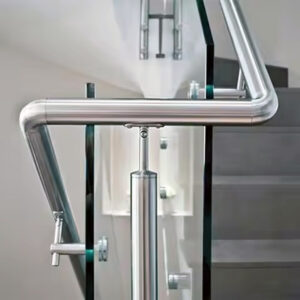
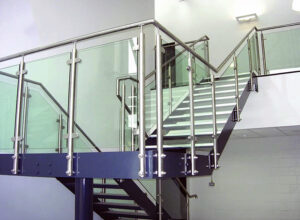
Поручень для удержания, ограждение, поручень для опоры и защитный поручень для стены — это не взаимозаменяемые категории. Поручень для удержания предназначен для непрерывного удержания за него вдоль лестницы или пандуса и должен соответствовать требованиям к габаритным размерам, обеспечивающим свободное пространство для руки, а также к форме профиля. Ограждение представляет собой систему барьеров, противостоящую поперечной нагрузке на заданной высоте, и имеет совершенно иные требования к расстоянию между стойками и передаче нагрузки. Заказ одного из этих элементов, когда по проекту требуется другой, приводит к несоответствию в чертежах, которое, как правило, выявляется на этапе рассмотрения разрешения на строительство, а не при поставке.
Резка на месте монтажа — это важный критерий проектирования, который зачастую остается нерешенным вплоть до момента монтажа. Трубы из нержавеющей стали трудно резать обычными ручными инструментами; монтажники, имеющие опыт работы на объектах, используют угловую шлифовальную машину или отрезную пилу с металлическим диском. Если инструментарий и навыки монтажника не были проверены до окончательного утверждения технических условий, возникает вероятность ошибок в длине отрезов и неаккуратных резов на месте монтажа. Это не проблема поставщика — это пробел в планировании, который должен быть устранен на этапе разработки технических условий, а не на этапе монтажа.
Чёткость определения ролей также влияет на то, как формируется цена и проводится оценка системы. Поставщик, предлагающий в коммерческом предложении поручни для проекта, в котором требуется ограждение, соответствующее требованиям к защитным ограждениям, подготовит технически обоснованное предложение, но на неверный продукт. Согласование функциональных ролей до привлечения поставщиков — это самое раннее решение, которое позволяет повысить качество всех последующих этапов.
Профиль трубы и соединительный узел определяют границы системы
Наиболее распространённой причиной несовместимости при монтаже поручней из нержавеющей стали на объекте является не марка материала или вид отделки, а место соединения трубы и кронштейна. Когда эти два элемента заказываются отдельно, проектировщик тем самым косвенно предполагает, что монтажник устранит на месте любые несоответствия в размерах или в передаче нагрузки. Однако такое предположение зачастую не оправдывается.
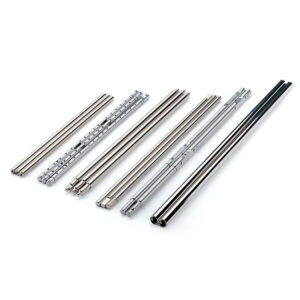
Толщина стенки и размеры профиля не являются взаимозаменяемыми параметрами. Прямоугольная труба с поперечным сечением 1,97 × 0,98 дюйма и толщиной стенки 0,06 дюйма (1,5 мм) — это проектные данные конкретного изделия, а не минимальные нормативные значения — определяет, какого размера должно быть отверстие в кронштейне, какое прогибание будет демонстрировать рельс под нагрузкой и смогут ли стандартные крепежные элементы с резьбовым приводом надежно закрепиться в стенке. Стандарт ISO 1127:1992, устанавливающий формальные рамки определения размеров и допусков труб из нержавеющей стали, предоставляет необходимый контекст для понимания того, почему эти параметры важны именно на этапе разработки технических требований, а не на этапе закупки.
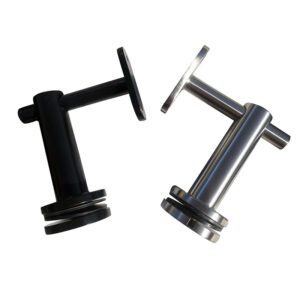
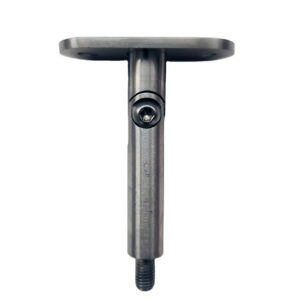
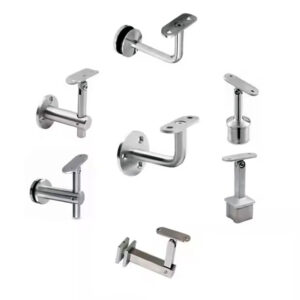
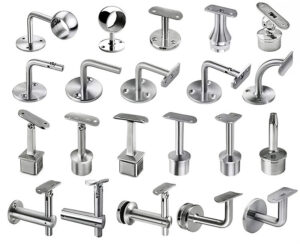
Именно на этапе крепления на практике чаще всего рушится предположение о совместимости. Саморезы, поставляемые в составе комплекта для крепления кронштейна к рейке, имеют задокументированную схему отказа: они не обеспечивают надёжного зацепления со стенкой трубы даже при предварительном сверлении монтажником, что вынуждает производить замену на месте и приводит к задержкам на этапе, который должен быть завершающим в процессе сборки. Интегрированная система — в которой кронштейны, отводы, внутренние и внешние углы, а также крепежные элементы заводским образом подобраны под профиль трубы — переносит риск несовместимости с монтажника на проектировщика системы.
| Аспект | Интегрированная система | Закупка исключительно отдельных компонентов |
|---|---|---|
| Кронштейны, обратные элементы и угловые вставки | В комплект входят кронштейны, заглушки и внутренние/наружные углы; предварительно подобраны под профиль | Обычно поставляется отдельно; совместимость необходимо проверить на месте |
| Надежность крепежных элементов | Проведено испытание аппаратного обеспечения системы на прочность соединения рельса с кронштейном | Поставляемые саморезы могут выйти из строя даже при предварительном сверлении, что вынуждает использовать альтернативные крепежные элементы |
| Ответственность за установку | Риск несовместимости лежит на поставщике/разработчике системы | Риск несовместимости ложится на плечи монтажника; доработка на месте — обычное явление |
| Полнота охвата | Единая закупка включает в себя полный комплект поручней | При частичном упорядочивании SKU существует риск, что скобки или анкоры останутся за пределами области действия |
Компромисс между интегрированными системами и закупкой только отдельных компонентов существует, но носит асимметричный характер. Закупка отдельных компонентов может снизить удельную стоимость, однако при этом затраты, связанные с несовместимостью, перекладываются на монтажные работы и график работ, а не устраняются. Правильный выбор зависит от того, располагает ли отдел закупок достаточными техническими ресурсами для самостоятельной проверки совместимости размеров и крепежа, а также от того, насколько затраты на возврат товара на объект соотносятся с разницей в цене.
| Параметр | Типовые технические характеристики/диапазон | Почему это важно |
|---|---|---|
| Толщина стенки трубы | 0,06 дюйма (1,5 мм) для прямоугольного профиля | Определяет несущую способность конструкции и сопротивление прогибу |
| Размеры трубного профиля | 1,97 × 0,98 дюйма (прямоугольная) | Должно соответствовать требованиям к раскрытию скобы и ожидаемой захватываемости |
| Тип интерфейса кронштейна | Встроенный кронштейн из цельной нержавеющей стали по сравнению с отдельно стоящим кронштейном | Определяет, были ли перераспределение нагрузки и выравнивание рассчитаны на заводе-изготовителе |
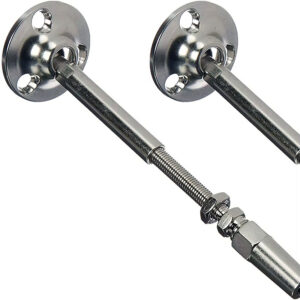
| Технические характеристики крепежа | Саморезы и винты с готовой резьбой; диаметр и длина винтов | Несоответствующие крепежные элементы являются частой причиной отказов и задержек |
Для проектов, в которых кронштейн и труба закупаются в виде готового узла, необходимо ознакомиться с полной спецификацией по настенные поручни из нержавеющей стали На ранних этапах процесса это поможет определить, какие параметры необходимо согласовать до выпуска рабочих чертежей.
Решения относительно монтажной поверхности влияют на выбор анкеров, чертежей и упаковки
Выбор анкеров — это не деталь, которую можно решить уже после поставки. Это проектная величина, которую необходимо определить до того, как поставщик окончательно сформирует комплект поставки, поскольку тип анкера определяет, что будет входить в комплект, что будет указано на монтажном чертеже, а также будет ли поставляемый крепеж вообще пригоден для использования на конкретном основании.
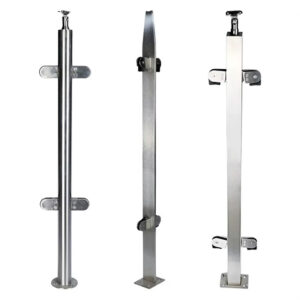
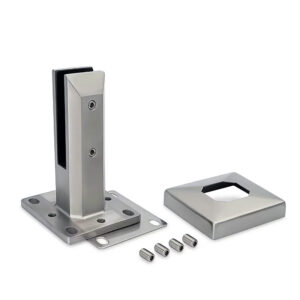
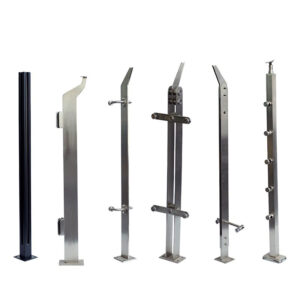
Причина этой проблемы кроется в исходных допущениях поставщика. Большинство систем поручней для монтажа на опорах поставляются в комплекте с анкрами для бетона, поскольку бетон является наиболее распространённым основанием при коммерческом монтаже. Если же основанием служит деревянный каркас, композитное настиловое покрытие или конструкционная сталь, эти анкеры не подходят — монтажнику приходится отдельно закупать подходящие крепежные элементы в условиях сжатых сроков и зачастую при отсутствии в бюджете отдельной статьи расходов на дополнительный крепеж. Один из задокументированных примеров из практики эксплуатации продукции: столбики, поставляемые в комплекте с анкерами для бетона, вынудили монтажника самостоятельно приобрести винты GRK, прежде чем работы могли быть продолжены. Эта ситуация устранима, но её можно было полностью избежать, если бы тип монтажной поверхности был указан при заказе, а не предполагался.
Последствия этого распространяются не только на комплект крепежа, но и на чертежи. Монтажный чертеж, на котором изображена опорная пластина столба, но не указан тип анкера, глубина заглубления или тип основания, не будет соответствовать большинству требований при проведении инспекций или рассмотрении разрешений. Органы, выдающие разрешения и проверяющие конструктивные соединения, требуют, чтобы путь передачи нагрузки — столб, опорная пластина, анкер и основание — был задокументирован в виде последовательности, а не просто представлен в виде профиля рельса с общим примечанием “крепить к стене”. Если такая документация неполна, чертеж возвращается, срок подачи документов начинается заново, а приостановка монтажа продлевается.
Выбор монтажной поверхности также влияет на то, какая категория поручней будет подходящей. Для настенного крепления на каменной основе предъявляются иные требования к анкерованию, чем для напольного столба на деревянном настиле, а в конструкции систем сплошных настенных поручней заложено определённое расстояние между кронштейнами и расчёты нагрузки на анкеры. Уточнение типа основания перед выбором категории изделия — а не выбор изделия с последующим решением вопроса об анкеровании — является той последовательностью действий, которая позволяет исключить наиболее распространённую причину переделок при монтаже.
Недостатки в документации, задерживающие одобрение после предоставления коммерческого предложения
Утверждение сметы и разрешение на монтаж — это не одно и то же, и для прохождения каждой из этих стадий требуются разные документы. Наиболее распространённой ошибкой при подготовке документации является ситуация, когда пакет технических спецификаций достаточно полный для расчёта стоимости, но в нём отсутствуют технические документы, необходимые инспектору по строительству, эксперту по доступности или инспектору по конструкциям для выдачи разрешения на монтаж.
В неполных пакетах документов неизменно отсутствуют три типа документов. Документация о соответствии нормативным требованиям — подтверждение соответствия Руководству по доступности ADA для проектов, в которых доступность является нормативным требованием — зачастую не включается в стандартное коммерческое предложение и должна запрашиваться отдельно. Технический паспорт, содержащий размеры, марку материала, номинальные нагрузки и коды отделки, используется проектировщиком или инженером-экспертом для проверки соответствия поставляемого изделия требованиям чертежа; без него рассмотрение представленных документов затягивается. Инструкции по монтажу, в которых указаны последовательность монтажа, необходимые инструменты, значения момента затяжки анкеров и расстояние между кронштейнами, не являются факультативными для целей утверждения — именно на них опирается инспектор, чтобы подтвердить, что установленная конструкция соответствует проектному замыслу.
| Тип документа | Что входит в программу | Последствия в случае отсутствия |
|---|---|---|
| Документация о соответствии нормам | Руководство ADA по доступности или подтверждение соответствия аналогичным нормативным требованиям | Подтверждение наличия разрешения или доступности после предоставления коммерческого предложения |
| Технический паспорт | Размеры, марка материала, пределы нагрузки, коды отделки | Специалист по техническим требованиям не может проверить соответствие требованиям к конструкции или отделке, что задерживает рассмотрение представленных документов |
| Инструкции по установке | Пошаговая инструкция по монтажу, необходимые инструменты, момент затяжки анкеров | Неуверенность монтажников приводит к повторным вызовам и возможной переделке работ |
Практическим следствием отсутствия любого из этих документов является не просто незначительная административная задержка. Речь идет об отклонении заявки, что требует повторного взаимодействия с поставщиком, пересмотра комплектации пакета документов и повторной подачи заявки — что добавляет дни или недели к срокам проекта, для которого, возможно, уже установлена фиксированная дата ввода в эксплуатацию или проведения инспекции. Восприятие полноты документации как результата работы поставщика, который необходимо подтвердить до принятия коммерческого предложения, а не как последующей задачи после размещения заказа, является той корректировкой процесса, которая позволяет предотвратить задержки данного рода.
В данной статье рассматриваются Фурнитура для поручней из нержавеющей стали: как подрядчики подбирают кронштейны и детали крепления до того, как чертежи в магазине застынут рассматривает вопрос о том, как требования к документации связаны со сроками подготовки рабочих чертежей — это проблема последовательности действий, которая неоднократно возникает в коммерческих проектах.
Готовность к запросу предложений после уточнения класса качества, вида отделки, способа монтажа и отчетов
Запрос предложений, направленный до того, как будут согласованы все элементы технического задания, не ускоряет реализацию проекта — он вызывает целую серию уточняющих вопросов, на которые было бы быстрее ответить до отправки самого запроса. Элементы технического задания, которые чаще всего остаются неоднозначными на этапе запроса предложений, — это класс качества, вид отделки и требования к документации, и каждый из них создает свой тип риска на последующих этапах, если останется нерешенным.
Выбор марки — 304 или 316 — зависит от условий эксплуатации. Для внутренних установок, не подверженных воздействию хлоридов, обычно подходит марка 304; в прибрежных, морских или химически агрессивных средах требуется марка 316, чтобы противостоять ускоренной коррозии, которая со временем начнет проявляться у марки 304. Отсутствие указания марки означает, что выбор остается за поставщиком — что может как соответствовать, так и не соответствовать требованиям проекта к долговечности, а также создает неоднозначность в документации, если поставляемый продукт впоследствии будет проверяться на соответствие проектной спецификации, предполагающей использование другой марки.
Спецификация отделки сопряжена с риском несоответствия требованиям, который большинство команд недооценивают до тех пор, пока это не приводит к отклонению заказа. Сатиновая, полированная и дробеструйная отделки — это категории, а не контролируемые конечные результаты: внешний вид может существенно различаться у разных производителей, работающих в рамках одной и той же категории отделки. Специалисты отрасли прямо подтверждают это: если до запроса предложений (RFQ) не был утвержден физический образец в качестве контрольного эталона, поданная отделка может технически соответствовать указанной категории, но визуально не сочетаться с соседними материалами или другими элементами того же проекта. Физический образец и зафиксированный эталон — это этапы закупочного процесса, а не вопрос эстетических предпочтений. Стандарты ASTM E985-24 и ANSI/NAAMM AMP 521-01 определяют, что должен включать полный пакет технических условий для постоянных металлических перильных систем, и документация по отделке рассматривается в этих рамках как формальный элемент технических условий, а не как решение, принимаемое на месте.
| Элемент спецификации | Что необходимо уточнить перед отправкой запроса на предложение | Почему это важно |
|---|---|---|
| Марка нержавеющей стали | 304 или 316, в зависимости от использования внутри или снаружи помещений, а также от прибрежных условий эксплуатации | Неуказанный класс качества может привести к риску коррозии или к затратам, превышающим предусмотренные спецификацией |
| Тип монтажной поверхности | Бетон, дерево, сталь или другой материал основания | Анкеры, чертежи и упаковка должны соответствовать поверхности; использование стандартных анкерных креплений для бетона приводит к необходимости доработки на деревянных поверхностях |
| Отделка | Сатинированная, полированная, обработанная дробеструйной обработкой и т. д.; получить физический образец + контрольный образец | Качество отделки может различаться у разных производителей; без реального образца высока вероятность несоответствия внешнего вида |
| Роль поручня | Рукоятка для удержания, ограждение, поручень или защита стены | Роль определяет конфигурацию, высоту монтажа, расстояние между кронштейнами и требования к нагрузке |
| Пакет документации | Технический паспорт, инструкции по установке и отчеты о соответствии | Отсутствие документов задерживает утверждение заявки и подписание акта сдачи-приемки |
Неполный запрос предложений (RFQ) создает риск задержки утверждения и необходимости доработки на двух этапах: во время рассмотрения представленных предложений, когда отсутствующие элементы технических требований вынуждают проводить цикл уточнений, и во время приемочной проверки, когда отделка или класс качества, которые никогда официально не были зафиксированы, сравниваются с ожиданиями проекта, которые никогда официально не были озвучены. Приведённый выше контрольный список охватывает элементы, которые следует подтвердить до публикации запроса предложений — не в качестве формальности, а потому, что каждый нерешённый вопрос является конкретным и отслеживаемым источником задержек на более позднем этапе.
Для проектов с конфигурацией «пост-маунт» необходимо проверить объем работ и исходные допущения в техническом задании для системы поручней с круглыми стойками Проверка перед окончательным оформлением запроса на предложение поможет убедиться в том, что категория товара, тип крепления и пакет документации соответствуют друг другу до размещения заказа.
Конкретный вывод из этой цепочки событий заключается в том, что большинство проблем, возникающих при разработке технических условий на поручни, связано не с дефектами материалов или изготовления, а с недостатками координации, которые берут своё начало в решениях по закупкам, принятых до того, как кто-либо убедился, что вся система в целом — включая кронштейны, анкеры, документацию и указания по отделке — входит в объем работ и соответствует фактическим условиям монтажа. Каждый пробел, оставшийся неустраненным на этапе разработки технических условий, становится проблемой на объекте во время монтажа или проблемой при подаче документации на утверждение.
Прежде чем переходить к этапу запроса предложений (RFQ), убедитесь, что определена функциональная роль, что профиль трубы и источник поставки кронштейнов точно согласованы, а не просто предполагаются совместимыми, что указана монтажная основа и подтвержден тип анкеров с учетом её характеристик, что для отделки имеется физический контрольный образец, хранящийся под замком, а также что необходимый пакет документов — протоколы соответствия, технический паспорт и инструкции по монтажу — был явно запрошен и подтверждено его наличие. Любой из этих элементов, оставленный без внимания, станет причиной задержки монтажа.
Часто задаваемые вопросы
Вопрос: Что делать, если в рамках проекта требуется как поручень на лестнице, за который можно ухватиться, так и ограждение на открытом крае — может ли одна система выполнять обе эти функции?
A: Нет — это конструктивно и геометрически разные категории изделий, которые не могут использоваться взаимозаменяемо. Поручень, предназначенный для удержания, должен соответствовать требованиям к размерам, обеспечивающим непрерывный захват и свободное пространство для рук, в то время как ограждение рассчитано на сопротивление поперечным нагрузкам, причем расстояние между стойками и детали крепления к основанию рассчитаны именно для данного случая нагрузки. Указание одного и того же изделия для выполнения обеих функций приводит к противоречию в чертежах, которое, как правило, выявляется при рассмотрении заявки на получение разрешения. Каждая функция должна быть определена отдельно и соотнесена с соответствующей категорией изделий и положениями нормативов до начала выбора каких-либо компонентов.
Вопрос: Если образец готовой продукции получен до направления запроса на предложение, как его следует использовать, чтобы избежать отказа при приемочной проверке?
A: Образец следует физически сохранить в качестве запертого контрольного эталона, с которым поставляемая продукция сравнивается при приемке, — а не просто упомянуть его в переписке. Внешний вид готовой продукции варьируется у разных производителей даже в рамках одной категории, поэтому образец, предоставленный до запроса предложений и не обозначенный официально в качестве эталона приемки, обеспечивает лишь ограниченную защиту при проверке. На контрольный образец следует сослаться с помощью описания в заказе на поставку или в пакете проектной документации, чтобы при проверке поставки имелся задокументированный стандарт, а не лишь устные ожидания.
Вопрос: При каком масштабе или степени сложности проекта закупка исключительно отдельных компонентов перестает быть разумной стратегией экономии средств?
A: Закупка только компонентов становится невыгодным решением, когда команда по закупкам не может самостоятельно проверить совместимость размеров между профилем трубы, проёмом кронштейна и зацеплением крепежа до отгрузки заказа. При выполнении простых проектов в жилом секторе с использованием одного типа основания и привлечением опытного монтажника риск несовместимости может быть управляемым. Однако при реализации коммерческих проектов с использованием нескольких типов оснований, смешанных конфигураций рельсов или экспертизой документации сторонними организациями затраты на рабочую силу и срыв графика, связанные с одним-единственным случаем несовместимости на объекте, как правило, превышают экономию на себестоимости единицы продукции, которую обеспечивает закупка отдельных компонентов. Решающим фактором является не размер проекта, а наличие собственных технических возможностей для проверки до начала монтажа.
Вопрос: Можно ли зафиксировать класс качества и вид отделки после отправки запроса на предложение, если поставщик запросит разъяснения?
A: Уточнение класса и вида отделки после отправки запроса на предложение (RFQ) возможно, но создает два взаимосвязанных риска. Во-первых, запрос поставщика на разъяснение сбрасывает отсчет срока подготовки предложения, поэтому по сравнению с указанием этих параметров на начальном этапе время не экономится. Во-вторых, если класс или вид отделки подтверждаются устно или посредством неформальной переписки, а не в виде официального обновления технических условий, возникает неоднозначность в документации, которая может вновь проявиться во время рассмотрения представленных предложений или при приемочной проверке, когда эксперт сравнивает поставленный продукт с первоначальной формулировкой запроса предложений. Зафиксировав оба элемента до публикации запроса предложений, можно исключить цикл уточнений и обеспечить четкий документооборот от момента размещения заказа до его утверждения.
Вопрос: Меняются ли требования к документации в случае проекта, который является коммерческим, но на который не распространяются требования ADA в отношении доступности?
A: Да, перечень необходимых документов сокращается, но не исчезает полностью. Документация о соответствии требованиям ADA относится исключительно к обязательствам по обеспечению доступности, поэтому для проектов, выходящих за пределы этой сферы, данный документ не требуется. Однако технический паспорт, содержащий размеры, марку материала, номинальные нагрузки и коды отделки, по-прежнему необходим для рассмотрения представленных документов специалистом по спецификациям или инженером-экспертом, а инструкции по монтажу, в которых указаны значения момента затяжки анкеров, расстояние между кронштейнами и последовательность монтажа, по-прежнему требуются для подписания акта приемочной проверки. Отказ от предоставления документации по ADA в проекте, не связанном с обеспечением доступности, является допустимым; отказ от предоставления технического паспорта или инструкций по монтажу в любом разрешенном проекте представляет собой пробел в документации, который приведет к возврату представленных документов.