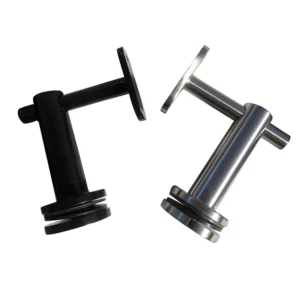
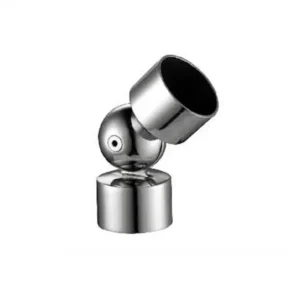
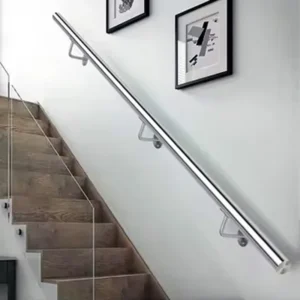
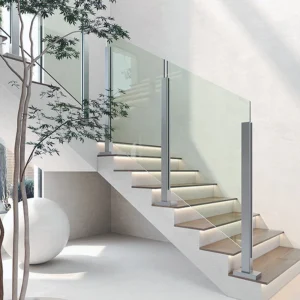
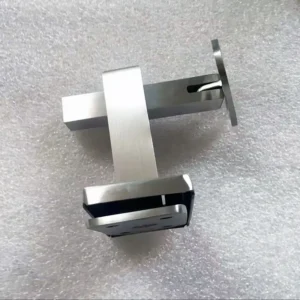
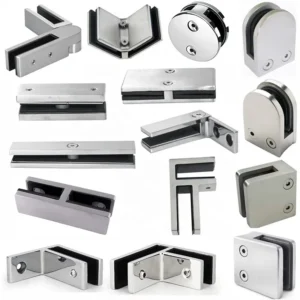
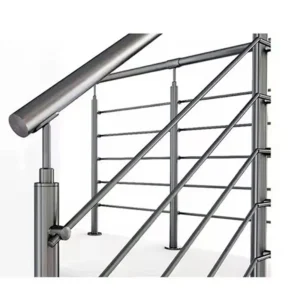
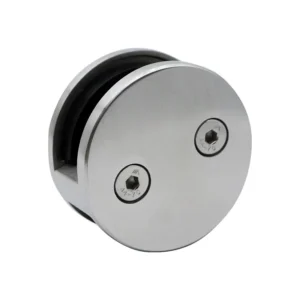
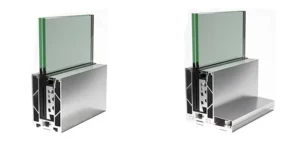
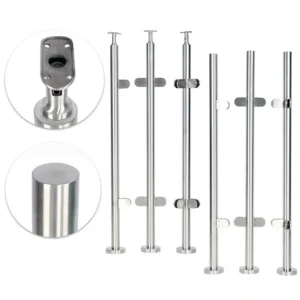
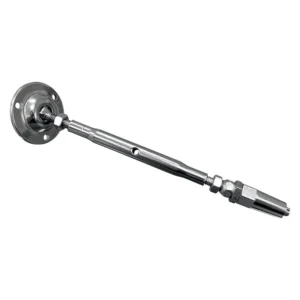
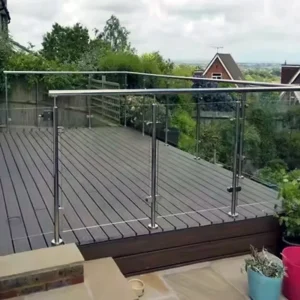
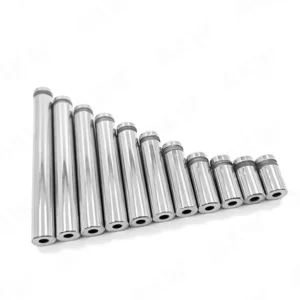
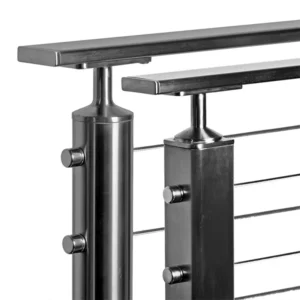
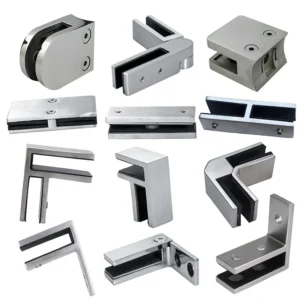
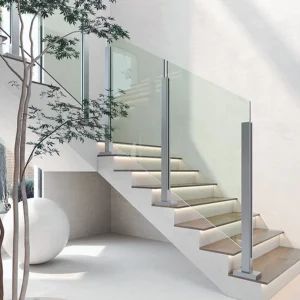
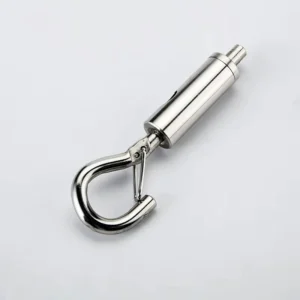
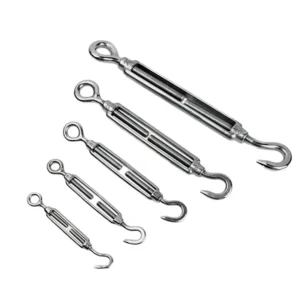
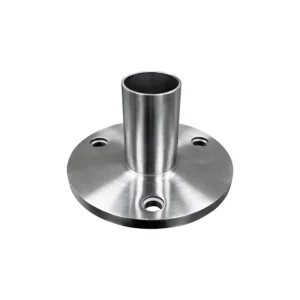
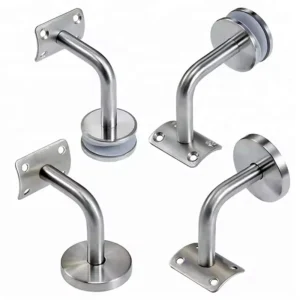
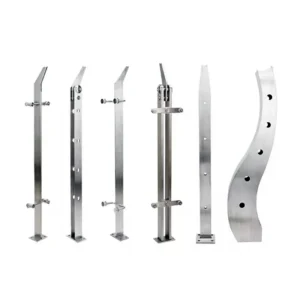
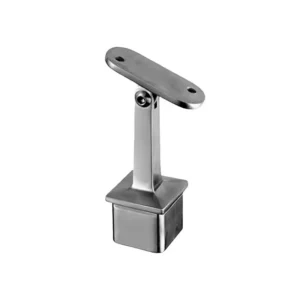
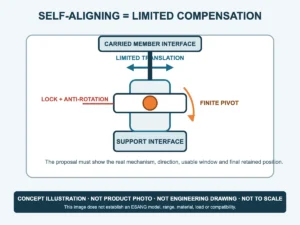
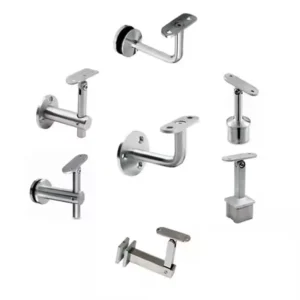
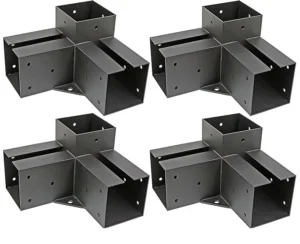
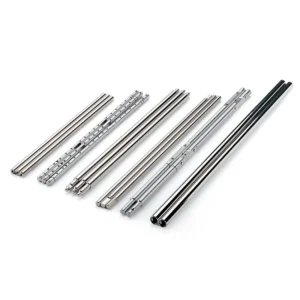
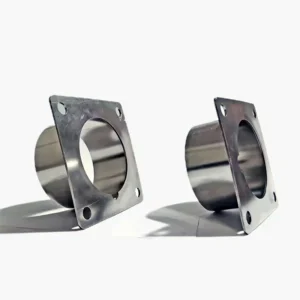
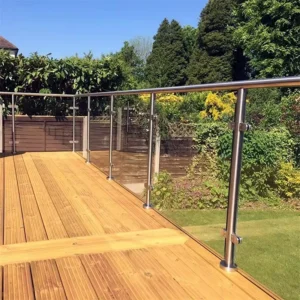
A terminal post must finish the rail and infill deliberately. The correct component set depends on what ends there: a handrail, horizontal bars, cable tension, a glass edge, a gate opening or a transition to another surface. ESANG can review terminal-post components for a new layout or an existing system when the end condition, mating profiles, mounting and exposure are shown clearly.
Review a terminal-post requirement on WhatsApp
Identify what terminates at the post
| End condition | Terminal-post questions | Parts that may need coordination |
|---|---|---|
| Top rail ends at the post | Does the rail cap, return, pass over or connect into the post? Is the end exposed? | Post-top support, end fitting, rail connector, cap and fasteners |
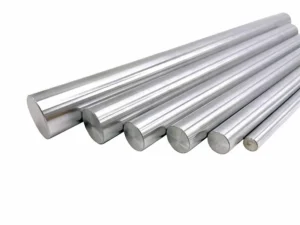
| Horizontal bars or rods end | Do they enter the post, stop at surface fittings or meet a separate end plate? | Post holes or holders, sleeves, end fittings and cover pieces |
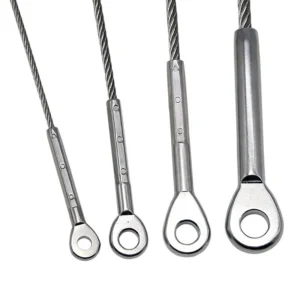
| Cable run terminates | Which side tensions, what terminal geometry is required and is rear access available? | Terminal, tensioner, washers or bearing parts, post preparation and access covers |
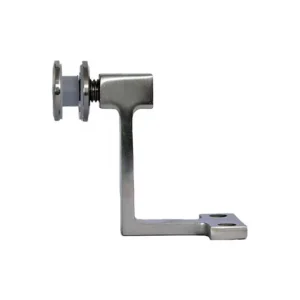
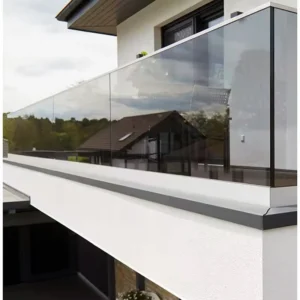
| Glass panel edge meets the post | What glass build-up, edge position, clamp route and clearances are specified? | Clamps or adapters, gaskets, fasteners and post-side preparation |
| Handrail returns to wall or floor | Where is the grasping rail intended to finish and what adjacent surface receives the return? | Return fitting, wall connection, post-top support and transition hardware |
A corner post is not automatically a terminal post, and a terminal post is not automatically suitable for cable, glass and bar infill. The route and force transfer differ. Mark every end, corner, gate and change of infill on the enquiry drawing.
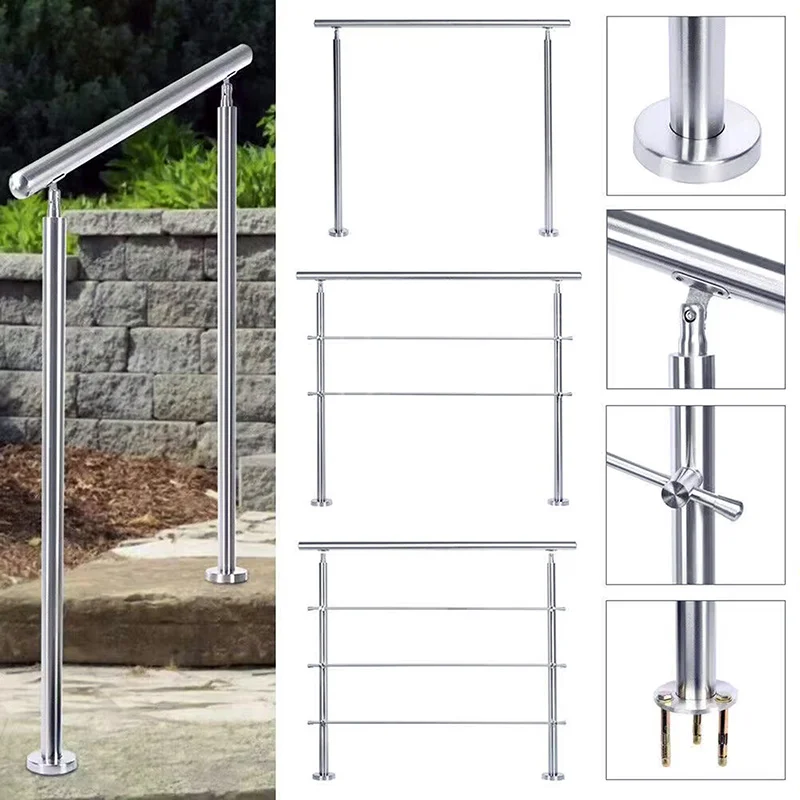
Terminal and intermediate posts need different preparation
An intermediate post usually allows the rail or infill to continue on both sides. A terminal post may receive one-sided hardware, an end load, a return, a cover or extra access for assembly. Reusing the same drilling pattern without checking these differences can leave unused holes, inaccessible fasteners or an incomplete termination.
For a repeat system, provide separate post schedules for intermediate, end, corner, gate and stair/landing conditions. Ask the supplier drawing to identify the post preparation for each position rather than relying on one generic post image.
Define the interfaces around the endpoint
Top rail and handrail
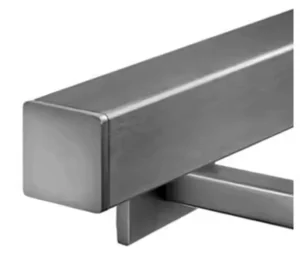
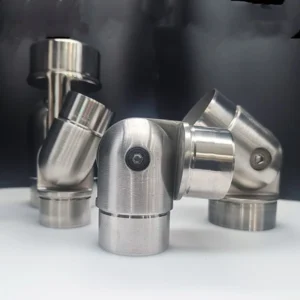
Provide the rail profile, route and desired end treatment. State whether the rail continues over the post, joins at the post, turns, returns or stops. A top saddle must match the rail contact surface; a rail insert must also match the internal opening and wall.
Infill terminal
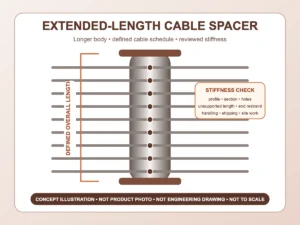
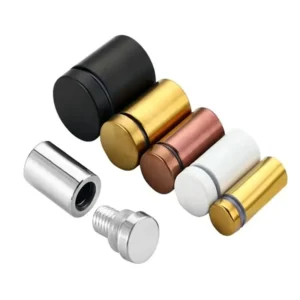
Show the infill type and its exact relationship to the post. Cable hardware, glass clamps and horizontal-bar holders should not be compared as cosmetic accessories. Their installation access, post preparation and project design responsibilities differ.
Base, anchors and substrate
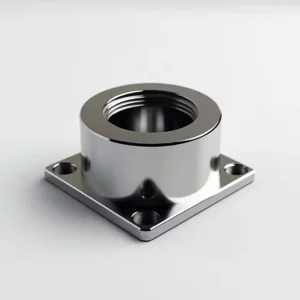
Show whether the post is top-mounted, side-mounted or embedded, plus the substrate, edge distance and floor build-up. The terminal assembly cannot be evaluated separately from its base and support. Ask the quotation to state whether anchors are proposed, excluded or subject to project selection.
Exposure and visible finish
State interior, exterior, coastal, poolside or industrial conditions and the cleaning regime. Request the actual material designation and finish for the post, terminal components and relevant fasteners. Similar appearance does not confirm compatible materials.
New work, retrofit and component orders
New railing layout
Send the full plan and elevation so all terminal conditions can be counted. A coordinated proposal should distinguish identical posts from position-specific posts and list the small components needed at each endpoint.
Retrofit or damaged terminal
Send close-up photos with a scale, the post and rail profiles, hole pattern, internal access and the damaged or missing part. If available, send a physical sample. Do not assume a replacement is suitable because its outside shape is similar.
Bulk components for fabrication
State whether ESANG is quoting finished posts, loose fittings or parts for the purchaser’s fabrication. Define who drills, welds, assembles and supplies fasteners. Ask for a controlled sample before volume production when the component must fit an existing system.
What the proposed package should make clear
- terminal-post role and position in the layout;
- post, rail and infill profiles used for matching;
- factory holes, inserts, welds, caps and surface preparation;
- top support, infill terminal, return or end fitting included;
- base detail and anchor responsibility;
- material designation and visible finish;
- fasteners, gaskets, sleeves, covers and other small parts;
- quantity, marking and packing basis for different post positions; and
- project checks, site work and items excluded.
Terminal-post component questions
Can one terminal post end any infill type?
No universal terminal should be assumed. Cable, glass and rigid bars use different hardware and post preparation. Request the exact infill route and terminal detail.
Should the rail be joined directly above the terminal post?
That depends on the proposed rail route and connector design. Show where the rail ends or joins and ask the drawing to make the support and fastener access clear.
Can a terminal component be quoted from a site photo?
A photo can start the review. Add measured profiles, hole spacing, mounting condition, quantity and an end-condition sketch. A sample may still be needed before a repeat order.