Specify the rail, brackets and wall attachment as one package
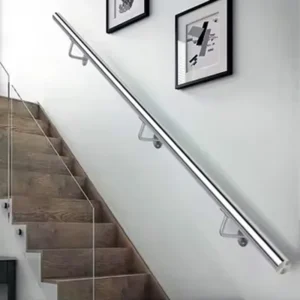
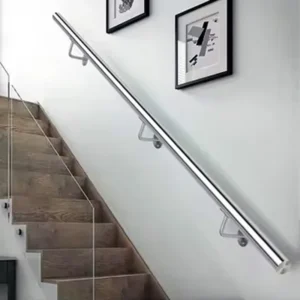
Stainless steel wall handrails suit stairs, ramps and walking routes where the buyer wants a durable metal gripping rail fixed directly to a wall. A useful enquiry identifies the route, rail profile, environment and wall construction before it asks for a grade or finish. ESANG can then state the proposed rail sections and matching components in the quotation instead of treating a polished tube as a complete system.
Request a stainless wall handrail quote on WhatsApp
You can start with a marked-up stair or corridor photo and an estimated total length. Exact rail dimensions, bracket locations, anchors and end details can be resolved after the route and supporting wall are known.
Four decisions that change the supplied handrail
1. Environment before material grade
State whether the rail is indoors, sheltered outdoors, fully exposed, near salt water, beside a pool, or cleaned with chemicals. These conditions affect the material grade, finish and maintenance plan. Do not compare offers only by the word “stainless”: ask each quotation to identify the proposed grade for the rail, brackets, visible fasteners and joiners, and to flag any mixed materials.
2. Gripping profile and user requirement
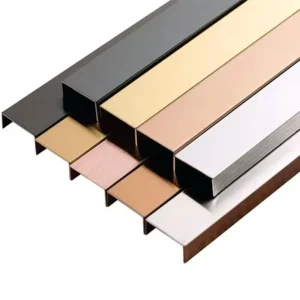
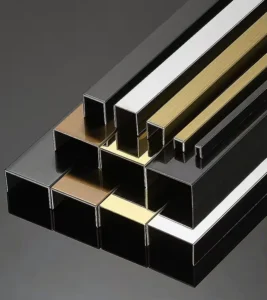
Round and non-circular profiles do not feel or connect the same way. Record the required outside dimensions, wall thickness if it is controlled, surface finish, and whether the route has an accessibility detail supplied by the project designer. A square or rectangular architectural rail may suit the visual brief, while a round tube often simplifies curved returns and a continuous hand position. Neither profile name proves code acceptance or structural capacity.

3. Route, joints and terminations
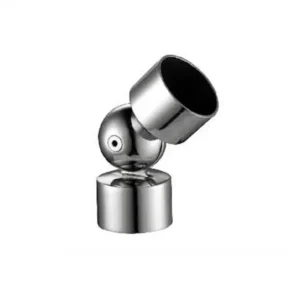
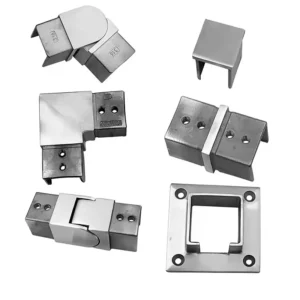
Show every straight run, change of slope, inside or outside corner, landing and end. The component schedule may need straight joiners, fixed or adjustable elbows, wall returns, end caps and transition pieces. Long runs also have transport and handling limits, so the quotation should show proposed piece lengths and joint locations rather than promising a one-piece rail without a route plan.
4. Wall support and bracket interface
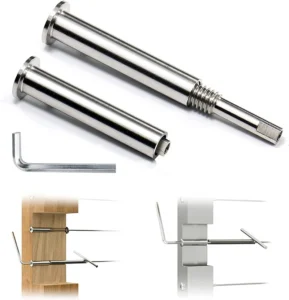
Identify concrete, masonry, structural steel, timber framing, metal studs or another wall build-up, together with finishes and any confirmed backing. The handrail bracket, wall plate and anchor must be selected as an attachment assembly. Anchor type and bracket spacing cannot be inferred from the rail photograph; they depend on the substrate, edge distances, imposed loads and the project engineer or authority’s requirements.
Define what is included—and what remains a site responsibility
A comparable wall-handrail offer should separate the following items:
- Rail sections: profile, proposed grade, finish, piece lengths and any fabrication at corners or returns.
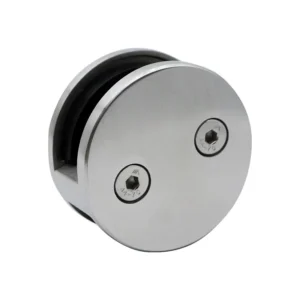
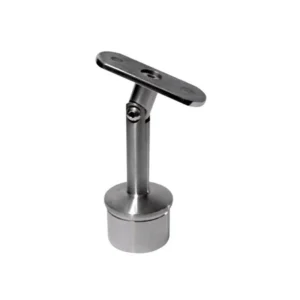
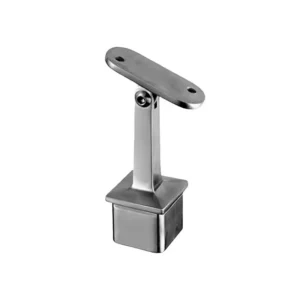
- Support hardware: bracket style, matching rail contact surface, wall plate, visible fasteners and proposed quantity.
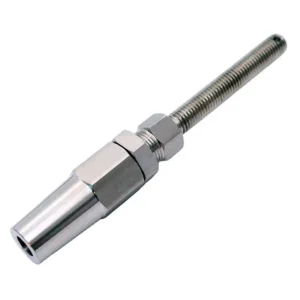
- Connection parts: straight joiners, elbows, end caps, returns and their fixing method.
- Wall attachment: whether anchors are included, recommended only, or excluded pending substrate confirmation.
- Documents: drawings, material records, installation instructions or project-specific evidence actually available for the proposed configuration.
If the deciding requirement is a verified non-standard duty or documented load class, handle it as a heavy-duty wall handrail enquiry and request configuration-specific evidence. The stainless grade or tube size alone is not a load rating.

Send enough information for a comparable quotation
For a first review, send:
- country or project jurisdiction and whether the route is a stair, ramp or level walking surface;
- a plan, elevation, marked-up photo or approximate run lengths, including corners and ends;
- preferred round, square or other profile, or an approved handrail detail if one exists;
- indoor/outdoor exposure, salt or chemical contact, cleaning regime and desired visible finish;
- wall construction, finish thickness, known backing and any anchor restrictions;
- estimated quantity, delivery destination and whether rails, brackets, connectors, end parts and anchors are required together.
The resulting quotation should state the proposed configuration, not just a unit price. It should make the rail profile and dimensions, proposed materials and finishes, component quantities, fabrication scope, connection approach, attachment assumptions, exclusions and document availability easy to compare.