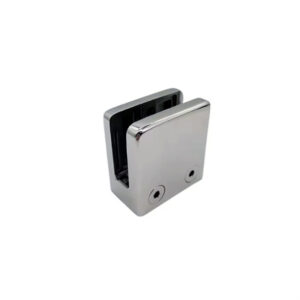
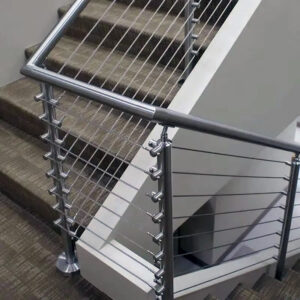
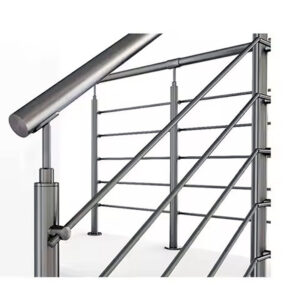
Заказ настенных кронштейнов до того, как кто-либо лично измерил угол наклона лестницы и отступ от стены, является одной из наиболее распространенных ошибок при закупках в проектах по установке перил на объектах с неровной поверхностью. Последствия обычно проявляются слишком поздно: кронштейны поставляются с диапазоном углов, не соответствующим фактическому уклону, крепеж все равно устанавливается, и конструкция либо выглядит неаккуратно при приемке, либо требует частичной доработки после того, как трасса поручня уже зафиксирована. Решение, позволяющее избежать такого исхода, заключается не в абстрактном выборе между фиксированными и регулируемыми креплениями, а в подтверждении конкретного необходимого диапазона углов, разницы в высоте в каждом месте установки кронштейна и доступного способа фиксации до завершения закупки. Приведенная ниже информация дает руководителям отдела закупок, монтажникам и специалистам по проверке технических заданий основу для принятия такого решения в отношении лестниц, пандусов и объектов, где состояние стен на момент заказа не может быть полностью предсказано.
Варианты применения регулируемых кронштейнов на лестницах, пандусах и неровных стенах
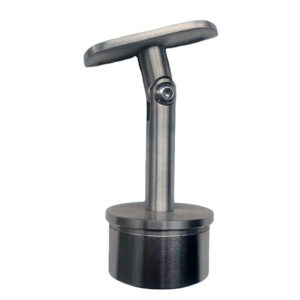
Основная причина необходимости использования регулируемых кронштейнов заключается не в сложности, а в том, что лестницы, пандусы и условия на стенах при модернизации редко обеспечивают постоянный угол наклона или ровную поверхность в каждой точке крепления кронштейна. На прямом лестничном пролете с известным углом наклона фиксированный кронштейн часто является более подходящим вариантом. Ситуация меняется, когда угол наклона лестницы варьируется в разных участках, когда стена представляет собой каменную кладку с неровностями поверхности или когда производится замена существующего поручня без полной документации с указанием размеров исходной установки.
Пандусы представляют собой иную проблему. Их уклон, как правило, меньше, чем у лестницы, однако переходы между участками пандуса и ровными площадками требуют использования кронштейнов, способных поддерживать постоянную высоту поручня на всем протяжении изменения угла наклона, не создавая при этом резкого разрыва в линии поручня. Регулируемый кронштейн можно зафиксировать под углом наклона пандуса в промежуточных точках и слегка переместить в зонах перехода, чего невозможно добиться с помощью фиксированного кронштейна, установленного под одним углом, без использования отдельного соединительного элемента.
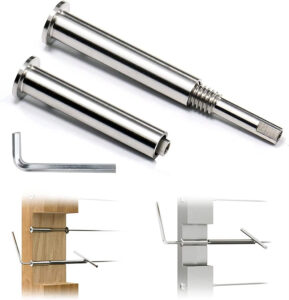
Основание является отдельной переменной при проектировании. Эти кронштейны крепятся к деревянным и стальным стойкам, а также к бетону — трем типам поверхностей, которые предъявляют разные требования к крепежу, имеют разные характеристики вырыва и разные допуски на регулировку положения после установки анкеров. На практике это означает, что выбор основания нельзя оставлять на потом: именно он определяет, какой метод крепления будет приемлемым, ещё до того, как будет окончательно определён тип кронштейна, а исправить ошибку в этом вопросе после установки бетонных анкеров будет крайне сложно.
Детали, касающиеся углов и удлинений, которые влияют на непрерывность трассы
Два геометрических параметра определяют, обеспечивает ли регулируемый кронштейн непрерывный, удобный для захвата маршрут поручня или создает зазор: расстояние от стены до поручня и диаметр трубы, для которой рассчитан кронштейн. Ни один из этих параметров не поддается регулировке после монтажа кронштейна, поэтому их необходимо учитывать при заказе, а не корректировать на месте.
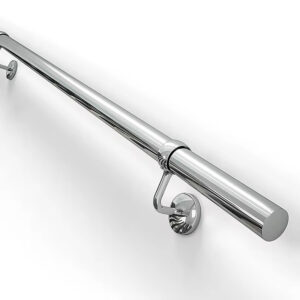
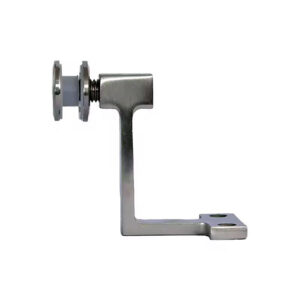
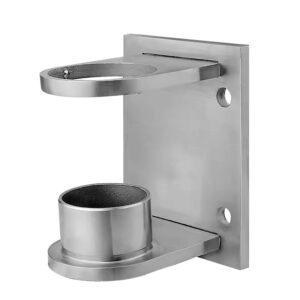
Расстояние между кронштейнами — от 3 до 3,5 дюймов от лицевой поверхности стены до оси поручня — определяет зазор между поверхностью для захвата и стеной. Указанный диапазон является проектным значением для данных кронштейнов; соответствует ли он требованиям нормативов конкретного проекта в отношении удобства захвата и ширины прохода, должна подтвердить проектная группа на основе применимых стандартов до начала закупки. Совместимый диаметр трубы составляет 1,5 дюйма. Если трубы поручня, используемые в проекте, имеют иной наружный диаметр, кронштейн не будет правильно устанавливаться, что приведёт к нарушению непрерывности трассы в каждой точке крепления кронштейна, независимо от того, насколько точно настроена регулировка угла.
| Параметр | Значение/Диапазон | Почему это важно для обеспечения непрерывности деятельности |
|---|---|---|
| Расстояние от стены до поручня | 3–3,5 дюйма | Определяет зазор между поручнями для удобства захвата и ширину прохода; влияет на соответствие нормативным требованиям |
| Диаметр труб для поручней, с которыми совместима данная модель | 1,5 дюйма | Гарантирует, что кронштейн подходит к трубам стандартного размера; несоответствие диаметров нарушает непрерывность трассы и правильную посадку кронштейна |
При заказе по каталогу легко упустить из виду несоответствие размеров кронштейна и трубы, поскольку оба элемента кажутся стандартными. Впоследствии это приводит либо к задержке повторного заказа, либо к необходимости импровизированного решения на месте, которое ухудшает фиксацию — и то, и другое невозможно исправить без дополнительных работ после того, как трасса рельсового пути будет окончательно закреплена.
Проблемы, связанные с неровностями площадки, которые не могут быть компенсированы фиксированными кронштейнами
Фиксированные кронштейны хорошо подходят для предсказуемых пролетов. Проблема заключается в том, что “предсказуемость” — это вывод, сделанный после измерений, а не допущение, сделанное до начала монтажа. На объектах, где при заливке перекрытий допускаются незначительные отклонения по высоте, кирпичные стены имеют неровности поверхности или при модернизации используется существующее основание, которое никогда не было выровнено по вертикали, фиксированный кронштейн, установленный под номинальным углом, приведет к тому, что поручень будет неправильно расположен на всем протяжении, а не только в отдельных местах, где его можно отрегулировать.
Способность этих регулируемых кронштейнов компенсировать перепады высоты на объекте составляет до 2 дюймов. Это значение является техническим параметром конструкции изделия, а не допуском, установленным нормативными документами. Оно отражает доступный практический диапазон компенсации — перепады высоты на объекте, превышающие 2 дюйма, не будут компенсированы одним лишь кронштейном, и специалисты, считающие возможности регулировки неограниченными, могут обнаружить этот зазор только после закрепления анкерных креплений и при монтаже рельса. Это проблема, возникающая на поздней стадии работ. Отклонения высоты, выходящие за пределы диапазона компенсации кронштейна, требуют иного конструктивного решения — использования прокладок, корректировки основания или другой конфигурации изделия — а не более тщательного соблюдения последовательности монтажа.
Следует четко обозначить следующий компромисс: регулируемые кронштейны не исключают необходимости проведения измерений на месте. Они снижают последствия незначительных погрешностей измерений, но не заменяют изысканий, проводимых до монтажа. Фиксированные кронштейны требуют точных измерений, но обеспечивают более аккуратный и воспроизводимый результат в условиях стабильных размеров. Избыточное использование регулируемых кронштейнов на участке, где геометрия уже подтверждена, увеличивает количество этапов монтажа и создает проблемы с визуальной согласованностью при приемке, которых не возникает при использовании фиксированных кронштейнов.
Трение при установке, если не измерены переходы между рампой и лестницей
Трудности при монтаже переходов от пандуса к лестнице носят не столько механический, сколько информационный характер. Монтажники, прибывающие на объект без подтверждения характеристик основания, не зная, требуется ли круглый переходник, и не ознакомившись с чертежом с размерами, вынуждены в условиях дефицита времени принимать последовательные решения, которые следовало бы решить еще на этапе планирования. Каждая нерешенная переменная добавляет точку принятия решения на месте, а на переходах, где угловое положение и высота кронштейна необходимо устанавливать одновременно, количество таких точек быстро увеличивается.
Игнорирование документации производителя — чертежей с размерами, руководства по монтажу, инструкций по сверлению и нарезанию резьбы, а также доступных видеоматериалов — до начала монтажных работ приводит к тому, что монтажная бригада выполняет настройку на глаз, а не на основе подтвержденных параметров. Это повышает вероятность установки анкера на неправильной высоте или выбора крепежа, не подходящего для конкретного основания. Стандарт ASTM E894-88 определяет надежность крепления каркасов для постоянных металлических ограждений как функцию правильного выбора анкеров и пути передачи нагрузки; на практике это означает, что выбор крепежных элементов в зависимости от основания (анкеры с защитным кольцом для бетона, болты с поворотным механизмом для стальных стоек) не является взаимозаменяемым — использование неправильного метода для данного типа основания приводит к ненадежному соединению, которое может быть незаметно в готовой конструкции.
| Точка трения | Почему это создает препятствия | Что необходимо уточнить перед установкой |
|---|---|---|
| Крепление с учетом особенностей основания (защитный щиток для лагов против болтов с фиксатором) | Неправильный выбор крепежа может привести к нарушению надежности перил и несоответствию требованиям | Уточните тип основания (бетон, стальные стойки) и необходимый способ крепления |
| Дополнительный переходник для круглых поручней | Непредвиденный дополнительный шаг, если для профиля поручня требуется переходник | Определите, входит ли в объем работ круглый поручень, и включите адаптер в подготовительные работы |
| Документация производителя (чертеж с размерами, руководство по установке, инструкции по сверлению и нарезанию резьбы, видео) | Отсутствие документации или её непроверка повышают неопределённость в полевых условиях | Перед началом работ по переходу скачайте и ознакомьтесь со всеми руководствами |
Дополнительный круглый переходник для поручня заслуживает особого внимания на этапе планирования монтажа. Если профиль поручня круглый, а переходник не входит в комплект поставки, его отсутствие становится заметным уже после начала остальных монтажных работ. Для регулируемые настенные поручни, а именно: обеспечение совместимости профилей до начала монтажа — вот та проблема, которую призвано решить использование переходника, а не в ходе самих переходных работ.
Выбор кронштейна после проверки диапазона углов и условий посадки
После определения диапазона углов и подтверждения условий посадки остаются следующие критерии выбора: марка материала, вид поверхности и готовность к контролю качества. Речь идет о решениях, принимаемых на этапе закупки, а не на месте в полевых условиях, и именно при их трактовке как полевых решений чаще всего возникает отклонение от технических требований.
Выбор материала варьируется между сатинированной нержавеющей сталью AISI 316 для наружной установки или коррозионно-агрессивных сред и сталью AISI 304 с чёрным поликарбонатным покрытием для проектов, в которых предусмотрена установка внутри помещений или требуется контрастная отделка. Ни один из этих материалов не является универсально превосходящим: 316 обеспечивает лучшую стойкость к воздействию хлоридов в прибрежных или влажных условиях, в то время как 304 с покрытием может удовлетворить эстетические требования проекта без дополнительных затрат на материал, если условия эксплуатации не оправдывают их. Критерием выбора является воздействие окружающей среды, а не личные предпочтения. В проектах, включающих как внутренние, так и наружные ограждения, смешивание марок без фиксации этого различия в проектной документации создает проблемы с идентификацией при последующем техническом обслуживании.
Консистенция поверхности соответствует стандарту ASTM A480 № 4 «линейная текстура, сатиновая». Это проектный показатель, определяющий внешний вид поверхности — он указывает разработчикам технических требований, что отделка кронштейна может быть согласована с другими компонентами системы, для которых указан тот же стандарт. Отдельный вопрос — требуется ли в технических требованиях проекта явно указать соответствие стандарту ASTM A480 № 4; кронштейн соответствует этому требованию, если оно предусмотрено в технических требованиях.
| Фактор выбора | Доступные варианты/требования | Почему это важно для окончательного выбора |
|---|---|---|
| Материал и коррозионная стойкость | Нержавеющая сталь AISI 316 с сатинированной поверхностью (для наружной установки) или черный поликарбонат AISI 304 (для установки внутри и снаружи помещений) | Определяет долговечность и соответствие отделки с учетом воздействия окружающей среды |
| Консистенция отделки | ASTM A480 № 4 с линейной текстурой «сатин» | Обеспечивает единообразный архитектурный облик всей системы перил |
| Соблюдение правил | Кронштейн соответствует требованиям строительных норм и правил к расстоянию до поручня | Подтверждает, что кронштейн пройдет проверку и будет соответствовать стандартам безопасности |
Заметка о соответствии строительным нормам — подтверждающая, что кронштейн соответствует требованиям к зазору между поручнями — служит индикатором готовности к приемочным испытаниям, а не самостоятельным свидетельством соответствия. Местные и национальные нормы различаются, и ответственность за подтверждение того, что геометрия кронштейна соответствует применимым нормам в конкретной юрисдикции, по-прежнему лежит на команде, разрабатывающей технические требования. Для проектов, подпадающих под действие ADA и предусматривающих удлинение площадок, Требования ADA к удлинителям поручней для наружных лестниц в нем рассматриваются технические характеристики 12-дюймовых верхних и нижних площадок, которые часто влияют на выбор места установки кронштейнов на переходных участках. Угловые регулируемые кронштейны Во всех моделях данной линейки продукции используются одинаковые параметры материалов и отделки, поэтому специалисты, занимающиеся разработкой технических характеристик, могут применять единые критерии к различным конфигурациям крепления, не рассматривая каждый тип кронштейна как отдельный вопрос выбора материала.
Самым важным моментом принятия решения на протяжении всего процесса выбора является не выбор типа кронштейна, а определение времени проведения измерений на объекте по отношению к моменту закупки. Регулируемые кронштейны компенсируют отклонения на объекте в пределах своего проектного диапазона, но они не избавляют от необходимости узнать фактический шаг лестницы, смещение стены, тип основания и разброс высот до завершения заказа. Команды, которые полагают, что регулируемость покрывает любой разрыв, часто сталкиваются с реальными ограничениями на границе компенсации высоты в 2 дюйма или на пределе диапазона угла наклона кронштейна, и то и другое становится заметным только после установки анкеров.
Что необходимо уточнить перед закупкой: требуемый диапазон углов в каждом месте крепления кронштейна, превышает ли отклонение по высоте в какой-либо точке 2 дюйма, тип основания в каждом месте крепления, диаметр используемых труб поручня, а также оправдывают ли условия эксплуатации проекта использование нержавеющей стали марки 316 вместо 304. Если эти параметры стабильны и точно измерены, фиксированные кронштейны могут обеспечить более аккуратный результат при меньшей сложности монтажа. Если же это не так, то следует выбрать регулируемые кронштейны — но только в том случае, если положение фиксации зафиксировано в документации для проведения проверки, а не оставлено на усмотрение монтажников после установки поручня.
Часто задаваемые вопросы
Вопрос: Что произойдет, если отклонение высоты участка в месте установки кронштейна превысит 2 дюйма?
A: Кронштейн не может компенсировать это отклонение, и перед началом монтажа необходимо применить другое конструктивное решение. Компенсация высоты в 2 дюйма является жестким конструктивным ограничением, а не ориентировочным значением с запасом. На объектах с более значительным отклонением необходимо применять прокладки, корректировать основание или использовать альтернативную конфигурацию изделия — обнаружение этого после установки анкеров приведет к дорогостоящим исправлениям, поэтому отклонение по высоте следует измерить и подтвердить в соответствии с этим пороговым значением до завершения закупки.
Вопрос: Можно ли использовать регулируемые кронштейны для поручней из нержавеющей стали в проекте, где поручни проходят как внутри, так и снаружи здания?
A: Да, но марка материала должна назначаться для каждого отдельного участка и фиксироваться в проектной документации, а не рассматриваться как единый вариант по умолчанию. AISI 316 является подходящим сортом для наружных условий или коррозионных сред благодаря своей стойкости к хлоридам; AISI 304 с чёрной полированной поверхностью может подойти для внутренних участков, где условия эксплуатации не оправдывают дополнительных затрат, связанных с использованием сорта 316. Смешивание сортов без фиксации этого различия создаёт проблемы с идентификацией при техническом обслуживании в будущем, когда через несколько лет потребуется замена или ремонт.
Вопрос: На каком этапе реализации проекта следует определить тип основания?
A: До того, как будет окончательно определен тип кронштейна, а не во время монтажа. Подбор крепления к основанию — это решение, принимаемое на этапе закупки, поскольку методы крепления не взаимозаменяемы для деревянных, стальных и бетонных стоек: для бетона требуются анкеры с защитным экраном, а для стальных стоек — болты с рычажным механизмом. Использование неподходящего крепления для данного типа основания приводит к ненадежному соединению, которое может быть незаметно в готовой конструкции, а исправление ошибки в размещении анкера в неподходящем основании после того, как маршрут установки поручня уже задан, требует частичной переделки.
Вопрос: В каких случаях фиксированные кронштейны дают лучший результат, чем регулируемые, даже при монтаже на лестнице?
A: Когда все места установки кронштейнов измерены на месте и геометрия подтверждена как стабильная, фиксированные кронштейны обеспечивают более чистый и воспроизводимый результат при меньшей сложности сборки. Регулируемые кронштейны требуют дополнительных этапов проверки, связанных с фиксацией положения и документированием угла наклона, а их избыточное использование в серии, где размеры уже известны, вызывает вопросы о визуальной единообразии при проверке, чего удается избежать при использовании фиксированных кронштейнов. Критерием принятия решения является то, измерена ли геометрия и является ли она стабильной, а не то, какой тип кронштейна в целом более универсален.
Вопрос: Означает ли указание о соответствии, приведенное на кронштейне, что он автоматически пройдет проверку в любой юрисдикции?
A: Нет. Соответствие кронштейна требованиям строительных норм в отношении зазоров является показателем готовности к проверке, а не сертификатом соответствия требованиям конкретного региона. Местные и национальные нормы различаются, и подтверждение того, что геометрия кронштейна с зазором от 3 до 3,5 дюйма соответствует применимым нормам для конкретного региона реализации проекта, остается в компетенции проектной группы. Для проектов, подпадающих под действие ADA, требования к удлинению площадки на переходах добавляют отдельный этап подтверждения, который выходит за рамки общих технических требований к зазорам кронштейна.