Непрерывные поручни
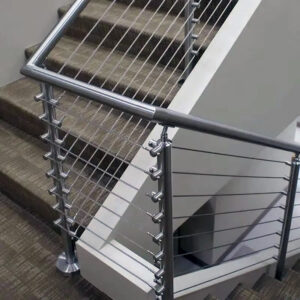
Непрерывные поручни
Непрерывные поручни ESANG предназначены для проектов по устройству перил и поручней, в которых пользователям требуется более равномерная опора для рук на лестницах, пандусах, в коридорах, на лестничных площадках, балконах или на длинных маршрутах движения. В этих системах используются трубы для поручней, соединительные элементы, коленчатые соединения, изгибы, обратные изгибы и монтажные детали, что позволяет создавать более длинные и непрерывные участки поручней.
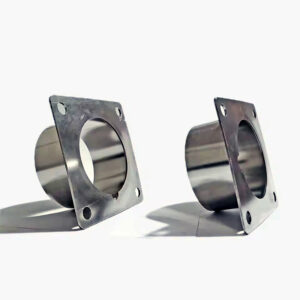
В эту категорию входят Трубы для непрерывных круглых поручней, Бесшовные соединения поручней, Системы поручней увеличенной длины, и Комплекты для монтажа сварных поручней.
Подрядчикам, дистрибьюторам, производителям и заказчикам проектов при выборе непрерывных поручней следует учитывать трассу поручня, профиль трубы, способ соединения, тип соединительных элементов, угол изгиба, крепление к стене или столбу, конструкцию торцевого соединения, марку материала, вид поверхности и требования проекта. Компания ESANG может изготовить компоненты непрерывных поручней в соответствии с чертежами, размерами, маркой материала, требованиями к отделке и условиями монтажа.
Варианты сплошных поручней
| Вариант | Лучше всего подходит для | Основные вопросы при отборе кандидатов |
|---|---|---|
| Трубы для непрерывных круглых поручней | Длинные участки поручней, лестницы, пандусы, коридоры и объекты, где требуется обеспечить непрерывность удобного захвата | Каковы требуемые параметры: диаметр трубы, длина, вид поверхности, способ крепления и конструкция концевых соединений? |
| Бесшовные соединения поручней | Проекты, в которых соединения поручней должны выглядеть ровно, быть выровненными и визуально аккуратными | Следует ли соединить детали скрытым способом, с помощью сварки, вставкой в муфту, полировкой или механическим соединением? |
| Системы поручней увеличенной длины | Длинные коридоры, пандусы, балконы, общественные проходы и крупные коммерческие объекты | Как будут транспортироваться, соединяться, крепиться и монтироваться длинные отрезки поручней? |
| Комплекты для монтажа сварных поручней | Проекты, требующие сварных соединений, более прочной конструкции или сборки по индивидуальному заказу на объекте или в цехе | Какие виды сварки, полировки, подгонки, профиля труб и последовательности монтажа требуются? |
Как выбрать непрерывные поручни
Сплошные поручни следует подбирать с учетом трассы их прохождения. Для прямых поручней в коридоре, лестничных поручней с поворотами и поручней на пандусах с площадками могут потребоваться разные соединительные элементы, кронштейны, коленчатые элементы и обратные отводы.
| Состояние проекта | Рекомендуемое направление | Почему это важно |
|---|---|---|
| Поручень проходит длинным прямым отрезком | Используйте системы поручней увеличенной длины с подходящими соединительными элементами и соответствующим расстоянием между опорами | Для длинных рельсов необходимо заранее определить места опоры, расположение стыков, транспортную длину и последовательность монтажа. |
| Маршрут включает лестницы, пандусы или площадки | Используйте цельные трубы, коленчатые соединения, изгибы и фитинги обратного хода | При изменении трассы необходимо сохранять направление движения, непрерывность сцепления с поверхностью и плавные переходы. |
| Проект требует аккуратной визуальной отделки в местах стыков | Используйте бесшовные соединения поручней, внутренние втулки или сварные и отполированные соединения | Конструкция соединения влияет на внешний вид, ощущения при захвате и долговечность. |
| На поворотах поручень меняет направление | Используйте соединители для рельсов под углом 90 градусов, 135 градусов, гибкие или изготовленные по индивидуальному заказу | Геометрия углов влияет на непрерывность, выравнивание и точность монтажа. |
| Для реализации проекта требуются более прочные сварные соединения | Используйте комплекты для монтажа сварных поручней или готовые в мастерской узлы | Сварку и отделку следует планировать с учётом марки материала, профиля трубы и требований к качеству поверхности. |
| Проект ориентирован на обеспечение доступности | Изготавливать детали с соблюдением заданных требований к высоте, зазору, зажиму, возврату и непрерывности | Окончательное соответствие требованиям зависит от полной конфигурации установленной системы и местных норм. |
Способы соединения непрерывных поручней
Конструкция соединений является одной из важнейших составляющих системы непрерывных поручней. Соединение должно соответствовать профилю трубы, трассировке поручня, требуемому внешнему виду, способу монтажа и ожиданиям в отношении технического обслуживания.
| Способ подключения | Типичные области применения | Что необходимо подтвердить |
|---|---|---|
| Соединительные элементы для внутренних рельсов | Соединение прямых отрезков труб с более аккуратным внешним видом | Размер трубки, глубина ввода, способ крепления, выравнивание и совместимость с поверхностью |
| Коленчатые соединители | Смена направления на поворотах, лестничных переходах или в точках разворота | Угол, профиль трубы, радиус, видимое соединение и последовательность монтажа |
| Гибкие соединители для шин | Нестандартные углы, допуски по полю и нестандартные схемы расположения | Диапазон регулировки, способ фиксации, конечный угол и внешний вид |
| Сварные соединения | Проекты, требующие более прочных сварных соединений или гладкого непрерывного внешнего вида | Марка материала, метод сварки, требования к полировке, контроль деформации и восстановление поверхности |
| Соединения с механической фиксацией | Проекты, в которых предпочтительным является сборка, разборка на месте или модульная установка | Доступ к крепежным элементам, обзор стыков, выравнивание и долгосрочное техническое обслуживание |
Круглая труба, увеличенная длина и сведения о возврате
В непрерывных поручнях часто используются круглые трубы, поскольку они удобны для захвата и широко совместимы с кронштейнами и соединительными элементами для поручней. Однако оптимальный профиль и способ соединения все же следует выбирать в соответствии с проектными чертежами и требованиями к монтажу.
| Деталь конструкции | Почему это важно | Типичные отзывы покупателей |
|---|---|---|
| Профиль трубы | Определяет ощущения при удержании, совместимость с кронштейнами и выбор разъемов | Диаметр круглого профиля, размер квадратного профиля или чертеж профиля по индивидуальному заказу |
| Длина рельса | Влияет на транспортировку, погрузочно-разгрузочные работы на объекте, расстояние между опорами и планирование соединений | Общая длина поручня, длина участка и ограничения по доступу к объекту |
| Место соединения | Определяет внешний вид, удобство монтажа и распределение прочности | Чертежи планировки, пролет лестницы, расположение лестничных площадок и расстояние между опорами | Конец возврата | Завершает линию поручня и может быть предусмотрена техническими условиями проекта | Конструкция обратного угла: примыкающая к стене, к стойке, к полу или индивидуальная |
| Метод поддержки | Определяет детали крепления к кронштейну, стойке или стене | Крепление к стене, к столбу, на поверхность или смешанный вариант крепления |
Материалы, отделочные материалы и изготовление на заказ
Непрерывные поручни ESANG могут изготавливаться в соответствии с требованиями проекта, включая профиль трубы, длину отрезка, тип соединителя, угол изгиба, сварные узлы, конструкцию поворота, совместимость кронштейнов, марку материала, обработку поверхности и требования к упаковке.
| Материал или отделка | Типичные области применения | Примечания |
|---|---|---|
| 304 нержавеющая сталь | Внутренние сплошные поручни, коридоры общественного пользования, лестницы, пандусы и помещения с сухим климатом | Популярный вариант для многих проектов по установке поручней в помещениях. |
| нержавеющая сталь 316 | Наружные поручни, помещения с повышенной влажностью, объекты у бассейнов и среды с повышенной коррозионной активностью | Обычно используется в тех случаях, когда требуется повышенная коррозионная стойкость. |
| 316L нержавеющая сталь | Проекты, требующие улучшенной свариваемости или более высоких антикоррозионных характеристик | Подходит в случаях, когда в технических требованиях указана низкоуглеродистая нержавеющая сталь. |
| Матовая или сатиновая отделка | Коммерческие здания, пути общего пользования, лестницы, пандусы и коридоры с интенсивным движением | Помогает сделать менее заметными отпечатки пальцев и незначительные следы от прикосновений. |
| Зеркальная полировка | Декоративные интерьеры, отели, виллы и отдельные визуальные решения премиум-класса | Придаёт яркий внешний вид, но требует более бережного обращения и ухода. |
Для нестандартных проектов по изготовлению сплошных поручней заказчики могут предоставить чертежи, схему трассы, размеры труб, требования к соединительным элементам, детали сварных соединений, конструкцию поворотных участков, требования к отделке и условия монтажа. Компания ESANG может проанализировать эти требования и, по мере возможности, изготовить компоненты в соответствии с техническими условиями проекта.
Совместимое оборудование и сопутствующие компоненты
При проектировании сплошных поручней необходимо предусматривать кронштейны, соединительные элементы, колена, отводы, стойки, крепления к стенам и монтажные детали. Для одной и той же трубы поручня могут потребоваться различные детали крепления и соединения в зависимости от того, устанавливается ли она на стене, на стойке, на поверхности или является частью комбинированной системы перил.
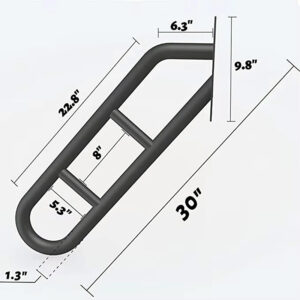
- В случае непрерывных линий, опирающихся на стены, необходимо согласовать с Настенные поручни и подходящие настенные кронштейны.
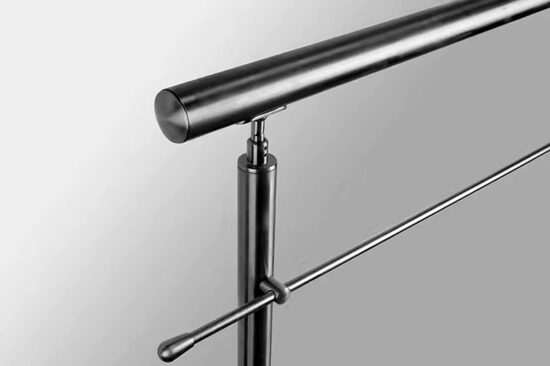
- В случае непрерывных заездов с опорой на столбик необходимо согласовать с Поручни для монтажа на столбах а также детали кронштейна для крепления на столбе.
- В случае систем с поверхностным монтажом согласуйте с Поручни для поверхностного монтажа, опорные плиты и крепеж для верхнего крепления.
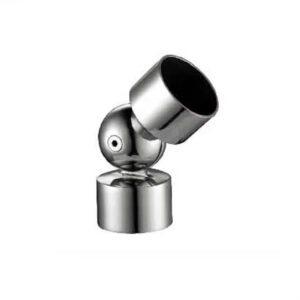
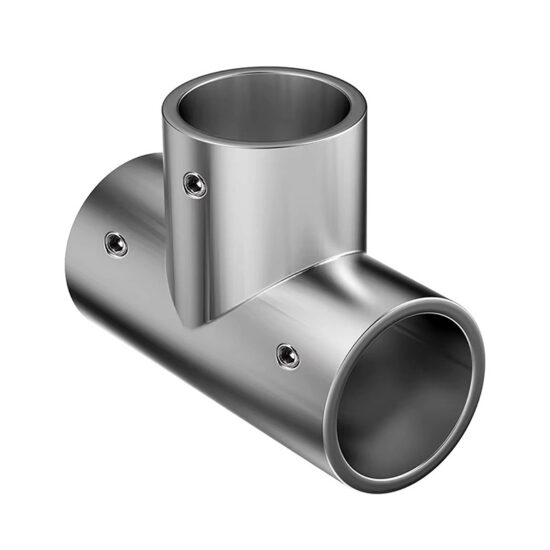
- Для углов, поворотов и прямых соединений используйте совместимые Рельсовые соединители, прямые соединители, угловые соединители или гибкие соединители.
- В случае систем ограждений с опорами следует согласовать с Посты из нержавеющей стали и оборудование для почтовых отделений.
Адаптация к требованиям проекта
Системы непрерывных поручней часто изготавливаются по индивидуальному заказу с учетом чертежей маршрута, геометрии лестницы, планировки пандуса, высоты поручней, расстояния между опорами, углов соединений и требований к отделке. Компания ESANG может изготавливать трубы, соединительные элементы, колена, обратные секции, сварные узлы и монтажные комплекты в соответствии с проектными чертежами и техническими условиями.
Если в рамках проекта предусмотрены требования, основанные на стандартах и касающиеся непрерывности поручня, профиля рукоятки, зазора от стены, высоты, конструкции поворота или использования с учетом требований доступности, заказчики должны предоставить необходимые размеры и технические характеристики. Компания ESANG может изготовить компоненты непрерывного поручня в соответствии с предоставленными данными, однако окончательное соответствие требованиям зависит от всей установленной системы, условий на объекте, метода монтажа и действующих местных норм.
Вопросы, связанные с установкой и соблюдением норм
Непрерывные поручни следует рассматривать как единую установленную трассу. Перед началом производства или монтажа необходимо согласовать схему трассы, расположение стыков, расстояние между кронштейнами, профиль труб, конструкцию обратного отвода и способ крепления.
- Трасса поручня и общая длина
- Профиль рукоятки и размер рукоятки
- Способ крепления к стене, столбу или поверхности
- Тип соединителя и местоположение соединения
- Колена, изгибы, угловые соединители и детали обратных отводов
- Расстояние между кронштейнами и расположение опор
- Сварное или механическое соединение
- В помещении, на открытом воздухе, в условиях высокой влажности или в прибрежной зоне
- Требования местных строительных норм и технических условий проекта
Сайт Стандарты доступного дизайна ADA 2010 года предоставить справочные требования к проектам в США, касающимся поручней, включая поверхность для захвата, зазоры, высоту и непрерывность. Данные справочные материалы следует рассматривать в качестве ресурсов для планирования, а окончательное соответствие требованиям должно быть подтверждено проектировщиком, инженером, подрядчиком или местным органом власти.
Сценарии применения
Коммерческие коридоры и общественные маршруты
Сплошные поручни широко используются в служебных коридорах, общественных зданиях, школах, больницах, на транспортных объектах и на подходных путях, где требуются длинные участки поручней и надёжная опора.
Лестницы и лестничные площадки
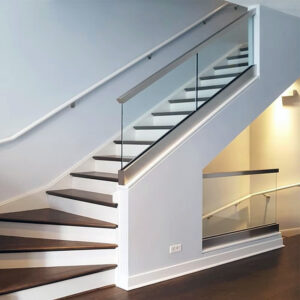
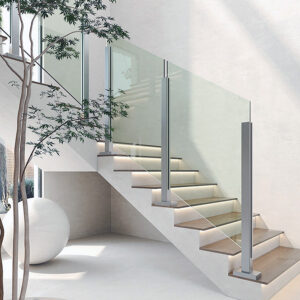
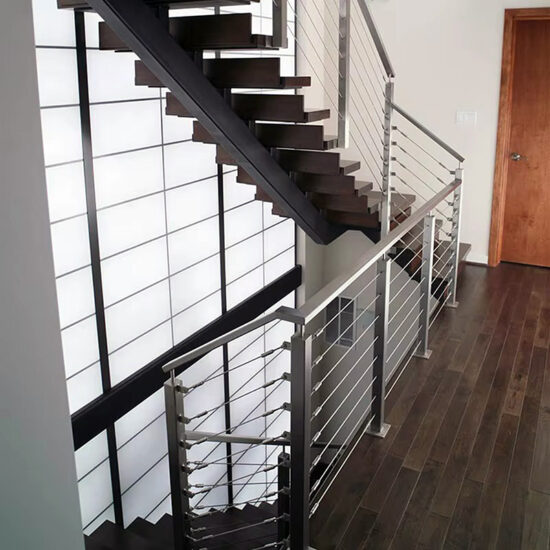
На лестницах и лестничных площадках часто требуются поручни, обеспечивающие плавный переход между прямыми участками, наклонными участками и горизонтальными участками. Колена, соединительные элементы, обратные отрезки и опорные кронштейны следует проектировать одновременно с планировкой лестницы.
Поручни для пандусов
При устройстве поручней для пандусов часто необходимо уделять внимание обеспечению непрерывного захвата, зазору от стены, высоте, конструкции поворотов и расстоянию между кронштейнами. Использование цельных труб и тщательно спланированные переходы помогают обеспечить более плавный маршрут.
Пробежки на балконе и террасе
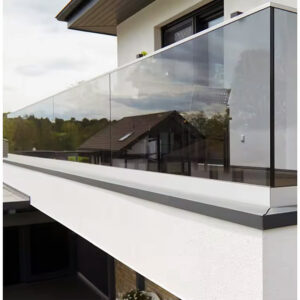
Для длинных балконов и террас в качестве ограждений могут использоваться системы поручней увеличенной длины с прямыми соединительными элементами, угловыми соединителями и опорами, устанавливаемыми на стойках. Длину секций, условия транспортировки и схему соединений следует согласовать на раннем этапе.
Архитектурные перила на заказ
Для индивидуальных проектов могут потребоваться комплекты для монтажа сварных поручней, специальные коленные соединения, нестандартные профили труб, полированные соединения или детали обратных отводов, разработанные специально для данного проекта. Важно тщательно изучить чертежи и условия монтажа.
Связанные категории товаров
- Трубы для непрерывных круглых поручней
- Бесшовные соединения поручней
- Системы поручней увеличенной длины
- Комплекты для монтажа сварных поручней
- Рельсовые соединители
- Кронштейны для настенного монтажа
- Кронштейны для установки на столб
- Посты из нержавеющей стали
Часто задаваемые вопросы
Что такое непрерывный поручень?
Непрерывный поручень — это поручень, предназначенный для обеспечения более плавного захвата на протяжении всего маршрута, такого как лестница, пандус, коридор, лестничная площадка или длинный участок перил. Для соединения отдельных секций в нем могут использоваться трубы, колена, соединительные элементы, отводы и кронштейны.
Где чаще всего используются сплошные поручни?
Сплошные поручни широко используются в коммерческих коридорах, местах общего пользования, больницах, школах, на пандусах, лестницах, транспортных объектах, балконах, а также в системах с длинными ограждениями, где пользователям удобнее держаться за поручни, образующие сплошную линию.
В чём заключается разница между трубами для поручней непрерывного профиля и бесшовными соединениями поручней?
Под непрерывными трубами для поручней понимаются трубные отрезки, используемые для создания длинных участков поручней. Бесшовные соединения поручней предполагают соединение этих отрезков с обеспечением плавного выравнивания, использованием скрытых соединительных элементов, сварных соединений или полированных переходов.
В каких случаях следует использовать системы поручней увеличенной длины?
Системы поручней увеличенной длины хорошо подходят для длинных коридоров, пандусов, балконов и проходов в общественных зданиях. Перед началом производства необходимо проанализировать длину секций, условия транспортировки, расположение соединений, расстояние между опорами и последовательность монтажа.
В каких случаях полезны комплекты для монтажа сварных поручней?
Комплекты для монтажа сварных поручней могут оказаться полезными в тех случаях, когда проект требует более прочных сварных соединений, нестандартных уголков, полированных соединений или узлов, изготовленных в цехе. Работы по сварке и восстановлению внешнего вида следует планировать с учетом марки материала и вида поверхности.
Может ли компания ESANG изготавливать непрерывные поручни в соответствии с требованиями ADA?
Да. При предоставлении заказчиками необходимых размеров и технических требований к проекту компания ESANG может изготовить элементы непрерывных поручней, соответствующие требованиям ADA, таким как профиль рукоятки, расстояние от стены, высота поручня, конструкция поворота и непрерывность. Окончательное соответствие требованиям зависит от установленной системы в целом и действующих местных норм.
Какая информация необходима для запроса по поручням непрерывного типа?
К полезной информации относятся чертежи трассы, общая длина, профиль трубы, марка материала, вид поверхности, способ крепления, тип соединителя, угол изгиба, детали обратного хода, расстояние между кронштейнами, количество и условия монтажа.
Можно ли устанавливать сплошные поручни на стене или на стойках?
Да. Сплошные поручни могут крепиться к стене, устанавливаться на стойках, монтироваться на поверхности или использоваться в смешанных системах ограждений. Способ крепления следует согласовывать с учетом кронштейнов, стоек, соединительных элементов и условий монтажа.
Что лучше выбрать: механические соединители или сварные соединения?
Механические соединители могут быть целесообразны при модульной установке, для упрощения монтажа или в случае транспортных ограничений. Сварные соединения могут выбираться для обеспечения большей прочности сварных узлов или более гладкой, полированной поверхности. Правильный выбор зависит от проектных чертежей, требований к отделке, доступа к объекту и метода монтажа.
Как следует ухаживать за непрерывными поручнями из нержавеющей стали?
Для регулярной очистки обычно используются мягкие моющие средства, чистая вода и мягкая ткань. Не следует использовать чистящие средства на основе хлорида, стальную вату и абразивные инструменты. Установки, расположенные на открытом воздухе, во влажной среде, у бассейна или на побережье, следует очищать чаще, чтобы уменьшить загрязнение поверхности и сохранить внешний вид.
Похожие посты:
Pier and Dock Railing Layout: Posts, Infill, Access, and Mounting
Plan pier and dock runs around post locations, infill modules, corners, gates, access routes, substrate edges, and mounting responsibility.
Coastal Railing Exposure: Salt Air, Splash, and Cleaning Access
Separate airborne salt, direct splash, retained wetness, deposits, and cleaning access before choosing coastal railing materials and details.
Replacing Core-Mounted Posts With Surface Bases: Precheck
Check the existing opening, slab condition, edge geometry, drainage, and revised load path before converting an embedded post to a surface base.
Railing Post Base RFQ Checklist for Project Buyers
Request comparable base hardware, substrate inputs, finishes, drawings, anchor boundaries, samples, and inspection documents in one project RFQ.
Adjustable Railing Post Bases for Sloped or Uneven Surfaces
Compare adjustable bases against the actual slope, bearing surface, leveling range, finish interface, and fixing access before selecting a detail.
Анкеры для оснований перильных столбов: исходные данные для инженерной экспертизы
Перед проведением инженерной экспертизы необходимо определить характеристики основания, геометрию, нагрузки, условия эксплуатации и данные по креплению, чтобы этикетка с информацией об оборудовании не была ошибочно принята за проект соединения.
Проекты Эсанга

Сертификат Эсанга

Компания Foshan ESANG Metal Products с гордостью поддерживает сертификация CE (Верификационный номер TD32772401) в соответствии с Директивой о строительной продукции (Постановление № 305/2011), что подтверждает нашу приверженность высочайшим европейским стандартам безопасности и качества.
Сертифицированный ассортимент продукции:
Наш обширный ассортимент фурнитуры для перил, включающий зажимы для стекла, натяжители, кронштейны, настенные крепления, опорные башмаки, фурнитуру для перил, кабельное оборудование и компоненты для столбов, отвечает требованиям EN1906:2012 стандарты, обеспечивающие целостность конструкции и надежность работы всех установок.
Что это значит для вашего проекта:
✓ Полное соответствие нормативным требованиям для европейского и международного рынков
✓ Независимая проверка безопасности и долговечности
✓ Документационная поддержка архитектурных спецификаций
✓ Гарантия качества от третьей стороны
Сертификация действительна до 2027 года | Отчет об испытаниях: CE-FE24122001-CY
Проекты Эсанга

Справочные продукты