Selecting the right stainless steel staircase banister for a commercial building is a high-stakes technical decision. The choice impacts safety compliance, long-term durability, aesthetic integration, and total project cost. A misstep in grade selection, load calculation, or installation detail can lead to code violations, premature corrosion, and costly retrofits.
The 2025 building code cycle and evolving material standards demand updated specifications. For architects, facility managers, and contractors, this guide synthesizes current technical requirements, material trade-offs, and installation best practices into a clear decision framework for commercial projects.
Stainless Steel Grades: 304 vs. 316 for Commercial Railings
Defining the Alloy Composition
The performance of a stainless steel railing begins at the atomic level with its alloy composition. The chromium content forms a passive oxide layer that resists corrosion, while nickel enhances ductility and formability. The critical differentiator for harsh environments is molybdenum. This element dramatically increases resistance to chlorides, which are the primary agent causing pitting and crevice corrosion in stainless steel. Selecting the correct grade is not an aesthetic choice but a foundational engineering decision that dictates the system’s service life.
Application Environment Analysis
The operating environment dictates the required alloy. For standard interior commercial spaces—office atriums, hotel lobbies, retail staircases—Type 304 stainless steel provides excellent corrosion resistance at an optimal cost. Its 18% chromium and 8% nickel composition handles typical indoor humidity and handling. The calculus changes for exterior or aggressive interior environments. Coastal buildings with salt-laden air, indoor pool decks with constant humidity and chlorine exposure, or facilities in regions using heavy road de-icing salts mandate Type 316 stainless. In my experience reviewing failed installations, the most common and costly error is the specification of 304 in a 316 environment, leading to rust stains and structural concerns within a few years.
Strategic Cost-Benefit and ROI
The decision between 304 and 316 involves a strategic trade-off between initial capital expenditure and long-term operational cost. Type 316 carries a premium of 20-40% over Type 304. This higher initial cost must be justified through a rigorous lifecycle cost analysis. The justification lies in avoiding the far greater expenses of system replacement, disruptive repairs in an occupied building, and potential liability from safety compromises. The return on investment for 316 in the right environment is measured in decades of maintenance-free performance versus premature failure.
| Grade | Key Alloy Addition | Primary Application Environment |
|---|---|---|
| 304 | 18% Cr, 8% Ni | Standard interior commercial spaces |
| 316 | 2-3% Molybdenum | Coastal, pool decks, de-icing salt areas |
Source: Technical documentation and industry specifications.
Key 2025 Building Code Requirements for Staircase Handrails
Graspability and Dimensional Mandates
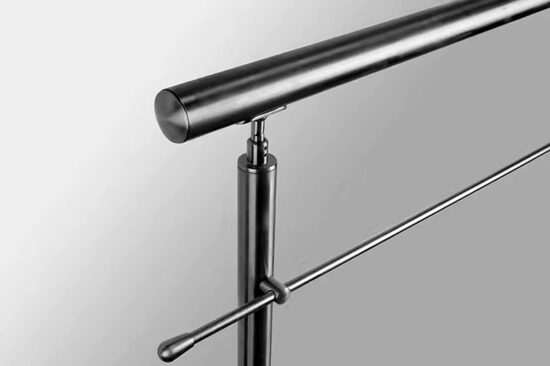
Code compliance is non-negotiable, focusing on safety and accessibility. The International Building Code (IBC) specifies a handrail height of 34 to 38 inches, measured vertically from the stair nosing. Graspability is strictly defined: circular handrails must have an outside diameter between 1-1/4 and 2 inches. Non-circular profiles require a perimeter between 4 and 6-1/4 inches with a maximum cross-section dimension of 2-1/4 inches. A minimum 1-1/2 inch knuckle clearance from any adjacent wall is required to ensure a secure grip. These dimensions are not arbitrary; they are engineered to accommodate the vast majority of adult hand sizes for safe use under slip or fall conditions.
Structural Load and Safety Infill Requirements
The railing system must perform as a guard under load. IBC mandates that guards resist a concentrated load of 200 pounds applied at any point and in any direction. They must also withstand a uniform load of 50 pounds per linear foot (plf). Equally critical is the infill design to prevent falls, particularly for children. The code prohibits the passage of a 4-inch diameter sphere through any opening in the guard assembly. This applies to the spacing between balusters, cables, or glass panel connections. Industry experts note that this single requirement often drives the entire infill design and bracket spacing strategy.
The Shift to Digital Specification Tools
The complexity of adhering to these codes, which are further amended by state and local jurisdictions, is driving a market transformation. We are seeing the rise of cloud-based configurators from leading manufacturers. These tools automatically validate custom railing designs against the applicable local codes, generate compliant BIM objects for integration into architectural models, and produce detailed specification sheets. This digital shift reduces design risk, streamlines permit approval, and cuts administrative overhead, making code compliance a integrated part of the design process rather than a post-design verification hurdle.
| Parameter | IBC Requirement | Key Detail |
|---|---|---|
| Handrail Height | 34 to 38 inches | Measured from stair nosing |
| Circular Profile Diameter | 1-1/4″ to 2″ | Outside diameter |
| Concentrated Load | 200 pounds | Minimum resistance for guards |
| Uniform Load | 50 plf | Minimum resistance for guards |
| Infill Sphere Passage | 4-inch maximum | Prevents child entrapment |
Source: Technical documentation and industry specifications.
Selecting Handrail & Infill: Cable, Glass, or Rod Systems?
Evaluating Infill Material Performance
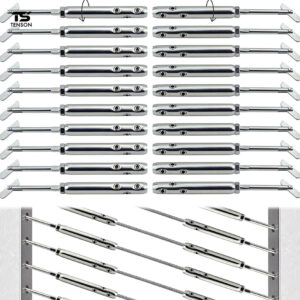
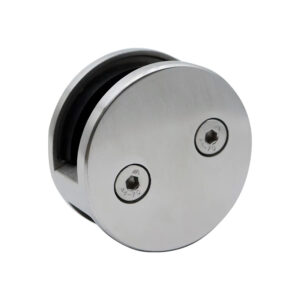
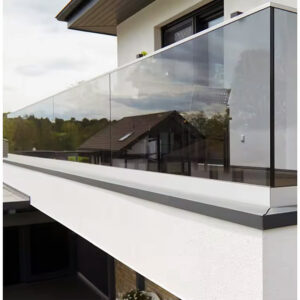
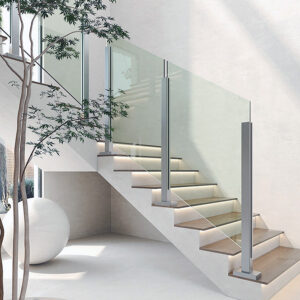
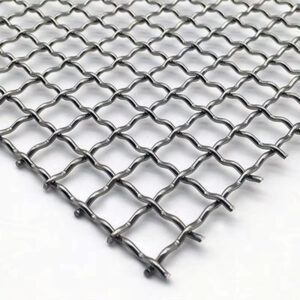
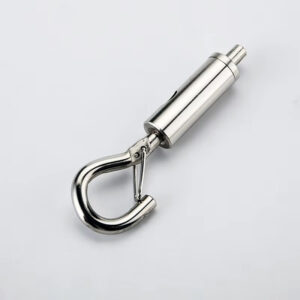
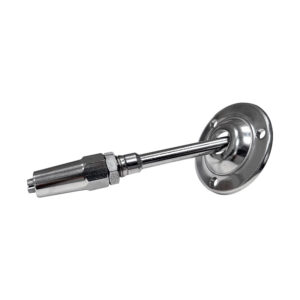
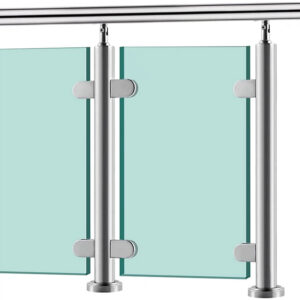
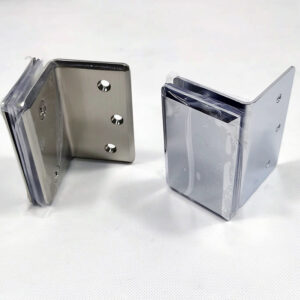
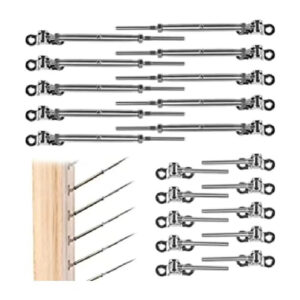
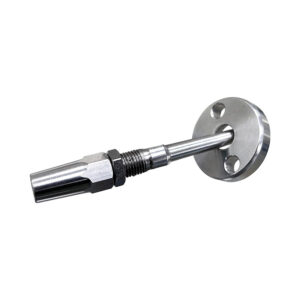
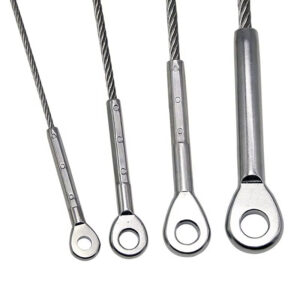
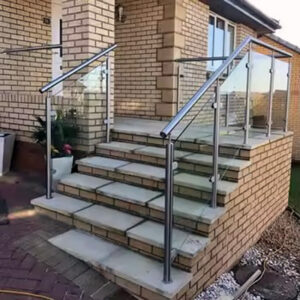
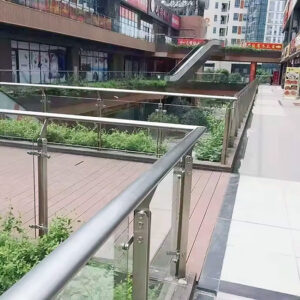
The infill material defines the railing’s visual permeability, maintenance profile, and tactile feel. Tensioned cable systems, typically using 1/8″ or 3/16″ Type 316 stainless steel cables, offer minimal visual obstruction and a contemporary, lightweight aesthetic. However, they require periodic re-tensioning and rely on specialized termination hardware. Glass infill, using tempered or laminated panels secured with stainless steel clamps, provides full transparency and a premium, architectural quality. Its primary drawback is the maintenance required to keep it free of fingerprints and smudges in high-traffic areas. Solid rod or bar infill offers a sleek, linear appearance and is highly durable with very low maintenance.
Aligning with Architectural and Operational Goals
The selection is a strategic balance between design intent and facility management reality. The dominant trend in commercial design is “view preservation,” maximizing sightlines and natural light penetration. Glass excels in this regard but imposes a higher long-term cleaning cost. Cables offer significant view preservation at a lower material and maintenance cost, but present a different visual texture. The choice must align not only with the architect’s vision but also with the building owner’s operational budget and capacity for upkeep. A stunning glass railing in a public lobby without a dedicated maintenance plan will quickly lose its aesthetic appeal.
Cost and Installation Implications
Material and installation costs vary significantly. Cable rail systems often have a lower material cost than glass but may have higher installed labor costs if the installers are not experienced with proper tensioning techniques. Glass panels are heavy, require careful handling, and need precise framing, increasing both material and installation expenses. Solid rod systems fall in between. The decision framework should include the total installed cost, the complexity of the site geometry (straight runs vs. curves), and the lead time for custom-fabricated components like curved glass.
Commercial Handrail Load Ratings & Structural Integrity Explained
Material Specifications and Gauge
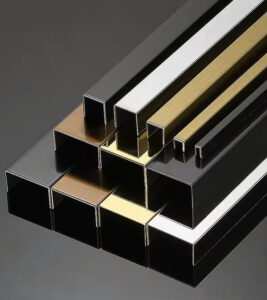
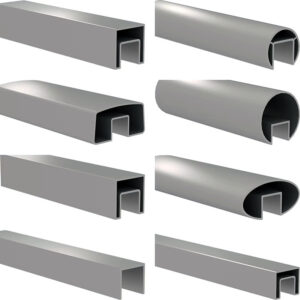
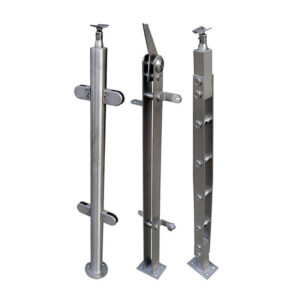
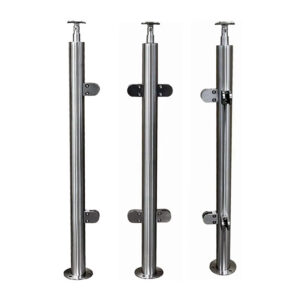
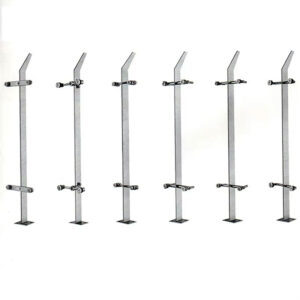
Meeting code load ratings starts with the material specification. Handrail tubing is commonly fabricated from 16-gauge (approximately 1.5mm thick) welded stainless steel mechanical tubing, which provides an optimal balance of strength and workability. However, the structural components that transfer loads to the building—newel posts, anchor posts, and structural brackets—are typically constructed from thicker 14-gauge or even 12-gauge material. This ensures these critical points can handle the concentrated loads without deflection or failure. The tubing must conform to material standards like ASTM A554, which governs the chemical and mechanical properties of the welded tubing.
The Critical Role of Bracketry and Anchorage
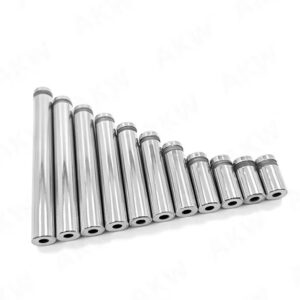
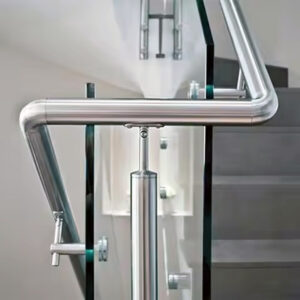
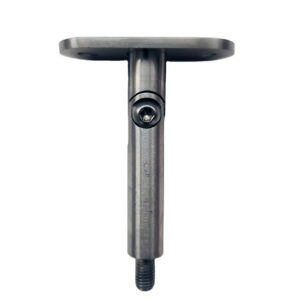
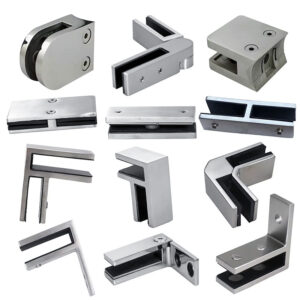
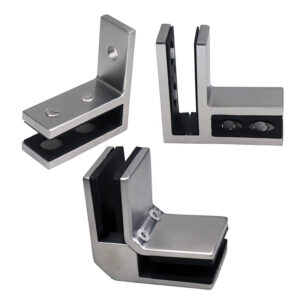
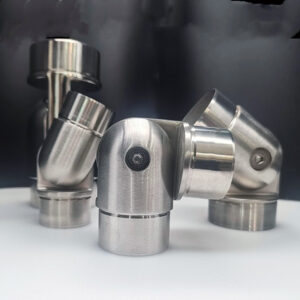
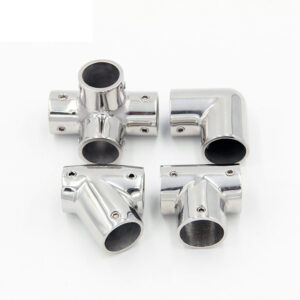
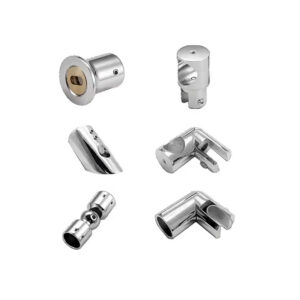
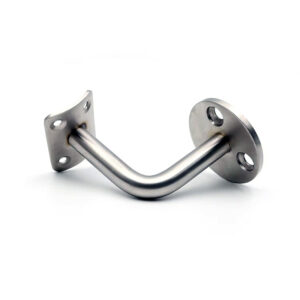
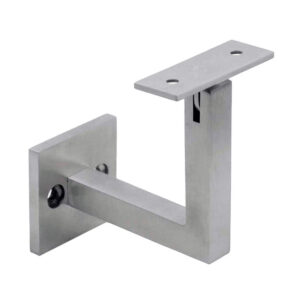
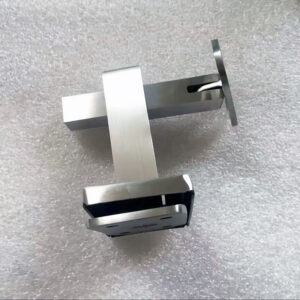
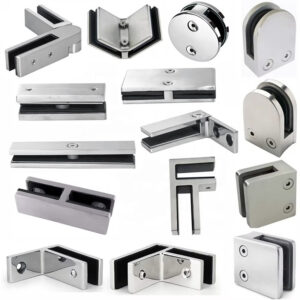
The most common point of failure in a railing system is not the rail itself, but its connection to the structure. A vast array of specialized, code-compliant brackets exists to manage load transfer: adjustable brackets for perfect alignment on raked stairs, pivot brackets for angle transitions, and heavy-duty lateral load brackets for long runs. The anchorage design—whether using through-bolts, epoxy anchors, or weld-on plates—must be engineered for the specific substrate (concrete, steel, wood). This underscores a key strategic shift: the vendor’s role is evolving from a parts supplier to an integrated solution provider offering technical collaboration on these hidden but critical components.
System Engineering and Testing
Structural integrity is a function of the entire system, not individual parts. A proper engineering review will consider the span between supports, the cantilever forces on brackets, and the cumulative effect of uniform loads. Professional installers know that simply meeting the material gauge is insufficient; the entire assembly must be tested conceptually and in practice. This is why leading manufacturers provide engineering calculations and load test reports for their systems. The investment in proper engineering and high-quality hardware is non-negotiable for ensuring long-term stability and safety, preventing costly call-backs and liability issues.
| Component | Typical Gauge/Thickness | Key Structural Role |
|---|---|---|
| Handrail Tubing | 16-gauge (1.5mm) | Standard railing profile |
| Newel Posts / Brackets | 14 or 12-gauge | Primary load transfer points |
| System Load Test | 200 lbs concentrated | IBC compliance requirement |
| System Load Test | 50 plf uniform | IBC compliance requirement |
Source: ASTM A554 Standard Specification for Welded Stainless Steel Mechanical Tubing. This standard establishes the material requirements, including mechanical properties and testing, for the welded stainless steel tubing that forms the structural basis of commercial handrail systems, ensuring they meet performance benchmarks.
Installation Best Practices & Avoiding Common Field Errors
Pre-Installation Planning and Anchorage
Successful installation begins long before the first component arrives on site. It requires detailed coordination with the primary building structure. Engineered anchorage points must be identified and prepared, whether in concrete curbs, steel floor plates, or wood framing. For concrete, the use of properly sized epoxy anchors or sleeved bolts is standard. A common field error is anchoring into thin concrete toppings or insufficient edge distances, which can lead to pull-out failures. The substrate must be capable of transferring the required 200-pound concentrated load back into the building’s structure.
Managing Complex Geometries and Alignment
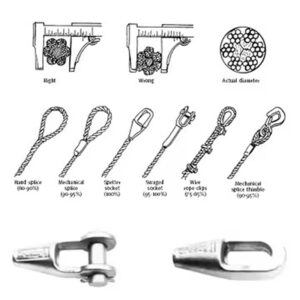
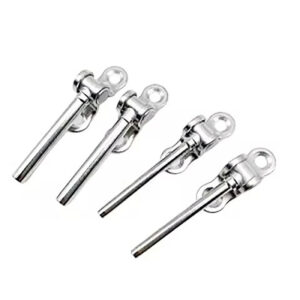
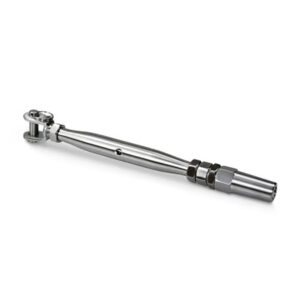
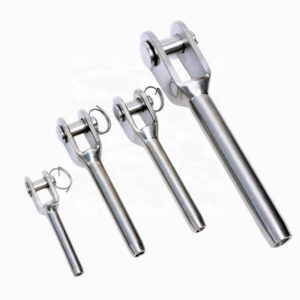
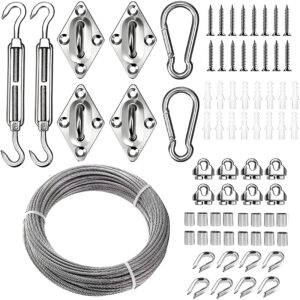
Raked stairs, curved sections, and transitions between level and sloped guards present the greatest installation challenges. For raked stairs, adjustable handrail support brackets are essential for achieving a smooth, continuous handrail line parallel to the stair pitch. In cable rail systems, using a calibrated hydraulic crimping tool for cable terminals is non-negotiable for achieving consistent, permanent tension and avoiding sag. Misalignment of continuous handrails across multiple flights is a frequent aesthetic and functional flaw, often stemming from inaccurate layout or uncoordinated trade sequencing.
The Advantage of Modular Componentization
The industry is shifting toward modular, pre-engineered component systems to mitigate field errors. These systems feature pre-drilled posts, numbered assembly kits, and detailed installation guides. This approach transforms a complex fabrication task into a managed assembly process, reducing the skill threshold required and improving consistency. However, it requires the manufacturer to provide comprehensive support and interoperable components. The strategic benefit is a faster, more predictable installation with fewer call-backs, which is critical for value-conscious and schedule-driven commercial projects.
Long-Term Maintenance & Cleaning for Stainless Steel Railings
Preserving the Passive Oxide Layer
Stainless steel’s corrosion resistance depends on its intact passive oxide layer. Proper cleaning is essential to preserve it. Regular washing with mild soap or a dedicated stainless steel cleaner and warm water, followed by rinsing and drying with a soft cloth, is sufficient for most interiors. Abrasive cleaners, steel wool, or chloride-based cleaners must be avoided, as they can scratch the surface and break down the protective layer, creating initiation points for corrosion. In coastal areas, more frequent rinsing with fresh water is recommended to remove salt deposits.
Finish Selection and Maintenance Frequency
The chosen finish has a direct impact on maintenance effort. A brushed (satin) finish, with its unidirectional grain, is highly effective at hiding fingerprints, water spots, and minor scratches. A polished mirror finish, while offering a high-luster aesthetic, shows every smudge and requires more frequent cleaning to maintain its appearance. For exterior applications, a mill finish or a coarse abrasive finish can be more forgiving. The most effective maintenance-reduction strategy is correct initial material selection: specifying Type 316 for harsh environments prevents corrosion problems that no cleaning regimen can fix.
Sustainability and Future Considerations
Maintenance protocols are increasingly viewed through a sustainability lens. Facility managers are pressured to use cleaning agents with low volatile organic compound (VOC) content and to minimize water usage. Future specifications may include requirements for documentation on the recycled content of the stainless steel and the environmental impact of the finishes used. Furthermore, innovations like integrated LED lighting within handrails for wayfinding add a new dimension to maintenance, requiring access to electrical components without compromising the railing’s structural or aesthetic integrity.
Cost Factors: Material, Fabrication, and Installation Budgeting
Breaking Down the Cost Drivers
A realistic budget analyzes three interconnected areas: material, fabrication, and installation. Material costs are driven by the stainless steel grade (316 vs. 304), the type and quality of the finish (mill, brushed, polished), and the infill system (glass being typically the most expensive, followed by custom metalwork, then cable). Fabrication costs escalate with custom geometries, complex welds that require grinding and polishing, and non-standard fittings. Installation costs are influenced by site accessibility, the complexity of the layout, and the labor rates for skilled metalworkers.
The Total Cost of Ownership Model
The most strategic approach is to evaluate the total cost of ownership, not just the initial purchase order. Investing in a higher-grade material (316), superior bracketry, and a more durable finish increases upfront costs but prevents far greater expenses down the line. These avoided costs include premature system replacement, disruptive repairs that require closing off building areas, and potential liability from safety incidents. A cheaper, non-compliant, or under-specified system represents a significant financial and operational risk over the 30+ year lifespan of a commercial building.
Logistics and Supply Chain Impact
In today’s project environment, logistics are a critical cost and timeline factor. Vendors competing for commercial contracts emphasize reliable supply chains, bulk shipping efficiencies, and fast delivery. Delays in receiving railing components can stall entire construction sequences, leading to costly project overruns. Many suppliers now offer free shipping thresholds for large orders and provide real-time tracking. The ability of a vendor to deliver complete, undamaged kits on schedule is a tangible value that should be factored into the selection criteria alongside unit price.
| Cost Factor | Higher-Cost Driver | Lower-Cost Driver |
|---|---|---|
| Material Grade | Type 316 stainless | Type 304 stainless |
| Infill Type | Tempered glass panels | Tensioned cable systems |
| Fabrication | Custom geometries/welds | Standard, modular components |
| Installation | Complex site conditions | Pre-assembled, modular kits |
Source: Technical documentation and industry specifications.
Final Selection Checklist for Architects & Facility Managers
Pre-Design and Specification Phase
Before drafting, confirm the environmental classification to mandate 304 or 316 stainless steel. Verify the latest local amendments to the IBC and ADA for handrail height, diameter, and infill spacing requirements. Engage with potential suppliers early to leverage their technical design support and code guidance. Ensure the system engineering is validated to meet 200 lbs concentrated and 50 plf uniform loads, with particular focus on the anchorage detail drawings.
Design Integration and Vendor Selection
Select the infill type—cable, glass, or rod—based on the project’s view preservation goals, architectural aesthetic, and the owner’s maintenance capacity. Coordinate the railing design with the stair and floor edge details to avoid conflicts. Choose a supplier that acts as a solution provider, offering integrated technical support, reliable logistics for commercial railing components, and post-installation service. Verify the availability of BIM objects and submittal packages.
Sustainability and Innovation Audit
Consider the sustainability profile, including the recycled content of the stainless steel and low-VOC finish options. Evaluate value-add innovations, such as integrated LED lighting for wayfinding or emergency egress, which can enhance the user experience and meet multiple design goals. Finally, use a digital configurator tool if available to finalize the design, ensure code compliance, and generate accurate material take-offs and cost estimates.
The decision framework for a commercial stainless steel banister rests on three pillars: material science for longevity, structural engineering for safety, and lifecycle costing for value. Prioritize grade selection based on environmental risk, validate system engineering and anchorage details, and align the infill choice with both aesthetic goals and operational capacity. This disciplined approach transforms the railing from a commodity item into a durable, code-compliant, and architecturally integrated building asset.
Need professional guidance to specify or source a compliant stainless steel railing system for your next project? The technical experts at Esang provide the engineering support and high-quality components required for commercial success.
Frequently Asked Questions
Q: When is Type 316 stainless steel mandatory for commercial handrails instead of Type 304?
A: You must specify Type 316 stainless for any environment with high chloride exposure, such as coastal properties, pool decks, or areas using de-icing salts. Its added molybdenum content provides critical resistance to pitting and crevice corrosion that Type 304 lacks. This means facilities in these corrosive environments should budget for the higher initial material cost to avoid premature system failure and costly liability-driven replacements.
Q: What are the 2025 IBC code requirements for handrail graspability and load?
A: The International Building Code mandates that circular handrails have an outside diameter between 1-1/4 and 2 inches, while non-circular shapes must have a perimeter of 4 to 6-1/4 inches. The entire guard assembly must resist a concentrated load of 200 pounds and a uniform load of 50 pounds per linear foot. For projects where safety and compliance are paramount, you must verify these specifications and ensure your system’s engineering, especially its bracketry, is designed to meet them.
Q: How do you choose between cable, glass, or rod infill for a commercial railing system?
A: Your choice balances view preservation, aesthetics, and long-term operational costs. Cable systems offer minimal visual obstruction but require periodic tensioning, glass provides full transparency with higher cleaning demands, and solid rods deliver a sleek, linear look. If your building’s architectural intent prioritizes an unobstructed view, plan for the corresponding maintenance regimen and budget that aligns with your facility’s operational capacity.
Q: What is the most critical factor for ensuring a handrail system’s structural integrity?
A: The engineered design of the bracketry and anchorage is paramount, not just the tubing gauge. High-quality, code-compliant brackets are essential to properly transfer loads from the railing to the primary building structure. This means you should prioritize vendors who provide comprehensive technical collaboration on these hidden components, as investing in superior anchorage hardware is non-negotiable for long-term stability and safety.
Q: What are the best practices for installing stainless steel cable rail systems to avoid callbacks?
A: Use a hydraulic crimping tool to create permanent, high-strength terminals and achieve correct, consistent cable tension, which prevents sag. Always anchor posts to the primary structure according to engineered details. For projects aiming to minimize field errors, you should specify modular, pre-configured component kits from your supplier, as they lower installation complexity and reduce the risk of fabrication mistakes on site.
Q: How should we maintain stainless steel railings to ensure their longevity and appearance?
A: Clean railings regularly using mild soap and water to preserve the protective passive oxide layer; never use abrasive cleaners or steel wool. The chosen finish also dictates upkeep, with a brushed satin finish hiding fingerprints better than a polished one. This means facilities managers should establish a simple, non-abrasive cleaning protocol and select the appropriate stainless grade and finish during specification to minimize long-term maintenance labor.
Q: What material standard is relevant for the stainless steel tubing used in handrail fabrication?
A: The fabrication of handrail components typically uses welded mechanical tubing that conforms to ASTM A554. This standard defines the requirements for chemical composition, mechanical properties, and testing methods. When reviewing vendor submittals, you should confirm that the proposed tubing material meets this specification to ensure baseline quality and performance.