Choosing the right railing material is a critical architectural and financial decision. Many professionals default to comparing initial installation costs, overlooking the decade-long financial implications of maintenance, repairs, and property value impact. This narrow focus can lead to significant budget overruns and diminished return on investment.
A strategic evaluation requires shifting from a purchase price mindset to a total cost of ownership framework. The material you select dictates not just aesthetics but long-term operational costs, compliance liabilities, and resale value. Understanding the 10-year financial trajectory of wood, glass, and cable systems is essential for specifying projects that perform as investments, not liabilities.
Cable vs. Wood vs. Glass: Defining the Core Differences
Material Properties and Architectural Role
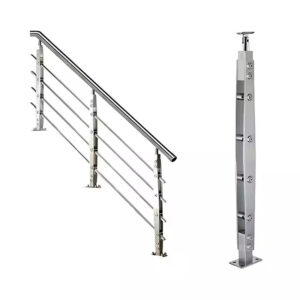
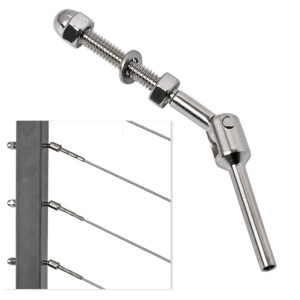
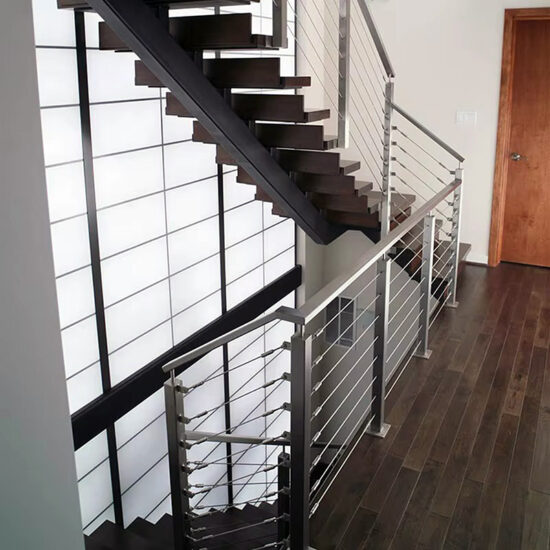
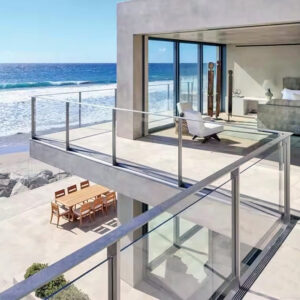
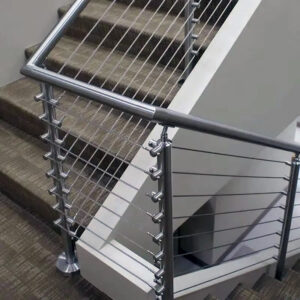
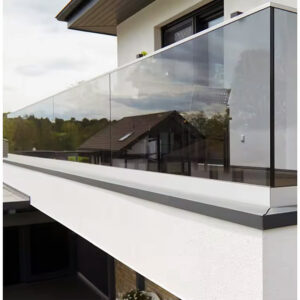
The fundamental choice hinges on inherent properties that dictate performance and financial impact. Wood offers tradition but is susceptible to moisture and UV damage. Glass provides unobstructed views but demands frequent cleaning. Cable railing occupies a strategic middle ground. Its stainless steel cables within precision posts create an open, modern aesthetic with minimal visual obstruction. This positions cable systems as architectural assets that monetize a property’s view, a critical value driver in luxury markets.
Engineering and Installation Standards
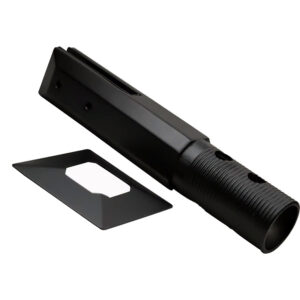
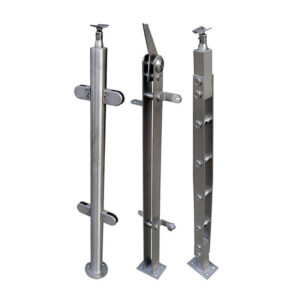
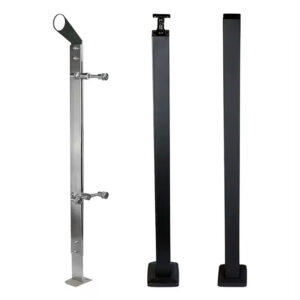
Core differences extend to engineering. Wood construction is straightforward but lacks precision-critical components. Both cable and glass systems demand exacting installation standards. For cable, achieving signature taut lines requires CNC-milled posts with ±0.01mm tolerances; systems using drill-punched posts risk misaligned cables and tensioning failures. This precision is a non-negotiable cost factor and key differentiator between budget and professional-grade systems. Glass requires specialized framing and hardware to meet safety codes. These requirements underscore a market bifurcation into DIY-friendly kits and high-performance professional systems.
10-Year Total Cost of Ownership (TCO) Compared
The TCO Calculation Framework
A focus on installation price is misleading. True financial assessment requires a 10-year Total Cost of Ownership framework: Initial Cost + (Annual Maintenance x 10) + Repair/Replacement Costs – Residual Value Increase. This horizon captures the cyclical costs that define long-term value. For example, a 30-foot project shows stark contrasts. Wood’s low initial cost is eclipsed by staining and repair expenses over a decade. A mid-grade cable system starts higher but incurs minimal maintenance.
Visualizing the Decade-Long Financial Landscape
The following table quantifies the 10-year financial commitment for a standard 30-foot project, moving beyond upfront quotes to reveal the true cost of ownership.
| Material | Initial Cost (30ft) | 10-Year TCO (30ft) |
|---|---|---|
| Wood | ~$1,200 | ~$4,350 |
| Cable (Mid-Grade) | ~$4,500 | ~$4,600 |
| Glass | ~$6,350 | ~$6,350 |
Source: Technical documentation and industry specifications.
The critical insight is that cable railing’s ROI only becomes favorable when evaluated over this extended period. Its near-zero maintenance creates a financial break-even point with wood around year eight, transforming the investment from an expense to an asset thereafter. This analysis justifies shifting sales messaging to a long-term ownership model.
Maintenance & Durability: A Decade of Upkeep Compared
Cyclical Maintenance Demands
Over ten years, maintenance demands create the true cost disparity. Wood requires intensive, cyclical upkeep: sealing or staining every 2-3 years to combat rot and warping. This represents recurring costs for materials and labor. Glass needs frequent cleaning to remove water spots and debris. Cable railing requires minimal upkeep—typically an annual tension check and cleaning with mild soap and water. In our experience, clients consistently underestimate the cumulative time and expense of maintaining wood in wet climates.
Lifespan and Longevity Calculus
Durability further separates the materials. Properly installed stainless steel cable systems boast lifespans exceeding 25 years with negligible repair costs, thanks to corrosion resistance. Wood’s lifespan is variable and often shorter, almost guaranteeing replacement costs within a decade. Glass is durable but risks high-cost panel replacement from impact. This longevity is why railings are transitioning from safety features to long-term architectural investments.
The comparative data on upkeep and expected service life clarifies the operational burden of each material choice.
| Material | Maintenance Cycle | Estimated Lifespan |
|---|---|---|
| Wood | Sealing every 2-3 years | Variable (<10 years) |
| Glass | Frequent cleaning | Durable (impact risk) |
| Cable | Annual tension check | >25 years |
Source: Technical documentation and industry specifications.
Which Material Offers the Best Return on Investment (ROI)?
Balancing Cost with Value Enhancement
Determining the best ROI requires balancing upfront cost, long-term TCO, and property value enhancement. While glass offers unmatched views, its high total cost diminishes its financial return. Wood appears cost-effective initially, but its high maintenance liability weakens its investment case. Cable railing presents the most compelling balance for most homeowners. Its high initial quality and minimal upkeep support a strong property value ROI, as modern, low-maintenance features resonate powerfully in the real estate market.
The Role of Technical Specifications
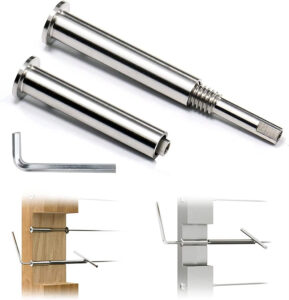
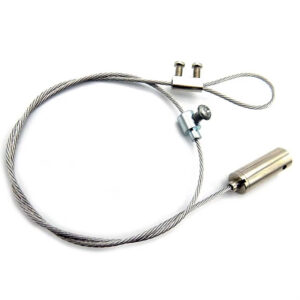
The ROI advantage is not uniform; it is dictated by technical specifications. For cable, the grade of stainless steel is paramount. Marine-grade 316 or 2205 duplex steel offers exponentially greater corrosion resistance than standard 304 grade, making it a requirement in coastal markets. Using inferior alloys risks premature failure. Similarly, hardware visibility creates a tiered value structure: exposed fittings indicate budget systems, while concealed tensioners define the luxury segment, directly correlating with perceived value.
The property value return and key cost drivers for each material are summarized below.
| Material | Property Value ROI | Key Cost Driver |
|---|---|---|
| Wood | 50-60% | High maintenance liability |
| Cable | 65-75% | Initial material grade |
| Glass | 65-75% | Premium initial cost |
Source: Technical documentation and industry specifications.
Key Decision Factors: Climate, Codes, and Aesthetics
Compliance and Environmental Drivers
Material selection is often forced by external factors. Local climate dictates durability requirements. Coastal salt air mandates marine-grade stainless steel. High-humidity regions accelerate wood decay. These are compliance and durability calculations, not mere aesthetic choices. Building codes, primarily the International Residential Code (IRC), set non-negotiable safety parameters. All systems must withstand a 200-pound concentrated load. For cable, this translates to maintaining tight cable spacing (≤ 3 inches) and proper tension, specifications often detailed in standards like ICC A117.1 Accessible and Usable Buildings and Facilities.
Aesthetic Impact and Strategic Positioning
Aesthetically, the choice impacts view preservation. Cable’s open sightlines monetize a vista, while wood creates visual obstruction. This strategic repositioning means marketing should target architects and custom builders with the language of investment and design, not just construction compliance. The technical requirements for each key decision factor are critical for specification.
| Factor | Requirement | Key Specification |
|---|---|---|
| Climate (Coastal) | Marine-grade steel | 316 or 2205 stainless |
| Building Code (IRC) | 200lb load capacity | ≤3″ cable spacing |
| Aesthetics/View | Minimal obstruction | Open sightlines |
Source: ICC A117.1 Accessible and Usable Buildings and Facilities. This standard establishes critical safety and usability requirements for guardrails and handrails, governing design and installation parameters that directly impact compliance costs for all railing systems.
How to Use Our Cable Railing ROI Calculator
Inputting Project and Material Variables
Our calculator transforms discussed variables into a personalized financial projection. Input your project’s linear footage to establish a baseline. Then, define your material tier: for cable, select between standard (304) or marine-grade (316) stainless steel and choose a hardware visibility level. For wood, specify the species and treatment level. This step ensures your cost model reflects the precise quality tier you are considering, as the difference between exposed and concealed fittings significantly impacts both cost and long-term value perception.
Modeling Environmental Impact and Generating Projections
Next, input environmental factors. Select your climate profile, as this adjusts maintenance frequency and longevity estimates. The calculator applies regionalized models, such as more frequent wood staining in wet climates or the necessity of marine-grade steel near the ocean. It then generates a 10-year TCO comparison and an estimated ROI based on current market resale data. This tool embodies the shift to a data-driven, long-term ownership model, helping you visualize the break-even point where premium materials become prudent investments. For a detailed analysis tailored to your project specifications, explore our interactive cable railing cost and ROI tool.
Making Your Final Choice: A Step-by-Step Framework
Prioritize and Audit
First, define primary drivers. Prioritize must-haves: lowest upfront cost, minimal decade-long upkeep, or maximizing view and resale value. This aligns your goal with a material’s core strength. Second, conduct a location audit. Objectively assess your climate and code environment. Coastal or high-humidity? This may eliminate wood or mandate specific metal grades. Check local IRC amendments for any unique railing requirements.
Calculate and Specify
Third, calculate 10-year TCO using the provided framework or our online calculator. Factor in realistic costs for professional maintenance if you won’t DIY. This step reveals the long-term financial landscape. Fourth, evaluate aesthetic integration. Consider how each system complements your home’s architecture and preserves key views. Fifth, source with precise specification. For cable, insist on certified stainless steel grades and precision-milled posts. For any system, verify code compliance documentation. This due diligence mitigates future performance risks.
We consistently advise clients to future-proof their investment. As sustainability becomes a tangible value factor, the recycled content in aluminum and stainless steel, coupled with 50-year lifespans, may soon command a premium. Choosing durable, low-maintenance materials aligns with evolving regulations and buyer preferences.
Your final specification should balance immediate budget, decade-long operational costs, and enduring property value. Cable systems typically offer the optimal convergence of modern aesthetics, minimal lifetime maintenance, and strong financial return when premium materials are specified. For projects where view preservation is paramount, this investment directly enhances marketability.
Need professional guidance to specify a railing system that meets code, withstands your local climate, and delivers lasting value? The experts at Esang can help you navigate material grades, compliance requirements, and installation best practices to ensure a sound architectural investment.
Frequently Asked Questions
Q: How does the 10-year total cost of ownership (TCO) for cable railing compare to wood and glass?
A: A 10-year TCO analysis reveals that wood’s low initial cost is offset by high recurring maintenance, while cable’s higher upfront investment is balanced by minimal upkeep. For a 30-foot project, wood may total ~$4,350 over a decade, and a mid-grade cable system ~$4,600, with glass being the most expensive at ~$6,350. This means projects prioritizing long-term budget control should evaluate cable and wood through this extended financial lens, not just installation price.
Q: What are the critical technical specifications for a durable, code-compliant cable railing system?
A: Key specifications include marine-grade 316 or 2205 duplex stainless steel for corrosion resistance, cable spacing at or below 3 inches to meet safety codes, and posts milled to tight tolerances (±0.01mm) for proper tensioning. Systems must withstand a 200-pound concentrated load as per the International Residential Code (IRC). For projects in accessible routes, guardrail height and graspability are governed by standards like ICC A117.1. This means specifying certified materials and precision components is non-negotiable for performance and liability mitigation.
Q: How do climate and location force specific material choices in railing selection?
A: Coastal environments with salt air mandate marine-grade stainless steel, while high-humidity regions accelerate wood decay, making it a poor choice. Local building code amendments may also impose unique requirements for spacing, height, or materials. This means your location audit should eliminate unsuitable options first, turning material selection from an aesthetic preference into a compliance and durability calculation.
Q: What maintenance should we plan for over the lifespan of a cable railing system?
A: Plan for minimal annual maintenance: a simple tension check and cleaning with mild soap and water. Unlike wood, which requires sealing every 2-3 years, or glass, which needs frequent cleaning for clarity, a properly installed stainless steel cable system has negligible recurring costs. This translates to lower long-term operational expenses and less scheduled downtime for property upkeep.
Q: How does hardware visibility and finish grade impact the value and performance of a cable system?
A: Exposed tensioners and fittings typically indicate budget systems, while concealed “ghost” hardware defines the luxury segment and correlates with higher perceived value. The stainless steel grade (e.g., 304 vs. 316) directly dictates corrosion resistance and lifespan. This means competing on quality requires investment in premium, hidden engineering solutions, especially for projects where aesthetics and durability are primary value drivers.
Q: When does cable railing provide a favorable return on investment compared to wood?
A: Cable railing’s ROI becomes favorable when evaluated over an extended period, typically reaching a financial break-even point with wood around year eight due to its near-zero maintenance. Its modern aesthetics also support a higher property value ROI (65-75%) compared to wood (50-60%). For projects where enhancing resale value is a goal, cable’s long-term investment case is stronger despite its higher initial cost.
Q: What are the key steps in a framework for selecting the right railing material?
A: First, define if your driver is lowest upfront cost, minimal upkeep, or maximizing view value. Second, conduct a location audit for climate and code constraints. Third, calculate a 10-year TCO using realistic maintenance estimates. Finally, source with precise specifications, like certified steel grades. This structured approach ensures your choice aligns with both immediate project goals and long-term financial and performance outcomes.