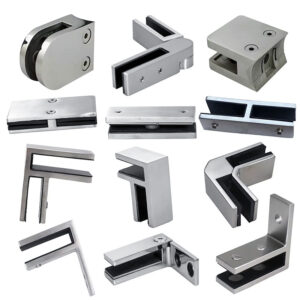
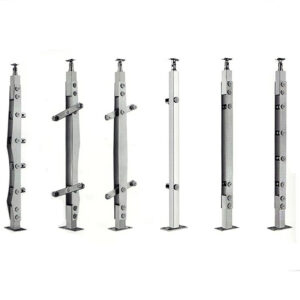
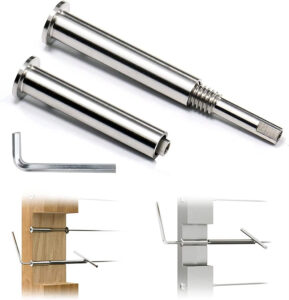
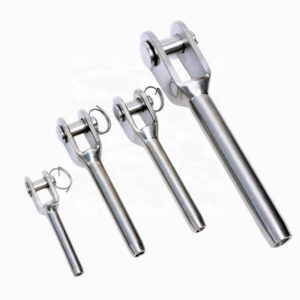
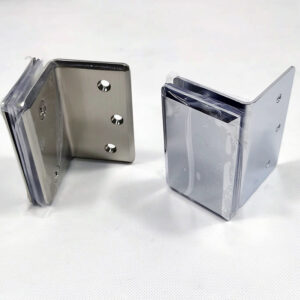
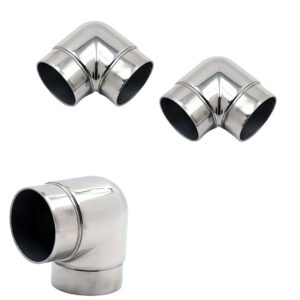
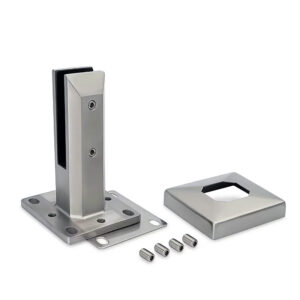
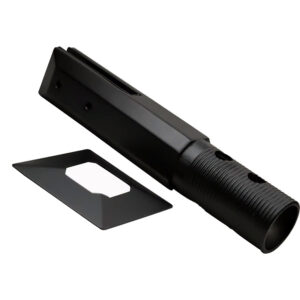
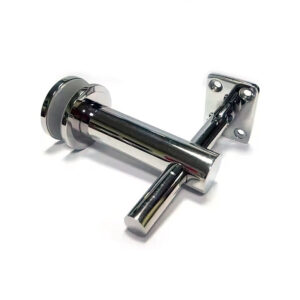
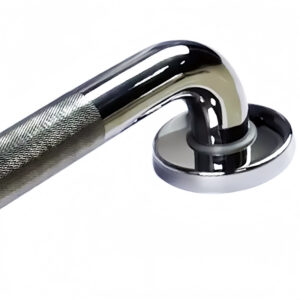
Los sistemas de anclaje ESANG se utilizan para fijar barandillas, pasamanos, postes, soportes, cristales y accesorios para cables de acero inoxidable al hormigón, la mampostería, superficies estructurales y sustratos específicos de cada proyecto. Contribuyen a transferir la carga del sistema de barandillas a la estructura del edificio y son fundamentales para garantizar la fiabilidad de la instalación.
Esta categoría incluye Accesorios de anclaje para mampostería, Accesorios para anclajes de expansión, Sistemas de anclaje químico, y Pernos de anclaje de alta resistencia.
En el caso de los contratistas, distribuidores, fabricantes y responsables de compras de proyectos, a la hora de seleccionar un sistema de anclaje se deben tener en cuenta el tipo de sustrato, el tipo de anclaje, el diseño de la placa base, la distancia al borde, la profundidad de empotramiento, la preparación del orificio, la calidad del material, la exposición a la corrosión y los requisitos de instalación del proyecto. ESANG puede suministrar y fabricar accesorios de anclaje de acero inoxidable de acuerdo con los planos, las dimensiones, la calidad del material, los requisitos de acabado y las condiciones de instalación.
Opciones de sistemas de anclaje
| Opción de anclaje | Ideal para | Preguntas clave para la selección |
|---|
| Accesorios de anclaje para mampostería | Instalación de barandillas o pasamanos de hormigón, ladrillo, bloques, piedra y mampostería | ¿Qué tipo de sustrato, en qué estado debe estar el orificio, qué tamaño de anclaje y qué método de instalación se requieren? |
| Accesorios para anclajes de expansión | Anclaje mecánico en sustratos adecuados de hormigón o mampostería | ¿Qué diámetro de anclaje, profundidad de empotramiento, distancia al borde y par de apriete hay que confirmar? |
| Sistemas de anclaje químico | Proyectos que requieran anclajes adhesivos, varillas roscadas o métodos de fijación con adhesivo de mayor profundidad | ¿Qué tipo de adhesivo, método de limpieza de orificios, condiciones de curado y requisitos del sustrato deben tenerse en cuenta? |
| Pernos de anclaje de alta resistencia | Barandillas comerciales, placas de base para postes, zonas de uso intensivo y condiciones de montaje más exigentes | ¿Qubna mabldasdesl idy ac um urp táé jeoedeco eoesceeallri,dtettoptd srcreoaooa, es nrbipqtloys rase? |
Cómo elegir sistemas de anclaje
Los elementos de fijación deben seleccionarse en función del sustrato y del componente de la barandilla que se vaya a fijar. Un soporte de pared, una placa de base para poste, un espiga para cristal o un poste para barandilla de cable pueden requerir detalles de fijación diferentes.
| Estado del proyecto | Dirección recomendada | Por qué es importante |
|---|
| La barandilla está fijada a hormigón, ladrillo, bloque o piedra. | Utiliza anclajes para mampostería adecuados para las condiciones del sustrato. | El tipo de mampostería, la resistencia, la distancia al borde y la preparación del orificio influyen en el rendimiento del anclaje. |
| El proyecto utiliza anclajes de expansión mecánicos | Utilice anclajes de expansión adecuados al tamaño del orificio, la profundidad de empotramiento y el sustrato. | Los anclajes de expansión dependen de la correcta preparación del orificio, del par de apriete y del estado del sustrato. |
| El proyecto requiere anclajes adheridos o varillas roscadas | Uti íeiacssine ucm udaca aen lcoo aasdeqziejsulmdatado. | Los anclajes químicos requieren una limpieza adecuada del orificio, la selección del adhesivo, el tiempo de curado y un control adecuado de la instalación. |
| El proyecto utiliza postes o placas de base más grandes | Utiliza pernos de anclaje de alta resistencia o planos de anclaje revisados para el proyecto. | Se deben revisar conjuntamente las cargas de base de los postes, la separación entre anclajes y la resistencia del sustrato. |
| La instalación se realiza al aire libre, en la costa, junto a una piscina o en un entorno húmedo | Tenga en cuenta los anclajes de acero inoxidable 316 y los elementos de fijación compatibles | La resistencia a la corrosión cobra mayor importancia en entornos húmedos o expuestos a cloruros. |
| El anclaje soporta una barandilla o pasamanos con perfil específico. | Confirma el diseño del anclaje con el ingeniero del proyecto o con la autoridad local. | El cumplimiento definitivo depende del sistema instalado en su totalidad, del sustrato y del diseño del proyecto. |
Anclajes mecánicos, químicos, de albañilería y para cargas pesadas
| Tipo de ancla | Función principal | Aspectos generales a tener en cuenta |
|---|
| Accesorios de anclaje para mampostería | Fija los herrajes de la barandilla a sustratos de mampostería o de hormigón | Tipo de sustrato, estado de los orificios, distancia al borde y método de fijación |
| Accesorios para anclajes de expansión | Se fija mecánicamente al sustrato mediante expansión | Diámetro del orificio, profundidad de empotramiento, control del par de apriete y estado del hormigón |
| Sistemas de anclaje químico | Fija varillas roscadas o anclajes en los orificios preparados mediante sistemas adhesivos | Limpieza de los orificios, tipo de adhesivo, tiempo de fraguado, temperatura y procedimiento de instalación |
| Pernos de anclaje de alta resistencia | Reforzar las uniones de la base de la barandilla para que sean más resistentes o más grandes | Tamaño de la placa base, diámetro del anclaje, resistencia del sustrato y cargas del proyecto |
Detalles sobre el sustrato y la instalación
El rendimiento de los anclajes depende del sustrato y del método de instalación. Antes de realizar el pedido o instalar los anclajes, los compradores deben confirmar el material de la base y los elementos de fijación que se van a sujetar.
| Datos que hay que confirmar | Por qué es importante | Comentarios típicos de los compradores |
|---|
| Tipo de sustrato | Los sustratos de hormigón, ladrillo, bloque, piedra, acero o mixtos requieren diferentes métodos de anclaje | Fotografías de la obra, planos, especificaciones del sustrato o notas del instalador |
| Disposición de la placa base o del soporte | La distancia entre los anclajes debe ajustarse a los elementos de fijación que se vayan a instalar. | Plano de la placa base, plano del soporte, esquema de orificios y dimensiones del poste |
| Distancia al borde | Los anclajes situados demasiado cerca de los bordes pueden requerir una revisión especial. | Distancia desde el borde de la losa, el borde de la escalera, el borde de la pared o el borde del balcón |
| Profundidad de empotramiento | La profundidad del anclaje influye en la capacidad de sujeción y en la viabilidad de la instalación | Tamaño del anclaje, espesor del sustrato y requisitos del proyecto |
| Preparación del orificio | El diámetro del orificio, la precisión de la perforación y la limpieza influyen en la calidad de la instalación | Método de perforación, método de limpieza, tamaño de la broca y procedimiento de instalación |
| Exposición a la corrosión | Los entornos al aire libre, junto a la piscina, costeros o industriales pueden requerir una mayor resistencia a la corrosión | Ubicación del proyecto, condiciones de exposición, plan de limpieza y necesidades de material |
Materiales, acabados y fabricación a medida
Los sistemas de anclaje ESANG pueden suministrarse o fabricarse de acuerdo con los requisitos del proyecto, incluyendo el tipo de anclaje, el diámetro, la longitud, las características de la rosca, la selección de arandelas y tuercas, la compatibilidad de la placa base, el grado del material, el acabado superficial y los requisitos de embalaje.
| Material o acabado | Uso habitual | Notas |
|---|
| Acero inoxidable 304 | Fijación de pasamanos, barandillas y soportes en interiores en entornos secos | Una opción habitual para muchas instalaciones en interiores en las que la exposición a la corrosión es limitada. |
| Acero inoxidable 316 | Entornos al aire libre, costeros, junto a piscinas, húmedos y con mayor riesgo de corrosión | Se suele preferir cuando se requiere una mayor resistencia a la corrosión. |
| Acero inoxidable 316L | Proyectos que requieran acero inoxidable con bajas emisiones de carbono o un comportamiento frente a la corrosión más exigente | Adecuado cuando las especificaciones exigen el uso de material 316L. |
| Acabado cepillado o pasivado, cuando así se especifique | Proyectos de herrajes de acero inoxidable de carácter arquitectónico o centrados en la corrosión | El acabado y el tratamiento deben confirmarse de acuerdo con los requisitos del proyecto. |
Para proyectos de anclaje no estándar, los clientes pueden facilitar planos, dimensiones de los anclajes, detalles del sustrato, planos de las placas base, requisitos de roscado, calidad del material, requisitos de acabado y condiciones de instalación. ESANG puede analizar los requisitos y fabricar los accesorios de anclaje que se ajusten a las especificaciones del proyecto, siempre que sea posible.
Compatibilidad con los herrajes para barandillas y pasamanos
Los sistemas de anclaje deben seleccionarse junto con los accesorios que van a soportar. Es posible que un mismo anclaje no sea adecuado para todos los soportes de pared, placas de base para postes, espigas para cristal o componentes de barandillas de cable.
Adaptación a los requisitos del proyecto
Muchos proyectos de anclaje se personalizan en función del estado del sustrato, el diseño de la placa base, el tamaño de los postes, la disposición de los soportes, la exposición a la corrosión y el método de instalación. ESANG puede suministrar accesorios de anclaje personalizados para mampostería, accesorios de anclaje de expansión, componentes de anclaje químico, pernos de anclaje de alta resistencia, varillas roscadas, arandelas, tuercas y piezas de fijación relacionadas de acero inoxidable.
Cuando un proyecto presenta requisitos basados en normas relativas a la altura de las barandillas, el soporte de los pasamanos, la fijación de las placas base, la calidad del material, la resistencia a la corrosión o los requisitos de diseño relacionados con la carga, los clientes deben facilitar los planos y las especificaciones necesarios. ESANG puede fabricar los accesorios de anclaje que se ajusten a los detalles facilitados, aunque el cumplimiento final depende del sistema instalado en su totalidad, del estado del sustrato, del diseño estructural, del método de instalación y de la normativa local aplicable.
Consideraciones sobre la instalación y el proyecto
Los sistemas de anclaje deben revisarse antes de la perforación, la fabricación de la placa base o la instalación in situ. La elección del anclaje está estrechamente relacionada con la resistencia del sustrato, la distancia al borde, la profundidad de empotramiento, la preparación del orificio y el componente que se va a fijar.
- Tipo de sustrato y estado del sustrato
- Tipo de anclaje: de mampostería, de expansión, químico o con perno de alta resistencia
- Diámetro del anclaje, longitud, características de la rosca y profundidad de empotramiento
- Diámetro del orificio, profundidad del orificio, método de perforación y procedimiento de limpieza
- Disposición de la placa base, el soporte de pared, el casquillo de cristal o los herrajes del poste
- Disrro icnp,e t lcajleaar asannbaaoianpse ccnórsac a leeiyate lcs tadaión
- Calidad del material para entornos interiores, exteriores, costeros o junto a piscinas
- Requisitos del código de construcción local y de las especificaciones del proyecto
En el caso de los anclajes instalados a posteriori en hormigón, es posible que los equipos del proyecto tengan que revisar los criterios de evaluación, las instrucciones de instalación del fabricante y los requisitos de la normativa local. El Búsqueda de criterios de aceptación homologados por el ICC-ES constituye un punto de referencia para los criterios de evaluación estadounidenses relativos a los anclajes instalados a posteriori. La selección definitiva del anclaje y la autorización de su instalación deben ser confirmadas por el proyectista, el ingeniero, el contratista o la autoridad local.
Escenarios de aplicación
Instalación de la placa base del poste
Los sistemas de anclaje se utilizan habitualmente para fijar placas de base de postes de acero inoxidable a losas de hormigón, cubiertas, terrazas, balcones, escaleras y plataformas. Es necesario analizar conjuntamente la disposición de los orificios de la placa de base, la separación entre los anclajes y la resistencia del sustrato.
Barandillas de pared
Los soportes de fijación a la pared requieren tacos adecuados al material de la pared y a la disposición del soporte. El hormigón, la mampostería, las estructuras de madera, los soportes de acero y los sistemas de paredes acabadas pueden requerir diferentes métodos de fijación.
Herrajes para barandillas de cristal
Los grifos de cristal, los canales de la base y los soportes estructurales de cristal pueden requerir accesorios de fijación seleccionados en función de la altura del cristal, el estado del sustrato, el drenaje y los requisitos del proyecto.
Sistemas de barandillas de cable
Los postes terminales y los puntos de tensado de las barandillas de cable requieren un análisis minucioso de los anclajes, ya que la tensión del cable y la disposición de los postes influyen en el conjunto instalado.
Proyectos al aire libre y costeros
Los entornos al aire libre, costeros, junto a piscinas y con alta humedad requieren prestar mayor atención al tipo de acero inoxidable, la compatibilidad de los elementos de fijación, la exposición a la corrosión y la limpieza. Para condiciones más exigentes, se puede considerar el uso de acero inoxidable 316 o 316L.
Categorías de productos relacionados
Preguntas frecuentes
¿Para qué sirven los sistemas de anclaje?
Los sistemas de anclaje se utilizan para fijar postes de barandilla, soportes de pasamanos, placas de base, herrajes para cristal, componentes de barandillas de cable y otros herrajes de acero inoxidable al hormigón, la mampostería, superficies estructurales o sustratos específicos de cada proyecto.
¿Cuál es la diferencia entre los anclajes de expansión y los anclajes químicos?
Los anclajes de expansión se fijan mecánicamente al sustrato mediante expansión. Los anclajes químicos utilizan sistemas adhesivos para fijar varillas roscadas o anclajes en orificios previamente preparados. La elección correcta depende del sustrato, la distancia al borde, los requisitos de carga, las condiciones de instalación y el diseño del proyecto.
¿Cuándo se deben utilizar los anclajes para mampostería?
Los elementos de anclaje para mampostería se utilizan cuando los componentes de barandillas o pasamanos se fijan a hormigón, ladrillo, bloques, piedra u otros sustratos de mampostería similares. Antes de seleccionar el anclaje, es necesario comprobar el tipo y el estado del sustrato.
¿En qué casos se debe considerar el uso de pernos de anclaje de alta resistencia?
Se puede considerar el uso de pernos de anclaje de alta resistencia para placas de base de postes de mayor tamaño, barandillas comerciales, zonas de mucho tránsito o condiciones de montaje más exigentes. El equipo del proyecto debe confirmar la resistencia del sustrato, la separación entre anclajes y el diseño de la placa de base.
¿Puede ESANG personalizar los accesorios de fijación?
Sí. ESANG puede fabricar accesorios de anclaje según los planos, el diámetro del anclaje, la longitud, los detalles de la rosca, el tipo de material, los requisitos relativos a arandelas y tuercas, la compatibilidad con la placa base, el acabado y las necesidades de embalaje.
¿Se pueden utilizar los sistemas de anclaje en exteriores?
Sí. Los sistemas de anclaje pueden utilizarse en exteriores siempre que la calidad del material, la compatibilidad de los elementos de fijación, el sustrato, el drenaje y el plan de mantenimiento sean adecuados. El acero inoxidable 316 suele ser la opción preferida para entornos costeros, junto a piscinas, húmedos o con mayor riesgo de corrosión.
¿Debería elegir anclajes de acero inoxidable 304 o 316?
El acero inoxidable 304 se utiliza habitualmente en interiores y entornos secos. El acero inoxidable 316 suele ser la opción preferida para entornos exteriores, costeros, junto a piscinas, húmedos o con mayor riesgo de corrosión. El tipo definitivo debe seleccionarse en función de la exposición del proyecto y de las especificaciones.
¿Qué datos hay que facilitar para solicitar información sobre un sistema de anclaje?
Entre la información útil se incluyen el tipo de sustrato, el tipo de anclaje, el diámetro y la longitud del anclaje, el plano de la placa base o del soporte, la disposición de los orificios, la distancia al borde, la calidad del material, el acabado, la cantidad, los planos y el entorno del proyecto.
¿Quién debe confirmar la selección definitiva de los anclajes?
La selección definitiva de los anclajes debe ser confirmada por el proyectista, el ingeniero, el contratista, el instalador o la autoridad local, ya que el rendimiento de los anclajes depende del sistema instalado en su conjunto, del sustrato, de la distancia al borde, de la profundidad de empotramiento y del método de instalación.
¿Cómo se deben mantener los elementos de fijación de acero inoxidable?
La inspección y limpieza periódicas deben adaptarse al entorno del proyecto. En el caso de instalaciones expuestas al aire libre, junto a piscinas o en zonas costeras, los anclajes de acero inoxidable y los elementos de fijación circundantes deben limpiarse con mayor frecuencia para reducir la contaminación de la superficie y mantener su aspecto.