Выбор типа крепления до того, как будет определена опорная поверхность, — один из самых верных способов стать причиной претензий о необходимости доработки при монтаже перил из нержавеющей стали. Схема возникновения неисправностей всегда одинакова: крепление к столбам выбирается из-за его визуальной открытости, определение размеров анкеров откладывается на усмотрение монтажников, а конфликт с расстоянием до края плиты или существующей гидроизоляционной мембраны выявляется только при начале сверления. На этой стадии переход на настенный монтаж уже не является изменением проекта — это строительный спор. Решение, позволяющее избежать этого, должно быть принято раньше и быть более конкретным, чем ожидают большинство проектных команд: метод крепления должен быть окончательно утвержден только после того, как определена опорная поверхность, измерены расстояния до краев и монтажник лично убедился в доступности каждой точки крепления. Приведенная ниже информация поможет подрядчикам, архитекторам и специалистам по закупкам определить, какую систему действительно может выдержать объект — до начала изготовления.
Способ крепления как конструктивное и монтажное решение
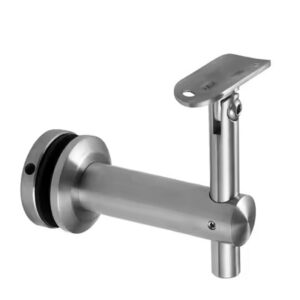
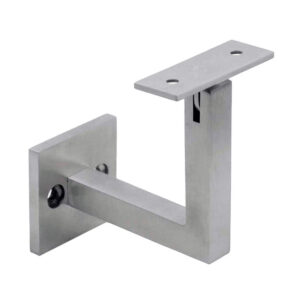
Выбор между системами поручней из нержавеющей стали с настенным и столбовым креплением часто рассматривается как вопрос эстетических предпочтений, однако именно конструктивные особенности и последовательность монтажа определяют, можно ли фактически установить выбранную систему в соответствии с техническим заданием. Каждый тип крепления передаёт нагрузку на разные части строительной конструкции, а это означает, что при проектировании следует задаться вопросом не о том, какая система выглядит лучше, а о том, какая поверхность способна надёжно перенести путь нагрузки от поручня к несущей конструкции в условиях, характерных для конкретного объекта.
Ошибка в этом вопросе влечет за собой предсказуемые последствия: система, прошедшая визуальный осмотр на этапе строительства, может все же не выдержать проверки на прогиб при вводе в эксплуатацию, если размеры анкеров не были подобраны с учетом подтвержденных характеристик основания. Как правило, решать эту проблему приходится монтажнику, однако связанные с этим затраты — по времени, материалам и графику — обычно ложатся на всю проектную команду.
Каждое из пяти приведенных ниже критериев сравнения следует рассматривать как пункт контрольного списка для предварительного обязательства, а не как исходное допущение.
| Фактор | Настенный монтаж: что нужно уточнить | Установка на опоре: что необходимо уточнить |
|---|---|---|
| Субстрат | Из какого материала изготовлена стена и какова её несущая способность? Уточните глубину заделки анкеров и их совместимость. | Какова основа пола/бетонной плиты и в каком состоянии она находится? Уточните прочность бетона и наличие возможных конфликтов с арматурой. |
| Доступное расстояние до края | Проверьте близость к краю стены и наличие каких-либо конструктивных разрывов, которые могут снизить несущую способность анкера. | Проверьте расстояние от края плиты до проемов, гидроизоляции и деформационных швов. |
| Дренаж | Как крепление к стене влияет на сток и скопление воды вокруг точек крепления? | Как опоры столбов будут отводить воду от поверхности плиты и проникать сквозь гидроизоляционные слои? |
| Последовательность установки | Можно ли устанавливать анкеры для крепления к стенам до или после отделочных работ, и как последовательность выполнения работ влияет на работу других специалистов? | Можно ли устанавливать опоры для столбов до укладки напольного покрытия, и как будет проверяться выравнивание и выравнивание по горизонтали? |
| Доступ для ремонта | Как обеспечить доступ к отдельным настенным кронштейнам для осмотра или замены без значительного демонтажа? | Как будет осуществляться техническое обслуживание соединений опор в случае их встраивания или накладного монтажа, и какие демонтажные работы потребуются? |
В частности, при разработке технических требований зачастую уделяется недостаточное внимание вопросам доступа для ремонта. К настенным кронштейнам, установленным после завершения отделочных работ, может быть чрезвычайно сложно добраться для замены отдельных элементов без повреждения соседних поверхностей. Для доступа к опорам столбов, закреплённым в напольном покрытии, которые впоследствии требуют повторного затягивания, может потребоваться частичный демонтаж пола. Ни одна из этих ситуаций не является неизбежной, однако обе становятся значительно более затратными, если требования к доступу не были определены на этапе обсуждения последовательности работ.
Расчет размеров бетонных анкеров перед выбором анкеров для установки на столбе
Вопрос установки опорных плит кажется простым, пока не заходит речь о подборе размеров анкеров. На этом этапе необходимо учесть три параметра, зависящих от конкретного проекта — прочность бетона на сжатие, доступное расстояние от края до периметра плиты или любого отверстия, а также достижимую глубину заделки с учетом имеющейся арматуры — прежде чем можно будет окончательно определить конфигурацию опорной плиты. Эти переменные не являются взаимозаменяемыми. Например, уменьшение расстояния от края, как правило, снижает допустимую несущую способность анкера и может потребовать уменьшения расстояния между опорами или изменения геометрии опорной плиты для перераспределения нагрузки.
Стандарт ASTM E894-88(2004) определяет методологические рамки испытаний для оценки поведения постоянных анкерных креплений металлических перил под воздействием приложенных нагрузок. Он служит справочным материалом для понимания того, каким нагрузкам должна противостоять система крепления, но не является таблицей для расчета размеров в полевых условиях. Только после проверки инженером-проектировщиком подтвержденных характеристик основания можно определить правильные размеры анкеров — а такая проверка невозможна до тех пор, пока не будут установлены характеристики основания.
Риски возникновения дефектов, возникающие в случае, когда выбор размера анкеров рассматривается как второстепенный по сравнению с решениями по планировке, носят конкретный характер: конфликты с арматурой, обнаруженные в процессе бурения, требуют перепозиционирования анкеров, что приводит к смещению расположения стоек и может нарушить геометрию расстояний, на основе которой производитель перил проектировал систему. Конфликты, связанные с близостью к краю плиты, выявленные после изготовления опорных пластин, требуют либо изготовления новых пластин, либо дополнительных конструктивных мер, не предусмотренных первоначальным объемом работ. Прорезы в гидроизоляции, выполненные без согласования с субподрядчиком по гидроизоляции, создают пути просачивания воды, которые могут проявиться только в следующий сезон дождей — уже после фактического завершения строительства. Для проектов, в которых расстояние между стойками, состояние плиты или расстояние до края не определены, процесс проверки анкеров является обязательным условием для окончательной доработки системы с креплением на стойках, а не деталью, которую можно решить на месте.
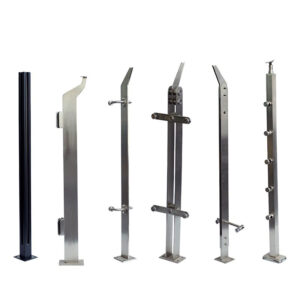
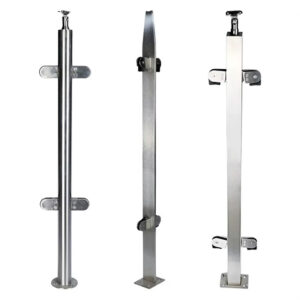
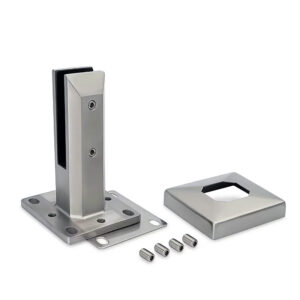
При реализации проектов, в которых предусмотрено поверхностное крепление опорных плит к бетонной плите, перед заказом опорных плит необходимо проанализировать взаимосвязь между площадью опорной плиты, схемой расположения анкеров и зазором от края бетонной плиты. Опорные плиты для поверхностного монтажа отличаются по схеме расположения анкеров и геометрии основания, и выбор правильной конфигурации зависит от фактически доступных расстояний между краями на плите, а не от стандартных технических характеристик.
Подробные рекомендации по расчету размеров анкерных болтов и проверке момента затяжки при монтаже стоек из нержавеющей стали на бетонном основании приведены в Как крепить столбы из нержавеющей стали к бетонным поверхностям: Размеры анкерных болтов и требования к крутящему моменту.
Настенные системы при ограниченной площади пола или ограничениях, связанных с перекрытием
Когда в перекрытии невозможно установить анкеры для столбов — поскольку оно имеет постнатяжение, слишком тонкое для обеспечения необходимой глубины заделки, уже пробито другими системами или покрыто гидроизоляционным слоем, который невозможно надежно загерметизировать повторно — крепление к стене становится единственным возможным конструктивным решением. При этом важно учитывать особенности каркаса: крепление к стене в таких условиях — это не более простой вариант. Это совершенно иной подход, при котором вся ответственность за проверку анкеров переносится с основания перекрытия на основание стены.
Прежде чем утвердить настенный монтаж в качестве решения проблемы, связанной с ограничениями перекрытия, необходимо независимо подтвердить, что стена способна выдерживать нагрузки, создаваемые поручнями, при предлагаемом расстоянии между кронштейнами. Кирпичная стена с неравномерным заполнением блоками, стена с каркасом из стоек без сплошной перегородки на высоте кронштейнов или панель навесной стены, которая изначально не была рассчитана на точечные нагрузки с интервалами, соответствующими расстоянию между поручнями, — в каждом из этих случаев может получиться конструкция, которая выглядит правильно и функционирует приемлемо при небольшой нагрузке, но не выдерживает целенаправленного испытания на нагрузку. Основание стены требует такой же тщательной проверки, какая применялась бы к перекрытию — единственное отличие заключается в том, что критерии проверки другие.
Практическое преимущество настенного монтажа в условиях ограниченной площади пола вполне реально: он позволяет избежать проходов через пол, снижает визуальную нагрузку на плоскость пола и упрощает согласование с деталями гидроизоляции и водоотвода на уровне плиты перекрытия. В лестничных пролетах с минимальной глубиной площадки или на приподнятых террасах, где система гидроизоляции плиты является сплошной, исключение из объема работ установки анкеров в полу может значительно упростить последовательность монтажа. Однако это преимущество становится доступным только после подтверждения несущей способности стены в местах установки кронштейнов. Выбор настенного крепления из-за ограничений, связанных с плитой, без проверки несущей способности стены заменяет одну проблему с анкерами другой.
Настенные поручни из нержавеющей стали требуют размещения кронштейнов с учетом конструктивных элементов стены. Расстояние между кронштейнами, подходящее для стены из бетонной кладки, может оказаться недостаточным для пустотелой перегородки, а для бетонного каркаса могут потребоваться совершенно другие типы анкеров, чем те, которые используются в конструкциях со стальным каркасом.
Системы с креплением к столбам, когда свобода планировки оправдывает проведение анкерных работ
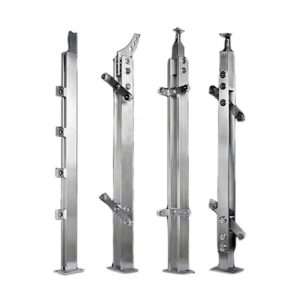
Крепление на стойках позволяет реализовывать конфигурации, которые конструктивно невозможны при настенном монтаже: автономные участки на уровне пола, перила вдоль открытых краев без прилегающей стены, периметральные системы на приподнятых платформах, а также переходы между уровнями лестницы и лестничных площадок без необходимости примыкания к стене. Такая свобода планировки действительно полезна в коммерческих интерьерах, при проектировании лестниц открытой планировки и на наружных террасах, где пространственная геометрия не организована вокруг сплошной поверхности стены. Компромисс заключается в том, что каждое местоположение столба также является местом закрепления, и к каждому из них применяется полный процесс проверки бетонных анкеров — глубина заглубления, расстояние до края, конфликт с арматурой, согласование гидроизоляции.
Стремление сначала определить схему расположения, а уже потом подобрать размеры анкеров вполне понятно, но неизменно приводит к проблемам. Расстояние между стойками, установленное исходя из визуального ритма или равного деления отрезка, может привести к размещению анкеров на расстоянии от края плиты, которое снижает допустимую несущую способность ниже уровня, требуемого для конструкции поручня. Это также может привести к размещению анкеров непосредственно над арматурой, что вынуждает переносить их на месте, чего не допускает изготовленная длина поручня. Когда расположение стоек определяется до проверки условий установки анкеров, планировка становится ограничением, вынуждающим принимать сложные решения на объекте, а не отправной точкой, которую поддерживает проект анкеров.
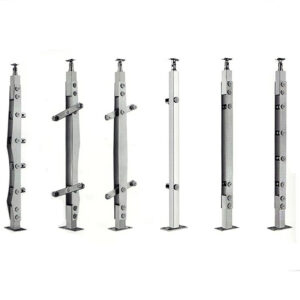
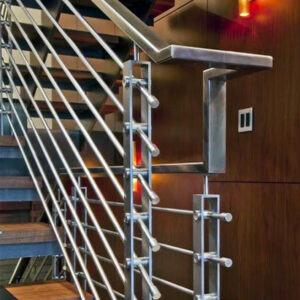
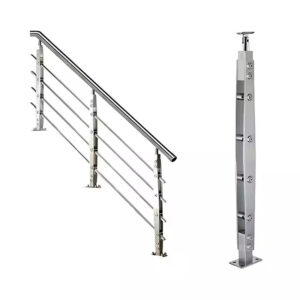
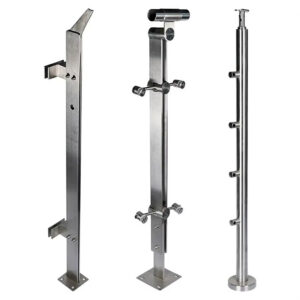
Для проектов, в которых монтаж на столбах является оптимальным конструктивным решением, правильная последовательность действий следующая: необходимо проверить состояние основания плиты и прочность бетона, определить доступные расстояния от края для каждого предполагаемого места установки столба, установить положение арматуры (если это возможно), определить достижимую глубину заглубления, а затем окончательно определить расстояние между столбами в соответствии с конфигурацией анкеров, которую способно выдержать основание. Свобода планировки является преимуществом монтажа на столбах, однако она не означает полной свободы в выборе геометрии анкеров. системы поручней с круглыми стойками Используемые в данной конфигурации элементы будут функционировать в соответствии с техническими требованиями только в том случае, если размеры и расположение базовых креплений подобраны с учетом реальных условий на объекте.
В случае проектов, связанных с установкой перил для наружных лестниц на бетонном основании, где вопрос о выборе типа анкеров — эпоксидных или механических — пока остаётся открытым, Методы анкеровки бетона для наружных лестничных перил из нержавеющей стали: Сравнение характеристик эпоксидного и клинового анкеров рассматривает вопросы, связанные с эффективностью и условиями применения каждого метода.
Окончательный выбор после определения подложки, траектории нагрузки и маршрута проверки
Вопросы, касающиеся конструкции и монтажа, рассмотренные в предыдущих разделах, сходятся в один конкретный момент: когда выбор группы крепежных элементов официально зафиксирован. Если это решение принимается до того, как будут подтверждены тип основания, утвержден путь передачи нагрузки и обеспечен доступ для проведения проверок, то такой выбор фактически является временным — и его придется исправлять за счет проекта во время монтажа или ввода в эксплуатацию. Требования главы 10 IBC 2021 к эксплуатационным характеристикам поручней в системах эвакуационных выходов актуальны здесь не как спецификация типа анкера или метода крепления, а как напоминание о том, что установленная система несет определённые эксплуатационные обязательства, которые должно обеспечивать крепление. Конфигурацию анкера, выбранную до подтверждения типа основания, трудно обосновать в случае возникновения проблем с эксплуатационными характеристиками после монтажа.
Четыре критерия позволяют определить, является ли решение о размещении действительно окончательным или лишь кажущимся таковым.
| Пункт для подтверждения | Почему это важно | Что прояснить |
|---|---|---|
| Тип опорной поверхности | Весь путь передачи нагрузки зависит от того, что представляет собой поверхность: стена, перекрытие или бордюр. | Правильно ли определена несущая поверхность — стена, плита перекрытия или бордюр — и известны ли требования к анкеровке? |
| Определение пути нагрузки | Неясность в том, как нагрузки передаются на конструкцию, приводит к необходимости доработок и задержкам в получении разрешений. | Определен ли и утвержден ли инженером-конструктором точный маршрут от поручня до несущей конструкции? |
| Маршрут обследования | Для проведения будущих проверок со стороны регулирующих органов или технического обслуживания необходим беспрепятственный доступ ко всем точкам крепления. | Является ли маршрут обзора от точки доступа до каждого анкера четко проложенным и свободным от препятствий? |
| Доступ монтажника ко всем точкам крепления | Если какая-либо точка крепления окажется недоступной, адаптация объекта может поставить под угрозу соблюдение требований или привести к задержке реализации проекта. | Сможет ли монтажник физически добраться до каждой точки крепления и затянуть её с нужным моментом, если в последний момент не будут внесены изменения в объем работ? |
Пункт, касающийся подтверждения пути передачи нагрузки, имеет особое значение, поскольку неоднозначность в этой точке распространяется далее по цепочке. Если инженер-конструктор явно не проверил путь передачи нагрузки от поручня к несущей конструкции — включая промежуточные соединения, конфигурацию кронштейнов или опорных пластин, а также тип анкеров, — то соответствие системы требованиям к приложенным нагрузкам считается предполагаемым, а не подтвержденным. В ходе нормативных инспекций и проверок нагрузки при вводе в эксплуатацию установленная система будет проверяться на соответствие критериям эксплуатационных характеристик, а не на основе предположений. Инспекция, в ходе которой обнаружено отсутствие доступа к точкам крепления, может не привести к немедленному признанию установки несоответствующей требованиям, но создает задокументированное обстоятельство, которое может осложнить будущее техническое обслуживание, проверку страховщиком или продажу здания.
Подтверждение доступа монтажников зачастую является последним пунктом, который проверяется, и нередко именно он приводит к изменениям в объеме работ в последнюю минуту. Устранение дефектов, расположенных над готовыми потолками, за облицовочными панелями или в местах, где строительные леса уже демонтированы, требует дополнительных мер по обеспечению доступа, что сопряжено с дополнительными затратами и временными потерей. Выявление таких проблем до окончательного утверждения последовательности монтажных работ обходится значительно дешевле, чем их устранение впоследствии.
Решение о способе крепления системы поручней из нержавеющей стали не может быть эффективно принято на этапе составления технического задания, если не подтверждена оценка основания. Архитекторы, которые определяют монтажный профиль до того, как подрядчики проверят поверхность крепления, создают задержку в закупках: выбор крепежа не может быть окончательно утвержден, поскольку не определена группа крепежных элементов, а группа крепежных элементов не может быть определена, поскольку не завершена оценка основания. Последовательность действий, позволяющая избежать этой ситуации, должна быть продуманной и начинаться на раннем этапе: сначала тип основания, затем маршрут передачи нагрузки, в-третьих — расстояния до кромок и доступ, затем группа крепежных элементов, и только потом — спецификация системы.
В результате данного анализа проектная группа должна составить конкретный контрольный список, а не просто сформулировать общие рекомендации: определить несущую поверхность, измерить расстояния, определяющие размеры анкеров, убедиться, что монтажник сможет добраться до каждой точки крепления в соответствии с запланированной последовательностью работ, а также получить одобрение конструкции всего пути передачи нагрузки до начала закупок. Подходящим для проекта будет тот метод крепления, который действительно будет обеспечен подтвержденными условиями на объекте.
Часто задаваемые вопросы
Вопрос: Что произойдет, если инженер-конструктор не сможет проверить расчеты размеров анкеров до истечения срока изготовления?
A: Не следует приступать к изготовлению до тех пор, пока инженер-конструктор не завершит проверку анкеров. Продолжение работ без этого не сокращает сроки — это с высокой вероятностью приведет к необходимости доработок. Если инженер не может завершить проверку вовремя, правильным решением будет приостановить выдачу разрешения на изготовление, а не использовать стандартные технические условия для анкеров. Расчет размеров анкеров зависит от подтвержденных характеристик основания, и никакие стандартные значения не могут заменить данные, относящиеся конкретно к данному объекту, такие как прочность бетона, расстояние от края и расположение арматуры.
Вопрос: Если и плита перекрытия, и примыкающая к ней стена имеют предельную несущую способность, существует ли гибридный подход, при котором нагрузка распределяется между ними?
A: Гибридный подход конструктивно возможен, но значительно усложняет координацию работ и не является «обходным путём» для решения проблемы с основанием. Каждая точка крепления по-прежнему требует независимой проверки относительно поверхности, к которой она присоединяется; распределение нагрузки между настенными кронштейнами и напольными стойками должно быть рассчитано инженером, а не приниматься на веру; кроме того, объединенная система должна быть проверена в целом инженером-конструктором. Рассматривание гибридной конфигурации как компромисса, позволяющего избежать более сложного вопроса о прочности основания, как правило, приводит к созданию конструкции, которую трудно осматривать, сложнее обслуживать и которая по-прежнему уязвима для тех же конфликтов при определении размеров анкеров, о которых говорится в статье.
Вопрос: На каком этапе реализации проекта переход с наклонного крепления на настенное — или наоборот — становится чрезмерно затратным?
A: Точка перехода — это момент, когда изготавливаются опорные плиты или кронштейны, а расстояние между столбами фиксируется в длинах рельсов. До начала изготовления смена типовой серии креплений является изменением проекта, сопряженным с затратами на чертежи и закупки, но не приводящим к отходам материала. После изготовления такая замена требует использования новых крепежных элементов, возможно, новых отрезков рельсов, а также — если сверление уже началось — исправления первоначальных мест крепления. Основное предупреждение, содержащееся в статье, касается именно этого периода: решение должно быть окончательным до того, как будет заказан какой-либо крепеж, а это означает, что подтверждение типа основания нельзя откладывать до этапа монтажа.
Вопрос: Что в целом более эффективно — крепление к столбу или настенное крепление — в прибрежных условиях или на открытом воздухе с высокой влажностью, где существует риск коррозии в точках крепления?
A: Ни один из типов крепления по своей сути не обладает большей коррозионной стойкостью, чем другой — определяющим фактором является выбор материала анкера и герметизация места прохода, а не сам метод крепления. В прибрежных условиях или в условиях высокой влажности основной риск заключается в гальванической коррозии между разнородными металлами в месте соединения анкера и проникновении влаги в основание через ненадлежащим образом уплотненное прохождение. Эти риски существуют как для напольных опорных оснований, так и для настенных кронштейнов. Важное значение имеют спецификация материала анкера и детали герметизации прохода, и оба этих аспекта должны быть учтены при экспертизе инженером-конструктором независимо от того, какой тип крепления выбран.
Вопрос: Как отделам закупок следует поступить в ситуации, когда архитектор указал в техническом задании монтажный профиль, но подрядчик ещё не завершил оценку основания?
A: Закупку следует приостановить до завершения оценки основания и официального утверждения типа крепления как архитектором, так и подрядчиком. Заказ крепежа в соответствии с неподтвержденной спецификацией крепления является непосредственной причиной приостановки закупок, о которой говорится в статье. На практике необходимо четко отметить этот пробел в журнале проекта, запросить конкретную дату подтверждения подложки подрядчиком и рассматривать именно эту дату как сигнал к возобновлению закупок, а не дату выпуска спецификации. Досрочное возобновление закупок с целью соблюдения графика обычно приводит к обратному результату, когда оценка подложки противоречит указанному методу крепления.