Необходимость неоднократного подтягивания троса после монтажа — один из наиболее явных признаков того, что система была изначально спроектирована неверно, а не того, что оборудование вышло из строя. Практические издержки проявляются в виде повторных вызовов сервисной службы, споров по поводу гарантии, а в некоторых случаях — в виде заметного провисания, подрывающего доверие ко всей установке. Решения, которые позволяют избежать таких последствий, принимаются еще до установки первого столба: выбор сечения столба, конструкция троса, доступ к креплениям и влияние длины пролета на структурную нагрузку по всей длине. Нижеприведенная информация поможет вам оценить эти решения с достаточной степенью детализации, чтобы отличить систему, которая выдерживает нагрузку в течение всего года, от той, которая создает проблемы после сдачи объекта.
Опорные опоры, обеспечивающие устойчивость кабельных линий
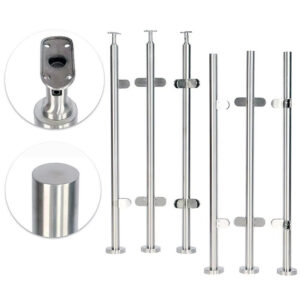
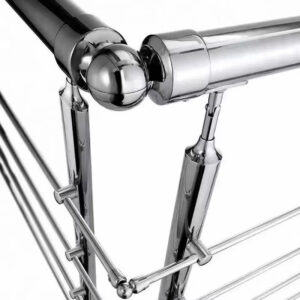
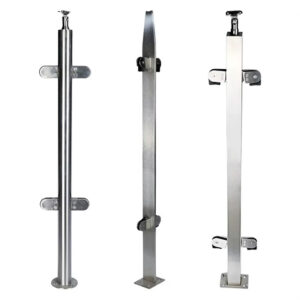
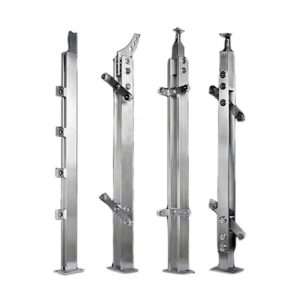
Опорный столб является основным элементом конструкции для каждого кабельного трасса, и его недооценка приводит к возникновению проблемы с нагрузкой, которую невозможно окончательно устранить с помощью повторного натяжения. Столб должен одновременно воспринимать совокупное боковое усилие от всех кабельных трасс, причем эта нагрузка распределяется неравномерно — она концентрируется на концевых столбах и меняет характер на поворотах. Рассмотрение выбора опор как конструктивного решения, а не как решения по отделке — это то, с чего начинается создание большинства высокоэффективных систем.
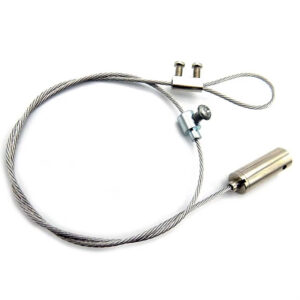
Три конструктивных решения напрямую определяют, сможет ли опора обеспечить стабильность кабельных линий в течение длительного времени. Первый — конструкция кабеля: конструкция из прядей 1×19 уменьшает растяжение кабеля по сравнению с более гибкими альтернативами, что снижает эффективную нагрузку на столб, создаваемую циклами повторного натяжения. Второй — детализация углов: одиночный столб, пытающийся справиться с изменением направления без удвоения или смещения трассы кабеля, концентрирует боковую нагрузку таким образом, что со временем это может привести к разрушению секции столба. Расстояние между кабелями — третий фактор, и он имеет отношение к нормам соответствия — правило 4-дюймовой сферы, регулирующее зазоры в заполнении ограждений, определяет, сколько кабелей должно проходить на один столб, что напрямую влияет на общую натяжную нагрузку, которой должен противостоять столб.
| Коэффициент проектирования | Технические характеристики | Почему это важно |
|---|---|---|
| Конструкция кабеля | 1×19 прядь | Снижает растяжение троса; уменьшает нагрузку на опору и частоту повторного натяжения. |
| Оформление углов | Параллельная прокладка или смещенная прокладка кабелей | Обеспечивает сохранность конструкции; предотвращает ослабление сечения стойки в углах. |
| Расстояние между кабелями | Пройти испытание с 4-дюймовым шаром | Соблюдение норм; определяет количество тросов на один опорный столб и влияет на нагрузку при предварительном натяжении. |
Взаимосвязь между количеством тросов и нагрузкой на опору следует четко обозначить: увеличение количества тросовых линий для соблюдения требований к расстоянию между ними не является для опоры нейтральным фактором. Каждый дополнительный кабель увеличивает растягивающую нагрузку, и сечение опоры, которое было достаточным для восьми кабелей, может оказаться недостаточным для двенадцати. Когда количество кабелей увеличивается для соблюдения порога расстояния в 4 дюйма, характеристики сечения опоры следует пересмотреть с учетом этой измененной нагрузки — а не предполагать, что они остаются неизменными по сравнению с предыдущим вариантом проекта.
Ошибки при монтаже гибкой рамы, приводящие к заметному провисанию
Наиболее часто неправильно диагностируемой проблемой при обслуживании кабельных ограждений является видимое провисание, которое приписывают тросу, хотя на самом деле причиной является прогиб опоры. Опора, прогибающаяся под натяжением троса, не выходит из строя так же заметно, как погнутая балка — она просто создает впечатление, что тросы ослаблены, что в свою очередь приводит к повторному натяжению. Повторное натяжение увеличивает нагрузку на опору, что может усилить прогиб, и цикл повторяется, не устраняя истинную причину.
Стандартные тонкостенные алюминиевые опоры могут быть особенно подвержены этой проблеме. Этот материал легче и проще в обработке, однако более низкий модуль упругости алюминия означает, что более тонкие профили будут сильнее изгибаться под воздействием поперечного натяжения кабеля, чем аналогичные профили из нержавеющей стали. На коротком участке с небольшим количеством кабелей этот изгиб может быть незаметным. На более длинных участках или в системах с десятью и более кабельными трассами смещение опоры, составляющее всего несколько миллиметров в верхней части, может привести к видимому провисанию в середине пролета. Использование алюминия большей толщины при монтаже алюминиевых опор — вместо стандартных профилей — снижает этот риск без необходимости полной замены материала.
Сезонное ослабление тросов добавляет дополнительную сложность. Трос, находящийся под натяжением, реагирует на перепады температур: расширение и сжатие в течение полного климатического цикла могут постепенно ослаблять исходное натяжение, и системы, эксплуатируемые в климатических условиях с выраженными сезонными колебаниями, как правило, требуют как минимум одного цикла повторного натяжения после первой зимы. Планирование этого в графике технического обслуживания отличается от ситуации, когда это происходит в виде неожиданного обращения по гарантии. Формулировка важна как для подрядчика, так и для конечного клиента — в одном случае речь идет об известном интервале технического обслуживания, в другом — о воспринимаемом сбое установки.
Проблема неверного диагноза влечет за собой практические издержки, выходящие за рамки самих вызовов на обслуживание: когда истинной причиной является рама, а проблема приписывается проволочной фурнитуре, происходит регулировка или замена не того компонента. Такой подход редко приводит к стабильному результату и затрудняет выявление реальных несоответствий техническим требованиям в будущих проектах.
Более сложные условия эксплуатации при меньшем количестве обращений в службу технической поддержки
Разница в весе между столбами из алюминия и нержавеющей стали является достаточно точным показателем компромисса между конструктивными характеристиками и затратами на техническое обслуживание при использовании этих двух материалов. При весе 7–8 фунтов на столб для алюминия против 18–20 фунтов для нержавеющей стали разница достаточно значительна, чтобы повлиять как на транспортные расходы, так и на время монтажа — именно поэтому во многих проектах в целях экономии выбирают алюминий. Вопрос заключается в том, сохранятся ли первоначальные сбережения на протяжении всего срока службы установки.
Столбы из нержавеющей стали, как правило, обладают более высокой устойчивостью к коррозионным и механическим нагрузкам, накапливающимся с течением времени, особенно в условиях повышенной влажности, соленого воздуха или интенсивного пешеходного движения. Более высокая коррозионная стойкость, как правило, снижает частоту вызовов для технического обслуживания, а большая жесткость сечения сокращает циклы повторного натяжения, вызванные изгибом опоры. Расчет затрат на весь срок службы не всегда прост, но в проектах, где повторные вызовы на обслуживание оплачиваются отдельно или где заключены долгосрочные договоры на техническое обслуживание, разница в первоначальных затратах часто пересчитывается.
| Постовой материал | Типичный вес одного поста | Первоначальная стоимость | Устойчивость к коррозии | Последствия для технического обслуживания |
|---|---|---|---|---|
| Алюминий | 3–4 кг | Нижний | Умеренный | Это может потребовать более частых повторных выездов для подтяжки натяжения. |
| Нержавеющая сталь | 8–9 кг | Выше | Высокий | Как правило, это позволяет сократить количество вызовов технической службы и частоту повторного натяжения. |
Выбор марки кабеля предполагает принятие параллельного проектного решения, основанного на той же логике. Для большинства установок, расположенных вдали от побережья, кабель из нержавеющей стали марки 304 обеспечивает приемлемую коррозионную стойкость по стандартной цене. В прибрежных условиях или в любой среде с повышенным воздействием хлоридов более надежным выбором является нержавеющая сталь марки 316 — ее более высокая стойкость к хлоридной коррозии снижает питтинговую коррозию поверхности и износ проволоки, которые в противном случае потребовали бы более ранней замены кабеля.
| Качество кабеля | Устойчивость к коррозии | Рекомендуемые системные требования | Последствия для технического обслуживания |
|---|---|---|---|
| Нержавеющая сталь 304 | Хорошая общая стойкость | Внутренние, не прибрежные районы | Стандартные требования к техническому обслуживанию. |
| Нержавеющая сталь 316 | Повышенная устойчивость к хлоридам | Прибрежные или суровые условия | Снижение частоты технического обслуживания в условиях интенсивной эксплуатации. |
Использование кабеля из нержавеющей стали марки 316 без одновременного пересмотра материала опор и марки фитингов для тех же условий эксплуатации является лишь частичным улучшением. Фактический интервал технического обслуживания будет зависеть от самого слабого по коррозионной стойкости элемента в конструкции, поэтому выбор марки будет наиболее эффективным при его последовательном применении к кабелю, фитингам и крепежным элементам опор. Для проектов, в которых предусмотрено проволочные балконные перила компонентов в сложных условиях эксплуатации, проверка соответствия должна проводиться на этапе разработки технических требований, а не во время согласования перечня недоделок.
Скрытая арматура, обслуживание которой затрудняется
Полностью скрытые кабельные фитинги зачастую становятся той эстетической деталью, которая становится решающим фактором при утверждении проекта. Кабель аккуратно входит в опору без видимых крепежных элементов, и с визуальной точки зрения система выглядит законченной и гармоничной. Однако последствия такого решения для технического обслуживания обычно становятся очевидными только при первом вызове для повторного натяжения.
Фитинги, вмонтированные в нишу или проложенные внутри конструкции, требуют частичного демонтажа опоры для доступа к натяжному механизму. В жилых помещениях, где установлено всего несколько опор, это может быть терпимым неудобством. В коммерческих установках с длинными балконами и множеством кабельных разводок труднодоступность значительно увеличивает затраты на рабочую силу при каждой перенатяжке. Фитинг, до которого требуется в два раза больше времени, чтобы добраться, удваивает стоимость обслуживания на один кабельный проход, и в системе, требующей периодической регулировки на двенадцати или пятнадцати проходах, эта разница становится существенной.
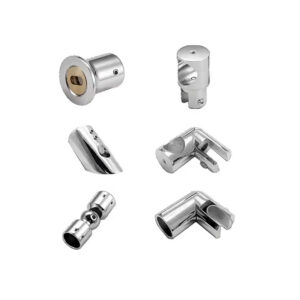
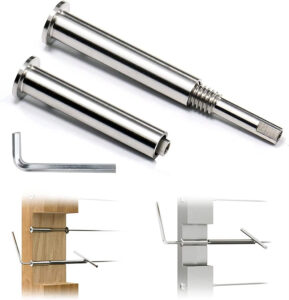
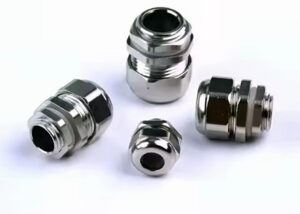
Проверка на практической реализуемость на этапе проектирования не представляет сложности: для каждого указанного типа арматуры необходимо убедиться, что технический специалист сможет добраться до точки регулировки с помощью стандартных инструментов, не снимая отделочных панелей, облицовки или декоративных заглушек, которые не предназначены для многократного снятия. Проходные кабельные фитинги которые позволяют регулировать натяжение с торцевой стороны опоры, представляют собой оптимальный компромисс: кабель проходит через промежуточные опоры без видимых крепежных элементов в этих точках, при этом доступ для натяжения сохраняется на концах, где он естественным образом доступен. Такая конфигурация позволяет избежать визуального перегружения, не ухудшая при этом эксплуатационные характеристики.
Противоречие между замыслом проектировщика и долговечностью оборудования является вполне реальным. Ни одна из этих позиций сама по себе не является ошибочной, однако при принятии решения необходимо четко осознавать последствия для технического обслуживания, а не отдавать приоритет эстетике при составлении технических требований. Системы, которые получают одобрение благодаря своему внешнему виду, но вызывают проблемы при каждом техническом обслуживании, как правило, становятся причиной наиболее спорных дискуссий по поводу гарантийных обязательств.
Длина серии, которая оправдывает использование более сильной схемы поддержки
Длина пролета — это коэффициент, определяющий, насколько незначительные конструктивные решения в совокупности приводят к заметным проблемам. Конструкция опоры или технические характеристики крепежа, которые вполне удовлетворительно работают на пролете длиной 3,6 метра, могут привести к заметному ослаблению троса на пролете длиной 12 метров — не потому, что изменилось качество крепежа, а потому, что даже незначительные смещения опоры постепенно накапливаются по всей длине пролета.
Принцип действия прост: каждый столб на длинном участке принимает на себя часть общего натяжения троса. Если какой-либо столб в этой цепочке слегка прогибается — из-за гибкости материала, ослабления соединения или смещения фундамента — провисание распределяется по всей длине троса. На коротких участках это распределение настолько незначительно, что его практически не заметно. На более длинных участках такое же незначительное смещение приводит к провисанию троса, несоразмерному фактическому качеству крепежа, что часто становится причиной споров после монтажа, когда технические характеристики соответствовали требованиям, но результат оказался визуально неприемлемым.
Требования к высоте ограждений вводят дополнительный фактор конструктивной нагрузки, который приобретает особую актуальность при устройстве длинных ограждений. Стандартная высота ограждений в коммерческих зданиях — как правило, 42 дюйма в соответствии с нормативными требованиями по сравнению с 36 дюймами для большинства жилых объектов — приводит к тому, что верхняя перекладина и концевые заделки тросов располагаются выше, что увеличивает длину рычага, через который боковое натяжение троса создает нагрузку на опору. На коротких участках разница между нагрузкой на столбы высотой 36 и 42 дюйма вполне преодолима с помощью стандартных профилей столбов. На длинных участках та же разница в высоте может привести к тому, что требования к профилю столба выйдут за рамки стандартных спецификаций. Стандарт ASTM E894 устанавливает, что системы крепления столбов подлежат формальным протоколам испытаний в условиях нагрузки, что создает основу для понимания того, почему требования к креплению столбов — это не просто вопрос визуального осмотра или выбора по «правилу большого пальца».
На практике это означает, что длину пролета следует учитывать при проведении конструктивной экспертизы сечения опоры и крепления до окончательного утверждения технических условий, а не после того, как проблема выявится в ходе монтажа. Пороговое значение — это не фиксированное количество футов, а тот момент, когда совокупное смещение опор по всей длине пролета приведет к ослаблению тросов, которое будет визуально заметно при нормальных условиях обзора. Такое суждение зависит от материала опор, количества тросов, типа креплений и ожидаемых нагрузок для конкретной установки. Для более длинных коммерческих трасс, системы натяжения кабеля с удобными точками регулировки приобретают еще большее значение, поскольку на длинных участках частота регулировки натяжения выше, а затраты, связанные со сложностью доступа, соответственно возрастают.
Кабельная ограждающая система, сохраняющая прочность в течение первых нескольких лет эксплуатации, почти всегда является результатом заблаговременных решений относительно сечения опор, конструкции кабеля и удобства доступа к крепежным элементам — а не результатом более тщательного технического обслуживания, проводимого уже после установки. Системы, которые вызывают повторные вызовы сервисной службы, как правило, имеют общую особенность: каркас, который не был рассчитан на нагрузку, создаваемую кабелями, часто в сочетании с фитингами, которые затрудняют повторное натяжение больше, чем это оправдано интервалом технического обслуживания.
Перед утверждением технического задания наиболее полезно проверить: был ли тип опоры выбран с учетом фактического количества кабелей и длины трассы, а не по умолчанию из предыдущего проекта; соответствует ли класс кабеля степени коррозионной нагрузки в конкретной среде; и можно ли добраться до каждого типа фитинга в системе и отрегулировать его без демонтажа отделочных элементов. Эти три проверки, выполненные на этапе составления технических требований, а не во время составления перечня недоделок или проверки гарантии, позволяют отличить надежные системы от ненадежных. Если вы оцениваете поставщиков для крупного заказа и хотите использовать структурированный подход к оценке такого рода поддержки в области технических требований, данная система оценки поставщиков служит хорошей отправной точкой.
Часто задаваемые вопросы
Вопрос: Влияет ли правило о 4-дюймовой сфере на то, какой тип опоры необходимо выбрать, или только на количество прокладываемых кабелей?
A: Это влияет на оба параметра. Правило «4-дюймовой сферы» определяет минимальное количество кабелей, а каждый дополнительный кабельный тракт увеличивает боковую растягивающую нагрузку на опору — поэтому сечение опоры, которое было достаточным для восьми кабелей, может оказаться конструктивно недостаточным, если в связи с соблюдением требований к расстоянию количество кабелей увеличится до двенадцати. Количество кабелей и спецификация сечения опоры должны рассматриваться вместе с учетом требований к расстоянию, обусловленных нормами, а не устанавливаться независимо друг от друга на разных этапах проектирования.
Вопрос: Если в проекте для установки в прибрежной зоне используется трос из нержавеющей стали марки 316, обеспечит ли сама по себе замена троса на более высокую марку достаточную защиту от коррозии?
Ответ: Нет. Повышение класса коррозионной стойкости кабеля без соответствующего обновления крепежных элементов и фитингов до того же или эквивалентного класса приводит к тому, что самый слабый по коррозионной стойкости компонент в конструкции становится фактическим ограничителем интервала технического обслуживания. Спецификация 316 обеспечивает полную эффективность только при последовательном применении ко всем кабелям, концевым фитингам и крепежу для столбов — частичное повышение класса все равно приведет к раннему износу поверхности на том компоненте, который остался более низкого класса.
Вопрос: После того как установка пройдет приемку и будет передана заказчику, какая первая операция по техническому обслуживанию должна быть проведена?
A: Повторная регулировка натяжения после первого полного сезонного цикла является наиболее предсказуемой мерой технического обслуживания в ближайшей перспективе. Перепады температур в течение всего периода от зимы до лета постепенно ослабляют исходное натяжение кабеля, и большинство систем, эксплуатируемых в климатических условиях с выраженными сезонными колебаниями, потребуют как минимум одной регулировки, прежде чем натяжение стабилизируется. Сообщение об этом клиенту в качестве запланированного интервала технического обслуживания до сдачи объекта — а не реагирование на это как на обращение по гарантии — позволяет избежать наиболее распространенных споров после установки, касающихся работоспособности кабельной системы.
Вопрос: В какой момент эстетические преимущества полностью скрытой арматуры перестают оправдывать ухудшение эксплуатационных характеристик?
A: При выборе варианта скрытая прокладка становится менее выгодной, если длина трассы или количество кабелей настолько велико, что затраты на повторное натяжение превращаются в значительную статью периодических расходов. На небольшом балконе жилого дома с несколькими опорами сложность доступа представляет собой вполне преодолимое неудобство. На коммерческих трассах с двенадцатью или более кабельными разъемами, требующими периодической регулировки, фитинги, которые удваивают трудозатраты на каждое натяжение, приводят к совокупным затратам на обслуживание, которые, как правило, превышают эстетическую выгоду в течение срока службы установки. Проходные конфигурации, сохраняющие доступ для регулировки на концевых опорах, предлагают практичный компромисс для более длинных трасс.
Вопрос: Может ли подрядчик компенсировать гибкость или недостаточный размер профиля опоры за счет более сильного натяжения тросов при монтаже?
О: Нет — при этом проблема не устраняется, а наоборот, усугубляется. Чрезмерное натяжение, применяемое для компенсации прогиба опоры, увеличивает поперечную нагрузку на опору, что приводит к усилению прогиба, в результате чего тросы вновь начинают казаться ослабленными. Цикл повторного натяжения затем повторяется с более короткими интервалами, не устраняя основной конструктивный недостаток. Единственным эффективным исправлением является устранение проблемы в самой конструкции опоры; регулировка натяжения тросов не может заменить достаточную жесткость опоры и надежное крепление.