Ferragens e montagem de postes
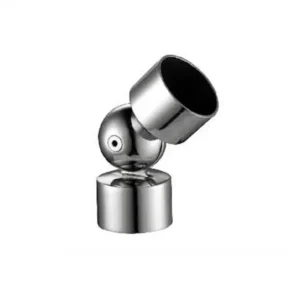
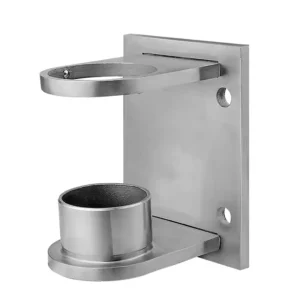
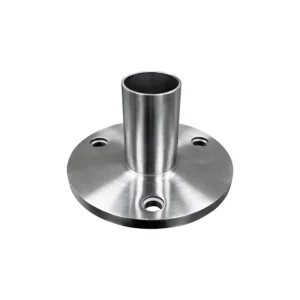
Ferragens e montagem de postes
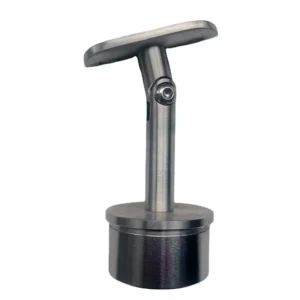
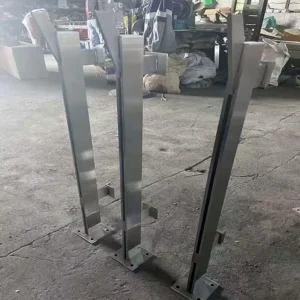
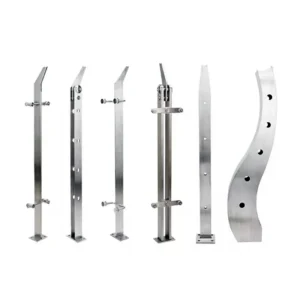
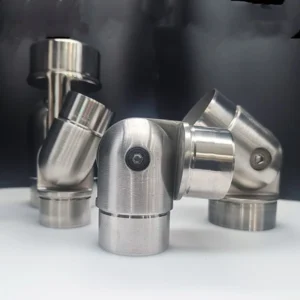
Choose post hardware from the real mounting condition. A base fixed on top of a surface, a side-mounted fascia plate, an adjustable interface and a core-mounted post create different geometry, installation access and site responsibilities. Caps and covers finish visible openings but do not replace structural fixing components. This category routes those tasks separately.
Discuss mounting hardware on WhatsApp
Current hardware routes
Placas de base para montagem em superfície
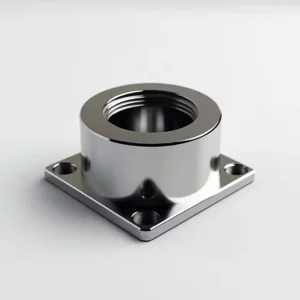
Use where posts are fixed on top of a prepared supporting surface. Show the finished build-up, base position, anchor responsibility and cover requirement.
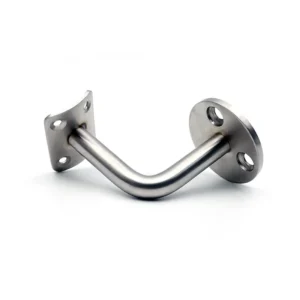
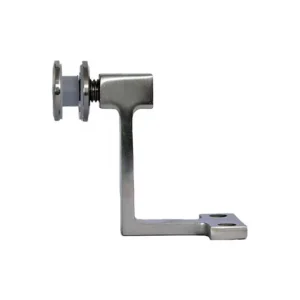
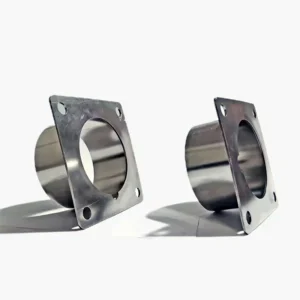
Use for side-mounted posts. Provide the structural face, post offset, access behind the fixing, edge geometry and alignment target.
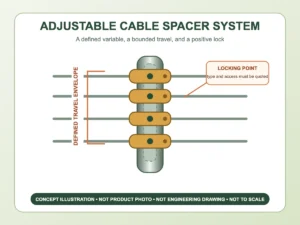
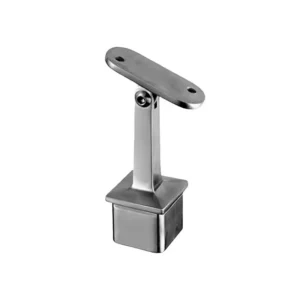
Use when a defined adjustment is required for installation. State the adjustment direction, required range and final locking/cover condition.
Use only when the project has a defined demand for a more substantial base detail. The title is not a load rating; submit design loads and substrate information for review.
Use for posts installed into prepared openings. Coordinate hole geometry, embedment, drainage/waterproofing, fixing material and installation sequence.
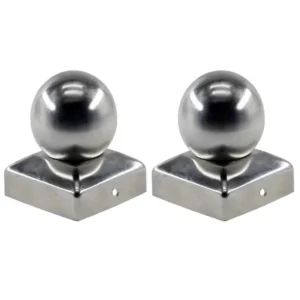
Use for visible tube ends and post tops. Match the receiving profile, exposed edge, cap form, finish and intended retention method.
Representative fixing and finishing parts
Structural fixing is not the same as visible finishing
Component — Primary job — Must be matched to
Base plate or mounting body — Transfers the post connection to a defined support. — Post profile, design action, substrate, edge geometry, anchors and installation access.
Cover or trim — Conceals or finishes a visible interface. — Base footprint, post shape, finished floor level, removability and finish.
Post or end cap — Finishes an open tube or post top. — Outside/inside receiving profile, edge condition, retention method and visible form.
Do not treat a cover as the structural base or infer that fasteners shown beside a product are suitable for the project substrate. The quotation should identify what is included, while the project designer or engineer defines the required installed capacity and anchor design.
Choose the mounting route from site constraints
• Surface mount: record the structural surface beneath finishes, edge distance, level tolerance, water path and whether the base remains accessible.
• Suporte de fixação na faixa: record the side structure, bolt access, post offset, finish build-up and how repeated posts will be aligned.
• Adjustable base: state exactly what must move – height, angle, rotation or plumb – and how the final position is locked and covered.
• Core mount: coordinate the prepared opening, post insertion, temporary support, fixing/grouting sequence, drainage and waterproofing.
• More substantial base detail: provide design actions and substrate information. “Heavy duty” is a product route, not evidence of a universal capacity.
Inquiry package and quotation checks
A photo of the mounting area plus a section sketch is often enough to start. Add the post profile, base elevation, substrate description, available edge distance, access, exposure, finish and estimated quantity.
Ask the proposal to state:
• mounting body or plate geometry and its post interface;
• cover, cap or trim pieces included;
• loose fasteners or anchors included, proposed or excluded;
• material grade and finish proposed for each visible part;
• adjustment direction and locking detail where relevant;
• site drilling, grouting, welding, waterproofing and finishing responsibilities;
• drawings, design actions and substrate data still needed before production.
Posts relacionados:
What Should Be Included at Handrail Ends: Returns, End Caps or Open Coordination Points?
Distinguish handrail returns, end caps and unresolved end interfaces, then schedule each termination by function, adjoining construction and supply responsibility.
Factory-Cut or Site-Trimmed Handrails: Which Release Method Fits the Available Dimensions?
Choose factory-cut or site-trimmed handrails by checking dimension status, datums, mating allowances and the finish work attached to each cut.
Handrail Tube Only or a Complete Component Package: What Should the Supplier Quote Include?
Compare tube-only and component-package handrail quotes by separating fittings, fabrication, mounting interfaces, finish work and delivered quantities.
Continuous or Sectional Handrail Supply: Which Split Strategy Fits Transport and Site Assembly?
Compare continuous and sectional handrail supply using delivery access, joint locations, mating details and section identification before fabrication release.
Where Should a Handrail Change from Wall-Supported to Post-Supported Along a Mixed Route?
Choose a handrail support change by comparing wall and post interfaces, preserving the gripping path and locating the transition on coordinated drawings.
Painéis de malha nivelados, inclinados ou inclinados para nivelar: qual geometria deve ser usada em cada trecho de corrimão?
Choose between level, raked, and raked-to-level mesh panel geometry by railing run, pattern orientation, interfaces, and project drawings.
Projetos da Esang

Certificado da Esang
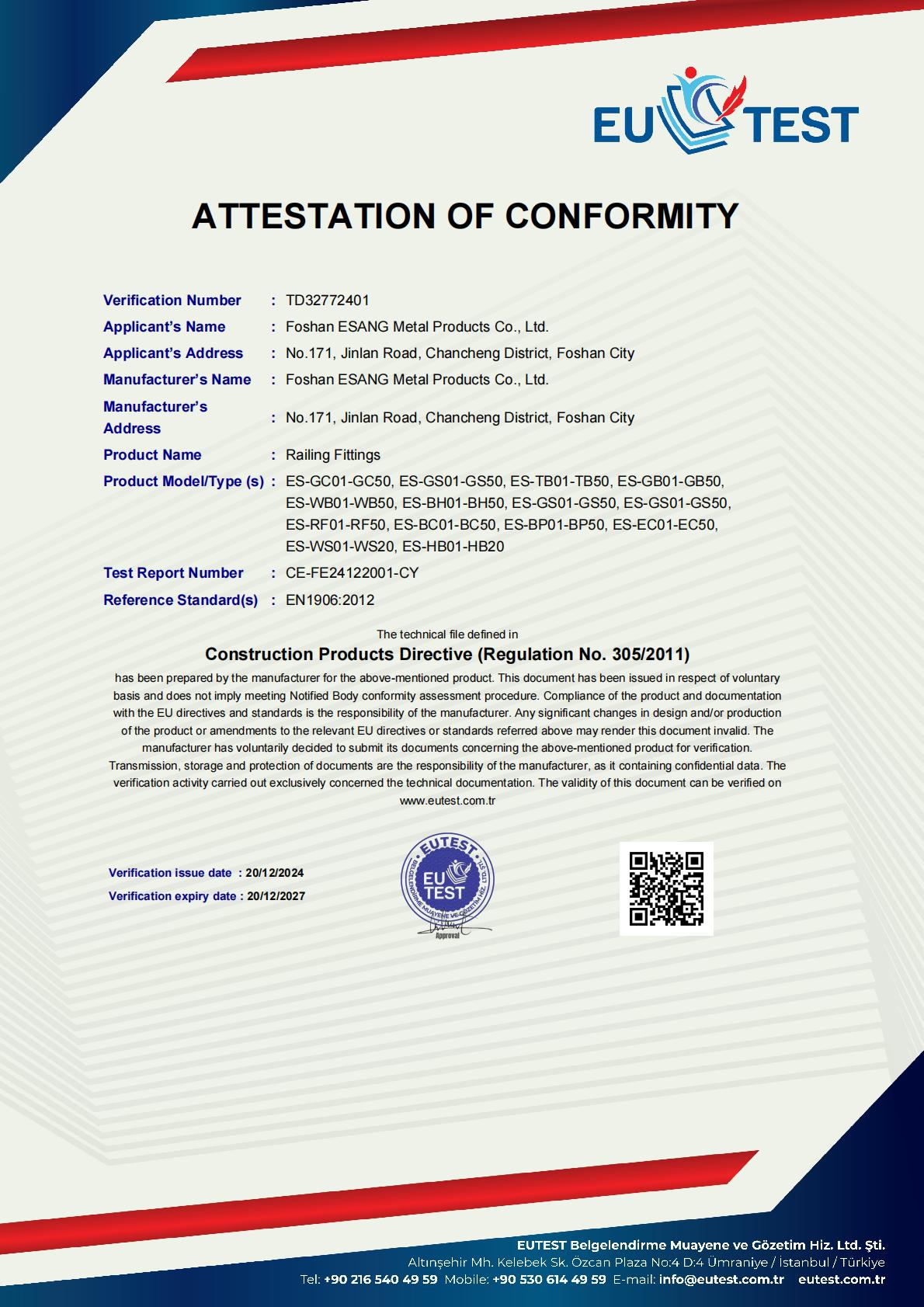
A Foshan ESANG Metal Products orgulhosamente mantém Certificação CE (Nº de verificação TD32772401) de acordo com a Diretiva de Produtos de Construção (Regulamento nº 305/2011), afirmando nosso compromisso com os mais altos padrões europeus de segurança e qualidade.
Certificado Linha de produtos:
Nosso abrangente portfólio de acessórios para guarda-corpos, incluindo braçadeiras de vidro, tensionadores, suportes, suportes de parede, sapatas de base, acessórios para corrimão, ferragens para cabos e componentes para postes, atende a EN1906:2012 garantindo a integridade estrutural e a confiabilidade do desempenho em todas as instalações.
O que isso significa para seu projeto:
Conformidade regulatória total para os mercados europeu e internacional
Desempenho de segurança e durabilidade verificado de forma independente
Suporte de documentação para especificações arquitetônicas
Tranquilidade com a garantia de qualidade de terceiros
Certificação válida até 2027 | Relatório de teste: CE-FE24122001-CY
Projetos da Esang

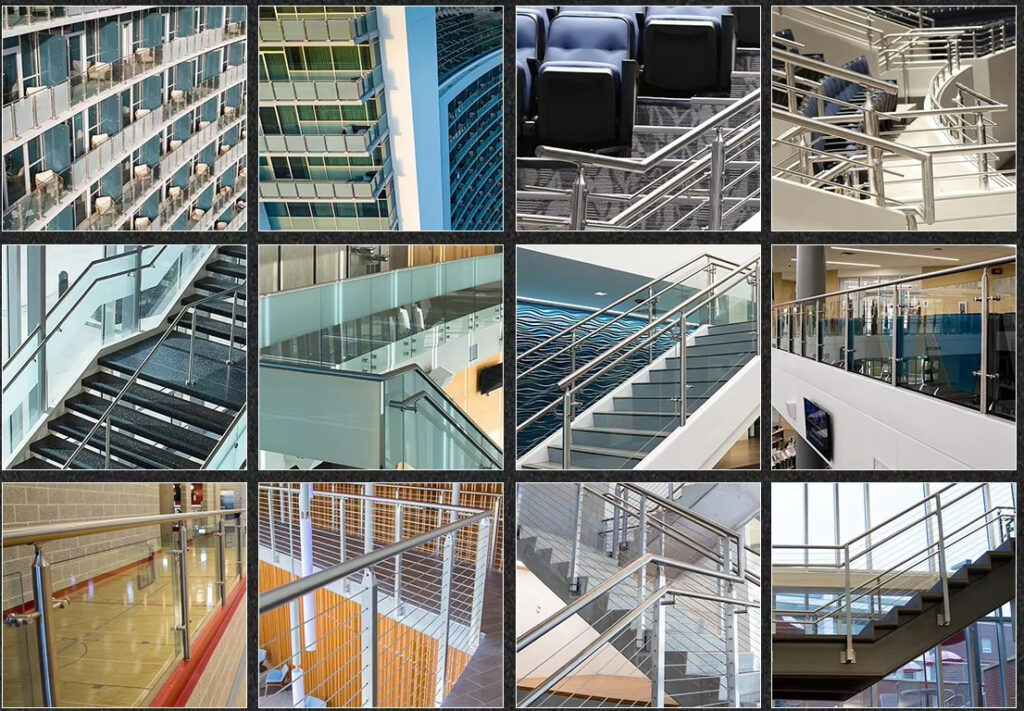
Produtos de referência