Suportes ajustáveis
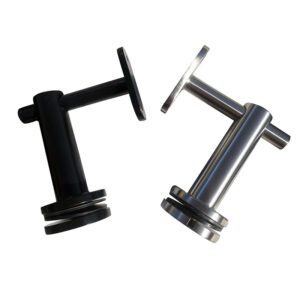
Suportes ajustáveis
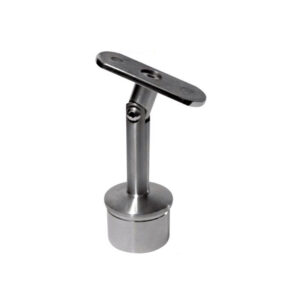
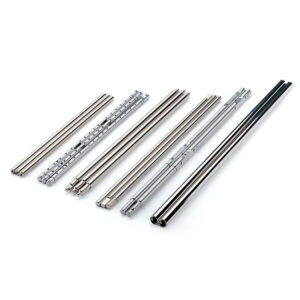
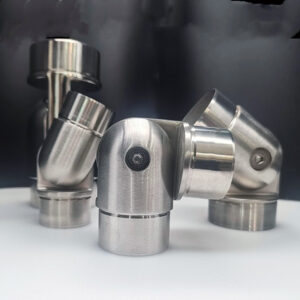
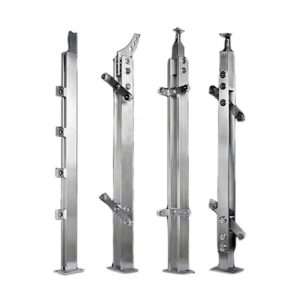
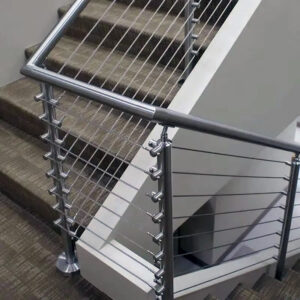
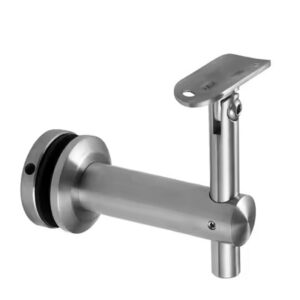
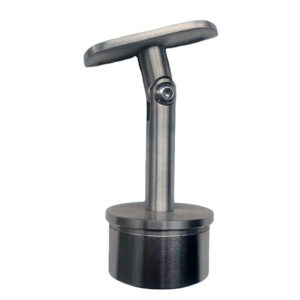
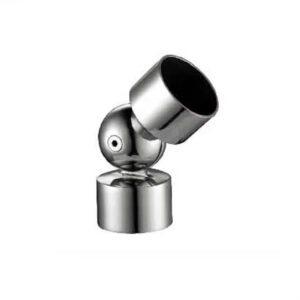
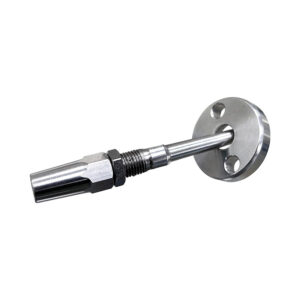
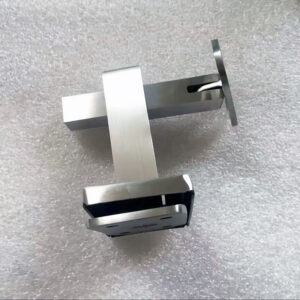
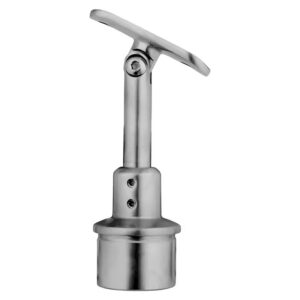
Os suportes ajustáveis ESANG são utilizados quando os componentes de corrimãos ou balaustradas exigem ajuste de altura, ajuste de ângulo, autoalinhamento ou flexibilidade de instalação no local. Eles ajudam a resolver problemas de alinhamento causados por escadas, rampas, superfícies irregulares, mudanças de ângulo ou projetos arquitetônicos personalizados.
Essa categoria inclui Suportes ajustáveis em altura, Suportes com ângulo ajustável, Suportes autoalinháveis, Suportes de ângulo variável, e Ferragens universais ajustáveis.
Para empreiteiros, distribuidores, fabricantes e compradores de projetos, a seleção de suportes ajustáveis deve levar em consideração a direção do ajuste, a amplitude de ajuste, o método de travamento, a superfície de montagem, o perfil do tubo, a forma do suporte, o ângulo necessário, o tipo de material, o acabamento e o ambiente de instalação. A ESANG pode fabricar suportes ajustáveis e acessórios relacionados de acordo com desenhos, dimensões, tipo de material, requisitos de acabamento e condições de instalação.
Opções de suportes ajustáveis
| Opção de ferragens ajustáveis | Melhor usado para | Principais perguntas de seleção |
|---|---|---|
| Suportes ajustáveis em altura | Projetos em que a posição do suporte ou a altura do suporte precisam ser ajustadas durante a instalação | Qual é a faixa de altura, o método de travamento, o perfil do tubo e a superfície de montagem necessários? |
| Suportes com ângulo ajustável | Escadas, rampas, corrimãos inclinados, trechos de corrimão em ângulo e transições personalizadas | Qual é a faixa de ângulo, o passo da escada, a direção do suporte e o método de fixação final necessários? |
| Suportes autoalinháveis | Instalações nas quais o hardware precisa compensar pequenas diferenças de alinhamento | Quais tolerâncias de alinhamento, projeto do cabeçote de suporte e condições de instalação devem ser compatíveis? |
| Suportes de ângulo variável | Projetos com ângulos de trilhos fora do padrão, mudanças de direção ou geometria específica do local | Qual é a faixa de ângulo, o eixo de ajuste e os detalhes da conexão do trilho necessários? |
| Ferragens universais ajustáveis | Conjuntos de corrimãos personalizados, condições de instalação variadas e requisitos flexíveis de ferragens | Quais superfícies, perfis de tubos, tipos de espigões e funções de ajuste o conjunto de ferragens deve suportar? |
Como escolher suportes ajustáveis
Os suportes ajustáveis devem ser selecionados de acordo com o problema de ajuste que precisam resolver. Um problema de ajuste de altura, um problema de ângulo e um problema de autoalinhamento podem exigir estruturas de suporte diferentes.
| Condição do projeto | Direção recomendada | Por que é importante |
|---|---|---|
| A altura do suporte precisa ser ajustada no local | Use suportes com altura ajustável | O ajuste de altura ajuda a alinhar trilhos ou corrimãos quando os pontos de fixação variam. |
| O trilho acompanha as escadas ou rampas | Use suportes com ângulo ajustável ou suportes de ângulo variável | Em percursos inclinados, é necessário que a cabeça do suporte esteja alinhada com a direção do trilho. |
| A superfície de instalação está ligeiramente desalinhada | Use suportes autoalinháveis | O autoalinhamento ajuda a compensar pequenas tolerâncias no local de instalação. |
| O projeto apresenta ângulos fora do padrão | Use suportes angulares variáveis ou ferragens personalizadas e ajustáveis | Geometrias fora do padrão exigem a confirmação da faixa de ângulo e do método de travamento final. |
| O projeto inclui condições mistas de montagem | Utilize ferragens universais ajustáveis, quando for o caso | As ferragens universais permitem layouts mais flexíveis quando as dimensões são confirmadas. |
| O projeto é ao ar livre, na costa, à beira da piscina ou em ambiente úmido | Considere o uso do aço inoxidável 316, bem como a escolha do acabamento adequado e dos elementos de fixação | A resistência à corrosão é mais importante em ambientes úmidos ou expostos ao cloreto. |
Direção de ajuste e método de travamento
O detalhe mais importante em ferragens ajustáveis é a forma como o suporte se ajusta e como ele se trava após o ajuste. Um ajuste sem uma fixação final segura pode causar problemas de instalação ou manutenção.
| Fator de ajuste | O que confirmar | Por que é importante |
|---|---|---|
| Ajuste de altura | Faixa de ajuste vertical e método de fixação final | A altura afeta o alinhamento do trilho e a posição do suporte. |
| Ajuste do ângulo | Faixa de ângulo, direção do pivô e detalhes do travamento | O ângulo deve corresponder à inclinação da escada, à inclinação da rampa ou à transição do corrimão. |
| Autoalinhamento | Tolerância permitida e movimento do cabeçote de suporte | As características de alinhamento devem corresponder à variação esperada do local. |
| Movimento com ângulo variável | Ajuste em um eixo ou em vários eixos | Projetos diferentes exigem diferentes graus de flexibilidade de ajuste. |
| Método de travamento | Fixação por parafuso, perno, braçadeira, soldagem ou meio mecânico após o ajuste | O suporte deve permanecer estável após o ajuste da posição final. |
| Acesso à instalação | Se os parafusos ou porcas de ajuste estiverem acessíveis no local | Pontos de ajuste ocultos ou inacessíveis podem complicar a instalação. |
Diferenças entre ferragens de altura, angulares, autoalinháveis e universais
Os suportes ajustáveis não são todos iguais. Os compradores devem identificar exatamente o ajuste necessário antes de escolher um produto.
| Tipo de ferragens ajustáveis | Função principal | Considerações gerais |
|---|---|---|
| Suportes com altura ajustável | Permitir o ajuste da posição vertical | Faixa de altura, suporte tubular, placa de fixação e método de travamento final |
| Suportes ajustáveis em ângulo | Permitir o ajuste da cabeça do suporte ou do ângulo de apoio do trilho | Inclinação da escada, ângulo da rampa, direção do pivô e formato do tubo de suporte |
| Suportes autocompensadores | Compensar pequenas diferenças de alinhamento durante a instalação | Tolerância de alinhamento, movimento da cabeça do suporte e método de fixação final |
| Colchetes angulares variáveis | Suportar ângulos de trilhos fora do padrão ou variáveis | Faixa de ângulo, método de travamento, direção do trilho e geometria do projeto |
| Hardware ajustável universal | Oferece ajuste flexível para situações de corrimãos mistos ou personalizados | Superfícies compatíveis, perfis de tubos, tipos de postes e desenhos do projeto |
Materiais, acabamentos e fabricação personalizada
Os suportes ajustáveis da ESANG podem ser fabricados de acordo com os requisitos do projeto, incluindo faixa de ajuste, corpo do suporte, detalhe do pivô, método de travamento, placa de montagem, cabeça em forma de sela, tipo de material, acabamento superficial e requisitos de embalagem.
| Material ou acabamento | Uso típico | Notas |
|---|---|---|
| Aço inoxidável 304 | Corrimãos internos, interiores comerciais, escadas residenciais e ambientes secos | Uma opção comum para muitas aplicações de ferragens ajustáveis em ambientes internos. |
| Aço inoxidável 316 | Corrimãos para áreas externas, varandas, terraços, projetos à beira da piscina e ambientes úmidos | Normalmente, é preferível quando é necessária uma melhor resistência à corrosão. |
| Aço inoxidável 316L | Projetos que exigem melhor soldabilidade ou desempenho de corrosão mais exigente | Adequado quando a especificação exige aço inoxidável com baixo teor de carbono. |
| Acabamento escovado ou acetinado | Grades comerciais, escadas, rampas, áreas de acesso público e a maioria dos projetos de ferragens arquitetônicas | Ajuda a reduzir a visibilidade de impressões digitais e pequenas marcas de manuseio. |
| Polimento de espelho | Interiores decorativos, hotéis, vilas e aplicações visuais premium selecionadas | Proporciona uma aparência brilhante, mas requer manuseio e limpeza mais cuidadosos. |
Para projetos de corrimãos fora do padrão, os clientes podem fornecer desenhos, dimensões dos tubos, dimensões dos postes, requisitos de ângulo, faixa de altura, detalhes da superfície de montagem, requisitos de acabamento e condições de instalação. A ESANG pode analisar esses requisitos e fabricar suportes ajustáveis que atendam às especificações do projeto, sempre que possível.
Compatibilidade com sistemas de parede, poste, corrimão e trilhos
Os suportes ajustáveis devem ser selecionados juntamente com o conjunto completo do corrimão ou da grade. A função de ajuste deve ser compatível com o perfil do tubo, a superfície de fixação, o tipo de pilar e a geometria do projeto.
- Para corrimãos fixados na parede, combine os acessórios ajustáveis com Suportes para montagem em parede e os requisitos de distância em relação às paredes.
- Para trilhos ou corrimãos fixados em postes, combine os acessórios ajustáveis com Suportes para montagem em postes e a geometria do poste.
- Para sistemas completos de corrimãos, consulte Sistemas de corrimão e o traçado da rota exigido.
- Para transições contínuas de trilhos, coordene com Conectores de trilho, cotovelos e ferragens de canto.
- Para conjuntos de corrimãos com suporte em postes, coordene a posição do suporte com Postes de aço inoxidável e detalhes do trilho superior.
Personalização de acordo com os requisitos do projeto
Muitos projetos com suportes ajustáveis são personalizados de acordo com a inclinação da escada, o ângulo da rampa, as condições da parede, o formato do pilar, o perfil do corrimão e as tolerâncias do local. A ESANG oferece suportes personalizados com altura ajustável, suportes com ângulo ajustável, suportes autoalinháveis, suportes de ângulo variável, ferragens universais ajustáveis, cabeças em forma de sela, placas de montagem e acabamentos de superfície.
Quando um projeto apresenta requisitos baseados em normas relacionadas à altura do corrimão, distância em relação à parede, perfil do punho, alinhamento do corrimão, qualidade do material, espaçamento entre suportes ou método de instalação, os clientes devem fornecer os desenhos e especificações necessários. A ESANG pode fabricar suportes ajustáveis de acordo com os detalhes fornecidos, embora a conformidade final dependa do sistema instalado como um todo, do projeto estrutural, do método de instalação e da legislação local aplicável.
Considerações sobre instalação e projeto
Os suportes ajustáveis devem ser analisados antes da produção, pois a direção do ajuste, a amplitude de ajuste e o método de travamento afetam a instalação. O suporte deve ser selecionado de acordo com as condições reais do local, e não apenas com base na aparência.
- Tipo de ajuste necessário: altura, ângulo, autoalinhamento ou ângulo variável
- Faixa de ajuste e método de travamento final
- Condição de montagem na parede, em poste, em tubo ou em superfície
- Perfil tubular para corrimão ou perfil de trilho
- Inclinação da escada, inclinação da rampa, ângulo do canto ou layout personalizado
- Acesso para instalação de parafusos, porcas ou pontos de ajuste
- Tipo de material adequado para ambientes internos, externos, litorâneos ou à beira da piscina
- Requisitos relativos ao acabamento superficial e à limpeza
- Código de construção local e requisitos de especificação do projeto
No caso de escadas, rampas, vias de acesso público, corrimãos comerciais e projetos arquitetônicos personalizados, os detalhes dos suportes ajustáveis devem ser verificados pelo projetista, engenheiro, empreiteiro ou autoridade local. A ESANG pode fabricar ferragens ajustáveis de acordo com os requisitos fornecidos, mas a conformidade final depende do conjunto completo instalado.
Cenários de aplicativos
Corrimãos de escada
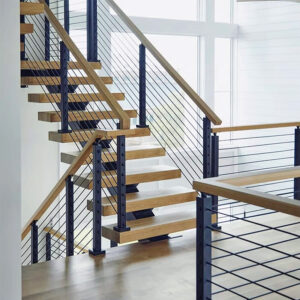
Os corrimãos de escadas geralmente exigem suportes com ângulo ajustável ou ferragens de ângulo variável para se adaptarem à inclinação da escada. O perfil do tubo, a cabeça do suporte e o método de fixação devem ser confirmados antes da produção.
Corrimãos de rampa
Os corrimãos de rampas podem exigir altura uniforme, alinhamento perfeito e ajuste dos suportes ao longo de percursos inclinados. Suportes com altura ou ângulo ajustáveis podem ajudar a atender aos requisitos do projeto.
Condições irregulares da parede ou do terreno
Os suportes autoalinháveis podem ajudar a compensar pequenas tolerâncias de instalação nos casos em que paredes, postes ou superfícies não estejam perfeitamente alinhados.
Corrimãos arquitetônicos personalizados
Projetos personalizados podem exigir suportes angulares variáveis ou ferragens universais ajustáveis para se adequarem a orientações incomuns dos trilhos, posições dos postes ou geometria do local.
Projetos ao ar livre e costeiros
Ambientes ao ar livre, à beira da piscina, litorâneos e úmidos exigem maior atenção quanto à qualidade dos materiais, aos elementos de fixação, ao acabamento e à limpeza. O aço inoxidável 316 ou 316L pode ser considerado para condições de exposição mais exigentes.
Categorias de produtos relacionados
- Suportes ajustáveis em altura
- Suportes com ângulo ajustável
- Suportes autoalinháveis
- Suportes de ângulo variável
- Ferragens universais ajustáveis
- Suportes para montagem em parede
- Suportes para montagem em postes
- Conectores de trilho
Perguntas frequentes
Para que servem os suportes ajustáveis?
Os suportes ajustáveis são utilizados quando os acessórios de corrimãos ou grades precisam de ajuste de altura, ajuste de ângulo, autoalinhamento ou flexibilidade na instalação. Eles são comumente utilizados em escadas, rampas, superfícies irregulares e projetos personalizados de grades.
Qual é a diferença entre suportes ajustáveis em altura e suportes ajustáveis em ângulo?
Os suportes com altura ajustável alteram a posição do suporte na vertical. Os suportes com ângulo ajustável alteram o ângulo da cabeça do suporte ou do suporte do trilho. Alguns acessórios personalizados podem combinar mais de uma função de ajuste.
Quando se deve usar aparelhos ortodônticos autoalinháveis?
Os suportes autoalinháveis são úteis quando é necessário compensar pequenas tolerâncias de instalação ou problemas de alinhamento da superfície durante a instalação. O movimento permitido e o método de travamento final devem ser confirmados.
O que são suportes de ângulo variável?
Os suportes de ângulo variável são utilizados para ângulos de trilhos fora do padrão ou variáveis, como transições em escadas, rampas, paredes inclinadas ou projetos arquitetônicos personalizados. A faixa de ângulo necessária deve ser confirmada antes de fazer o pedido.
O que é ferragens universais ajustáveis?
Os acessórios universais ajustáveis são projetados para uso flexível em diferentes tipos de corrimãos ou grades. No entanto, devem ser adequados ao perfil do tubo, à superfície de montagem, ao tipo de pilar, aos requisitos de ajuste e aos desenhos do projeto.
A ESANG pode personalizar suportes ajustáveis?
Sim. A ESANG pode fabricar suportes ajustáveis de acordo com desenhos, tamanho do tubo, tamanho do poste, faixa de ajuste, cabeça do suporte, placa de montagem, tipo de material, acabamento e condições de instalação.
É possível usar suportes ajustáveis em escadas e rampas?
Sim. Os suportes ajustáveis são frequentemente utilizados em corrimãos de escadas e rampas, pois a direção do corrimão muda de acordo com a inclinação. É necessário confirmar a inclinação da escada, o ângulo da rampa, o perfil do corrimão e o método de fixação final.
Devo escolher suportes ajustáveis de aço inoxidável 304 ou 316?
O aço inoxidável 304 é comumente utilizado em ambientes internos e secos. O aço inoxidável 316 é geralmente preferido para ambientes externos, litorâneos, à beira de piscinas, úmidos ou com maior risco de corrosão. O tipo de aço deve ser selecionado de acordo com a exposição do projeto e as especificações.
Quais informações são necessárias para uma consulta sobre suportes ajustáveis?
As informações úteis incluem o tipo de ajuste, a faixa de ajuste, o tamanho do tubo, o tamanho do pino, a superfície de montagem, o tipo de suporte, o tipo de material, o acabamento, a quantidade, os desenhos, amostras (se disponíveis) e o ambiente do projeto.
Como deve-se fazer a manutenção dos suportes ajustáveis de aço inoxidável?
A limpeza de rotina geralmente envolve o uso de detergente neutro, água limpa e um pano macio. Evite produtos de limpeza à base de cloro, palha de aço e utensílios abrasivos. As instalações ao ar livre, à beira da piscina e em áreas costeiras devem ser limpas com maior frequência para reduzir a contaminação da superfície e manter a aparência.
Posts relacionados:
Requisitos de passivação para fixadores, suportes e acessórios de ancoragem de aço inoxidável
Especifique o tratamento de acordo com a condição da peça, o processo de fabricação e a exposição, em vez de aplicar uma única especificação genérica de passivação a todos os componentes.
Limpeza de ferragens para corrimãos de aço inoxidável 316 e vidro em ambientes marítimos
Limpe terminais de cabos, braçadeiras de vidro, fixadores e fendas sem que os produtos químicos fiquem retidos nem danifiquem acabamentos polidos e escovados.
Como os resíduos de fabricação causam manchas de chá em corrimãos de aço inoxidável
As manchas de chá podem ser atribuídas a partículas incrustadas, manchas causadas pelo calor, transferência de partículas abrasivas e resíduos retidos nas linhas de acabamento ou em fendas.
Decapagem x Passivação para Ferragens de Corrimãos de Aço Inoxidável: Diferenças em Escopo e Risco
A decapagem remove a incrustação e as camadas superficiais alteradas; a passivação trata das condições da superfície após a limpeza, envolvendo diferentes controles e riscos.
Plano de manutenção de ferragens para corrimãos costeiros: sal, fendas, fixadores e acabamento superficial
A manutenção deve levar em conta a exposição, a retenção de sal, as fendas, a combinação de metais diferentes, o estado dos elementos de fixação e a aparência do acabamento.
Regras de limpeza no canteiro de obras para corrimãos de aço inoxidável após o corte, a soldagem e a instalação
Remova o pó de esmerilhamento, resíduos de solda, depósitos de cimento e contaminação por aço carbono antes da entrega, a fim de evitar manchas que poderiam ser evitadas.
Projetos da Esang

Certificado da Esang
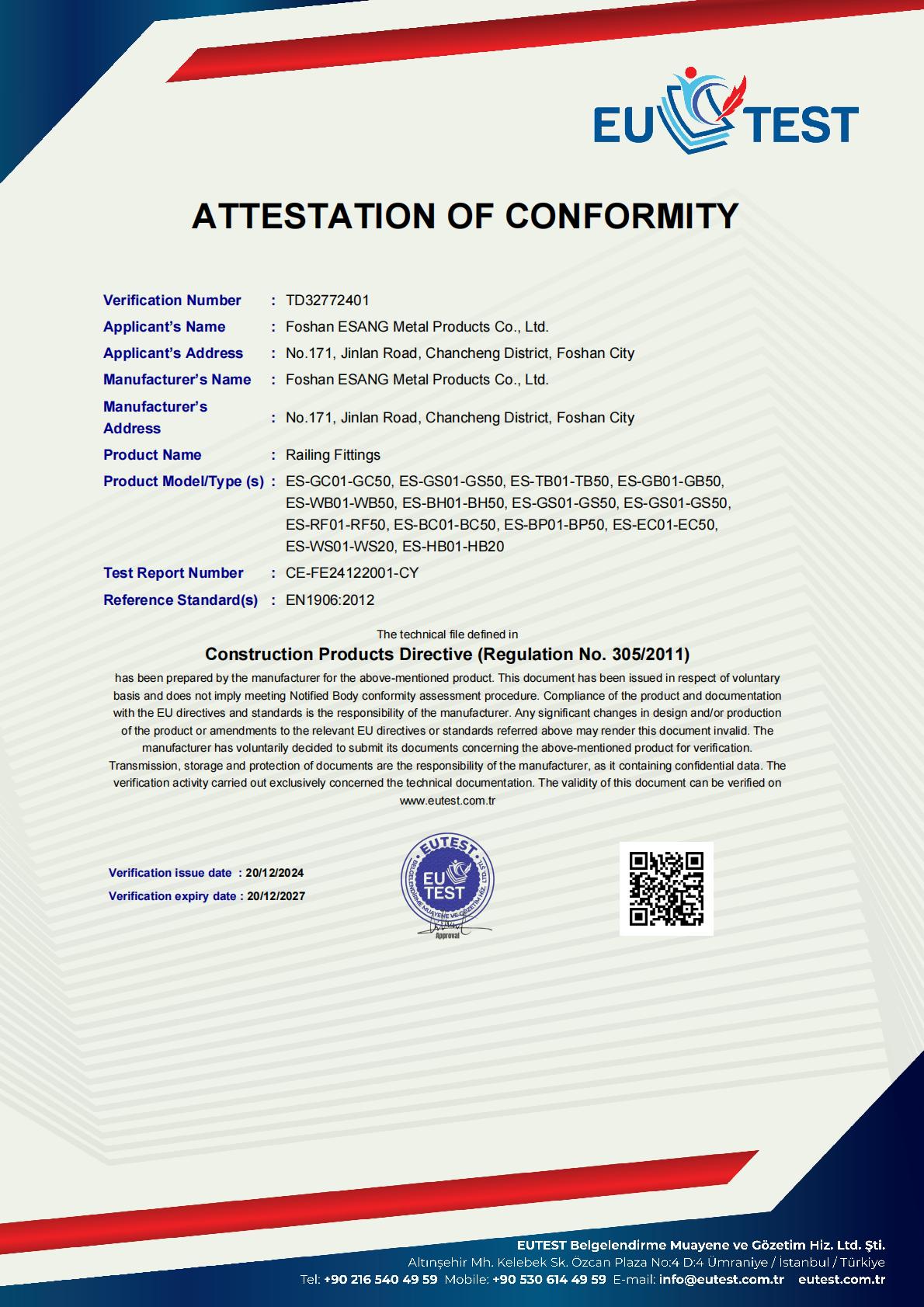
A Foshan ESANG Metal Products orgulhosamente mantém Certificação CE (Nº de verificação TD32772401) de acordo com a Diretiva de Produtos de Construção (Regulamento nº 305/2011), afirmando nosso compromisso com os mais altos padrões europeus de segurança e qualidade.
Certificado Linha de produtos:
Nosso abrangente portfólio de acessórios para guarda-corpos, incluindo braçadeiras de vidro, tensionadores, suportes, suportes de parede, sapatas de base, acessórios para corrimão, ferragens para cabos e componentes para postes, atende a EN1906:2012 garantindo a integridade estrutural e a confiabilidade do desempenho em todas as instalações.
O que isso significa para seu projeto:
Conformidade regulatória total para os mercados europeu e internacional
Desempenho de segurança e durabilidade verificado de forma independente
Suporte de documentação para especificações arquitetônicas
Tranquilidade com a garantia de qualidade de terceiros
Certificação válida até 2027 | Relatório de teste: CE-FE24122001-CY
Projetos da Esang

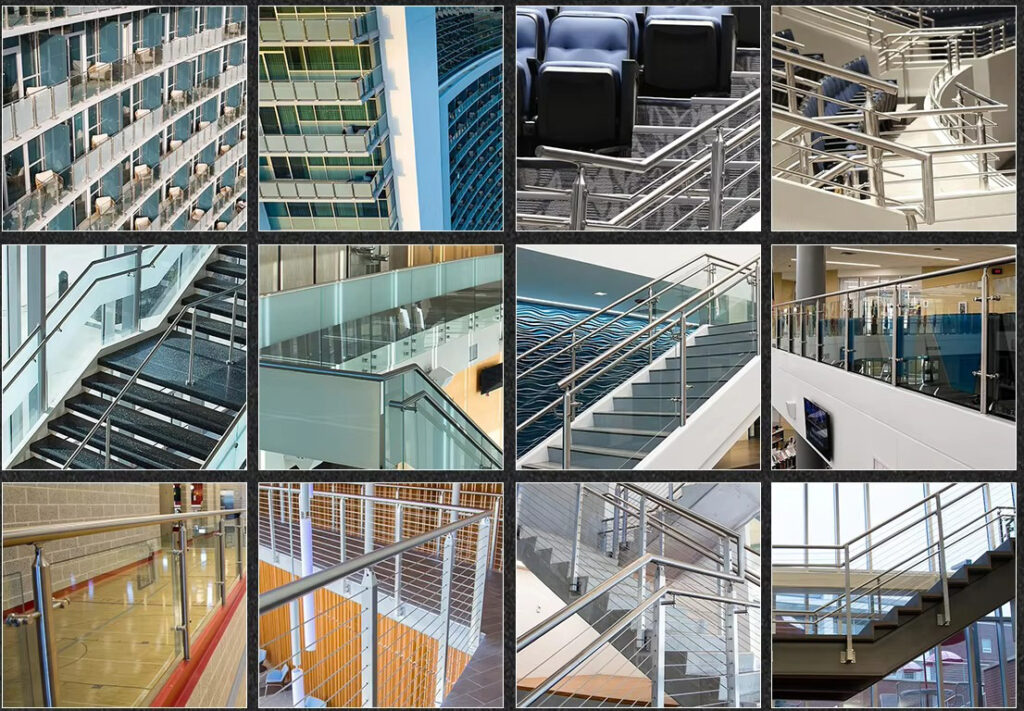
Produtos de referência