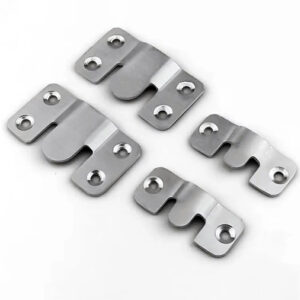
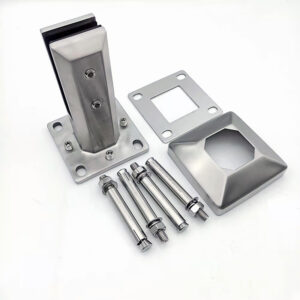
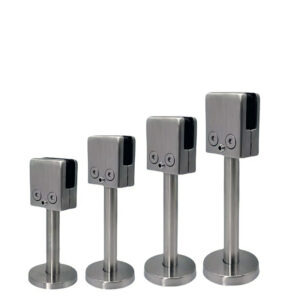
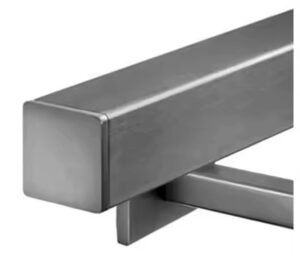
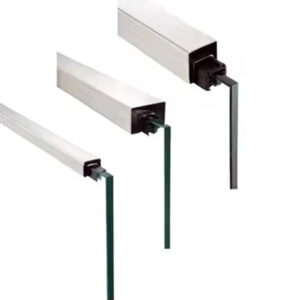
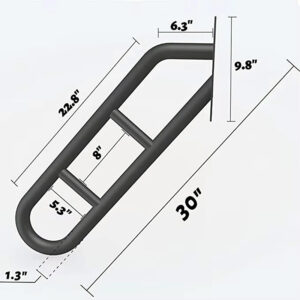
Ferragens para guarda-corpos de vidro
Ferragens para guarda-corpos de vidro
Os acessórios para corrimãos de vidro da ESANG são utilizados para conectar, sustentar e dar acabamento a sistemas de corrimãos de vidro para varandas, escadas, terraços, decks, piscinas, edifícios comerciais, projetos residenciais e aplicações arquitetônicas personalizadas.
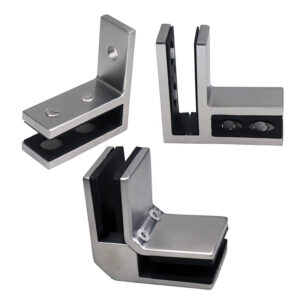
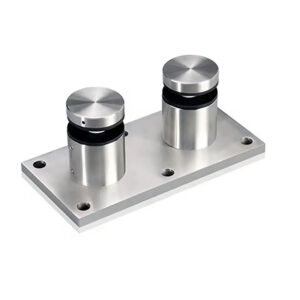
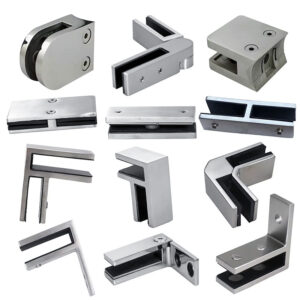
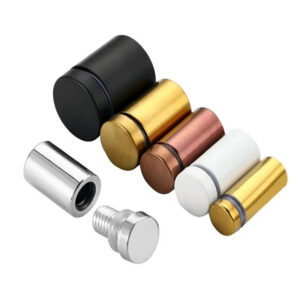
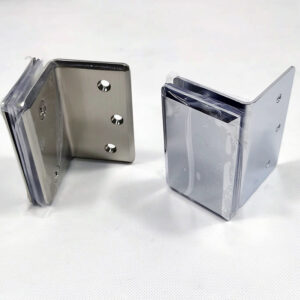
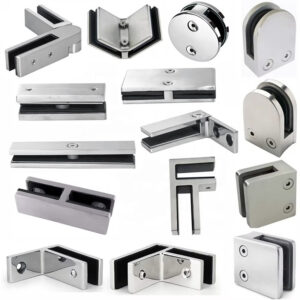
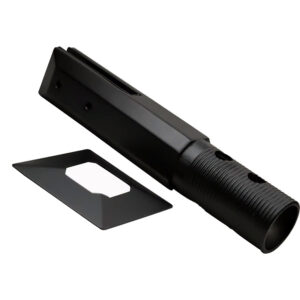
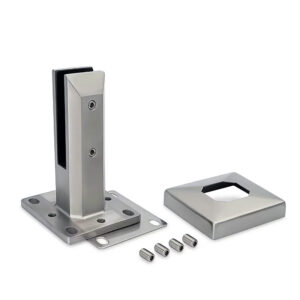
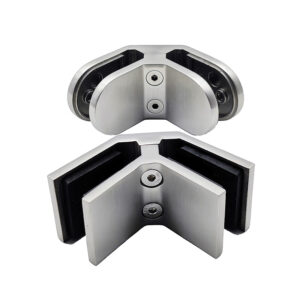
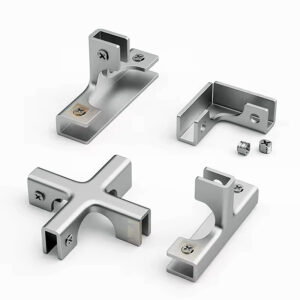
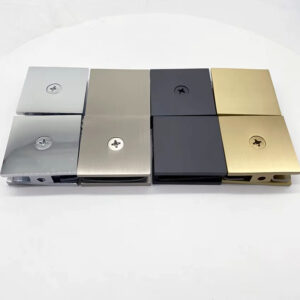
Esta categoria abrange Grampos e conectores para vidro, Torneiras e espaçadores de vidro, Sistemas de base de sapata, Suportes e adaptadores para vidro, e Trilhos da tampa. Esses componentes ajudam a determinar como os painéis de vidro são sustentados, como o sistema é montado e qual é a aparência e o desempenho da estrutura final do corrimão.
Para empreiteiros, distribuidores, fabricantes e compradores de projetos, os acessórios para corrimãos de vidro devem ser selecionados de acordo com o tipo de vidro, a espessura do vidro, o método de montagem, as condições do pilar ou da parede, a qualidade do material, o acabamento da superfície, as necessidades de drenagem e o projeto. A ESANG pode fabricar ou fornecer acessórios para corrimãos de vidro de acordo com desenhos, amostras, requisitos de material, requisitos de acabamento e condições de instalação.
Opções de ferragens para corrimãos de vidro
| Categoria de hardware | Melhor usado para | Principais perguntas de seleção |
|---|---|---|
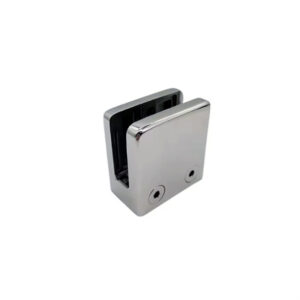
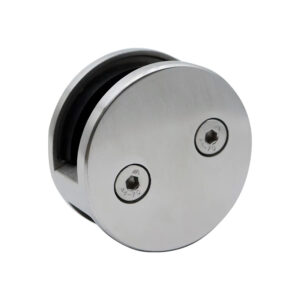
| Grampos e conectores para vidro | Painéis de vidro fixados em postes, paredes, tubos quadrados, tubos redondos ou superfícies planas | Qual é a espessura do vidro utilizada? A braçadeira é fixada em um poste redondo, em um poste quadrado, na parede ou em uma superfície plana? |
| Torneiras e espaçadores de vidro | Corrimãos de vidro sem moldura, cercas para piscina, vidros para varandas, vidros para escadas e aplicações de vidro com fixação lateral | O vidro deve ser apoiado na parte inferior, perfurado no centro, montado na superfície ou montado lateralmente? |
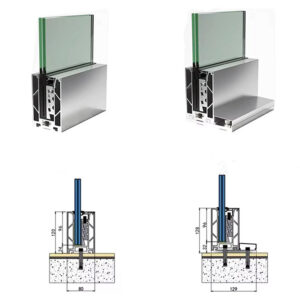
| Sistemas de base de sapata | Sistemas de corrimão de vidro sem moldura, com suporte contínuo na parte inferior | O canal é montado à superfície, embutido, nivelado ou utilizado com trilhos de base de vidro estruturais? |
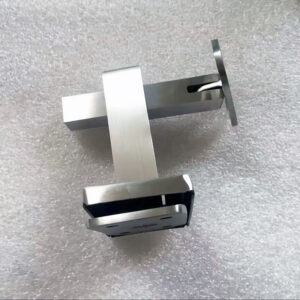
| Suportes e adaptadores para vidro | Conexões entre vidro e parede, entre vidro e pilar e pontos de conexão especiais em sistemas de corrimão personalizados | Que tipo de superfície de apoio está disponível e como o painel de vidro deve ser fixado à estrutura? |
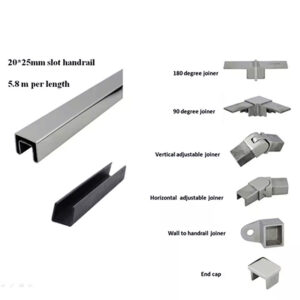
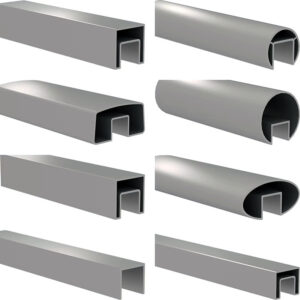
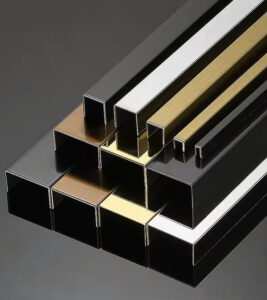
| Trilhos da tampa | Proteção máxima, aparência contínua do trilho e requisitos estruturais ou de acabamento selecionados | O sistema de vidro precisa de um trilho superior contínuo, de um canal para vidros ou de um perfil de acabamento superior? |
Como escolher ferragens para corrimãos de vidro
A escolha do hardware adequado depende, em primeiro lugar, da forma como o painel de vidro é fixado. Um sistema de grampos para vidro, um sistema de encaixe, um sistema de espaçadores, um sistema de calha de base e um sistema de trilho de cobertura podem ser utilizados em projetos de corrimãos de vidro, mas cada um deles resolve diferentes problemas de instalação.
| Condição do projeto | Direção recomendada | Por que é importante |
|---|---|---|
| Os painéis de vidro são fixados entre os postes do corrimão | Utilize grampos para vidro adequados para superfícies de montagem redondas, quadradas ou planas | O corpo da braçadeira, a junta, a espessura do vidro e o formato do pino devem ser compatíveis. |
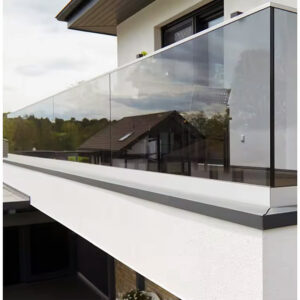
| O projeto precisa ter um visual de vidro sem moldura | Utilize torneiras de vidro, espaçadores ou sistemas de calha de base, dependendo das condições de montagem | Os sistemas sem moldura dependem mais dos acessórios de suporte na parte inferior ou nas laterais. |
| O vidro é instalado sobre um deck, uma laje ou o rebordo da piscina | Utilize bicos de vidro para montagem superficial ou canais de base | É preciso verificar o layout das âncoras, a impermeabilização, a drenagem e a resistência do substrato. |
| O vidro é encaixado nos orifícios já preparados | Utilize bicos de vidro para perfuração com broca de núcleo ou métodos de fixação embutidos semelhantes | A profundidade do furo, o alinhamento, a argamassa ou o material de fixação e a preparação do local afetam a qualidade da instalação. |
| O vidro é fixado lateralmente a uma parede, a um longarão de escada ou a uma faixa de acabamento | Utilize espaçadores, conectores de parede para vidro ou suportes estruturais para vidro | A distância de deslocamento, a resistência da parede, os orifícios no vidro e o alinhamento visual são importantes. |
| O corrimão de vidro precisa de um perfil de acabamento superior | Utilize trilhos de cobertura, canais para vidros estruturais ou sistemas contínuos de trilhos de cobertura | Os trilhos superiores podem melhorar a aparência, a proteção das bordas e a compatibilidade com os requisitos relativos aos corrimãos. |
Diferenças entre grampos para vidro, bicos, espaçadores e sapatas de base
As categorias de ferragens para corrimãos de vidro não devem ser consideradas intercambiáveis. Cada tipo oferece suporte ao vidro de uma maneira diferente e requer informações específicas do projeto antes da produção ou do pedido.
| Tipo de hardware | Função principal | Utilização típica em projetos |
|---|---|---|
| Grampos de vidro | Fixar painéis de vidro em postes, paredes ou superfícies planas | Corrimãos de varanda com suporte em postes, corrimãos de escada e sistemas de preenchimento em vidro |
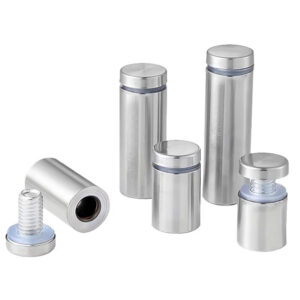
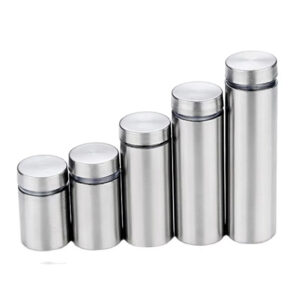
| Torneiras de vidro | Apoie os painéis de vidro pela parte de baixo | Cercas para piscinas, vidros para varandas sem moldura, vidros para terraços e sistemas de vidro para decks |
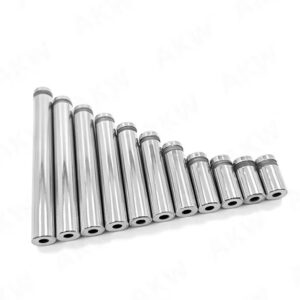
| Suportes de vidro | Painéis de vidro deslocados em relação a uma parede, longarina de escada ou estrutura lateral | Designs visuais com vidro montado lateralmente em escadas, vidro montado na faixa frontal e vidro suspenso |
| Canais da base da sapata | Proporcionar suporte contínuo na parte inferior dos painéis de vidro | Sistemas de corrimão de vidro sem moldura que exigem um canal de base contínuo |
| Trilhos de cobertura | Fazer o acabamento ou proteger a borda superior do sistema de vidro | Corrimãos de varanda, vidros para escadas, corrimãos de vidro para uso comercial e aplicações selecionadas de corrimãos |
Materiais, acabamentos e fabricação personalizada
Os acessórios para corrimãos de vidro da ESANG podem ser fornecidos ou fabricados de acordo com os requisitos do projeto, incluindo o tipo de material, a superfície de montagem, a espessura do vidro, o formato dos acessórios, o acabamento da superfície, a posição dos furos, os requisitos relativos às juntas e os requisitos de embalagem.
| Material ou acabamento | Uso típico | Notas |
|---|---|---|
| Aço inoxidável 304 | Ferragens para corrimãos de vidro em ambientes internos, interiores comerciais, escadas residenciais e ambientes secos | Uma opção comum para muitos projetos de corrimãos de vidro para ambientes internos. |
| Aço inoxidável 316 | Corrimãos de vidro para áreas externas, áreas de piscina, varandas, projetos litorâneos e ambientes úmidos | Normalmente, é preferível quando é necessária uma melhor resistência à corrosão. |
| Aço inoxidável 316L | Projetos que exigem melhor soldabilidade ou desempenho de corrosão mais exigente | Adequado quando a especificação exige aço inoxidável com baixo teor de carbono. |
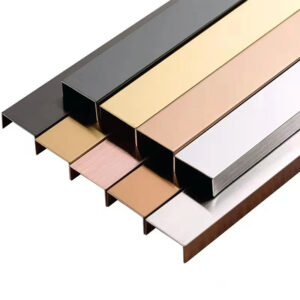
| Acabamento escovado ou acetinado | Sistemas de corrimãos de vidro para uso comercial, vidros para escadas e a maioria dos projetos arquitetônicos | Ajuda a reduzir a visibilidade de pequenas marcas de manuseio e impressões digitais. |
| Polimento de espelho | Projetos de corrimãos decorativos de vidro, hotéis, vilas e aplicações premium selecionadas | Proporciona uma aparência brilhante, mas requer manuseio e limpeza mais cuidadosos. |
Para projetos de corrimãos de vidro fora do padrão, os clientes podem fornecer desenhos, espessura do vidro, posições dos furos, detalhes da superfície de montagem, requisitos de acabamento e condições de instalação. A ESANG pode analisar os requisitos e fabricar componentes que atendam às especificações do projeto, sempre que possível.
Compatibilidade com postes, corrimãos e sistemas de corrimão
Os acessórios para corrimãos de vidro devem ser selecionados em conjunto com a estrutura do corrimão ao redor. Um mesmo painel de vidro pode exigir acessórios diferentes, dependendo se ele se conecta a postes, paredes, corrimãos, perfis de base ou estruturas montadas lateralmente.
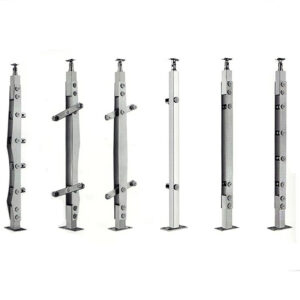
- No caso de corrimãos de vidro com suporte em postes, pode ser necessário que os acessórios sejam compatíveis Postes de aço inoxidável, postes redondos, postes quadrados ou postes retangulares.
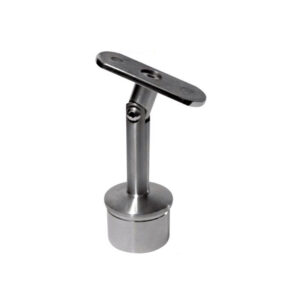
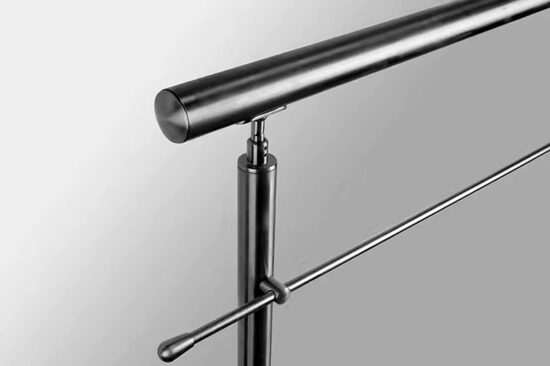
- Para aplicações em trilhos superiores ou corrimãos, os sistemas de vidro podem precisar de componentes compatíveis Sistemas de corrimão, trilhos de cobertura ou canais para vidraços estruturais.
- Para corrimãos de vidro sem moldura com fixação na parte inferior, os canais de base, os pinos de fixação ou os sistemas de perfuração central devem ser selecionados de acordo com o substrato e o layout.
- No caso de vidros montados lateralmente, os espaçadores, os conectores parede-vidro e os suportes estruturais para vidro devem ser verificados em relação à resistência da parede, à distância de deslocamento e aos requisitos de usinagem do vidro.
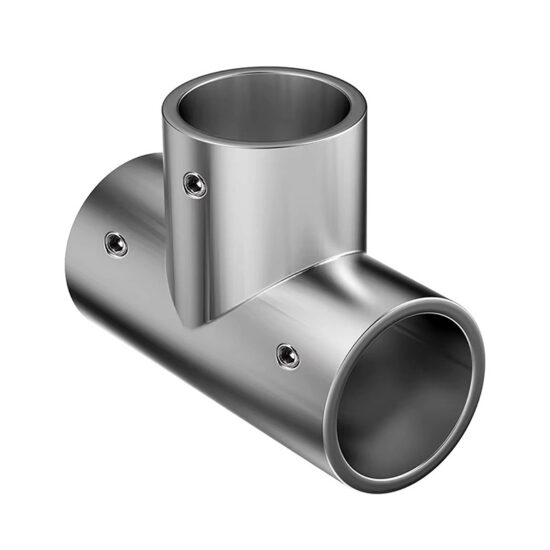
- Para conjuntos de corrimãos personalizados, pode ser necessário que as ferragens combinem com Conectores de trilho, adaptadores e outros componentes de aço inoxidável.
Espessura do vidro, posição dos furos e considerações sobre usinagem
Os acessórios para corrimãos de vidro geralmente dependem do preparo correto do vidro. O tipo de grampo, o tamanho da junta, o encaixe do espigão, o diâmetro do espaçador, a posição dos furos, a posição do entalhe e a folga da borda devem ser confirmados antes da produção. Se o vidro exigir perfuração, entalhe, recortes ou acabamento especial nos cantos, o plano de usinagem deve ser revisado com o fornecedor do vidro e a equipe do projeto.
A ESANG pode fabricar ferragens que se adaptem à espessura do vidro, às posições dos furos e aos detalhes de conexão fornecidos; no entanto, as especificações finais do vidro e a segurança da usinagem devem ser confirmadas pelo fornecedor do vidro, pelo projetista ou pelo instalador.
Personalização de acordo com os requisitos do projeto
Muitos projetos de ferragens para corrimãos de vidro são personalizados de acordo com os desenhos e os requisitos de instalação do cliente. A ESANG pode fornecer grampos, suportes, adaptadores, espigões, espaçadores, peças em canal U, perfis de trilho superior, placas de montagem e acabamentos de superfície personalizados para vidro.
Quando um projeto apresenta requisitos baseados em normas relacionadas à altura do parapeito, tipo de vidro, espessura do vidro, fixação do corrimão, limites de abertura ou método de instalação, os clientes devem fornecer os desenhos e as especificações exigidas. A ESANG pode fabricar os acessórios de aço inoxidável correspondentes a esses detalhes fornecidos, embora a conformidade final dependa do sistema instalado como um todo, da especificação do vidro, do projeto estrutural, do método de instalação e da legislação local aplicável.
Considerações sobre instalação e projeto
Os acessórios para corrimãos de vidro fazem parte de um sistema completo já instalado. A seleção dos acessórios deve ser analisada em conjunto com as especificações do vidro, o espaçamento entre os postes, a fixação da base, o projeto do corrimão ou do trilho superior, a resistência do substrato, a drenagem e o método de instalação no local.
- Espessura e tipo do vidro
- Posições dos orifícios no vidro, entalhes e folgas nas bordas
- Superfície de fixação: poste, parede, laje, deck, longarina de escada ou perfil de base
- Método de montagem em superfície, perfuração central, montagem lateral ou montagem em canal
- Tipo de material adequado para ambientes internos, externos, à beira da piscina, litorâneos ou úmidos
- Compatibilidade de juntas, braçadeiras e ranhuras
- Conexão do corrimão, do trilho superior ou do trilho de cobertura
- Drenagem, impermeabilização e acesso para limpeza
- Código de construção local e requisitos de especificação do projeto
Para projetos de corrimãos de vidro em varandas, escadas, terraços, piscinas e áreas de acesso público, a aprovação final do projeto deve ser confirmada pelo projetista, engenheiro, empreiteiro, fornecedor de vidro ou autoridade local. A ESANG pode fabricar ferragens de acordo com os requisitos fornecidos, mas o sistema instalado completo deve ser avaliado como um todo.
Cenários de aplicativos
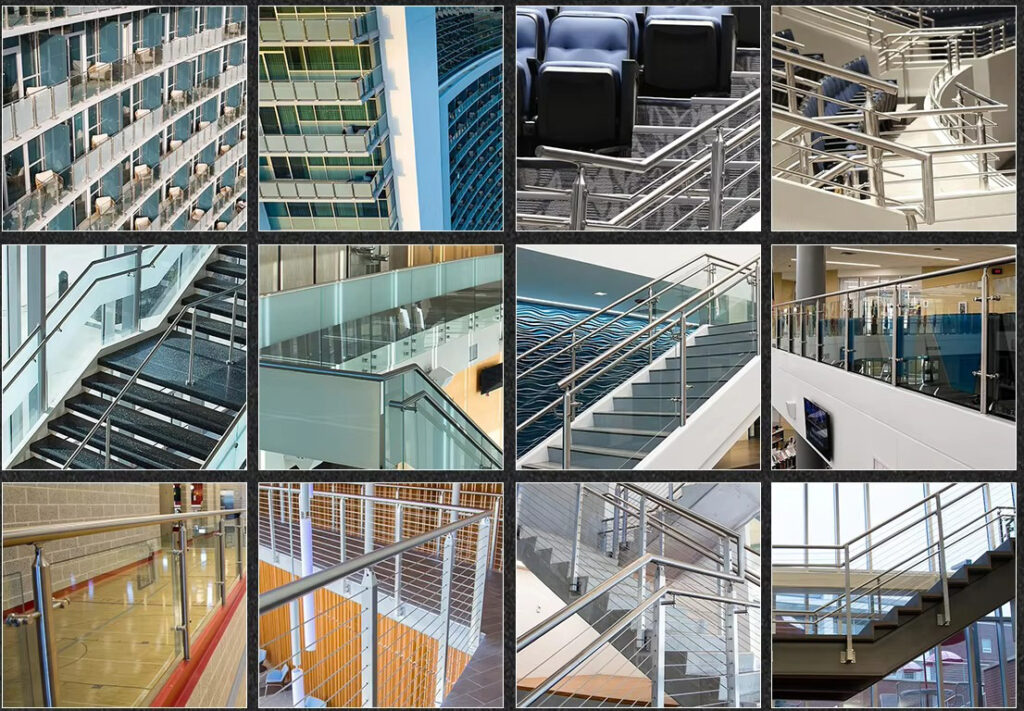
Corrimãos de vidro para varandas
Os projetos de corrimãos de vidro para varandas podem utilizar grampos para vidro, espigões, calhas de base, espaçadores, trilhos de cobertura ou adaptadores de poste para vidro, dependendo do estilo visual e das condições de montagem. A qualidade do material, a espessura do vidro, a drenagem e a proteção das bordas devem ser confirmadas antes da produção.
Corrimãos de vidro para escadas
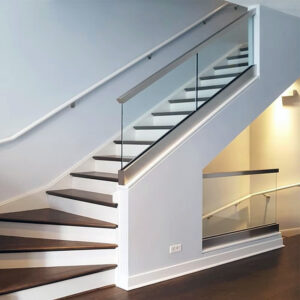
Os projetos de corrimãos de vidro para escadas geralmente exigem um alinhamento cuidadoso entre os painéis de vidro, os corrimãos, os postes, os suportes e os apoios laterais. Podem ser utilizados espaçadores, suportes para vidro, trilhos superiores e grampos montados nos postes, dependendo da estrutura da escada.
Cercas de vidro para piscinas e áreas externas
As áreas de piscina e as cercas de vidro ao ar livre geralmente exigem maior atenção no que diz respeito à resistência à corrosão, limpeza, drenagem e seleção de fixadores. O aço inoxidável 316 ou 316L é frequentemente considerado para ambientes úmidos, à beira da piscina ou litorâneos.
Sistemas comerciais de guarda-corpo de vidro
Hotéis, shopping centers, edifícios comerciais, prédios públicos e áreas de transporte costumam utilizar ferragens para corrimãos de vidro a fim de criar barreiras transparentes e linhas arquitetônicas clean. A qualidade consistente das ferragens, a uniformidade do acabamento e a coordenação da instalação são fatores importantes nesses projetos.
Projetos residenciais e de casas de campo
Os projetos de corrimãos de vidro para residências podem priorizar a clareza visual, a aparência discreta dos acessórios e a compatibilidade com acabamentos em pedra, azulejo, madeira ou aço inoxidável. Mini-grampos, acessórios com acabamento polido espelhado, espaçadores e sistemas de trilhos com capeamento podem ser selecionados de acordo com o projeto.
Categorias de produtos relacionados
- Grampos e conectores para vidro
- Torneiras e espaçadores de vidro
- Sistemas de base de sapata
- Suportes e adaptadores para vidro
- Trilhos da tampa
- Postes de aço inoxidável
- Corrimãos Post Mount
- Conectores de trilho
Perguntas frequentes
Que tipos de ferragens para corrimãos de vidro a ESANG fornece?
A ESANG fornece grampos para vidro, conectores, bicos, espaçadores, calhas de base, suportes para vidro, adaptadores, trilhos de cobertura e componentes relacionados para corrimãos de vidro em aço inoxidável. As ferragens podem ser selecionadas ou fabricadas de acordo com a espessura do vidro, o método de montagem, o tipo de material, o acabamento e os desenhos do projeto.
Qual é a diferença entre grampos de vidro e bicos de vidro?
As braçadeiras para vidro geralmente fixam painéis de vidro a postes, paredes ou suportes laterais. Os espigões para vidro sustentam os painéis de vidro pela parte inferior e são frequentemente utilizados em corrimãos de vidro sem moldura ou em cercas de piscina. A escolha correta depende do estilo visual, do substrato, da espessura do vidro e do projeto estrutural.
Quando devo usar espaçadores de vidro?
Os espaçadores para vidro são comumente utilizados quando é necessário fixar painéis de vidro lateralmente a uma parede, a um longarão de escada, a uma borda de cobertura ou a uma superfície estrutural. Eles criam um deslocamento em relação à superfície de fixação e são frequentemente escolhidos para projetos visuais com vidro suspenso.
Para que serve um sistema de sapata de base?
Um sistema de calha de base oferece suporte contínuo na parte inferior para painéis de vidro. É comumente utilizado em sistemas de corrimãos de vidro sem moldura, nos quais o projeto exige uma calha de base com acabamento clean, em vez de postes visíveis ou grampos individuais.
A ESANG pode fabricar ferragens para corrimãos de vidro com espessuras de vidro ou posições de furos personalizadas?
Sim. A ESANG pode fabricar ou fornecer ferragens de acordo com a espessura do vidro, as posições dos furos, os desenhos, os requisitos de montagem e as especificações de acabamento fornecidos. O plano final de usinagem do vidro também deve ser confirmado com o fornecedor do vidro ou com a equipe do projeto.
Devo escolher aço inoxidável 304 ou 316 para os acessórios de corrimãos de vidro?
O aço inoxidável 304 é comumente utilizado em ambientes internos e secos. O aço inoxidável 316 é geralmente preferido para ambientes externos, litorâneos, à beira de piscinas, úmidos ou com maior risco de corrosão. A classe final deve ser selecionada de acordo com o ambiente e as especificações do projeto.
É possível usar ferragens para corrimãos de vidro com postes de aço inoxidável?
Sim. Muitas braçadeiras para vidro, suportes, adaptadores e componentes de trilhos de cobertura são utilizados com postes de aço inoxidável. É necessário verificar em conjunto o formato do poste, o tamanho do tubo, o tipo de braçadeira, a espessura do vidro e o acabamento antes de fazer o pedido.
A ESANG pode oferecer suporte a projetos de corrimãos de vidro sem moldura?
Sim. A ESANG pode fornecer peças de hardware para sistemas de corrimãos de vidro sem moldura, incluindo espigões, espaçadores, calhas de base, peças em canaleta em U, trilhos de cobertura e componentes relacionados em aço inoxidável. Recomenda-se a análise dos desenhos do projeto e das condições de instalação.
Quais informações são necessárias para uma consulta sobre ferragens para corrimãos de vidro?
As informações úteis para a consulta incluem a espessura do vidro, o tipo de vidro, o método de montagem, o tipo de ferragem, a classe do material, o acabamento da superfície, as condições do pilar ou da parede, as posições dos furos (se disponíveis), desenhos, quantidade e o ambiente do projeto.
Como deve ser feita a manutenção das ferragens de aço inoxidável para corrimãos de vidro?
A limpeza de rotina geralmente envolve o uso de detergente neutro, água limpa e um pano macio. Evite produtos de limpeza à base de cloro, palha de aço e utensílios abrasivos. As instalações ao ar livre, à beira da piscina e em áreas costeiras devem ser limpas com maior frequência para reduzir a contaminação da superfície e manter a aparência.
Posts relacionados:
Pier and Dock Railing Layout: Posts, Infill, Access, and Mounting
Plan pier and dock runs around post locations, infill modules, corners, gates, access routes, substrate edges, and mounting responsibility.
Coastal Railing Exposure: Salt Air, Splash, and Cleaning Access
Separate airborne salt, direct splash, retained wetness, deposits, and cleaning access before choosing coastal railing materials and details.
Replacing Core-Mounted Posts With Surface Bases: Precheck
Check the existing opening, slab condition, edge geometry, drainage, and revised load path before converting an embedded post to a surface base.
Railing Post Base RFQ Checklist for Project Buyers
Request comparable base hardware, substrate inputs, finishes, drawings, anchor boundaries, samples, and inspection documents in one project RFQ.
Adjustable Railing Post Bases for Sloped or Uneven Surfaces
Compare adjustable bases against the actual slope, bearing surface, leveling range, finish interface, and fixing access before selecting a detail.
Âncoras para bases de postes de corrimão: Informações para a revisão de engenharia
Defina o substrato, a geometria, as cargas, a exposição e as evidências de fixação antes da revisão de engenharia, para que a etiqueta do componente não seja confundida com o projeto da conexão.
Projetos da Esang

Certificado da Esang

A Foshan ESANG Metal Products orgulhosamente mantém Certificação CE (Nº de verificação TD32772401) de acordo com a Diretiva de Produtos de Construção (Regulamento nº 305/2011), afirmando nosso compromisso com os mais altos padrões europeus de segurança e qualidade.
Certificado Linha de produtos:
Nosso abrangente portfólio de acessórios para guarda-corpos, incluindo braçadeiras de vidro, tensionadores, suportes, suportes de parede, sapatas de base, acessórios para corrimão, ferragens para cabos e componentes para postes, atende a EN1906:2012 garantindo a integridade estrutural e a confiabilidade do desempenho em todas as instalações.
O que isso significa para seu projeto:
Conformidade regulatória total para os mercados europeu e internacional
Desempenho de segurança e durabilidade verificado de forma independente
Suporte de documentação para especificações arquitetônicas
Tranquilidade com a garantia de qualidade de terceiros
Certificação válida até 2027 | Relatório de teste: CE-FE24122001-CY
Projetos da Esang

Produtos de referência