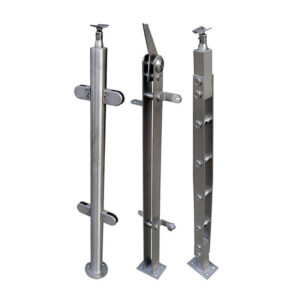
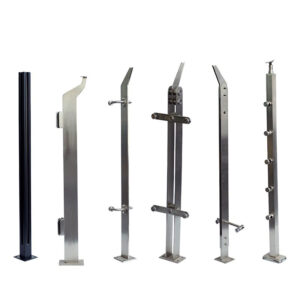
Corrimãos para montagem em parede
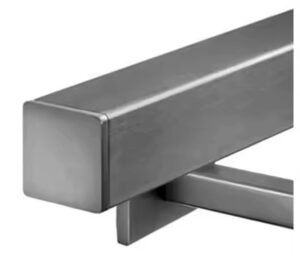
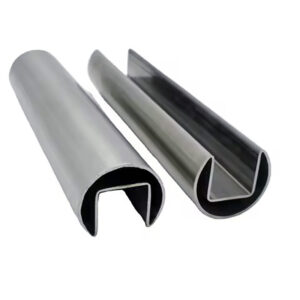
Corrimãos para montagem em parede
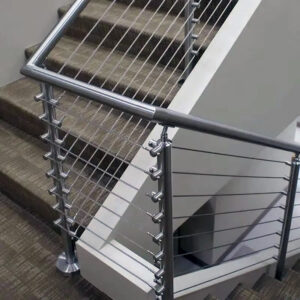
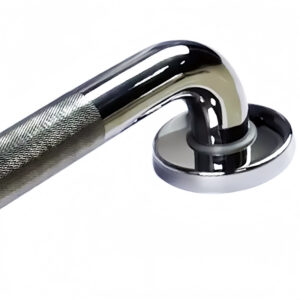
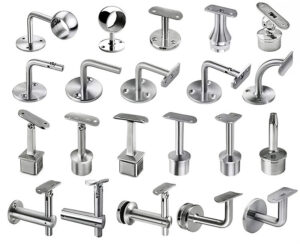
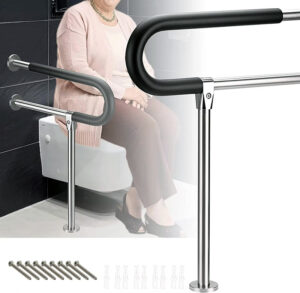
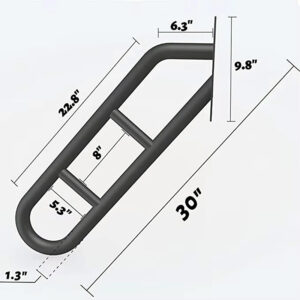
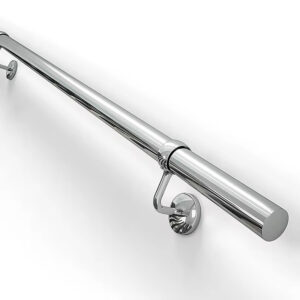
ESANG wall mount handrails are designed for stairways, ramps, corridors, interior walls, concrete walls, masonry walls, and side-mounted architectural applications where the handrail is fixed directly to a wall or structural surface.
Essa categoria inclui Stainless Steel Wall Handrails, Suportes ajustáveis para corrimãos de parede, Continuous Wall Handrail Systems, Heavy Duty Wall Handrails, ADA Compliant Wall Handrails, Round Tube Handrail Systems, e Square Tube Handrail Systems.
For contractors, distributors, fabricators, and project buyers, wall-mounted handrail selection should consider wall material, bracket spacing, projection distance, wall clearance, handrail profile, end return design, stainless steel grade, surface finish, and project requirements. ESANG can manufacture wall handrail components according to drawings, dimensions, material grade, finish requirements, and installation conditions.
Wall Mount Handrail Options
| Opção | Melhor usado para | Principais perguntas de seleção |
|---|---|---|
| Stainless Steel Wall Handrails | General wall-mounted handrail projects for stairs, corridors, ramps, and commercial interiors | What tube profile, material grade, finish, bracket type, and wall condition are required? |
| Suportes ajustáveis para corrimãos de parede | Stairs, ramps, uneven walls, and projects requiring angle or height adjustment | What adjustment range, bracket projection, and tube saddle design are needed? |
| Continuous Wall Handrail Systems | Long runs, ramps, commercial routes, and accessibility-focused circulation areas | Where are the joints, elbows, returns, and transitions located? |
| Heavy Duty Wall Handrails | Public buildings, high-traffic corridors, industrial access areas, and stronger wall-mounted applications | What bracket spacing, wall substrate, anchor type, and handrail size are required? |
| ADA Compliant Wall Handrails | Projects that need to support ADA-oriented dimensions and accessibility-focused design | What grip profile, wall clearance, handrail height, return design, and continuity requirements are specified? |
| Round Tube Handrail Systems | Comfortable grip applications, stairways, ramps, corridors, and many commercial handrail projects | What tube diameter, bracket saddle, finish, and end return style are required? |
| Square Tube Handrail Systems | Modern architectural interiors, linear design styles, and projects matching square or rectangular railing elements | What tube size, bracket head, corner detail, and finish should match the project design? |
How to Choose Wall Mount Handrails
A wall-mounted handrail depends on the wall as the main support surface. Before selecting the tube profile or finish, the project team should confirm whether the wall can support the bracket layout, what clearance is required, and how the handrail should return at the ends.
| Condição do projeto | Direção recomendada | Por que é importante |
|---|---|---|
| Standard stair or corridor wall handrail | Use stainless steel wall handrails with fixed wall brackets and suitable tube profile | This is a common solution for commercial, residential, and public circulation routes. |
| Stair pitch, ramp slope, or uneven field condition | Use adjustable wall handrail brackets or angle-adjustable hardware | Adjustment helps compensate for site tolerance and changing handrail direction. |
| Long ramp or continuous circulation path | Use continuous wall handrail systems with elbows, connectors, and return details | Continuity improves usability and may be required by the project specification. |
| High-traffic or public-access environment | Use heavy duty wall handrails with suitable bracket spacing and anchoring details | Frequent use increases the importance of wall strength, bracket layout, and maintenance access. |
| Accessibility-focused project | Use ADA-oriented wall handrails manufactured to specified dimensions | Grip size, wall clearance, height, return design, and continuity must be confirmed by the project team. |
| Modern interior design requirement | Choose round or square tube handrail systems according to grip preference and visual style | Tube shape affects hand comfort, bracket compatibility, and architectural appearance. |
Wall, Bracket, and Clearance Considerations
Wall-mounted handrails require coordination between the handrail tube, wall bracket, wall substrate, and installation spacing. A strong stainless steel tube alone does not create a reliable handrail if the wall, bracket, or anchor selection is not suitable for the project.
| Item a ser confirmado | Por que é importante | Entrada típica do comprador |
|---|---|---|
| Wall material | Concrete, masonry, wood, steel, and framed walls may require different fixing methods | Wall type, substrate thickness, site photos, or installation drawings |
| Espaçamento do suporte | Spacing affects support, alignment, and the number of brackets required | Handrail length, project layout, and expected use condition |
| Folga na parede | Clearance affects hand comfort and accessibility-focused requirements | Required distance between wall and gripping surface |
| Projeção da chave | Projection determines how far the handrail sits from the wall | Wall finish thickness, clearance requirement, and design preference |
| Fim do retorno | Returns can improve safety and help complete the handrail run | Return-to-wall, return-to-floor, closed end, or custom return requirement |
| Perfil do tubo | Round and square tubes have different grip feel and bracket compatibility | Tube diameter, tube size, drawing, or sample |
Round Tube vs Square Tube Wall Handrails
Round and square tube handrails serve different design and usability preferences. The correct choice depends on the project style, grip requirement, bracket type, and surrounding railing system.
| Perfil do tubo | Vantagens típicas | Considerações gerais |
|---|---|---|
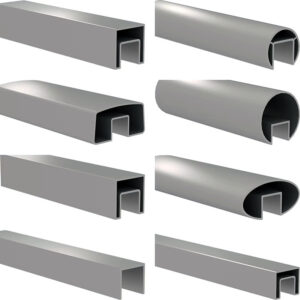
| Round tube handrails | Comfortable grip, common bracket compatibility, widely used in stairs and ramps | Confirm tube diameter, bracket saddle shape, end cap, and return detail. |
| Square tube handrails | Modern linear appearance, matches square posts and rectangular architectural details | Confirm edge comfort, bracket head design, corner connection, and end finishing. |
| Custom tube profiles | Can match project drawings, brand design, or surrounding architectural elements | Confirm manufacturability, bracket compatibility, finish, and installation method. |
Materiais, acabamentos e fabricação personalizada
ESANG wall mount handrails can be manufactured according to project requirements, including material grade, tube profile, bracket design, wall clearance, projection distance, surface finish, end return design, and packaging requirements.
| Material ou acabamento | Uso típico | Notas |
|---|---|---|
| Aço inoxidável 304 | Interior wall handrails, commercial corridors, residential stairs, and dry environments | A common option for many indoor wall-mounted handrail projects. |
| Aço inoxidável 316 | Outdoor wall handrails, humid areas, poolside projects, and higher-corrosion environments | Normalmente, é preferível quando é necessária uma melhor resistência à corrosão. |
| Aço inoxidável 316L | Projetos que exigem melhor soldabilidade ou desempenho de corrosão mais exigente | Adequado quando a especificação exige aço inoxidável com baixo teor de carbono. |
| Acabamento escovado ou acetinado | Commercial interiors, public corridors, stairs, ramps, and high-traffic routes | Ajuda a reduzir a visibilidade de impressões digitais e pequenas marcas de manuseio. |
| Polimento de espelho | Interiores decorativos, hotéis, vilas e aplicações visuais premium selecionadas | Proporciona uma aparência brilhante, mas requer manuseio e limpeza mais cuidadosos. |
For non-standard projects, customers can provide drawings, wall conditions, tube sizes, bracket requirements, finish requirements, end return details, and installation conditions. ESANG can review the requirements and manufacture wall handrail components to match the project specification where feasible.
Hardware compatível e componentes relacionados
Wall mount handrails should be specified together with brackets, connectors, returns, and fixing details. The same handrail tube may require different hardware depending on whether the project is a stair, ramp, corridor, public-access route, or custom interior installation.
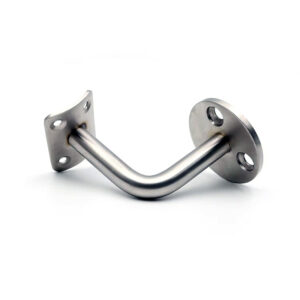
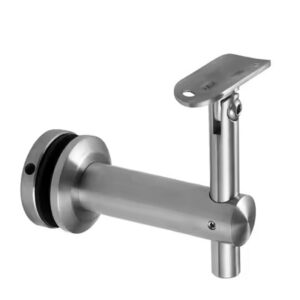
- For wall fixing, select compatible Suportes para montagem em parede according to wall material, bracket projection, and tube profile.
- For angle changes and field adjustment, use Suportes ajustáveis or angle-adjustable wall handrail hardware.
- For continuous runs, use Conectores de trilho, elbows, bends, return ends, and corner fittings.
- For projects combining wall handrails with railing posts, coordinate with Postes de aço inoxidável and post-mounted rail details.
- For glass or cable railing areas, wall handrails may need to coordinate with glass panels, cable infill, posts, or top rails.
Customization for ADA-Oriented and Project-Specific Requirements
Wall-mounted handrails are often manufactured to match project drawings and accessibility-focused requirements. Customers may specify handrail height, grip profile, wall clearance, bracket spacing, return design, tube profile, material grade, and surface finish.
For U.S. accessibility-focused projects, ESANG can manufacture wall handrail components to support ADA-oriented requirements when the required dimensions and specifications are provided. Final compliance depends on the complete installed handrail system, wall condition, installation method, project design, and applicable local code.
Considerações sobre instalação e código
Wall mount handrails should be reviewed as a complete installed system. Handrail tube size, bracket layout, wall substrate, anchor selection, return design, and clearance should be confirmed before production or installation.
- Wall material and substrate strength
- Handrail height and gripping surface
- Wall clearance and bracket projection
- Bracket spacing and anchor selection
- Tube profile and end return design
- Continuous handrail requirements along stairs or ramps
- Ambiente interno, externo, úmido ou costeiro
- Código de construção local e requisitos de especificação do projeto
O Padrões ADA 2010 para design acessível provide reference requirements for U.S. projects related to handrails, including height, clearance, gripping surface, and continuity. These references should be treated as planning resources, and final compliance should be confirmed by the project designer, engineer, contractor, or local authority.
Cenários de aplicativos
Commercial Corridors and Public Buildings
Wall mount handrails are commonly used in office buildings, hotels, schools, hospitals, shopping centers, public buildings, and transport facilities. These projects often require durable materials, consistent finish, reliable bracket layout, and clear installation details.
Stairways and Ramps
Stairs and ramps often require wall-mounted handrails with careful attention to height, clearance, continuity, bracket spacing, and return design. Adjustable brackets and continuous handrail connectors may be useful for sloped or changing routes.
Residential and Multi-Unit Buildings
Residential wall handrails are used in houses, apartments, villas, and multi-unit buildings. These projects often focus on comfortable grip, clean appearance, finish compatibility, and safe movement along stairs or corridors.
Healthcare and Accessibility-Focused Routes
Healthcare corridors, therapy routes, ramps, and public access areas may require wall handrails that are easy to clean and manufactured to match specified grip, clearance, and continuity requirements.
Outdoor and Humid Areas
Outdoor wall handrails require more attention to material grade, surface finish, anchors, fasteners, and cleaning. 316 or 316L stainless steel may be considered for humid, poolside, coastal, or higher-corrosion environments.
Categorias de produtos relacionados
- Stainless Steel Wall Handrails
- Suportes ajustáveis para corrimãos de parede
- Continuous Wall Handrail Systems
- Heavy Duty Wall Handrails
- ADA Compliant Wall Handrails
- Round Tube Handrail Systems
- Square Tube Handrail Systems
- Suportes para montagem em parede
- Conectores de trilho
Perguntas frequentes
What is a wall mount handrail?
A wall mount handrail is a handrail fixed directly to a wall or side support using wall brackets. It is commonly used for stairways, ramps, corridors, public circulation routes, and residential or commercial interiors.
What information is needed to specify wall mount handrails?
Useful information includes handrail length, tube profile, material grade, surface finish, wall material, bracket type, bracket spacing, wall clearance, end return design, quantity, drawings, and project environment.
Should I choose round tube or square tube wall handrails?
Round tube handrails are commonly selected for comfortable grip and broad bracket compatibility. Square tube handrails are often selected for modern architectural appearance and alignment with square or rectangular design elements. The final choice should consider grip, visual style, bracket compatibility, and project requirements.
When are adjustable wall handrail brackets useful?
Adjustable wall handrail brackets are useful for stairs, ramps, uneven walls, site tolerance, and custom layouts where fixed brackets may not align correctly. They can help adjust angle, height, or bracket head position depending on the design.
Can ESANG manufacture wall handrails for ADA-oriented requirements?
Yes. When customers provide required dimensions and project specifications, ESANG can manufacture wall handrail components to support ADA-oriented requirements such as grip profile, wall clearance, handrail height, return design, and continuity. Final compliance depends on the complete installed system and applicable local code.
What is the difference between continuous wall handrails and standard wall handrails?
Standard wall handrails may be used for shorter or simpler runs. Continuous wall handrail systems focus on connected runs, elbows, returns, and transitions so users can maintain a more consistent gripping path along stairs, ramps, or corridors.
When should heavy duty wall handrails be used?
Heavy duty wall handrails may be considered for public buildings, high-traffic corridors, industrial access routes, commercial stairs, or projects where stronger brackets, closer spacing, or more robust wall fixing is required.
Should I choose 304 or 316 stainless steel for wall handrails?
O aço inoxidável 304 é comumente utilizado em ambientes internos e secos. O aço inoxidável 316 é geralmente preferido para ambientes externos, úmidos, à beira de piscinas, litorâneos ou com maior risco de corrosão. O tipo de material final deve ser selecionado de acordo com a exposição do projeto e as especificações.
Can ESANG customize wall handrail dimensions and finishes?
Yes. ESANG can manufacture wall handrails according to drawings, tube profiles, material grades, bracket designs, projection distances, wall clearance requirements, end return details, surface finishes, and packaging needs.
How should stainless steel wall handrails be maintained?
Routine cleaning normally uses mild detergent, clean water, and a soft cloth. Avoid chloride-based cleaners, steel wool, and abrasive tools. Outdoor, humid, or coastal installations should be cleaned more regularly to reduce surface contamination and maintain appearance.
Posts relacionados:
Pier and Dock Railing Layout: Posts, Infill, Access, and Mounting
Plan pier and dock runs around post locations, infill modules, corners, gates, access routes, substrate edges, and mounting responsibility.
Coastal Railing Exposure: Salt Air, Splash, and Cleaning Access
Separate airborne salt, direct splash, retained wetness, deposits, and cleaning access before choosing coastal railing materials and details.
Replacing Core-Mounted Posts With Surface Bases: Precheck
Check the existing opening, slab condition, edge geometry, drainage, and revised load path before converting an embedded post to a surface base.
Railing Post Base RFQ Checklist for Project Buyers
Request comparable base hardware, substrate inputs, finishes, drawings, anchor boundaries, samples, and inspection documents in one project RFQ.
Adjustable Railing Post Bases for Sloped or Uneven Surfaces
Compare adjustable bases against the actual slope, bearing surface, leveling range, finish interface, and fixing access before selecting a detail.
Âncoras para bases de postes de corrimão: Informações para a revisão de engenharia
Defina o substrato, a geometria, as cargas, a exposição e as evidências de fixação antes da revisão de engenharia, para que a etiqueta do componente não seja confundida com o projeto da conexão.
Projetos da Esang

Certificado da Esang
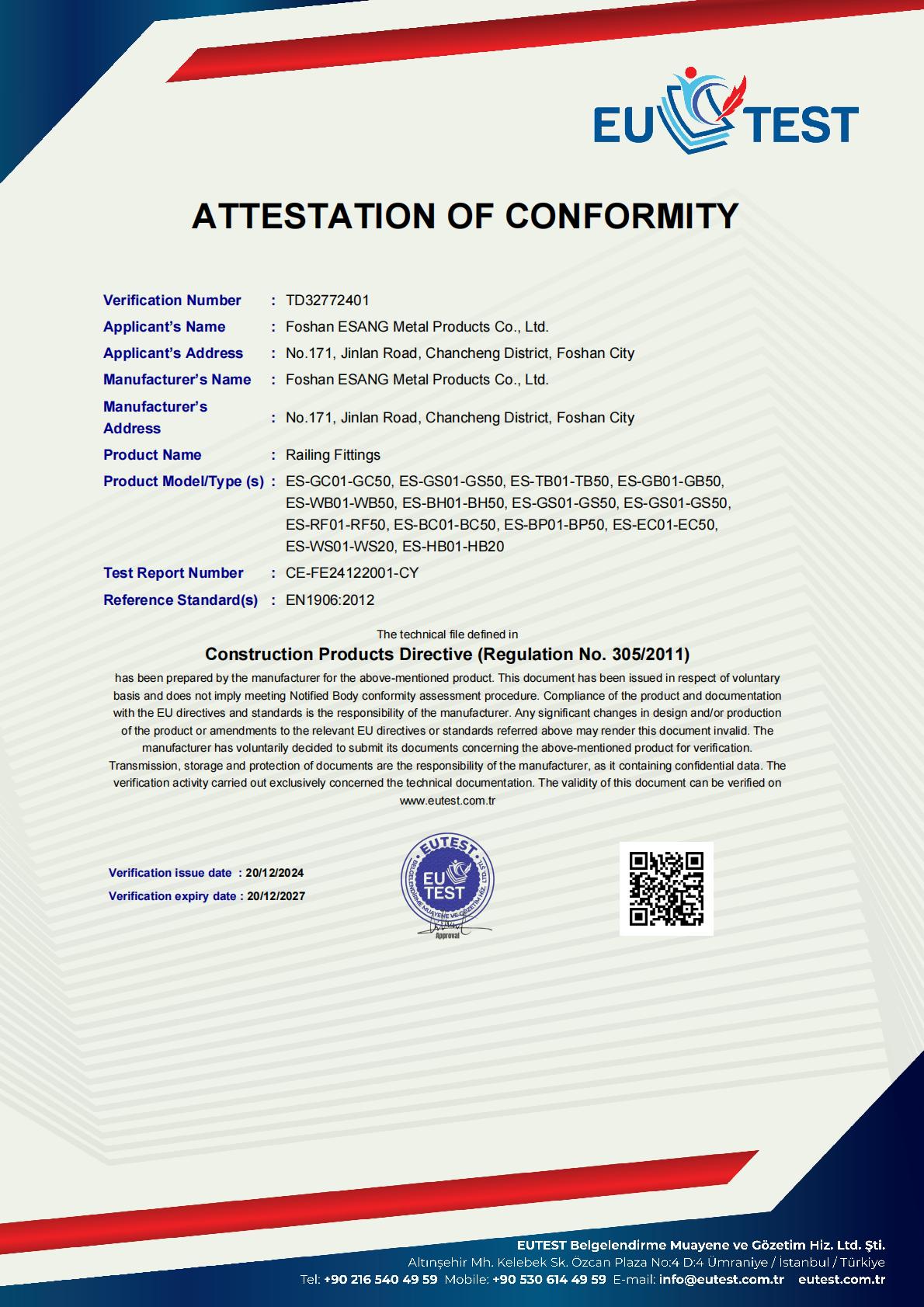
A Foshan ESANG Metal Products orgulhosamente mantém Certificação CE (Nº de verificação TD32772401) de acordo com a Diretiva de Produtos de Construção (Regulamento nº 305/2011), afirmando nosso compromisso com os mais altos padrões europeus de segurança e qualidade.
Certificado Linha de produtos:
Nosso abrangente portfólio de acessórios para guarda-corpos, incluindo braçadeiras de vidro, tensionadores, suportes, suportes de parede, sapatas de base, acessórios para corrimão, ferragens para cabos e componentes para postes, atende a EN1906:2012 garantindo a integridade estrutural e a confiabilidade do desempenho em todas as instalações.
O que isso significa para seu projeto:
Conformidade regulatória total para os mercados europeu e internacional
Desempenho de segurança e durabilidade verificado de forma independente
Suporte de documentação para especificações arquitetônicas
Tranquilidade com a garantia de qualidade de terceiros
Certificação válida até 2027 | Relatório de teste: CE-FE24122001-CY
Projetos da Esang

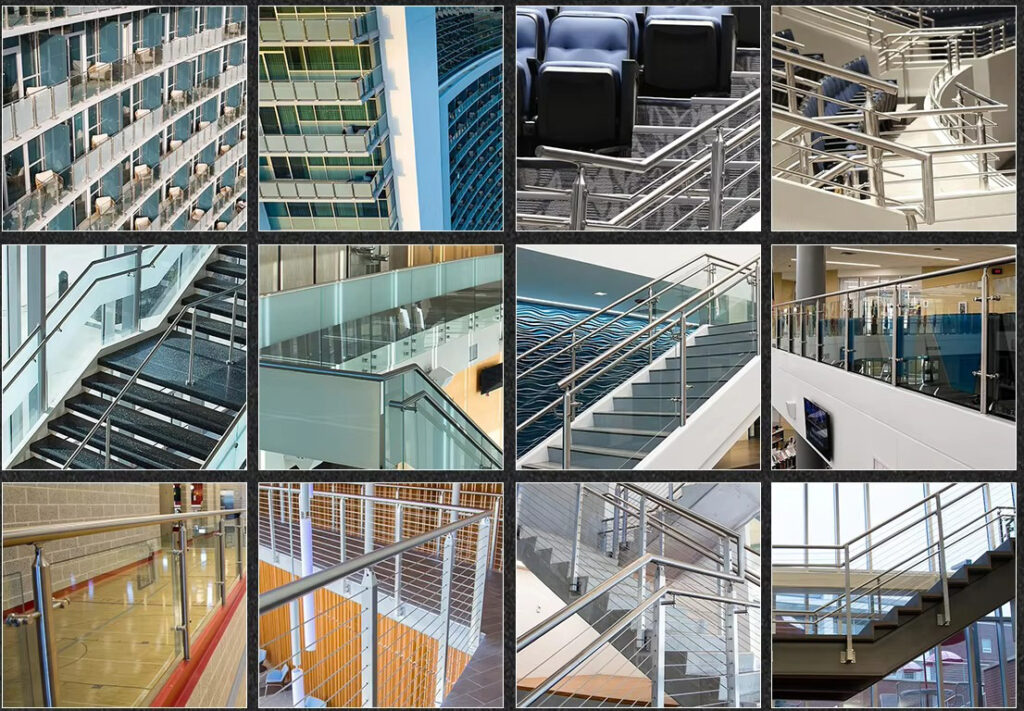
Produtos de referência