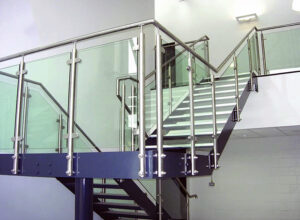
Aplicações marinhas e costeiras
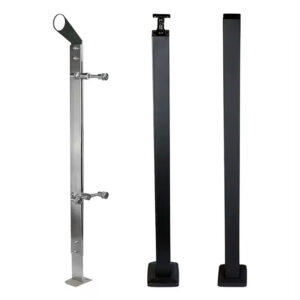
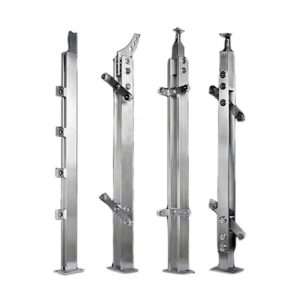
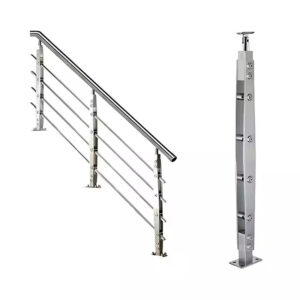
Aplicações marinhas e costeiras
ESANG marine and coastal railing solutions are designed for projects exposed to salt air, waterfront moisture, poolside conditions, coastal weather, piers, docks, and marine-adjacent environments. These projects require more careful material selection, exposed hardware review, drainage planning, fastener compatibility, and maintenance than typical indoor or mild outdoor railing systems.
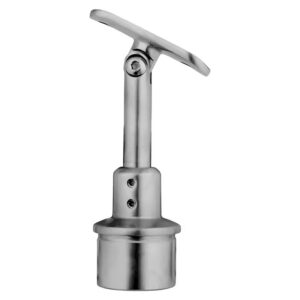
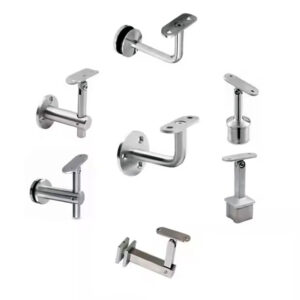
Essa categoria inclui Marine Grade Railing Systems 316L, Salt Water Resistant Components, Coastal Installation Hardware, Waterfront Railing Solutions, e Pier Dock Railing Systems.
For contractors, distributors, fabricators, designers, and project buyers, marine and coastal railing selection should consider chloride exposure, salt spray, humidity, rain, cleaning frequency, fastener compatibility, base plate design, material grade, surface finish, and project installation conditions. ESANG can manufacture marine and coastal railing components according to drawings, dimensions, material grade, finish requirements, and environmental requirements.
Marine and Coastal Railing Options
| Application option | Melhor usado para | Principais perguntas de seleção |
|---|---|---|
| Marine Grade Railing Systems 316L | Marine-adjacent, coastal, waterfront, and project-specified 316L stainless steel railing applications | Does the project specify 316L, welded fabrication, chloride exposure, or more demanding corrosion performance? |
| Salt Water Resistant Components | Railing hardware exposed to salt air, salt spray, pool chemicals, or waterfront moisture | What components are exposed, and what grade, finish, fastener, and maintenance plan are required? |
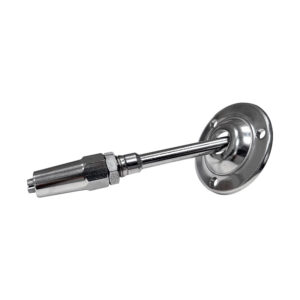
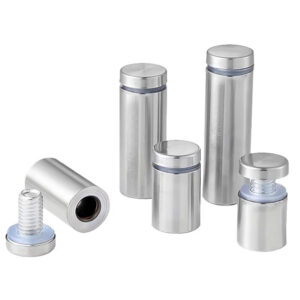
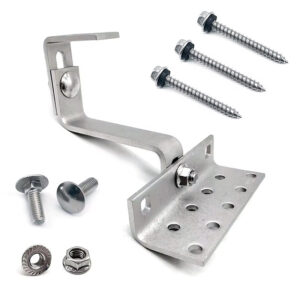
| Coastal Installation Hardware | Anchors, brackets, base plates, fasteners, posts, and exposed hardware for coastal projects | What substrate, anchor type, material grade, drainage, and hardware compatibility should be reviewed? |
| Waterfront Railing Solutions | Waterfront buildings, resorts, promenades, sea-view balconies, and coastal commercial projects | What exposure level, design style, material grade, finish, and cleaning access are required? |
| Pier Dock Railing Systems | Piers, docks, marina walkways, waterfront platforms, and marine-adjacent access areas | What structural fixing, fastener selection, drainage, impact exposure, and maintenance access are needed? |
How to Choose Marine and Coastal Railing Systems
Marine and coastal railing projects should be selected by exposure severity, not only by product type. A covered coastal balcony, a poolside glass railing, a waterfront promenade, and a pier railing may all require different material, fastener, finish, and maintenance planning.
| Condição do projeto | Direção recomendada | Por que é importante |
|---|---|---|
| The project is close to salt air or waterfront moisture | Consider 316 or 316L stainless steel and compatible fasteners | Chloride exposure increases the risk of staining, pitting, and surface corrosion. |
| The project specifies marine-grade stainless steel | Use marine grade railing systems manufactured to the required grade and drawings | Material grade should match the specification, not just the product name. |
| The railing is exposed to poolside or wet conditions | Review material grade, surface finish, drainage, and cleaning plan | Moisture and chemical exposure can make maintenance more important. |
| The project uses posts and base plates near water | Review coastal installation hardware, anchors, fasteners, and drainage | Base fixing and exposed hardware are critical in coastal environments. |
| The project uses glass or cable railing near the coast | Coordinate glass/cable hardware with posts, handrails, fasteners, and material grade | Small exposed fittings can become weak points if material and maintenance are not planned. |
| The project is a pier, dock, or marina-adjacent walkway | Review structural fixing, impact exposure, wet zones, and cleaning access with the project team | Marine-adjacent installations may face more demanding service conditions than ordinary outdoor projects. |
316, 316L, and Coastal Exposure
316 and 316L stainless steel are commonly considered for coastal and marine-adjacent environments because they provide better resistance to chloride-related corrosion than 304 stainless steel in many exposed conditions. 316L may be specified when low-carbon stainless steel or improved weldability is required.
| Material direction | Uso típico | Observações do comprador |
|---|---|---|
| Aço inoxidável 304 | Dry interiors, protected areas, or mild environments where corrosion exposure is limited | Usually not the first choice for demanding salt-air, poolside, or marine-adjacent exposure. |
| Aço inoxidável 316 | Outdoor, coastal, poolside, humid, and higher-corrosion railing environments | Often preferred where better resistance to chloride exposure is required. |
| Aço inoxidável 316L | Marine-grade, welded, coastal, and project-specified railing systems | May be selected when the specification calls for low-carbon stainless steel or more demanding corrosion performance. |
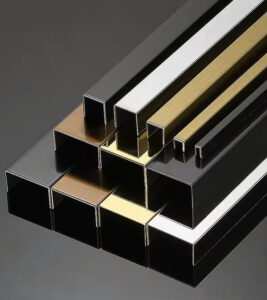
| Acabamento escovado ou acetinado | Coastal railings, waterfront hardware, and exposed stainless steel components | Requires planned cleaning to reduce salt and surface contamination. |
| Mirror polish or project-specified finish | Selected visual applications where smoother appearance is required | Finish choice should be reviewed with maintenance expectations and exposure conditions. |
Stainless steel is corrosion-resistant, not maintenance-free. In coastal and marine-adjacent environments, salt deposits and surface contamination should be cleaned regularly to help maintain appearance and reduce corrosion risk.
Marine and Coastal Hardware Planning
Coastal railing projects should be reviewed as complete systems. Handrails, posts, glass hardware, cable hardware, brackets, anchors, base plates, fasteners, and connectors should be selected together.
| System area | O que confirmar | Related product category |
|---|---|---|
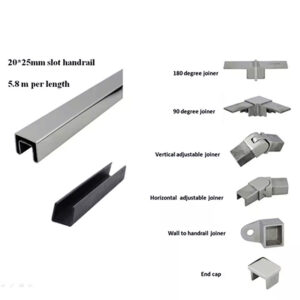
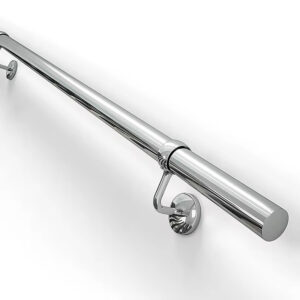
| Corrimãos | Material grade, tube profile, finish, bracket type, and cleaning access | Sistemas de corrimão |
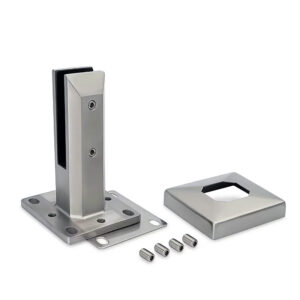
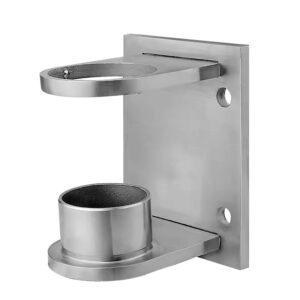
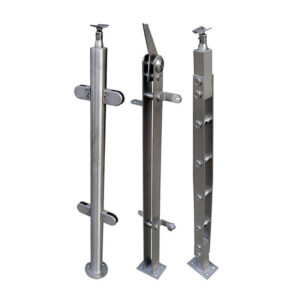
| Posts and base plates | Post shape, base plate, anchor type, drainage, and cover detail | Postes de aço inoxidável |
| Glass hardware | Spigots, clamps, standoffs, base shoes, glass thickness, and drainage | Ferragens para guarda-corpos de vidro |
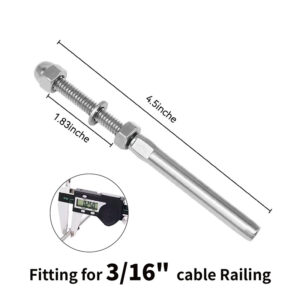
| Cable hardware | Cable fittings, tensioners, end fittings, spacer bars, and cable-ready posts | Sistemas de trilhos de cabos |
| Anchors and brackets | Anchor material, substrate, fastener compatibility, edge distance, and corrosion exposure | Sistemas de ancoragem |
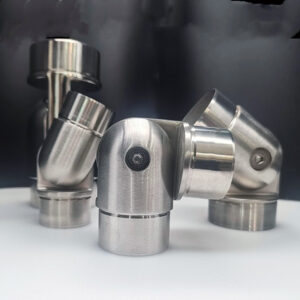
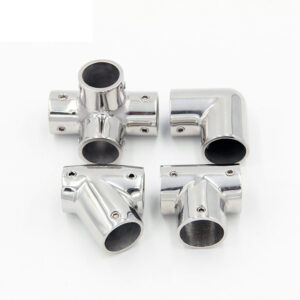
| Connectors and small fittings | Material grade, finish, exposed surfaces, and maintenance accessibility | Acessórios de montagem e suportes |
Salt Air, Water, and Maintenance Considerations
Coastal environments are more demanding because salt deposits can remain on stainless steel surfaces. Even when 316 or 316L stainless steel is selected, regular cleaning and correct installation details remain important.
| Exposure factor | O que confirmar | Por que é importante |
|---|---|---|
| Salt air exposure | Distance from coastline, wind direction, and frequency of salt deposition | Salt deposits can increase staining and localized corrosion risk. |
| Direct splash or wet zones | Whether the railing is exposed to splash, pool water, rainwater, or standing water | Wet areas require more attention to drainage and cleaning. |
| Fastener compatibility | Anchor, screw, washer, nut, and bracket material compatibility | Small mismatched fasteners can create maintenance issues in coastal conditions. |
| Drainage and water traps | Base plates, channels, tube ends, covers, and low points where water can collect | Trapped moisture and salt can accelerate surface staining. |
| Finish and surface condition | Brushed, satin, mirror, or project-specified finish | Smoother and well-maintained surfaces are easier to clean. |
| Cleaning plan | Cleaning frequency, access, water quality, and approved cleaning method | Coastal stainless steel should be cleaned regularly to maintain appearance. |
Customization for Marine and Coastal Projects
ESANG marine and coastal railing systems can be manufactured according to project drawings and environmental requirements. Customers can specify material grade, handrail profile, post shape, glass thickness, cable layout, bracket type, anchor requirement, surface finish, packaging, and OEM or ODM requirements.
For marine-grade or coastal projects with standard-oriented requirements related to guardrail height, handrail height, opening limitations, material grade, corrosion resistance, or installation method, customers should provide the required drawings and specifications. ESANG can manufacture components to match those provided details, while final compliance depends on the complete installed system, structural design, installation method, and applicable local code.
Considerações sobre instalação e projeto
Marine and coastal railing systems should be reviewed with the full exposure condition. The same stainless steel component may perform differently depending on salt air, wet zones, cleaning frequency, material grade, fastener compatibility, and installation details.
- Coastal, waterfront, poolside, pier, dock, or marine-adjacent location
- Salt air, splash zone, humid, or direct wet exposure
- Material grade: 316 or 316L stainless steel where specified
- Handrail, post, glass, cable, bar, or custom infill system
- Surface mount, fascia mount, core mount, wall mount, or custom mounting method
- Fastener compatibility, anchors, washers, nuts, and base plate details
- Drainage, water traps, tube ends, covers, and cleaning access
- Surface finish, maintenance frequency, and project environment
- Project drawings, local code, and site installation requirements
O World Stainless marine applications guidance identifies 316 and 316L stainless steel as common choices for coastal land-based handrails and related marine applications. This should be treated as material selection guidance, not a substitute for project engineering or local approval.
Cenários de aplicativos
Coastal Balcony Railings
Coastal balcony railings may use stainless steel posts, handrails, glass hardware, cable hardware, base plates, and anchors selected for salt-air exposure. Material grade and maintenance access should be reviewed early.
Waterfront Railing Solutions
Waterfront buildings, resorts, promenades, and sea-view terraces often require railing systems that balance appearance, corrosion resistance, drainage, and cleaning access.
Sistemas de corrimãos para cais e docas
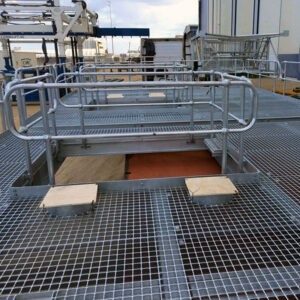
Pier and dock railing systems may require stainless steel handrails, posts, base plates, cable hardware, or glass hardware selected for wet and marine-adjacent exposure. Structural fixing and fastener compatibility should be reviewed carefully.
Poolside Glass and Cable Railings
Poolside railings may use glass spigots, base shoe systems, cable hardware, posts, or handrails. Moisture, cleaning chemicals, drainage, and exposed fittings should be considered together.
Marine-Grade Custom Railing Projects
Marine-grade custom projects may require 316 or 316L stainless steel, special finishes, custom brackets, base plates, anchors, and packaging requirements. Drawings and environmental conditions are important for review.
Categorias de produtos relacionados
- Marine Grade Railing Systems 316L
- Salt Water Resistant Components
- Coastal Installation Hardware
- Waterfront Railing Solutions
- Pier Dock Railing Systems
- Sistemas de corrimão
- Postes de aço inoxidável
- Ferragens para guarda-corpos de vidro
- Sistemas de trilhos de cabos
- Sistemas de ancoragem
Perguntas frequentes
What makes a railing system suitable for marine or coastal applications?
A marine or coastal railing system should consider chloride exposure, material grade, fastener compatibility, drainage, exposed hardware, surface finish, and regular cleaning. The complete installed system should be reviewed for the actual site environment.
Is 316 stainless steel suitable for coastal railing systems?
316 stainless steel is commonly selected for outdoor, coastal, poolside, and higher-corrosion environments because it provides better chloride resistance than 304 stainless steel in many exposed conditions. Final selection should follow the project specification and environment.
Quando se deve usar o aço inoxidável 316L?
316L stainless steel may be used when the project specification calls for low-carbon stainless steel, improved weldability, or more demanding corrosion performance. It is often relevant for marine-grade, welded, or coastal custom railing projects.
Is stainless steel maintenance-free in coastal environments?
No. Stainless steel is corrosion-resistant, not maintenance-free. In coastal or marine-adjacent environments, salt deposits and surface contamination should be cleaned regularly to help maintain appearance and reduce corrosion risk.
Can ESANG manufacture marine-grade railing systems to drawings?
Yes. ESANG can manufacture marine and coastal railing components according to drawings, material grade, surface finish, handrail profile, post type, glass thickness, cable layout, bracket type, anchor requirement, packaging needs, and project environment.
Can glass railing systems be used in coastal environments?
Yes. Glass railing systems can be used in coastal environments when glass hardware, posts, base shoes, spigots, anchors, material grade, drainage, and maintenance are selected according to the exposure condition.
Can cable railing systems be used near the coast?
Yes. Cable railing systems can be used near the coast, but cable fittings, tensioners, end fittings, posts, spacer bars, material grade, and maintenance access should be reviewed carefully.
What should be checked for coastal installation hardware?
Important checks include anchor material, fastener compatibility, substrate, edge distance, base plate drainage, water traps, surface finish, and cleaning access.
What information is needed for a marine or coastal railing inquiry?
Useful information includes project location, exposure condition, drawings, material grade, handrail profile, post type, glass or cable details, mounting method, anchor requirement, surface finish, quantity, and maintenance expectations.
How should marine and coastal stainless steel railings be maintained?
Routine cleaning should use mild detergent, clean water, and a soft cloth. Avoid chloride-based cleaners, steel wool, and abrasive tools. Coastal, poolside, and marine-adjacent installations should be cleaned more regularly to remove salt deposits and surface contamination.
Posts relacionados:
Pier and Dock Railing Layout: Posts, Infill, Access, and Mounting
Plan pier and dock runs around post locations, infill modules, corners, gates, access routes, substrate edges, and mounting responsibility.
Coastal Railing Exposure: Salt Air, Splash, and Cleaning Access
Separate airborne salt, direct splash, retained wetness, deposits, and cleaning access before choosing coastal railing materials and details.
Replacing Core-Mounted Posts With Surface Bases: Precheck
Check the existing opening, slab condition, edge geometry, drainage, and revised load path before converting an embedded post to a surface base.
Railing Post Base RFQ Checklist for Project Buyers
Request comparable base hardware, substrate inputs, finishes, drawings, anchor boundaries, samples, and inspection documents in one project RFQ.
Adjustable Railing Post Bases for Sloped or Uneven Surfaces
Compare adjustable bases against the actual slope, bearing surface, leveling range, finish interface, and fixing access before selecting a detail.
Âncoras para bases de postes de corrimão: Informações para a revisão de engenharia
Defina o substrato, a geometria, as cargas, a exposição e as evidências de fixação antes da revisão de engenharia, para que a etiqueta do componente não seja confundida com o projeto da conexão.
Projetos da Esang

Certificado da Esang
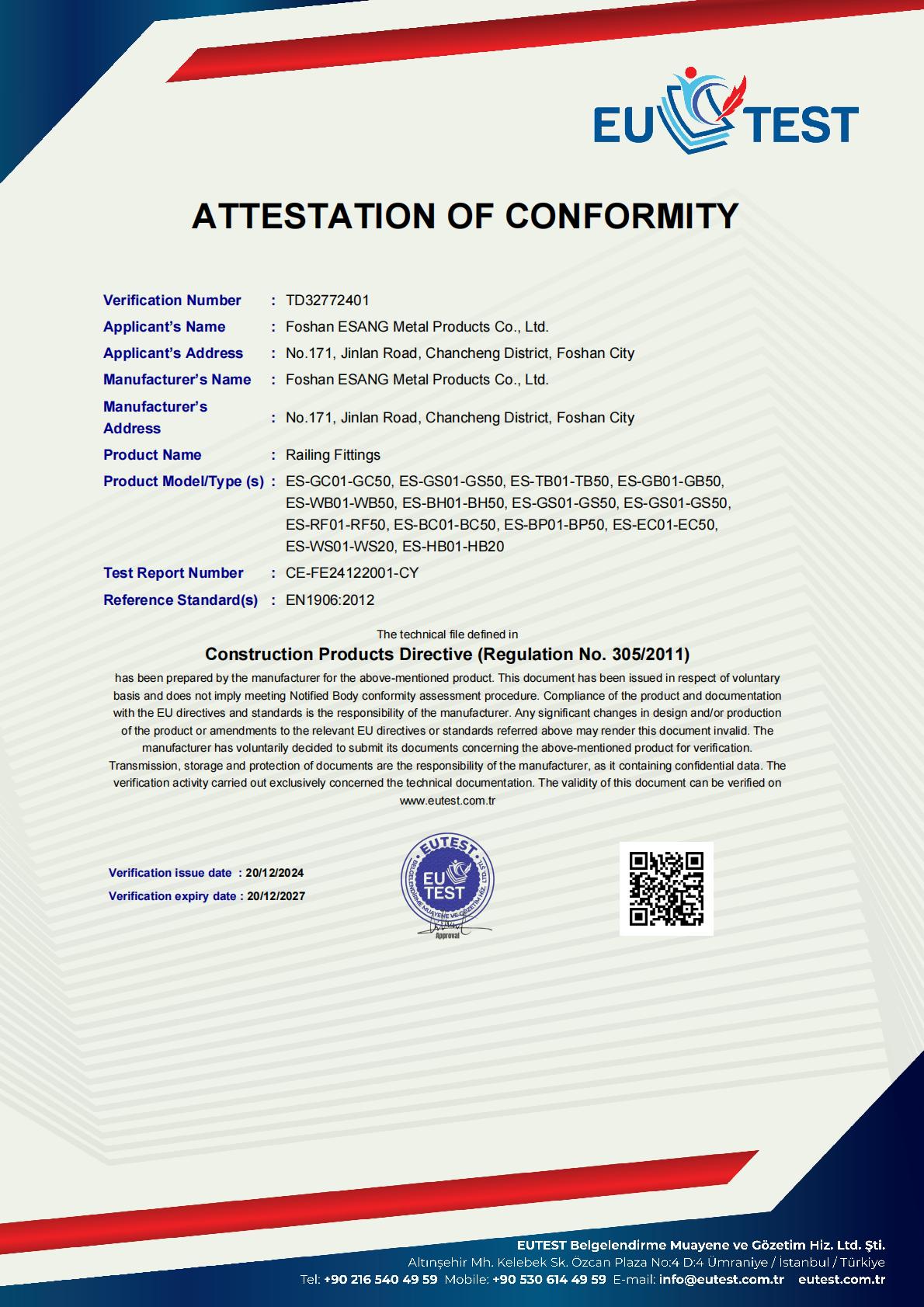
A Foshan ESANG Metal Products orgulhosamente mantém Certificação CE (Nº de verificação TD32772401) de acordo com a Diretiva de Produtos de Construção (Regulamento nº 305/2011), afirmando nosso compromisso com os mais altos padrões europeus de segurança e qualidade.
Certificado Linha de produtos:
Nosso abrangente portfólio de acessórios para guarda-corpos, incluindo braçadeiras de vidro, tensionadores, suportes, suportes de parede, sapatas de base, acessórios para corrimão, ferragens para cabos e componentes para postes, atende a EN1906:2012 garantindo a integridade estrutural e a confiabilidade do desempenho em todas as instalações.
O que isso significa para seu projeto:
Conformidade regulatória total para os mercados europeu e internacional
Desempenho de segurança e durabilidade verificado de forma independente
Suporte de documentação para especificações arquitetônicas
Tranquilidade com a garantia de qualidade de terceiros
Certificação válida até 2027 | Relatório de teste: CE-FE24122001-CY
Projetos da Esang

Produtos de referência