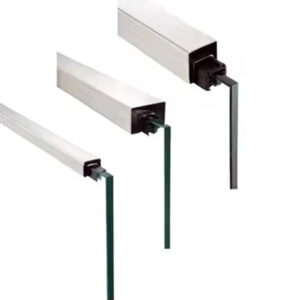
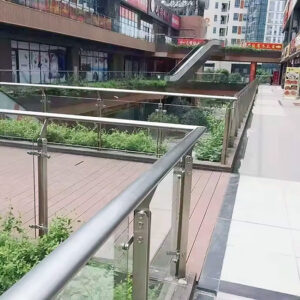
Sistemas de barandillas de interior
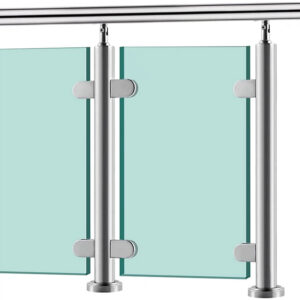
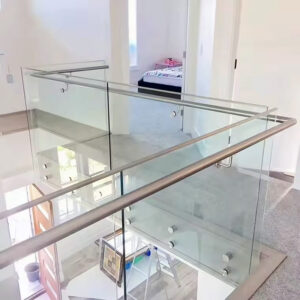
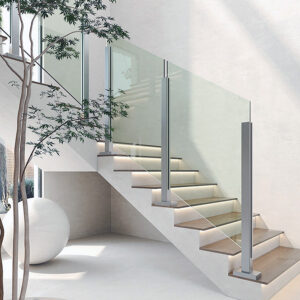
Sistemas de barandillas de interior
ESANG indoor railing systems are designed for interior stairs, interior balconies, commercial interiors, residential interiors, hotels, offices, public circulation areas, and modern architectural spaces. Indoor railing projects usually focus on appearance, hand comfort, finish quality, easy cleaning, and compatibility with surrounding materials.
Esta categoría incluye Interior Stair Railings 304, Interior Balcony Railings 304, Modern Interior Systems, Commercial Interior Rails, y ADA Compliant Interior Systems.
For contractors, distributors, fabricators, designers, and project buyers, indoor railing selection should consider the interior environment, handrail type, post profile, glass or cable infill, bracket design, material grade, surface finish, accessibility-focused requirements, and project drawings. ESANG can manufacture indoor railing components according to drawings, dimensions, material grade, finish requirements, and installation conditions.
Indoor Railing System Options
| Indoor railing option | Ideal para | Preguntas clave para la selección |
|---|---|---|
| Interior Stair Railings 304 | Interior stairways, residential stairs, commercial stairs, and public circulation routes | What handrail profile, bracket type, post design, finish, and stair geometry are required? |
| Interior Balcony Railings 304 | Interior balcony edges, atriums, mezzanines, galleries, and indoor guardrail systems | What post type, infill system, handrail or top rail, and visual style are needed? |
| Modern Interior Systems | Contemporary interiors using glass, stainless steel, cable, or clean linear railing elements | Should the system use glass panels, cable lines, stainless posts, square profiles, or custom finishes? |
| Commercial Interior Rails | Offices, hotels, shopping centers, schools, hospitals, public buildings, and transport interiors | What durability, finish consistency, cleaning requirement, and repeatable installation detail are needed? |
| ADA Compliant Interior Systems | Interior routes that need to support ADA-oriented handrail and accessibility requirements | What handrail height, grip profile, wall clearance, return design, and continuity are specified? |
How to Choose Indoor Railing Systems
Indoor railing systems should be selected according to the building use, design style, route condition, and maintenance expectations. A residential stair railing, commercial corridor handrail, interior glass balcony, and ADA-oriented interior route may require different components.
| Estado del proyecto | Dirección recomendada | Por qué es importante |
|---|---|---|
| The project is an interior stairway | Use interior stair railings with suitable handrails, brackets, posts, or infill | Stair geometry affects handrail height, angle, bracket type, and transition details. |
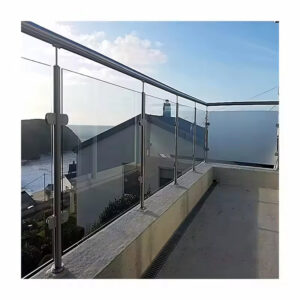
| The project is an interior balcony or atrium | Use interior balcony railings with stainless steel posts, glass, cable, or infill systems | Balcony railings need coordinated posts, top rails, infill, and visual design. |
| The design requires a modern interior appearance | Use modern interior systems with glass panels, square posts, cable infill, or clean stainless profiles | Modern interiors often require tighter visual coordination between hardware, finish, and surrounding materials. |
| The project is a commercial interior | Use commercial interior rails with durable materials and repeatable installation details | Commercial projects need consistent quality, easy cleaning, and practical maintenance. |
| The route is accessibility-focused | Use ADA-oriented interior systems manufactured to provided dimensions and specifications | Handrail height, grip profile, clearance, continuity, and returns should be confirmed by the project team. |
| The environment is dry and indoor | 304 stainless steel may be suitable for many interior railing components | 304 is commonly used indoors when corrosion exposure is limited. |
Indoor Railing Components
Indoor railing systems usually combine several product families. The correct combination depends on whether the project uses wall-mounted handrails, post-mounted handrails, glass panels, cable infill, or stainless steel posts.
| Component group | Typical indoor use | Related product category |
|---|---|---|
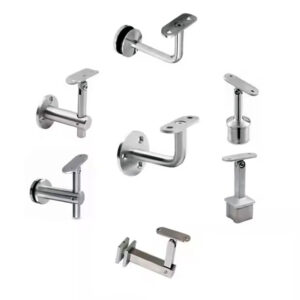
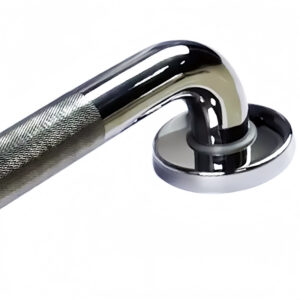
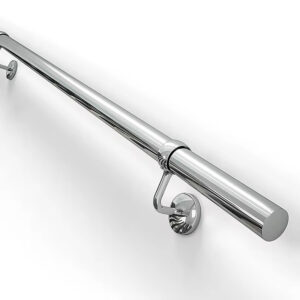
| Wall-mounted handrails | Interior stairs, corridors, ramps, hospitals, schools, and public routes | Pasamanos de pared |
| Post-mounted handrails | Interior balconies, stair railings, guardrail systems, and post-supported rails | Pasamanos de montaje en poste |
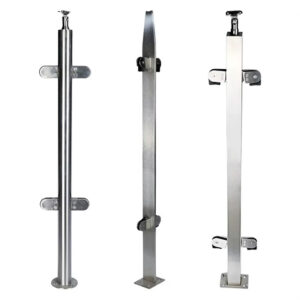
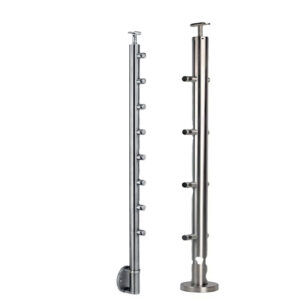
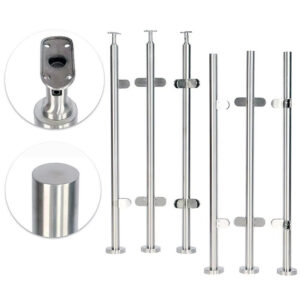
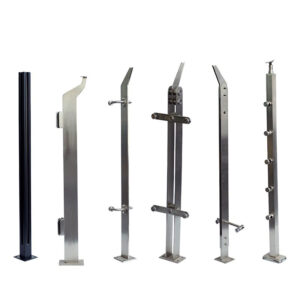
| Stainless steel posts | Balustrades, balcony railings, stair systems, and glass or cable railing supports | Postes de acero inoxidable |
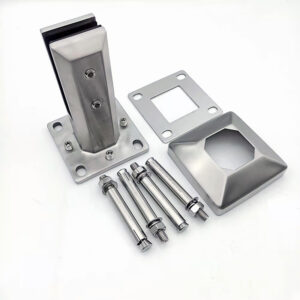
| Glass railing hardware | Interior glass balconies, stair glass, atrium railings, and modern transparent barriers | Herrajes para barandillas de cristal |
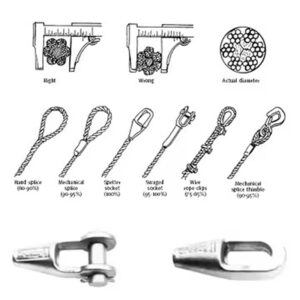
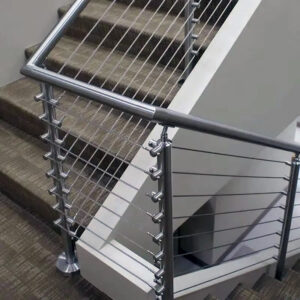
| Cable railing hardware | Modern interior stairs, lofts, offices, and open-view indoor railings | Sistemas de barandillas de cable |
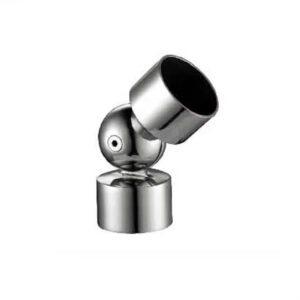
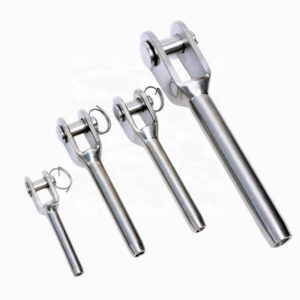
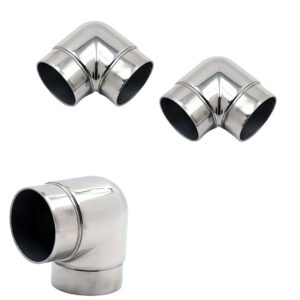
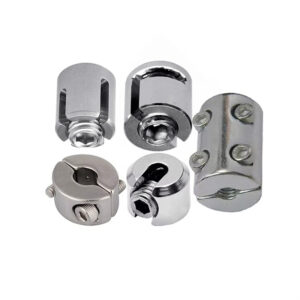
| Mounting brackets and connectors | Handrail support, wall fixing, post connection, rail joining, and angle adjustment | Accesorios de montaje y soportes |
Material Grade and Finish for Indoor Projects
For many dry indoor railing projects, 304 stainless steel is a common and cost-effective material option. However, the final material grade should still be selected according to the project specification, cleaning method, surrounding environment, and design requirement.
| Material o acabado | Typical indoor use | Notas del comprador |
|---|---|---|
| Acero inoxidable 304 | Interior stairs, interior balconies, commercial interiors, residential railings, and dry spaces | A common choice for many indoor railing systems where corrosion exposure is limited. |
| Acero inoxidable 316 | Indoor pool areas, humid interiors, spa areas, or projects with higher corrosion exposure | May be selected when the interior environment is wet, chemically exposed, or more demanding. |
| Acabado cepillado o satinado | Commercial interiors, public corridors, stairways, and high-traffic indoor areas | Ayuda a reducir la visibilidad de las huellas dactilares y las pequeñas marcas de uso. |
| Pulido espejo | Hotels, villas, luxury interiors, decorative stairs, and selected premium applications | Aporta un aspecto brillante, pero requiere un manejo y una limpieza más cuidadosos. |
| Custom finish | Modern interiors, branded commercial spaces, and design-led projects | Finish samples or project references should be provided before production. |
Interior Stair, Balcony, and Commercial System Differences
Indoor railing projects should be organized by use condition. A stair handrail, interior balcony rail, commercial corridor rail, and modern glass railing may use similar stainless steel hardware but require different selection priorities.
| Indoor application | Typical priority | Qué hay que confirmar |
|---|---|---|
| Interior stair railings | Grip comfort, rail height, bracket angle, continuity, and return details | Stair pitch, wall or post support, handrail profile, bracket type, and finish |
| Interior balcony railings | Guardrail appearance, post layout, top rail, infill type, and visual transparency | Post spacing, glass/cable/bar infill, top rail, bottom rail, and mounting method |
| Modernos sistemas interiores | Clean lines, glass clarity, stainless finish, cable layout, and minimal visible hardware | Glass thickness, post profile, cable spacing, bracket style, and finish sample |
| Barandillas interiores comerciales | Repeatable quality, easy cleaning, durability, and consistent installation | Project quantity, drawings, finish, bracket layout, packaging, and maintenance needs |
| ADA-oriented interior systems | Specified height, clearance, grip profile, returns, and continuity | Required dimensions, route layout, wall condition, and local code review |
Customization for Interior Projects
ESANG indoor railing systems can be manufactured according to project drawings and design requirements. Customers can specify handrail profile, post shape, glass thickness, cable layout, bracket type, mounting method, surface finish, packaging, and OEM or ODM requirements.
For accessibility-focused interior projects, customers can provide ADA-oriented requirements such as handrail height, wall clearance, grip profile, return design, and handrail continuity. ESANG can manufacture components to match those provided dimensions and specifications, while final compliance depends on the complete installed system, project design, installation method, and applicable local code.
Consideraciones sobre la instalación y el proyecto
Indoor railing systems should be reviewed with the complete project environment. The same stainless steel component may require different brackets, posts, anchors, or finishes depending on whether it is used in a stairway, corridor, balcony, atrium, office, hotel, or healthcare building.
- Interior stair, balcony, corridor, atrium, or commercial route
- Wall mount, post mount, surface mount, or custom mounting method
- Handrail profile, top rail, or cap rail requirement
- Glass, cable, bar, rod, mesh, or panel infill
- 304 or project-specified stainless steel grade
- Brushed, satin, mirror, or custom finish
- Bracket spacing, wall clearance, rail continuity, and return design
- Project drawings, local code, and accessibility-focused requirements
For U.S. accessibility-focused interior projects, the Normas ADA 2010 para el diseño accesible provide reference requirements related to handrail height, clearance, gripping surface, and continuity. These references should be treated as planning resources, and final compliance should be confirmed by the project designer, engineer, contractor, or local authority.
Escenarios de aplicación
Barandillas de escaleras interiores
Interior stair railings may use wall-mounted handrails, post-mounted handrails, glass panels, cable infill, or stainless steel posts. Stair pitch, handrail height, bracket angle, and finish should be reviewed before production.
Interior Balcony Railings
Interior balcony railings are used in atriums, mezzanines, galleries, commercial interiors, residential buildings, and villas. They may combine stainless steel posts, top rails, glass hardware, cable systems, or custom infill.
Modern Interior Railing Systems
Modern interior projects often use glass, stainless steel, cable, square posts, slim brackets, or clean continuous rail profiles. Hardware visibility, finish quality, and alignment are important design details.
Commercial Interior Rails
Offices, hotels, schools, hospitals, shopping centers, and public buildings often require indoor railings with consistent finish, durable components, easy cleaning, and repeatable installation details.
ADA-Oriented Interior Routes
Interior ramps, corridors, stairs, and public routes may require handrails manufactured to specified height, clearance, grip, return, and continuity requirements. ESANG can manufacture components according to provided project specifications.
Categorías de productos relacionados
- Interior Stair Railings 304
- Interior Balcony Railings 304
- Modern Interior Systems
- Commercial Interior Rails
- ADA Compliant Interior Systems
- Pasamanos de pared
- Postes de acero inoxidable
- Herrajes para barandillas de cristal
- Sistemas de barandillas de cable
Preguntas frecuentes
What are indoor railing systems?
Indoor railing systems are railing and handrail assemblies used inside buildings, including stairs, balconies, corridors, atriums, commercial interiors, and residential spaces. They may use stainless steel handrails, posts, glass, cable, brackets, or custom infill.
Is 304 stainless steel suitable for indoor railings?
304 stainless steel is commonly used for many dry indoor railing projects because corrosion exposure is usually limited. For humid interiors, pool areas, or chemically exposed spaces, 316 stainless steel may be considered.
What indoor railing styles can ESANG support?
ESANG can support wall-mounted handrails, post-mounted handrails, glass railing systems, cable railing systems, stainless steel posts, modern interior systems, commercial interior rails, and custom infill designs.
Can ESANG manufacture indoor railings to project drawings?
Yes. ESANG can manufacture indoor railing components according to drawings, dimensions, material grade, surface finish, handrail profile, post type, glass thickness, cable layout, bracket type, and packaging requirements.
What is the difference between interior stair railings and interior balcony railings?
Interior stair railings usually focus on handrail height, grip comfort, slope, bracket angle, and continuity. Interior balcony railings focus more on guardrail layout, post spacing, top rail, infill type, and visual transparency.
¿Puede ESANG cumplir los requisitos relativos a las barandillas interiores establecidos por la ADA?
Yes. When customers provide required dimensions and specifications, ESANG can manufacture handrails, brackets, and related components to support ADA-oriented requirements such as handrail height, wall clearance, grip profile, return design, and continuity. Final compliance depends on the complete installed system and applicable local code.
Can indoor railing systems use glass or cable infill?
Yes. Indoor railings can use glass panels, cable infill, stainless steel posts, bar infill, or custom panels depending on project style and requirements. Glass thickness, cable spacing, post layout, and hardware should be confirmed before production.
What finish is best for indoor stainless steel railings?
Brushed or satin finish is commonly used for commercial interiors and high-traffic areas because it helps reduce the visibility of fingerprints and minor marks. Mirror polish may be selected for decorative or premium interior projects.
What information is needed for an indoor railing inquiry?
Useful information includes project type, drawings, handrail profile, post type, infill type, material grade, surface finish, installation method, quantity, packaging needs, and any target project specifications.
How should indoor stainless steel railings be maintained?
Routine cleaning normally uses mild detergent, clean water, and a soft cloth. Avoid chloride-based cleaners, steel wool, and abrasive tools. High-touch public areas may need more regular cleaning to maintain appearance.
Related Posts:
Diseño de barandillas para muelles y embarcaderos: postes, relleno, acceso y fijación
Planifica el trazado de los muelles y embarcaderos teniendo en cuenta la ubicación de los postes, los módulos de relleno, las esquinas, las puertas, las vías de acceso, los bordes del sustrato y la responsabilidad del montaje.
Coastal Railing Exposure: Salt Air, Splash, and Cleaning Access
Separate airborne salt, direct splash, retained wetness, deposits, and cleaning access before choosing coastal railing materials and details.
Replacing Core-Mounted Posts With Surface Bases: Precheck
Check the existing opening, slab condition, edge geometry, drainage, and revised load path before converting an embedded post to a surface base.
Railing Post Base RFQ Checklist for Project Buyers
Request comparable base hardware, substrate inputs, finishes, drawings, anchor boundaries, samples, and inspection documents in one project RFQ.
Adjustable Railing Post Bases for Sloped or Uneven Surfaces
Compare adjustable bases against the actual slope, bearing surface, leveling range, finish interface, and fixing access before selecting a detail.
Railing Post Base Anchors: Inputs for Engineering Review
Define substrate, geometry, loads, exposure, and anchor evidence before engineering review so a hardware label is not mistaken for a connection design.
Proyectos de Esang

Certificado de Esang
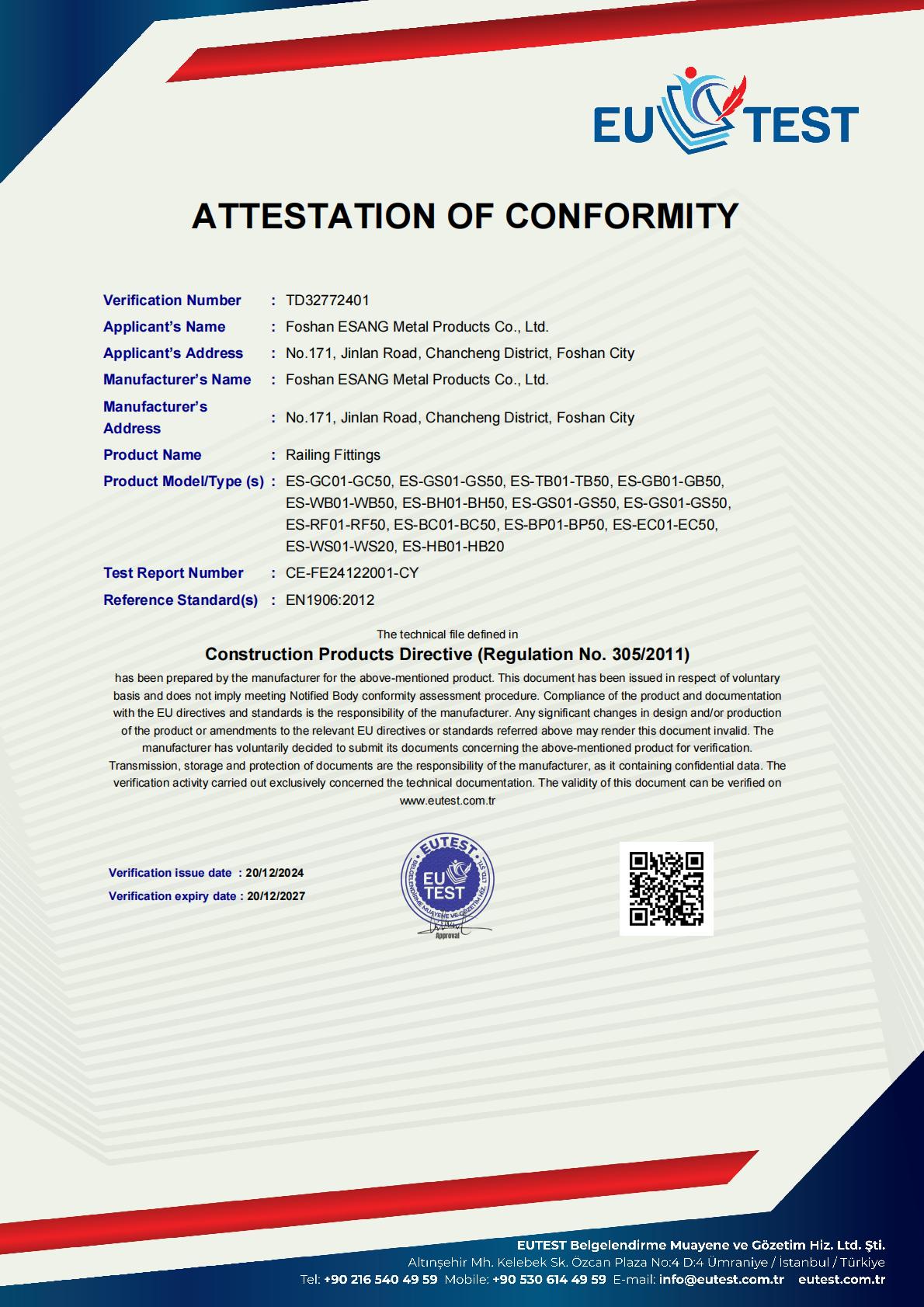
Foshan ESANG Metal Products se enorgullece de mantener Certificación CE (Verificación n.º TD32772401) en virtud de la Directiva sobre productos de construcción (Reglamento n.º 305/2011), lo que afirma nuestro compromiso con los más altos estándares europeos de seguridad y calidad.
Gama de productos certificados:
Nuestra amplia gama de herrajes para barandillas, que incluye abrazaderas de vidrio, tensores, soportes, soportes de pared, zapatas, herrajes para pasamanos, herrajes para cables y componentes para postes, satisface los requisitos más exigentes. EN1906:2012 garantizando la integridad estructural y la fiabilidad del rendimiento en todas las instalaciones.
Qué significa esto para su proyecto:
✓ Cumplimiento total de la normativa para los mercados europeos e internacionales
✓ Rendimiento de seguridad y durabilidad verificado de forma independiente.
✓ Soporte de documentación para las especificaciones arquitectónicas
✓ Tranquilidad gracias a la garantía de calidad de terceros
Certificación válida hasta 2027 | Informe de pruebas: CE-FE24122001-CY
Proyectos de Esang

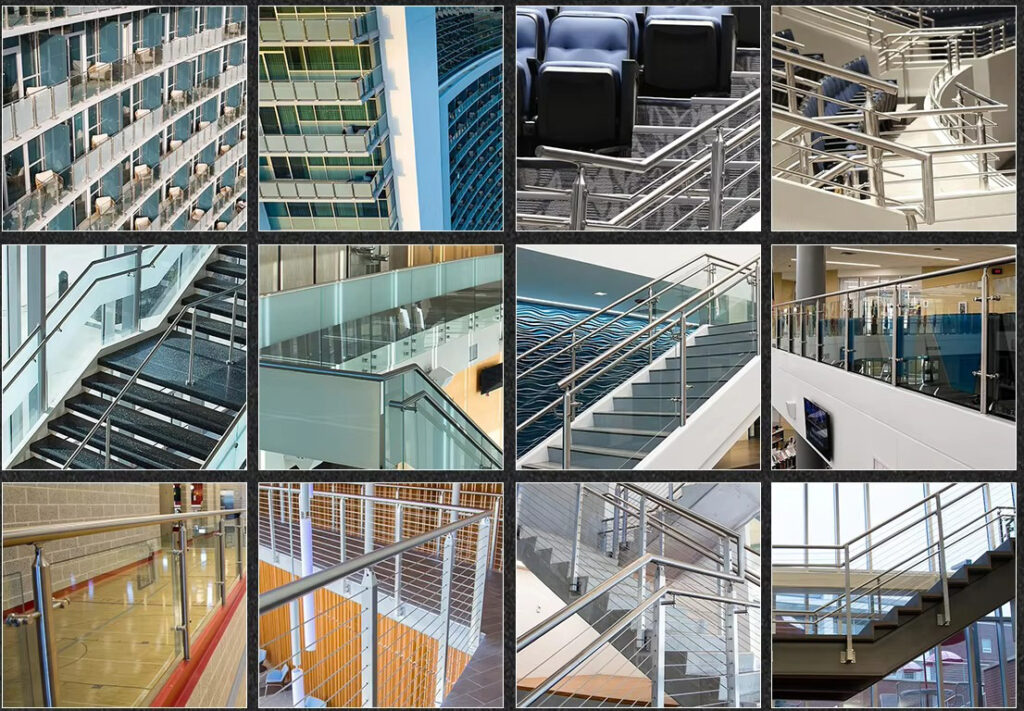
Productos de referencia