Pasamanos de pared
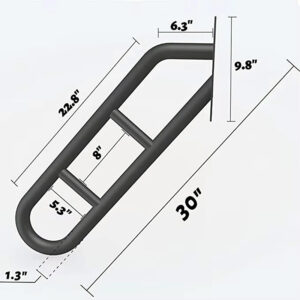
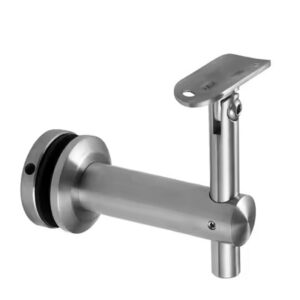
Pasamanos de pared
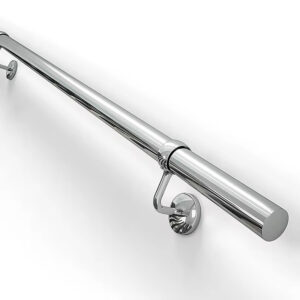
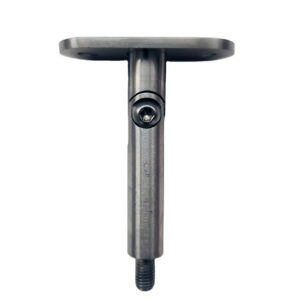
Los pasamanos de montaje en pared ESANG están diseñados para escaleras, rampas, pasillos, paredes interiores, paredes de hormigón, paredes de mampostería y aplicaciones arquitectónicas con montaje lateral, en las que el pasamanos se fija directamente a una pared o superficie estructural.
Esta categoría incluye Barandillas de pared de acero inoxidable, Soportes ajustables para pasamanos de pared, Sistemas de barandillas para muros continuos, Barandillas de pared de alta resistencia, Barandillas de pared que cumplen con la ADA, Sistemas de barandillas con tubos redondos, y Sistemas de barandillas con tubos cuadrados.
En el caso de los contratistas, distribuidores, fabricantes y responsables de compras de proyectos, a la hora de seleccionar barandillas de pared se deben tener en cuenta el material de la pared, la distancia entre soportes, la distancia de saliente, el espacio libre respecto a la pared, el perfil de la barandilla, el diseño de los extremos, el tipo de acero inoxidable, el acabado superficial y los requisitos del proyecto. ESANG puede fabricar componentes para barandillas de pared de acuerdo con los planos, las dimensiones, el tipo de material, los requisitos de acabado y las condiciones de instalación.
Opciones de barandillas de pared
| Opción | Ideal para | Preguntas clave para la selección |
|---|---|---|
| Barandillas de pared de acero inoxidable | Proyectos generales de barandillas montadas en la pared para escaleras, pasillos, rampas e interiores comerciales | ¿Qué perfil de tubo, calidad del material, acabado, tipo de soporte y estado de la pared se requieren? |
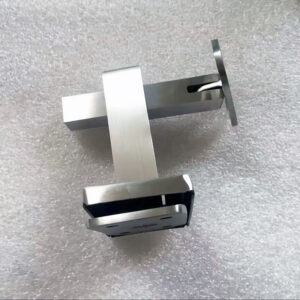
| Soportes ajustables para pasamanos de pared | Escaleras, rampas, paredes irregulares y proyectos que requieran ajustes de ángulo o altura | ¿Qué rango de ajuste, qué proyección del soporte y qué diseño de soporte para el tubo se necesitan? |
| Sistemas de barandillas para muros continuos | Tramos largos, rampas, recorridos comerciales y zonas de circulación orientadas a la accesibilidad | ¿Dónde se encuentran las uniones, los codos, los retornos y las transiciones? |
| Barandillas de pared de alta resistencia | Edificios públicos, pasillos muy transitados, zonas de acceso industrial y aplicaciones de montaje en pared que requieren una mayor resistencia | ¿Qué separación entre soportes, tipo de pared, tipo de anclaje y dimensiones del pasamanos se requieren? |
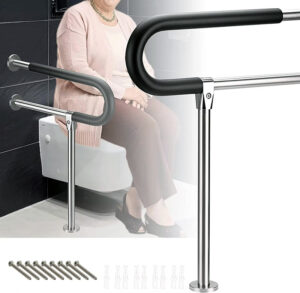
| Barandillas de pared que cumplen con la ADA | Proyectos que deben tener en cuenta los aspectos relacionados con la ADA y un diseño centrado en la accesibilidad | ¿Qué requisitos se especifican en cuanto al perfil de agarre, la distancia a la pared, la altura del pasamanos, el diseño del retorno y la continuidad? |
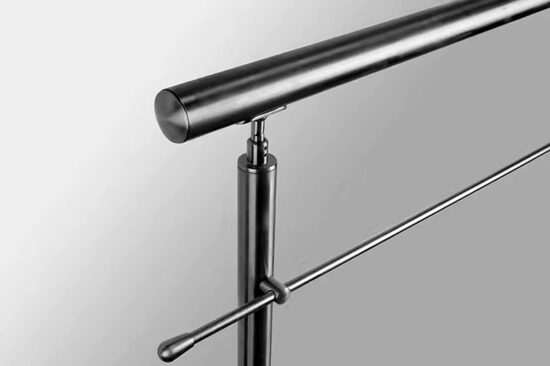
| Sistemas de barandillas con tubos redondos | Aplicaciones que garantizan un agarre cómodo: escaleras, rampas, pasillos y numerosos proyectos de barandillas en el ámbito comercial | ¿Qué diámetro de tubo, tipo de soporte de sillín, acabado y estilo de remate se requieren? |
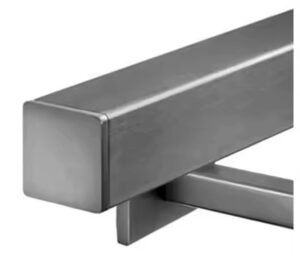
| Sistemas de barandillas con tubos cuadrados | Interiores de arquitectura moderna, estilos de diseño lineales y proyectos que combinan elementos de barandilla cuadrados o rectangulares | ¿Qué tamaño de tubo, tipo de cabeza de soporte, detalle de las esquinas y acabado deben ajustarse al diseño del proyecto? |
Cómo elegir barandillas de pared
Una barandilla montada en la pared utiliza la pared como superficie de apoyo principal. Antes de elegir el perfil del tubo o el acabado, el equipo del proyecto debe confirmar si la pared puede soportar la disposición de los soportes, qué espacio libre se requiere y cómo debe terminarse la barandilla en los extremos.
| Estado del proyecto | Dirección recomendada | Por qué es importante |
|---|---|---|
| Barandilla estándar para escaleras o pasillos | Utiliza pasamanos de pared de acero inoxidable con soportes fijos a la pared y un perfil de tubo adecuado | Se trata de una solución habitual para vías de circulación comerciales, residenciales y públicas. |
| Inclinación de las escaleras, pendiente de las rampas o terreno irregular | Utiliza soportes ajustables para barandillas de pared o herrajes con ángulo ajustable | El ajuste ayuda a compensar las tolerancias de la obra y los cambios de dirección del pasamanos. |
| Rampa larga o recorrido de circulación continuo | Utiliza sistemas de barandillas continuas con codos, conectores y detalles de retorno. | La continuidad mejora la usabilidad y puede ser un requisito de las especificaciones del proyecto. |
| Entornos con mucho tráfico o de acceso público | Utilice pasamanos de pared de alta resistencia con una separación adecuada entre los soportes y los detalles de anclaje correspondientes. | El uso frecuente hace que la resistencia de las paredes, la disposición de los soportes y el acceso para el mantenimiento cobren mayor importancia. |
| Proyecto centrado en la accesibilidad | Utilice pasamanos de pared adaptados a la ADA y fabricados según las dimensiones especificadas | El equipo del proyecto debe confirmar el tamaño de la sujeción, la distancia a la pared, la altura, el diseño del retorno y la continuidad. |
| Requisitos del diseño de interiores moderno | Elige sistemas de barandillas con tubos redondos o cuadrados según tus preferencias de agarre y el estilo estético que desees. | La forma del tubo influye en la comodidad de la mano, la compatibilidad con los soportes y el aspecto arquitectónico. |
Consideraciones relativas a las paredes, los soportes y los espacios libres
Las barandillas montadas en la pared requieren una coordinación entre el tubo de la barandilla, el soporte de pared, el sustrato de la pared y la distancia de instalación. Un tubo de acero inoxidable resistente por sí solo no garantiza una barandilla fiable si la pared, el soporte o los anclajes elegidos no son adecuados para el proyecto.
| Asunto pendiente de confirmación | Por qué es importante | Comentarios típicos de los compradores |
|---|---|---|
| Material de las paredes | Las paredes de hormigón, mampostería, madera, acero y con estructura pueden requerir diferentes métodos de fijación | Tipo de pared, espesor del sustrato, fotos de la obra o planos de instalación |
| Distancia entre soportes | El espaciado influye en el soporte, la alineación y el número de brackets necesarios | Longitud del pasamanos, disposición del proyecto y condiciones de uso previstas |
| Distancia a la pared | El espacio libre influye en la comodidad de las manos y en los requisitos relacionados con la accesibilidad | Distancia necesaria entre la pared y la superficie de sujeción |
| Proyección del cuadro | El saliente determina la distancia a la que se encuentra el pasamanos respecto a la pared | Espesor del acabado de la pared, requisitos de holgura y preferencias de diseño |
| Fin de la devolución | Los retornos pueden mejorar la seguridad y ayudar a completar el recorrido del pasamanos | Requisitos de retorno a la pared, retorno al suelo, extremo cerrado o retorno a medida |
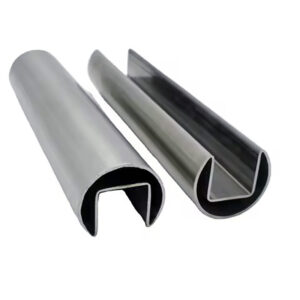
| Perfil de tubo | Los tubos redondos y cuadrados ofrecen una sensación de agarre diferente y no son compatibles con los mismos soportes. | Diámetro del tubo, tamaño del tubo, plano o muestra |
Barandillas de pared con tubos redondos frente a barandillas de pared con tubos cuadrados
Los pasamanos de tubo redondo y cuadrado se adaptan a diferentes preferencias de diseño y usabilidad. La elección adecuada depende del estilo del proyecto, los requisitos de agarre, el tipo de soporte y el sistema de barandilla circundante.
| Perfil de tubo | Ventajas habituales | Aspectos generales a tener en cuenta |
|---|---|---|
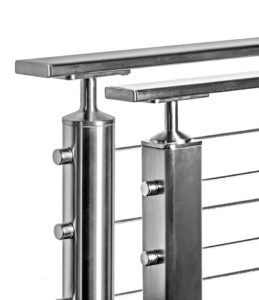
| Barandillas de tubo redondo | Agarre cómodo, compatible con los soportes habituales, muy utilizado en escaleras y rampas | Confirma el diámetro del tubo, la forma del soporte, la tapa del extremo y los detalles del retorno. |
| Barandillas de tubo cuadrado | Aspecto lineal y moderno, que combina con postes cuadrados y detalles arquitectónicos rectangulares | Comprueba la comodidad de los bordes, el diseño de la cabeza del soporte, la unión de las esquinas y el acabado de los extremos. |
| Perfiles de tubo a medida | Puede adaptarse a los planos del proyecto, al diseño de la marca o a los elementos arquitectónicos del entorno | Comprueba la viabilidad de fabricación, la compatibilidad de los soportes, el acabado y el método de instalación. |
Materiales, acabados y fabricación a medida
Las barandillas de montaje en pared de ESANG pueden fabricarse según los requisitos de cada proyecto, incluyendo el tipo de material, el perfil del tubo, el diseño de los soportes, la distancia a la pared, la distancia de saliente, el acabado superficial, el diseño de los extremos y los requisitos de embalaje.
| Material o acabado | Uso habitual | Notas |
|---|---|---|
| Acero inoxidable 304 | Barandillas de paredes interiores, pasillos comerciales, escaleras residenciales y entornos secos | Una opción habitual en muchos proyectos de barandillas montadas en la pared en interiores. |
| Acero inoxidable 316 | Barandillas de exterior, zonas húmedas, proyectos junto a piscinas y entornos con mayor riesgo de corrosión | Se suele preferir cuando se requiere una mayor resistencia a la corrosión. |
| Acero inoxidable 316L | Proyectos que requieren una mejor soldabilidad o un comportamiento frente a la corrosión más exigente | Adecuado cuando las especificaciones exigen acero inoxidable con bajo contenido en carbono. |
| Acabado cepillado o satinado | Interiores comerciales, pasillos públicos, escaleras, rampas y zonas de mucho tránsito | Ayuda a reducir la visibilidad de las huellas dactilares y las pequeñas marcas de uso. |
| Pulido espejo | Interiores decorativos, hoteles, villas y aplicaciones visuales premium selectas | Aporta un aspecto brillante, pero requiere un manejo y una limpieza más cuidadosos. |
En el caso de proyectos no estándar, los clientes pueden facilitar planos, las condiciones de las paredes, las dimensiones de los tubos, los requisitos de los soportes, los requisitos de acabado, los detalles de los extremos y las condiciones de instalación. ESANG puede analizar dichos requisitos y fabricar componentes para barandillas de pared que se ajusten a las especificaciones del proyecto, siempre que sea posible.
Hardware compatible y componentes relacionados
Los pasamanos de montaje en pared deben especificarse junto con los soportes, los conectores, los remates y los detalles de fijación. Un mismo tubo de pasamanos puede requerir diferentes elementos de fijación dependiendo de si el proyecto es una escalera, una rampa, un pasillo, una vía de acceso público o una instalación interior a medida.
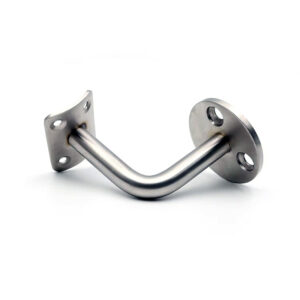
- Para la fijación a la pared, elige un producto compatible Soportes de pared en función del material de la pared, la saliente del soporte y el perfil del tubo.
- Para modificar el ángulo y ajustar el campo de visión, utiliza Soportes ajustables o herrajes para barandillas de pared con ángulo ajustable.
- Para ejecuciones continuas, utiliza Conectores de carril, codos, curvas, extremos de retorno y accesorios de esquina.
- En los proyectos en los que se combinen pasamanos de pared con postes de barandilla, hay que coordinarlo con Postes de acero inoxidable y detalles de los rieles montados en postes.
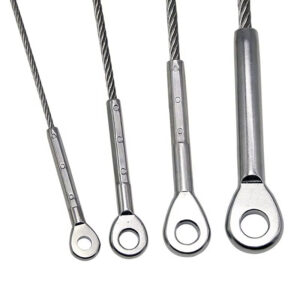
- En el caso de las barandillas de cristal o de cable, es posible que los pasamanos de pared deban combinarse con los paneles de cristal, los rellenos de cable, los postes o los travesaños superiores.
Adaptación a los requisitos relacionados con la ADA y específicos de cada proyecto
Los pasamanos de pared suelen fabricarse de acuerdo con los planos del proyecto y los requisitos de accesibilidad. Los clientes pueden especificar la altura del pasamanos, el perfil del agarre, la distancia a la pared, la separación entre soportes, el diseño del retorno, el perfil del tubo, la calidad del material y el acabado superficial.
Para proyectos en EE. UU. centrados en la accesibilidad, ESANG puede fabricar componentes de barandillas de pared que cumplan los requisitos de la ADA, siempre que se faciliten las dimensiones y especificaciones necesarias. El cumplimiento definitivo depende del sistema completo de barandillas instalado, del estado de la pared, del método de instalación, del diseño del proyecto y de la normativa local aplicable.
Consideraciones sobre la instalación y la normativa
Los pasamanos de montaje en pared deben evaluarse como un sistema completo ya instalado. Antes de la fabricación o la instalación, deben confirmarse el diámetro de los tubos del pasamanos, la disposición de los soportes, el sustrato de la pared, la elección de los anclajes, el diseño de los retornos y el espacio libre.
- Material de la pared y resistencia del sustrato
- Altura del pasamanos y superficie de agarre
- Distancia a la pared y saliente del soporte
- Distancia entre soportes y selección de anclajes
- Perfil del tubo y diseño del retorno en los extremos
- Requisitos relativos a la barandilla continua a lo largo de escaleras o rampas
- Entornos interiores, exteriores, húmedos o costeros
- Requisitos del código de construcción local y de las especificaciones del proyecto
En Normas ADA 2010 para el diseño accesible proporcionan requisitos de referencia para proyectos en EE. UU. relacionados con los pasamanos, incluyendo la altura, el espacio libre, la superficie de agarre y la continuidad. Estas referencias deben considerarse recursos de planificación, y el cumplimiento definitivo debe ser confirmado por el proyectista, el ingeniero, el contratista o la autoridad local.
Escenarios de aplicación
Corredores comerciales y edificios públicos
Los pasamanos de montaje en pared se utilizan habitualmente en edificios de oficinas, hoteles, colegios, hospitales, centros comerciales, edificios públicos e instalaciones de transporte. Estos proyectos suelen requerir materiales duraderos, un acabado uniforme, una disposición fiable de los soportes y unas instrucciones de instalación claras.
Escaleras y rampas
Las escaleras y las rampas suelen requerir pasamanos fijados a la pared, prestando especial atención a la altura, el espacio libre, la continuidad, la separación entre soportes y el diseño de los retornos. Los soportes ajustables y los conectores de pasamanos continuos pueden resultar útiles en tramos inclinados o con cambios de dirección.
Edificios residenciales y de viviendas en bloque
Las barandillas de pared para uso residencial se utilizan en casas, pisos, chalés y edificios de viviendas. Estos proyectos suelen centrarse en ofrecer un agarre cómodo, un aspecto limpio, compatibilidad con los acabados y un desplazamiento seguro por las escaleras o los pasillos.
Rutas centradas en la asistencia sanitaria y la accesibilidad
Los pasillos sanitarios, las rutas terapéuticas, las rampas y las zonas de acceso público pueden requerir pasamanos de pared que sean fáciles de limpiar y que se hayan fabricado de acuerdo con los requisitos especificados en cuanto a agarre, espacio libre y continuidad.
Zonas al aire libre y húmedas
Los pasamanos de exterior requieren prestar mayor atención a la calidad del material, el acabado superficial, los anclajes, los elementos de fijación y la limpieza. Se puede considerar el uso de acero inoxidable 316 o 316L para entornos húmedos, junto a piscinas, costeros o con mayor riesgo de corrosión.
Categorías de productos relacionados
- Barandillas de pared de acero inoxidable
- Soportes ajustables para pasamanos de pared
- Sistemas de barandillas para muros continuos
- Barandillas de pared de alta resistencia
- Barandillas de pared que cumplen con la ADA
- Sistemas de barandillas con tubos redondos
- Sistemas de barandillas con tubos cuadrados
- Soportes de pared
- Conectores de carril
Preguntas frecuentes
¿Qué es una barandilla de pared?
Un pasamanos de pared es un pasamanos que se fija directamente a una pared o a un soporte lateral mediante soportes de pared. Se utiliza habitualmente en escaleras, rampas, pasillos, vías de circulación públicas e interiores residenciales o comerciales.
¿Qué datos se necesitan para especificar los pasamanos de montaje en pared?
Entre la información útil se incluyen la longitud del pasamanos, el perfil del tubo, el tipo de material, el acabado superficial, el material de la pared, el tipo de soporte, la distancia entre soportes, la distancia a la pared, el diseño de los extremos, la cantidad, los planos y el entorno del proyecto.
¿Debería elegir pasamanos de tubo redondo o de tubo cuadrado?
Los pasamanos de tubo redondo suelen elegirse por su agarre cómodo y su amplia compatibilidad con los soportes. Los pasamanos de tubo cuadrado suelen elegirse por su aspecto arquitectónico moderno y por su armonía con elementos de diseño cuadrados o rectangulares. La elección final debe tener en cuenta el agarre, el estilo visual, la compatibilidad con los soportes y los requisitos del proyecto.
¿En qué casos resultan útiles los soportes ajustables para barandillas de pared?
Los soportes ajustables para barandillas de pared resultan útiles para escaleras, rampas, paredes irregulares, tolerancias de obra y diseños personalizados en los que los soportes fijos podrían no alinearse correctamente. Permiten ajustar el ángulo, la altura o la posición de la cabeza del soporte, en función del diseño.
¿Puede ESANG fabricar pasamanos de pared que cumplan los requisitos de la ADA?
Sí. Cuando los clientes facilitan las dimensiones y las especificaciones del proyecto necesarias, ESANG puede fabricar componentes de barandillas de pared que cumplan los requisitos de la ADA, tales como el perfil de agarre, la distancia a la pared, la altura de la barandilla, el diseño de los retornos y la continuidad. El cumplimiento definitivo depende del sistema instalado en su totalidad y de la normativa local aplicable.
¿Cuál es la diferencia entre los pasamanos de pared continuos y los pasamanos de pared estándar?
Los pasamanos de pared estándar pueden utilizarse para tramos más cortos o sencillos. Los sistemas de pasamanos de pared continuos se centran en tramos conectados, codos, retornos y transiciones, de modo que los usuarios puedan mantener una trayectoria de sujeción más uniforme a lo largo de escaleras, rampas o pasillos.
¿Cuándo deben utilizarse barandillas de pared de alta resistencia?
Se puede considerar la instalación de pasamanos de pared de alta resistencia en edificios públicos, pasillos muy transitados, vías de acceso industriales, escaleras comerciales o proyectos en los que se requieran soportes más resistentes, una mayor densidad de instalación o una fijación a la pared más sólida.
¿Debería elegir acero inoxidable 304 o 316 para los pasamanos de pared?
El acero inoxidable 304 se utiliza habitualmente en interiores y entornos secos. El acero inoxidable 316 suele ser la opción preferida para exteriores, entornos húmedos, junto a piscinas, en zonas costeras o en entornos con mayor riesgo de corrosión. El tipo de material definitivo debe seleccionarse en función de la exposición del proyecto y de las especificaciones.
¿Puede ESANG personalizar las dimensiones y los acabados de los pasamanos de pared?
Sí. ESANG puede fabricar barandillas de pared según planos, perfiles de tubos, calidades de material, diseños de soportes, distancias de saliente, requisitos de separación respecto a la pared, detalles de los extremos, acabados superficiales y necesidades de embalaje.
¿Cómo se deben mantener los pasamanos de pared de acero inoxidable?
Para la limpieza habitual se suele utilizar un detergente suave, agua limpia y un paño suave. Evita los productos de limpieza a base de cloro, la lana de acero y los utensilios abrasivos. Las instalaciones al aire libre, en zonas húmedas o costeras deben limpiarse con mayor frecuencia para reducir la contaminación de la superficie y mantener su aspecto.
Related Posts:
Diseño de barandillas para muelles y embarcaderos: postes, relleno, acceso y fijación
Planifica el trazado de los muelles y embarcaderos teniendo en cuenta la ubicación de los postes, los módulos de relleno, las esquinas, las puertas, las vías de acceso, los bordes del sustrato y la responsabilidad del montaje.
Coastal Railing Exposure: Salt Air, Splash, and Cleaning Access
Separate airborne salt, direct splash, retained wetness, deposits, and cleaning access before choosing coastal railing materials and details.
Replacing Core-Mounted Posts With Surface Bases: Precheck
Check the existing opening, slab condition, edge geometry, drainage, and revised load path before converting an embedded post to a surface base.
Railing Post Base RFQ Checklist for Project Buyers
Request comparable base hardware, substrate inputs, finishes, drawings, anchor boundaries, samples, and inspection documents in one project RFQ.
Adjustable Railing Post Bases for Sloped or Uneven Surfaces
Compare adjustable bases against the actual slope, bearing surface, leveling range, finish interface, and fixing access before selecting a detail.
Railing Post Base Anchors: Inputs for Engineering Review
Define substrate, geometry, loads, exposure, and anchor evidence before engineering review so a hardware label is not mistaken for a connection design.
Proyectos de Esang

Certificado de Esang
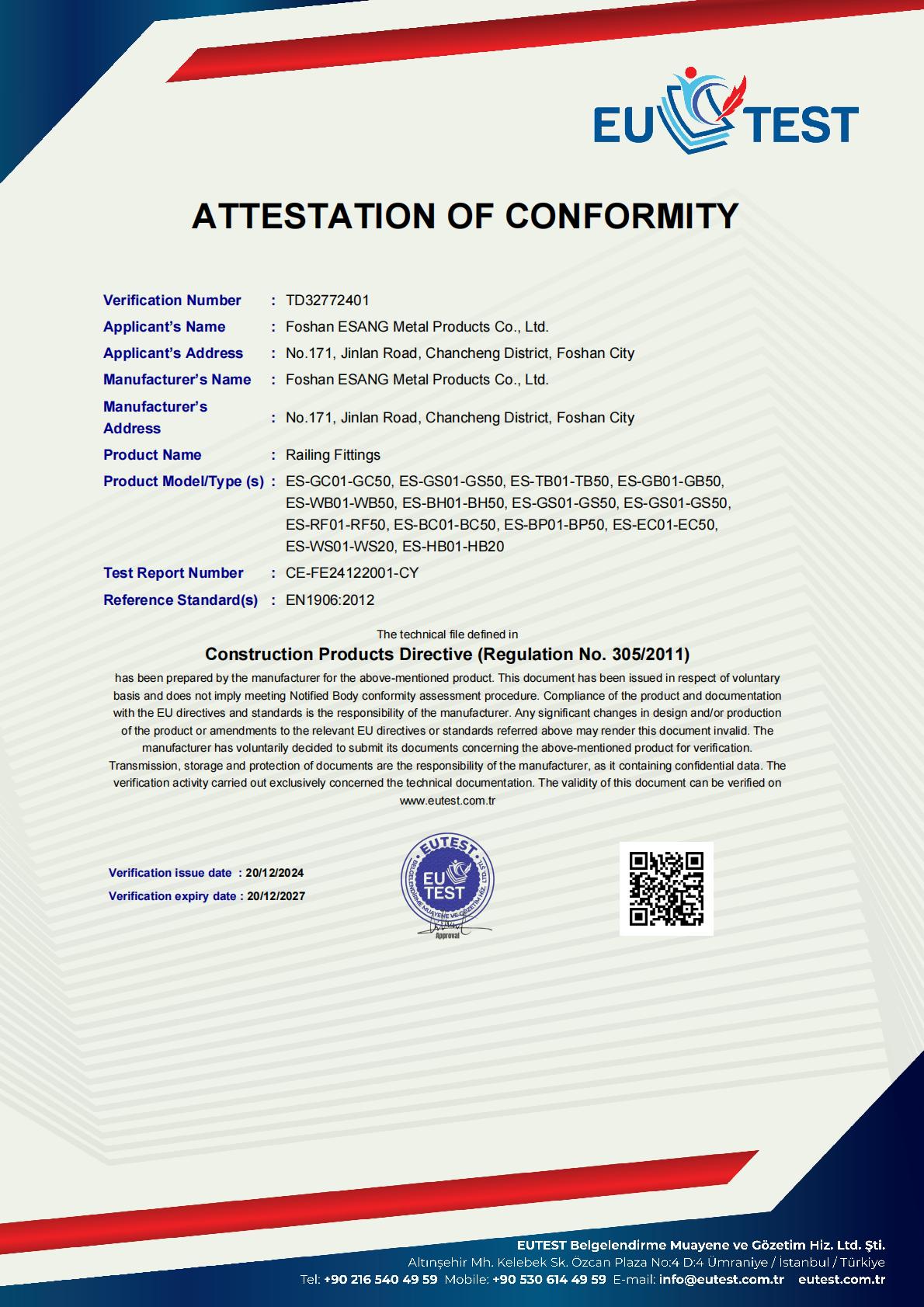
Foshan ESANG Metal Products se enorgullece de mantener Certificación CE (Verificación n.º TD32772401) en virtud de la Directiva sobre productos de construcción (Reglamento n.º 305/2011), lo que afirma nuestro compromiso con los más altos estándares europeos de seguridad y calidad.
Gama de productos certificados:
Nuestra amplia gama de herrajes para barandillas, que incluye abrazaderas de vidrio, tensores, soportes, soportes de pared, zapatas, herrajes para pasamanos, herrajes para cables y componentes para postes, satisface los requisitos más exigentes. EN1906:2012 garantizando la integridad estructural y la fiabilidad del rendimiento en todas las instalaciones.
Qué significa esto para su proyecto:
✓ Cumplimiento total de la normativa para los mercados europeos e internacionales
✓ Rendimiento de seguridad y durabilidad verificado de forma independiente.
✓ Soporte de documentación para las especificaciones arquitectónicas
✓ Tranquilidad gracias a la garantía de calidad de terceros
Certificación válida hasta 2027 | Informe de pruebas: CE-FE24122001-CY
Proyectos de Esang

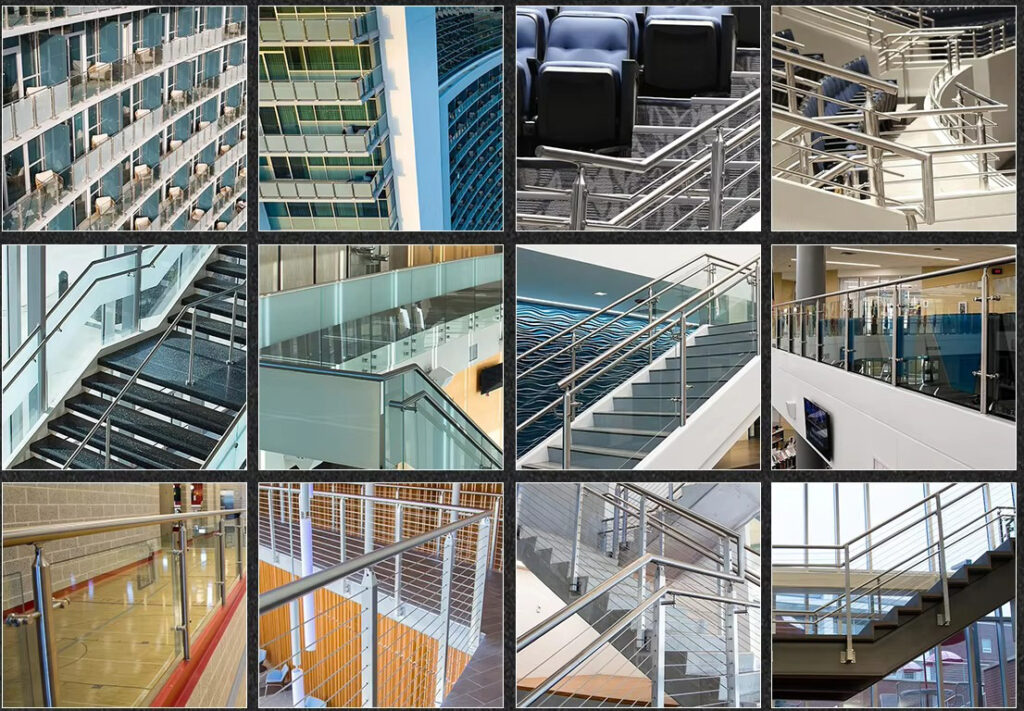
Productos de referencia