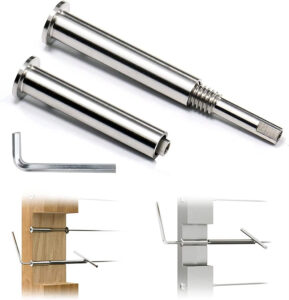
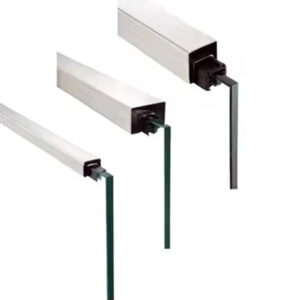
Terminales de cable
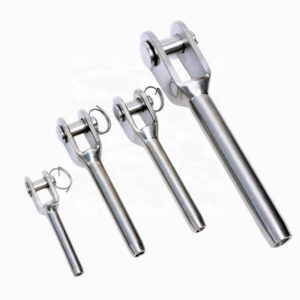
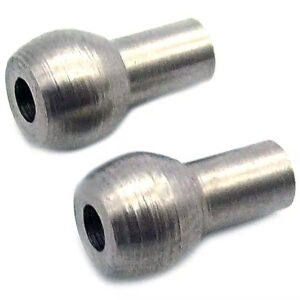
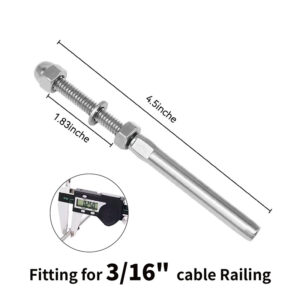
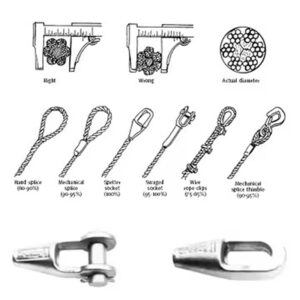
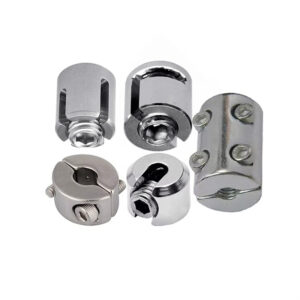
Terminales de cable
Los accesorios de extremo de cable ESANG se utilizan para fijar el cable de acero inoxidable en los postes finales, los postes terminales, los puntos de tensión, las conexiones a la pared u otros puntos de conexión fijos en los sistemas de barandillas de cable. Ayudan a completar el recorrido del cable y a conectarlo a la estructura de la barandilla circundante.
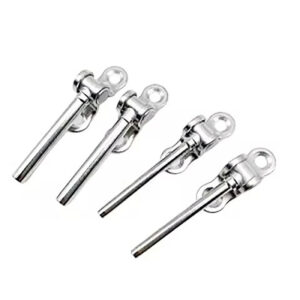
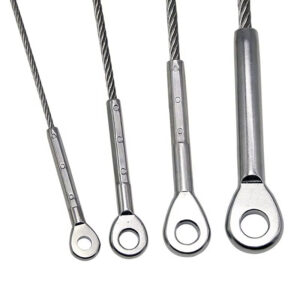
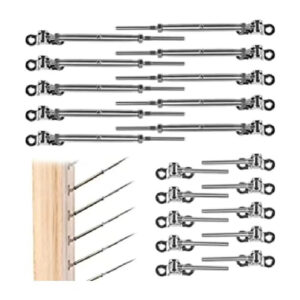
Esta categoría incluye Topes para extremos de cable, Terminales de cable prensados, Accesorios roscados para extremos de cable, Terminales de cable con extremo esférico, Terminales de cable para el extremo de la horquilla, y Accesorios de cable con extremo en forma de ojo.
En el caso de los contratistas, distribuidores, fabricantes y responsables de compras de proyectos, a la hora de seleccionar los accesorios para extremos de cable se deben tener en cuenta el diámetro del cable, el diseño del poste terminal, el método de conexión, el tipo de montaje (prensado o roscado), la dirección del cable, los requisitos de tensión, la calidad del material, el acabado y el entorno de instalación. ESANG puede suministrar y fabricar accesorios para extremos de cable de acuerdo con los planos, el tamaño del cable, los detalles de la rosca, la calidad del material, los requisitos de acabado y las condiciones de instalación del proyecto.
Opciones de terminación de cables
| Opción de terminación | Ideal para | Preguntas clave para la selección |
|---|---|---|
| Topes para extremos de cable | Fijación o sujeción de los extremos de los cables en los puntos de conexión designados | ¿Qué diámetro de cable, tipo de tope, estado del poste y método de fijación se requieren? |
| Terminales de cable prensados | Extremos de cable preparados mediante compresión, montaje en fábrica o herramientas de prensado adecuadas | ¿Qué diámetro de cable, tipo de terminal, método de prensado y longitud final se necesitan? |
| Accesorios roscados para extremos de cable | Extremos de cable que requieren un ajuste roscado, una conexión o un montaje con otros accesorios | ¿Qué tamaño de rosca, diámetro de cable, rango de ajuste y componente de acoplamiento se necesitan? |
| Terminales de cable con extremo esférico | Puntos de conexión que utilizan una conexión de extremo esférico o un sistema de retención | ¿Qué calibre de cable, diámetro de la bola, características de la toma y estado del terminal deben coincidir? |
| Terminales de cable para el extremo de la horquilla | Extremos de cable que se conectan a lengüetas, placas, soportes o puntos de conexión tipo clavija | ¿Qué anchura de horquilla, diámetro de pasador, placa de conexión y ángulo del cable se requieren? |
| Accesorios de cable con extremo en forma de ojo | Extremos de cable que se conectan a pernos, pasadores, ganchos o puntos de conexión de bucle cerrado | ¿Qué tamaño de ojal, diámetro de cable, accesorios de conexión y alineación se requieren? |
Cómo elegir los accesorios para extremos de cable
Los accesorios para los extremos de los cables deben seleccionarse en función del tipo de terminación del cable. El accesorio debe adaptarse al diámetro del cable, al estado del poste o del soporte, al método de tensado y a la secuencia de instalación.
| Estado del proyecto | Dirección recomendada | Por qué es importante |
|---|---|---|
| El cable necesita un extremo de sujeción sencillo. | Utiliza topes para los extremos de los cables | Los topes ayudan a sujetar el cable en un punto terminal determinado. |
| El cable se preparará en fábrica o se comprimirá con una herramienta. | Utiliza terminales de cable prensados | Los terminales prensados requieren un diámetro de cable, un método de compresión y una longitud final adecuados. |
| La conexión final requiere un ajuste o montaje roscado | Utiliza conectores roscados para los extremos de los cables | Los accesorios roscados pueden acoplarse a tuercas, tensores, postes u otros elementos de fijación roscados. |
| La unión utiliza un detalle tipo lengüeta o horquilla. | Utiliza terminales de cable para el extremo de la horquilla | Los extremos de la horquilla deben ajustarse al grosor de la placa, al tamaño del pasador y al ángulo del cable. |
| La unión se realiza mediante un pasador, un perno o un lazo. | Utiliza conectores de cable con extremo en forma de ojo | Los extremos de los ojales deben coincidir con los accesorios de conexión y la alineación. |
| Los detalles de la terminal dependen de cada proyecto. | Utiliza terminales esféricos o accesorios de conexión a medida, según lo requiera el diseño. | Los diseños especiales de terminales deben confirmarse mediante planos o muestras. |
Tipos de accesorios de extremo y sus funciones
Los accesorios de extremo de cable completan el recorrido del cable. No son lo mismo que los accesorios de paso ni las barras espaciadoras, y no deben seleccionarse sin antes comprobar el borne o el punto de conexión.
| Tipo de conexión final | Función principal | Aspectos generales a tener en cuenta |
|---|---|---|
| Topes finales de cable | Fijar o detener el extremo del cable en un punto determinado | Diámetro del cable, forma del tope, detalles de la pieza de recepción y método de instalación |
| Terminales prensados | Realizar un remate fijo del cable mediante compresión o preparación de fábrica | Diámetro del cable, proceso de prensado, forma del terminal y longitud final del cable |
| Accesorios con extremos roscados | Conecta los extremos del cable a los elementos de fijación roscados o deja margen para el ajuste | Tamaño de la rosca, compatibilidad con tuercas o tensores, rango de ajuste y detalles del poste |
| Terminales con extremo esférico | Incluir un elemento de sujeción o de remate redondeado | Diámetro de la bola, orificio de recepción, tamaño del cable y estado del extremo |
| Terminales de extremo de horquilla | Conecta el cable a una lengüeta, una placa, una horquilla o un soporte tipo pasador | Ancho de la horquilla, diámetro del pasador, grosor del soporte y ángulo del cable |
| Accesorios de extremo con ojal | Conecta el cable a un perno, un pasador, un gancho o un punto de bucle cerrado | Tamaño del ojal, herrajes de fijación, orientación del cable y alineación |
Planificación de los postes terminales y las conexiones finales
Los accesorios para los extremos de los cables deben planificarse junto con los bornes y los detalles de conexión de los extremos. Un accesorio que funcione con una disposición de bornes concreta puede no funcionar con otra si el orificio, la placa, la rosca o la orientación del cable son diferentes.
| Punto del orden del día | Qué hay que confirmar | Hardware relacionado |
|---|---|---|
| Tipo de poste terminal | Terminales redondos, cuadrados, rectangulares, de montaje lateral o a medida | Accesorios de remate, tensores, herrajes para postes pasantes, agujeros para postes |
| Diámetro del cable | Diámetro y estructura del cable utilizado en el sistema de barandilla | Terminales estampados, racores roscados, topes, extremos en horquilla, extremos con ojal |
| Longitud final del cable | Distancia entre los puntos terminales y margen de ajuste | Terminales prensados, racores roscados, tensores |
| Ángulo del cable | Recto, en escalera, en ángulo o en esquina | Extremos en forma de horquilla, extremos con ojal, racores multiángulo, accesorios de terminación |
| Punto de tensado | Tanto si la tensión se produce en el mismo extremo como en otro punto | Tensores de cable, racores roscados, tensores de cable, bornes |
Materiales, acabados y fabricación a medida
Los terminales para cables ESANG pueden suministrarse o fabricarse según los requisitos del proyecto, incluyendo el diámetro del cable, la forma del terminal, los detalles de la rosca, la anchura de la horquilla, el tamaño del ojal, el diseño del extremo esférico, el tipo de material, el acabado superficial y los requisitos de embalaje.
| Material o acabado | Uso habitual | Notas |
|---|---|---|
| Acero inoxidable 304 | Sistemas de barandillas con cable para interiores, interiores comerciales, escaleras residenciales y entornos secos | Una opción habitual en muchos proyectos de barandillas de cable para interiores. |
| Acero inoxidable 316 | Barandillas de cable para exteriores, proyectos costeros, zonas junto a piscinas, cubiertas, terrazas y entornos húmedos | Se suele preferir cuando se requiere una mayor resistencia a la corrosión. |
| Acero inoxidable 316L | Proyectos que requieren una mejor soldabilidad o un comportamiento frente a la corrosión más exigente | Adecuado cuando las especificaciones exigen acero inoxidable con bajo contenido en carbono. |
| Acabado cepillado o satinado | Barandillas de cable para uso comercial, terrazas, balcones y la mayoría de los proyectos arquitectónicos de barandillas de cable | Ayuda a disimular las pequeñas marcas de uso y las huellas dactilares. |
| Pulido espejo | Aplicaciones decorativas o de alta gama | Ofrece un aspecto más brillante, pero requiere un manejo y una limpieza más cuidadosos. |
Para proyectos de barandillas de cable no estándar, los clientes pueden facilitar planos, el diámetro del cable, los detalles de los postes terminales, los requisitos de roscado, las dimensiones de las horquillas o los ojales, los requisitos de acabado y las condiciones del entorno del proyecto. ESANG puede analizar los requisitos y fabricar accesorios para los extremos de los cables que se ajusten a las especificaciones del proyecto, siempre que sea posible.
Compatibilidad con los componentes de barandillas de cable
Los herrajes de los extremos de los cables deben seleccionarse junto con los tensores, los herrajes para cables, los postes y los accesorios de paso. El herraje del extremo es solo una de las piezas del conjunto completo de la barandilla de cable.
- Para ajustar la tensión, haz coincidir los accesorios de los extremos del cable con Tensores y tensores de cable.
- Para el montaje general y el trazado de rutas, consulta Accesorios para cables.
- Para el paso del cable por los postes intermedios, coordínese con Herrajes pasantes.
- En cuanto a las condiciones finales de los postes, coordínate con Postes de acero inoxidable y componentes de bornes.
- Para tramos más largos o para controlar el espaciado, consulta Barras separadoras de cables cuando sea necesario.
Adaptación a los requisitos del proyecto
Muchos proyectos de accesorios para extremos de cable se personalizan en función del diámetro del cable, el diseño del terminal, los detalles de la rosca, la forma del terminal, el ángulo del cable, la calidad del material y el entorno de instalación. ESANG puede ofrecer terminales personalizados, terminales de cable prensados, accesorios roscados para extremos de cable, terminales con extremo esférico, terminales con extremo en forma de horquilla y accesorios con extremo en forma de ojo.
Cuando un proyecto presenta requisitos basados en normas en relación con la altura de las barandillas, la separación entre cables, las limitaciones de abertura, la calidad de los materiales, la resistencia a la corrosión o el método de instalación, los clientes deben facilitar los planos y las especificaciones requeridos. ESANG puede fabricar los accesorios para los extremos de los cables de acuerdo con los detalles facilitados, aunque el cumplimiento final depende del sistema instalado en su totalidad, del diseño estructural, del método de instalación y de la normativa local aplicable.
Consideraciones sobre la instalación y el proyecto
Los accesorios de los extremos de los cables deben revisarse antes de cortar, prensar o montar los cables. Es necesario confirmar conjuntamente el diseño de los bornes, la longitud del cable, el tipo de accesorio de extremo y el método de tensado.
- Diámetro y estructura del cable
- Tipo de poste terminal y detalles de la conexión final
- Accesorios de extremo estampados, roscados, de bola, en forma de horquilla, de ojo o de tope
- Longitud final del cable y margen de ajuste
- Punto de tensado y tipo de tensor compatible
- Ángulo del cable, tramo de escalera, estado de las esquinas o trazado en línea recta
- Orificio para poste, soporte, lengüeta, placa o elemento de fijación
- Calidad del material para entornos interiores, exteriores, costeros o junto a piscinas
- Requisitos del código de construcción local y de las especificaciones del proyecto
En el caso de proyectos de barandillas de cable para terrazas, balcones, escaleras, patios y zonas de acceso público, el sistema completo una vez instalado debe ser revisado por el diseñador del proyecto, el ingeniero, el contratista o la autoridad local. ESANG puede fabricar los accesorios de extremo según los requisitos proporcionados, pero el cumplimiento normativo definitivo depende del montaje completo y de las condiciones del lugar de instalación.
Escenarios de aplicación
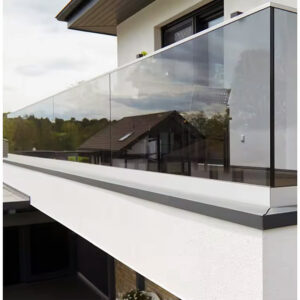
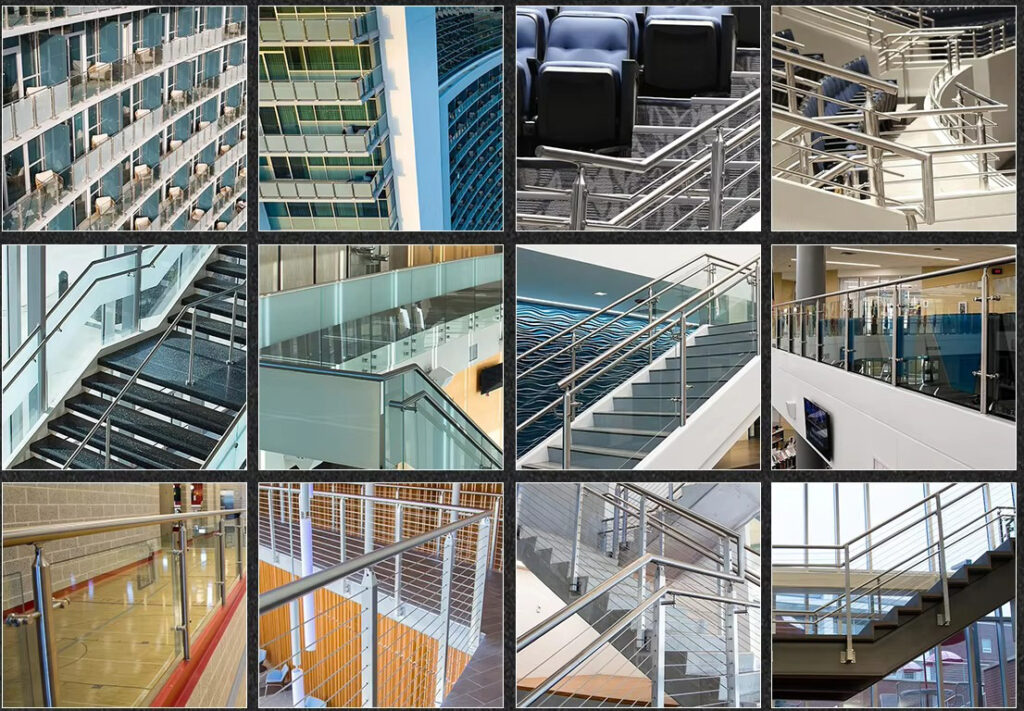
Barandillas de cable para terrazas y balcones
Los accesorios para extremos de cable se utilizan habitualmente en los postes terminales de los sistemas de barandillas para terrazas y balcones. Antes de realizar el pedido, es necesario confirmar el diámetro del cable, el tipo de poste, la ubicación del terminal y el método de tensado.
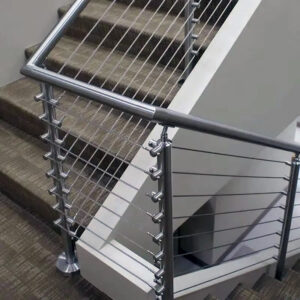
Barandillas de cable para escaleras
Los sistemas de barandillas de cable para escaleras pueden requerir extremos en forma de horquilla, extremos con argolla, accesorios roscados o elementos terminales compatibles con ángulos. Se deben analizar conjuntamente la inclinación de la escalera, el ángulo del cable y el diseño de los postes terminales.
Sistemas de barandillas de cable para uso comercial
Los edificios comerciales, las oficinas, los espacios públicos y los proyectos del sector hotelero pueden requerir accesorios repetibles para los extremos de los cables que ofrezcan un acabado uniforme, un montaje fiable y una compatibilidad clara con los postes y los tensores.
Barandillas de cable para exteriores y zonas costeras
Los entornos al aire libre, junto a piscinas, costeros y húmedos requieren prestar mayor atención a la calidad del material, la limpieza y la resistencia a la corrosión. Para condiciones de exposición más exigentes, se puede considerar el uso de acero inoxidable 316 o 316L.
Conjuntos de cables a medida
Custom cable assemblies may require special thread sizes, fork dimensions, eye sizes, ball ends, or end stop details. Drawings, samples, and cable diameter help confirm the correct fitting design.
Categorías de productos relacionados
- Topes para extremos de cable
- Terminales de cable prensados
- Accesorios roscados para extremos de cable
- Terminales de cable con extremo esférico
- Terminales de cable para el extremo de la horquilla
- Accesorios de cable con extremo en forma de ojo
- Tensores y tensores de cable
- Accesorios para cables
- Herrajes pasantes
Preguntas frecuentes
What are cable end fittings used for?
Cable end fittings are used to terminate stainless steel cable at end posts, terminal posts, brackets, tensioning points, or other fixed connection points in cable railing systems.
What is the difference between cable end fittings and cable tensioners?
Cable end fittings terminate or connect the cable at the end of a run. Cable tensioners adjust and maintain cable tension. Some cable railing assemblies may use both end fittings and tensioners together.
When should swaged cable terminals be used?
Swaged cable terminals are used when the cable end is compressed onto the fitting using suitable tools or factory preparation. Cable diameter, swaging method, and finished cable length should be confirmed before production.
When should threaded cable end fittings be used?
Threaded cable end fittings are useful when the cable end needs to connect to threaded hardware, nuts, tensioners, or adjustable components. Thread size and mating parts should be confirmed before ordering.
What are fork end cable terminals used for?
Fork end cable terminals connect cable to tabs, plates, brackets, or pin-style connection points. Fork width, pin diameter, and bracket thickness should be matched to the project detail.
What are eye end cable fittings used for?
Eye end cable fittings connect cable to bolts, pins, hooks, or closed-loop points. Eye size, cable diameter, connection hardware, and cable alignment should be confirmed.
Can ESANG customize cable end fittings?
Yes. ESANG can manufacture cable end stops, swaged terminals, threaded fittings, ball end terminals, fork ends, and eye ends according to cable diameter, drawings, material grade, finish, and project requirements.
Should I choose 304 or 316 stainless steel cable end fittings?
El acero inoxidable 304 se utiliza habitualmente en interiores y entornos secos. El acero inoxidable 316 suele ser la opción preferida para entornos exteriores, costeros, junto a piscinas, húmedos o con mayor riesgo de corrosión. El tipo definitivo debe seleccionarse en función de la exposición del proyecto y de las especificaciones.
What information is needed for a cable end fitting inquiry?
Useful information includes cable diameter, end fitting type, terminal post detail, thread size if required, fork or eye dimensions, material grade, finish, quantity, drawings, and project environment.
How should stainless steel cable end fittings be maintained?
Para la limpieza habitual se suele utilizar un detergente suave, agua limpia y un paño suave. Evite los productos de limpieza a base de cloro, la lana de acero y los utensilios abrasivos. Las instalaciones al aire libre, junto a la piscina y en la costa deben limpiarse con mayor frecuencia para reducir la contaminación de la superficie y mantener su aspecto.
Related Posts:
Diseño de barandillas para muelles y embarcaderos: postes, relleno, acceso y fijación
Planifica el trazado de los muelles y embarcaderos teniendo en cuenta la ubicación de los postes, los módulos de relleno, las esquinas, las puertas, las vías de acceso, los bordes del sustrato y la responsabilidad del montaje.
Coastal Railing Exposure: Salt Air, Splash, and Cleaning Access
Separate airborne salt, direct splash, retained wetness, deposits, and cleaning access before choosing coastal railing materials and details.
Replacing Core-Mounted Posts With Surface Bases: Precheck
Check the existing opening, slab condition, edge geometry, drainage, and revised load path before converting an embedded post to a surface base.
Railing Post Base RFQ Checklist for Project Buyers
Request comparable base hardware, substrate inputs, finishes, drawings, anchor boundaries, samples, and inspection documents in one project RFQ.
Adjustable Railing Post Bases for Sloped or Uneven Surfaces
Compare adjustable bases against the actual slope, bearing surface, leveling range, finish interface, and fixing access before selecting a detail.
Railing Post Base Anchors: Inputs for Engineering Review
Define substrate, geometry, loads, exposure, and anchor evidence before engineering review so a hardware label is not mistaken for a connection design.
Proyectos de Esang

Certificado de Esang

Foshan ESANG Metal Products se enorgullece de mantener Certificación CE (Verificación n.º TD32772401) en virtud de la Directiva sobre productos de construcción (Reglamento n.º 305/2011), lo que afirma nuestro compromiso con los más altos estándares europeos de seguridad y calidad.
Gama de productos certificados:
Nuestra amplia gama de herrajes para barandillas, que incluye abrazaderas de vidrio, tensores, soportes, soportes de pared, zapatas, herrajes para pasamanos, herrajes para cables y componentes para postes, satisface los requisitos más exigentes. EN1906:2012 garantizando la integridad estructural y la fiabilidad del rendimiento en todas las instalaciones.
Qué significa esto para su proyecto:
✓ Cumplimiento total de la normativa para los mercados europeos e internacionales
✓ Rendimiento de seguridad y durabilidad verificado de forma independiente.
✓ Soporte de documentación para las especificaciones arquitectónicas
✓ Tranquilidad gracias a la garantía de calidad de terceros
Certificación válida hasta 2027 | Informe de pruebas: CE-FE24122001-CY
Proyectos de Esang

Productos de referencia