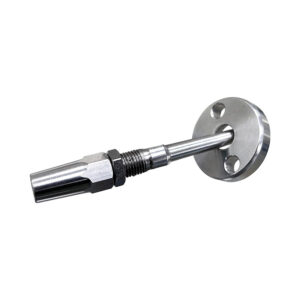
الشدادات والمشابك الدوارة
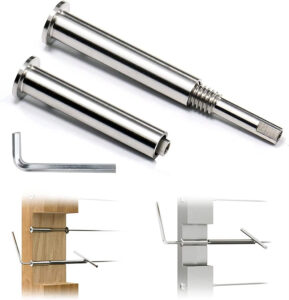
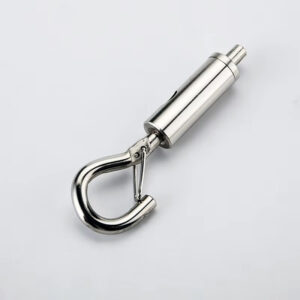
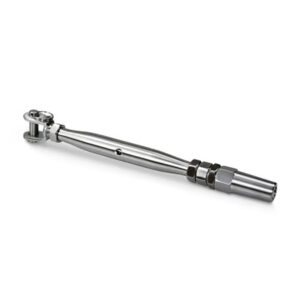
الشدادات والمشابك الدوارة
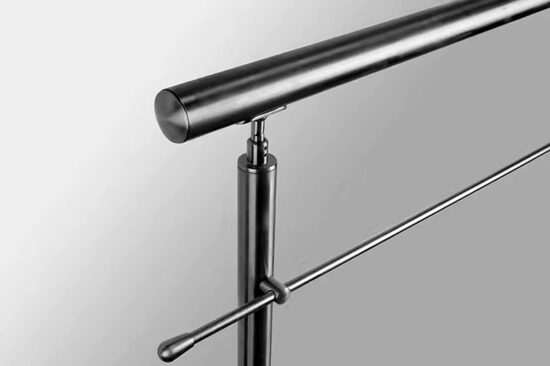
تُستخدم أدوات شد الكابلات والمشابك من ESANG لضبط شد الكابلات والحفاظ عليه في أنظمة الدرابزين المصنوعة من الكابلات الفولاذية المقاومة للصدأ. وهي تساعد في الحفاظ على محاذاة خطوط الكابلات عبر السلالم، والطوابق المفتوحة، والشرفات، والتراسات، ومشاريع الدرابزين المعمارية.
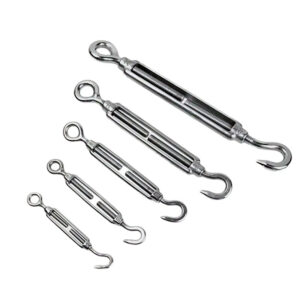
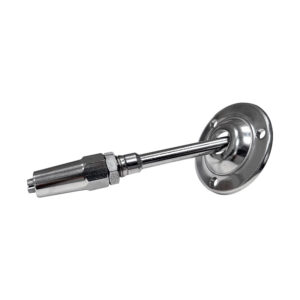
تشمل هذه الفئة أنظمة شد الكابلات, أجهزة شد الكابلات القابلة للتعديل, مشابك شد عالية التحمل, أجهزة شد الكابلات متعددة الزوايا, ، و أجهزة شد الكابلات بدون مشابك.
بالنسبة للمقاولين والموزعين والمصنعين ومشتري المشاريع، يجب أن يأخذ اختيار مشد الكابلات في الاعتبار قطر الكابل، ونطاق الضبط، وحالة عمود التوصيل، وزاوية الكابل، ونمط التركيب، وطريقة التجميع (سواء بالضغط أو بدون ضغط)، ودرجة جودة المادة، والتشطيب، وبيئة التركيب. يمكن لشركة ESANG توريد وتصنيع معدات شد الكابلات وفقًا للرسومات، وحجم الكابل، ودرجة جودة المادة، ومتطلبات التشطيب، وظروف التركيب في المشروع.
خيارات أجهزة شد الكابلات والمشابك القابلة للضبط
| خيار الشد | أفضل استخدام له هو | أسئلة أساسية حول الاختيار |
|---|---|---|
| أنظمة شد الكابلات | مجموعات الدرابزينات الكبلية العامة التي تتطلب تعديل الشد ومحاذاة الكابلات | ما هو قطر الكابل المطلوب، وحالة العمود، وموقع الشد، ونطاق الضبط؟ |
| أجهزة شد الكابلات القابلة للتعديل | المشاريع التي تتطلب إجراء تعديلات ميدانية، أو ضبطًا دقيقًا، أو مراقبة متكررة لمستوى الشد | ما مقدار التعديل المطلوب، وأين سيكون من الممكن الوصول إلى جهاز الشد؟ |
| مشابك شد عالية التحمل | مسارات الجري الطويلة، والأنظمة الخارجية، ودرابزينات الكابلات التجارية، وظروف الشد الأكثر قوة | ما هي أبعاد الكابل، وطول المسار، وقوة الدعامات، والتعرض للعوامل البيئية التي ينبغي مراجعتها؟ |
| أجهزة شد الكابلات متعددة الزوايا | درابزينات السلالم، والمسارات المائلة، والزوايا، وتصميمات الكابلات غير المستقيمة | ما هي زاوية الكابل، وميل الدرج، واتجاه الزاوية، ودرجة انثناء الوصلة المطلوبة؟ |
| أجهزة شد الكابلات بدون مشابك | المشاريع التي تفضل شد الكابلات دون الحاجة إلى التحضير التقليدي للأطراف المضغوطة | ما هو قطر الكابل، وطريقة التجميع، وأدوات التركيب، ونطاق الضبط المطلوب؟ |
كيفية اختيار أجهزة شد الكابلات
ينبغي اختيار أجهزة شد الكابلات وفقًا للمكان الذي سيتم فيه ضبط الكابل وطريقة مد مسار الكابل. فقد يتطلب مسار الكابل المستقيم على الشرفة، أو مسار الكابل على الدرج، أو حالة الزاوية تفاصيل شد مختلفة.
| حالة المشروع | الاتجاه الموصى به | ما أهمية ذلك |
|---|---|---|
| مسار الكابل مستقيم وبسيط | استخدم أنظمة شد الكابلات القياسية أو أجهزة شد الكابلات القابلة للتعديل | يمكن أن توفر أدوات الشد القياسية إمكانية الضبط الدقيق لمسارات الكابلات المستقيمة النموذجية. |
| يحتاج المشروع إلى بعض التعديلات الدقيقة أثناء التركيب | استخدم مشدات الكابلات القابلة للتعديل ذات الخيط المناسب أو نطاق الضبط المناسب | يساعد الضبط الميداني على محاذاة خطوط الكابلات وتصحيح التفاوتات في التركيب. |
| مسار الكابل أطول أو أكثر تعقيدًا | استخدم مشابك شد عالية التحمل أو أدوات شد تمت مراجعتها خصيصًا للمشروع | قد تتطلب الموجات الأطول نطاقًا أوسع للتعديل ودعمًا أقوى عند النهاية. |
| يمتد الكابل على طول السلالم أو وفقًا للتصميمات ذات الزوايا | استخدم مشدات الكابلات متعددة الزوايا أو الوصلات المتوافقة مع الزوايا | تتطلب مسارات الكابلات المائلة التوصيل والمحاذاة الصحيحين عند نقطة التوصيل بالعمود. |
| يتجنب المشروع استخدام طريقة التشكيل بالضغط التقليدية | استخدم مشدات الكابلات التي لا تحتاج إلى ربط عند الاقتضاء | يمكن أن تُسهِّل أدوات الشد التي لا تستخدم الصواميل عملية التجميع، لكن يجب أن تتوافق مع الكابل وطريقة التركيب. |
| يُنفذ المشروع في الهواء الطلق، أو على الساحل، أو بجانب المسبح، أو في بيئة رطبة | يجب مراعاة مشابك الشد المصنوعة من الفولاذ المقاوم للصدأ 316 ومتطلبات الصيانة المناسبة لها | تكتسب مقاومة التآكل أهمية أكبر في البيئات الرطبة أو المعرضة للكلوريد. |
موقع جهاز الشد ومسار الكابل
يؤثر موقع جهاز الشد على سهولة الوصول إليه أثناء التركيب، ومظهره، وضبطه، وصيانته. وغالبًا ما توضع أجهزة الشد بالقرب من أعمدة التوصيل، أو الأعمدة الطرفية، أو نقاط الضبط المحددة على طول مسار درابزين الكابلات.
| معامل التوزيع | ما الذي يجب التأكد منه | الأجهزة ذات الصلة |
|---|---|---|
| موقع عمود المحطة | أين يبدأ الكابل وينتهي ويتم شده | أجهزة شد الكابلات، مشابك التثبيت، الوصلات الطرفية، قطع تثبيت الأعمدة الطرفية |
| الوصول إلى إعدادات الضبط | ما إذا كان من الممكن الوصول إلى جهاز الشد بعد التركيب | أجهزة شد قابلة للتعديل، مشابك شد ظاهرة، أجهزة شد مخفية |
| زاوية الكابل | اتجاه الكابل: مستقيم، أو على شكل سلم، أو بزاوية، أو زاوية | أجهزة شد متعددة الزوايا، وتركيبات أعمدة الزوايا، ووصلات متوافقة مع الزوايا |
| طول مسار الكابل | الطول بين نقطتي الطرف ونطاق الضبط المطلوب | مشابك شد عالية التحمل، أجهزة شد قابلة للتعديل، وصلات أطراف الكابلات |
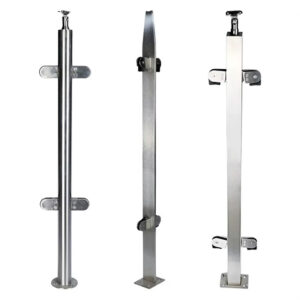
| تصميم المنشور | أعمدة مستديرة، أو مربعة، أو مستطيلة، أو طرفية، أو زاوية | أدوات التثبيت المارة عبر العمود، أدوات التثبيت السطحي، وصلات الأطراف |
مشابك الشد، ومشابك الشد القابلة للتعديل، ومشابك الشد التي لا تحتاج إلى ربط
ينبغي اختيار أدوات الشد وفقًا لطريقة التركيب واحتياجات الضبط. قد تبدو أنواع أدوات الشد المختلفة متشابهة، لكنها تتطلب إعدادات مختلفة للكابل وتسلسلًا مختلفًا للتركيب.
| نوع الشد | الوظيفة الرئيسية | الاعتبارات العامة |
|---|---|---|
| أنظمة شد الكابلات | توفير إمكانية ضبط شد الكابلات بشكل عام لمسارات الدرابزين | قطر الكابل، وحالة العمود، ونطاق الضبط، وإمكانية الوصول للتركيب |
| شدادات الكابلات القابلة للتعديل | السماح بإجراء تعديلات دقيقة أثناء التثبيت أو بعده | طول الخيط، ونطاق الضبط، وطريقة التثبيت، ووضوح الرؤية |
| حوامل دوّارة للخدمة الشاقة | توفير أدوات شد أقوى أو أكثر وضوحًا للتصميمات التي تتطلب متطلبات عالية | طول مسار الكابل، وقوة الأعمدة، وحالة الوصلات الطرفية، وبيئة المشروع |
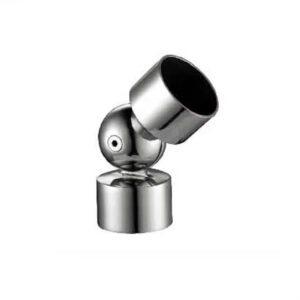
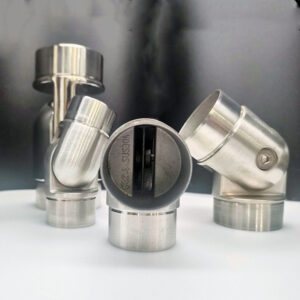
| شدادات الكابلات متعددة الزوايا | دعم مسارات الكابلات المائلة أو غير المستقيمة | نطاق الزاوية، وميل الدرج، وحالة الزوايا، ومرونة الوصلات |
| شدادات الكابلات الخالية من الصمامات | يتيح الشد دون الحاجة إلى التحضير التقليدي للأطراف المُشكلة بالضغط | توافق الكابلات، وتسلسل التجميع، وخبرة المُركِّب، وطريقة الضبط |
المواد والتشطيبات والتصنيع حسب الطلب
يمكن توريد أو تصنيع أجهزة شد الكابلات ومشابك التثبيت من ESANG وفقًا لمتطلبات المشروع، بما في ذلك قطر الكابل، وتفاصيل الخيط، ونطاق الضبط، ونمط التوصيل النهائي، ودرجة جودة المادة، والتشطيب السطحي، ومتطلبات التعبئة والتغليف.
| الخامة أو التشطيب | الاستخدام النموذجي | الملاحظات |
|---|---|---|
| فولاذ مقاوم للصدأ 304 | أنظمة الدرابزينات الكبلية الداخلية، والتصميمات الداخلية التجارية، والسلالم السكنية، والبيئات الجافة | خيار شائع في العديد من مشاريع الدرابزينات الكبلية الداخلية. |
| 316 فولاذ مقاوم للصدأ | درابزينات الكابلات الخارجية، والمشاريع الساحلية، والمناطق المحيطة بالمسابح، والطوابق الخارجية، والتراسات، والبيئات الرطبة | عادةً ما يُفضل استخدامه في الحالات التي تتطلب مقاومة أفضل للتآكل. |
| فولاذ 316L المقاوم للصدأ | المشاريع التي تتطلب قابلية لحام محسّنة أو أداءً أعلى في مقاومة التآكل | مناسب عندما تتطلب المواصفات استخدام الفولاذ المقاوم للصدأ منخفض الكربون. |
| تشطيب مصقول أو ساتاني | الدرابزينات التجارية المصنوعة من الكابلات، والطوابق الخارجية، والشرفات، ومعظم مشاريع الدرابزينات المعمارية المصنوعة من الكابلات | يساعد على تقليل ظهور علامات الاستخدام الطفيفة وبصمات الأصابع. |
| تلميع المرآة | تطبيقات زخرفية أو تطبيقات متميزة مختارة | يمنح مظهرًا أكثر إشراقًا، لكنه يتطلب مزيدًا من العناية في الاستخدام والتنظيف. |
بالنسبة لمشاريع الدرابزينات الكبلية غير القياسية، يمكن للعملاء تقديم الرسومات، وقطر الكبل، ونوع الأعمدة، وحالة الأطراف، وموقع الشد، ونطاق الضبط، ومتطلبات التشطيب، وبيئة المشروع. يمكن لشركة ESANG مراجعة هذه المتطلبات وتصنيع أجهزة شد الكبلات بما يتوافق مع مواصفات المشروع حيثما أمكن ذلك.
التوافق مع أجهزة الكابلات والأعمدة
يجب اختيار أجهزة شد الكابلات والمشابك القابلة للضبط جنبًا إلى جنب مع تجهيزات الكابلات، والتجهيزات الطرفية، والأعمدة، ومعدات التمرير. ولا تعمل أجهزة الشد إلا كجزء من مجموعة درابزين الكابلات الكاملة.
- لاختيار الملحقات بشكل عام، يجب تنسيق أجهزة الشد مع تجهيزات الكابلات.
- بالنسبة لإنهاء الكابلات، يرجى التنسيق مع تركيبات طرف الكابل.
- بالنسبة للكابلات التي تمر عبر الأعمدة، يرجى مراجعة الأجهزة العابرة للوظيفة وتخطيط مواقع حفر ثقوب الأعمدة.
- بالنسبة لأنظمة الكابلات المدعومة بأعمدة، يرجى التنسيق مع أعمدة من الفولاذ المقاوم للصدأ, ، وأعمدة الأطراف، والأعمدة الوسيطة، والأعمدة الزاوية.
- للمسافات الأطول أو للحصول على دعم التباعد، يرجى مراجعة قضبان مباعدة الكابلات عند الحاجة.
التخصيص وفقًا لمتطلبات المشروع
يتم تخصيص العديد من مشاريع أجهزة شد الكابلات وفقًا لقطر الكابل، وتوزيع الأعمدة، واتجاه الكابل، وحالة الأطراف، ونطاق الضبط، وبيئة التركيب. وتستطيع شركة ESANG توفير أنظمة مخصصة لأجهزة شد الكابلات، وأجهزة شد الكابلات القابلة للضبط، ومشابك الشد المخصصة للأحمال الثقيلة، وأجهزة شد الكابلات متعددة الزوايا، وأجهزة شد الكابلات التي لا تتطلب استخدام مشابك.
عندما يتضمن المشروع متطلبات تستند إلى المعايير فيما يتعلق بارتفاع الحواجز الواقية، أو المسافات بين الكابلات، أو قيود الفتحات، أو درجة جودة المواد، أو مقاومة التآكل، أو طريقة التركيب، يجب على العملاء تقديم الرسومات والمواصفات المطلوبة. يمكن لشركة ESANG تصنيع مكونات شد الكابلات بما يتوافق مع تلك التفاصيل المقدمة، بينما يعتمد الامتثال النهائي على النظام المركب بالكامل، والتصميم الهيكلي، وطريقة التركيب، والقوانين المحلية المعمول بها.
اعتبارات التثبيت والمشروع
يجب مراجعة تجهيزات شد الكابلات كجزء من التصميم الكامل لحاجز الكابلات. ويجب التأكد من طول الكابلات، والمسافة بين الأعمدة، وحالة الأطراف، وإمكانية الوصول لإجراء التعديلات قبل البدء في الإنتاج أو تقديم الطلب.
- قطر الكابل وتركيبه
- موقع العمود الطرفي والعمود النهائي
- نوع جهاز الشد ونطاق الضبط
- طريقة التجميع بالضغط أو بدون ضغط
- تفاصيل الخيط، ووصلة الطرف، وطريقة التثبيت
- زاوية الدرج، أو حالة الزاوية، أو تصميم المسار المستقيم
- نوع العمود، وتخطيط فتحات التثبيت، واتجاه الكابل
- درجة جودة المواد المخصصة للاستخدام في الأماكن المغلقة أو في الهواء الطلق أو في المناطق الساحلية أو بجوار حمامات السباحة
- متطلبات قوانين البناء المحلية ومواصفات المشروع
بالنسبة لمشاريع الدرابزينات الكبلية المخصصة للطوابق الخارجية والشرفات والسلالم والتراسات والأماكن العامة، يجب أن يخضع النظام المُركَّب بالكامل للمراجعة من قِبل مصمم المشروع أو المهندس أو المقاول أو الجهة المختصة المحلية. يمكن لشركة ESANG تصنيع قطع تثبيت الشد بما يتوافق مع المتطلبات المحددة، إلا أن الامتثال النهائي للمتطلبات يعتمد على التجميع الكامل وظروف الموقع.
سيناريوهات التطبيق
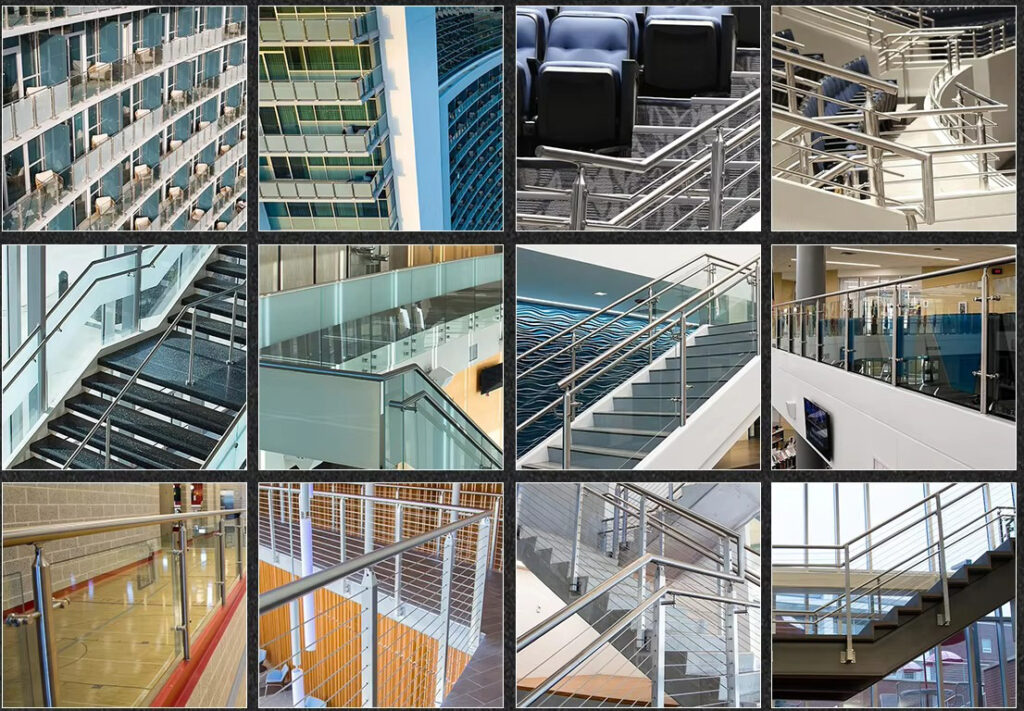
درابزينات الكابلات للسطح والشرفة
تُستخدم أجهزة شد الكابلات بشكل شائع في أنظمة درابزينات الشرفات والأروقة للحفاظ على محاذاة الكابلات عبر المسارات الأفقية. وينبغي التأكد من طول الكابلات، والمسافة بين الأعمدة، وحالة الأعمدة الطرفية قبل تقديم الطلب.
درابزينات السلالم المصنوعة من الكابلات
قد تتطلب درابزينات السلالم المصنوعة من الكابلات استخدام أدوات شد متعددة الزوايا أو وصلات متوافقة مع الزوايا. وينبغي مراجعة ميل الدرج وتوزيع الأعمدة واتجاه الكابلات بشكل متكامل.
أنظمة الدرابزينات الكبلية التجارية
يمكن استخدام أجهزة شد الكابلات والمشابك في المباني التجارية والمكاتب والأماكن العامة ومشاريع الضيافة من أجل تركيب درابزينات كبلية ذات مظهر أنيق وقابل للتكرار، مع تشطيب متناسق وإمكانية الوصول لضبطها.
درابزينات الكابلات الخارجية والساحلية
تتطلب البيئات الخارجية، والمناطق المجاورة للمسابح، والمناطق الساحلية، والبيئات الرطبة مزيدًا من الاهتمام بمقاومة التآكل، والتنظيف، ودرجة جودة المواد. ويمكن النظر في استخدام الفولاذ المقاوم للصدأ من النوع 316 أو 316L في ظروف التعرض الأكثر صعوبة.
مجموعات درابزينات الكابلات المصممة حسب الطلب
قد تتطلب المشاريع المخصصة أطوالًا محددة لأجهزة الشد، أو تفاصيل معينة للخيوط، أو وصلات طرفية، أو حركة متعددة الزوايا، أو طرق تجميع بدون استخدام أدوات الشد. وتساعد الرسومات وشروط التركيب في التأكد من اختيار المكونات المناسبة.
فئات المنتجات ذات الصلة
- أنظمة شد الكابلات
- أجهزة شد الكابلات القابلة للتعديل
- مشابك شد عالية التحمل
- أجهزة شد الكابلات متعددة الزوايا
- أجهزة شد الكابلات بدون مشابك
- تجهيزات الكابلات
- تركيبات طرف الكابل
- الأجهزة العابرة للوظيفة
- أعمدة من الفولاذ المقاوم للصدأ
الأسئلة الشائعة
ما هي استخدامات أجهزة شد الكابلات؟
تُستخدم أجهزة شد الكابلات لضبط الشد والحفاظ عليه في أنظمة الدرابزين المصنوعة من الكابلات الفولاذية المقاومة للصدأ. وهي تساعد في الحفاظ على محاذاة خطوط الكابلات وتقليل التراخي على طول مسارات الدرابزين.
ما الفرق بين شدّاد الكابل والمشبك اللولبي؟
جهاز شد الكابلات هو أي أداة تُستخدم لضبط شد الكابلات. أما الشدادة فهي نوع محدد من أجهزة الشد القابلة للتعديل. ويعتمد الاختيار الصحيح على قطر الكابل، وحالة العمود، ومدى الرؤية، ونطاق الضبط، وتصميم المشروع.
متى ينبغي استخدام أجهزة شد الكابلات القابلة للتعديل؟
تُعد أدوات شد الكابلات القابلة للتعديل مفيدة عندما يتعين ضبط شد الكابل بدقة أثناء التركيب أو الصيانة. وتُستخدم عادةً بالقرب من أطراف التوصيل أو نقاط الشد المحددة.
متى ينبغي التفكير في استخدام مشابك التثبيت عالية التحمل؟
يمكن النظر في استخدام مشابك شد عالية التحمل في حالات الكابلات الطويلة، أو الأنظمة التجارية، أو الدرابزينات الخارجية، أو المشاريع التي تتطلب أدوات شد مرئية أكثر متانة. وينبغي مراجعة حجم الكابل وقوة العمود وطول المسار معًا.
متى تكون أجهزة شد الكابلات متعددة الزوايا مفيدة؟
تُعد أدوات شد الكابلات متعددة الزوايا مفيدة في السلالم، ومسارات الكابلات المائلة، والزوايا، وتصميمات الدرابزين غير المستقيمة التي لا يتقاطع فيها اتجاه الكابل مع العمود بزاوية قائمة بسيطة.
ما هي أجهزة شد الكابلات التي لا تستخدم المشابك؟
صُممت أدوات شد الكابلات غير المُضغوطة لشد الكابلات دون الحاجة إلى التحضير التقليدي للأطراف المُضغوطة. ويمكن استخدامها في التجميع في الموقع عندما يتوافق قطر الكابل وطريقة التركيب مع تصميم الوصلة.
هل يمكن لشركة ESANG تخصيص أجهزة شد الكابلات والمشابك؟
نعم. يمكن لشركة ESANG تصنيع أجهزة شد الكابلات، وأجهزة الشد القابلة للتعديل، والمشابك، والوصلات متعددة الزوايا، وأجهزة الشد التي لا تتطلب عملية التثبيت (swageless) وفقًا لقطر الكابل، ومواصفات الخيط، ودرجة جودة المادة، والتشطيب، ورسومات المشروع.
هل يجب أن أختار مشدات الكابلات المصنوعة من الفولاذ المقاوم للصدأ 304 أم 316؟
يُستخدم الفولاذ المقاوم للصدأ من النوع 304 عادةً في البيئات الداخلية والجافة. أما الفولاذ المقاوم للصدأ من النوع 316 فيُفضل استخدامه عادةً في البيئات الخارجية، أو الساحلية، أو المجاورة للمسابح، أو الرطبة، أو تلك المعرضة لمعدلات تآكل أعلى. وينبغي اختيار النوع النهائي وفقًا لظروف التعرض الخاصة بالمشروع ومواصفاته.
ما هي المعلومات المطلوبة لتقديم استفسار بشأن جهاز شد الكابلات؟
تشمل المعلومات المفيدة قطر الكابل، ومسار الكابل، ونوع الأعمدة، والمسافة بين الأعمدة، وحالة الأطراف، ونوع جهاز الشد، ونطاق الضبط، ودرجة جودة المادة، والتشطيب، والكمية، والرسومات، وبيئة المشروع.
كيف ينبغي صيانة أجهزة شد الكابلات المصنوعة من الفولاذ المقاوم للصدأ؟
يتم في التنظيف الروتيني عادةً استخدام منظف معتدل وماء نظيف
منشورات ذات صلة:
Replacing Core-Mounted Posts With Surface Bases: Precheck
Check the existing opening, slab condition, edge geometry, drainage, and revised load path before converting an embedded post to a surface base.
Railing Post Base RFQ Checklist for Project Buyers
Request comparable base hardware, substrate inputs, finishes, drawings, anchor boundaries, samples, and inspection documents in one project RFQ.
Adjustable Railing Post Bases for Sloped or Uneven Surfaces
Compare adjustable bases against the actual slope, bearing surface, leveling range, finish interface, and fixing access before selecting a detail.
Railing Post Base Anchors: Inputs for Engineering Review
Define substrate, geometry, loads, exposure, and anchor evidence before engineering review so a hardware label is not mistaken for a connection design.
Railing Post Base-Plate Drawings: Holes, Edges, and Tolerances
Give fabricators and installers a base-plate drawing that resolves hole centers, slab edges, tool access, and agreed tolerances before production.
ESANG Wall Bracket Range: Standard, Heavy-Duty, Adjustable, and Flush
Match standard, heavy-duty, adjustable, and flush wall bracket options to projection, wall build-up, access, finish, and project evidence needs.
مشاريع إيسانج

شهادة إيسانج

تفخر شركة فوشان إسانج للمنتجات المعدنية بما يلي شهادة CE (التحقق رقم TD3272772401) بموجب توجيه منتجات البناء (اللائحة رقم 305/2011)، مما يؤكد التزامنا بأعلى معايير السلامة والجودة الأوروبية.
مجموعة المنتجات المعتمدة:
مجموعة تجهيزات الدرابزين الشاملة التي نقدمها - بما في ذلك المشابك الزجاجية وأجهزة الشد والأقواس وحوامل الحائط وأحذية القاعدة وتجهيزات الدرابزين وأجهزة الكابلات ومكونات العمود - تلبي EN1906:2012 المعايير، مما يضمن السلامة الهيكلية وموثوقية الأداء في جميع المنشآت.
ماذا يعني ذلك بالنسبة لمشروعك:
✓ الامتثال التنظيمي الكامل للأسواق الأوروبية والدولية
✓ أداء السلامة والمتانة الذي تم التحقق منه بشكل مستقل
✓ دعم التوثيق للمواصفات المعمارية
✓ راحة البال من ضمان الجودة من طرف ثالث
الشهادة صالحة حتى عام 2027 | تقرير الاختبار: سي-إي 2412122001-سي
مشاريع إيسانج

المنتجات المرجعية