دعامات التثبيت العمودية
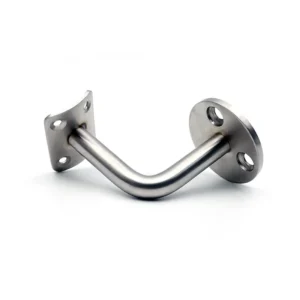
دعامات التثبيت العمودية
Match the post side and the rail side as one connection
A post-mount bracket has two interfaces: the post or clamp side and the supported handrail or rail side. Choosing only by post shape can still leave the wrong saddle, rail orientation or fixing method. Use the current product routes below to define the connection, then place the exact post section, rail profile, angle and included fasteners on the proposed drawing.
Discuss post-bracket options on WhatsApp
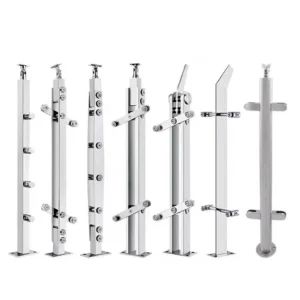
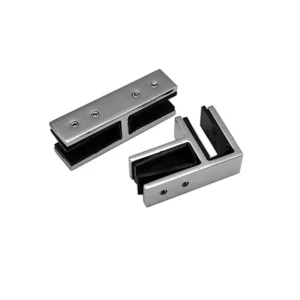
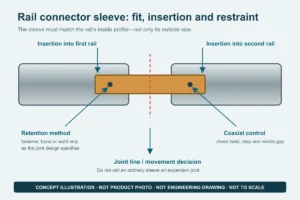
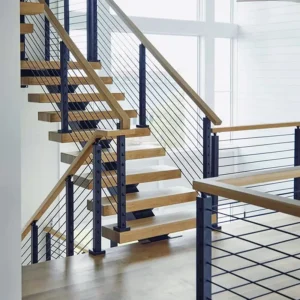
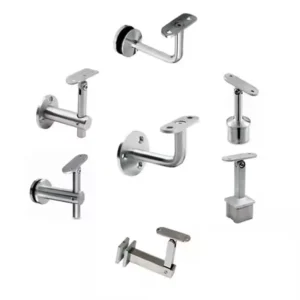
Two visible interface forms
Five current product routes
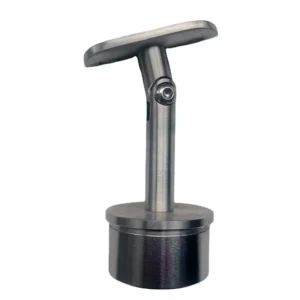
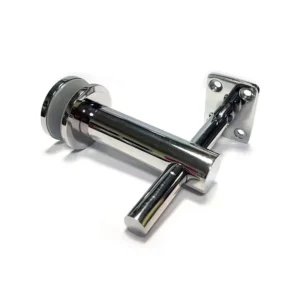
Use when the post-side interface must fit a curved post surface. Provide the actual post outside diameter and wall condition as well as the supported rail profile.
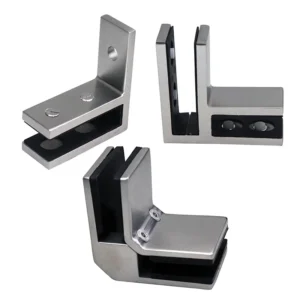
Use for a flat post face, including a square or separately confirmed rectangular section. Record face orientation, post size and where the rail axis sits relative to the post.
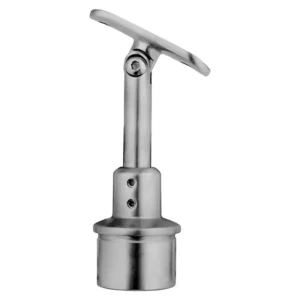
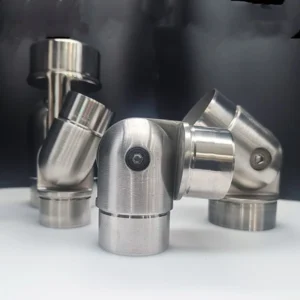
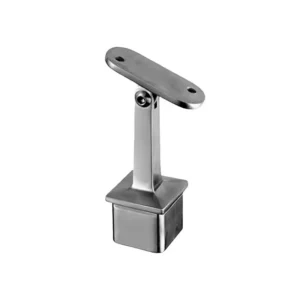
Use when the rail support needs a defined adjustment at the post. Confirm the adjustment axis and range, the final locking detail and whether installation access remains available.
Use for a route with planned non-straight or changing directions. Supply the actual plan and elevation angles; the product name does not prove unlimited axes or angle range.
Use when a clamp-style post connection is being considered instead of a welded or plate-fixed interface. Match post shape, contact surfaces, tightening access and protection of the finished post.
Define fit before finish
Interface — Minimum buyer input — Mismatch to avoid
Post — Cross-section, outside dimensions, wall thickness or backing, face orientation and fabrication state — A curved seat on a flat face, a flat plate on the wrong post face, or a fixing that cannot reach suitable structure.
Rail or handrail — Profile, outside and relevant inside dimensions, route direction and desired contact/saddle form — A visually similar bracket head that does not seat on or align with the actual rail.
Connection method — Welded, drilled/mechanical, clamped or another project-defined method — Buying a component that needs fabrication or access the installer cannot provide.
Angle and position — Plan/elevation angles, rail axis, height and any field adjustment required — Treating an adjustable joint as universal or omitting the final locked position.
Adjacent infill — Glass, cable, bar, panel or open-zone locations near the bracket — Collisions with clamps, cable holes, tensioning hardware or edge clearances.
Exposure — Location, moisture/chloride or chemical exposure, finish requirement and cleaning regime — Assuming a photographed surface or category name proves a suitable material/finish.
Bracket fit is not whole-system approval
The post, bracket, rail, fasteners, nearby infill and base connection act together. A bracket photo cannot establish post capacity, rail capacity or the performance of the installed railing. The project team should confirm the design actions, post and rail fabrication, bracket spacing, fastener detailing and applicable requirements for the complete assembly.
If welding is proposed, ask who supplies the final weld preparation and finish restoration. If a clamp or mechanical fixing is proposed, ask for contact geometry, included pads or fasteners, tightening access and any inspection requirement to be shown on the proposed configuration.
Ask for a quotation you can compare
• exact post-side and rail-side geometry, not only “round” or “square”;
• fixed, adjustable, multi-angle or clamp connection and its final locking/fixing method;
• proposed material grade, finish and visible surface direction;
• included bracket pieces, pads and loose fasteners, plus explicit exclusions;
• fabrication or site work required before installation;
• dimensions and project decisions still open before production.
A photo with two or three marked dimensions is enough to start route selection. A production-ready match still needs the final post and rail data.
منشورات ذات صلة:
What Should Be Included at Handrail Ends: Returns, End Caps or Open Coordination Points?
Distinguish handrail returns, end caps and unresolved end interfaces, then schedule each termination by function, adjoining construction and supply responsibility.
Factory-Cut or Site-Trimmed Handrails: Which Release Method Fits the Available Dimensions?
Choose factory-cut or site-trimmed handrails by checking dimension status, datums, mating allowances and the finish work attached to each cut.
أنبوب الدرابزين فقط أم حزمة مكونات كاملة: ما الذي يجب أن يتضمنه عرض الأسعار المقدم من المورد؟
قارن بين عروض أسعار الدرابزين التي تشمل الأنبوب فقط وتلك التي تشمل حزمة المكونات، وذلك عن طريق الفصل بين الوصلات، والتصنيع، وواجهات التثبيت، وأعمال التشطيب، والكميات المسلّمة.
Continuous or Sectional Handrail Supply: Which Split Strategy Fits Transport and Site Assembly?
Compare continuous and sectional handrail supply using delivery access, joint locations, mating details and section identification before fabrication release.
Where Should a Handrail Change from Wall-Supported to Post-Supported Along a Mixed Route?
Choose a handrail support change by comparing wall and post interfaces, preserving the gripping path and locating the transition on coordinated drawings.
الألواح الشبكية المستوية، أو المائلة، أو المائلة ثم المستوية: ما هي الشكل الهندسي المناسب لكل مسار درابزين؟
Choose between level, raked, and raked-to-level mesh panel geometry by railing run, pattern orientation, interfaces, and project drawings.
مشاريع إيسانج

شهادة إيسانج
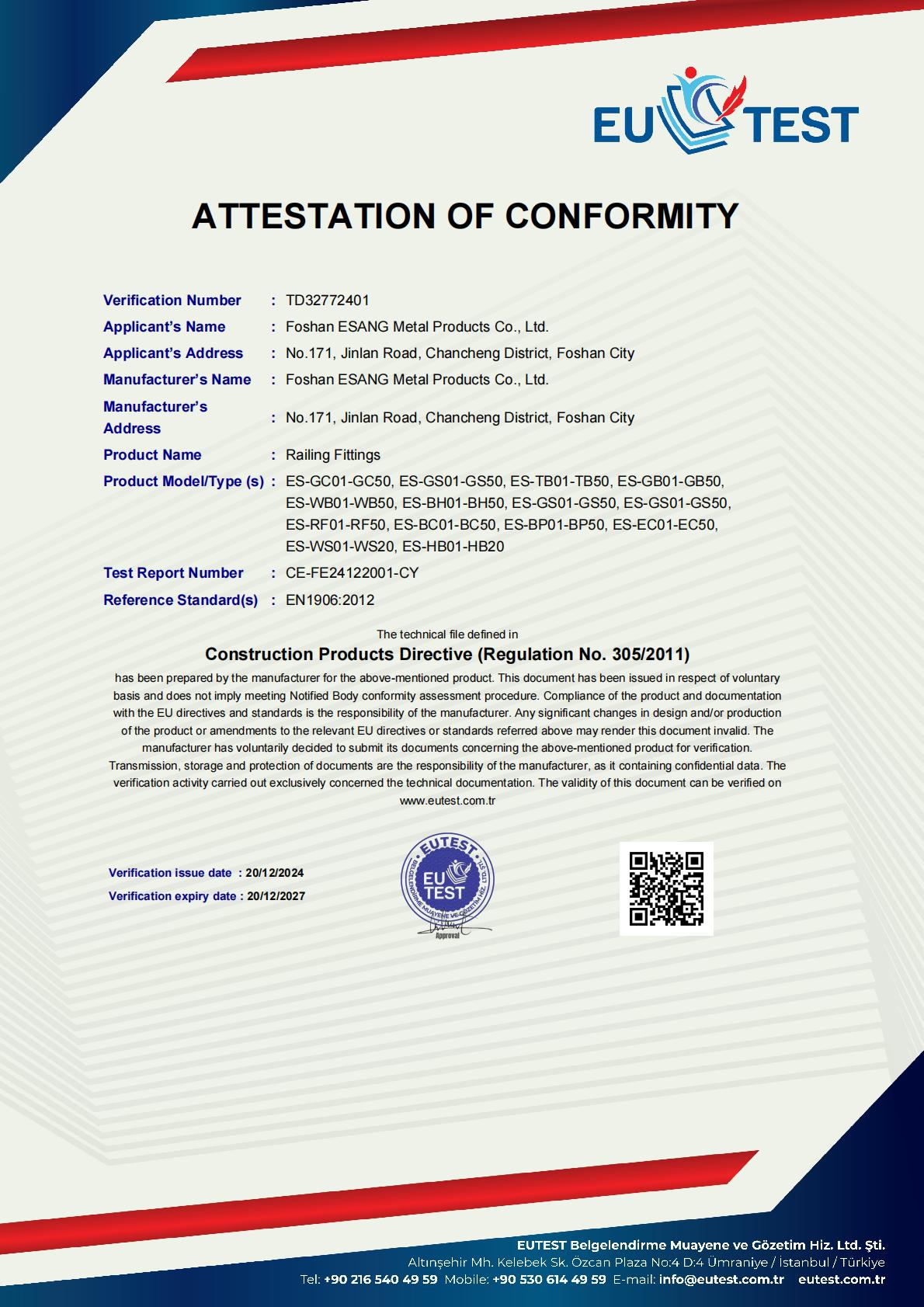
تفخر شركة فوشان إسانج للمنتجات المعدنية بما يلي شهادة CE (التحقق رقم TD3272772401) بموجب توجيه منتجات البناء (اللائحة رقم 305/2011)، مما يؤكد التزامنا بأعلى معايير السلامة والجودة الأوروبية.
مجموعة المنتجات المعتمدة:
مجموعة تجهيزات الدرابزين الشاملة التي نقدمها - بما في ذلك المشابك الزجاجية وأجهزة الشد والأقواس وحوامل الحائط وأحذية القاعدة وتجهيزات الدرابزين وأجهزة الكابلات ومكونات العمود - تلبي EN1906:2012 المعايير، مما يضمن السلامة الهيكلية وموثوقية الأداء في جميع المنشآت.
ماذا يعني ذلك بالنسبة لمشروعك:
✓ الامتثال التنظيمي الكامل للأسواق الأوروبية والدولية
✓ أداء السلامة والمتانة الذي تم التحقق منه بشكل مستقل
✓ دعم التوثيق للمواصفات المعمارية
✓ راحة البال من ضمان الجودة من طرف ثالث
الشهادة صالحة حتى عام 2027 | تقرير الاختبار: سي-إي 2412122001-سي
مشاريع إيسانج

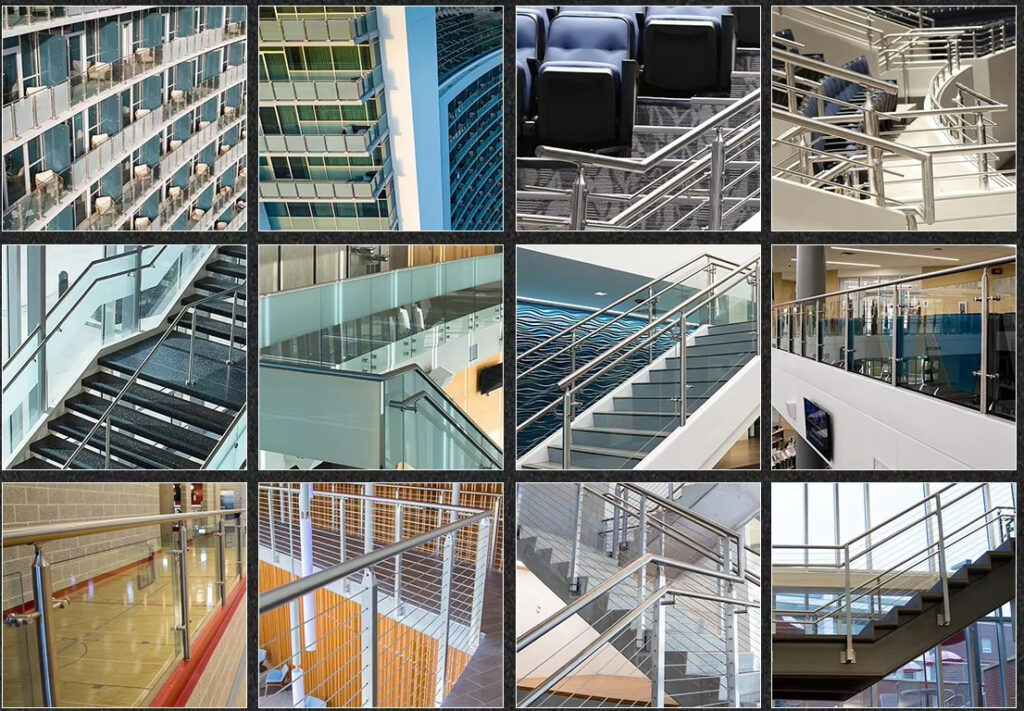
المنتجات المرجعية