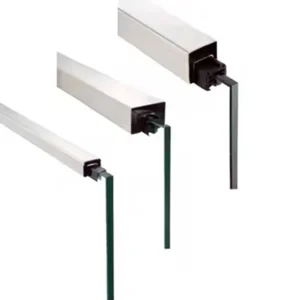
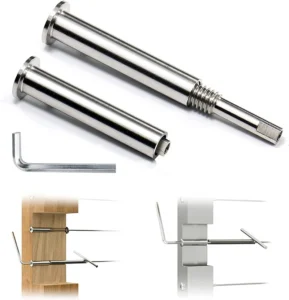
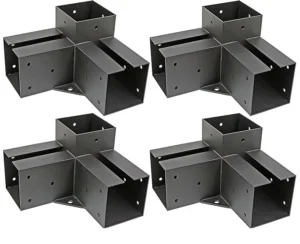
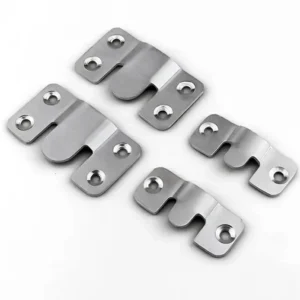
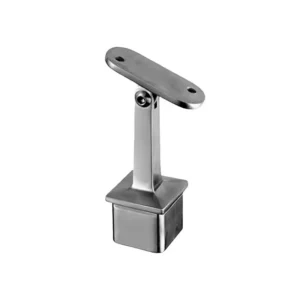
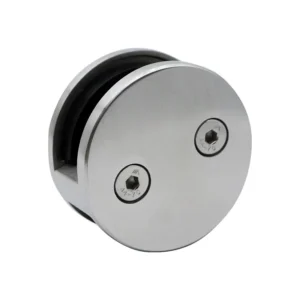
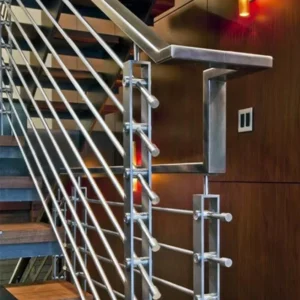
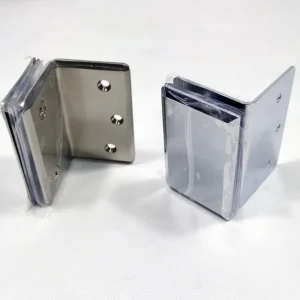
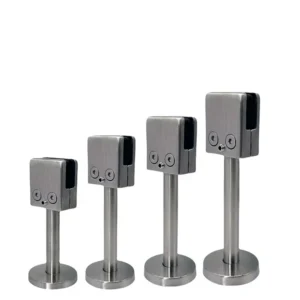
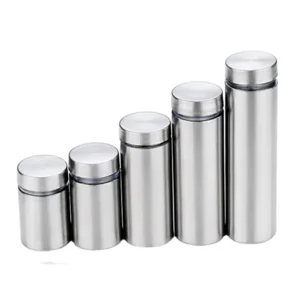
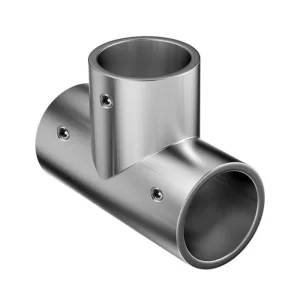
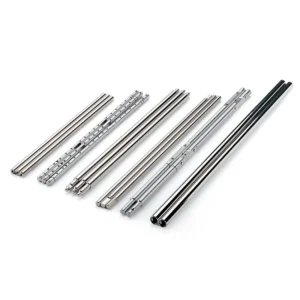
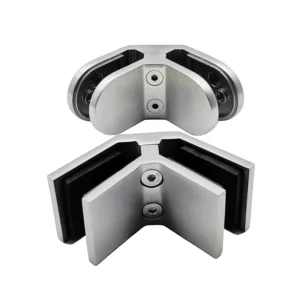
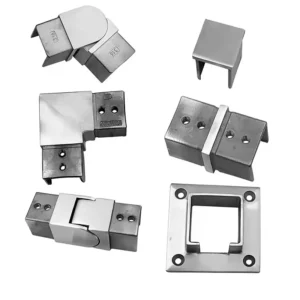
Cable assembly hardware kits group matched parts for a defined cable line, railing bay or project package. Their value is a clearer bill of materials and more controlled packing – not an automatic promise that every kit contains cable, tools, posts, anchors or all items needed for a complete railing. ESANG can review the layout and quote a proposed kit boundary, with the included quantities and exclusions stated line by line.
Request a cable hardware kit quotation on WhatsApp
Decide what one kit represents
A “kit” can mean hardware for one cable line, one railing bay, one repeated module, one stair flight or an entire project release. Those units produce very different quantities and packaging. Define the kit unit before comparing prices. For example, a per-line kit may contain one fixed end and one tensioning end, while a per-bay kit may group multiple cable-line kits plus pass-through parts. Neither automatically includes the posts or top rail.

| Kit basis | مفيد في الحالات التالية: | Quantity driver | Boundary to state |
|---|---|---|---|
| Per cable line | Lines vary in length or end condition | Number of individual horizontal or sloped cable runs | Fixed end, tension end, cable and finishing parts for one line |
| Per railing bay | Post spacing and cable count repeat | Number of bays and lines per bay | Terminal parts versus intermediate pass-through parts |
| Per post position | Terminal, intermediate and corner posts need different packs | Post schedule by role | Washers, sleeves, caps and fasteners assigned to each post type |
| Per project release | Large orders need staged shipment or floor/zone control | Approved drawing revision and release quantities | Bag labels, spares, tools and site-supplied items |
A complete hardware pair still needs a tensioning plan
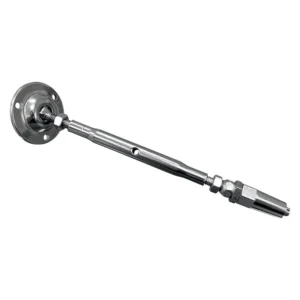
Each cable line needs an end arrangement that terminates the cable and allows tension adjustment. A common starting point is one fixed end and one adjustable end, but the drawing may call for adjustment at both ends, a factory-prepared end plus a field-installed end, or a pivoting termination at a stair. The kit bill should name both ends rather than use a generic “two fittings” line.
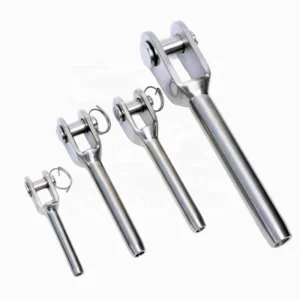
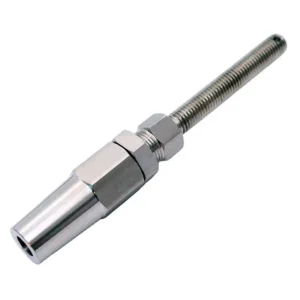
The cable end forms also have to match the posts and receivers. A fork requires the correct mating tab, gap and pin. An eye requires a matching pin, bolt or hook arrangement. A threaded terminal requires a defined thread, bearing washers or receiver and usable adjustment. Through-post and surface-mount terminal kits should not be substituted merely because they use the same cable diameter.
Cable is not automatically included
Ask whether the quoted kit contains no cable, bulk cable, a field-cut allowance or cable prepared to finished lengths. Cable diameter and strand construction must be identified because the terminal mechanism depends on them. If cable is sourced separately, the quotation should state the compatibility basis used for the proposed fittings.
Bulk cable option
Bulk cable can support field cutting and repeated lines, but the installer needs the correct cutter, a method to control strands, a length schedule and enough waste allowance for the selected termination. The kit quantity should state reel length or total cable length separately from the number of end pairs.
Pre-cut or factory-prepared cable option
Prepared lengths reduce some field work but depend on reliable terminal-to-terminal dimensions and installation sequence. Confirm whether a terminal is already attached, whether it can pass through intermediate post holes and how much adjustment remains for construction tolerance. A nominal bay dimension is not the same as the finished cable cut length.
Swaged and swageless kits require different tools
A swaged terminal may be factory-installed or require a specified press or hand-swaging tool in the field. A swageless terminal avoids traditional swaging but still needs cable-compatible preparation, the correct internal-part sequence and normal holding or tightening tools. Neither method should be labelled “tool-free” unless the proposed product instructions establish that result.
Ask the kit quotation to separate consumable hardware from reusable installation tools. Cable cutters, swaging tools, release tools, lacing aids, holding wrenches, drills, deburring tools and a tensioning tool or gauge may be offered separately, supplied by the installer or not required for a particular configuration. Their absence from a product photograph does not settle the issue.
Post, hole and mounting details decide the small parts
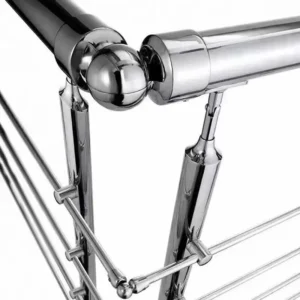
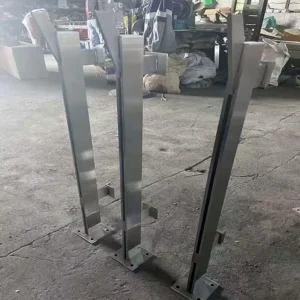
Washers, sleeves, escutcheons and caps are easy to omit when kits are priced before the post detail is known. Provide a post schedule showing terminal, intermediate and corner posts; post shape, outside size and wall thickness; hole diameter and angle; through-post or surface-mount interfaces; and rear access. At stairs, identify bevelled or pivoting requirements. At corners, show whether cable continues, turns or terminates as two runs.
- Through-post terminal pack: may need a threaded terminal, bearing washer, nut and cap matched to post depth.
- Intermediate pass-through pack: may need sleeves or grommets matched to cable, hole and wall thickness.
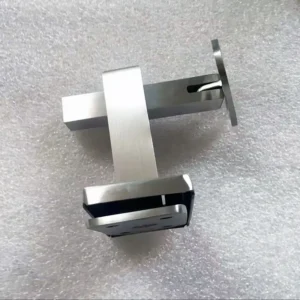
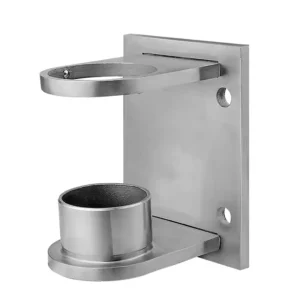
- Surface-mount pack: may need a plate, eye, clevis or pivot plus a separate cable terminal; the structural fastener must be defined.
- Stair pack: may require an angled hole, bevelled washer or rotating end detail.
- Corner pack: may represent two independent terminations rather than a single cable bent around the post.
Thread and finish must be controlled across the kit
Do not accept “matching threads” without the thread standard, diameter, pitch, usable length and mating component. Similar-looking nuts, caps and tensioners from different product families may start on the thread but provide inadequate engagement or adjustment. For mixed replacement orders, a sample or dimensioned drawing is safer than a product name.
Request the material grade and finish for cable, terminal bodies, internal gripping parts, pins, washers, nuts, sleeves and exposed fasteners. One 316 component does not make the complete kit 316. Finish also affects appearance across adjacent parts, while corrosion behaviour depends on grade, surface condition, crevices, deposits and maintenance.
Environmental exposure changes the kit brief
For indoor dry conditions, exterior urban exposure, coastal air, poolside chlorides, industrial chemicals or routine washdown, describe the actual environment rather than selecting from a marketing label. 316 stainless is often considered for improved chloride resistance, but it is not immune to tea staining, pitting or crevice corrosion. Sheltered rear faces, rough surfaces and retained deposits can be more demanding than rain-washed visible faces.
Ask whether maintenance access is available after installation. Plan washing with clean water and mild detergent where deposits accumulate, and avoid chloride-based cleaners, bleach, hydrochloric acid and carbon-steel wool. Spare parts may be worth quoting for large or remote projects, but the spare quantity should be explicit rather than silently added to every kit.
Packaging should follow installation
For repeated bays or staged projects, packaging can be by cable line, post position, railing zone, floor, drawing mark or shipment release. Good labels should identify the kit basis and revision without turning an unapproved layout into a final engineering decision. Ask for an item count and package mark that can be checked on receipt.
A distributor may prefer bulk packs of individual fittings, while an installation contractor may prefer pre-counted line kits. Those are different commercial outputs even if the total hardware is similar. State whether loose bulk supply, retail packs, project bags, barcode or carton labels, spare percentage and multilingual installation material are requested; feasibility and cost can then be confirmed in the quotation.
What is not included by default
Unless the quotation expressly lists them, do not assume the kit includes cable, posts, top rails, structural anchors, backing plates, post drilling, cable cutters, swaging equipment, tension gauges, installation labour, engineering calculations or code approval. A hardware kit also does not prove that the completed guard system meets a project load or opening requirement. Those outcomes depend on the complete railing design, supporting structure, fabrication and installation.
The quotation should separate:
- included cable-line hardware and quantities;
- included pass-through, surface-mount and finishing parts;
- cable supply and preparation;
- tools and reusable installation equipment;
- posts, rails, anchors and site work;
- material or inspection documents requested;
- packaging, marking, spares and shipment release plan.
Information to start a kit quotation
Send the drawing revision or a marked-up sketch; kit basis; number and length of cable lines; cable diameter and construction; fixed and tensioning end arrangement; swaged or swageless preference; terminal, intermediate and corner post schedule; post dimensions, holes and mounting faces; thread, pin, eye or fork details; cable included or excluded; field tools required; material grade and finish; exposure; packaging unit, quantity, spares and delivery destination. If the layout is still preliminary, estimated counts can start the discussion as long as the final bill remains subject to an approved schedule.