A single railing run along a coastal site rarely experiences one uniform condition. Deciding how to protect it starts with a harder question: which parts of that run face airborne salt, which face direct wetting, and which stay damp long enough for deposits to build undisturbed? Treating the whole installation as one exposure category skips the step that actually determines material, finish, and maintenance decisions later.
Exposure zones that should be mapped along the railing run
| Exposure input | What to map along the railing run | Interpretation boundary |
|---|---|---|
| Airborne salt | Where airborne salinity affects the railing | Supports atmospheric-corrosivity classification; it does not select a grade or predict component life |
| Direct splash | Sections that receive direct splash | Treat separately from airborne salt and other wetting inputs |
| Wash-down | Sections exposed to wash-down | Record separately because wetting conditions can differ by zone |
| Retained wetness | Locations where moisture remains | Carry into drainage, inspection, and upkeep discussions |
| Sheltered deposits | Sheltered locations where deposits can remain | Carry into cleaning-access and inspection discussions |
A railing run installed near open water does not present a single condition to the metal. One post may sit where airborne salinity settles on the surface without direct contact with spray or wash-down. Another section, closer to a pool deck, promenade edge, or wave line, may receive direct wetting on a routine basis. A third area, tucked behind a wall return or under an overhang, may collect airborne deposits without ever being rinsed by rain or cleaning water. These are not variations of the same exposure; they are different inputs with different consequences for the surface and for the maintenance plan that follows.
Mapping the run by zone means walking the installation, or reviewing its drawings, with the question of what reaches each section and what leaves it. Where a post stands in open air with no overhead protection, airborne salinity reaches it continuously, and rainfall may provide some natural rinsing. Where a bracket or fitting sits under a canopy or recess, it may receive the same airborne salinity without that rinsing benefit, so deposits accumulate instead of washing away. This is why two components of the same specification, installed meters apart, can show different surface conditions over time: the input reaching them differs even when the material does not.
This zone-by-zone approach also changes how the buyer interprets atmospheric-corrosivity classification. أيزو 9223 classifies atmospheric corrosivity using specimen corrosion behavior together with environmental factors such as wetness duration and airborne salinity, which is useful context for understanding why zones differ. That classification describes the atmosphere, not the specific grade to select or the service life of an installed component, so a single site-level corrosivity classification cannot replace a zone-by-zone exposure map when the buyer needs to decide how to treat individual sections of a run.
For a buyer evaluating a project, the practical output of this mapping step is not a single exposure label but a layout: which posts, panels, and fittings sit in which condition, and which of those conditions will recur without intervention. That layout becomes the reference point for every decision that follows, from finish selection to inspection planning.
Airborne salt, direct splash, wash-down, and sheltered deposits as different inputs
Treating airborne salt, direct splash, wash-down, and sheltered deposits as a single “coastal exposure” condition obscures the differences that matter for a project. Airborne salt deposits a fine, often widely distributed film that accumulates gradually and can be redistributed by wind and humidity even in areas without direct water contact. Direct splash delivers concentrated wetting to specific zones, often at lower elevations near water features, decks, or pool edges, and tends to be intermittent but locally intense. Wash-down, whether from rainfall, irrigation overspray, or deliberate cleaning, moves water across broader surfaces and can either help remove accumulated salt or, where drainage is poor, prolong surface wetness. Sheltered deposits occur where airborne salinity reaches a surface but neither rainfall nor deliberate washing reaches it, so the salt film is not naturally removed.
Each of these inputs interacts differently with a railing’s geometry. A horizontal top rail may receive airborne salt and occasional wash-down from rain but little direct splash. A baluster near grade on a seaside terrace may receive direct splash regularly but sit in a zone where wash-down also reaches it, offering some natural rinsing. A fitting recessed under a handrail return, by contrast, may receive airborne salt but remain outside both splash and wash-down zones, so deposits remain in place.
This separation matters because the presence of wetting does not by itself indicate a worse condition than its absence. A surface that receives splash and also receives routine wash-down may clear salt more effectively than a surface that receives only intermittent airborne deposit with no rinsing at all. The distinction the project team needs is not “exposed versus sheltered” but which combination of wetting and drying the zone actually experiences, because that combination determines whether contamination is removed naturally or allowed to remain and interact with the surface over time.
Wetting and drying conditions at posts, joints, fasteners, and hollow sections
Once the inputs reaching a zone are identified, the next question is how that zone dries, because wetting and drying together determine what happens at the surface, not wetting alone. A flat, exposed top rail that receives direct wash-down typically dries quickly once the source stops, since water has an open path to run off and air movement assists evaporation. A joint, a fastener head, or the interior of a hollow section presents a different geometry: water that enters a seam, a threaded connection, or a tube end may not have the same path out, and it may remain in place well after the surrounding exposed surface has dried.
This distinction matters at posts, joints, fasteners, and hollow sections specifically because these are the points where geometry interrupts an otherwise open surface. A post base where the railing meets a deck or coping may collect water that drains freely from the surrounding flat surface but pools briefly at the base before finding an exit, if one exists. A joint between two rail sections may rely on a gap or a fitting interface that was not designed with drainage as a primary function. A fastener recessed into a surface, or threaded into a blind hole, can retain moisture in the thread engagement long after the visible fastener head appears dry. A hollow section, whether a tube rail or a boxed post, may have an interior surface that never experiences the same drying airflow as the exterior.
Where a component’s design allows water to drain and air to circulate, retained wetness is reduced regardless of how much water reaches that zone initially. Where a component’s design traps water, even modest wetting inputs can produce prolonged surface wetness, because the limiting factor is not how much water arrives but how long it remains. This is why two fittings exposed to the same wash-down event can behave differently afterward: one sheds water along an open profile, and the other holds it in a seam or recess.
For a project team, this reframes the question from “how much exposure does this zone receive” to “how long does moisture remain once it arrives, and does the component’s geometry help or hinder that drying.” That question then carries directly into where drainage paths need to be confirmed and where inspection needs to look beyond the visible, dry-appearing surface.
Drainage and crevice locations that change inspection access
Drainage and crevices are related but distinct concerns, and both change what an inspection can actually confirm. Drainage describes whether water has a path out of a given location once it arrives; a crevice describes a narrow gap, seam, or recess where water, salt, and debris can become trapped and where visual inspection cannot easily reach. A location can have both problems, one, or neither, and the combination determines how much confidence an inspector can have in what they observe.
Where a location drains well and remains visually open, surface condition can usually be assessed directly: discoloration, pitting, or deposit buildup is visible without disassembly. Where a location is a crevice, such as a lap joint, a gasket interface, or the underside of a base plate, the same visual inspection may show nothing unusual at the accessible surface while conditions at the hidden interface differ substantially. This gap between what is visible and what is occurring at a crevice is why an inspection plan built only around visually exposed surfaces can miss the locations most likely to retain salt and moisture in the first place.
The practical consequence for a project is that drainage and crevice mapping need to happen before an inspection schedule is set, not as a byproduct of it. A joint or fastener location identified during the earlier exposure mapping as prone to retained wetness should also be flagged as a location requiring either physical access during inspection or a different inspection method than a visual walk-down. Where a crevice location cannot be reasonably opened or accessed during routine inspection, that limitation itself becomes a piece of information the project team needs: either the design should be revisited to reduce the crevice, or the maintenance plan should account for a location that cannot be fully verified on a routine basis.
This is also where the interaction between drainage and cleaning access becomes visible. A location that drains but cannot be reached by cleaning tools may clear water on its own but retain surface deposits indefinitely, while a location that can be reached but does not drain may be cleaned regularly without ever fully resolving the underlying wetness. Neither condition alone fully describes the risk; both must be read together before deciding how a given joint or fastener location should be treated.
Cleaning reach, rinse-water access, and maintenance responsibility
Even a well-mapped exposure zone and a well-understood drainage condition do not resolve a maintenance plan without a third factor: whether cleaning tools and rinse water can actually reach the location in question. A zone identified as receiving sheltered deposits, for instance, may be well understood in terms of what reaches it and how it dries, but if no one can physically bring a cleaning tool or a rinse source to that location during routine maintenance, the mapping exercise does not translate into an actual maintenance outcome.
Three questions follow from this. First, can a cleaning tool physically reach the surface in question, given the railing’s geometry, surrounding construction, and any access restrictions at height or behind fixed elements? Second, is rinse water available at that location, whether from a hose connection, a wash-down system, or reliance on rainfall, and does that rinse water actually reach the surfaces that need it rather than running off before contact? Third, who is responsible for confirming that cleaning happens at the frequency and method the project requires, and does that responsibility extend to the sheltered or crevice locations identified earlier, or only to the visibly accessible surfaces?
These questions matter because a maintenance plan that looks complete on paper, specifying a cleaning method and a passivation or surface-treatment approach, can still leave gaps if reach and rinse-water access were not confirmed for every zone the exposure map identified. A cleaning or passivation procedure applied correctly where it can be executed still depends on an agreement between the purchaser and supplier about scope, since applicable procedures for cleaning, descaling, pickling, or passivation require that kind of agreement and do not by themselves establish long-term surface condition.
Maintenance responsibility also needs to be assigned at the same resolution as the exposure map, not at the level of the whole installation. A responsibility statement covering “the railing” without specifying which zones require which access and which party confirms completion leaves exactly the sheltered, crevice, or hard-to-reach locations identified earlier without a clear owner.
Selection brief connecting exposure to material, finish, fabrication, and upkeep
| Brief item | Project input to carry forward | Evidence or decision boundary |
|---|---|---|
| Exposure map | Airborne salinity, direct splash, wash-down, retained wetness, and sheltered deposits by railing zone | Atmospheric-corrosivity classification does not select a grade or predict component life |
| Material and finish | Project-specific material and finish considered against the mapped exposure | The same grade can face different surface condition and maintenance inputs |
| Fabrication and contamination | Project-specific fabrication and contamination inputs | Carry these inputs into the selection discussion rather than treating grade alone as the decision |
| Cleaning and surface treatment | Proposed cleaning, descaling, pickling, or passivation procedure | Applicable procedures require purchaser-supplier agreement and do not qualify structural performance |
| Passivation confirmation | Treatment and qualitative confirmation of contaminant-iron removal | Treatment and acceptance are application-specific; no long-term coastal outcome is proved |
| Fasteners, inspection, and upkeep | Fastener, inspection, cleaning, and maintenance decisions aligned with each mapped zone | Confirm these decisions for the actual exposure and access conditions rather than applying one exposure label to the whole site |
Bringing the exposure map forward into material, finish, and fabrication decisions means treating each zone’s combination of inputs as a distinct set of project conditions rather than applying one coastal designation to the entire specification. A material and finish suitable for a zone with good drainage, direct wash-down, and open cleaning access may not be the same choice a project team would make for a sheltered, crevice-prone zone with poor rinse-water access, even where both zones experience comparable airborne salinity. The same stainless grade can face different surface condition, fabrication, contamination, and maintenance inputs depending on which zone it occupies, so grade selection on its own does not resolve the project’s exposure differences.
Fabrication and contamination inputs belong in this discussion alongside material and finish, because welding, forming, and handling during fabrication can introduce surface conditions that interact with the mapped exposure in ways that a specification sheet alone does not capture. A component that reaches site with contamination from fabrication, combined with a zone that retains wetness and lacks rinse access, presents a different starting condition than the same component installed in a zone with routine wash-down.
Cleaning and surface treatment procedures, where proposed, need to be evaluated against the same zone map. Recommendations and precautions for cleaning, descaling, pickling, and passivation of stainless parts, as described in A380 / A380M, apply to specific procedures agreed between purchaser and supplier; they describe how a treatment is carried out and do not by themselves qualify the structural performance of the installed assembly. Where passivation treatment is specified, أستم A967/A967m addresses the treatment process and qualitative confirmation that contaminant iron has been removed, which is a check on the treatment’s immediate effect rather than a guarantee of long-term coastal outcome.
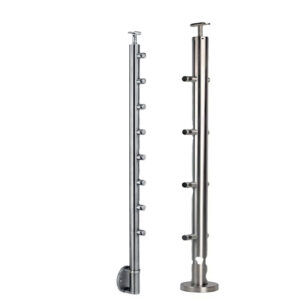
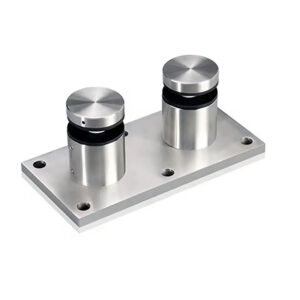
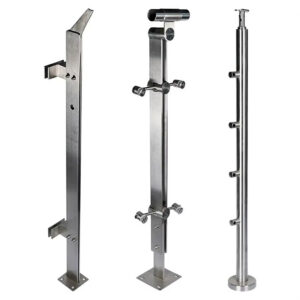
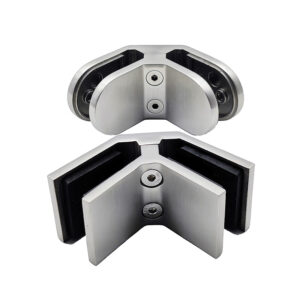
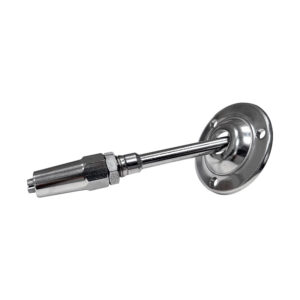
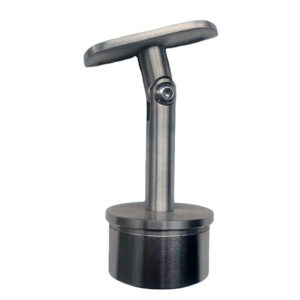
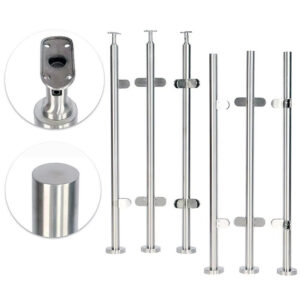
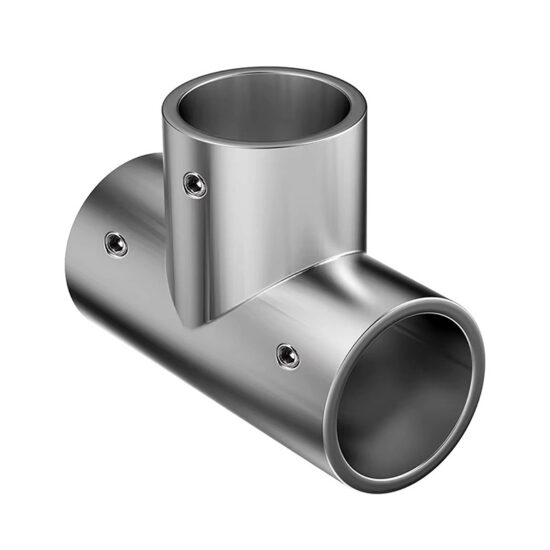
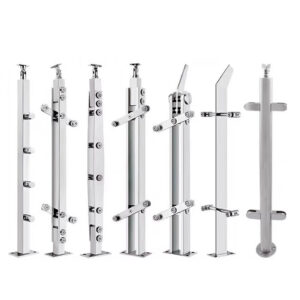
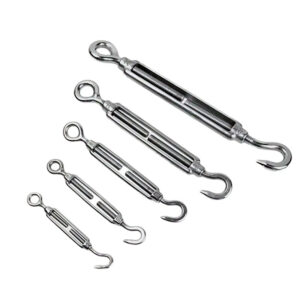
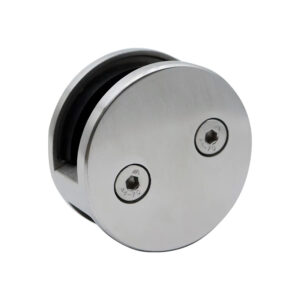
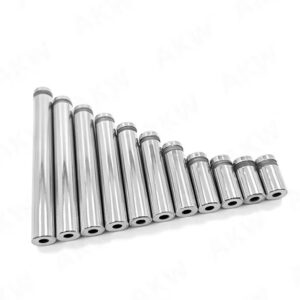
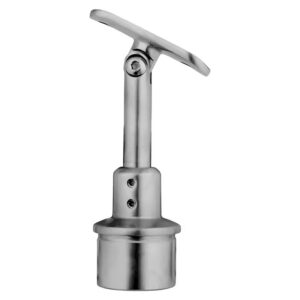
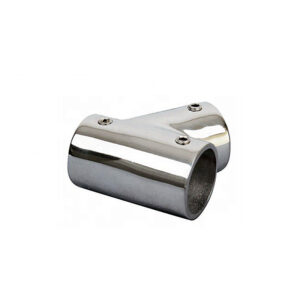
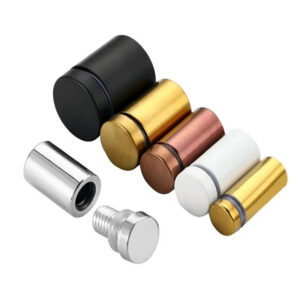
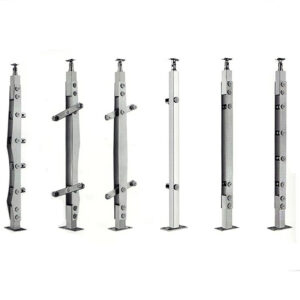
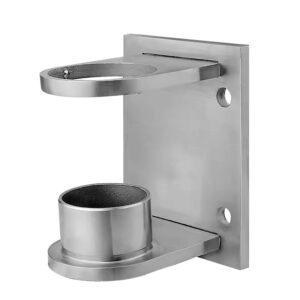
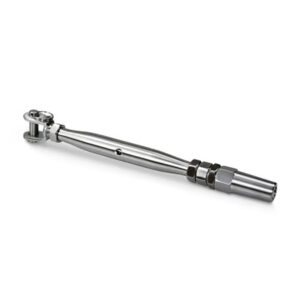
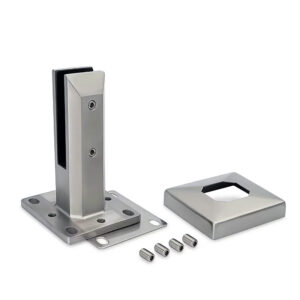
This is the stage where project information the buyer supplies, including the zone map, the drainage and crevice findings, and the access conditions for cleaning, feeds into how ESANG reviews a configuration or quotation for marine and coastal applications: the same component family can be proposed in different material, finish, or fastener configurations depending on which zone conditions the buyer specifies, rather than from a single generic coastal designation. Separately, where a project’s railing hardware needs to be matched for ongoing service, the relevant interface, mounting geometry, and finish details from ESANG’s salt-water-resistant components become part of the maintenance and replacement conversation, since a visually similar fitting does not by itself confirm compatibility with an existing installation’s mounting geometry or surrounding assembly.
Where a zone presents open drainage, routine wash-down, and full cleaning access, a project team has more latitude to rely on routine inspection and standard maintenance intervals to catch developing issues. Where a zone combines poor drainage, crevice geometry, and restricted cleaning reach, the same latitude does not exist, and the project team needs to decide upfront whether the design should change to improve access, whether a different fastener or fitting approach reduces the crevice condition, or whether a different inspection method is required to compensate for what routine cleaning and visual review cannot confirm. The exposure map built at the start of this process is what allows that decision to be made zone by zone rather than guessed at for the installation as a whole.
الأسئلة الشائعة
س: Can one coastal exposure category be used for the entire railing run?
A: Usually, the railing should be divided into zones before decisions are made. Record where airborne salt, direct splash, wash-down, retained wetness, and sheltered deposits occur, because different sections of the same run can face different exposure and access conditions.
س: Does an atmospheric-corrosivity classification determine the right stainless steel grade or expected service life?
A: No. It provides exposure context, but it does not select a grade or predict component life. Material decisions should also consider surface condition, fabrication, possible contamination, fasteners, drainage, inspection access, and planned upkeep for each zone.
س: How should two material or finish options be compared for a coastal railing?
A: Compare them against the same mapped zones and the complete project conditions rather than comparing grade names alone. Include the proposed finish, fabrication and contamination controls, joint and fastener details, drainage, cleaning access, inspection plan, and maintenance responsibility in the comparison.
س: What should the project team do when joints, bases, fasteners, or hollow sections are difficult to clean?
A: Mark those locations separately and confirm whether they can drain, be inspected, and be reached by cleaning tools and rinse water. Then carry those constraints into the detailing and upkeep plan instead of assuming that a general cleaning instruction will cover every location.
س: Does specifying passivation prove long-term coastal performance?
A: No. Passivation can be specified as an application-specific surface-treatment step with an agreed method and acceptance approach, but it does not by itself prove structural performance or a long-term coastal outcome. The project team should define what treatment is proposed, what contamination concern it addresses, and how completion will be confirmed.
س: What information should be ready before a coastal railing selection discussion?
A: Prepare the exposure map by railing section, identify drainage and crevice locations, note cleaning and rinse-water access, and assign inspection and maintenance responsibility. Add the proposed material, finish, fabrication, fastener, cleaning, and surface-treatment choices so the team can evaluate them against the actual conditions.