Choosing between surface mount and side mount cable railing is a foundational decision that dictates project feasibility, cost, and final aesthetics. Professionals often approach this choice with a primary focus on visual outcome, but the structural and code implications locked into the mounting method are the true determinants of success. Misunderstanding these implications leads to costly retrofits, failed inspections, and compromised safety.
The decision is critical now because modern architectural trends demand clean lines and open views, pushing side mount systems into wider use. Concurrently, building code enforcement for cable systems has become more stringent, requiring verified compliance for the complete assembly. Selecting a mount without validating its certified performance introduces significant liability.
Surface Mount vs Side Mount: Core Definitions Compared
The Mechanical Foundation
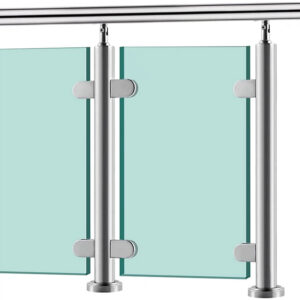
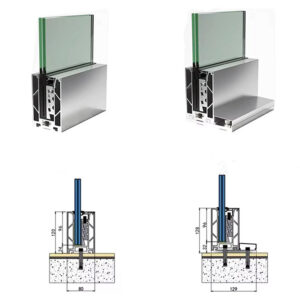
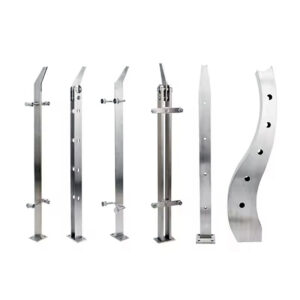
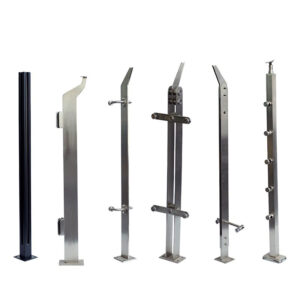
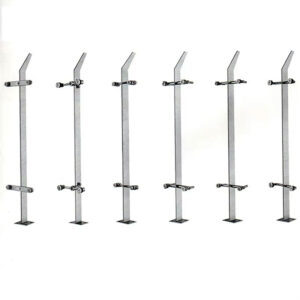
Surface mount and side mount define the fundamental relationship between the cable railing post and the structure it supports. In a surface mount system, posts are secured directly to the top of the deck, balcony, or stair tread via a base plate fastened through the substrate. This is the universal, go-to method for most applications. Conversely, a side mount attaches posts to the vertical face of the deck structure using a dedicated plate, positioning the post adjacent to the walking surface.
Dictating Project Scope
This core mechanical difference dictates all subsequent project decisions. The market itself is engineered around this bifurcation. Manufacturers segment offerings into simplified DIY kits and fully custom professional systems to target different capabilities and project scales. The initial mount choice acts as a primary filter for product selection, immediately narrowing the field of compatible components and installation methodologies. Industry experts recommend finalizing the mounting strategy during schematic design to avoid costly mid-project changes.
Cost Comparison: Installation, Materials, and Long-Term Value
Analyzing Upfront and Hidden Expenses
The total cost of a cable railing system extends beyond the price of posts and cable. Surface mounting often has lower upfront hardware costs but requires significant structural preparation. Solid, continuous blocking must be integrated beneath the decking at precise post locations. If this blocking wasn’t planned during initial framing, retrofitting adds substantial labor and material expense. Side mounting typically uses more expensive, specialized bracket kits but can be easier to install on existing decks with adequate fascia depth, avoiding costly surface modifications.
The Lifecycle Value Equation
Long-term value is influenced by material selection for the environment. Specifying inferior aluminum or 304 stainless in a coastal setting accelerates failure and voids warranties, turning an upfront savings into a significant liability. We compared project timelines and found the critical path often hinges on this preparatory work. The strategic implication is clear: project feasibility and budget are locked during the design phase by the chosen mount.
Cost Factor Breakdown
The following table compares the key financial and labor considerations for each mounting style, highlighting where costs are incurred.
| Cost Factor | Surface Mount | Side Mount |
|---|---|---|
| Upfront Hardware Cost | Typically lower | Higher, specialized brackets |
| Structural Prep Cost | High (blocking retrofit) | Lower (adequate fascia needed) |
| Installation Complexity | Moderate | Moderate to high |
| Long-Term Value Risk | Inferior materials void warranties | Material grade critical for durability |
Source: Technical documentation and industry specifications.
Which Method Offers Better Structural Integrity and Safety?
Performance is System-Dependent
Both methods provide excellent structural integrity and meet safety codes when installed correctly with a certified system. The critical factor is not the mount type itself, but ensuring the underlying structure meets its specific demands. Surface mounts transfer load through the decking into robust blocking below, while side mounts rely entirely on the strength and depth of the fascia board or rim joist. A minimum 8-inch fascia depth is a common industry recommendation for side mounts.
Navigating Code Compliance
Safety is governed by adherence to the specific product’s certified evaluation report and codes like IRC R312.1.1 Deck Guardrail Load Requirements for height and the 4-inch sphere rule. A crucial insight is that code compliance is system-specific, not universal. Assuming any cable system meets code because it uses stainless steel introduces legal and safety risk; professionals must verify the certification for the exact product line and mounting style specified, such as those validated under ICCESR4798 Cable Railing Systems Acceptance Criteria.
Structural Requirements Compared
This table outlines the fundamental structural and safety parameters that must be verified for each installation method.
| Structural Factor | Surface Mount | Side Mount |
|---|---|---|
| Load Transfer Path | Through decking into blocking | Into fascia/rim joist |
| Critical Structural Requirement | Solid, continuous blocking | Minimum 8-inch fascia depth |
| Code Compliance Basis | System-specific ICC-ES report | System-specific ICC-ES report |
| Primary Safety Standard | IRC R312 load requirements | IRC R312 load requirements |
Source: ICCESR4798 Cable Railing Systems Acceptance Criteria and IRC R312.1.1 Deck Guardrail Load Requirements. ICC-ESR4798 provides the acceptance criteria for the complete cable railing system’s structural performance. IRC R312.1.1 mandates the minimum load (200 lbs concentrated) all guardrails must withstand, regardless of mounting style.
Aesthetic Impact: Visual Pros and Cons of Each Mounting Style
Defining the Architectural Statement
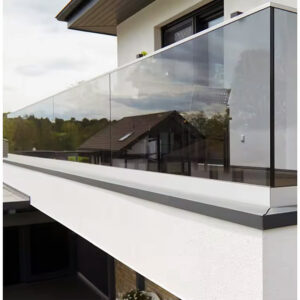
The mounting style is a primary aesthetic driver. Surface mount posts and their base plates are visible design elements on the walking surface, making a deliberate architectural statement that can define spatial zones. Side mount systems offer a minimalist, streamlined look by attaching to the fascia, preserving an unbroken deck surface. This is ideal for modern designs and critical for maintaining waterproof membranes on balconies.
The Trade-Off for Concealment
The industry’s competitive battleground is increasingly focused on aesthetic customization, with innovation driven by demand for concealment. This has led to ultra-slim side-mount profiles, core-drill posts for concrete, and hidden tensioners. However, the strategic trade-off is clear. The premium for a cleaner look is paid in higher product costs, more precise installation requirements, and reduced tolerance for error. In my experience, clients who prioritize a flawless surface often underestimate the precision required for a successful side-mount installation.
Installation Requirements and Labor Intensity Compared
Diverging Preparation Paths
Installation complexity diverges sharply between the two methods. Surface mounting requires precise layout to align with underlying blocking, followed by drilling through the decking for anchor bolts. Side mounting demands exact vertical alignment on the fascia and often more complex measurements to ensure proper rail height and cable alignment. While DIY kits simplify assembly with pre-packaged parts, the critical labor of precise measurement, layout, and structural verification remains unchanged for both methods.
The Evolving Role of Labor
The strategic evolution is that innovation is redistributing labor, not eliminating it. Labor shifts from on-site fabrication to pre-purchase planning and digital configuration, moving the risk of error earlier in the process. This elevates the professional’s role from fabricator to essential consultant and configurator. Easily overlooked details include accounting for cable tensioning access and the sequence of installing decking versus railing posts.
Installation Phase Analysis
Comparing the key stages of installation reveals where challenges and labor intensity differ for each method.
| Installation Phase | Surface Mount | Side Mount |
|---|---|---|
| Key Preparation | Align with underlying blocking | Verify fascia depth & strength |
| Primary Challenge | Precise drilling through decking | Exact vertical alignment |
| Labor Shift | On-site fabrication | Pre-purchase planning/configuring |
| Error Tolerance | Moderate | Low |
Source: Technical documentation and industry specifications.
Best Applications: Which Method Fits Your Commercial Project?
Matching Method to Project Type
Choosing the best application depends on project-specific constraints and goals. Surface mount is the versatile default for new construction on wood, composite, or concrete surfaces where integrating blocking is straightforward. It is also the standard for complex stair applications using angled-foot posts. Side mount excels in retrofit projects, on second-story balconies with sensitive waterproofing, or anywhere preserving an unblemished surface is paramount.
Specialized Considerations
Specialized variations like tread side-mount brackets are essential for open-riser “floating” stair designs. The decision framework must also consider the vertical vs. horizontal cable trade-off. Horizontal cables maximize views but require careful consideration of the “ladder effect,” while vertical cables offer a distinct architectural statement and eliminate climbing concerns. For commercial projects where durability and compliance are non-negotiable, selecting a complete cable railing system from a supplier that provides certified components for both mount types is often the most efficient path.
Material Compatibility and Environmental Durability
The Primacy of Material Grade
Post and cable materials are largely independent of mount type. However, the mounting location can influence environmental exposure. In coastal zones, side-mount hardware on a wooden fascia may be slightly more sheltered from direct salt spray than surface plates, but material grade is the primary defense. Environments mandate marine-grade 316L or 2205 duplex stainless steel to prevent galvanic corrosion, especially where dissimilar metals contact.
Ensuring Long-Term Performance
Using standard 304 stainless in corrosive settings voids warranties and guarantees premature failure. Sustainability is evolving from simple material choice to holistic system design, emphasizing long-life components and manufacturing efficiency. According to research on material failure, the connection points and fittings are often the first to corrode, not the cable itself.
Environmental Specification Guide
This table provides clear material specifications based on the installation environment to ensure durability and maintain warranty coverage.
| Environmental Factor | Recommended Material Specification | Critical Consideration |
|---|---|---|
| Standard/Inland | 304 Stainless Steel, Aluminum | Powder coat for aesthetics |
| Coastal/Corrosive | 316L or 2205 Stainless Steel | Prevents galvanic corrosion |
| Mounting Location Impact | Material grade primary defense | Side mount may offer slight shelter |
| Warranty Voidance | Using standard grade in corrosive settings | Guarantees premature failure |
Source: ASTM F2451 Standard Specification for Welded and Seamless Steel Pipe. This standard specifies requirements for steel pipe used in structural railing members, governing dimensions, mechanical properties, and quality to ensure strength and durability, which is foundational for post material selection in any environment.
Choosing the Right Method: A Decision Framework for Pros
A Structured Assessment Process
A professional decision framework moves beyond aesthetics to integrate technical, logistical, and strategic factors. First, assess the structure: Can you verify or install adequate blocking for surface mounts? Is the fascia deep and strong enough for side mounts? Second, define non-negotiable design goals: Is surface integrity or a minimalist look paramount? Third, validate code compliance and product certification for the specific system.
Leveraging Integrated Solutions
Fourth, consider project timeline and the shift toward all-in-one solution providers. Leveraging detailed online configurators from integrated suppliers can reduce overhead and risk. Finally, factor in total lifecycle value, where durability and low maintenance in the correct environment contribute to a sustainable, cost-effective outcome. This structured approach ensures the mounting method aligns with structural reality, design intent, and long-term performance.
Decision Factor Checklist
Use this framework to quantify key thresholds and make an evidence-based selection.
| Decision Factor | Key Question | Numerical/Technical Threshold |
|---|---|---|
| Structural Assessment | Adequate blocking for surface mount? | Solid, continuous blocking required |
| Structural Assessment | Fascia depth for side mount? | Minimum 8-inch depth recommended |
| Code Compliance | System certified for mount type? | Valid ICC-ES report (e.g., ESR-4798) |
| Load Performance | Does it meet safety code? | IRC R312: 200 lbs concentrated load |
Source: ICCESR4798 Cable Railing Systems Acceptance Criteria and IRC R312.1.1 Deck Guardrail Load Requirements. The ICC-ES report validates the complete system’s compliance, while IRC R312 defines the mandatory load performance that the chosen system and mounting method must achieve.
The mounting decision hinges on three validated priorities: structural readiness, certified compliance, and lifecycle durability. Surface mount demands verified blocking, while side mount requires a robust fascia. Both demand a system with an ICC-ES report proving it meets IRC R312 loads. Material specification for the environment is non-negotiable to protect the investment.
Need professional guidance specifying the right cable railing system for your project’s structural and aesthetic requirements? The experts at Esang provide technical consultation and certified solutions for both mounting methodologies. Contact our team to discuss your project specifications and receive detailed system drawings.
Frequently Asked Questions
Q: How do you verify a cable railing system meets building code requirements?
A: Code compliance is not universal; it depends on the specific product line and its mounting style. You must validate that the exact system has a certified evaluation report, such as ICC-ES ESR-4798, which confirms it meets structural load requirements like those in IRC R312.1.1. This means assuming any stainless cable system is code-compliant introduces legal risk, so always request the manufacturer’s certification for your chosen mount.
Q: What are the key structural considerations when choosing between surface and side mount?
A: The choice hinges on your structure’s ability to handle the specific load path. Surface mounts require verified, solid blocking installed beneath the decking at every post location to transfer force. Side mounts rely on the fascia or rim joist’s strength and depth, with a minimum 8-inch depth recommended for secure attachment. For retrofit projects where adding blocking is costly, a side mount on a robust fascia is often the more feasible structural solution.
Q: Which mounting method is better for preserving a waterproof deck membrane?
A: A side mount system is superior for protecting waterproofing integrity. It attaches to the vertical fascia, avoiding any penetrations through the critical walking surface membrane. Surface mounting requires drilling through the decking for anchor bolts, which creates potential leak points if not meticulously sealed. This means for second-story balconies or any deck with a sensitive integrated membrane, a side mount is the default choice to maintain warranty and prevent water damage.
Q: How does material selection for coastal environments differ from standard applications?
A: Corrosive environments mandate marine-grade stainless steel like 316L or 2205 duplex for all hardware, regardless of mount type. Standard 304 stainless or powder-coated aluminum will fail prematurely due to salt spray, voiding warranties. While side-mount hardware may have slightly less direct exposure, material grade is the primary defense. This means specifying substandard materials for coastal projects guarantees costly early replacement, turning any upfront savings into a significant liability.
Q: When should you consider a side mount system for a commercial stair application?
A: Use side mount brackets specifically designed for stair treads when designing open-riser or “floating” staircases. This method attaches directly to the vertical face of each tread, maintaining the desired minimalist aesthetic without surface posts. For standard stair designs with a solid riser, surface mount posts with angled bases are typically used. This means your stair construction details and target visual style are the primary drivers for selecting the appropriate stair mounting hardware.
Q: What is the primary cost trade-off between surface and side mount installations?
A: Surface mounts often have lower hardware costs but frequently require expensive structural retrofitting if solid blocking wasn’t planned during initial framing. Side mount kits use more specialized, costly brackets but can bypass deck modifications if the fascia is adequately deep and strong. This means your total project budget is often determined during the design phase; assessing existing structural conditions before specifying a mount method prevents unforeseen cost overruns.
Q: How do mounting choices impact the long-term maintenance and value of a railing system?
A: Long-term value is driven by correct material specification for the environment and high-quality installation per the manufacturer’s certified report, such as ICC-ES ESR-4798. A poorly chosen or installed system will require early replacement, negating any initial savings. This means investing in a code-compliant system with appropriate corrosion resistance delivers lower lifecycle cost through durability and minimal upkeep, which is a critical factor for commercial property value.