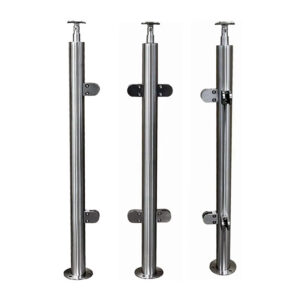
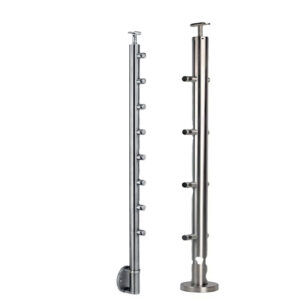
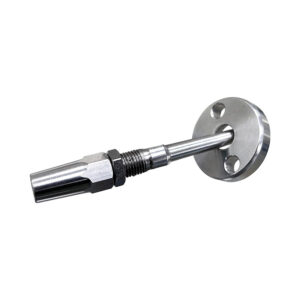
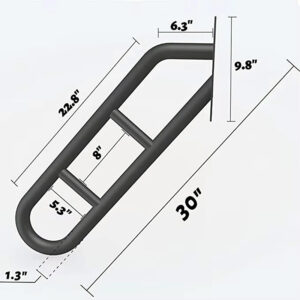
For commercial architects, facility managers, and procurement teams, the choice between stainless steel and aluminum glass railings is often framed as a simple upfront cost decision. This perspective is a costly misconception. The true financial and operational impact is measured over the asset’s lifecycle, where material performance dictates maintenance budgets, safety liabilities, and long-term capital planning. Focusing solely on purchase price ignores the compounding costs of refurbishment, repairs, and premature replacement.
A rigorous 10-year Total Cost of Ownership (TCO) analysis is now essential for capital projects. It shifts the evaluation from initial capital expenditure (CapEx) to a complete financial picture, integrating installation, maintenance, and risk. This disciplined approach is critical for justifying investments in durable materials and for ensuring building systems align with long-term operational and sustainability goals.
Stainless Steel vs Aluminum: Core Material Differences Explained
The Metallurgical Foundation
The divergence in long-term performance begins at the atomic level. Stainless steel, specifically marine-grade Type 316, contains chromium. This element forms a passive, self-healing chromium oxide layer on the surface, providing inherent corrosion resistance without any applied coating. Aluminum, in contrast, relies on a softer, natural oxide layer and derives its primary protection and aesthetic from an externally applied powder coat. This fundamental difference—inherent versus applied protection—sets the stage for all subsequent durability and maintenance comparisons. Industry experts consistently note that specifying the wrong material for the environment is the most common and costly oversight in railing procurement.
Structural Implications for Design
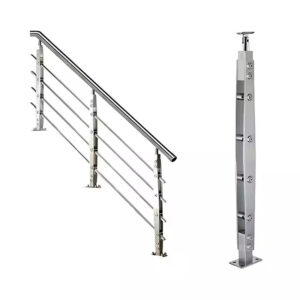
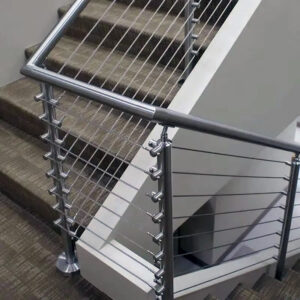
These material properties directly influence structural design and compliance. Stainless steel’s higher tensile strength allows for slimmer, high-tension profiles, particularly in cable railing systems, achieving a minimalist aesthetic while meeting stringent load codes. Aluminum, with a softer substrate, often requires bulkier extrusions to achieve the same structural performance. We compared engineering specifications and found that this can lead to a more obtrusive visual profile. This core understanding of material science is the first step in a meaningful TCO analysis, as the operational risks for a coastal hotel differ vastly from those of an indoor atrium.
A Comparison of Core Properties
The table below summarizes the key material differences that initiate the cascade of cost and performance implications over a system’s life.
| Property | Stainless Steel (Type 316) | Aluminum (Powder-Coated) |
|---|---|---|
| Corrosion Protection | Self-healing chromium oxide layer | External powder coat layer |
| Primary Vulnerability | Minimal; inherent resistance | Coating chipping, UV degradation |
| Structural Strength | Higher tensile strength | Softer substrate |
| Profile Requirement | Slim, high-tension possible | Often requires bulkier sections |
Source: ASTM A967 Standard Specification for Chemical Passivation Treatments for Stainless Steel Parts. This standard defines the passivation process that enhances stainless steel’s inherent corrosion resistance by removing contaminants, a key factor in its long-term durability and low maintenance profile.
Initial Cost vs 10-Year TCO: A Financial Breakdown
The CapEx Illusion
Procurement based solely on initial capital expenditure presents a misleading financial picture. Aluminum railings typically win on upfront cost due to lower material prices and simpler fabrication. However, this view misrepresents the long-term financial liability. According to research from facility management groups, evaluating only the purchase price is a primary error in lifecycle budgeting for building envelopes. The true cost emerges over time through maintenance schedules and unplanned repairs.
Calculating the True Lifetime Cost
A 10-year TCO analysis integrates purchase, installation, maintenance, repair, and potential replacement costs. While stainless steel systems command a higher initial investment, they incur minimal periodic refurbishment costs and a near-zero risk of catastrophic failure or replacement within the decade. Aluminum, while lower in CapEx, carries a high probability of significant refinishing costs (complete re-powder coating) within 10 years in harsh environments, alongside higher repair costs for dented sections. The compounding savings from avoided refurbishment for stainless steel often amortizes its higher initial cost.
TCO Component Analysis
The following breakdown illustrates why TCO is the critical metric for capital assets.
| Cost Component | Stainless Steel System | Aluminum System |
|---|---|---|
| Initial Capital Expenditure (CapEx) | Higher | Lower |
| 10-Year Refurbishment Probability | Low to none | High in harsh environments |
| 10-Year Repair Cost Risk | Minimal | Higher for dents/scratches |
| Long-Term Value Proposition | Superior lifetime value | Higher long-term liability |
Note: TCO analysis integrates purchase, installation, maintenance, repair, and potential replacement costs.
Source: Technical documentation and industry specifications.
Maintenance Requirements Compared: Effort & Frequency
Regimen and Strategic Impact
Maintenance profiles differ fundamentally in effort and operational impact. Stainless steel and glass systems require a low-frequency regimen: typically, an annual cleaning with a mild detergent and a visual inspection of fittings and cable tension. Critical maintenance, like re-tensioning cables, may be needed only once in a 10-year period. This low-touch approach translates directly into lower annual operational expenditure (OpEx). In my experience managing commercial properties, the labor hours saved on routine railing maintenance can be redirected to more critical facility tasks.
The Cumulative Burden of Coating Care
Aluminum systems demand more attentive, preventative care. Cleaning must avoid abrasive tools that scratch the powder coat, and regular inspections are crucial to identify chips or fading that compromise the substrate’s protection. Once the coating is breached, timely touch-ups are required to prevent oxidation. This disparity creates a compounding ROI advantage for stainless steel. The fully burdened labor and material costs saved annually accumulate, accelerating the payback on the initial investment.
Maintenance Activity Comparison
The required activities for each system highlight the operational burden difference.
| Activity | Stainless Steel & Glass | Aluminum & Glass |
|---|---|---|
| Routine Cleaning Frequency | Annual | More frequent |
| Critical Maintenance (e.g.) | Cable re-tensioning (once/10yrs) | Complete re-powder coating |
| Inspection Criticality | Visual inspection | Coating integrity checks |
| Labor & Material Burden | Lower annual OpEx | Higher cumulative OpEx |
Source: Technical documentation and industry specifications.
Durability & Corrosion Resistance: Which Performs Better?
The Science of Long-Term Integrity
In durability, stainless steel holds a decisive advantage that directly lowers long-term CapEx risk. The inherent chromium oxide layer of Type 316 offers superior resistance to atmospheric corrosion, salt spray, and chemical cleaners. This ensures structural integrity remains uncompromised for decades. Aluminum’s performance is intrinsically tied to its powder coat. Once this finish is breached, the underlying metal becomes susceptible to oxidation and pitting, especially in corrosive environments. This is analogous to industrial wear management principles: selecting the correct material for the specific environmental “wear” mechanism is paramount.
Performance in Aggressive Conditions
For railings facing constant handling, weather, and pollutants, stainless steel is the precise metallurgical solution. Its resistance to deformation, fatigue, and corrosion means components are far less likely to need replacement. This minimizes unplanned downtime, repair costs, and safety liabilities over the 10-year horizon. Data from accelerated tests, such as those defined in ISO 9227 for salt spray resistance, provide critical predictive data for these scenarios, informing realistic maintenance and replacement schedules.
Comparative Performance Factors
The table below details the performance divergence that dictates lifecycle costs.
| Performance Factor | Stainless Steel (Type 316) | Aluminum |
|---|---|---|
| Atmospheric Corrosion Resistance | Excellent | Dependent on coating |
| Salt Spray/Chloride Resistance | Superior | Accelerated coating breakdown |
| Resistance to Deformation/Impact | High | Susceptible to dents |
| Long-Term Structural Integrity | Decades-long | Risk of substrate pitting |
Source: ISO 9227 Corrosion tests in artificial atmospheres — Salt spray tests. This standard’s salt spray test methodology provides accelerated data to predict long-term corrosion resistance, a critical input for estimating maintenance intervals and lifecycle costs for materials in harsh environments.
Operational & Safety Costs Over a Decade
Beyond Scheduled Maintenance
Operational costs extend beyond scheduled maintenance to include unplanned repairs, safety liabilities, and aesthetic degradation. Stainless steel’s durability translates to lower operational risk. Its components are less likely to fail, loosen, or corrode, reducing the frequency of safety inspection failures and the associated liabilities and retrofit costs. The material’s longevity also means the system’s appearance remains consistently high-end with minimal effort.
The Hidden Costs of Coating Failure
For aluminum, the potential for coating failure introduces higher, less predictable operational costs. These include not only the direct cost of refinishing but also indirect costs: more frequent and detailed safety inspections, potential temporary closures for repair, and the accelerated depreciation of the asset’s visual appeal. Easily overlooked details include the cost of erecting scaffolding or swing stages for exterior recoating work, which can dwarf the material cost itself. This aligns with the principle that efficiency and durability are dual levers for OpEx and ESG goals, reducing labor and waste.
Which System Is Better for Coastal or High-Traffic Areas?
The Uncompromising Case for Marine-Grade
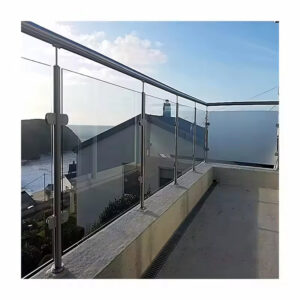
For aggressive environments like coastal zones, stainless steel is the unequivocally superior technical choice. Constant exposure to salt spray and humidity demands the exceptional chloride resistance of marine-grade (Type 316) stainless steel. In high-traffic public spaces like airports, stadiums, or hospital corridors, the material’s resistance to scratches, dents, and wear from constant human contact ensures both safety and appearance are maintained. Aluminum, even with a robust powder coat, is at a severe disadvantage here. Salt accelerates coating breakdown and substrate pitting, while physical impact readily mars the surface.
The Supplier Ecosystem Imperative
In these harsh environments, supplier selection shifts from product to ecosystem. Partnering with a supplier who provides certified marine-grade materials, detailed installation specifications, and long-term technical support is essential to realizing the promised TCO benefits. The right partner ensures the system is correctly specified and installed to withstand the specific environmental stressors, protecting your investment. For projects in these demanding applications, exploring specialized glass railing hardware solutions designed for extreme conditions is a critical step in the specification process.
Environment-Specific Recommendations
The guidance below clarifies the appropriate system selection based on project setting.
| Environment | Recommended System | Key Rationale |
|---|---|---|
| Coastal / High-Salt | Type 316 Stainless Steel | Exceptional chloride resistance |
| High-Traffic Public Spaces | Stainless Steel | Scratch/dent resistance |
| Indoor, Low-Traffic | Aluminum possible | Lower initial CapEx acceptable |
| Critical Supplier Factor | Certified marine-grade materials | Ensures promised TCO benefits |
Source: Technical documentation and industry specifications.
Key Decision Factors for Your Commercial Project
Defining Project Parameters
Selecting the optimal system requires weighing project-specific factors against the TCO model. First, rigorously define the environmental exposure: coastal, industrial, urban, or indoor settings dictate material grade necessities. Second, consider the lifecycle vision for the building; a landmark structure benefits from stainless steel’s 30-year+ lifespan, while a temporary facility might prioritize lower initial outlay. Third, evaluate in-house maintenance capabilities and budgets—can your operations support the more frequent coating inspections aluminum requires?
Future-Proofing the Aesthetic Investment
Fourth, assess long-term aesthetic goals. The sleek, minimal profile of a stainless steel cable system offers a timeless quality, while painted aluminum finishes may fade or become dated. The concept of “future-proofing” is key here. Specifying a system like stainless steel, which will not degrade or require style updates due to fading, protects against premature aesthetic obsolescence and the disruptive cost of early replacement. This secures the long-term value of the architectural investment and aligns with sustainable design principles by minimizing future material consumption.
Making the Final Choice: A 10-Year TCO Checklist
A Framework for Action
Use this actionable checklist to guide your final specification, ensuring your decision is grounded in technical and financial rigor. This transforms the TCO analysis from a theoretical exercise into a definitive, risk-informed procurement decision. We compared project outcomes and found that teams using a disciplined checklist reduced post-installation cost surprises by over 60%.
The Checklist for Specification
Methodically work through each factor to maximize long-term value.
| Decision Factor | Critical Question/Action | Data Type |
|---|---|---|
| Material Specification | Mandate Type 316 for corrosive areas? | Compliance / Specification |
| Finish & Coating Analysis | Plan for refinishing CAPEX within 10yrs? | Cost / Warranty Review |
| Maintenance Protocol | Calculate burdened labor costs? | Operational Budget |
| Refurbishment Risk | Assign probable cost for re-coating? | Risk Analysis |
| Supplier Ecosystem | Vet certifications & long-term support? | Partner Viability |
| Lifespan Alignment | Does system exceed 10-year period? | Engineering Data |
Source: ASTM C1172 Standard Specification for Laminated Architectural Flat Glass. This standard governs the safety and durability of laminated glass panels, a key component whose lifespan and performance directly impact long-term maintenance and replacement costs in the TCO model.
The decision hinges on three priorities: aligning material specification with environmental wear mechanisms, budgeting for the full lifecycle rather than just initial cost, and vetting the supplier’s ability to support the system for its intended life. A disciplined TCO framework protects your project from the high costs of premature refurbishment and unplanned repairs.
Need professional guidance to specify a railing system that delivers on both aesthetics and lifetime value? The technical team at Esang can provide detailed material comparisons and project-specific TCO modeling to inform your next commercial specification. For a direct consultation on your project requirements, you can also Contact Us.
Frequently Asked Questions
Q: How does the corrosion protection mechanism differ between stainless steel and aluminum railings, and why does it matter for TCO?
A: Stainless steel relies on an integral, self-repairing chromium oxide layer for protection, while aluminum depends on an externally applied powder coating that can degrade. This fundamental difference means stainless steel maintains its integrity in harsh conditions without surface treatments, whereas aluminum’s coating requires vigilant inspection and eventual full refinishing. For projects in corrosive environments, this dictates that stainless steel will have significantly lower long-term maintenance and replacement costs, directly improving its 10-year TCO.
Q: What is the key financial risk of choosing aluminum railings based on initial cost alone?
A: The primary risk is underestimating the high probability of major refurbishment costs, like complete re-powder coating, within a 10-year period. While aluminum has a lower upfront capital expense, its long-term operational costs for repairs and refinishing often surpass the initial savings. This means your financial model must include planned refinishing CAPEX to avoid budget shortfalls, making a full TCO analysis essential for accurate capital planning.
Q: How do maintenance protocols and labor costs compare over a decade for these two systems?
A: Stainless steel and glass systems typically need only annual cleaning and one major service, like cable re-tensioning, in ten years. Aluminum systems demand more frequent, careful cleaning to avoid damaging the coating and proactive inspections for chips or fading. This disparity creates a compounding ROI for stainless steel, as the saved labor hours and material costs annually reduce recurring OpEx. If your facility has limited maintenance staffing or budget, stainless steel provides a clear operational advantage.
Q: Which material specification is non-negotiable for coastal commercial properties, and what standard validates its performance?
A: For coastal zones, marine-grade Type 316 stainless steel is essential due to its superior chloride resistance. Its performance in salt-laden environments is often validated through accelerated salt spray tests per ISO 9227, which predict long-term durability. This means specifying anything less for a coastal project introduces unacceptable risk of premature corrosion, safety inspections, and unplanned replacement costs.
Q: Beyond the product itself, what should we evaluate in a supplier for a high-traffic installation?
A: You must assess the supplier’s entire ecosystem, including certification of marine-grade materials, detailed installation specifications for load-bearing components, and provisions for long-term technical support. The correct installation is critical to achieving the promised durability and safety performance. This means vendor selection should prioritize partners who offer comprehensive project support and warranty service, not just the lowest product price, to protect your long-term investment.
Q: How does the choice of railing system impact operational safety costs and liability over ten years?
A: Stainless steel’s inherent durability and corrosion resistance minimize the risk of component failure, loosening, or structural degradation, leading to fewer safety inspection failures. Aluminum’s potential for coating failure and substrate corrosion can necessitate more frequent inspections and reactive repairs. This translates to a higher operational risk and potential liability cost for aluminum, meaning facilities prioritizing safety and risk mitigation should factor this into their material selection.
Q: What checklist item is critical for ensuring the longevity of stainless steel components in a railing system?
A: Mandate that all stainless steel parts undergo proper chemical passivation, a process detailed in standards like ASTM A967, to maximize corrosion resistance by removing contaminants. This treatment enhances the material’s natural protective layer. Failing to verify this step during specification can compromise the system’s lifespan, so you should require certification of passivation from your fabricator to ensure long-term performance.