Selecting hardware for aseptic processing is a high-stakes material science decision. The wrong specification can introduce contamination vectors, compromise batch integrity, and trigger regulatory scrutiny. Many teams focus on component cost or basic material grade, overlooking the systemic interplay between alloy properties, surface micro-topography, and hygienic design that defines true cleanability.
This focus is critical now as advanced therapies and stringent global regulations demand demonstrable sterility assurance. The hardware is not just a vessel; it is the foundational barrier protecting the product. Understanding the standards and validation requirements for 316L stainless steel components is essential for building a resilient, compliant manufacturing process.
Key Properties of 316L Stainless Steel for Aseptic Use
Defining the Aseptic Substrate
The “L” in 316L is not optional. This low carbon specification (≤0.03%) is the primary defense against weld sensitization. During welding, carbon can migrate to grain boundaries, forming chromium carbides. This depletes local chromium, the element responsible for forming the protective passive layer, creating sites vulnerable to pitting and biofilm initiation. For aseptic systems, every weld is a potential failure point without this control.
The Role of Molybdenum and Nickel
While chromium provides passivation, molybdenum (2–3%) is the key alloying element for resisting chlorides and acidic process fluids common in cleaning and production. Nickel (10–14%) stabilizes the austenitic microstructure, providing ductility and toughness for fabrication. This combination ensures the material’s inherent corrosion resistance remains intact through decades of aggressive Clean-in-Place (CIP) and Steam-in-Place (SIP) cycles, preventing rouging and maintaining surface integrity.
A Non-Negotiable Procurement Criterion
Verifying 316L composition via material test reports (MTRs) is a fundamental audit step. Industry experts recommend treating this as a non-negotiable clause in quality agreements. We compared standard 304/304L against 316L in chloride-rich environments and found the latter’s pitting resistance equivalent number (PREN) is significantly higher, directly correlating to longer service life and reduced risk of particulate generation from surface degradation.
| Element | Composition Range | Primary Aseptic Benefit |
|---|---|---|
| Carbon (C) | ≤ 0.03% | Prevents weld sensitization |
| Molybdenum (Mo) | 2–3% | Chloride & acid resistance |
| Nickel (Ni) | 10–14% | Austenitic structure stability |
| Chromium (Cr) | 16–18% | Forms passive oxide layer |
Source: Technical documentation and industry specifications.
Surface Finish Standards: Ra Values and Electropolishing
Quantifying Cleanability with Ra
Surface roughness (Ra) is the quantitative metric for cleanability. It measures the arithmetic average of surface profile deviations. For critical aseptic product-contact surfaces, the target Ra range is 0.25–0.5 µm (10–20 µin). A smoother finish minimizes the microscopic valleys where soil, microorganisms, or endotoxins can adhere and evade cleaning procedures. Easily overlooked details include specifying Ra measurement direction and the number of readings required for a valid report.
The Electropolishing Advantage
Mechanical polishing merely flattens peaks; electropolishing removes a uniform layer of material. This electrochemical process levels the micro-profile, enhances the chromium-rich passive oxide layer, and creates a more isotropic surface. The result is improved corrosion resistance and superior cleanability. According to research, electropolishing can reduce bacterial adhesion by orders of magnitude compared to a mechanically polished surface of the same Ra.
Documentation as a Deliverable
Surface finish is not a claim but a validated characteristic. The required documentation includes weld maps, final Ra inspection reports, and electropolishing certificates. This data package becomes part of the equipment qualification (IQ/OQ) file. I’ve seen projects delayed because Ra validation was an afterthought rather than a defined factory acceptance test (FAT) protocol.
| Application Level | Target Ra Range | Key Process |
|---|---|---|
| Critical Aseptic | 0.25–0.5 µm (10–20 µin) | Electropolishing |
| General Hygienic | 0.5–0.8 µm (20–32 µin) | Mechanical polishing |
| Non-Product Contact | > 0.8 µm (> 32 µin) | As-welded / mill finish |
Source: ASME BPE-2022: Bioprocessing Equipment. This standard provides definitive specifications for surface finish (Ra) on product-contact surfaces in bioprocessing equipment, establishing electropolished finishes as the benchmark for cleanability and sterility assurance.
Hygienic Design Principles for Cleanability and Sterility
Eliminating Harborage Points
Material and finish are futile without proper design. Hygienic design’s core mandate is to eliminate crevices, dead legs, and areas where fluid can pool. This requires full penetration welds that are ground and polished flush, pitched surfaces for complete drainability, and the use of sanitary fittings like tri-clamps that provide a smooth, continuous flow path. A common mistake is using standard industrial fittings in hygienic zones, creating irreversible contamination risks.
The ASME BPE Framework
The ASME BPE-2022: Bioprocessing Equipment standard codifies these principles. It provides definitive rules for tubing, fittings, and components, specifying allowable dead leg lengths (L/D ratio), surface finishes, and connection types. Designing to this standard from the outset ensures the equipment architecture inherently supports cleanability, rather than relying on procedural controls to compensate for poor design.
A Systemic Integration
True aseptic integrity emerges from the system. This means integrating clean-in-place (CIP) spray devices for full coverage, ensuring steam-in-place (SIP) cycles have proper condensate drainage traps, and designing for inspectability. The design must facilitate validation, not hinder it. A vessel with a poorly placed sensor port or an internal coil with inadequate clearance becomes a validation liability.
Validating Cleanability: CIP, SIP, and Compliance Protocols
Protocol-Driven Hardware Requirements
Hardware must be designed to enable validation, not the other way around. For CIP validation, this means spray balls or rotating jets must achieve full visual coverage, verified by riboflavin testing. The surface finish and drainability directly impact rinse efficiency and residue testing results. For SIP, the system must withstand thermal cycling and include thermowells at cold points to prove sterility.
From Snapshots to Continuous Assurance
Traditional validation is a periodic snapshot. The strategic shift is toward equipment with integrated Programmable Logic Controllers (PLCs) and data logging. These systems can continuously monitor and record critical parameters—CIP flow rates, temperatures, SIP pressure decay—creating a data stream for quality assurance. This moves compliance toward real-time oversight and enables predictive maintenance, such as identifying a degrading spray ball performance before a cleaning failure occurs.
| Validation Protocol | Key Hardware Requirement | Typical Verification Method |
|---|---|---|
| Clean-in-Place (CIP) | Full spray coverage, drainability | Riboflavin testing |
| Steam-in-Place (SIP) | Condensate drainage, thermal cycling | Pressure decay tests |
| Integrated Compliance | PLC controls, data logging | Continuous QA data streams |
Source: Technical documentation and industry specifications.
Application-Specific Hardware: Vessels, Isolators, and Fluid Paths
Core System Components
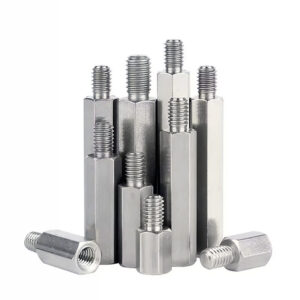
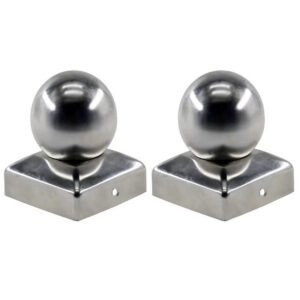
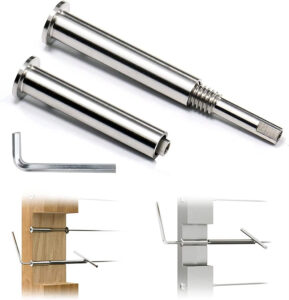
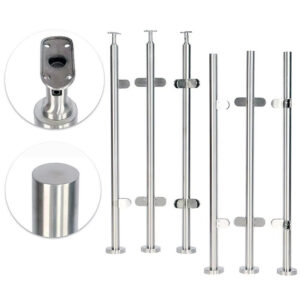
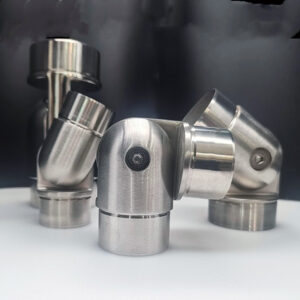
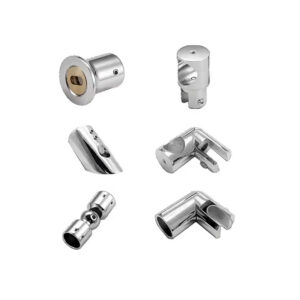
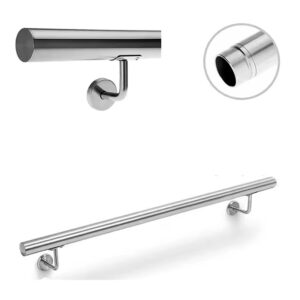
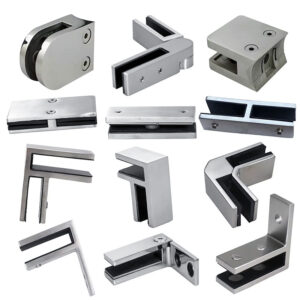
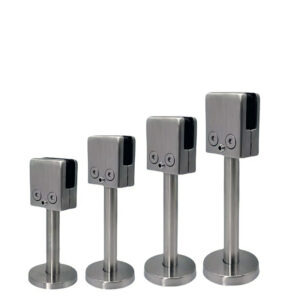
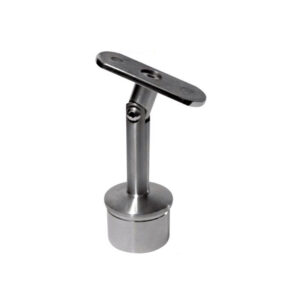
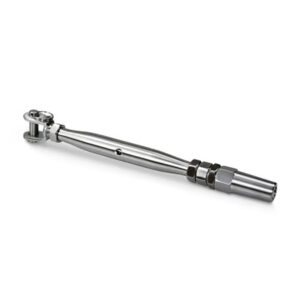
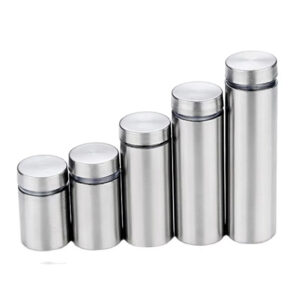
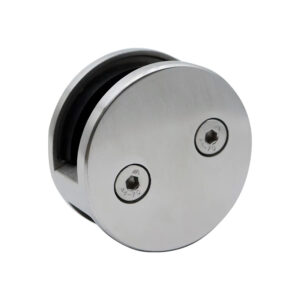
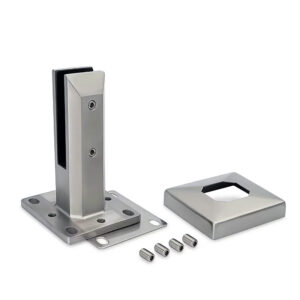
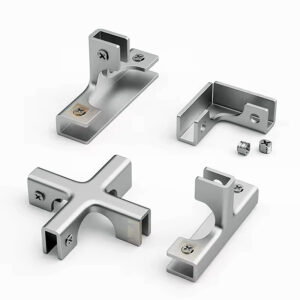
The principles of 316L and hygienic design apply universally but manifest differently. Sterile pressure vessels and bioreactors require electropolished interiors, jacketed for temperature control, and designed with integrated CIP/SIP. Fluid path components—piping, filter housings, pumps—demand orbital welds and sanitary connections to maintain a seamless product flow path. The choice of custom mounting hardware and brackets for supporting these systems is equally critical; they must be of compatible material and design to avoid introducing contamination or creating cleanability issues in support structures.
Specialized Containment: Radiopharmaceutical Isolators
This niche represents a hybrid challenge. Radiopharmaceutical isolators require a 316L enclosure for aseptic processing, but also integrated lead shielding for operator protection. The design must reconcile radiation safety standards with stringent hygienic design, often requiring custom solutions for transfer ports, glove systems, and waste handling that meet both sets of requirements.
The Rise of Modularity
Modular systems, from bench-top processors to mobile cleanroom skids, allow for scalable process development. The key is using the same design principles and specifications at all scales. This ensures technology transfer from R&D to production is de-risked, as the fundamental cleanability and material attributes remain consistent.
| Hardware Type | Core 316L Requirement | Specialized Design Feature |
|---|---|---|
| Sterile Pressure Vessels | Electropolished interior | Integrated CIP/SIP systems |
| Fluid Path Piping | Orbital welds | Sanitary tri-clamp connections |
| Radiopharmaceutical Isolators | Full 316L enclosure | Lead shielding integration |
| Modular / Scalable Systems | Consistent Ra specification | Mobile cleanroom compatibility |
Source: Technical documentation and industry specifications.
Material Selection vs. Surface Finish: Which is More Critical?
The Interdependence Principle
This is a false dichotomy. The 316L substrate provides the essential, long-term corrosion resistance. A perfect electropolished finish on a susceptible material will eventually fail through pitting or rouging. Conversely, certified 316L with a poor, pitted, or rough finish will harbor contaminants immediately. The low carbon content is specifically what allows welding without destroying the corrosion resistance needed to maintain the finish.
The Total Cost of Ownership Lens
The strategic question shifts from initial cost to total cost of ownership (TCO). Properly specified 316L hardware with validated finishes can have a service life measured in decades. The initial investment is justified by avoiding batch losses, regulatory actions, and frequent component replacement. The TCO analysis must include the vendor’s support ecosystem—availability of spare parts, technical support, and predictive maintenance services.
| Factor | Role in Aseptic Integrity | Consequence of Failure |
|---|---|---|
| 316L Substrate | Essential corrosion resistance | Pitting, rouging, biofilm |
| Surface Finish (Ra) | Determines cleanability | Contaminant harborage |
| Weld Integrity (Low C) | Preserves corrosion resistance | Sensitization, localized attack |
| Total Cost of Ownership | Decades-long service life | Justifies initial investment |
Source: Technical documentation and industry specifications.
Maintaining Sterility: Inspection, Passivation, and Rouging Control
Proactive Maintenance Regimes
Post-installation, the aseptic barrier requires active management. Regular visual inspections using borescopes and proper lighting are essential to identify scratches, pitting, or the onset of rouge—a form of iron oxide deposit that can flake and become a contaminant. A common mistake is treating passivation as a one-time event; it should be a periodic procedure, especially after any mechanical repair or abrasive cleaning.
Rouging Identification and Management
Rouging is categorized by type (I, II, III) based on its composition and adherence. Management requires proper chemical cleaning procedures and, in some cases, electropolishing for removal. Control strategies include maintaining high-purity water standards and optimizing SIP procedures to minimize oxidative conditions. Future sustainability pressures will likely drive innovation in rouge-inhibiting chemistries and water-efficient cleaning protocols.
The Data-Driven Maintenance Log
Maintenance is transitioning from calendar-based to condition-based. Integrating inspection findings, passivation records, and rouge monitoring data into a centralized log creates a lifecycle history for each vessel or system. This data is invaluable for troubleshooting, forecasting refurbishment needs, and providing evidence of control during regulatory audits.
Implementing a Specification Framework for Your Process
Building a Multi-Hazard Framework
For advanced therapies, the specification framework must plan for convergence. Future processes may require isolators that integrate sterility (Grade A), radiation shielding (for radiologics), and biosafety containment (BSL-2/3). The hardware specification must be robust enough to satisfy this multi-hazard environment from the initial design phase, a far more complex challenge than single-attribute design.
Securing the Supply Chain
Specifications are meaningless without a qualified fabricator. Supply chain resilience depends on partners with proven ASME BPE certification, in-house welding and electropolishing capabilities, and full material traceability. Nearshoring or domestic sourcing mitigates geopolitical risk and ensures closer collaboration during fabrication and factory acceptance testing (FAT).
Balancing Specification with Strategy
The final framework balances technical minutiae with strategic enablers. It defines the hard requirements: 316L MTRs, Ra ≤ 0.5 µm, ASME BPE design. It also mandates the strategic enablers: digital twin data integration for lifecycle management, TCO analysis for justification, and a supplier partnership model that ensures long-term operational readiness and support.
The decision pivots on three priorities: verifying the material and finish as a unified system, designing for validation from the outset, and selecting partners based on lifecycle support capability, not just initial cost. This framework turns hardware specification from a procurement task into a strategic risk mitigation activity.
Need professional guidance specifying 316L stainless steel components for your aseptic or hygienic process? The engineers at Esang specialize in translating these technical standards into reliable, compliant hardware solutions. For a detailed discussion on your specific application requirements, you can also Contact Us.
Frequently Asked Questions
Q: What are the critical surface finish specifications for 316L stainless steel in aseptic processing?
A: Electropolished finishes with an Ra (Arithmetic Average Roughness) between 0.25 µm and 0.5 µm are the standard for critical product-contact surfaces. This electrochemical process smooths microscopic peaks and enhances the passive oxide layer, directly impacting cleanability. For projects where sterility assurance is paramount, your quality agreements must explicitly define this Ra range and require supporting documentation, such as weld maps and finish reports, as part of equipment qualification. This transforms a technical specification into an auditable validation deliverable.
Q: How do hygienic design principles complement the material choice of 316L stainless steel?
A: Hygienic design is a mandatory system-level approach that ensures the cleanability enabled by 316L can be fully realized. Key principles include crevice-free construction with orbital welds, fully drainable pitched surfaces, and the use of sanitary connections to minimize dead legs as defined by ASME BPE-2022. This means facilities designing new aseptic lines should prioritize vendors with proven expertise in this distinct discipline, not just material compliance, to eliminate microbial harborage points inherent in standard industrial designs.
Q: Why is 316L specifically required over standard 316 stainless steel for welded aseptic hardware?
A: The “L” denotes a low carbon content (≤0.03%), which is essential to prevent sensitization during welding. Sensitization causes chromium depletion at grain boundaries, creating sites vulnerable to pitting corrosion and biofilm adhesion. This means for any custom-fabricated vessel or piping system, you must verify 316L material certifications as a non-negotiable procurement criterion to ensure long-term corrosion resistance and surface integrity through repeated sterilization cycles.
Q: What is the strategic role of equipment validation data in modern aseptic compliance?
A: Modern hardware with integrated PLCs and data logging enables a shift from periodic validation to continuous, data-driven quality assurance. Performance data from CIP cycles or SIP pressure decay tests can feed directly into quality management systems. If your operation aims to streamline regulatory submissions and enable predictive maintenance, you should plan for this digital integration during equipment specification, as it represents a strategic evolution in compliance strategy.
Q: How should we evaluate the total cost of ownership for 316L aseptic processing equipment?
A: Evaluating TCO requires justifying the higher initial investment against decades of reliable service, which hinges on both proper 316L specification and a high-quality electropolished finish. The key factor is the vendor’s long-term support ecosystem for predictive maintenance and 24/7 technical assistance. This means for capital projects, you should prioritize suppliers who demonstrate lifecycle partnership capabilities, not just the lowest upfront cost.
Q: What maintenance protocols are essential for preserving the aseptic integrity of 316L surfaces?
A: Proactive maintenance requires regular visual inspection for defects or rouge, coupled with periodic chemical passivation to rejuvenate the protective chromium oxide layer, especially after any mechanical repair. Implementing a documented rouging control strategy is also critical. This means facilities must budget for and schedule these recurring activities to prevent gradual cleanability compromise, ensuring the equipment’s validated state is maintained throughout its operational life.
Q: How do application-specific needs, like radiopharmaceutical production, influence hardware specifications?
A: Specialized applications demand a hybrid design approach. For example, radiopharmaceutical isolators must integrate personnel radiation shielding (like lead) with a product-protective 316L enclosure meeting full aseptic standards. This means when sourcing equipment for multi-hazard processes, you need vendors capable of engineering solutions where safety and sterility protocols are equally critical and validated, a niche beyond standard bioprocessing equipment suppliers.