When a specification lists “wet-glaze” or “dry-glaze” as the base shoe installation method, that label alone does not tell a procurement team which materials, sequence, or replacement path the project will actually get. Two packages carrying the same label can differ in their component schedules, their tolerance for field conditions, and how a damaged pane gets removed later. Buyers who treat the label as the decision point, rather than the named instructions behind it, risk comparing two systems that only look equivalent on paper.
Glazing-method labels versus the actual component package
“Wet-glaze” and “dry-glaze” describe how glass is set and secured into a base shoe channel, but the label itself is a category name, not a specification. A wet-glazed system relies on an applied glazing material that cures in place; a dry-glazed system relies on preformed components — wedges, gaskets, setting blocks — that lock the glass mechanically without curing. Knowing which category applies tells a buyer almost nothing about whether the specific materials, tolerances, and installation steps are suitable for the project at hand.
This matters because two systems sharing the same method label can still differ in what they require from the installer, the site, and the surrounding assembly. A wet-glaze package from one source may specify different surface preparation, cure duration, or replacement method than another wet-glaze package; the same holds for dry-glaze packages built from different wedge, gasket, and shoe-profile combinations. Where the project documentation names only the method and not the component schedule, the buyer is evaluating a category rather than a system.
The practical consequence is that procurement comparison has to move past the method name and into the named instructions: what glazing materials or components are specified, what sequence they’re installed in, and what the manufacturer or specifier states about replacement. A base shoe channel and a structural glass base rail can both accept wet-glaze or dry-glaze treatments, but the channel geometry, drainage provisions, and anchor pattern are a separate set of questions from the glazing method itself. Confusing “what holds the glass in the shoe” with “what holds the shoe to the structure” leads to incomplete specification review.
Where the condition changes — for instance, where a project specifies a particular glass build-up or a particular shoe profile — the glazing method must be evaluated against that specific pairing rather than against a generic description of wet or dry glazing. A method that performs acceptably with one glass build-up may not have been evaluated against another. This is the gap a procurement team needs to close before treating the method label as sufficient for ordering or installation planning: request the specific package of materials, components, and instructions tied to the named method, not just confirmation of which method applies.
Wet-glaze controls for preparation, placement, and cure
A wet-glazed base shoe package depends on a sequence of controlled steps rather than a single material choice. The specified glazing material has to be matched to the surface preparation it requires — cleaning, priming, or conditioning the channel and glass edge so the material bonds as intended. Skipping or shortening this preparation changes how the cured material performs, even if the same material is used. Because this preparation step precedes the visible installation work, a buyer reviewing a finished installation cannot confirm it occurred without documentation or inspection access established before the work was covered or glazed.
Placement sequence follows preparation and is equally dependent on being done in the specified order: how the glass is positioned in the channel, what spacing or centering devices are used during cure, and how long the assembly must remain undisturbed. Where the placement sequence is interrupted or compressed — because of site scheduling pressure, weather, or workforce turnover — the cured result may not match what the specified material was designed to achieve, even though the correct material was used.
Cure conditions are the third control, and they are the most sensitive to site variables outside the installer’s direct control: ambient temperature, humidity, and the time allowed before the assembly is loaded or exposed to further construction activity. A wet-glaze specification that assumes a controlled or conditioned environment carries a different risk profile on a site where those conditions cannot be guaranteed. This is a condition the buyer has to evaluate against the actual site and programme, not against the specification sheet alone.
Replacement method is the final control a wet-glazed package has to define, and it is often addressed with less attention than installation because it is not part of the initial project sequence. A wet-glazed assembly’s replacement method — how a damaged pane is removed from cured material without damaging the channel or adjoining components — needs to be identified in the same package as the preparation, placement, and cure instructions, not assumed to be the reverse of installation. Where this method is not specified, the buyer is accepting a system whose maintenance pathway is undefined until a replacement is actually required.
Dry-glaze matching of wedges, gaskets, glass, and shoe
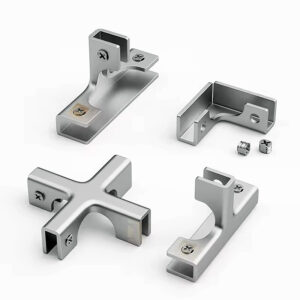
A dry-glazed base shoe depends on a matched set of components rather than a cured material: wedges that position and lock the glass within the channel, gaskets that take up tolerance and provide a seal, setting blocks that establish correct bearing, the shoe profile itself, and the glass build-up those components were sized for. These parts function as one system. A wedge or gasket substituted from a different source, even if dimensionally similar, changes how the whole assembly takes up tolerance and transfers load, because the components were specified together rather than independently.
This matched-set dependency is the central difference from a wet-glazed approach. Where a wet-glaze package depends on a correctly executed sequence of preparation and cure, a dry-glaze package depends on correctly matched parts and a correctly completed locking step — tightening, seating, or otherwise engaging the wedge and gasket set so the glass is held within its intended tolerance. The installation risk shifts from “was the material allowed to cure properly” to “were the right components used together and locked correctly.”
Because dry-glaze systems are mechanically assembled rather than cured, they can offer a more direct replacement path: removing and reinstalling the component set does not depend on breaking a cured bond. But this advantage holds only where the original matched set — or an approved equivalent — remains available and where the replacement installer uses the same component combination the system was designed around. Substituting an unmatched wedge or gasket at replacement time reintroduces the same risk as using mismatched components at original installation.
The glass build-up is part of this matched set, not a separate variable. A dry-glaze component set sized for one glass thickness or interlayer configuration does not necessarily perform the same way with a different build-up, even where the shoe profile is nominally the same. This is where glass compatibility and component matching overlap: the buyer needs confirmation that the wedges, gaskets, and setting components are specified for the actual glass build-up the project is using, not generically compatible with the shoe profile alone.
Site conditions that alter installation risk and programme
Site conditions change which installation risks are active, regardless of which glazing method is specified. Field tolerances — how closely the actual installed channel, anchor positions, and glass dimensions match the design intent — affect both methods, but differently. A wet-glaze system can sometimes accommodate irregular tolerances through the applied material itself, within the limits the specified material allows; a dry-glaze system depends on the matched component set’s built-in tolerance range, and conditions outside that range may not be absorbed by adjusting the installation sequence.
Installer capability is a second variable that interacts with method choice. A wet-glaze installation requires the crew to execute a time-sensitive sequence of preparation, placement, and cure correctly, which depends on training and experience with that specific material system. A dry-glaze installation requires the crew to correctly identify, orient, and lock a component set, which depends on familiarity with that particular hardware rather than with a curing process. Where a project’s available workforce has stronger experience with one approach than the other, that capability gap is itself a factor in the method decision, separate from any difference in the systems’ design performance.
Weather and programme constraints bear most directly on wet-glaze systems because cure conditions are sensitive to temperature and humidity, and because the cure period occupies time in the construction programme during which the assembly cannot be loaded or disturbed. A dry-glaze system’s locking step is comparatively less sensitive to ambient conditions, which can make it a better fit where the programme has limited tolerance for weather-dependent delay — but this advantage depends on the matched component set being available and correctly specified before installation begins, not on the method alone.
Where a project’s field tolerances are tight and well controlled, and the workforce has strong experience with a cured-material approach, a wet-glaze system’s dependence on preparation and cure may be a manageable risk. Where field tolerances are more variable, or the programme cannot absorb cure-related delay, a dry-glaze system’s reliance on a matched, mechanically locked component set may align better with the project’s constraints. Neither condition makes one method universally preferable; each shifts which risks the buyer is managing.
Inspection and pane-replacement implications
Inspection access differs between the two methods because the work being verified is different in kind. A wet-glazed assembly’s preparation and placement steps are only inspectable while they are exposed — before the glazing material is applied and before it cures. Once cured, direct inspection can confirm final position and appearance but cannot verify that surface preparation or cure conditions were met as specified. This means a buyer who wants assurance on a wet-glazed system needs inspection access built into the project’s sequencing, not scheduled only after the work is complete.
A dry-glazed assembly remains more directly inspectable after installation because the components themselves — wedges, gaskets, shoe profile — are mechanically present and can be checked for correct type, position, and engagement. This does not eliminate the need for timed inspection, since confirming that the locking step was completed correctly may still depend on observing the installation rather than only the finished result, but it reduces the degree to which inspection depends on timing.
Pane replacement follows directly from these same differences. A wet-glazed system’s replacement method depends on how the cured glazing material can be removed without damaging the channel, the shoe, or adjoining hardware — a process that needs to be defined in the original specification rather than improvised at the point of damage. Where this method is not documented, a replacement crew may default to an approach that was not evaluated against the specified material, which changes the risk profile of the repair itself.
A dry-glazed system’s replacement path depends on whether the original matched component set, or an approved equivalent, remains obtainable at the time replacement is needed. Where the original wedge, gasket, and setting-block combination is still available, replacement can proceed as a reversal of the installation sequence. Where it is not, the replacement crew is effectively re-specifying the component match, which returns the project to the same matching question that applied at original installation. Buyers planning for long-term maintenance should confirm which replacement path each named system supports before selecting between methods, rather than assuming either system’s replacement process is self-evident from its installation method.
Procurement comparison based on named system instructions
| Decision area | Wet-glaze package to compare | Dry-glaze package to compare | Project decision boundary |
|---|---|---|---|
| Package identity | Specified glazing materials and surface-preparation requirements | Matched wedges, gaskets, setting components, shoe profile, and glass build-up supplied or approved as one system | The method label alone does not establish project performance; compare the named package and instructions. |
| Séquence d'installation | Surface preparation, placement sequence, and cure conditions | Named component-installation and locking steps | Compare the complete sequence against the project rather than relying on generic wet-versus-dry claims. |
| Field tolerances | How the specified materials and placement sequence apply to project field tolerances | How the matched component set applies to project field tolerances | Final suitability depends on the project’s field tolerances and system configuration. |
| Installer capability | Capability to execute the specified preparation, placement, and cure steps | Capability to install the matched component set and complete its locking steps | Select only after comparing the named instructions with actual installer capability. |
| Weather and programme | Cure conditions against site weather and programme constraints | Locking steps against site weather and programme constraints | The better option depends on the project’s weather and programme constraints. |
| Inspection access | Access to inspect preparation, placement, and cure-related work | Access to inspect the matched components and locking work | Compare project-specific inspection access; the method label does not establish acceptance. |
| Pane replacement | Named removal and replacement method for the specified glazing materials | Named removal and replacement method for the matched dry-glaze components | Select with the planned approach to future glass removal and replacement. |
The decision between wet-glaze and dry-glaze base shoe systems is made at the level of named instructions and component schedules, not at the level of the method label. A specification that states “wet-glaze” or “dry-glaze” without naming the specific glazing materials, component set, installation sequence, and replacement method has not yet given the buyer enough information to evaluate field tolerance, installer capability, weather and programme fit, inspection access, or replacement risk. Reference material such as the National Glass Association’s FB33-11 guidance on laminated glass in glass railing systems addresses support configuration, interlayer edge exposure, and glazing-system design inputs relevant to this kind of comparison, though it remains informational guidance from its stated year and does not substitute for the current project’s own design verification. Similarly, ASTM E2358 sets out classification and performance scope for glazing in permanent railing systems at a public-summary level; the detailed requirements and project acceptance criteria require the licensed standard text and the project’s own engineering authorities, not inference from the scope summary alone.
Within this framework, procurement review has a practical sequence: confirm which method is specified, then request the named materials or component schedule behind that method, then evaluate that schedule against the project’s actual field tolerances, available installer capability, and programme constraints, and finally confirm the documented replacement method before the system is accepted into the project. Where this sequence is shortened — where only the method label is confirmed — the buyer has accepted a category rather than a system, and the gaps in that category only become visible when field conditions or a later replacement expose them.
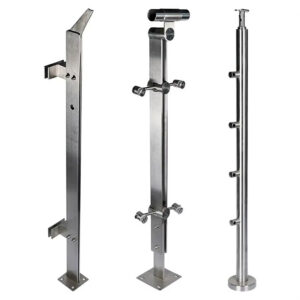
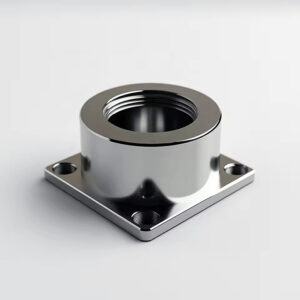
Base shoe component selection, including channel geometry and structural base rail configuration, is a related but separate question from the glazing method; the questions converge where the buyer is assembling a complete, coordinated base shoe system for a project rather than evaluating glazing method in isolation. Project information such as the specified glass build-up, site field tolerances, and the governing installation instructions is what a supplier needs in order to confirm which component package and configuration can actually support a named wet-glaze or dry-glaze specification for that project.
The information a buyer still needs before finalizing this choice is specific: the named glazing materials or matched component list, the documented installation sequence, and the stated replacement method for each candidate system. Where a project’s documentation already specifies these details, the comparison can proceed directly against the project’s field tolerances and programme. Where it does not, obtaining that documentation — rather than relying on the wet-glaze or dry-glaze label alone — is the step that determines whether the selected system will perform as the project requires.
Questions fréquemment posées
Q : What should a buyer request before choosing wet-glaze or dry-glaze base shoes?
A : Request the named installation instructions and complete component schedule. For wet glazing, confirm the specified materials, surface preparation, placement sequence, cure conditions, and replacement method; for dry glazing, confirm the matched wedges, gaskets, setting components, shoe profile, glass build-up, locking steps, and replacement method.
Q : Can a dry-glaze base shoe be selected by shoe profile alone?
A : No. Treat the wedges, gaskets, setting components, shoe profile, and glass build-up as a matched set supplied or approved as one system, and verify any proposed variation against the named system instructions.
Q : Which site details can change the better glazing choice?
A : Confirm the actual field tolerances, installer capability, weather exposure during installation, and programme constraints. Compare those facts with the wet-glaze preparation and cure requirements or the dry-glaze installation and locking steps before selection.
Q : How should future glass replacement affect procurement?
A : Require a named removal and replacement method for the proposed package before purchase. Check how the installed components can be accessed and inspected so the project team can judge whether the planned replacement approach is practical for the site.
Q : Does selecting wet glazing or dry glazing establish railing performance or compliance?
A : No. The method label does not establish project performance or acceptance; verify the actual glass and glazing-system configuration against the current jurisdiction, project design, applicable licensed standard requirements, and the project authorities’ acceptance criteria.