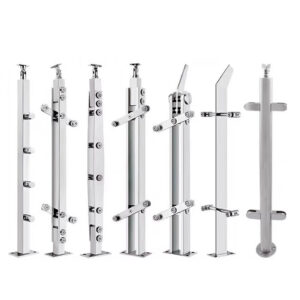
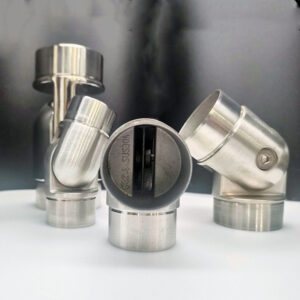
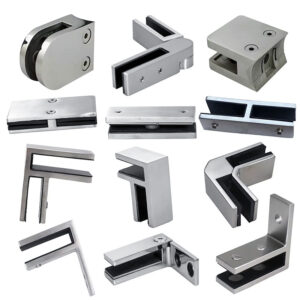
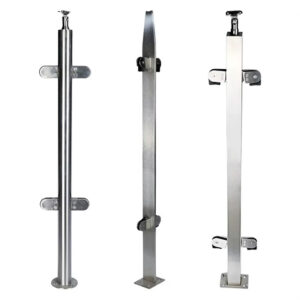
Выбор подходящей отделки из нержавеющей стали для стеклянных перил - важнейшее решение при проектировании и спецификации, выходящее далеко за рамки эстетики. Выбранная текстура поверхности определяет долгосрочную прочность, протоколы обслуживания и общую стоимость проекта, но часто к ней относятся как к второстепенному визуальному выбору. Профессионалы сталкиваются с общей проблемой: балансировать между первоначальной привлекательностью глянцевой зеркальной отделки и практической устойчивостью матовой или сатиновой альтернативы, часто не имея четких рамок для оценки компромиссов.
Это решение имеет большое значение, поскольку отделка напрямую взаимодействует со стеклом и окружающей средой, формируя постоянную архитектурную особенность. В эпоху, когда эксплуатационные характеристики зданий и стоимость жизненного цикла подвергаются тщательному анализу, понимание технической иерархии отделки из нержавеющей стали - от коррозионной стойкости до скрытия износа - необходимо для реализации проектов, отвечающих эстетическому замыслу без ущерба для долговечности и бюджета.
Матовый vs зеркальный vs сатиновый: Определение основных различий
Механическая основа текстуры поверхности
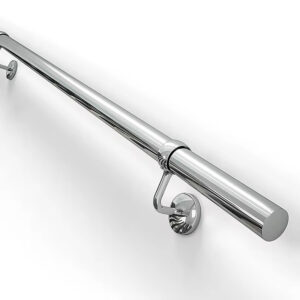
Визуальное различие между матовыми, зеркальными и сатиновыми покрытиями обусловлено особыми стандартизированными механическими процессами. Матовая отделка #4 создается с помощью направленных абразивов, что позволяет получить равномерное линейное зерно с мягким, низким или средним блеском. Этот процесс намеренно оставляет видимую текстуру. Зеркальная отделка #8, напротив, требует тщательной постепенной шлифовки и полировки для устранения всех линий и дефектов, в результате чего получается безупречная глянцевая отражающая плоскость. Сатинированная отделка #6 занимает изысканную середину, подвергаясь первоначальной шлифовке с последующей тонкой полировкой для достижения гладкой, бархатистой поверхности, характеризующейся мягким сиянием и минимальной отражательной способностью.
От товара к индивидуальным решениям
Эта техническая иерархия напрямую влияет не только на внешний вид, но и на стоимость, чистоту и воспринимаемое качество. Отраслевые эксперты рекомендуют смотреть дальше этих трех видов отделки. Мы сравнили запатентованные технологии и обнаружили, что ведущие производители теперь предлагают усовершенствованные решения, такие как керамические покрытия. Эти запатентованные технологии отделки сигнализируют о переходе рынка к дифференцированным системам с добавленной стоимостью, которые решают специфические проблемы долговечности и эстетического соответствия, которые не может решить стандартная нержавеющая сталь.
Сравнение затрат: Первоначальные инвестиции и долгосрочная стоимость
Факторы, определяющие первоначальные затраты
Первоначальная стоимость отделки нержавеющей стали неразрывно связана с трудоемкостью ее производства. Зеркальная полировка #8 имеет самую высокую цену из-за точности и большой ручной работы, необходимой для достижения оптической чистоты. Матовая (#4) и сатиновая (#6) полировки более экономичны, причем сатиновая обычно имеет умеренную надбавку к матовой за более изысканный, последовательный внешний вид. К числу деталей, которые легко упустить из виду, относится стоимость марки основного материала, которая является отдельным, но крайне важным фактором.
Оценка общей стоимости владения
Настоящий финансовый анализ должен учитывать долгосрочную стоимость, когда выбор отделки диктует стратегию обслуживания. Согласно исследованиям, проведенным на примере компаний-изготовителей, более дешевая матовая обработка может повлечь за собой более высокие затраты на очистку в течение всего срока службы из-за пористой текстуры, удерживающей пятна. И наоборот, более высокая плотность поверхности зеркальной отделки может повысить практическую коррозионную стойкость, что потенциально обеспечивает более длительный срок службы. Сам материал - это главная инвестиция; выбор нержавеющей стали 316 морского класса, особенно для наружного применения, является обязательным условием для долговечности, которая перевешивает первоначальную экономию от менее стойких альтернатив.
| Тип отделки (стандартный) | Относительная первоначальная стоимость | Ключевое вознаграждение за долгосрочную стоимость |
|---|---|---|
| #8 Зеркальная полировка | Самый высокий | Превосходная плотность поверхности |
| #6 Сатинированная отделка | Умеренная премия | Изысканный внешний вид, хорошая прочность |
| #4 Матовая отделка | Экономически эффективный | Шкуры хорошо носятся |
| Матовый бисерный взрыв | Низкая первоначальная стоимость | Более высокие затраты на очистку в течение всего срока службы |
Источник: Техническая документация и отраслевые спецификации.
Долговечность и уход: Какая отделка лучше всего скрывает износ?
Иллюзия совершенства
В архитектурном строительстве долговечность часто зависит не только от твердости покрытия, но и от его способности скрывать неизбежные при ежедневном использовании микропотертости, отпечатки пальцев и пятна. Матовая и сатинированная отделка - идеальный вариант. Их линейная или мелкозернистая текстура естественным образом маскирует мелкие царапины и следы, что делает их идеальными для помещений с высокой проходимостью. По моему опыту, когда я заказывал отделку для корпоративных вестибюлей, сатинированная отделка неизменно сохраняет свою элегантность при минимальных хлопотах.
Компромисс в обслуживании
Зеркальные покрытия, несмотря на свою физическую прочность, оптически неустойчивы. Каждый отпечаток пальца, пятно от воды или мелкая царапина очень заметны и требуют частой и тщательной очистки с использованием неабразивных материалов для сохранения первозданного вида. Этот компромисс между полировкой и практической стойкостью должен быть с самого начала дополнен четким протоколом ухода. Для клиента этот выбор определяет долгосрочную нагрузку по уходу и требования к персоналу.
| Тип отделки | Видимость царапин и пятен | Рекомендуемая настройка применения |
|---|---|---|
| Матовый (#4) | Низкий (прячется в зерне) | Коммерческие/жилые помещения с высокой проходимостью |
| Сатин (#6) | Низкий (мелкозернистая текстура) | Корпоративные или жилые помещения |
| Зеркало (#8) | Высокий (оптически непрочный) | Роскошные интерьеры в центре внимания |
| Матовый бисерный взрыв | Высокая (пористая текстура) | Интерьеры, не требующие особого ухода |
Источник: Техническая документация и отраслевые спецификации.
Эстетическое воздействие: как каждая отделка дополняет стекло
Создание интегрированной визуальной системы
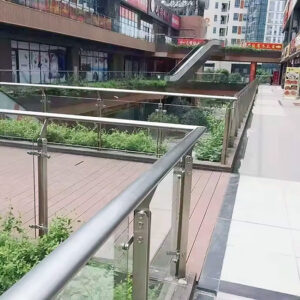
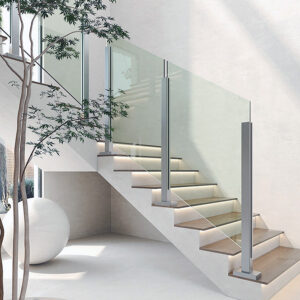
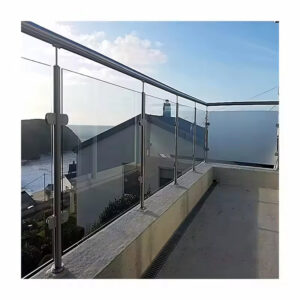
Отделка из нержавеющей стали и стеклянные вставки должны рассматриваться как единый, интегрированный элемент дизайна. Зеркальная отделка в сочетании с прозрачным стеклом создает эффектный, высокоотражающий ансамбль, усиливающий свет и вид, идеальный для проектов, нацеленных на роскошь и расширение пространства. Матовая и сатинированная отделка создает сдержанный, текстурированный контраст, который обрамляет стекло, не привлекая к себе внимания, предлагая современную, сдержанную элегантность.
Выравнивание отделки с обработкой стекла
Это взаимодействие усиливается, когда металлическая отделка намеренно сочетается с обработкой стекла. Сатинированная отделка дополняет матовое, рифленое или тонированное стекло, обеспечивая изысканный металлический фон, который не борется за визуальный приоритет. Зеркальная отделка лучше всего сочетается с идеально прозрачным стеклом, обеспечивая максимальную отражательную способность. Такая синергия позволяет системе перил решать множество дизайнерских задач - от обеспечения конфиденциальности до включения брендинга - превращая ее из простого барьера в ключевой архитектурный элемент.
Лучшие приложения: Внутренние и внешние варианты использования
Приоритеты внешней отделки
Для наружных стеклянных перил основными факторами при выборе отделки являются экологичность и коррозионная стойкость. Матовые и сатинированные покрытия - отличный выбор для всепогодного использования, поскольку их текстура эффективно маскирует износ от погодных условий и воздействия ультрафиолета. Важнейшим звеном, на которое часто обращают внимание инженеры, является материал основы. В прибрежных районах или в суровом промышленном климате следует выбирать нержавеющую сталь марки 316, независимо от вида отделки.
Эстетические и функциональные зоны интерьера
При использовании в интерьере основное внимание уделяется эстетическим целям и особенностям движения людей. Зеркальная отделка отлично подходит в качестве фокусных точек в роскошных помещениях, таких как вестибюли отелей или элитные магазины. Матовая отделка - рабочая лошадка для коридоров с высокой проходимостью или общественных мест благодаря своему щадящему характеру. Сатиновые отделки предлагают универсальную элегантность для корпоративных офисов или жилых помещений, сочетая в себе изысканность и практичность. Такая сегментация показывает, что проекты профессионального уровня требуют таких тонких спецификаций, в то время как другие сегменты рынка могут отдавать предпочтение более простым модульным вариантам.
| Окружающая среда | Рекомендуемая отделка | Спецификация критических материалов |
|---|---|---|
| Экстерьер (общий) | Матовый, сатиновый | Нержавеющая сталь марки 316 |
| Экстерьер (прибрежный/суровый) | Матовый, сатиновый (316 класс) | Марка 316 не подлежит обсуждению |
| Интерьер (с высокой проходимостью) | Матовый | Прощение при ношении |
| Интерьер (роскошный центр внимания) | Зеркало | Требует частой уборки |
Источник: EN 10088-2 Нержавеющие стали - Часть 2: Технические условия поставки листов/плит и полос из коррозионностойких сталей общего назначения. Этот европейский стандарт определяет такие марки, как 316, указывая их химический состав и свойства для коррозионной стойкости, которая является основополагающим выбором материала для наружных применений.
Сравнение коррозионной стойкости и технических характеристик
Роль топографии поверхности
Хотя все виды отделки зависят от коррозионной стойкости исходной нержавеющей стали (в идеале марки 316), процесс отделки изменяет рельеф поверхности. Зеркальная полировка #8 обеспечивает наилучшую практическую коррозионную стойкость, поскольку интенсивная шлифовка и полировка устраняет микроскопические щели и дефекты, в которых коррозионные агенты, такие как хлориды, могут вызвать точечную коррозию. Матовая и сатинированная полировки хорошо работают, но имеют текстурированную поверхность, которая требует соответствующей обработки после изготовления.
Важнейший этап пассивации
После механического истирания при изготовлении защитный слой оксида хрома на нержавеющей стали нарушается. Поэтому пассивация - химическая обработка на ASTM A967 Стандартная спецификация на химическую пассивацию деталей из нержавеющей стали-необходимо. Этот процесс удаляет свободные железные загрязнения и восстанавливает пассивный слой. Для обеспечения максимальной долговечности в агрессивных средах зеркальная полировка нержавеющей стали 316 представляет собой вершину иерархии эксплуатационных характеристик.
| Тип отделки | Практическая коррозионная стойкость | Важнейший этап после изготовления |
|---|---|---|
| #8 Зеркальная полировка | Лучший (устраняет щели) | Пассивация (восстановление оксидного слоя) |
| #6 Сатинированная отделка | Хорошо (при надлежащем лечении) | Требуется пассивация |
| #4 Матовая отделка | Хорошо (при надлежащем лечении) | Требуется пассивация |
| Матовый бисерный взрыв | Менее оптимально (пористая текстура) | Настоятельно рекомендуется пассивирование |
Источник: ASTM A967 Стандартная спецификация на химическую пассивацию деталей из нержавеющей стали. Настоящий стандарт охватывает важнейшие виды химической обработки для удаления загрязнений и повышения присущей деталям из нержавеющей стали коррозионной стойкости, которая необходима для всех видов механической отделки после изготовления.
За пределами большой тройки: Матовое покрытие, дробеструйная обработка и покрытия
Альтернативные варианты механической отделки
В то время как матовые, сатиновые и зеркальные поверхности являются основными лексическими понятиями, альтернативные варианты, такие как матовая или бисерно-струйная отделка, решают конкретные задачи. Созданные путем обстрела поверхности мелкими частицами, они позволяют получить однородную, ненаправленную и малоотражающую текстуру при относительно низкой стоимости. Однако пористая природа такого покрытия может сделать его более восприимчивым к сохранению масел и пятен, что увеличивает необходимость в обслуживании.
Стратегический сдвиг в сторону прикладных покрытий
Нанесенные покрытия, включая порошковую окраску и современные запатентованные керамические покрытия, такие как CeraShield, значительно расширяют палитру дизайна. Это не просто цвета, это спроектированные системы поверхностей. Анализ отрасли показывает, что эти запатентованные покрытия являются ключевым стратегическим отличием. Покрытия, основанные на таких технологиях, как CERAKOTE, обладают повышенной устойчивостью к царапинам, выцветанию и химическому воздействию, что позволяет поставщикам выйти за рамки конкуренции по стандартным уровням полировки и вместо этого решать конкретные проблемы клиентов, например, подбирать цвет к соседним архитектурным элементам или добиваться экстремальной долговечности при использовании в прибрежных районах.
Выбор правильной отделки: Практическая схема выбора
Определение основных параметров
Выбор оптимальной отделки требует систематической оценки. Начните с определения главной эстетической цели: высокая драматичность (Mirror), текстурированная современность (Brushed) или сдержанная элегантность (Satin). Затем тщательно оцените воздействие окружающей среды и интенсивность движения, чтобы определить долговечность и необходимость ухода. Это решение должно быть принято в раннем сотрудничестве с инженерами и изготовителями, поскольку отделка и выбранный способ монтажа являются взаимозависимыми конструктивными и эстетическими решениями.
Интеграция общесистемных соображений
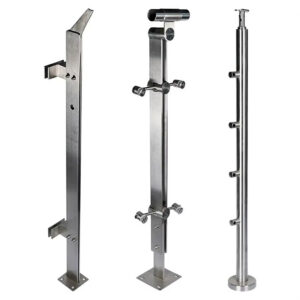
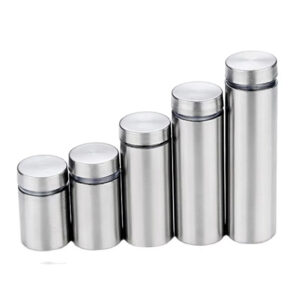
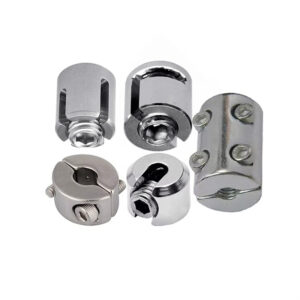
Перила должны рассматриваться как часть интегрированной архитектурной системы. Предусмотрено ли в проекте светодиодное освещение для создания атмосферы или обеспечения безопасности? Металлическая отделка влияет на отражение света. Является ли стекло ламинированным или обеспечивает солнечный контроль? Отделка должна дополнять эти активные подсистемы. Наконец, используйте инструменты цифровой визуализации для предварительного просмотра комбинаций и отдавайте предпочтение поставщикам, предлагающим сертифицированные, разработанные комплексные системные решения для фурнитура и компоненты для стеклянных перил для снижения рисков проекта и обеспечения соответствия нормам.
| Основной фактор принятия решения | Ключевой вопрос | Рассмотрение примеров |
|---|---|---|
| Эстетическая цель | Драматизм или утонченная элегантность? | Зеркало против сатина |
| Окружающая среда и дорожное движение | Ожидается ли воздействие и износ? | Экстерьер и интерьер с высокой проходимостью |
| Системная интеграция | Часть большой системы? | Светодиодное освещение, солнцезащитное стекло |
| Уровень проекта | Профессионал или "сделай сам"/подрядчик? | Нюансы в сравнении с модульными вариантами |
Источник: Техническая документация и отраслевые спецификации.
Оптимальная отделка из нержавеющей стали балансирует между четким эстетическим видением и бескомпромиссной логикой эксплуатационных характеристик. Приоритет отдается условиям окружающей среды - выбор стали марки 316 для наружного использования является основополагающим - и соответствие способности отделки скрывать износ ожидаемой интенсивности движения. Рассматривайте перила как интегрированную систему, в которой металлическая отделка и обработка стекла работают согласованно для достижения цели дизайна.
Нужен профессиональный совет, чтобы выбрать подходящую отделку и фурнитуру для вашего следующего проекта? Техническая команда в Эсанг Мы можем предоставить подробные сравнения материалов и рекомендации по системам с учетом ваших конкретных требований к окружающей среде и дизайну.
Для получения прямой консультации по спецификациям вашего проекта вы также можете Свяжитесь с нами.
Часто задаваемые вопросы
Вопрос: Как процесс отделки влияет на коррозионную стойкость нержавеющей стали для стеклянных перил?
О: Процесс механической обработки напрямую изменяет восприимчивость поверхности к коррозии. Зеркальная полировка #8 обеспечивает превосходную практическую стойкость, поскольку интенсивная шлифовка устраняет микроскопические щели, в которых коррозионные агенты могут вызвать точечную коррозию. Матовая или сатинированная отделка требует надлежащего химическая пассивация после изготовления для восстановления защитного слоя. Это означает, что зеркальная отделка нержавеющей стали 316 морского класса - оптимальный выбор для агрессивной прибрежной среды.
В: Каков компромисс между зеркальной и матовой отделкой в долгосрочной перспективе?
О: Основной компромисс - между визуальным совершенством и практичностью в уходе. Зеркальная отделка оптически неустойчива, на ней хорошо видны отпечатки пальцев, пятна от воды и микроцарапины, и она требует частой и тщательной чистки. Матовые и сатиновые покрытия имеют текстуру, которая естественным образом скрывает мелкие следы износа и пятна. Для проектов, в которых приоритетом является минимизация ежедневного ухода в местах с высокой проходимостью, матовая или сатиновая отделка значительно снизит нагрузку по долгосрочному обслуживанию.
Вопрос: Какие технические стандарты имеют решающее значение для определения основного материала из нержавеющей стали?
О: Вы должны ссылаться на стандарты материалов, которые определяют состав, механические свойства и качество поверхности стали. В Северной Америке ASTM A480/A480M Спецификация устанавливает общие требования к плоскому прокату из нержавеющей стали. На европейских рынках, EN 10088-2 обеспечивает технические условия поставки коррозионно-стойких листов и полос. Это гарантирует, что конструктивные стойки и каркас вашей перильной системы с самого начала будут отвечать единым критериям производительности и качества.
Вопрос: Как мы должны подходить к выбору отделки для наружных стеклянных перил?
О: Начните с того, что долговечность и экологичность важнее чистой эстетики. Матовая и сатинированная отделка - отличный всепогодный выбор, поскольку их текстура маскирует износ под воздействием окружающей среды. Очень важно всегда выбирать морскую нержавеющую сталь марки 316, поскольку она обладает повышенной устойчивостью к воздействию хлоридов, что является обязательным условием для прибрежных районов и суровых климатических условий, подтвержденным ускоренными испытаниями, как, например, в ISO 9227. Это означает, что ваша отделка и марка материала должны составлять единую стратегию защиты от коррозии.
В: В каких случаях сатинированная отделка лучше стандартной матовой?
О: Сатинированное покрытие #6 - предпочтительный выбор, если вам требуется более изысканный, бархатистый внешний вид с очень низкой отражающей способностью, но при этом требуется лучшая устойчивость к отпечаткам пальцев, чем при зеркальной полировке. Она придает утонченную, сдержанную элегантность, обрамляет стекло, не привлекая к себе внимания, что делает ее идеальной для корпоративных и элитных жилых интерьеров. Для проектов, в которых современная эстетика имеет первостепенное значение, но глянцевый вид слишком эффектен или требует особого ухода, сатин предлагает оптимальную золотую середину.
Вопрос: Какую роль играет пассивация после изготовления элементов перил из нержавеющей стали?
О: Пассивация - это обязательная послефабричная химическая обработка, которая удаляет свободное железо и загрязнения с поверхности стали для восстановления ее полного антикоррозийного потенциала. Этот процесс, подробно описанный в таких стандартах, как ASTM A967, Это особенно важно для матовых или сатинированных поверхностей, где абразивное воздействие может повредить защитный слой оксида хрома. Если вы изготавливаете или закупаете компоненты на заказ, убедитесь, что пассивация включена в объем работ, чтобы предотвратить преждевременное окрашивание поверхности.
В: Как запатентованные покрытия меняют ценностное предложение по сравнению со стандартными механическими полиролями?
О: Нанесенные покрытия, такие как керамика или решения на основе CERAKOTE, выходят за рамки ограничений стандартной нержавеющей стали, придавая ей цвет и улучшая характеристики поверхности. Они решают специфические проблемы соответствия дизайну и могут обеспечить превосходную устойчивость к царапинам, химическим веществам и ультрафиолетовому выцветанию. Это означает, что производители, предлагающие такие запатентованные покрытия, конкурируют на основе дифференцированных решений с добавленной стоимостью, а не товарных уровней полировки, предоставляя вам варианты для уникальной эстетики или экстремальной долговечности в специализированных областях применения.