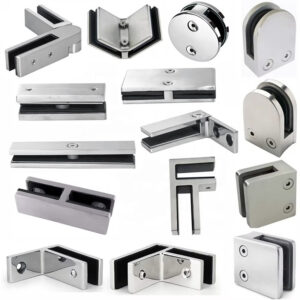
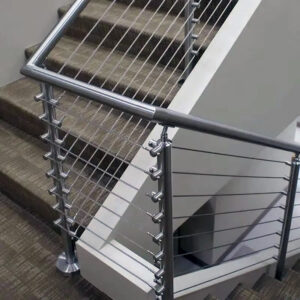
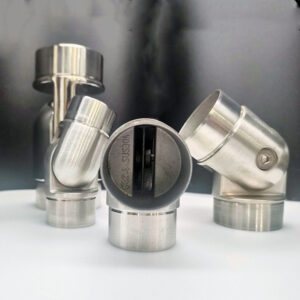
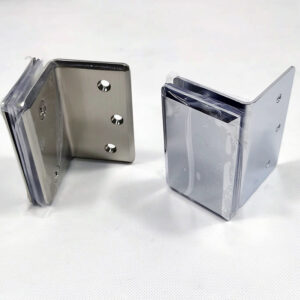
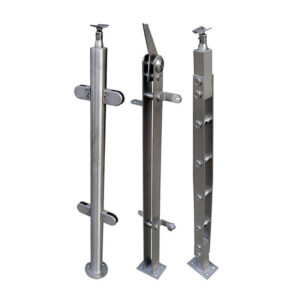
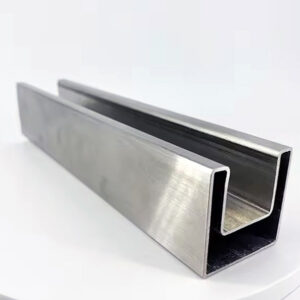
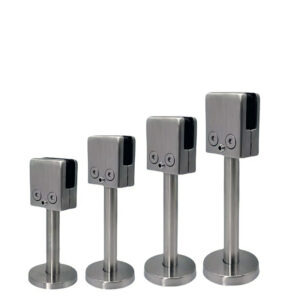
Fixar as dimensões do painel de vidro antes de confirmar a geometria real da abertura e o substrato de fixação é o erro mais comum em projetos de varandas tipo Julieta — e, quando isso vem à tona, as camadas de impermeabilização muitas vezes já estão instaladas. O custo não se resume apenas a uma nova medição; envolve a remoção do selante, o reposicionamento dos suportes e, possivelmente, o reenvio do vidro para que seja cortado no tamanho correto. O sentido de abertura da porta, a posição da drenagem e o tipo de substrato da parede interagem com essa decisão inicial de geometria de maneiras que são difíceis de reverter depois que a abertura já estiver definida. Seguir a sequência abaixo ajudará a aprimorar as verificações que precisam ser feitas antes da seleção final das ferragens, e não depois.
Geometria de abertura que determina o suporte do vidro da Julieta
A primeira medida confirmada não é o tamanho do vidro — é a largura da abertura livre, pois todas as demais medidas derivam dela. As tolerâncias na construção de fachadas raramente são tão consistentes quanto os desenhos sugerem, e uma dimensão de painel que pareça correta em um arquivo CAD pode estar errada o suficiente para exigir um novo pedido assim que a abertura for construída. Antes de se determinar o tamanho de qualquer vidro, a abertura real deve ser verificada fisicamente no local, em vez de se basear apenas na documentação.
A capacidade de vão determina se é necessário um único painel ou vários painéis. Em larguras próximas a 4.100 mm, uma extensão contínua de vidro sem suporte intermediário atinge o limite prático do que a maioria dos sistemas pode abranger — além desse limite, pilares intermediários ou suportes adicionais tornam-se estruturalmente necessários. Esse valor de 4.100 mm deve ser tratado como um limite de projeto específico para o sistema em análise, e não como um máximo regulatório universal válido para todas as jurisdições ou tipos de ferragens. As implicações estruturais mudam significativamente de cada lado desse limite: abaixo dele, geralmente é possível obter uma fachada de vidro limpa e ininterrupta; a partir dele, a lógica visual e estrutural da instalação se altera.
Na prática, isso significa que a largura de abertura deve ser confirmada e aprovada antes que qualquer fornecedor seja solicitado a apresentar cotação para as dimensões dos painéis. Os prazos de fabricação do vidro estrutural são longos o suficiente para que uma dimensão incorreta leve o projeto a um caminho oneroso. Uma verificação do substrato — confirmando diretamente o material de fixação, sem inferi-lo a partir dos desenhos — deve fazer parte da mesma sequência de confirmações, pois a capacidade da parede determina a seleção das ferragens tanto quanto o vão.
Conflitos relacionados a portas e drenagem que alteram o planejamento dos suportes
A configuração da porta é um elemento de planejamento que deve ser definido antes da determinação das posições dos suportes, e não depois. Uma porta simples que se abre para dentro, uma porta dupla que se abre para dentro e uma porta de correr apresentam, cada uma, um espaço disponível diferente no limiar, e os tipos de suportes adequados para uma configuração podem interferir fisicamente em outra. Quando essa incompatibilidade é detectada tardiamente — após a aplicação da impermeabilização e a realização das penetrações —, o custo da correção é substancialmente mais alto do que teria sido uma revisão da configuração durante a fase de projeto.
A condição de drenagem no peitoril agrava ainda mais a situação. Em projetos em que um canal de drenagem passa próximo ao peitoril da abertura, as posições dos suportes que pareciam simples nos desenhos podem acabar ficando diretamente sobre um elemento de drenagem, criando um conflito que obriga a escolher entre comprometer o trajeto de drenagem ou reposicionar o suporte. Reposicionar o suporte posteriormente muitas vezes significa uma nova penetração na membrana da fachada — exatamente o cenário que a seção de impermeabilização de qualquer especificação procura evitar.
A abordagem mais eficaz consiste em tratar o tipo de porta e o layout da drenagem como dados de entrada conjuntos, na mesma etapa em que se confirma a geometria da abertura. A especificação da configuração da porta e da localização dos elementos de drenagem em relação ao batente deve ocorrer antes que qualquer layout de suportes seja desenhado. Projetos que pulam essa etapa tendem a descobrir o conflito durante a instalação, quando a pressão do cronograma para prosseguir torna improvável um reprojeto cuidadoso e mais provável um detalhe comprometido.
Opções de ferragens fixadas na face versus detalhes da borda do piso
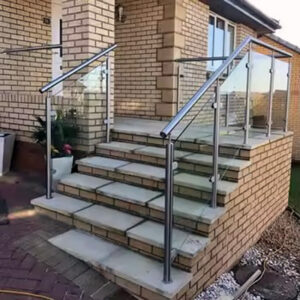
Para varandas salientes do tipo “Julieta”, tanto a montagem no deck quanto a montagem na faixa de fachada são estruturalmente viáveis, e a escolha tem consequências reais para a sequência de instalação, a preparação da zona de fixação e o volume visível dos acessórios. Para varandas niveladas — aquelas que ficam no mesmo plano da fachada —, a montagem na cornisa é a única opção compatível, e essa restrição deve ser definida com antecedência suficiente para influenciar a preparação da fachada, e não ser descoberta durante o pedido dos acessórios.
| Tipo de projeção na varanda | Métodos de montagem compatíveis | Considerações importantes sobre a instalação |
|---|---|---|
| Varanda de Julieta saliente (em balanço) | Montagem na plataforma (na borda do piso) ou montagem na faixa (fixação frontal) | Montagem no deck: fixação na borda do piso. Montagem na faixa: preserva a abertura, exige áreas de fixação mais limpas e medições mais precisas. |
| Varanda tipo Julieta nivelada (alinhada com a fachada) | Apenas montagem em painel (fixação frontal) | Montagem na fáscia: preserva a abertura, exige zonas de fixação mais limpas e medições mais precisas. |
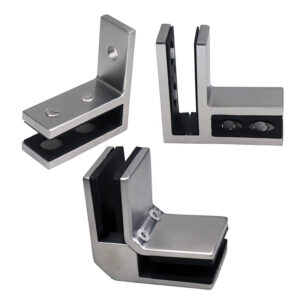
O risco prático associado às conexões com fixação na fáscia é que elas exigem zonas de fixação mais limpas e tolerâncias de medição mais restritas do que as configurações com fixação no deck. As conexões fixadas na face preservam a abertura livre e evitam restrições de saliência, mas a superfície da parede atrás do suporte deve ser plana, estruturalmente sólida e livre de vazios ou irregularidades que possam comprometer a fixação. No local da obra, essa condição é menos comum do que os desenhos sugerem. Os detalhes de montagem no piso são um pouco mais tolerantes a pequenas variações de superfície na borda do piso, mas apresentam suas próprias restrições: a construção do piso deve suportar o caminho da carga, e a área ocupada pelos acessórios fica mais visível.
A dificuldade dos instaladores reside na suposição de que os acessórios de fixação na superfície podem compensar uma zona de ancoragem mal preparada por meio de especificações mais rigorosas para os fixadores. Normalmente, isso não é possível. A consequência de uma preparação inadequada da zona de fixação com ferragens de montagem na faixa frontal nem sempre é uma falha imediata — muitas vezes, trata-se de um afrouxamento gradual que só se torna aparente sob carga ou após os ciclos térmicos terem afetado os fixadores. Confirmar suportes para painéis de vidro A verificação de que as medidas correspondem às condições reais do substrato — e não a suposições do desenho — é a que mais frequentemente é ignorada devido à pressão dos prazos.
Falhas na impermeabilização ao redor das penetrações
Cada penetração de suporte através de uma membrana de fachada introduz um caminho potencial para a umidade, e a questão crítica não é se o selante foi aplicado — é se o detalhamento da base foi resolvido antes da penetração ser feita. A aplicação de selante a posteriori em uma penetração mal planejada representa apenas o gerenciamento de um risco, em vez de sua eliminação. O acúmulo de umidade por trás da membrana da fachada, em vez de aparecer na própria penetração, é o tipo de falha que permanece indetectável por mais tempo e causa o maior dano estrutural quando finalmente vem à tona.
O padrão que gera problemas a longo prazo é o seguinte: aplica-se a impermeabilização na fachada, fazem-se perfurações para os suportes e aplica-se selante ao redor das peças expostas. Se a perfuração não tiver sido coordenada com a instalação da membrana — ou seja, se a membrana não tiver sido sobreposta ou detalhada ao redor da abertura da perfuração antes da instalação do suporte —, então o selante é a única barreira. O selante, por si só, envelhece, se desprende sob a ação dos raios UV e dos movimentos térmicos e pode não preencher totalmente a geometria de um perfil complexo de suporte. Quando ele falha, a água atinge o substrato por trás da membrana, e o caminho dos danos se estende para baixo e para dentro ao longo da estrutura da parede.
Acertar a sequência significa que as posições dos suportes sejam determinadas e os locais de penetração marcados antes da instalação da camada de membrana, para que a equipe de impermeabilização possa detalhar o trabalho em torno de cada penetração como parte de seu escopo normal. Isso exige que o layout dos suportes seja confirmado durante o projeto e comunicado ao instalador de impermeabilização por meio de coordenadas, e não adicionado posteriormente. Projetos em que a empreiteira responsável pelo corrimão chega após a conclusão da fachada estão estruturalmente preparados para uma abordagem corretiva com selante — e isso deve ser tratado como um risco a ser gerenciado, não como uma prática padrão aceitável.
Capacidade de fixação na parede necessária para ferragens do tipo “Juliet” de perfil fino
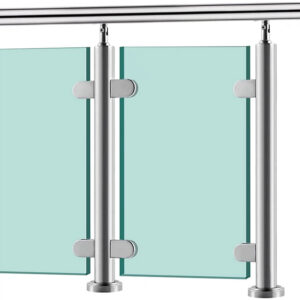
Os acessórios Slim Juliet apresentam um risco específico de incompatibilidade: seu perfil visual discreto sugere que exercem uma carga mínima sobre a estrutura, mas as forças reais transmitidas à parede sob carga lateral — especialmente quando a instalação é testada de acordo com as expectativas de desempenho do sistema de corrimão — concentram-se em um pequeno número de fixações, em vez de serem distribuídas por uma base mais ampla. Essa concentração significa que a capacidade da parede em cada ponto de fixação é mais importante — e não menos — do que seria com um sistema de perfil mais robusto, distribuído por uma área de apoio maior.
A norma ASTM E985-24 oferece uma estrutura útil para compreender as expectativas de desempenho que os sistemas de corrimão devem atender. A norma aborda o comportamento estrutural de sistemas de corrimãos metálicos permanentes sob condições de carga relevantes para edifícios, e sua análise ajuda a determinar o que o substrato de fixação precisa suportar — mesmo que os valores específicos de vão ou carga para uma determinada instalação sejam regidos pela norma local aplicável ou pela documentação técnica do fabricante do sistema.
O tipo de substrato da parede determina se essas expectativas de desempenho podem ser atendidas, e os substratos mais comumente encontrados em instalações do tipo Julieta — alvenaria rebocada, painéis compostos isolados, construção com estrutura de madeira e revestimento — variam significativamente em sua capacidade de resistir às cargas de arrancamento e cisalhamento impostas pelos suportes finos. Confirmar o tipo de substrato por meio de uma inspeção física, e não com base em um documento de especificações da obra que pode não refletir as condições reais da construção, é uma etapa necessária antes de finalizar a seleção dos acessórios. Quando a capacidade é limitada, o uso de um padrão de fixação diferente, uma placa de reforço ou um detalhe com parafuso passante pode resolver o problema — mas essas decisões precisam ser tomadas durante o projeto, e não durante a instalação, quando a alternativa seria uma âncora subdimensionada em uma fachada já concluída.
O erro a ser evitado é selecionar ferragens com base na compatibilidade visual com a estética do projeto e, em seguida, tratar a confirmação estrutural como uma mera formalidade. Em sistemas Juliet finos, essa sequência inverte a lógica de risco. As ferragens selecionadas por seu perfil devem ser consideradas como uma opção até que a capacidade da estrutura seja verificada, e não como a solução definitiva.
As decisões que regem a instalação de uma varanda tipo Julieta devem ser tomadas em um curto intervalo de tempo, antes que a abertura seja finalizada e a fachada seja fechada. A geometria da abertura, a configuração da porta, a posição da drenagem, o tipo de suporte e a capacidade do substrato precisam ser definidos como um conjunto coordenado — e não como escolhas sequenciais feitas por profissionais de diferentes áreas sem uma referência comum. O dimensionamento do vidro, a seleção das ferragens e a sequência da impermeabilização dependem, cada um, do que os demais já tiveram confirmado.
Para quem estiver definindo as especificações ou adquirindo esse sistema, o próximo passo prático é distinguir o que já está confirmado do que ainda é uma suposição. Qualquer suposição ainda em aberto — seja sobre o substrato da parede, a folga de abertura da porta ou a planicidade da superfície da fachada — deve ser tratada como um risco que pode exigir uma revisão do projeto para ser resolvido. Confirmar esses pontos antes de encomendar as ferragens é substancialmente mais econômico do que resolvê-los depois que a membrana for aplicada e o vidro for cortado.
Perguntas frequentes
P: O que acontece se o substrato da parede for, na verdade, um painel composto com isolamento, em vez de alvenaria maciça — ainda é possível usar ferragens finas do tipo “Juliet”?
R: Depende se a capacidade de arrancamento e cisalhamento do painel em cada ponto de fixação atende aos requisitos de carga para o sistema específico de suportes, o que não pode ser presumido sem os dados do fabricante para aquele tipo de painel. Os painéis compostos isolados variam amplamente em seu núcleo estrutural, e o efeito de concentração das ferragens finas do tipo “Juliet” faz com que substratos marginais falhem em menos pontos de fixação e com menos aviso prévio. Uma placa de reforço ou um detalhe com parafuso passante pode restaurar a viabilidade, mas essa decisão deve ser tomada na fase de projeto, e não no dia da instalação.
P: Depois que a geometria da abertura, o substrato e o tipo de suporte estiverem todos confirmados, qual é o próximo passo imediato antes de encomendar o vidro?
R: As medidas confirmadas e as posições dos suportes devem ser comunicadas ao instalador da impermeabilização como coordenadas marcadas antes da aplicação da camada de membrana. Os prazos de fabricação do vidro significam que o pedido provavelmente será feito enquanto o trabalho na fachada ainda estiver em andamento — portanto, o risco de sequenciamento é que os suportes sejam tratados como uma responsabilidade da equipe de corrimãos, chegando após o fechamento da fachada. Entregar os locais de penetração ao empreiteiro de impermeabilização como uma informação documentada, e não apenas como uma observação verbal, é a medida que evita a necessidade de selante corretivo — cenário que o artigo identifica como a causa mais comum de falhas a longo prazo.
P: O limite de 4.100 mm de vão livre se aplica tanto às configurações de varanda Julieta saliente quanto às embutidas, ou apenas a uma delas?
R: O valor de 4.100 mm se aplica ao próprio vão do vidro, independentemente de a varanda ser saliente ou embutida, mas a lógica estrutural que se segue difere entre as duas configurações. Uma varanda saliente oferece a opção de ferragens de fixação no deck, capazes de distribuir a carga por uma base mais ampla, o que pode afetar a forma como o suporte intermediário é detalhado próximo ao limiar. Uma varanda nivelada está limitada exclusivamente à fixação na fáscia; portanto, qualquer suporte intermediário nesse vão ou além dele deve ser resolvido inteiramente por meio de ferragens fixadas na face da fachada — tornando a capacidade do substrato nesses pontos de ancoragem adicionais mais crítica do que no caso da varanda saliente.
P: Os acessórios de fixação da fáscia na face justificam os requisitos de preparação mais rigorosos em comparação com a fixação no deck, ou a fixação no deck oferece um resultado de instalação mais confiável?
R: A fixação da faixa na face é a melhor opção quando preservar a abertura livre e evitar restrições de saliência são aspectos importantes para o projeto, mas só oferece esse resultado de forma confiável quando a zona de ancoragem é genuinamente plana, estruturalmente sólida e livre de vazios — uma condição que exige verificação física, e não confiança baseada em desenhos. A fixação no piso é mais tolerante a pequenas variações na superfície e pode ser adequada para projetos em que a preparação da fachada não pode ser controlada com rigor, mas apresenta ferragens visíveis na borda do piso e exige que a estrutura do piso suporte o caminho de carga. O fator decisivo não é qual opção é inerentemente mais segura — é qual opção as condições reais do local permitem.
P: Em que ponto um projeto de proteção Juliet se torna estruturalmente complexo demais para o hardware padrão disponível no mercado, sendo necessário recorrer à engenharia personalizada?
R: Os acessórios padrão atingem seus limites quando duas ou mais condições restritivas se acumulam — por exemplo, um vão próximo a 4.100 mm combinado com um substrato de baixa qualidade e a exigência de fixação apenas na faixa de acabamento. Qualquer restrição isolada geralmente pode ser resolvida por meio da seleção dos acessórios ou do ajuste do padrão de fixação. Quando a largura de abertura exige um suporte intermediário, a parede não consegue suportar cargas concentradas nos centros de fixação padrão e a configuração da fachada descarta a montagem sobre a laje, o caminho de carga não pode ser atendido sem que o arranjo de fixação seja projetado especificamente para aquela parede. Esse limite não é definido por uma única medida; ele é atingido quando as premissas de ancoragem do produto padrão não correspondem mais ao que o local pode realmente oferecer.