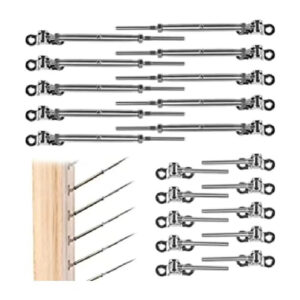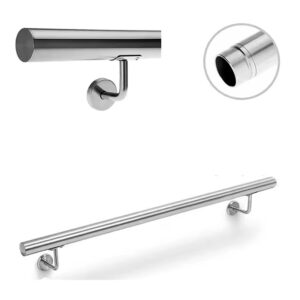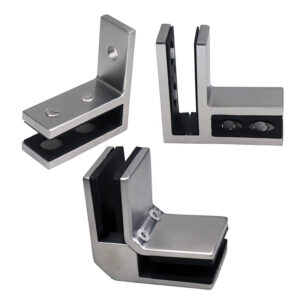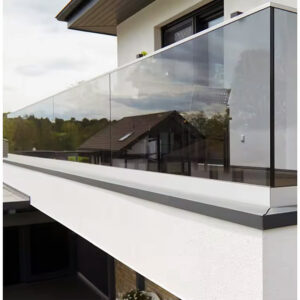
Specifying a stainless steel outdoor railing system requires balancing aesthetics, budget, and long-term performance. The primary challenge for architects, contractors, and developers is navigating a market with wide cost variations while ensuring the final installation is code-compliant, durable, and safe. Misconceptions abound, particularly around comparing commodity-grade hardware with engineered systems, which leads to unrealistic budgets and compromised safety.
Attention to precise specification is critical now, as building codes evolve and the demand for low-maintenance, climate-resilient materials increases. A strategic approach to material selection, anchoring, and labor is not just a cost-control exercise; it’s a fundamental risk management strategy for any commercial or high-end residential project.
Stainless Steel Railing Cost: Materials, Labor, and Total Estimate
Understanding the Cost Breakdown
The total installed cost is a composite of material and labor expenses, best analyzed per linear foot. Material costs form the variable foundation, ranging from $75 to over $200 per foot. This variance is driven by steel grade and infill type—cable systems command a premium for hardware, while glass infill significantly increases framing and material costs. Labor, often equaling the material cost, adds another $50 to $150 per linear foot. This segmentation reveals a clear market divide. We consistently see project budgets derailed when preliminary estimates are based on consumer DIY kit prices rather than the engineered, code-compliant solutions required for professional installations.
The Total Installed Cost Spectrum
A strategic budget must account for the full spectrum from basic to complex. The final price is not simply material plus labor; it’s the sum of an engineered system designed for specific site conditions and safety loads. Attempting to value-engineer core components like post thickness or anchor type is a high-risk endeavor that typically leads to failed inspections. The table below illustrates the core cost components that establish your project’s financial baseline.
| Cost Component | Price per Linear Foot | Key Influencing Factor |
|---|---|---|
| Material Cost | $75 – $200+ | Steel grade & infill type |
| Labor Cost | $50 – $150 | Site complexity & anchoring |
| Total Installed Cost | $125 – $350+ | Professional vs. DIY system |
Source: Technical documentation and industry specifications.
Choosing Between 304 vs. 316 Stainless Steel for Your Climate
The Technical Basis for Selection
Selecting the correct stainless steel grade is a non-negotiable technical decision dictated by local environmental chloride levels, not upfront cost. 304-grade (18% chromium, 8% nickel) offers good general corrosion resistance for inland applications. 316-grade adds 2-3% molybdenum, providing superior resistance to chlorides from salt air, pool chemicals, or de-icing salts. This distinction is critical for long-term viability. Using 304-grade within a coastal zone represents a significant latent liability, inevitably leading to premature pitting and rust.
Application Guidelines and Consequences
The strategic implication is clear: project specifications in harsh climates must mandate 316-grade to protect the investment. This aligns with the growing focus on climate resilience as a core specification driver. Industry experts recommend a conservative threshold: any project within 10 miles of a coast or in areas using heavy de-icing salts should default to 316. The following table provides a clear decision framework based on alloy composition and environmental threat.
| Grade | Key Alloy Addition | Recommended Application |
|---|---|---|
| 304 Stainless | 18% Chromium, 8% Nickel | Inland, general use |
| 316 Stainless | 2-3% Molybdenum | Coastal, high-chloride areas |
| Critical Threshold | Within 10 miles of coast | Requires 316 grade |
Source: ASTM A480/A480M Standard Specification for General Requirements for Flat-Rolled Stainless and Heat-Resisting Steel Plate, Sheet, and Strip. This standard defines the material specifications for stainless steel grades, ensuring the chemical composition (like chromium, nickel, and molybdenum content) that directly determines corrosion resistance and suitability for different climatic conditions.
Anchoring Methods Compared: Concrete vs. Steel Structures
Concrete Substrate Anchoring
The anchoring method is a critical design variable ensuring structural integrity and directly impacting labor cost. For concrete, professional installation involves core drilling followed by setting anchors. Mechanical expansion bolts suit standard applications, while chemical epoxy anchors are preferred for high pull-out strength or cracked concrete. The choice here affects structural plans and requires specialized labor and tools.
Steel Structure Connections
For steel structures, connections are made via welding for maximum strength or bolted clamp-on fittings for retrofits. Welding demands a certified professional to avoid weakening the stainless steel’s corrosion resistance through heat distortion. Clamp-on systems must include non-conductive, protective pads to prevent galvanic corrosion between dissimilar metals. This technical complexity underscores why the mounting strategy must be finalized during the design phase. The table below compares the primary methods for different substrates.
| Substrate | Primary Method | Key Consideration |
|---|---|---|
| Concrete | Core drilling & epoxy anchors | High pull-out strength |
| Concrete | Mechanical expansion bolts | Standard applications |
| Steel Structure | Welded connection | Maximum strength required |
| Steel Structure | Bolted clamp-on fittings | Retrofit, non-destructive |
Source: Technical documentation and industry specifications.
How Much Does Professional Installation Labor Cost?
Justifying the Labor Investment
Professional installation labor, estimated at $50-$150 per linear foot, is justified by the precision required for safety and longevity. Costs escalate with site complexity—stairs, curves, or multi-level installations demand more time and expertise. Retrofitting onto an existing structure often involves unforeseen challenges, increasing labor compared to new construction. This expertise is essential for systems like tensioned cable, where improper installation leads to immediate code failures.
Key Drivers of Labor Variability
The installer’s mastery of complex methods and local ICC IBC International Building Code compliance is a key differentiator. Labor is not a commodity; it’s a risk mitigation service. The strategic value lies in avoiding costly rework and liability. The following breakdown shows how different factors influence the final labor quote.
| Labor Cost Driver | Typical Impact | Example Scenario |
|---|---|---|
| Base Labor Rate | $50 – $150 / ft | Straight run, new construction |
| Site Complexity | Increases cost | Stairs, curves, multi-level |
| Anchoring Method | Major cost variable | Core drilling vs. welding |
| System Type | Expertise premium | Cable or glass infill |
Source: Technical documentation and industry specifications.
Key Factors That Influence Your Final Project Price
Design and Material Variables
Beyond base costs, your final price is shaped by interconnected factors. Design complexity, including custom heights, curved sections, or hybrid material systems, increases fabrication and installation time. The infill choice creates a major cost variable: cable systems are hardware-intensive, glass requires heavy-duty framing and specialized handling, and picket patterns vary in weld complexity. Each decision cascades through the project budget.
The Non-Negotiable Cost of Compliance
Local building code requirements establish a non-negotiable cost floor. Mandates for post spacing (often 4-6 feet), load capacity (typically 200 lbs. lateral force), and infill spacing (the 4-inch sphere rule) dictate minimum material strength and engineering. A knowledgeable supplier or engineer is a critical partner to navigate these requirements, ensuring the design meets both aesthetic goals and legal safety standards from the outset.
| Factor | Specific Requirement | Cost Impact |
|---|---|---|
| Design Complexity | Custom heights, curves | High fabrication cost |
| Infill Choice | Cable, glass, pickets | Major cost variable |
| Code: Post Spacing | 4 – 6 feet maximum | Non-negotiable minimum |
| Code: Load Capacity | 200 lbs lateral force | Structural design driver |
Source: ICC IBC International Building Code. The IBC mandates critical safety parameters for railings, including load capacity and spacing rules, which establish the non-negotiable engineering and material requirements that form the cost floor for any compliant project.
Long-Term Value and Maintenance Requirements Explained
The Total Cost of Ownership Argument
The higher upfront cost of stainless steel, particularly 316-grade, is justified by its exceptional long-term value. Unlike wood or basic aluminum, which require periodic repainting and face earlier replacement, a quality stainless system needs only occasional cleaning with soap and water. This underscores the principle that total cost of ownership outweighs initial material price. Proper fabrication and ASTM A967 Standard Specification for Chemical Passivation Treatments for Stainless Steel Parts are essential to achieving this promised performance, enhancing the natural corrosion-resistant oxide layer.
System-Specific Maintenance Profiles
However, maintenance profiles vary by infill. While solid panels are largely static, cable railing presents a unique tension vs. maintenance trade-off. The hardware requires periodic re-tensioning to maintain safety and rigidity, a recurring task that offsets the material’s “low-maintenance” advantage. Clients must be prepared for this operational requirement, which should be factored into long-term facility planning.
| Material/System | Maintenance Need | Frequency |
|---|---|---|
| 316 Stainless Steel | Cleaning with soap/water | Occasional |
| Cable Railing Infill | Re-tensioning hardware | Periodic, as needed |
| Wood or Aluminum | Repainting, refinishing | Periodic, scheduled |
Note: Total cost of ownership outweighs initial material price.
Source: ASTM A967 Standard Specification for Chemical Passivation Treatments for Stainless Steel Parts. Proper passivation per this standard enhances stainless steel’s corrosion-resistant oxide layer, which is fundamental to achieving the promised low-maintenance, long-term performance that justifies the higher upfront investment.
Ensuring Code Compliance and Safety in Your Installation
Adherence to Structural and Safety Codes
Code compliance is the bedrock of a safe, legally sound installation. Adherence to ICC/IBC codes for height (usually 36″ for decks, 34″-38″ for stairs), infill spacing, and load capacity is mandatory. For glass infill, this means specifying laminated tempered glass. Proper water management at post penetrations on wooden decks is also critical to prevent subsurface rot and structural failure. Non-compliance risks failed inspections, liability, and costly rework.
The Installer’s Role in Risk Mitigation
This makes the installer’s code expertise invaluable. As the market shifts, competitive advantage lies in consultative services that guarantee compliance, thereby reducing the owner’s liability. The installer’s role evolves from simply attaching metal to ensuring the railing performs as a certified safety system. This requires a deep understanding of both the product and the jurisdictional amendments to model codes.
Next Steps: Getting a Quote and Planning Your Project
Developing Actionable Specifications
To move forward, develop detailed project specifications. Include linear footage, design sketches, substrate type, and local environmental challenges. Solicit quotes from contractors who demonstrate specific stainless steel experience and can provide project references. Ensure quotes clearly separate material and labor costs and explicitly specify the stainless steel grade. Use a lifecycle cost model, not just upfront price, for evaluation.
Executing a Collaborative Project Plan
The most successful projects result from early collaboration between owner, designer, and installer. This alignment on aesthetics, performance, and budget allows for intelligent solutions, such as hybrid material strategies. For complex structural connections or custom designs, engaging a specialist fabricator early is crucial. You can explore engineered solutions for challenging installations through dedicated outdoor railing system product pages. This collaborative approach ensures a durable, code-compliant outcome that delivers value for decades.
Finalize your budget using a total-cost-of-ownership model that accounts for grade selection, infill maintenance, and professional installation. Prioritize contractors who provide detailed method statements for anchoring and can articulate their code compliance strategy. This disciplined approach transforms the railing from a line-item expense into a long-term asset.
Need professional guidance to specify and install a stainless steel railing system that meets exacting standards for safety and durability? The technical consultants at Esang can help translate your project requirements into a compliant, cost-effective specification.
Frequently Asked Questions
Q: How do you choose between 304 and 316 stainless steel for an outdoor railing project?
A: The choice hinges on your local environment’s chloride exposure. Grade 304 is suitable for most inland areas, but grade 316, with its added molybdenum, is essential for resisting corrosion from salt air, pool chemicals, or de-icing salts. This material specification is critical for long-term performance. For projects within 10 miles of a coast or in harsh climates, you must specify 316-grade to ensure durability and protect your investment from premature failure.
Q: What are the key differences in anchoring a railing to concrete versus a steel structure?
A: Anchoring methods are substrate-specific and impact structural integrity and labor costs. For concrete, installers typically core drill and set either mechanical expansion bolts or chemical epoxy anchors, with epoxy preferred for maximum pull-out strength. For steel structures, connections are made via certified welding or bolted clamp-on fittings with protective pads to prevent galvanic corrosion. This means your project’s structural plans and budget must account for the specialized labor and technique required by your chosen anchoring method from the outset.
Q: What building code requirements most directly impact stainless steel railing design and cost?
A: Compliance with the ICC IBC International Building Code creates a non-negotiable cost floor. Key mandates include guardrail height (typically 36″ for decks), a lateral load capacity of 200 pounds, and infill spacing that prevents a 4-inch sphere from passing through. These requirements dictate post spacing, infill type, and glass specifications. If you attempt to value-engineer these safety specs, you risk failed inspections and costly rework, making early consultation with a code-experienced installer a critical risk-mitigation step.
Q: Why does professional installation labor for stainless railings cost $50-$150 per linear foot?
A: This cost reflects the precision needed for safety, code compliance, and longevity. Labor escalates with site complexity like stairs or curves and the technical demands of anchoring methods or tensioned cable systems. Improper installation can lead to immediate code failures. For projects with complex geometries or advanced infill like glass, you should budget for this expert labor to avoid the liability and rework costs associated with inadequate DIY or unskilled installation.
Q: Is stainless steel railing truly low-maintenance, and what are the caveats?
A: While stainless steel itself requires only occasional cleaning, the maintenance profile depends heavily on the infill system. Solid panels or pickets are largely static. However, cable railing systems introduce a tension versus maintenance trade-off, requiring periodic re-tensioning to maintain safety and rigidity. This means your long-term operational plan should account for this recurring task, which offsets some of the material’s inherent low-maintenance advantage compared to other metals.
Q: How can we ensure the stainless steel used in our railing has optimal corrosion resistance?
A: Specify material that meets ASTM A480/A480M for base quality and ensure fabricated components receive a proper chemical passivation treatment per ASTM A967 to remove surface contaminants and enhance the protective oxide layer. This process is crucial for maximizing the steel’s performance. For exterior applications, you must verify both material grade and post-fabrication treatment with your supplier to ensure long-term aesthetic and structural integrity.
Q: What should a comprehensive project quote for a stainless steel railing include?
A: A professional quote should clearly separate material and labor costs, explicitly state the stainless steel grade (304 or 316), and detail the proposed anchoring method. It must account for design complexity, infill type, and local code requirements. Use this to build a lifecycle cost model, not just compare upfront price. To avoid surprises, solicit quotes only from contractors who provide references for similar stainless steel projects and demonstrate specific code expertise.