For architects and facility managers designing commercial spaces, specifying a railing system is often a binary choice between aesthetic vision and long-term practicality. The traditional approach—custom welded stainless steel—promises a seamless look but locks a building into a single, inflexible layout. This creates a significant operational liability in sectors like co-working, retail, or corporate offices, where spatial reconfiguration is not an exception but a recurring business requirement. The resulting cycle of demolition, fabrication, and waste turns a simple floor plan change into a costly and disruptive project.
The demand for adaptable infrastructure has moved from niche to necessity. Modular stainless steel banister systems address this by decoupling design excellence from spatial permanence. Understanding their technical specifications, lifecycle economics, and compliance pathways is no longer just a procurement detail; it’s a strategic decision that impacts a facility’s operational agility, capital expenditure, and long-term value.
What Are Modular Stainless Steel Banister Systems?
The Core Architectural Principle
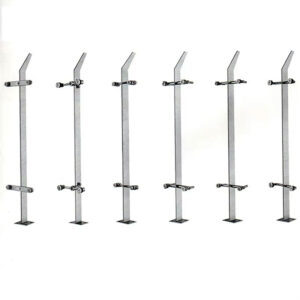
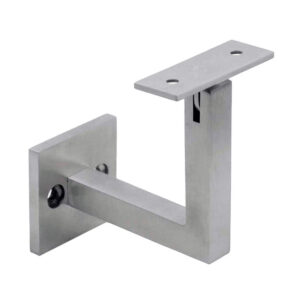
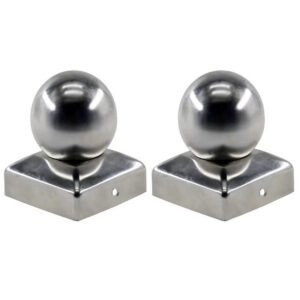
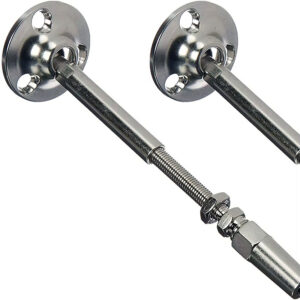
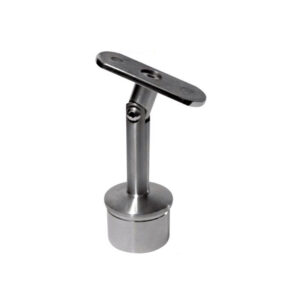
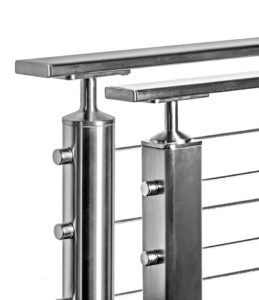
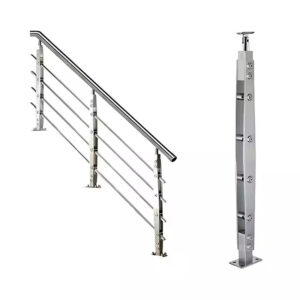
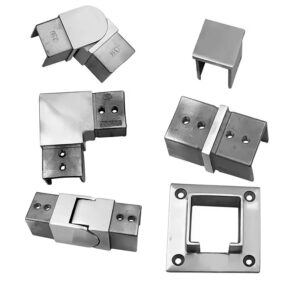
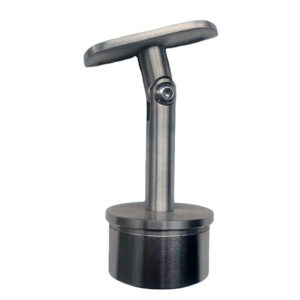
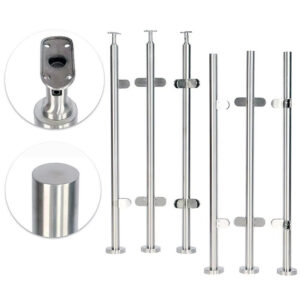
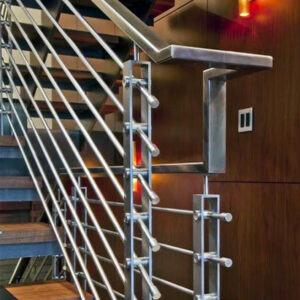
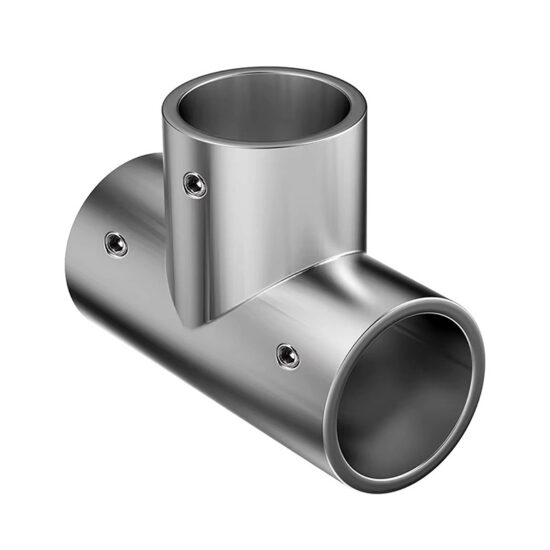
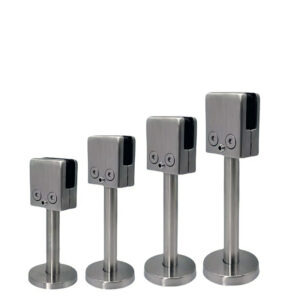
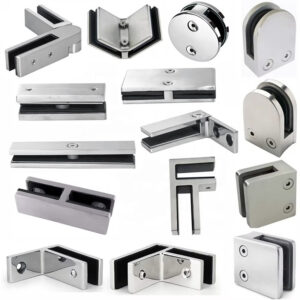
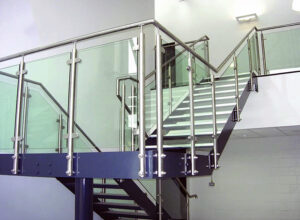
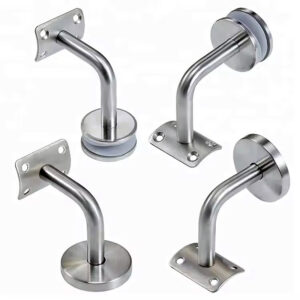
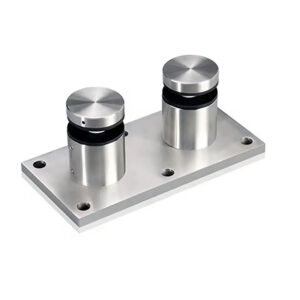
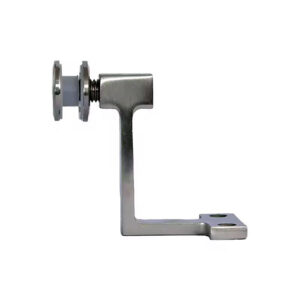
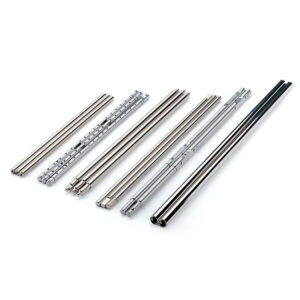
Modular stainless steel banister systems are engineered architectural kits, not custom fabrications. They consist of prefabricated, standardized components—posts, rails, connectors, and infill panels—that assemble on-site into continuous guardrails. The fundamental shift is from a welded, monolithic structure to a mechanically fastened, component-based one. This design philosophy transforms the railing from a permanent fixture into a reusable asset within the building’s inventory.
Strategic Value Beyond Assembly
The core value is reconfigurability. Sections can be disassembled and reinstalled in new layouts with minimal material waste. This modularity serves a multi-faceted strategy: it provides design flexibility through interchangeable infill options, simplifies installation by reducing on-site fabrication time, and streamlines manufacturing. We’ve seen projects where this approach reduced installation timelines by over 30% compared to traditional methods, a critical factor in fast-track commercial build-outs. The strategy ultimately reduces project risk by separating aesthetic customization from production complexity.
Application in Dynamic Environments
This system is engineered for facilities undergoing frequent renovations, tenant improvements, or complete repurposing. It is the rational choice for any space where the floor plan has a predictable lifecycle of less than a decade. The ability to adapt infrastructure to changing needs without significant capital reinvestment positions modular railings as a key component of sustainable and financially prudent facility management.
Key Design & Technical Specifications for Commercial Use
Structural Framework and Connection Methodology
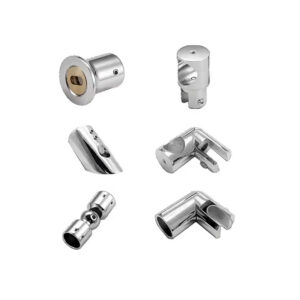
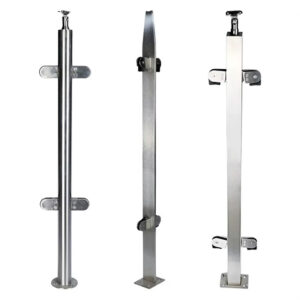
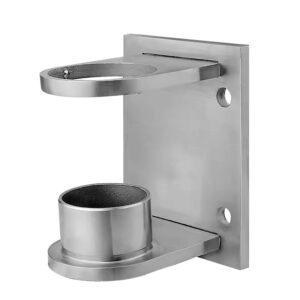
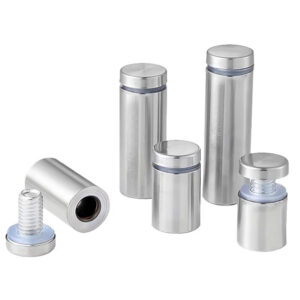
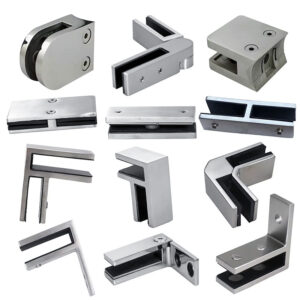
The technical foundation lies in a standardized connection methodology. The structural framework, typically using 1-1/2″ to 2″ diameter posts, is engineered for specific mounting conditions (surface, sleeve, or concrete anchor) and is deliberately separated from the infill system. This separation allows architects to independently specify safety and aesthetic panels without compromising the primary structure. The connection hardware—often concealed bolts or precision sleeves—must be designed for both rigidity and repeated disassembly.
Material Specification Hierarchy
Material choice is a primary technical decision with direct cost and longevity implications. For most controlled interior environments, Type 304 (AISI 304) stainless steel provides excellent corrosion resistance and is the standard. However, for harsh environments like coastal areas, food processing plants, or spaces with chemical exposure, specifying Type 316 (AISI 316) stainless steel, with its added molybdenum, is non-negotiable. This specification dictates the entire system’s lifecycle cost and application scope.
Dimensional and Safety Mandates
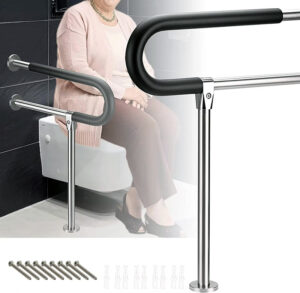
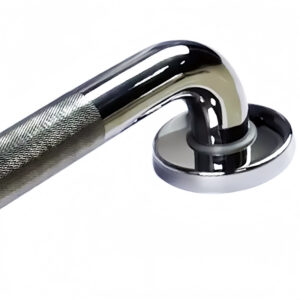
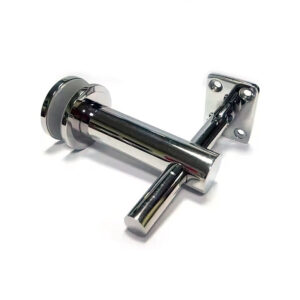
System height must meet the International Building Code (IBC) minimum of 42 inches for guardrails. Handrail profiles require specific attention to comply with ADA guidelines for a continuous gripping surface. These are not guidelines but enforceable requirements, and the system’s design must integrate them from the outset.
The table below outlines the key specifications that form the basis of a commercial-grade modular system.
Core Component Specifications
| Component | Specification | Material Grade |
|---|---|---|
| Post Diameter | 1.5″ to 2″ | Type 304 or 316 |
| System Height | 42″ minimum | N/A |
| Handrail Profile | Continuous gripping surface | N/A |
| Primary Environment | Controlled interiors | Type 304 (AISI 304) |
| Harsh/Coastal Environment | Essential for corrosion resistance | Type 316 (AISI 316) |
Source: ASTM A276 Standard Specification for Stainless Steel Bars and Shapes. This standard defines the chemical composition and mechanical properties for stainless steel grades like 304 and 316, ensuring the structural posts and rails meet required strength and corrosion resistance for commercial applications.
Cost Analysis: Modular vs. Traditional Welded Railings
Initial Capital Expenditure Breakdown
A direct material cost comparison often shows a premium for modular components. This premium, however, is misleading when viewed in isolation. It accounts for the engineering, precision fabrication, and included hardware that traditional welding does not. The true cost analysis must be total project cost, where modular systems offer significant savings in skilled labor and time due to prefabrication and simplified assembly.
Lifecycle and Reconfiguration Economics
The decisive financial advantage emerges over the building’s lifecycle. For a reconfigurable facility, the ability to disassemble and reuse components eliminates two major cost centers: demolition of the old welded system and fabrication of a new one. This transforms the railing from a consumable expense into a depreciable asset. The cost of a tenant improvement or layout change is reduced to labor for disassembly/reassembly, not new materials.
Total Cost of Ownership Perspective
This positions modular railings as a strategic capital investment. While the initial outlay may be higher, the total cost of ownership over a 10-15 year period in a dynamic space is substantially lower. The financial model shifts from periodic capital expenditures to lower operational expenditures for spatial changes.
The following table contrasts the key financial drivers between the two systems.
Financial Comparison Over Project Lifecycle
| Cost Factor | Modular System | Traditional Welded System |
|---|---|---|
| Initial Material Cost | Premium | Lower |
| Installation Labor | Significant savings | Higher |
| Lifecycle Reconfiguration | Eliminates demolition/fabrication | Full demolition & rebuild |
| Total Cost of Ownership | Lower over time | Higher over time |
| Ideal Application | High-churn facilities (co-working, retail) | Static layouts |
Source: Technical documentation and industry specifications.
Which Infill Type Is Best for Your Commercial Facility?
Defining Performance and Aesthetic Goals
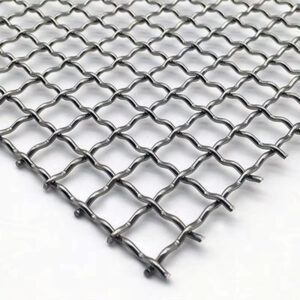
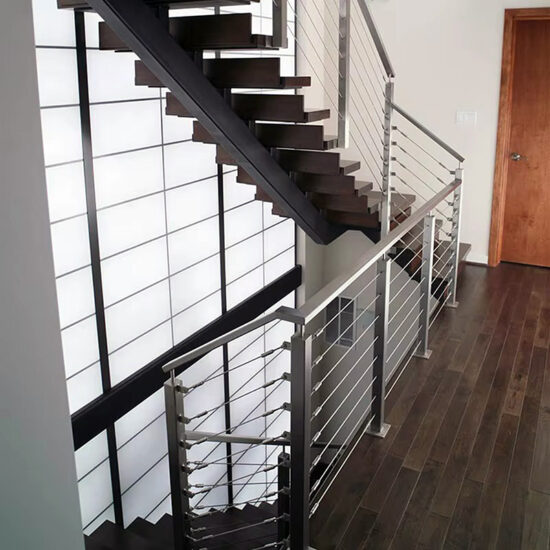
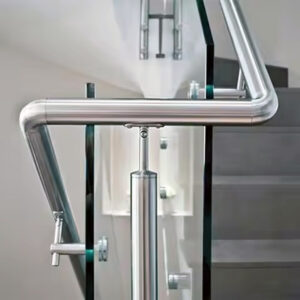
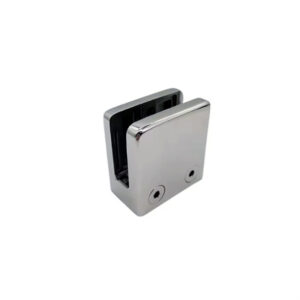
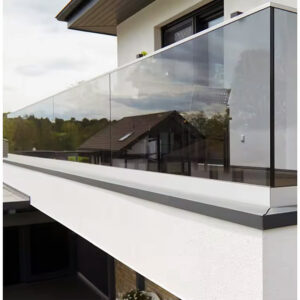
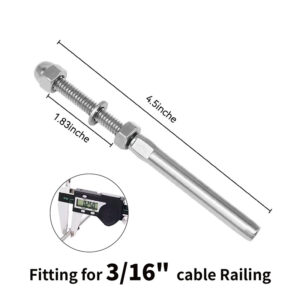
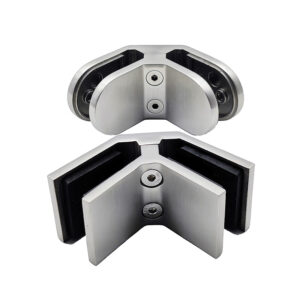
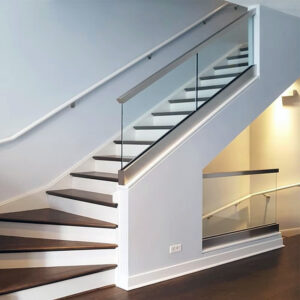
The infill is the primary experiential interface, driving sightlines, safety perception, and maintenance protocols. The choice must align the architect’s vision with the facility manager’s operational reality. Common modular options include horizontal cable railing for near-unobstructed views, tempered glass panels for maximum transparency and a premium feel, and mesh or solid panels for durability, privacy, or distinct branding patterns.
Operational Implications of Each Choice
Each infill type carries strategic implications. Cable and glass maximize openness but introduce specific requirements: cable systems need periodic tensioning and protocols to prevent snagging, while glass requires regular cleaning to maintain clarity. Mesh and solid panels offer a more robust physical barrier and can hide minor imperfections in the backing wall, but they reduce visual connectivity. This decision impacts long-term staffing and maintenance budgets.
Coordinating for Code and Integration
The infill choice must be coordinated early between the architect, facility manager, and code consultant. It directly impacts the ability to meet specific standards, such as the ADA requirement for a continuous handrail profile, which may require specific cladding or returns. It also defines the space’s visual character and how the railing integrates with other interior elements.
Use the following guide to evaluate the primary options.
Infill Type Comparison Guide
| Infill Type | Primary Benefit | Key Consideration |
|---|---|---|
| Horizontal Cable | Unobstructed views | Specific tensioning protocols |
| Tempered Glass | Maximum transparency | Regular cleaning required |
| Mesh/Solid Panels | Durability & distinct patterns | Robust barrier, less open |
Source: Technical documentation and industry specifications.
Installation, Reconfiguration, and Long-Term Adaptability
Streamlined Installation Process
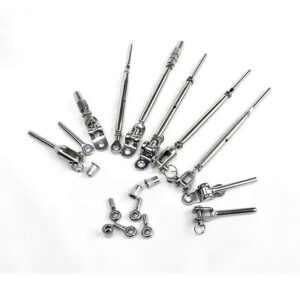
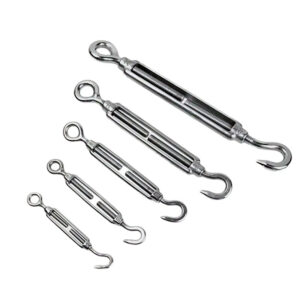
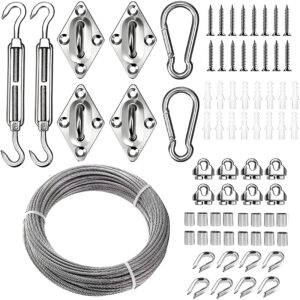
Installation leverages prefabrication. The process typically involves setting and leveling posts, connecting rails via mechanical fasteners, and securing the chosen infill. True “turnkey” performance, however, depends on the manufacturer’s system integration. Specialized tools and accessories—such as calibrated cable tensioners, alignment shims, or proprietary wrenches—are not add-ons but essential for achieving designed tolerances and a professional finish efficiently.
The Reconfiguration Advantage
The modular advantage is fully realized during reconfiguration. A well-designed system allows infill and rails to be detached, posts unbolted from floor attachments, and the entire assembly cataloged and reinstalled elsewhere. This process minimizes construction dust, noise, and downtime, allowing businesses to remain operational. It turns a week-long demolition and construction project into a matter of days.
Specifying for Future-Proofing
For maximum future-proofing, specifiers should favor true panelized modular systems with standardized frame modules. These systems are inherently designed for disassembly and reuse. Furthermore, consider integration paths for future technologies, such as embedded LED lighting for wayfinding. This emerging trend of railings serving as conduits for smart building technology requires early electrical coordination but significantly enhances the system’s long-term utility. Exploring integrated solutions from a specialist provider can streamline this process; you can review advanced modular railing system configurations and specifications to understand the full scope of possibilities.
Meeting Code Compliance: IBC, ADA, and Safety Standards
Compliance as a Engineered Feature
In commercial projects, compliance is a marketed and verifiable feature, not an assumed baseline. All systems must be engineered to meet IBC structural loads (typically a 200-lb concentrated load applied at any point) and ADA guidelines for handrail profile, continuity, height (34-38 inches), and termination. Generic claims of “meeting code” are insufficient for liability protection.
The Critical Role of Third-Party Certification
Reputable manufacturers differentiate themselves by providing independent third-party test certifications for their specific configurations—post spacing, infill type, and connection method. Strategic due diligence requires reviewing these certification reports, not just a line in a brochure. This verification ensures safety, avoids costly remedial work post-inspection, and is a critical filter in vendor selection.
Navigating the Verification Process
The responsibility falls on the specifier to demand and validate this documentation. It is the single most effective way to de-risk the specification process. A manufacturer that cannot readily provide certified test data for the exact configuration you are specifying introduces unacceptable project risk.
The table below outlines the key standards and how to verify them.
Compliance Verification Framework
| Standard | Key Requirement | Verification Method |
|---|---|---|
| IBC Structural Load | 200-lb concentrated load | Third-party test certification |
| ADA Handrail | Continuous gripping profile | Third-party test certification |
| ADA Height | Specific height guidelines | Third-party test certification |
| General Compliance | Engineered for standards | Vendor-provided certifications |
Source: Technical documentation and industry specifications.
Evaluating Material Quality and Long-Term Performance
Assessing Fabrication Integrity
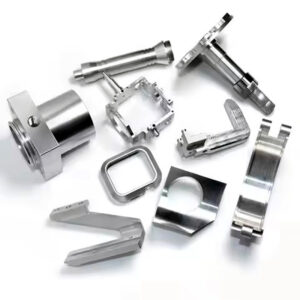
Long-term performance hinges on material integrity and connection design. Beyond specifying the correct stainless steel grade, evaluate the quality of fabrication. Look for thick-walled tubing (e.g., 11-gauge or thicker) for structural rigidity, consistent brushed or polished finishes free of tool marks, and precision-machined connections. The design should facilitate easy cleaning and inspection, with minimal dirt-catching crevices or gaps where corrosion can initiate unseen.
Sustainability and Lifecycle Analysis
Sustainability claims are evolving. While stainless steel is highly recyclable, the greater environmental impact of a modular system lies in its assembly methodology. The reduction of on-site waste, component reusability across multiple layouts, and efficient shipping of flat-packed parts collectively lower the embodied carbon footprint over the system’s extended lifecycle. This represents a more sophisticated and impactful sustainability metric than material recyclability alone.
Maintenance and Durability Expectations
A high-quality modular system should require only routine cleaning with non-abrasive cleaners. The design should anticipate wear points; for example, connection points should use stainless steel fasteners and may incorporate nylon or Delrin bushings to prevent galvanic corrosion and allow for thermal expansion. Evaluating these details separates a system built for a single installation from one engineered for a decades-long lifecycle of service and adaptation.
How to Select the Right System for Your Reconfigurable Space
Internal Capability Assessment
Selection starts with an honest assessment of internal capabilities. Lacking skilled installers or a dedicated facilities team mandates choosing an integrated solution provider offering design-through-installation services. This turnkey approach reduces risk. Conversely, organizations with in-house expertise may optimize costs by sourcing components and managing installation directly, though this requires rigorous coordination.
Vendor Evaluation Criteria
Prioritize vendors that compete on engineering support and proprietary, patented components rather than just price. This signals investment in reducing installation friction and design risk. Request detailed submittals, installation manuals, and references for projects with similar scope. A vendor’s willingness to provide pre-installation coordination meetings is a strong indicator of post-sale support.
Building a Decision Framework
Construct a decision matrix weighted for your project’s priorities: initial budget, reconfiguration frequency, aesthetic requirements, and maintenance capacity. Score potential systems against these criteria. The right choice balances immediate project needs with the long-term operational strategy of the facility. It is not merely a product selection, but a partnership selection for an asset that will evolve with your space.
The decision to implement a modular banister system centers on three priorities: validating lifecycle cost savings against reconfiguration plans, securing third-party certified compliance data to eliminate liability, and selecting a vendor whose engineering support matches your team’s installation capabilities. This framework turns a procurement item into a strategic infrastructure investment.
Need professional guidance to specify and source the right modular system for your next project? The engineering team at Esang specializes in translating adaptive design requirements into compliant, high-performance railing solutions. Contact us to discuss your specifications.
For a direct consultation, you can also Contact Us.
Frequently Asked Questions
Q: How do you validate that a modular railing system meets IBC and ADA compliance for a commercial project?
A: You must secure independent third-party test certifications from the manufacturer for the specific system configuration you plan to install. Generic compliance claims are insufficient. These certifications prove the system meets the International Building Code’s structural load requirement (typically 200 lbs) and ADA guidelines for handrail profile and height. This means your project team should make obtaining and reviewing these documents a mandatory step in vendor selection to avoid liability and costly post-installation fixes.
Q: What is the critical difference between Type 304 and Type 316 stainless steel for commercial railings?
A: The key distinction is the addition of molybdenum in Type 316, which provides superior resistance to corrosion, particularly from chlorides. This makes Type 316 essential for coastal environments, harsh interiors, or facilities using de-icing salts. The material specification for these components, including their chemical composition and mechanical properties, is defined by standards such as ASTM A276. For projects where long-term appearance and minimal maintenance in aggressive environments are priorities, you should budget for the higher initial cost of Type 316.
Q: When does the true cost advantage of modular railings over welded systems become apparent?
A: The financial benefit emerges over the building’s lifecycle, not at initial installation. While modular parts may have a higher purchase price, they save on labor during the first install. The major savings come from future reconfigurations, where disassembling and reusing components eliminates the demolition, disposal, and new fabrication costs of a welded system. This means facilities with high churn rates, like co-working spaces or retail, should evaluate modular systems based on total cost of ownership, not just the initial quote.
Q: How do you future-proof a railing system for maximum long-term adaptability?
A: Prioritize true panelized modular systems built from standardized frame modules designed explicitly for disassembly. These systems allow rails and infill to be detached and posts unbolted for relocation elsewhere. Ensure the manufacturer provides specialized tools and accessories, like alignment shims, to facilitate this process. If your facility’s layout is expected to change multiple times, you should specify this level of modularity to minimize downtime, disruption, and waste during renovations.
Q: What are the strategic implications of choosing a cable railing infill versus glass panels?
A: Cable railings offer near-unobstructed views but require specific tensioning protocols and periodic maintenance to retain safety and appearance. Glass panels provide a clean, transparent barrier but need regular cleaning to maintain clarity. Your choice directly impacts long-term facility management. This means the decision must be coordinated early between the architect, facility manager, and code consultant to align aesthetic goals with operational capabilities and ensure ADA handrail compliance is maintained.
Q: How should a facility with no in-house installation expertise select a modular railing provider?
A: You must choose an integrated solution provider that offers end-to-end services from design through installation. Lacking skilled installers makes a component-only purchase risky. The market segments into product suppliers and full-service partners. For projects with limited internal capability, you should prioritize vendors competing on engineering support and turnkey installation to reduce design risk and ensure correct, code-compliant assembly.