Choosing the correct guardrail height for your cable railing system is a foundational safety and compliance decision, not an aesthetic preference. The 36-inch vs. 42-inch debate is governed by occupancy type and building code, with significant implications for project approval, safety, and total cost. Misapplying the wrong standard can lead to failed inspections, costly rework, and liability exposure.
Understanding the distinction between residential and commercial requirements is critical for architects, builders, and property managers. This guide provides a decision framework based on the International Residential Code (IRC) and International Building Code (IBC), helping you navigate local amendments, evaluate system performance, and make a compliant, cost-effective choice for your specific project.
36-Inch vs 42-Inch Cable Railing: Defining the Core Difference
The Occupancy-Driven Standard
The core difference is not arbitrary but dictated by occupancy risk. The 36-inch standard originates from the IRC, which governs one- and two-family dwellings. It applies to decks, balconies, and stairs where the drop exceeds 30 inches. The 42-inch standard is mandated by the IBC for commercial buildings, multi-family residences, and public assembly spaces, reflecting a higher duty of care for areas with greater public traffic and varied use.
Market Strategy Behind Dual Compliance
This regulatory split drives product development. Leading manufacturers design systems to serve both markets seamlessly, creating dual-compliance product lines that simplify inventory. According to industry experts, this strategy allows for scalable production while ensuring that components—from posts to tensioning hardware—meet the structural demands of both height requirements. The choice is therefore less about product availability and more about applying the correct system to the correct project type.
The Measurement Protocol
A critical, often overlooked detail is the measurement protocol, which is consistent across both heights. The minimum height is measured vertically from the finished walking surface—the deck floor or the stair nosing—to the top of the top rail. Ensuring posts are cut and installed to account for this exact vertical rise is a fundamental installation checkpoint we verify on every project.
Key Building Codes: IRC vs IBC Height Requirements
Foundational Model Codes
The IRC and IBC provide the baseline. IRC Section R312 sets the 36-inch residential guardrail minimum. IBC Section 1013 establishes the 42-inch minimum for commercial guards. These model codes are adopted by most jurisdictions but are frequently amended locally.
The Stair Handrail Constraint
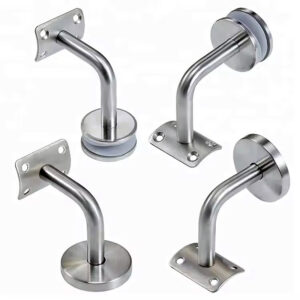
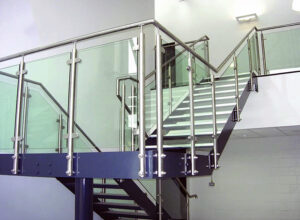
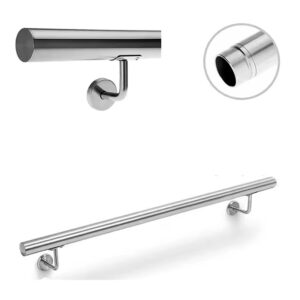
A major technical overlap occurs on stairs. If the top rail of a guard is also designed to serve as a handrail, it must be graspable and installed between 34 and 38 inches above the stair nosing. This creates a direct conflict for a 42-inch commercial guard on stairs, often necessitating a separate, lower handrail component. System designers must integrate this specification to avoid non-compliance and clunky add-ons.
Code Requirements at a Glance
The following table clarifies the primary height mandates and a key related constraint for stair applications.
| Application Domain | Minimum Height | Key Constraint |
|---|---|---|
| Residential (IRC) | 36 inches | Measured from deck surface |
| Commercial (IBC) | 42 inches | Measured from deck surface |
| Stair Handrail | 34–38 inches | If top rail is graspable |
Source: IRC Section R312 and IBC Section 1013. IRC R312 mandates 36-inch guards for one- and two-family dwellings. IBC 1013 mandates 42-inch guards for commercial and multi-family buildings.
Cost Comparison: 36-Inch vs 42-Inch System Expenses
Direct Material Costs
A 42-inch system incurs moderately higher direct material costs. This is due to the need for longer posts, more linear feet of cable, and potentially larger hardware to maintain structural integrity over the increased height. However, this component cost difference is often less significant than project stakeholders assume.
The Labor Variable and System Design
Labor constitutes the most significant cost variable. The choice between a traditional horizontal cable system and a modern vertical cable system dramatically impacts installed cost. Vertically cabled systems, particularly those with pre-assembled sections, can reduce installation time by up to 60% compared to field-assembled horizontal systems. This labor savings can completely offset the product premium of a higher-end system.
Evaluating Total Installed Cost
The following table breaks down the primary cost factors, highlighting where the major variables lie.
| Cost Factor | 36-Inch System | 42-Inch System |
|---|---|---|
| Material Cost | Lower | Moderately higher |
| Post & Cable | Shorter length | Longer length |
| Labor Variable | Significant | Significant |
| Vertical System Install | Up to 60% faster | Up to 60% faster |
Source: Technical documentation and industry specifications. Specifiers must evaluate whole-project economics, where faster installation directly offsets product premiums in high labor-rate markets.
Performance & Safety: Load Capacity and Sphere Rule Compliance
Structural Load Requirements
Height is only one component of safety. Codes mandate that the top rail must withstand a concentrated load of 200 pounds in any direction. The cable infill must resist a uniform load of 50 pounds over one square foot. These requirements are validated through testing per standards like ICC-ES AC273, which provides the critical framework for certifying system performance.
The Paramount 4-Inch Sphere Rule
The most critical safety rule is the 4-inch sphere rule: no opening in the guard should permit a 4-inch sphere to pass through. For cable railings, this dictates maximum cable spacing. To account for inevitable deflection under load or wind, cables are typically spaced at 3 to 3 1/8 inches on-center during installation.
Maintaining Compliance Through Tension
Proper cable tensioning is not optional; it is essential for maintaining sphere rule compliance over time. An under-tensioned cable will deflect more easily, potentially creating a non-compliant opening. This makes installation quality as crucial as component design. We’ve observed that failure to achieve and maintain proper tension is the primary cause of field compliance issues, even with certified components.
Safety and Spacing Parameters
This table summarizes the key performance and safety mandates that govern all cable railing systems, regardless of height.
| Safety Parameter | Requirement | Typical Cable Spacing |
|---|---|---|
| Top Rail Load | 200 lbs concentrated | N/A |
| Cable Infill Load | 50 lbs per sq ft | N/A |
| Maximum Opening | 4-inch sphere rule | 3–3 1/8 inches on-center |
Source: ICC-ES AC273. AC273 establishes standardized test methods for guardrail structural safety and load-bearing capacities, including the concentrated and uniform load requirements referenced by model codes.
Which Height Is Better for Residential vs Commercial Use?
Code Dictates the “Better” Choice
The mandated height is defined by occupancy. For IRC-governed, single-family homes, 36 inches is the compliant standard. For IBC commercial spaces, 42 inches is required. The strategic choice lies in material and system selection within those fixed parameters.
The Dominance of Aluminum
Aluminum has become the dominant structural material for posts and rails across both heights. Its durability, corrosion resistance, and minimal maintenance offer clear lifecycle cost advantages over wood, vinyl, composite, or steel. This material choice is a long-term performance decision that transcends the height debate.
The Institutional Upgrade Channel
A significant market trend is the upgrade of railings for HOAs and condominiums. This shifts the buyer from an individual homeowner to an institutional committee focused on durability, compliance, and bulk procurement. Suppliers successful in this channel provide comprehensive documentation and manage architectural review processes.
Height and Material by Project Type
This table outlines the mandated height and prevailing material choice based on project classification.
| Project Type | Mandated Height | Dominant Material |
|---|---|---|
| IRC Residential | 36 inches | Aluminum |
| IBC Commercial | 42 inches | Aluminum |
| HOA/Condo Upgrades | 36 inches (typically) | Aluminum |
Source: IRC Section R312 and IBC Section 1013. Code dictates the required height based on occupancy, with aluminum favored for its lifecycle cost advantages.
Navigating Local Amendments and California’s CBC
The Fragmented Compliance Landscape
While IRC and IBC provide the baseline, state and local amendments hold ultimate authority. This creates a fragmented compliance landscape where a system approved in one jurisdiction may not pass in another. The research burden and liability risk here are substantial for national contractors and manufacturers.
California’s Stricter Standard
The most prominent amendment is California’s own building code (CBC), which requires a 42-inch minimum guardrail height for both residential and commercial applications. This universal height requirement simplifies one aspect but demands strict adherence to all other CBC details.
Code Mastery as a Competitive Asset
This complexity polarizes the market. It separates generic DIY kits from professionally installed systems backed by certified expertise and localized compliance knowledge. For project teams, partnering with a supplier that provides dynamic, location-specific compliance resources is a critical risk mitigation strategy.
Jurisdictional Variations
The following table highlights the variable nature of code enforcement across different regions.
| Jurisdiction | Baseline Code | Key Amendment |
|---|---|---|
| Most States | IRC/IBC | Local amendments apply |
| California (CBC) | IRC/IBC | 42-inch minimum for all |
| Fragmented Landscape | Model codes | Ultimate local authority |
Source: Technical documentation and industry specifications. Successful operations invest in localized compliance resources to avoid failed inspections.
Installation & Maintenance for Long-Term Code Compliance
The Case for Professional Installation
Professional installation is strongly recommended to ensure three critical outcomes: precise cable tensioning, consistent 3-inch on-center spacing, and secure structural anchoring to the deck frame. These technical details elevate the task from a DIY project to a specialist trade. Cultivating a network of certified installers is a strategic imperative for manufacturers to protect system performance.
The Critical Role of Tensioning
As covered, proper initial tension is what keeps cable spacing compliant under load. Using a calibrated tension gauge during installation is non-negotiable for professional results. This step ensures the system meets the sphere rule not just during inspection but throughout its service life.
Ongoing Maintenance for Compliance
Cable railings require periodic maintenance to uphold safety. Cable tension should be re-checked annually or biannually, as cables can stretch or contract with temperature cycles. This maintenance requirement underscores the value of a professional service relationship and a quality initial installation that uses durable, corrosion-resistant components.
Decision Framework: Choosing the Right Height for Your Project
Step 1: Confirm the Governing Code
The first step is definitive: consult your local building department to confirm the governing code and any amendments. Never assume the model code applies. This due diligence prevents the most costly error.
Step 2: Evaluate Total Installed Cost
With the height mandated, evaluate systems based on total installed cost. Factor in labor savings from pre-assembled or vertical cable systems. A premium system with faster installation can have a lower final cost than a cheaper, labor-intensive alternative.
Step 3: Select for Durability and Support
Choose materials like aluminum for long-term performance. For projects in strict jurisdictions or complex applications, prioritize suppliers who provide engineered systems with ICC Evaluation Reports. Utilize digital tools like product configurators and automated permit packet generation for streamlined specification and procurement of cable railing systems.
The correct height is determined by your project’s occupancy and local code. The optimal system is chosen by evaluating total installed cost, lifecycle durability, and the supplier’s ability to provide compliance assurance. Making the wrong choice on either front risks project delays, added expense, and safety liabilities.
Need professional guidance to navigate code requirements and select a compliant, high-performance railing system? The experts at Esang provide engineered solutions and technical support for both residential and commercial projects. Contact Us for project-specific consultation and system specifications.
Frequently Asked Questions
Q: How do you determine if a 36-inch or 42-inch cable railing height is required for a project?
A: The required height is defined by the building’s occupancy type. The IRC Section R312 mandates a 36-inch minimum for one- and two-family homes, while the IBC Section 1013 requires 42 inches for commercial and multi-family buildings. This means your first step must be consulting the local building department to confirm which model code, plus any amendments, governs your specific project location.
Q: What are the key safety performance tests for cable railing systems beyond height?
A: Beyond height, systems must pass structural load and infill safety tests. The top rail must resist a concentrated 200-pound force, and cables must withstand a 50-pound load over one square foot. Crucially, the infill must comply with the 4-inch sphere rule, which dictates maximum cable spacing and requires proper tensioning to prevent deflection. For projects in strict jurisdictions, prioritize suppliers whose systems are tested to ICC-ES AC273 acceptance criteria for verified compliance.
Q: How does the total installed cost differ between 36-inch and 42-inch systems?
A: While 42-inch systems have moderately higher material costs for longer posts and cable, labor is the dominant variable. Vertically cabled or pre-assembled systems can reduce installation time by up to 60% compared to traditional horizontal layouts. This means projects in high-labor-rate regions should evaluate whole-project economics, where a premium, faster-to-install system may have a lower total cost than a cheaper, labor-intensive alternative.
Q: What is the primary installation risk that can cause a cable railing to fail inspection?
A: The primary risk is improper cable tensioning leading to non-compliance with the 4-inch sphere rule. Even with code-approved components, cables that deflect under load can create openings larger than permitted. This makes professional installation critical for maintaining the certified performance of the system. For long-term compliance, plan for periodic tension checks as cables naturally stretch or contract with temperature changes.
Q: How should you approach cable railing specifications for a project in California?
A: California’s building code (CBC) requires a 42-inch guard height for both residential and commercial applications, overriding the standard IRC 36-inch rule. This fragmentation creates liability, so you must verify all local amendments. For California projects, prioritize suppliers with engineered systems, ICC-ES reports, and tools for automated permit packet generation to navigate the stringent approval process efficiently.
Q: When is a separate handrail required on a stair guard, and why?
A: A separate handrail is required when the top of a guard on stairs exceeds 38 inches above the stair nosing. Building codes stipulate that a handrail must be graspable and installed between 34 and 38 inches. Since a 42-inch commercial guard’s top rail is too high, it cannot serve as the handrail. This means designers must integrate a separate, code-compliant handrail component into the stair guard design from the outset.
Q: Why is aluminum often the recommended structural material for cable railing posts?
A: Aluminum is recommended for its corrosion resistance, durability, and low maintenance, offering superior lifecycle cost compared to wood, vinyl, composite, or steel. Its performance is especially valuable in coastal or high-moisture environments. This means for projects prioritizing long-term value and minimal upkeep, aluminum provides a reliable structural framework that supports both 36-inch residential and 42-inch commercial system designs.