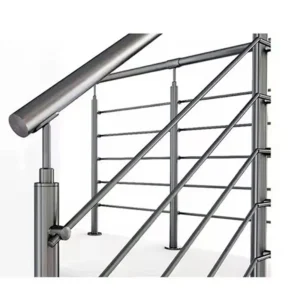
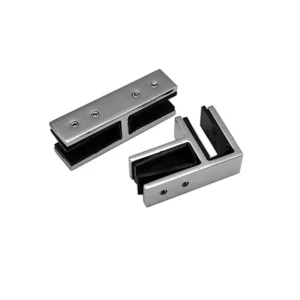
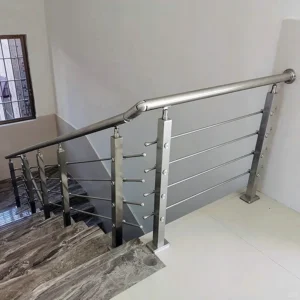
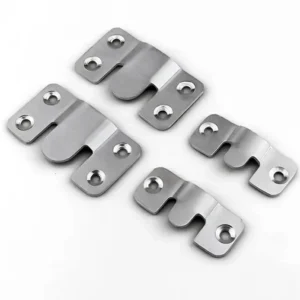
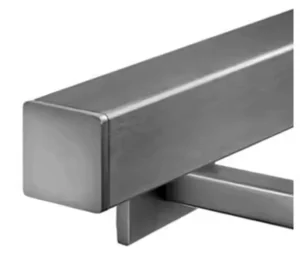
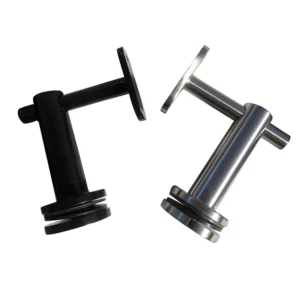
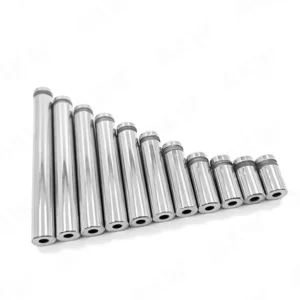
Whether the quote should cover tube only or a complete component package depends on one thing you can verify before the conversation starts: whether your fitting and support arrangement is already confirmed and compatible, or still being coordinated. If the receiving hardware is locked in, a tube-only quote can be a clean, bounded purchase. If rails, brackets, joints and end fittings are still moving parts of the same decision, a component package is the right frame—but only if that package is itemized by location rather than described as complete.
A handrail tube vs complete component package quote is not a supplier format choice. It is a scope definition that belongs to the buyer.
Define Tube-Only and Component-Package Scope
The scope boundary is the most consequential line in any railing quotation, and it needs to be drawn before prices are compared.
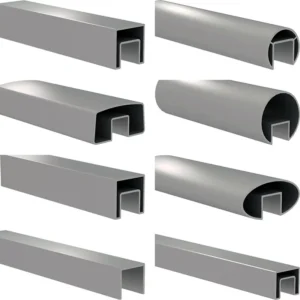
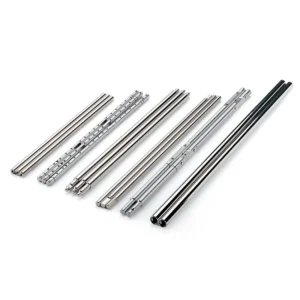
A tube-only quote is a meaningful purchase when the receiving interfaces are already fixed. That means you have a confirmed fitting system, a bracket or support arrangement that accepts the tube profile, and a wall or structure that can take the fixing loads. In that condition, you are buying a described product: a profile, a wall thickness, a cut or stock length, a material grade and a finish. That is a real and complete scope. What it is not—and this is easy to overlook—is a performance description of the finished handrail assembly. The tube standard covers the tube. It says nothing about how the bracket transfers load, whether the end cap retains correctly or whether the wall fixing is adequate for the guard load.
Related Products
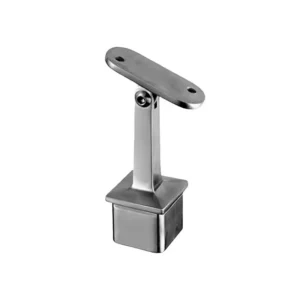
- Round tube handrail systems — Review the round-tube rail option when defining the supplied profile.
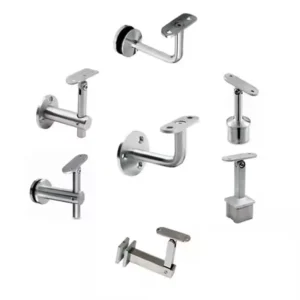
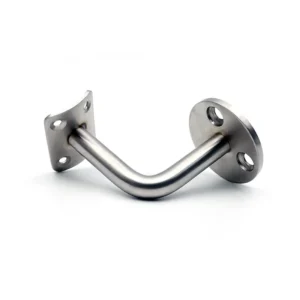
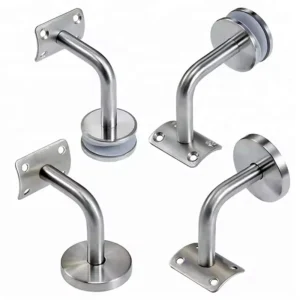
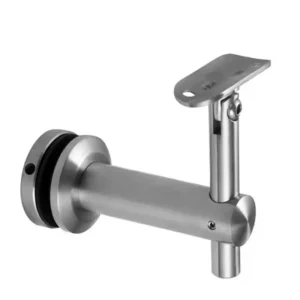
- Adjustable wall handrail brackets — Compare bracket interfaces where wall offset and rail position need coordination.
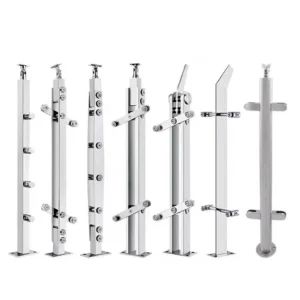
- Round post handrail systems — Review a post-supported option for the open portion of the same route.
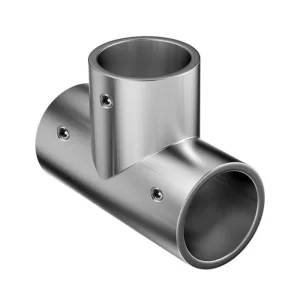
- Rail connector sleeves — Check a candidate section joint against actual mating dimensions and assembly access.
- Post caps & end caps (round, square, decorative) — Compare profile-closing components; a cap is separate from a required handrail return.
- Surface mount base plates — Review the post-base interface when the route uses surface-mounted posts.
A component package quote is the right frame when rails, supports, joints and end fittings are being sourced together. The risk here runs in the other direction. Package labels can conceal omissions. A supplier quoting a “complete handrail package” may have made assumptions about end conditions, bracket spacing or wall construction that do not match your project. The word complete is relative to what was assumed, not to what your drawings require.
The discipline that prevents both problems is location-based quantities. When a quotation lists components by position—each bracket run, each joint, each end return, each post base—you can trace the physical route of the rail before you accept the number. A total tube length cannot do that.
List the Interfaces Each Quote Must Cover
Every handrail assembly has at least three classes of interface, and a quotation that leaves any of them unnamed is incomplete regardless of which scope it claims.
Rail-to-fitting interfaces cover how the tube end or body connects to a bracket, post, return fitting or splice connector. These need a named component on both sides, not a category. If the quote names a bracket type without specifying what profile and wall thickness it accepts, the interface is open.
Compare the Physical Supply Interfaces
| Option | Physical scope | Check before release |
|---|---|---|
| Tube-only | Tube profile, wall, grade, finish and supplied lengths | Supports, joints and ends supplied elsewhere |
| Component package | Location-based rails, supports, joints and ends | Fixings, fabrication and installation explicitly bounded |
| Either route | Packing quantities and accepted revision | Drawing, sample and inspection inclusions stated separately |
Fitting-to-structure interfaces are different connections with different requirements. A rail-to-bracket fastener holds one relationship; a bracket anchor into a concrete slab or a timber stud holds another, and the two should not be described together. When a quotation lists mounting hardware, ask it to separate rail-side hardware from the base or wall fixing, and to name the supporting construction the selection is based on. A fastener material reference or property class tells you something about the fastener. It leaves anchor behavior, edge distance, embedment and joint design unresolved. Included hardware needs a named application.
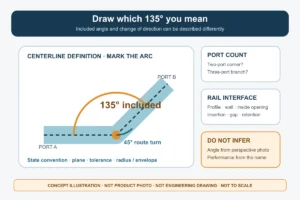
End and transition interfaces are where omissions most often appear late. Consider a stair handrail that returns to a wall at the top and terminates at a newel at the bottom. Each of those conditions needs a named fitting. If the quotation schedule does not show a fitting at each end, the gap will surface at installation.
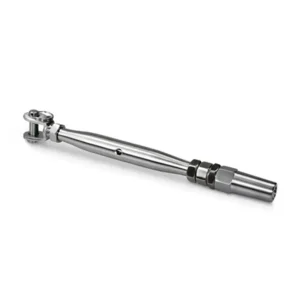
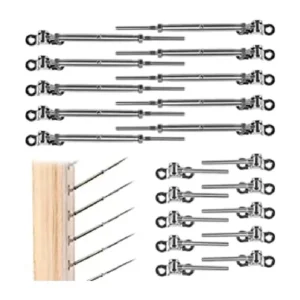
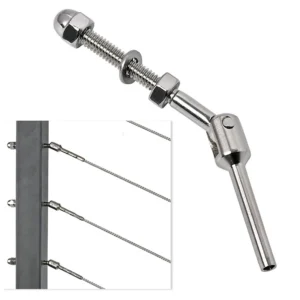
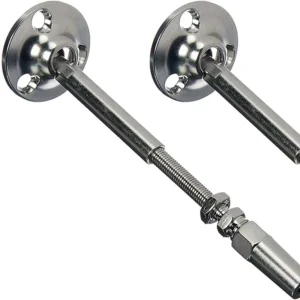
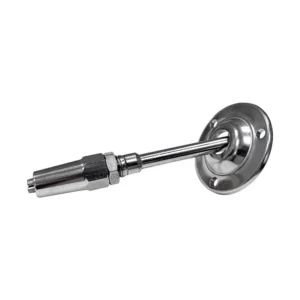
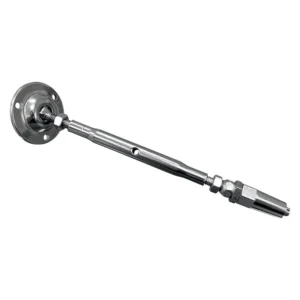
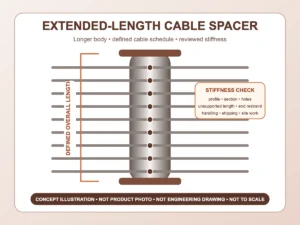
Where cable railing components are part of the same project, end-post terminal fittings carry a specific additional consideration: the end posts take the cable tension, and the terminals need clearance for adjustment. Those fittings belong in the schedule as named line items, not as a hardware allowance.
Compare Fabrication and Site Work
The price on a quotation reflects the scope it includes, and fabrication scope is where two apparently comparable quotes can differ most without it being obvious.
One quote may supply stock lengths. Another may supply shop-cut lengths with drilled bracket holes, countersunk ends and joined sections ready for site. A third may include full prefabrication with fittings attached. Each of these has a different material total and a different labor demand at the site. The lower material figure is not the lower total project cost if it moves fabrication work to another party.
Before comparing two bids, separate these items into included or excluded lines:
- Cutting to length (stock vs. shop-cut vs. site-cut)
- Drilling or slotting for bracket attachment
- End treatment: capping, returning, threading or welding
- Joint fabrication: sleeve joints, butt joints, field-welded splices
- Surface refinishing of field-worked areas
- Site fit-up and adjustment
Fabrication drawings and assembly details are the clearest way to make this split explicit. When a supplier provides a drawing showing cut lengths, joint locations and bracket positions, both parties can read off who does what. Without that drawing, the split is an assumption held differently by each side.
A quote that lacks a fabrication scope boundary is not cheaper—it is incomplete.
This is where a tube-only quote can be precisely the right tool, provided it names what it excludes as clearly as what it includes. If you are cutting on site and fitting to your own bracket system, say so in the inquiry so the supplier can confirm dimensional tolerances for your fit-up method.
Align Material and Finish Evidence
Finish is the most visible property of installed stainless-steel railing, and it is the one most likely to show mismatch when components arrive from different batches or different sources.
A common finish name—brushed, mirror-polished, No. 4, No. 8—does not guarantee a consistent appearance across tubes, brackets, end caps and post collars, particularly when those components are manufactured separately and joined at site. Field-worked joints, where a weld or a cut is made and then blended, are the most exposed point: the surrounding surface was finished under controlled conditions; the field repair is finished by hand on a constrained structure.
The practical step is to specify one identified finish reference that applies to all visible surfaces and to state explicitly which surfaces it covers and whether field-worked joints are included. ASTM A380 and ASTM A967 address cleaning and passivation treatment within their respective scopes. Neither provides an automatic appearance match between components, and neither is a service-life guarantee. They are process references, not finish specifications.
Material grade follows a similar logic. Where exposure is the governing variable—coastal installations, pool surrounds, chemical environments—the grade needs to be stated in the inquiry, applied to every component in the package and evidenced in the documentation. ESANG can supply components to a specified grade, but the evidence travels with the delivery documentation, not with the quote.
Dimensional compatibility between tube and fittings deserves equal attention when two bids quote the same nominal profile. ISO 1127 provides a dimensional framework for stainless-steel tubes, but nominal size alone does not confirm that a tube from one source will fit a connector designed for another. Tolerance stack-up at the interface matters, and the only reliable check is to confirm compatibility against named components and actual dimensions, not against a shared nominal designation.
Related Reading
- Stainless Steel Handrail Parts: Tubes, Brackets, End Caps, Posts and Connectors — Use the component overview to identify which parts belong in the purchase boundary.
- Custom Stainless Steel Handrail Systems for Project-Based Railing Hardware Procurement — Prepare the project information and supply scope before requesting a coordinated package.
- Stainless Railing Systems: What Buyers Must Confirm Between Tube Tolerance Finish Quality and Connector Compatibility — Check the neighboring tube, finish and connector interfaces before accepting a substitution or final package.
Read the Delivered Package Against the Quote
When the delivery arrives, the accepted quotation—the specific revision you agreed—is the document you check against, not a later email or a verbal understanding.
The most useful checking tool is a location-based schedule: a list that maps each delivered component to its position in the assembly. Total tube length measured against total ordered length cannot catch a missing end return, an unpaired splice or a bracket count that is one short on a landing. A route-based check catches those gaps before assembly begins.
Work through the schedule looking for three things:
- Unpaired ends: every rail end should have a named terminal fitting. An open end that is not explicitly noted as site-supplied is a gap.
- Missing transition fittings: every change in direction, elevation or surface that required a fitting in the quote should have one in the box.
- Excluded site items: fixings, anchors and sealants that were listed as excluded in the quote need to be sourced before installation starts, not discovered during it.
If the delivered count matches the schedule, you can start. If it does not, resolve it before the first bracket goes into the wall.
One procedural point that avoids a common dispute: when a quotation goes through revisions, mark the accepted revision clearly. A change made after acceptance but before delivery can create two competing definitions of what was supplied. The accepted document is the boundary, and both parties need to work from the same version.
For component packages, ESANG structures its submissions to allow this kind of line-by-line check: components are identified by type and position so that receipt and assembly can follow the same document. That is not a convenience feature—it is what makes a package quote auditable rather than approximate.
Before you open the conversation with any supplier on a railing package, have ready: mounting drawings with substrate notes and edge distances, a location schedule or rail route description, specified material grade and finish reference, and a clear statement of what fabrication work is expected from the supplier versus the site.
References
- Access Board Guide – Chapter 5: Stairways — Review the stairway-specific continuity and end provisions where US accessibility requirements apply.
- UFGS 05 52 00 Metal Railings — See an editable metal-railing specification example for drawings, assembly and supply interfaces; adapt it to the project.
- ISO 1127:1992 Stainless Steel Tubes – Dimensions, Tolerances and Conventional Masses — Check the dimensional scope for stainless tube; it supplies no assembly compatibility or load rating.
- ASTM A380/A380M-25 Cleaning, Descaling, Pickling, and Passivation of Stainless Steel — Review cleaning and surface-treatment scope when joints or cutting create fabrication work; agree the applicable procedures.
Frequently Asked Questions
Q: Can a distributor buy tubes now and select fittings later?
A: Treat that as an interface risk rather than a complete route purchase. Keep the intended mating dimensions and finish reference with the tube order, and avoid committing all lengths to final cuts before the receiving fittings are selected.
Q: How should an alternate fitting be offered after quotation?
A: Identify its affected locations and compare the mating geometry and finish with the accepted item before substitution. A similar product name is insufficient to carry over the earlier package assumptions.
Q: Should spare hardware be included in the installed quantity?
A: List it separately. Installed quantities should reconcile to the route schedule; spares need their own description and compatible item reference so a short installed package is not hidden by a combined total.