For property managers, architects, and engineers specifying outdoor stair railings within 50 miles of a coastline, the primary challenge is not aesthetic design but managing persistent, insidious corrosion. Chlorides from salt spray and, more critically, deicing salts create a year-round corrosive environment that standard materials cannot withstand. A common and costly misconception is that any “stainless” railing will suffice, leading to premature system failure, safety violations, and expensive replacements. The decision context requires shifting from a simple procurement to a lifecycle management strategy focused on electrochemical compatibility.
This specification is urgent due to evolving building codes and increased liability for long-term performance. The 50-mile zone is a recognized benchmark for “coastal” or “marine” atmospheric corrosion, as defined by standards like ISO 9223. Beyond oceanfront properties, the widespread use of road deicing salts inland has expanded the threat, making corrosion-resistant specifications relevant for a broader range of projects. Selecting the wrong system compromises safety, escalates maintenance costs, and diminishes property value.
Key Specifications for 316 Stainless Steel in Coastal Railings
Defining the Mandate
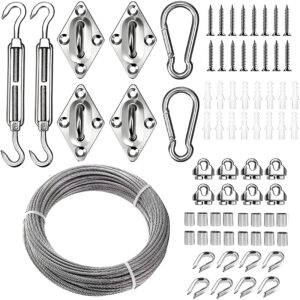
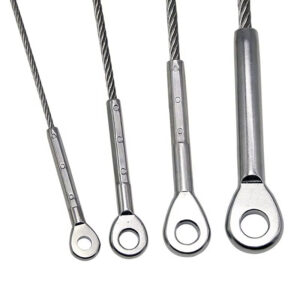
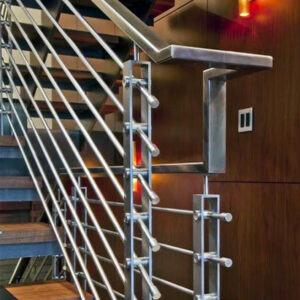
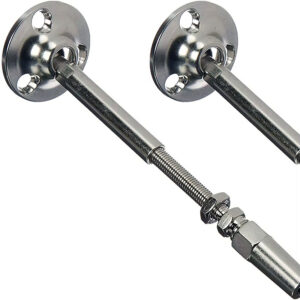
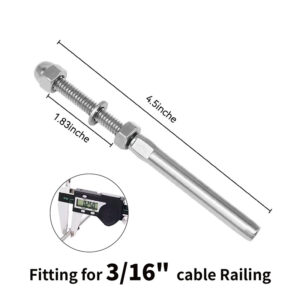
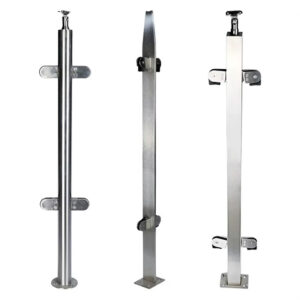
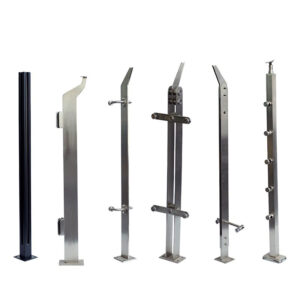
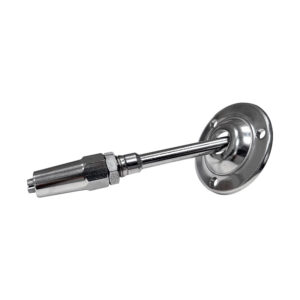
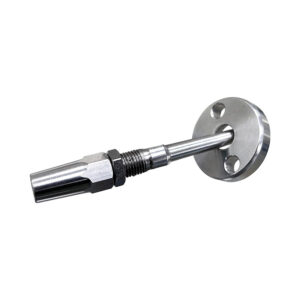
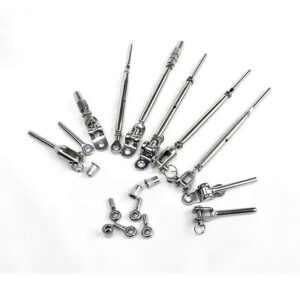
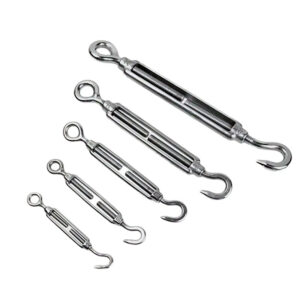
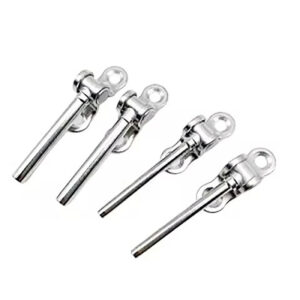
The cornerstone specification is the universal, non-negotiable use of 316 stainless steel for every component. This mandate extends beyond structural posts and horizontal cables to include all fasteners—tensioners, swage studs, eye bolts, and washers. Industry experts stress that total system compatibility is critical; a single mismatched metal component, even a hidden washer, can create a galvanic cell, accelerating corrosion of the less noble metal and leading to premature, localized failure. This turns procurement into a sourcing exercise for complete, compatible kits from single suppliers to avoid the degradation risk of mixed-metal packs.
Designing for the Environment
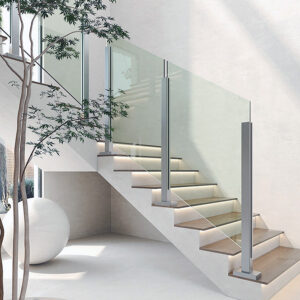
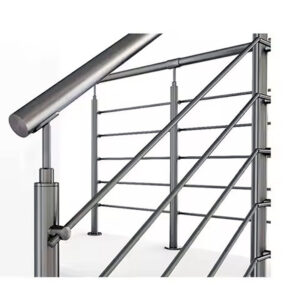
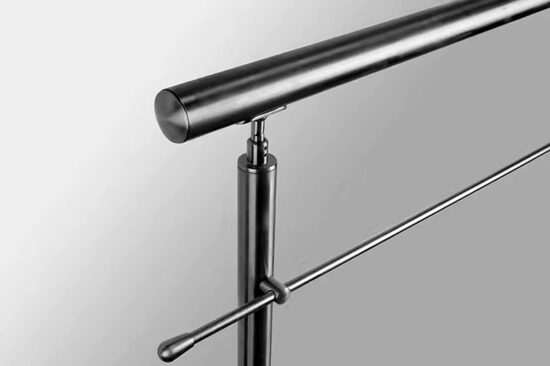
The geometry of the railing system itself is a functional specification. Open designs with smooth, continuous finishes and sealed joints are not merely aesthetic choices. They allow wind and rain to perform natural cleaning, washing away salt deposits. Conversely, complex joints, sheltered crevices, or textured surfaces trap salt slurry, creating micro-environments where crevice corrosion initiates. Making cleanability a core design criterion alongside load capacity and aesthetics is a strategic shift essential for longevity in chloride-exposed settings.
The System Integration Imperative
A railing is not a collection of parts but an integrated system where each element affects the others. The choice of cable diameter influences post loading; the mounting method impacts structural integrity; the finish affects maintenance frequency. According to research from materials science institutes, the most common oversight is treating these elements in isolation. A holistic specification ensures that material selection, structural design, and connection details are engineered in concert to meet both safety codes and environmental durability requirements.
| Component | Material Requirement | Critical Detail |
|---|---|---|
| Structural Posts | 316 Stainless Steel | Mandatory for all parts |
| Horizontal Cables | 316 Stainless Steel | Must be system-compatible |
| All Fasteners | 316 Stainless Steel | Prevents galvanic corrosion |
| System Design | Open, smooth geometry | Enables natural rain cleaning |
Source: Technical documentation and industry specifications.
Material Composition: Why 316 vs. 304 for Salt Air
The Alloying Difference
The decisive factor separating 316 from the more common 304 stainless steel is the deliberate addition of 2-3% molybdenum. This alloying element dramatically enhances resistance to pitting and crevice corrosion, the primary failure mechanisms in chloride-rich environments. Molybdenum stabilizes the protective chromium oxide layer, making it more self-repairing when compromised. This chemical specification, defined in standards like ASTM A276/A276M Standard Specification for Stainless Steel Bars and Shapes, is the foundation of 316’s “marine-grade” designation.
Evaluating the Cost-Benefit Trade-Off
This material choice represents a direct financial trade-off between initial cost and long-term operational burden. While 304 may appear sufficient with an aggressive, perfectly executed cleaning schedule, 316’s higher upfront cost buys resilience and a largely carefree lifespan. This is particularly critical where maintenance access is difficult or schedules are unreliable. The decision framework must account for the total cost of ownership, including projected maintenance labor and the risk and cost of premature replacement.
The Hidden Threat: Deicing Salts
A critical insight often overlooked is that deicing salt poses a greater corrosion threat than typical coastal spray. Salt accumulates in soil, dust, and on surfaces, creating a persistent, concentrated slurry that is reactivated by moisture. Therefore, specifying 316 is essential not just for oceanfront properties but for any project near treated roadways, parking garages, or walkways. This expanded threat profile makes the material selection a default 316 specification for nearly all projects within the coastal zone.
| Alloy | Molybdenum Content | Primary Corrosion Threat |
|---|---|---|
| 316 Stainless Steel | 2-3% | Pitting & crevice corrosion |
| 304 Stainless Steel | None (trace) | Chloride-induced corrosion |
| Key Driver | Deicing salt accumulation | Year-round corrosive slurry |
Source: Technical documentation and industry specifications.
Design & Structural Requirements for Wind and Safety
Engineering for Dynamic Loads
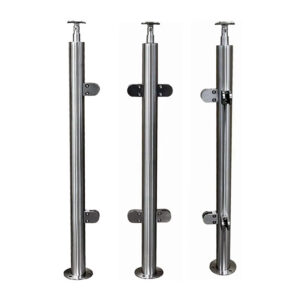
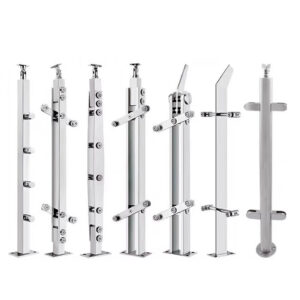
Design must comply with safety codes while withstanding site-specific environmental loads. Posts, as the primary structural members, require careful engineering. Their size, shape, and wall thickness are dependent variables dictated by cumulative cable tension and, critically, local wind loads. Building codes require site-specific wind speed analysis; longer spans and higher winds necessitate larger, more robust post sections. Choosing undersized posts for visual appeal creates a latent safety and liability risk, as they may flex or fail under extreme conditions.
Cable Specifications and Tension Integrity
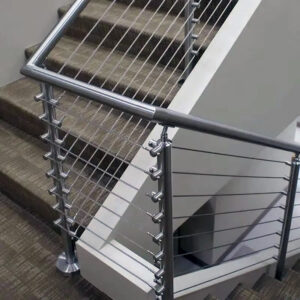
For cable railings, the standard diameter is 1/8-inch or 3/16-inch, tensioned to 200-225 pounds to meet the 4-inch sphere rule mandated by building codes. This tension is not static. Over time, cables will stretch and sag, violating codes and inducing unwanted bending stress in the posts. This makes annual inspection and re-tensioning a non-negotiable operational requirement for maintaining both safety and system integrity. I’ve observed that projects which formalize this requirement in their maintenance contracts see dramatically longer service life.
The Role of Tubular Specifications
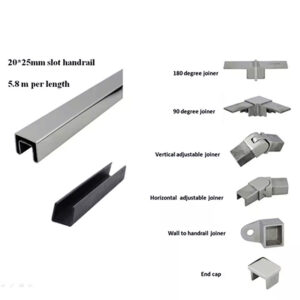
When posts or frames are constructed from tubing, the material must meet specific mechanical standards. ASTM A554 Standard Specification for Welded Stainless Steel Mechanical Tubing defines the requirements for welded square, rectangular, and round tubing in grades like 316, ensuring the product has the proper strength and corrosion resistance for structural applications. This standard provides the basis for specifying the tubular components that form the skeleton of the railing system.
| Component | Specification/Range | Critical Factor |
|---|---|---|
| Post Size/Thickness | Variable | Cumulative cable tension & wind load |
| Cable Diameter | 1/8″ or 3/16″ | Standard sizing |
| Cable Tension | 200-225 lbs | Meets 4-inch sphere rule |
| Inspection Interval | Annual | For re-tensioning & integrity |
Source: Technical documentation and industry specifications.
Mounting, Anchoring, and Galvanic Isolation Details
Anchor System Selection
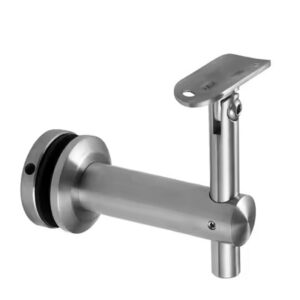
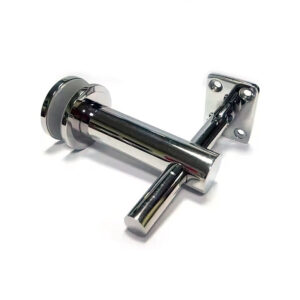
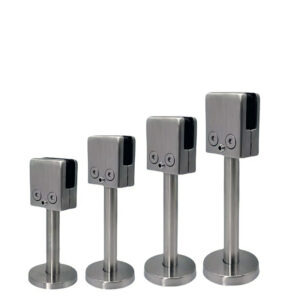
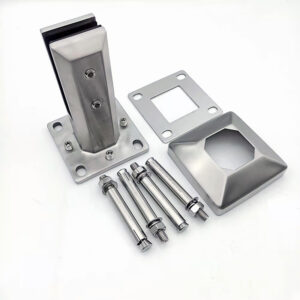
The connection of the railing to the structure is a critical failure point if not properly specified. For concrete, use 316 stainless steel anchor rods or certified adhesive anchors, ensuring drill holes are clean and embedment depth meets engineered requirements. On wood decks, fascia mounting can preserve tread space but requires engineered backup plates inside the fascia to distribute overturning forces. All methods must be calculated to handle the combined dead load, live load, and wind load specific to the installation.
Implementing Galvanic Isolation
A paramount and frequently missed detail is galvanic isolation. If the stainless steel railing interfaces with aluminum decking, carbon steel structural supports, or other dissimilar metals, non-conductive polymer isolators must be used at every point of contact. These isolators prevent electrolytic corrosion by breaking the electrical pathway between dissimilar metals. This requirement underscores a broader shift: fabricator competency is evolving from simple assembly to managing the electrochemical environment of the installation.
Ensuring Long-Term Connection Integrity
Beyond initial strength, the detailing must ensure durability. This includes specifying oversized mounting holes in base plates to allow for minor structural movement without stressing the anchors, and using continuous welds or sealed mechanical connections to prevent water ingress at the post base. Proper flashing or sealant around penetrations is essential to direct water away from the connection, preventing the accumulation of corrosive salts at this high-stress interface.
Corrosion Mitigation: Finishes, Drainage, and Passivation
Specifying Surface Finish
Beyond alloy selection, proactive detailing mitigates corrosion initiation. Surface finish significantly impacts performance. A smooth, electropolished finish offers superior corrosion resistance by minimizing surface area where salt crystals can adhere and by removing free iron from the surface, making it easier to rinse clean. The persistent issue of “tea staining” (surface discoloration) is driving innovation toward these advanced finishes and the use of permanent clear sealants that provide an additional barrier layer.
Designing for Drainage
Design must incorporate deliberate drainage. This includes specifying gaps at post bases and at connections between horizontal and vertical members to prevent saltwater pooling. For hollow sections, weep holes may be necessary. The goal is to avoid creating crevices or pockets where chloride-contaminated water can be trapped and concentrated, as these are the ideal sites for crevice corrosion to begin and propagate unseen.
Post-Installation Passivation
After installation or any on-site modification like cutting or welding, the protective chromium oxide layer can be compromised. A passivation treatment using a citric or nitric acid-based product is recommended to restore this passive layer. This chemical process removes free iron particles and encourages the formation of a uniform, protective oxide layer. It is a critical final step that is often omitted but is essential for ensuring the specified material performs as intended.
Maintenance Protocol for Long-Term Performance
Routine Cleaning Regimen
A specification is incomplete without a defined, realistic maintenance protocol. Routine cleaning is not optional; it is the operational cost of longevity. This includes frequent freshwater rinsing, especially after storms or salt-laden fog events, and a quarterly wash with a pH-neutral soap and soft cloth or brush. Avoid chlorine-based cleaners, steel wool, or abrasive pads, as they can damage the passive layer. This simple regimen prevents the buildup of aggressive salt deposits.
Scheduled Inspection and Adjustment
Annual professional inspections are mandatory. These must check for early signs of corrosion at critical points: cable exits from swage fittings, post bases, and any welded joints. More importantly, cables must be inspected for sag and re-tensioned to the specified 200-225 pound range. This maintenance task is frequently neglected, leading to code non-compliance and increased structural fatigue on posts.
The Future of Predictive Maintenance
The emphasis on scheduled inspections is creating a market for embedded sensor technology. Strain gauges can monitor cable load, and chloride sensors can indicate environmental exposure levels. This data enables predictive maintenance and provides objective evidence for warranty compliance. For forward-thinking property managers, specifying a system with provision for such technology future-proofs the asset and transforms maintenance from a calendar-based chore to a data-driven operation.
Integrating Lighting and Wind Screens Safely
Electrical Component Specifications
Integrating low-voltage LED lighting requires additional, stringent specifications. All components—strips, drivers, and connectors—must have a minimum IP67 ingress protection rating, meaning they are dust-tight and can withstand temporary immersion in water. All field splices should be potted with marine-grade epoxy, and drip loops must be used at all connection points to prevent water from tracking into electrical housings. Failure here leads to rapid corrosion of copper conductors and fixture failure.
Engineering for Increased Wind Load
Adding wind screens or glass infill dramatically changes the structural calculus. The increased surface area can multiply the wind load on the system by a factor of three or more. This necessitates re-engineering the entire system: posts may need to be larger or more closely spaced, anchor systems must be upgraded, and mounting hardware must be reinforced. This is not an aesthetic add-on but a fundamental redesign that requires a stamped engineering review.
Detailing Composite Systems
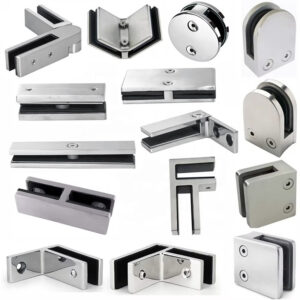
Wind screens and glass must include strategic drainage gaps at their bottom rails to prevent water and salt accumulation. Attachment hardware must be 316 stainless steel and incorporate isolation bushings if contacting dissimilar materials. These additions transform a simple railing into a composite cladding and structural system, demanding holistic engineering and detailing to ensure both features perform reliably over the long term. For projects considering such integrations, reviewing detailed outdoor railing system specifications and integration guides from experienced suppliers is a critical step.
Selecting a Coastal Railing System: A Decision Framework
Conducting a Site-Specific Assessment
The selection process begins with a rigorous site assessment. Key factors include the linear distance from the salt source (ocean or roadway), the local wind load requirement per ASCE 7, and an honest evaluation of maintenance accessibility and budget. This assessment directly informs the core material choice between 304 and 316 stainless steel. For most sites within the 50-mile zone, especially with any deicing salt exposure or difficult maintenance, the assessment will point decisively toward 316.
Auditing Supplier Kits for Compatibility
Specifiers must move beyond catalog images and demand total system compatibility. This requires auditing supplier kits to verify that all components, including every fastener, are 316 stainless steel. Be aware that the market is segmenting into corrosion-zone-specific kits, which can simplify specification but may create proprietary lock-in. The goal is to procure a electrochemically homogeneous system from a single responsible source.
Vetting Fabricator and Installer Expertise
The final, crucial step is selecting a fabricator and installer with demonstrated electrochemical expertise. This includes knowledge of proper passivation procedures post-fabrication and experience implementing galvanic isolation techniques. The competency required has evolved from basic welding to understanding the metallurgical and environmental interactions that dictate long-term performance. The chosen partner must also commit to providing a clear, actionable maintenance protocol.
| Decision Factor | Primary Consideration | Outcome Driver |
|---|---|---|
| Site Assessment | Distance from salt source | Material grade selection (304 vs 316) |
| System Compatibility | All-316 components, including fasteners | Prevents galvanic cell failure |
| Fabricator Expertise | Electrochemical knowledge (passivation/isolation) | Ensures proper installation |
| Maintenance Protocol | Scheduled cleaning & inspection | Long-term system longevity |
Source: Technical documentation and industry specifications.
The specification process culminates in three non-negotiable priorities: mandating 316 stainless steel for the complete system, engineering for site-specific wind loads with a maintenance plan for cable tension, and implementing galvanic isolation at all connections to dissimilar materials. These steps move the project from a simple installation to a managed, durable asset.
Need professional guidance specifying a railing system engineered for coastal durability? The technical team at Esang specializes in application-specific solutions that balance code compliance, aesthetic goals, and long-term performance in corrosive environments.
Frequently Asked Questions
Q: Why is 316 stainless steel mandatory for all components, including hidden fasteners, in coastal railings?
A: The persistent chloride exposure near the ocean demands a complete system of 316 stainless steel to prevent galvanic corrosion. Using even a single component of a different metal, like 304 stainless or carbon steel, creates an electrochemical cell that accelerates pitting and failure. This means you must procure fully compatible kits from a single supplier to avoid the hidden risk and cost of premature degradation from mixed-metal hardware packs.
Q: How do you properly size structural posts for a coastal cable railing system?
A: Post dimensions are not aesthetic choices but are calculated variables based on cumulative cable tension and specific site wind loads. Building codes require analysis of local wind speeds; longer spans and higher winds dictate larger post sections with greater wall thickness. The material for these posts should conform to standards like ASTM A554 for welded mechanical tubing. For projects in high-wind zones, expect to engineer and specify more robust post sections to meet both safety codes and long-term structural integrity.
Q: What specific installation details prevent galvanic corrosion at the railing’s mounting points?
A: You must use 316 stainless steel anchors for concrete or robust backup plates for wood to handle overturning forces. The critical step is installing non-conductive polymer isolators wherever the railing contacts a dissimilar structural metal, like aluminum. This galvanic isolation stops electrolytic corrosion at the connection interface. If your building facade uses aluminum cladding, plan to specify and verify the use of these isolators during installation to protect your investment.
Q: What maintenance protocol is required to ensure a coastal railing’s longevity?
A: A defined schedule includes frequent freshwater rinsing after storms, quarterly washing with pH-neutral soap, and a mandatory annual inspection. The annual check must assess for early corrosion at critical junctions and, most importantly, re-tension all cables to 200-225 pounds to maintain code compliance and prevent sag-induced stress. This means facilities with difficult access or tight operational budgets should factor these recurring labor and inspection costs into the total lifecycle analysis from the start.
Q: How does integrating a wind screen change the engineering requirements for the railing system?
A: Adding a wind screen significantly increases the surface area and wind load on the structure. This necessitates a complete re-engineering of the posts, anchors, and mounting hardware to handle the higher overturning forces. The screen design must also include strategic drainage gaps to prevent saltwater pooling. This transforms a simple railing into a composite system, so if your design includes screens, you must commission a holistic structural review rather than using standard railing specifications.
Q: What is the key material difference between 304 and 316 stainless steel for salt air environments?
A: The defining advantage of 316 is its 2-3% molybdenum content, which greatly enhances resistance to pitting and crevice corrosion. This alloying element stabilizes the protective chromium oxide layer, making it more durable and self-repairing against chlorides. For projects near roadways using deicing salt or with challenging maintenance schedules, you should prioritize the higher upfront cost of 316 to achieve a largely carefree lifespan and lower long-term operational burden.
Q: Which ASTM standards are relevant for specifying the raw materials in a stainless steel railing?
A: Key standards include ASTM A276/A276M for bars and shapes, ASTM A312/A312M for pipe used in posts, and ASTM A554 for welded mechanical tubing common in railing frames. These standards define the chemical composition, mechanical properties, and quality criteria for grades like 316. When evaluating fabricators, you should request material certifications referencing these standards to verify the corrosion resistance and strength of the supplied components.