For professionals specifying or installing cable railing, the 3.25-inch spacing rule is more than a measurement—it’s a liability buffer. The International Building Code (IBC) and International Residential Code (IRC) mandate that no guard opening permit the passage of a 4-inch sphere. Yet, these codes remain silent on the exact spacing required for cable systems, placing the burden of interpretation squarely on the designer and installer. This ambiguity transforms a simple specification into a critical engineering decision with direct legal and safety consequences.
Focusing solely on the static gap between cables is a common and costly oversight. The true challenge is managing the dynamic behavior of stainless steel cable under the code-required load test. A system that measures compliant at rest can fail instantly when lateral force is applied, causing deflection that widens the gap beyond 4 inches. This article details the engineered solutions—from spacing and structural support to tensioning protocols—that ensure a system passes inspection and performs safely for its lifespan.
The 3.25-Inch Rule: Core Concept and Code Mandate
Defining the Code Requirement
The foundational safety rule is unequivocal: a 4-inch sphere cannot pass through any opening in a guard. This is specified in both the IRC Section R312 for residential and IBC Section 1013 for commercial applications. For cable railing, compliance is not a simple static measurement of the installed gap. The code’s deliberate ambiguity on specific spacing shifts significant liability to the installer’s judgment, making adherence to an engineered standard the primary risk mitigation strategy.
The Engineered Buffer Explained
The 3.25-inch on-center specification is not arbitrary; it is an engineered solution to a predictable problem. The core concept is to build in a pre-tensioning margin that accounts for cable deflection under load. Starting with a 3.25-inch span typically yields a clear static gap of approximately 2.5-2.75 inches. This buffer is the critical difference between a system that appears compliant and one that is proven compliant under testing conditions. Industry experts recommend this spacing because it provides the necessary mathematical headroom for real-world performance.
From Specification to Liability Shield
Adopting the 3.25-inch rule transforms a technical specification into a liability shield. In my experience reviewing failed inspections, the most frequent cause is an installer measuring a 4-inch gap on slack cables, not accounting for how they will stretch under pressure. By designing to the stricter 3.25-inch standard, you document a decision-making process focused on safety, not just minimum code. This evidence-based approach is what inspectors and engineers look for when the code itself offers no explicit number.
The following table clarifies the relationship between the code mandate and the engineered solution:
The Code Mandate vs. Engineered Solution
| Code Requirement | Key Specification | Engineering Buffer |
|---|---|---|
| Maximum Opening | 4-inch sphere | Core code rule |
| Installed Cable Gap | ~2.5-2.75 inches | Static measurement |
| Engineered Spacing | 3.25 inches on-center | Accounts for deflection |
| Dynamic Gap Under Load | < 4 inches | Ensures code compliance |
Source: IBC Section 1013. This section mandates the maximum 4-inch sphere rule for guard openings, which is the fundamental safety regulation that the engineered 3.25-inch spacing is designed to satisfy under dynamic load conditions.
Engineering the 3.25-Inch Spacing for Load and Deflection
The Physics of Cable Deflection
The 3.25-inch specification is a direct response to predictable cable deflection. When the code’s 50-pound per linear foot infill load is applied laterally—simulating a person leaning or falling against the rail—properly tensioned cables may deflect up to 25%. This movement is not a flaw but a characteristic of the material. The engineering goal is to calculate the starting gap so that even at maximum deflection, the resulting opening remains under the 4-inch limit.
Calculating the Dynamic Gap
Starting with a 3.25-inch on-center spacing and a clear static gap of 2.5-2.75 inches, a 25% deflection increases the gap. The calculation ensures this increased dimension stays below 4 inches. Failure to engineer for this dynamic change is a leading cause of inspection failure. A system installed with a true 4-inch gap will almost certainly violate code the moment force is applied, as the deflection creates an opening exceeding the allowable maximum.
Validating System Performance
This evidence-based approach underscores that spacing is a dynamic system requirement. It must be validated considering the cable diameter, tension, and post support. Easily overlooked details include the settling of new cables and thermal expansion, which can alter initial measurements. Performance validation isn’t a one-time measurement but a consideration of the system’s behavior across its operational range.
The parameters below illustrate the engineered relationship between installed spacing and performance under test load:
Spacing Parameters Under Design Load
| Parameter | Specification | Result Under Load |
|---|---|---|
| Installed Spacing (O.C.) | 3.25 inches | Baseline for calculation |
| Clear Static Gap | 2.5 – 2.75 inches | Starting measurement |
| Design Lateral Load | 50 lbs. per infill | Code test simulation |
| Maximum Cable Deflection | Up to 25% | Predictable under force |
| Final Dynamic Gap | < 4 inches | Passes sphere test |
Source: Technical documentation and industry specifications.
Post Spacing and Structural Support for Cable Systems
The Role of Post Spacing
The performance of the 3.25-inch cable spacing is entirely dependent on robust structural support to limit deflection. While codes specify load requirements—200 lbs. concentrated and 50 lbs. per linear foot on the infill—they do not mandate explicit post spacing. The industry standard of 4 feet on-center for metal systems is an engineering imperative, not a suggestion. This interval provides the necessary anchor points to manage cable tension and deflection, ensuring the spacing rule remains effective under load.
Consequences of Exceeding Limits
Exceeding the 4-foot post spacing compromise the entire system’s ability to meet code, regardless of how tight the cables are spaced. Longer spans allow for greater cable bowing, which can cause the mid-span gap to exceed 4 inches under minimal pressure. This constraint makes post layout a primary structural consideration that cannot be sacrificed for aesthetics or cost. It dictates the fundamental design framework before cable selection even begins.
Integrating Load Path and Anchorage
Structural support extends beyond the posts to the entire load path. Each post must be anchored to withstand the required 200-pound concentrated load, transferring force to the deck or substrate. This often requires verified anchor systems specific to the material, whether concrete, wood, or steel. The testing protocols established in standards like ICCES AC273 inform these engineering decisions, ensuring the assembly works as a unified system.
The interdependence of components is critical for code compliance:
System Interdependence for Compliance
| Component | Industry Standard | Code Requirement |
|---|---|---|
| Post Spacing (Metal Systems) | 4 feet on-center | Manages deflection |
| Concentrated Load | 200 lbs. | Code-specified minimum |
| Infill Load | 50 lbs. per linear foot | Code-specified minimum |
| System Performance | Dependent on posts | Spacing is ineffective alone |
Source: ICCES AC273. This acceptance criterion establishes testing protocols for guardrail systems to meet structural safety loads, which directly informs the engineering rationale behind standard post spacing intervals to limit cable deflection.
Proper Cable Tensioning and Long-Term Maintenance
The Critical Role of Tensioning
Tensioning is the non-codified operational variable that activates the engineered design. Cables must be uniformly taut using a systematic protocol—typically starting from the middle and working outward—and calibrated tools like a tension gauge. Inconsistent tension leads to bowing or sag between posts, creating variable gaps that may fail the sphere test. Stainless steel 1×19 construction is preferred for its high strength and minimal long-term stretch compared to other configurations.
Accounting for Material Behavior
Cables experience initial settling and permanent stretch after first tensioning. They also expand and contract with seasonal temperature swings. This material behavior creates a maintenance imperative often ignored in specifications. A system must be re-tensioned after the initial 2-4 week settling period and checked annually. This reliance on proper tension for ongoing compliance shifts cable railing from a simple installation to a system requiring service.
Hardware for Serviceability
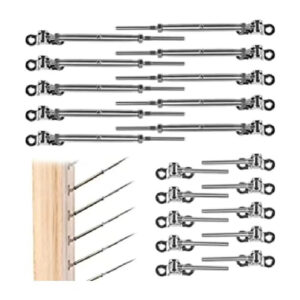
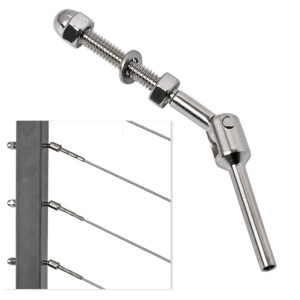
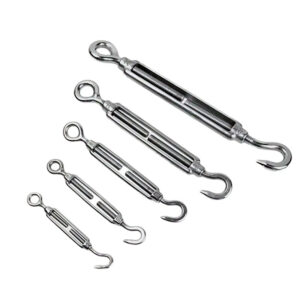
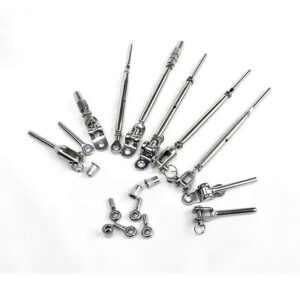
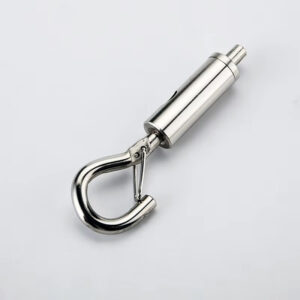
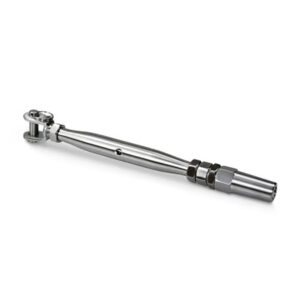
This need dictates hardware selection. Turnbuckles or other tensioning fittings must be accessible for re-tightening. Business models for professional installers increasingly include tensioning services as a recurring revenue stream and liability reduction strategy. New tension-monitoring hardware provides a service differentiator, offering clients proof of ongoing compliance. The goal is to eliminate slack, non-compliant systems that expose all parties to risk.
Addressing the “Ladder Effect” and Alternative Designs
A Perceptual Code Barrier
A persistent market barrier is the perceived “ladder effect” of horizontal cables, despite no explicit ban in the IRC or IBC. This perceptual hurdle creates a discrepancy between code legality and client or official apprehension, particularly for schools, multifamily housing, or commercial projects with heightened safety concerns. Suppliers must be prepared to educate stakeholders with code facts while having alternative solutions ready.
Design Solutions and Vertical Options
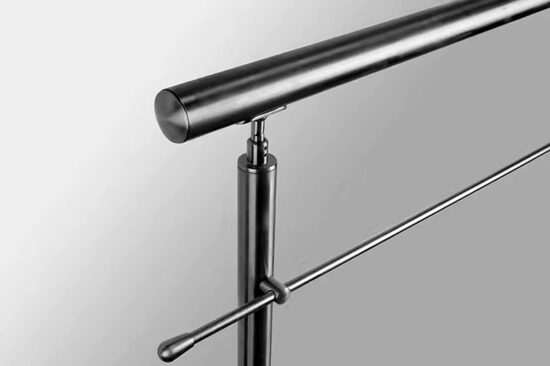
To address this objection, several design solutions exist. Vertical cable orientation eliminates the horizontal climbing points but requires different end fittings and tensioning strategies. Integrated mid-rails or glass panels can disrupt the continuous ladder profile. For projects where perception overrides code, offering these engineered cable railing systems with documented compliance for vertical or hybrid designs is essential.
Strategic Product Mix
This directly impacts a supplier’s product mix and sales strategy. Maintaining inventory or specifications for vertical cable systems, along with the technical support for their installation, allows you to overcome a non-codified objection without losing the project. The key is to lead with education on the actual code requirements, then provide a compliant alternative if the perception risk is too great for the stakeholder.
Navigating Local Code Amendments and Inspections
The Fragmented Regulatory Landscape
Local jurisdictions frequently amend model codes, creating a patchwork of requirements. Common amendments include increasing guard height from 36 to 42 inches for residential decks or specifying stricter load requirements. This variance necessitates a proactive verification process. Assuming the model code applies is a frequent and costly error that manifests during final inspection.
Designing for the Strictest Parameter
The most efficient path to a successful inspection is designing to the strictest parameter encountered in your operating region. For height, defaulting to 42 inches satisfies both 36-inch and 42-inch jurisdictions, though it increases material cost. For structural connections, using anchors and fasteners rated for the specific substrate (e.g., concrete, PT wood) and exceeding minimum pull-out values pre-empts inspector questions.
The Value of Documentation
For complex installations or when facing skeptical officials, pre-approved documentation is invaluable. ICC Evaluation Service Reports (ESR) for specific railing systems provide third-party validation of compliance. Presenting this documentation, along with product specifications and engineering calculations, transforms the inspection from a subjective evaluation to a verification of pre-approved details.
Local amendments create specific design impacts that must be anticipated:
Common Local Amendments and Impacts
| Common Amendment | Stricter Standard | Impact on Design |
|---|---|---|
| Guard Height | 42 inches (vs. 36″) | Increases material cost |
| Load Requirements | Exceeds 200/50 lbs. | Requires stronger components |
| Fastener Ratings | Substrate-specific | Mandates verified anchors |
| Documentation | ICC-ES Reports (ESR) | Provides compliance evidence |
Source: IRC Section R312 and IBC Section 1013. These model code sections are the baseline that local jurisdictions frequently amend, creating the fragmented regulatory landscape that necessitates designing to the strictest encountered parameters.
Key Components for a Code-Compliant Installation
The Integrated System Checklist
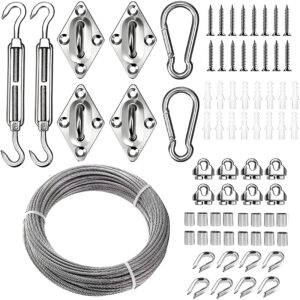
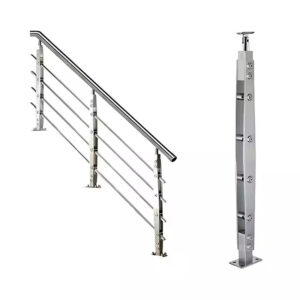
A compliant installation integrates several non-negotiable components: cables spaced at 3.25 inches or tighter, structural posts at 4-foot intervals (or less), a robust top rail capable of handling concentrated loads, and proper tensioning hardware. All fasteners, from end fittings to post anchors, must be rated for the specific application and substrate. Omitting any one element compromises the entire assembly.
The Shift to Pre-Engineered Systems
The complexity and liability of interpreting ambiguous codes are driving market consolidation toward pre-engineered, documented systems. Professionals increasingly seek these turnkey solutions for liability protection. Manufacturers who invest in third-party testing and comprehensive compliance documentation, such as ESR reports, capture greater market share and command premium pricing over DIY or component-based approaches.
Installer Certification and Insurance
The system extends to the installer. General liability and errors & omissions insurance providers are increasingly scrutinizing the products and methods used. Using a certified, pre-engineered system with available installer training reduces insurance risk. This trend is reshaping the market toward professionalization, where accredited partnerships between manufacturers and installers become a key competitive advantage.
Choosing the Right System: A Decision Framework
Step 1: Verify Local Code Landscape
Before any product selection, confirm all local amendments. Contact the local building department for residential projects or consult the project’s architectural specifications for commercial work. Default to the stricter standard when in doubt—specifying a 42-inch height or a higher load capacity is easier than redesigning after a failed inspection.
Step 2: Evaluate Engineered System Documentation
Insist on systems engineered and tested as a complete assembly. Request the manufacturer’s deflection calculations, test reports, and ICC-ESR documentation. Scrutinize the specified post spacing and ensure it aligns with your design. Component-based purchasing without this holistic engineering data transfers unacceptable liability to you.
Step 3: Prioritize Serviceability and Maintenance
Select systems that facilitate proper initial tensioning and future re-tensioning. Evaluate the accessibility of tensioning hardware and the availability of tension gauges or monitoring systems. Consider the manufacturer’s support for long-term maintenance, as this commitment often reflects the robustness of the initial design.
Step 4: Assess the Installer Ecosystem
Finally, consider the installer landscape. If you are a contractor, seek manufacturer training and certification. If you are a specifier, recommend products with established networks of certified installers. Insurance costs and project approvals will increasingly favor this professionalized approach, making it a critical factor in system selection.
The 3.25-inch rule is the cornerstone of a code-compliant cable railing system, but its effectiveness depends on integrated structural support, precise tensioning, and awareness of local amendments. Prioritize post spacing and anchorage as non-negotiable design constraints. Implement a rigorous tensioning and maintenance protocol to ensure long-term performance. Treat documentation from system manufacturers as essential liability protection, not just marketing material.
Need professional guidance on specifying or sourcing a fully engineered cable railing solution? The technical team at Esang can provide system specifications, compliance documentation, and design support tailored to your project’s specific code requirements and structural challenges.
For direct consultation on complex installations, you can also Contact Us.
Frequently Asked Questions
Q: Why is the standard cable spacing for railings 3.25 inches instead of 4 inches?
A: The 3.25-inch on-center spacing is an engineered buffer to account for cable deflection under load. A 4-inch gap would violate the code’s maximum opening rule when lateral pressure is applied, as cables can deflect up to 25%. Starting with a tighter spacing ensures the dynamic gap stays under 4 inches during an inspection. This means you must design for deflection, not just static measurement, to pass inspection and mitigate liability.
Q: How does post spacing affect the code compliance of a cable railing system?
A: Post spacing is the critical structural support that makes the 3.25-inch cable rule effective. While not explicitly codified, an industry standard of 4-foot on-center spacing for metal posts is essential to manage cable tension and limit deflection. Exceeding this spacing compromises the system’s ability to meet the load and opening requirements of IBC Section 1013. For your project, this constraint dictates the fundamental design framework and cannot be sacrificed for aesthetics.
Q: What is the proper protocol for tensioning cables to ensure long-term compliance?
A: You must achieve uniform tautness using a systematic protocol, starting from the middle cable and using calibrated tools. Stainless steel 1×19 construction is preferred for minimal stretch. Cables will settle and react to temperature changes, requiring re-tensioning after a few weeks and periodic maintenance. This creates a service imperative, so if your business model includes installation, you should plan to offer tensioning services and specify hardware that allows for easy future adjustments.
Q: How should we handle the “ladder effect” concern with horizontal cables?
A: While the IRC Section R312 and IBC do not ban horizontal cables, the perceptual “ladder effect” is a common market barrier. Solutions include switching to a vertical cable orientation, which requires different fittings, or integrating a mid-rail to disrupt the climbable profile. For projects in sensitive applications like schools or multifamily housing, you should be prepared to educate stakeholders on the code facts while having alternative infill designs ready to address this objection.
Q: What is the most effective strategy for navigating varying local code amendments?
A: The best strategy is to proactively verify local amendments and default to designing for the strictest parameter, such as a 42-inch guard height instead of 36 inches. Using components with third-party certification like an ICC-ES AC273 report provides documented compliance. This hyper-local reality means suppliers must develop configurable product lines, and for your project, investing in pre-approved systems is the most reliable path to a smooth inspection across jurisdictions.
Q: What are the key decision criteria when selecting a cable railing system?
A: First, confirm all local code amendments. Second, choose a system engineered as a complete assembly with documented performance for post spacing and deflection, not just component specs. Third, prioritize hardware that facilitates proper tensioning and future maintenance. Finally, consider that insurance costs increasingly favor certified installers using approved systems. This means for professional firms, partnering with manufacturers offering turnkey, documented solutions is a strategic move for liability protection and market differentiation.