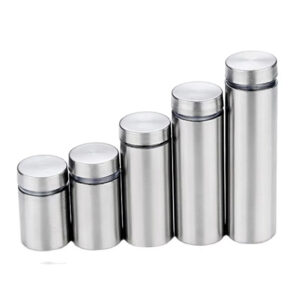
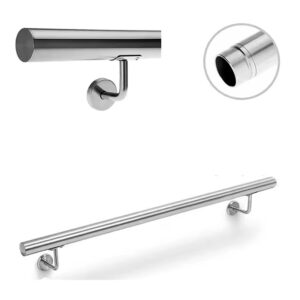
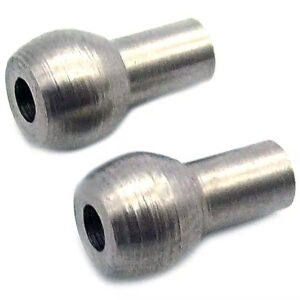
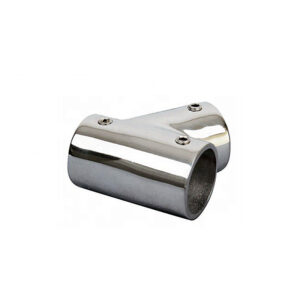
Los equipos de compras que pasan directamente de la oferta del proveedor a la orden de compra en los pedidos masivos de abrazaderas para vidrio suelen descubrir el problema en la obra: un cuerpo de abrazadera que se queda ligeramente corto para el grosor real del vidrio, una superficie de sujeción con marcas de mecanizado que incumplen los requisitos de acabado de un pasillo público, o herrajes con orificios en el vidrio que llegan sin la confirmación de que la fabricación del cristalero se ajustaba a la geometría de muesca requerida. En esa fase, los gastos de devolución ya figuran como partida presupuestaria y el margen de tiempo del calendario se ha agotado. La decisión que evita esto es la aprobación estructurada del montaje de una muestra antes de dar luz verde a la producción —no como un paso de cortesía, sino como un punto de control vinculante en el que se verifican el ajuste del vidrio, el acabado superficial, el estado de los bordes, el marcado de los herrajes y la integridad de los componentes, comparándolos con el vidrio real que se va a instalar. Lo que sigue ofrece a los equipos de compras, a los compradores de proyectos y a los revisores de especificaciones un marco de trabajo sobre qué verificar en cada fase de un pedido al por mayor de abrazaderas de vidrio de alta resistencia para aplicaciones en edificios públicos.
Los pedidos al por mayor de abrazaderas requieren la aprobación del montaje de una muestra
La aprobación de la muestra no es un trámite que pueda posponerse hasta después de que se haya enviado la primera remesa de producción. Es la única fase del proyecto en la que un montaje real —el cuerpo de la abrazadera, los tornillos de sujeción, las juntas y el cristal propiamente dicho— puede poner de manifiesto problemas de ajuste antes de que se conviertan en problemas de transporte.
La variable más importante que hay que confirmar en esta fase es la compatibilidad con el grosor del vidrio. Las abrazaderas de alta resistencia destinadas a aplicaciones de acristalamiento en edificios públicos suelen diseñarse para vidrio templado monolítico con un grosor comprendido entre 3/8″ y 1/2″ (10 a 12 mm), y hasta una ligera discrepancia entre la apertura de las mordazas de la abrazadera y el grosor real del vidrio puede provocar un montaje flojo o que el cuerpo no se cierre hasta alcanzar el acoplamiento completo de la rosca. Ninguna de estas situaciones es aceptable para una instalación pública, y ninguna de ellas será visible en una fotografía del producto ni en una hoja de dimensiones.
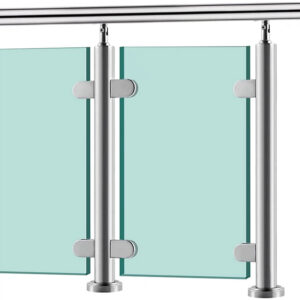
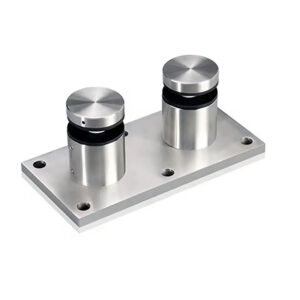
En el caso de las abrazaderas del tipo «agujero en el cristal», la plataforma de muestras conlleva un riesgo adicional. Estas abrazaderas requieren que el cristalero realice una muesca o un agujero de 3/4″ en el cristal antes de la instalación. Si el montaje de la muestra nunca se prueba físicamente con el cristal fabricado, el equipo de compras no tiene confirmación de que la tolerancia de fabricación del proveedor de cristal se ajuste al espacio libre de la abrazadera. Descubrir esa incompatibilidad in situ —con los paneles ya entregados, con muescas y montados— provoca precisamente el tipo de fallo de ajuste in situ que genera gastos de devolución y retrasos en el proyecto, algo que una prueba con muestras habría costado una fracción de ese coste.
La firma de aprobación de la muestra también debe incluir el estado del acabado de los bordes, la legibilidad del marcado de los herrajes y el etiquetado de las cajas antes de dar luz verde a la producción.
| Qué verificar | Riesgo si se omite | Qué confirmar |
|---|---|---|
| Espesor y tipo de vidrio | Problemas de ajuste, incompatibilidad con el cristal | De 3/8″ a 1/2″ (10–12 mm), vidrio templado monolítico |
| Fabricación de vidrio para abrazaderas con orificio en el vidrio | Problemas con la prueba in situ, gastos de devolución | Confirma que se incluye la fabricación de la muesca o del orificio de 3/4″ |
Comprobaciones de los materiales y los acabados en proyectos públicos
Las especificaciones de los edificios públicos suelen incluir un requisito relativo al grado del material que el equipo de compras debe documentar, y no dar por sentado. En el caso de los herrajes de sujeción para vidrio en entornos públicos a la vista —vestíbulos de entrada, cerramientos de escaleras, instalaciones de transporte—, el acero inoxidable ANSI 316 es el grado que se suele especificar con mayor frecuencia debido a su resistencia al cloruro y a la corrosión en comparación con el 304. Para confirmar que las abrazaderas suministradas son realmente de grado 316 se requieren certificados de fábrica, y no solo la etiqueta del producto.
La confirmación válida es un certificado de fábrica o un informe de ensayo de materiales (MTR) vinculado al número de calor específico de las piezas fundidas o los componentes conformados incluidos en el pedido. La norma ISO 10474:2013 ofrece un marco reconocido sobre lo que debe contener un documento de inspección conforme para el acero y los productos de acero, y constituye un punto de referencia útil a la hora de comparar lo que realmente cubre la documentación de un proveedor con lo que exigen las especificaciones del proyecto. Un certificado que identifique la calidad del material sin trazabilidad hasta un número de lote tiene un valor de auditoría limitado si posteriormente se cuestiona la especificación. Para los equipos que trabajan en el proceso de documentación del MTR, el Requisitos del informe de ensayo de materiales (MTR) de los herrajes de acero inoxidable para la documentación de conformidad Este recurso explica qué deben incluir estos documentos y cómo evaluar los certificados facilitados por los proveedores.
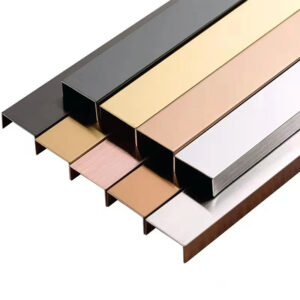
El acabado superficial es una verificación paralela que los equipos de compras suelen tratar como una valoración visual en lugar de como una comprobación de las especificaciones. En los proyectos públicos, la uniformidad del acabado es importante en todo el lote: una abrazadera que presente variaciones de pulido entre las piezas fundidas, o una superficie cepillada cuya dirección cambie entre unidades adyacentes en la misma cota, será señalada durante la inspección in situ. La verificación del acabado debe realizarse durante la aprobación de la muestra y documentarse comparándola con la muestra aceptada antes de dar luz verde a la producción, y no comprobarse de manera informal en el momento de la entrega.
Aspecto robusto frente a las limitaciones del diseño minimalista
La expresión “de alta resistencia” en las especificaciones de una abrazadera describe la finalidad estructural, pero también implica una forma física que puede entrar en conflicto con lo que el arquitecto aprobó realmente. Este conflicto suele surgir con mayor frecuencia cuando el departamento de compras selecciona una abrazadera basándose en la capacidad de carga o la solidez de los herrajes, sin tener en cuenta la finalidad del diseño del acristalamiento.
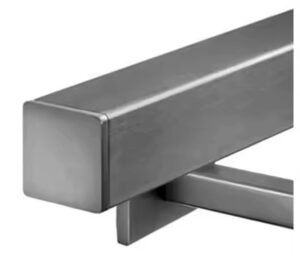
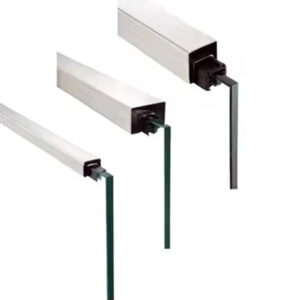
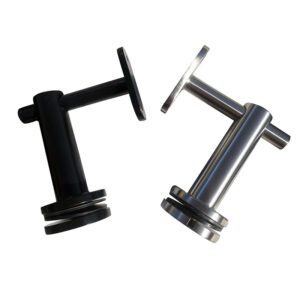
Los cuerpos de sujeción de perfil cuadrado y de perfil redondo cumplen la misma función de sujeción, pero aportan un peso visual diferente a la fachada acristalada. Las implicaciones de esa elección en cuanto a la compatibilidad del diseño dependen totalmente de lo que se pretenda conseguir con las especificaciones del acristalamiento. Elegir un perfil incorrecto tras la recepción de las muestras obliga a sustituir el acabado —lo que puede hacer que se reinicie el proceso de aprobación— o a aceptar un compromiso de diseño que afecte a la fachada en su conjunto.
| Tipo de abrazadera | Efecto visual | Compatibilidad de diseño |
|---|---|---|
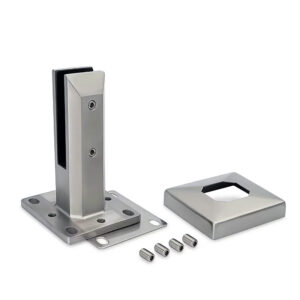
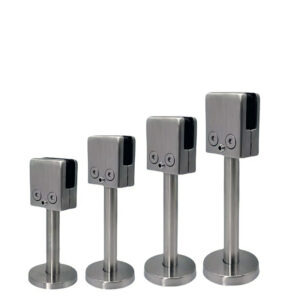
| Serie Z de Square | Estilo geométrico y moderno; aporta peso visual | Se adapta a una estética contemporánea y robusta |
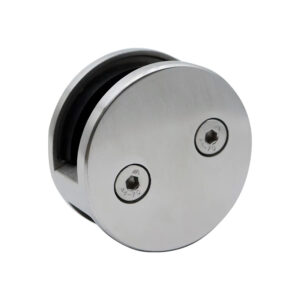
| Serie Z redonda | Aspecto elegante y tradicional; menor impacto visual | Se adapta a las exigencias del diseño minimalista |
La decisión de adquisición en este caso no se centra en qué perfil es mejor, sino en confirmar qué perfil se aprobó en las especificaciones de acristalamiento del proyecto antes de presentar la muestra. Si las especificaciones indican una estética minimalista o sin marcos, presentar como muestra una abrazadera cuadrada de gran grosor dará lugar a una objeción, independientemente de la calidad del material o del acabado superficial. Resolver esa objeción una vez aprobadas las muestras requiere volver a presentarlas, lo que alarga el plazo de entrega, algo que se habría evitado con una única comprobación previa de las especificaciones. Tanto el abrazaderas de cristal de alta resistencia y abrazaderas cuadradas para vidrio en acero inoxidable 304 y 316 Conviene revisar estos rangos comparándolos con la intención de diseño aprobada antes de dar el visto bueno a una muestra.
Riesgos de sustitución en tornillos, juntas y detalles de fundición
Un conjunto de sujeción de vidrio es un sistema interdependiente. El cuerpo de la abrazadera, los tornillos de sujeción y el juego de juntas se diseñan conjuntamente para un grosor de vidrio y una configuración de carga específicos. Una sustitución en cualquiera de esos tres elementos puede afectar al comportamiento de los otros dos, y el modo de fallo rara vez es visible hasta que el conjunto se somete a carga o se expone a ciclos térmicos.
El riesgo en la contratación suele surgir casi siempre durante la negociación de los costes. Un proveedor propone un tornillo alternativo de menor coste o un material sustitutivo para las juntas, y el equipo de compras lo aprueba sin comprobar si el sustituto mantiene la misma geometría de la pieza, las mismas especificaciones de rosca o la misma combinación de espesores de vidrio que el original. En el caso de los tornillos de sujeción, la sustitución por un perno no especificado puede alterar la longitud de acoplamiento o el comportamiento del par de apriete, lo que puede comprometer el ajuste y la capacidad de carga de formas que no son detectables mediante una inspección visual. En el caso de los juegos de juntas, el uso de una junta adaptada a un espesor de vidrio incorrecto —por ejemplo, una junta de 1/4″ en una aplicación con vidrio de 3/8″— conlleva el riesgo de que se produzca contacto entre el vidrio y el metal en la superficie de sujeción, lo que puede provocar la rotura bajo vibración o impacto. En el caso concreto de la serie SQ, el perno de sujeción es de acero inoxidable con especificación de 5/16″-18; el tamaño de la rosca y el material son parámetros de diseño que deben coincidir para mantener la intención original del montaje, y la sustitución por un perno de geometría diferente o un elemento de fijación de acero al carbono introduce tanto un riesgo de ajuste como un riesgo de corrosión en el punto más sometido a carga del conjunto.
El principio que debe aplicarse antes de aprobar cualquier sustitución es el siguiente: considerar el conjunto de abrazaderas como un conjunto de componentes a juego y exigir al proveedor que confirme por escrito que cualquier sustituto propuesto mantenga el mismo rango de espesor de vidrio, el mismo acoplamiento roscado y el mismo perfil de compresión de la junta que el original especificado.
| Componente | Riesgo de sustitución | Por qué es importante |
|---|---|---|
| Tornillos de sujeción (número de referencia) | Sustitución por un tornillo no especificado (por ejemplo, que no sea el P615PN) | Cambios en el ajuste y la capacidad de carga |
| Juegos de juntas | Junta incorrecta adaptada a un grosor de cristal inadecuado (1/4″, 3/8″, 1/2″) | Contacto entre el vidrio y el metal, riesgo de rotura |
| Material y rosca del tornillo (serie SQ) | Si se utiliza un perno que no sea de acero inoxidable de 5/16″‑18 | Puede afectar a la capacidad de carga o provocar corrosión |
Para los equipos que se encargan de la documentación de conformidad de estos conjuntos, el Normas ASTM e ISO para herrajes de montaje de acero inoxidable: Guía de verificación de la conformidad y certificación aborda cómo se aplican las normas de referencia a la verificación a nivel de componentes en la adquisición de hardware arquitectónico.
Lista de comprobación para la puesta en producción de abrazaderas de vidrio de alta resistencia
La autorización de una serie de producción en masa sin una aprobación firmada de la muestra da lugar a una situación en la que la interpretación que el fabricante hace de lo que es “aceptable” se convierte en la norma de producción, y no la del comprador. La firma de la autorización de producción es el momento en el que todas las verificaciones previas —ajuste del cristal, acabado, documentación de los materiales y integridad de los componentes— quedan fijadas como vinculantes antes de que comience la producción a gran escala.
Dos aspectos que a menudo se dan por sentados en lugar de considerarse valores confirmados son el número de abrazaderas por panel y el espacio libre de instalación. Para una configuración específica de panel —cristal de 1/2″, 4 pies de ancho por 42 pulgadas de alto—, una disposición de cuatro abrazaderas en la parte superior e inferior es el dato de diseño relevante para esa geometría. Las diferentes dimensiones de los paneles, los espesores del vidrio o las condiciones estructurales requerirán su propia determinación de la cantidad; la cifra no es transferible entre distintos tipos de paneles sin una revisión previa. Del mismo modo, el espacio libre de instalación de 3/16″ (5 mm) entre el vidrio y la pared es una tolerancia de diseño que afecta tanto a la alineación como al comportamiento del sellado. Si ese espacio no se confirma en la inspección final y no se documenta comparándolo con la muestra aceptada, pueden ser necesarios ajustes in situ para los que la secuencia de instalación no deja margen. La norma ASTM E935-21 proporciona un marco de ensayo reconocido para el rendimiento de los sistemas de barandillas metálicas permanentes, y los conjuntos de abrazaderas integrados en dichos sistemas operan dentro del contexto que establece dicha norma para la verificación del rendimiento —un punto de referencia relevante cuando las especificaciones de un proyecto exigen una justificación documentada del rendimiento—.
La aprobación en sí misma debe realizarse sobre una muestra física, no mediante una confirmación en PDF. La muestra aceptada, cuya comprobación se basa en el espesor real del vidrio, el marcado de los herrajes y el etiquetado de la caja, constituye el documento de control de producción. Si se omite este paso o se trata como una mera formalidad, el primer indicio de que la tirada de producción se ha desviado de las especificaciones suele ser un rechazo durante la inspección in situ; y, en ese momento, la solución se mide en términos de gastos de devolución, no de ciclos de aprobación.
| Punto de inspección | Valor objetivo | Por qué es importante |
|---|---|---|
| Número de abrazaderas por panel | 4 abrazaderas para un panel de 1/2″ de grosor, 4 pies de ancho × 42″ de alto (parte superior e inferior) | Garantiza que se cumplan los requisitos de carga y seguridad |
| Espacio libre para la instalación | Holgura de 3/16″ (5 mm) entre el cristal y la pared | Evita problemas de alineación y estanqueidad |
En un pedido al por mayor de abrazaderas para vidrio destinadas a edificios públicos, las decisiones que acarrean mayores costes posteriores son las que se toman más pronto y de forma más descuidada: aceptar la etiqueta de calidad del material de un proveedor sin que exista trazabilidad mediante un certificado de fábrica, aprobar un componente sustitutivo sin verificar que su geometría se ajuste a la intención del diseño original, o dar luz verde a la producción sin una muestra firmada que se corresponda con el vidrio real. Cada uno de esos atajos omite una fase de revisión que resulta mucho más económica que la solución a la que se pospone.
Antes de confirmar una entrega para producción, el equipo de compras debe poder responder a cuatro preguntas con pruebas documentadas, en lugar de basarse únicamente en las garantías del proveedor: ¿Está confirmada la calidad del material mediante un certificado de fábrica trazable? ¿Se ha verificado físicamente que el ensamblaje de la muestra se ajusta al espesor real del vidrio? ¿Se ha confirmado que todos los componentes sustitutivos cumplen las especificaciones originales de rosca, junta y geometría? ¿Y se ha dado el visto bueno a la muestra aceptada en cuanto al ajuste del vidrio, el acabado de la superficie, el marcado de los herrajes y el etiquetado de la caja? Si alguna de estas cuatro preguntas requiere una suposición en lugar de documentación, aún no se puede tomar la decisión de lanzamiento.
Preguntas frecuentes
P: ¿Qué ocurre si las especificaciones del proyecto exigen acero inoxidable 304 en lugar de 316? ¿Cambia el proceso de verificación?
R: El proceso de certificación de fábrica es el mismo, pero el margen de resistencia a la corrosión aceptable es más reducido. El 304 es una opción defendible en aplicaciones interiores en seco, pero en el caso de edificios públicos con alta humedad, productos químicos de limpieza o exposición costera, es posible que el 304 no cumpla con los objetivos de rendimiento del proyecto, incluso si cumple con el grado indicado en una especificación de nivel inferior. Antes de aceptar el 304 como grado especificado en un proyecto público, confirme con el arquitecto del proyecto o con el redactor de las especificaciones que se tuvieron en cuenta las condiciones de exposición al seleccionar el grado, y no solo que se indicara un grado concreto.
P: Una vez aprobada la muestra, ¿cuál es el siguiente paso inmediato antes de que comience la producción?
R: La muestra firmada debe conservarse como referencia física para el control de la producción, y no archivarse como un documento finalizado. El siguiente paso inmediato es confirmar con el fabricante que la muestra aceptada —con su grosor de vidrio específico, norma de acabado, marcado de los herrajes y etiquetado de la caja— se ha registrado formalmente como referencia de producción con respecto a la cual se inspeccionará la producción en serie antes de su envío. Si el proceso de control de calidad del fabricante no incluye una comprobación previa al envío con respecto a la muestra conservada, hay que determinar quién realiza dicha comprobación y cómo se notifican las no conformidades antes de que comience la producción.
P: ¿Hay algún umbral a partir del cual un pedido al por mayor sea demasiado pequeño como para justificar el proceso completo de aprobación de muestras y documentación?
R: El volumen del pedido para una aplicación en un edificio público no exime de la obligación de presentar la documentación, pero el nivel de detalle de la revisión puede adaptarse en función del riesgo. Un pedido complementario de pequeña cuantía procedente de una serie de producción previamente aprobada —mismo proveedor, mismos números de referencia, mismo grosor de vidrio— puede requerir únicamente la confirmación del certificado de fábrica y una comprobación de la etiqueta de la caja, en lugar de una nueva homologación completa de la muestra. Lo que no se puede reducir es la trazabilidad del material: incluso un pedido pequeño necesita un certificado de fábrica con trazabilidad térmica si así lo exige el pliego de condiciones del proyecto. El motivo para una nueva homologación completa de la muestra es cualquier cambio en el proveedor, la fuente de fundición o las especificaciones de los componentes, independientemente de la cantidad del pedido.
P: ¿Cómo debería actuar un equipo de compras ante una situación en la que el proveedor proponga un material sustitutivo para la junta en lugar de un grosor diferente —el mismo grosor, pero con una composición diferente—?
R: Hay que tratar la sustitución del compuesto con la misma precaución que la sustitución del espesor. El compuesto de la junta influye en el comportamiento de compresión, la resistencia a la temperatura y la dureza a largo plazo, propiedades que determinan si la junta mantiene la presión de sujeción prevista durante la vida útil de la instalación. Un compuesto más duro puede no alcanzar la compresión adecuada con el par de apriete de instalación; uno más blando puede sufrir fluencia en frío bajo una carga sostenida y reducir la fuerza de sujeción efectiva. Exija al proveedor que facilite las especificaciones del compuesto y confirme por escrito que cumple los requisitos de compresión y durabilidad del diseño original, y no solo las dimensiones físicas.
P: Si un proyecto ya ha recibido abrazaderas a granel sin que se haya aprobado la muestra, ¿hay alguna forma de subsanarlo antes de que comience la instalación?
R: Sí, pero el proceso de recuperación resulta más costoso que la prevención. Toma una muestra representativa de las cajas entregadas y compárala con el vidrio que realmente se va a instalar in situ. Compruebe el ajuste del vidrio, el estado de los bordes, la uniformidad del acabado superficial, el acoplamiento de la rosca en los tornillos de sujeción y el grosor de la junta, comparándolos con las especificaciones del vidrio. Si algún elemento no cumple los requisitos, determine cuántas cajas se ven afectadas antes de continuar con la instalación; devolver los herrajes una vez instalados los paneles es mucho más problemático que suspender la instalación mientras se resuelve una discrepancia en el lote. Documente los resultados y utilícelos para establecer un requisito obligatorio de aprobación previa a la producción para cualquier pedido posterior.