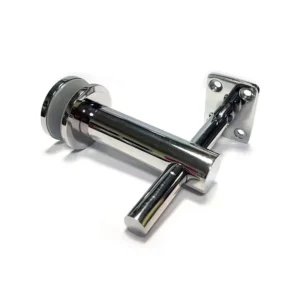
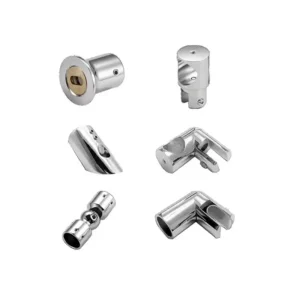
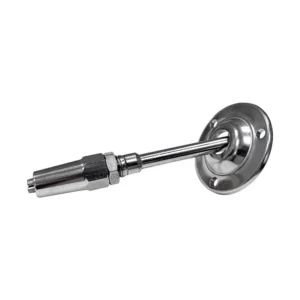
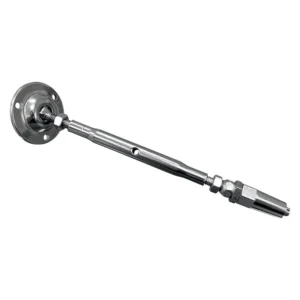
A threaded cable end fitting joins the cable-side termination to a threaded adjustment or anchoring interface. A matching nominal diameter is not enough: the thread standard and pitch, right- or left-hand direction, usable threaded length, post and bearing hardware, locking method, cable termination, tool clearance, and opposite-end tensioning arrangement must work together.
Request threaded cable end fittings on WhatsApp
You can start with a photo, thread sample information, a marked post detail, and the estimated quantity. Final cable lengths can follow, but the mating thread and the available tensioning travel should be identified before production.
Freeze the thread definition first
The proposed fitting should state the thread system, nominal diameter, pitch, thread class or fit, and hand direction. Metric and inch threads with similar outside diameters are not interchangeable. A nut or receiver that starts on the thread is not proof of a correct match; a wrong pitch or fit can bind, damage the thread, or leave inadequate engagement.
Right-hand and left-hand threads can be combined in some tensioning assemblies so rotation changes the overall length. That does not make every threaded terminal a turnbuckle. The RFQ should show which part moves, which part is held with a wrench, and whether the proposed terminal is a fixed anchoring end, an adjusting end, or one half of a paired tensioning arrangement.
Usable thread is more important than total rod length
Total visible thread includes portions consumed by the post wall, washer or bearing plate, nut, locknut, decorative cap, and tool clearance. Compare the usable take-up window after those items are placed. The fitting should retain the required engagement at both ends of the adjustment range without bottoming out or running out of thread.
Ask the proposal to show:
- overall threaded portion and the usable adjustment range for the proposed assembly;
- minimum and maximum installed positions, including the locking method;
- wrench flats or another approved holding feature;
- clearance for tightening, locking, inspection, and any finishing cap;
- the opposite terminal and the remaining tension travel for the complete cable line.

Match the terminal to the post wall and bearing parts
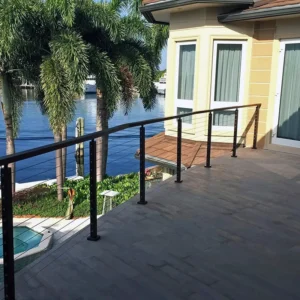
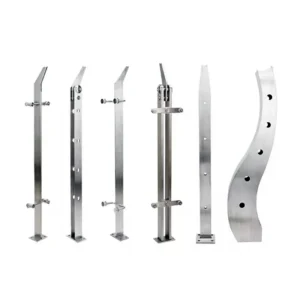
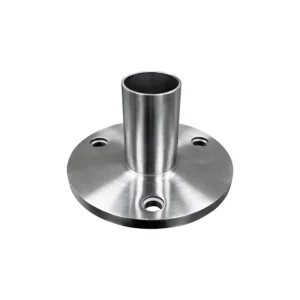
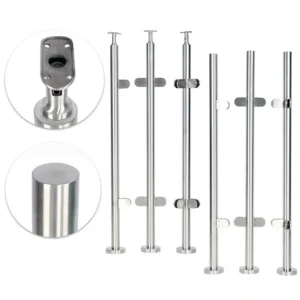
A threaded stud passing through an end post transfers force through a washer, bearing plate, nut, or other receiving part. The post wall thickness, hole diameter, bearing area, access to the outside face, and any angled washer or stair condition affect the proposed assembly. A thin or unsupported post wall should not be treated as equivalent to a backed or reinforced termination.
Send the post profile, wall or support condition, hole position, and available rear-side access. Ask the quotation to identify the included washer, bearing plate, nut, locknut, cap, and any post insert. Post capacity, reinforcement, hole placement, and the final load path remain project design responsibilities unless separately documented.
Define the cable-side termination
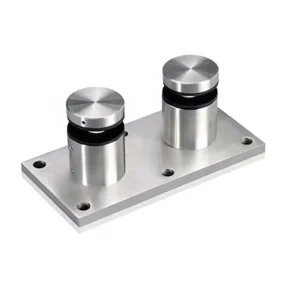
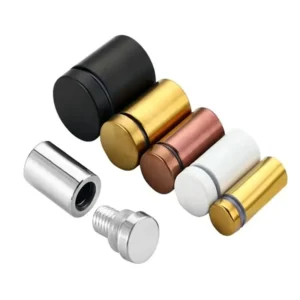
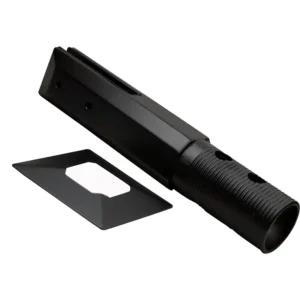
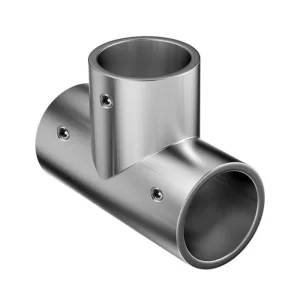
The cylindrical end shown in an ESANG public product image does not reveal its internal cable-termination method. The cable may be factory-swaged, field-swaged, mechanically gripped, or connected by another specified process. Each route changes the compatible cable, cut length, tooling, inspection, and field sequence.
State the cable diameter and construction, whether it is supplied pre-cut or cut on site, and who performs the termination. If a field tool is required, request its exact relationship to the fitting rather than assuming a generic swaging or crimping tool will work.
Compare a complete end-to-end assembly
| Field to compare | What the quotation should state | Mismatch to avoid |
|---|---|---|
| Hilo | Standard, diameter, pitch, class/fit, and right- or left-hand direction | A similar-looking nut or receiver that binds or lacks engagement |
| Ajuste | Usable take-up, installed limits, locking method, and wrench access | Counting thread hidden by post and hardware as available adjustment |
| Post bearing | Post wall/support, hole, washer or plate, nut, lock, and cap | Concentrating the cable reaction on an undefined or inaccessible post face |
| Cable side | Cable diameter/construction, termination process, cut-length basis, and tool | Pairing the body with an incompatible cable or field process |
| Opposite end | Terminal type, fixed/adjustable role, available travel, and access | Two ends that fit individually but cannot tension the completed line |
What to send with the first inquiry
- an existing sample, clear photos, or the mating-part drawing;
- thread standard, diameter, pitch, and hand direction if already known;
- post profile, wall/support thickness, hole position, and outside-face access;
- cable diameter, construction, termination method, and approximate line length;
- opposite terminal type and which end is expected to provide tension adjustment;
- estimated quantity, service environment, requested visible finish, and any requested nuts, washers, plates, caps, tools, or packaging.
The proposed ESANG supply should identify the exact fitting, mating thread, usable adjustment, cable-side process, post-side bearing hardware, locking parts, and exclusions. Material, load, testing, certification, and project acceptance requirements should only be stated where the quotation or supporting documents verify them for that exact configuration.