نادرًا ما يُرفض ملف مواصفات الأجهزة في مرحلة المراجعة الهندسية بسبب خطأ في الزجاج أو التركيبات. بل يُرفض لأن بيانات الأحمال المقدمة لم تتضمن افتراضات الركيزة، أو نوع المثبتات، أو شروط التركيب التي تسمح للمهندس بالتأكد من أن الأرقام تنطبق على المشروع الفعلي. وهذه الفجوة — بين التجميع الذي خضع للاختبار لدى المورد وظروف الموقع المسجلة — هي السبب الأكثر شيوعًا لإعادة العمل في عملية الشراء وتأخر الجدول الزمني في مشاريع الدرابزين الزجاجي. والتغلب على هذه المشكلة يعني الرجوع إلى المورد للحصول على البيانات التي كان ينبغي أن تكون جزءًا من الطلب الأولي. والحكم المهم هنا ليس ما إذا كان المنتج مصحوبًا بقيمة حمولة أم لا، بل ما إذا كانت تلك القيمة قابلة للتتبع إلى مجموعة تتطابق مع ظروف مشروعك.
يجب أن تشمل مطالبات الشحن المجموعة المركبة بالكامل
لا تصف قيمة الحمل المطبوعة في ورقة بيانات المنتج النظام بأكمله. بل تصف نتيجة تم الحصول عليها في ظل مجموعة محددة من العوامل تشمل سماكة الزجاج، ونوع التركيب، ودرجة جودة أدوات التثبيت، ومنتج التثبيت، وعمق التثبيت، وحالة السطح الأساسي، وتسلسل التركيب. وإذا تغير أي من هذه المتغيرات، فإن هذه القيمة المعلنة قد لا تكون صحيحة بالضرورة. وهذا التمييز مهم لأن مشتري أدوات التثبيت غالبًا ما يتلقون بيانات المنتج التي تذكر رقم الحمل بالرطل لكل قدم طولي دون تحديد الشروط التي تم القياس في ظلها.
يُعد حمل الرياح مثالاً مفيدًا يوضح كيف تؤدي الادعاءات غير الكاملة إلى التعرض للمخاطر. فالضغط الجانبي الفعلي على الدرابزين الزجاجي يختلف باختلاف ارتفاع المبنى، وفئة التعرض، والمناخ الإقليمي. ولا يمكن التأكد من ملاءمة أي ادعاء متعلق بالحمل لموقع معين دون إجراء أعمال هندسية إضافية، إذا لم يحدد حالة حمل الرياح التي استُمد منها، أو الشكل الهندسي للتركيب الذي فُرض في الاختبار. لا يكمن الخطر في أن المنتج معيب؛ بل في أن الظروف التي أُجريت فيها الاختبارات لا تتطابق مع ظروف المشروع، ولا يكتشف أحد ذلك إلا عند مراجعة الملفات المقدمة.
تبدأ السلسلة الكاملة التي يجب أن تصفها مطالبة الحمل من اللوح الزجاجي مروراً بالتركيبات، ثم المثبتات، ثم المرساة، وصولاً إلى الركيزة. وأي انقطاع في أي موضع من هذه السلسلة قد يقوض الأداء حتى لو كان الزجاج والتركيبات، كل على حدة، يفيان بالمواصفات. والمشترون الذين يطلبون قيمة الحمل دون أن يطلبوا وصف السلسلة، يقبلون إجابة جزئية على أنها إجابة كاملة.
سلسلة من الزجاج، والتركيبات، والمثبتات، والمرساة، والركائز
تتمثل النتيجة العملية لمعالجة مطالبة الحمل كعبارة ذات متغير واحد في أن حالات الفشل في التركيب — وليس عيوب المواد — هي المسؤولة عن معظم المشكلات التي تحدث أثناء التشغيل في مجموعات الدرابزين الزجاجي. فكل من استخدام أدوات التثبيت غير المناسبة، والتثبيت غير الكافي، وإهمال التمدد الحراري، يمثل نقطة في السلسلة يتعطل عندها نقل الحمل، بغض النظر عما إذا كان الزجاج أو التركيبات قد استوفيا المواصفات المطلوبة أم لا. ويعد هذا النمط مهمًا في عملية الشراء لأنه يحوّل تركيز المراجعة من جودة المنتج وحدها إلى اكتمال وثائق التجميع.
يُعتبر التمدد الحراري العنصر الذي غالبًا ما يُعامل على أنه مجرد تفصيل، في حين أنه في الواقع يمثل خطرًا هيكليًّا. فالتجميع الذي لا يأخذ في الاعتبار نطاق درجات الحرارة في موقع المشروع قد يتسبب في إجهاد الزجاج، أو إرخاء الوصلات، أو انفصال المثبتات تدريجيًّا نتيجة التحميل الدوري. والمورد الذي لا تتناول بيانات الأحمال التي يقدمها مسألة التكيف مع التمدد الحراري في نطاق درجات الحرارة المتوقعة، فإنه يقدم بيانات تصف ظروف اختبار ثابتة، وليس سلوك التجميع على المدى الطويل.
يوضح الجدول أدناه علاقة كل عنصر من عناصر السلسلة بمخاطر فشله والتأكيد المطلوب لكل عنصر.
| عنصر السلسلة | مخاطر الفشل المعتادة | ما الذي يجب تأكيده |
|---|---|---|
| المثبت والركيزة | اختبار سحب المثبت أو اختبار كسر الخرسانة في حالة اختلاف نوع المثبت أو عمق التثبيت أو حالة الركيزة عن الإعداد الذي خضع للاختبار | تنص المطالبة المتعلقة بالحمل صراحةً على نوع الخرسانة المفترض، وعمق التثبيت، وحالة السطح (متشقق/غير متشقق، والتسطيح) |
| المثبتات ومعدات التثبيت | تؤدي الأجزاء المعدنية غير المثبتة بإحكام أو المركبة بشكل غير صحيح إلى تعطيل مسار الحمل، حتى عندما تتوافق المكونات مع المواصفات | تتضمن تعليمات التركيب الصادرة عن المورد قيم عزم الدوران المحددة، ودرجة جودة قطع التثبيت، وتسلسل التجميع |
| التمدد الحراري | قد يؤدي تجاهل التمدد إلى إجهاد الزجاج، أو إرخاء الوصلات، أو انفصال المثبتات | يتضمن تصميم التجميع ترتيبات للتوسع (وصلات، وصلات مرنة) تتناسب مع نطاق درجات الحرارة الخاص بالمشروع |
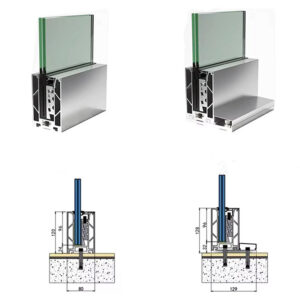
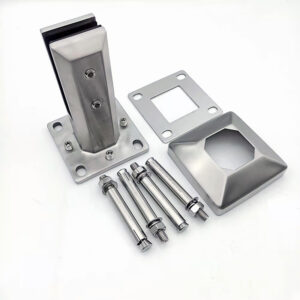
يتحمل كل من المثبت والركيزة معًا العواقب الأكبر في حالة عدم ذكر الافتراضات صراحةً. يتغير أداء التثبيت في الخرسانة باختلاف نوع الخرسانة وحالة التشققات وعمق التثبيت. إن المورد الذي يعلن عن قيمة حمولة دون تحديد تلك الشروط، فإنه يطلب ضمناً من المشتري أن يفترض أن الموقع مطابق للإعداد الذي خضع للاختبار — وهو افتراض لا يصمد غالبًا أمام المراجعة الهندسية. بالنسبة للمشاريع التي تستخدم قضبان قاعدية زجاجية هيكلية, ، ويُعد التأكد من مطابقة المسافات بين المراسي وحالة الركيزة الواردة في بيانات المنتج لظروف المشروع شرطًا أساسيًا قبل إعداد أي مستندات تقديم.
الدعم النقطي مقابل أدلة القناة المستمرة
يعتمد نوع أدلة التثبيت التي يتعين على المورد تقديمها على الشكل الهندسي للتثبيت، ومن المرجح أن يقبل المشترون — الذين يطبقون معيار المراجعة نفسه على أنظمة التثبيت النقطي وأنظمة القنوات المستمرة — بيانات غير كافية لأحدهما أو كليهما. ولا يمثل هذا التمييز تصنيفاً تنظيمياً؛ بل هو اختلاف في كيفية توزيع الحمل، وبالتالي في نمط الفشل الأكثر احتمالاً.
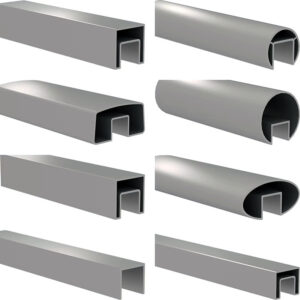
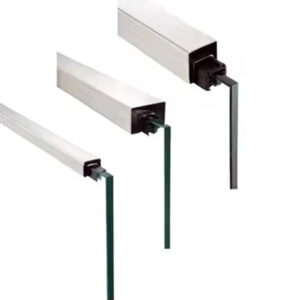
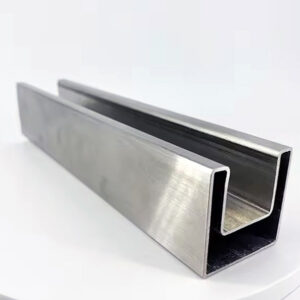
تعمل الأنظمة المستمرة — القاعدة القاعدية والقناة على شكل حرف U — على توزيع الحمل الجانبي على طول القناة بالكامل. ويؤدي هذا التوزيع إلى تقليل ذروة الحمل على أي نقطة تثبيت فردية، لكنه يسبب حساسية تجاه تباعد نقاط التثبيت وتسطيح الركيزة، وهي أمور نادرًا ما تتناولها البيانات المتعلقة بالمنتج. فقد لا تعمل القناة المستمرة المركبة فوق ركيزة تعاني من انحراف كبير في التسطيح على تثبيت نقاط التثبيت بشكل متساوٍ، مما يقلل من فعالية التوزيع ويؤدي إلى تركيز الحمل بنمط لم تحاكيه المجموعة التي خضعت للاختبار.
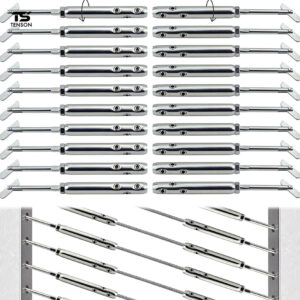
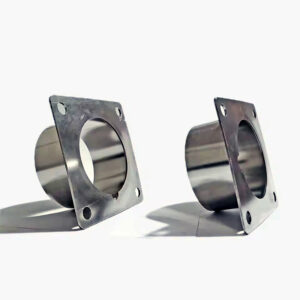
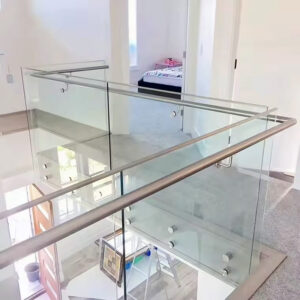
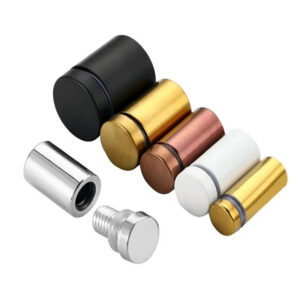
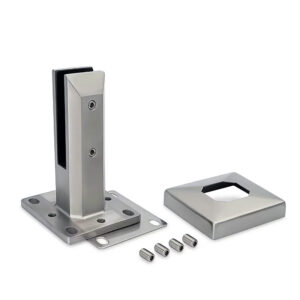
الأنظمة ذات التثبيت النقطي، بما في ذلك صنابير زجاجية مخصصة للاستخدام المكثف كما أن تركيبات العنكبوت تركز العزم الكامل ومتطلبات القص في مواقع تثبيت منفصلة. يجب أن يتحمل كل مرساة ما كان نظامًا متواصلًا سيوزعه على نقاط متعددة. وهذا يعني أن وجود أدلة محلية على الانسحاب والقص لكل موضع تثبيت ليست اختيارية — بل هي الدليل الأساسي على السعة. ولا يمكن استخدام أي بيانات تحميل معبر عنها بوحدة plf لنظام التثبيت بدون تحديد افتراض التباعد ومتطلبات كل مرساة، في المراجعة الهندسية دون إعادة الحساب.
| نظام التركيب | مساهمة قوة الحمل | متطلبات الإثبات في أنكوراج |
|---|---|---|
| حذاء القاعدة | عالية جداً | توزيع الحمل على طول القناة؛ يجب أن تشمل الأدلة تباعد المراسي وتسطيح الركيزة |
| قناة على شكل حرف U | عالية | على غرار الحذاء الأساسي؛ حيث يعمل التثبيت المستمر على توزيع الحمل، مما يتطلب تحديد مسافات مثبتة تم التحقق منها |
| وصلات العنكبوت | مرتفع (محدود) | الأحمال النقطية تركز القوة؛ لذا يلزم توفر دليل قوي على مقاومة السحب والقص لكل نقطة تثبيت |
| حاملات سبيغوت | متوسط إلى مرتفع | العزم والقص المحددان موضعياً؛ يجب أن تعكس أدلة قدرة التثبيت وجود دعامة نقطية معزولة |
تتمثل النتيجة المترتبة على عدم تطابق الأدلة في أن المهندس الذي يراجع ملفًا مقدمًا لنظام مثبت بنقاط محددة قد يقبل رقم PLF على مستوى النظام، دون أن يلاحظ عدم توفر أي بيانات محلية عن قدرة التثبيت. وعادةً ما يظهر هذا الإغفال أثناء مراجعة الترخيص أو التفتيش من قِبل طرف ثالث، وليس أثناء عملية الشراء — ولهذا السبب يُعدّ هذا الأمر مشكلة تتعلق بعملية الشراء يجب على المشترين حلها قبل تقديم الملف، وليس بعده.
ثغرات في بيانات الموردين في إطار التثبيت الخاص بالمشروع
لا تكمن مشكلة معظم عمليات شراء الدرابزينات الزجاجية في تقديم الموردين لبيانات مزيفة، بل في تقديمهم بيانات حقيقية مستمدة من تجميع تم اختباره، مع إغفال الظروف التي حددت مواصفات ذلك التجميع. وتعد افتراضات حالة الركيزة، واختيار المثبتات، وطريقة التركيب، الثغرات الثلاث التي تظهر بشكل متكرر في وثائق المنتج القياسية، ويمكن أن تؤدي كل واحدة منها إلى رفض هندسي عندما تختلف ظروف الموقع عن المعايير الأساسية غير المذكورة. للحصول على تحليل تفصيلي لشكل هذه الثغرات والأسئلة التي يجب طرحها لمعالجتها، انظر هذه النظرة العامة على اختبار تحمل الدرابزين الزجاجي المصنوع من الفولاذ المقاوم للصدأ يتناول سياق التجميع الذي خضع للاختبار بمزيد من التفصيل.
تُعد فجوة طريقة التركيب هي الأكثر عرضة لأن تُعامل كمسألة تتعلق بمراقبة الجودة بدلاً من أن تُعامل كمسألة تتعلق بمطالبات الحمل. فعندما يفترض بيان الحمل الصادر عن المورد قيم عزم دوران خاضعة للرقابة، ودرجات محددة للمعدات، وتسلسل تجميع محدد، فإن أي انحراف ميداني عن أي من هذه الشروط يمكن أن ينتج عنه مسار حمل يختلف عن المسار الذي تم اختباره. ولا يمكن إرجاع هذا النمط من الفشل إلى جودة المواد؛ بل يمكن إرجاعه إلى الوثائق غير المكتملة. ولا يمكن للمشترين الذين لا يسألون عما إذا كانت افتراضات التركيب موثقة أن يتأكدوا من أن الممارسات الميدانية تتطابق مع الظروف التي تم اختبارها.
تمثل كل فجوة في البيانات الواردة في الجدول أدناه نقطة تكون فيها وثائق المورد دقيقة من الناحية الفنية، لكنها غير مكتملة من الناحية العملية فيما يتعلق بالتأكيد الهندسي الخاص بالمشروع.
| فجوة البيانات | ما أهمية ذلك | ما الذي يجب أن تسأله المورد |
|---|---|---|
| لم يتم تحديد حالة الركيزة | يختلف أداء التثبيت باختلاف نوع الخرسانة، والتشققات، وعمق التثبيت؛ وقد تؤدي البيانات الناقصة إلى إخفاء عدم التوافق مع ظروف الموقع | ما هو نوع الخرسانة وحالة الشقوق وعمق التثبيت التي تم افتراضها في المجموعة التي خضعت للاختبار؟ |
| لم يتم تحديد اختيار المرساة | يؤثر المنتج المثبت الذي خضع للاختبار، وحجمه، وطريقة تركيبه على قيم الحمولة المعلنة؛ ويؤدي تغيير المثبت إلى إبطال الضمان | ما هو المنتج والحجم اللذان استُخدما في الاختبار، وهل هما متوافقان مع الركيزة المستخدمة في المشروع؟ |
| تم حذف الافتراضات المتعلقة بطريقة التركيب | غالبًا ما تفترض مطالبات التحميل أن عملية التركيب تتم في ظروف خاضعة للرقابة؛ حيث تتسبب الانحرافات الميدانية في عزم الدوران أو المحاذاة أو التفاصيل الحرارية في حدوث أعطال لا علاقة لها بجودة المواد | هل يفترض بيان التحميل اتباع خطوات تركيب محددة، وهل تم توثيق تلك الخطوات لغرض التحقق الميداني؟ |
ويشير الاستنتاج المستخلص من المراجعة إلى أنه ينبغي التعامل مع كل فجوة من هذه الفجوات كبند في قائمة مراجعة المشتريات، وليس كتعديل يتم إجراؤه بعد تقديم العطاءات. إن طلب هذه المعلومات قبل انتهاء فترة إعداد العطاءات يضمن إتمام العملية قبل أن تؤدي ضغوط الجدول الزمني إلى صعوبة الاستجابة لهذا الطلب.
شروط قبول بيانات الأحمال والتثبيت
يُقبل بيان الأحمال والتثبيت الصادر عن المورد للمراجعة الهندسية شريطة أن يحدد التجميع الذي خضع للاختبار أو المفترض بشكل كافٍ بحيث يتمكن المهندس من تحديد ما إذا كانت شروط المشروع متوافقة معه. ولهذا المعيار حد عملي: فإذا لم يذكر البيان نوع الركيزة، ومنتج التثبيت، وعمق الدفن، وطريقة التركيب، فإنه يصف نتيجة دون وصف الشروط المطلوبة لتكرارها.
توفر أطر الاختبار مثل ASTM E935-21 و ASTM E894-88 مرجعًا لكيفية قياس مقاومة الحمل والإبلاغ عنها — من خلال اختبار سقوط الكرة ومحاكاة الصدم البشري، مع التعبير عن النتائج بالرطل لكل قدم طولي. وتُعد هذه الطرق سياقًا ذا صلة لفهم كيفية توصل المورد إلى أرقامه، لكنها لا تؤكد بحد ذاتها أن الوحدة المُختبرة تتوافق مع متطلبات المشروع. فالرقم الخاص بالحمل المستمد من خلال طريقة معترف بها لا يظل مفيدًا إلا بقدر فائدة وصف المجموعة المصاحب له.
تتطلب قوانين البناء المعمول بها أن تستوفي أنظمة الدرابزين الزجاجي عتبات مقاومة الأحمال المكافئة لتلك الخاصة بأنظمة الدرابزين المعدنية. وما إذا كانت بيانات المورد تستوفي تلك العتبات لمشروع معين أم لا، فهذا يتوقف على مدى تطابق ظروف الاختبار مع ظروف الموقع، وليس على القيمة العددية فحسب. فالرقم الذي يستوفي الحد الأدنى في ظل الإعداد الذي خضع للاختبار قد لا يستوفيه في ظل الظروف الميدانية إذا كانت الطبقة التحتية عبارة عن خرسانة متشققة في حين كان من المفترض أنها غير متشققة، أو إذا تجاوزت المسافة بين المراسي المسافة المستخدمة في التخطيط الذي خضع للاختبار.
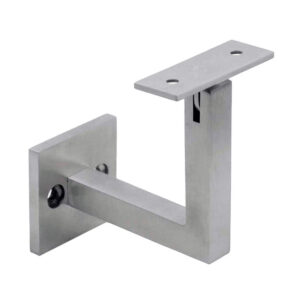
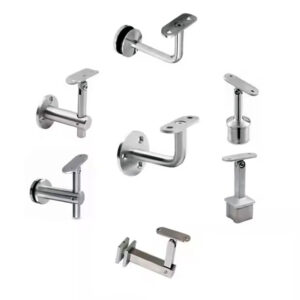
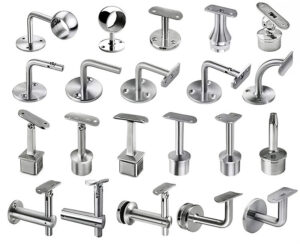
في الممارسة العملية، يكون قرار القبول ثنائيًّا: إما أن يكون المورد قد وثّق عملية التجميع بشكل كامل بما يكفي لإتاحة تقييم المطابقة، أو أنه لم يفعل ذلك. وإذا لم يفعل، فإن الإجراء الصحيح الذي يجب اتخاذه في عملية الشراء هو طلب المعلومات الناقصة قبل المضي قدمًا في عملية تقديم العطاء — وليس قبول البيان الجزئي والاعتماد على المهندس لتحديد الثغرات. أقواس دعم الألواح الزجاجية وتخضع المكونات الوسيطة المماثلة لنفس متطلبات التوثيق: يجب أن تعود المطالبة بالحمل المرفقة بأي مكون إلى مجموعة تم فيها اختبار مساهمة ذلك المكون في ظل ظروف محددة.
تتمثل القاعدة الأساسية في مجال توريد تجهيزات الدرابزين الزجاجي في التعامل مع كل قيمة تحميل على أنها نتيجة تجميع، وليس خاصية للمنتج. وقبل أن تنتقل الملفات المقدمة إلى مرحلة المراجعة الهندسية، يجب أن تجيب حزمة البيانات على أربعة أسئلة: ما هي ظروف الركيزة والتثبيت التي تم افتراضها في التجميع الذي خضع للاختبار؛ وما هو منتج التثبيت والمسافة بينه وبين الركيزة اللذان يحددان السعة المعلنة؛ وما إذا كانت طريقة التركيب موثقة بمستوى يدعم التحقق الميداني؛ وما إذا كانت الهندسة التي خضعت للاختبار — سواء كانت مثبتة بنقاط أو متصلة — تتطابق مع المشروع. لا يؤدي عدم وجود إجابات عن أي من هذه الأسئلة إلى جعل المنتج غير مناسب. بل يجعل الادعاء غير قابل للاستخدام حتى يتم توفير الإجابات.
والتأكيد الإضافي الذي يكتسب أهمية قبل إتمام عملية الشراء هو ما إذا كانت ظروف الموقع — نوع الركيزة، والتسوية، وحالة الشقوق، والتعرض — قد تم الكشف عنها للمورد قبل إصدار مطالبة التحميل. فالمطالبة التي يتم إصدارها دون هذه المعلومات تعكس حالة اختبار عامة. أما المطالبة التي يتم إصدارها بناءً على ظروف خاصة بالمشروع، أو التي يتم التأكد على الأقل من انطباقها على تلك الظروف، فهي المعيار الذي يجب الالتزام به في التعامل مع الموردين.
الأسئلة الشائعة
س: ما الذي يجب على المقاول فعله إذا تعذر على المورد توفير نوع الركيزة المختبرة ومنتج التثبيت اللذين يدعمان ادعاء الحمولة المعلن عنه؟
ج: تعامل مع الملف المقدم على أنه غير مكتمل، ولا تحيله إلى المراجعة الهندسية حتى يتم توفير المعلومات الناقصة. فلا يمكن التأكد من أن قيمة الحمل التي لم تحدد فيها ظروف الركيزة والتثبيت تنطبق على موقع المشروع — فقبولها والاعتماد على المهندس لتصحيح هذا النقص يؤدي عادةً إلى رفضها عند مراجعة الترخيص أو التفتيش من قِبل طرف ثالث، مما يتسبب في تأخيرات في الجدول الزمني يصعب التعافي منها أكثر من مجرد تأخير في تقديم الملف.
س: هل يجب تناول مسألة التمدد الحراري في وثائق التحميل الخاصة بالمورد، أم يتم التعامل معها بشكل منفصل أثناء التركيب؟
ج: يجب أن يرد ذلك في وثائق التجميع الخاصة بالمورد، وألا يُؤجل إلى مرحلة التركيب. فالتجميع الذي لا يأخذ في الحسبان النطاق الحراري للمشروع قد يؤدي إلى إجهاد الزجاج تدريجيًّا، أو إرخاء الوصلات، أو تعرض المثبتات لدورات متكررة قد تؤدي إلى انفصالها — ولا يمكن ملاحظة أي من هذه الأمور أثناء الفحص الأولي. ولا تصف قيمة الحمل المستمدة من ظروف الاختبار الثابتة السلوك على المدى الطويل، ما لم يتم تحديد التكيف مع التمدد للنطاق المتوقع كجزء من التجميع الذي خضع للاختبار أو الذي يُفترض وجوده.
س: هل تعتبر مطالبة الحمل التي تم التحقق منها وفقًا لمعيار ASTM E935-21 أو ASTM E894-88 مقبولة تلقائيًا للتقديم الهندسي؟
ج: ليس تلقائيًا. فهذه المعايير تؤكد كيفية قياس الأرقام والإبلاغ عنها، لكنها لا تؤكد أن الوحدة التي خضعت للاختبار تتطابق مع المشروع. فالنتيجة المستمدة من خلال طريقة اختبار معترف بها تظل صالحة فقط في الظروف التي تتطابق مع الإعدادات التي خضعت للاختبار — فالخرسانة المتشققة مقابل غير المتشققة، والمسافة بين المراسي، وعمق التثبيت، وهندسة التركيب، كلها عوامل تحدد ما إذا كان الحد العددي صحيحًا في الظروف الميدانية.
س: متى يؤدي الانتقال من نظام القناة المستمرة إلى نظام التثبيت النقطي إلى تغيير نوع أدلة التثبيت التي يتعين على المورد تقديمها؟
ج: إنه يغير متطلبات الإثبات بشكل كبير. فالأنظمة المستمرة توزع الحمل على طول القناة، لذا فإن تباعد المراسي وتسطيح الركيزة هما اللذان يحددان السعة على طول المسار. أما الأنظمة المثبتة نقطيًا، فتركز كامل متطلبات العزم والقص عند كل موقع منفصل للمراسي، مما يجعل بيانات الانسحاب والقص لكل مرسى هي الدليل الأساسي على السعة — ولا يكفي رقم PLF على مستوى النظام، الذي يفتقر إلى افتراض التباعد ومتطلبات المراسي الموضعية، لإجراء المراجعة الهندسية لتركيب نظام مثبت نقطيًا.
س: إذا لم يتم إطلاع المورد على ظروف الموقع — مثل استواء الركيزة أو حالة الشقوق — قبل إصدار مطالبة التحميل، فهل تظل هذه المطالبة صالحة للاستخدام؟
ج: فقط بعد الحصول على تأكيد إضافي. فالبيان الذي يتم إصداره دون إدخال بيانات خاصة بالمشروع يعكس الحالة العامة التي تم اختبارها، والتي قد تتطابق أو لا تتطابق مع ظروف الموقع. وقبل إتمام عملية الشراء، يجب على المشتري الإفصاح عن الظروف الفعلية للموقع للمورد والحصول على تأكيد صريح بأن السعة المعلنة لا تزال سارية — أو طلب بيان منقح يتم إصداره بناءً على تلك الظروف. ويُعد استخدام بيان عام في موقع لا يتطابق مع الظروف المحددة السيناريو الأكثر احتمالًا للتسبب في الرفض الهندسي بعد أن تكون عملية التقديم قد بدأت بالفعل.