يُعد اختيار نوع الحشو الخاطئ قبل تحديد المسافات بين الدعامات أحد أكثر أخطاء التسلسل تكلفةً في مشاريع الدرابزينات — ليس بسبب فشل المادة نفسها، بل لأن منطق التصنيع وتفاصيل الصرف والمتطلبات الهيكلية تختلف بشكل كبير بين أنواع التخطيط المختلفة، لدرجة أن التراجع عن المسار بعد الانتهاء من تصميم الهيكل يعني غالبًا إعادة الهندسة بدلاً من مجرد التعديل. تظهر التكلفة النهائية في شكل تأخير في الموافقة على التشطيبات، وإعادة العمل في مناطق اللحام المرئية، وصعوبات في الشراء عندما لا تتطابق افتراضات ما قبل التصنيع مع ما يتطلبه الموقع فعليًا. يأتي الحكم الذي يحل معظم هذه المشاكل في وقت أبكر مما تتوقع الفرق: المعدن هو الخيار الأقوى عندما تتفوق قابلية التنبؤ الهيكلي وقابلية الصيانة على الشفافية، ويجب أن يكون هذا القرار مدعومًا بالتزامات محددة بشأن الحشو والتشطيب والتصنيع يتم اتخاذها بالتسلسل بدلاً من التفاوض عليها في وقت متأخر. سيكون القراء الذين يعملون على هذه الالتزامات بالترتيب في وضع أفضل لتجنب إعادة العمل في المراحل المتأخرة التي تميل إلى الحدوث عندما يتم التعامل مع وزن الحشو وسلوك التشطيب ومتطلبات اللحام في الموقع على أنها تفاصيل شراء بدلاً من مدخلات تصميم.
تصاميم الدرابزينات المعدنية التي عادةً ما يقارنها المشترون
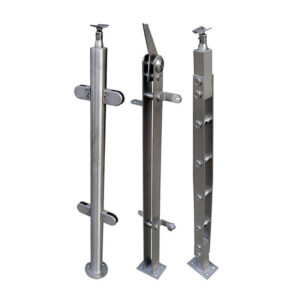
تبدأ معظم المناقشات المتعلقة بالمشتريات بثلاثة أنماط عامة: الحشو بألواح صلبة، والأعمدة الرأسية، وأنظمة الألواح الزخرفية أو المقطوعة بالليزر. وهذه الأنماط ليست مجرد خيارات متبادلة لنفس المنطق الهيكلي — فهي تختلف في الوزن، وتخلق ظروف تصريف مختلفة، وتفرض قيود تصنيع مختلفة يجب حلها قبل الانتهاء من تحديد المسافات بين الأعمدة وتفاصيل التوصيل.
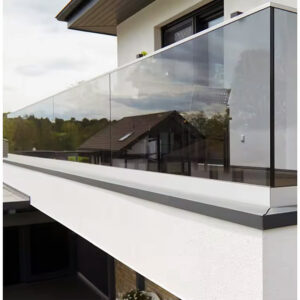
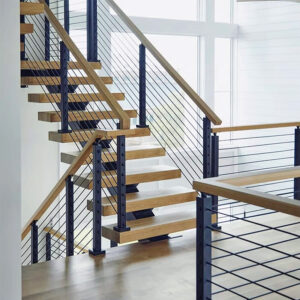
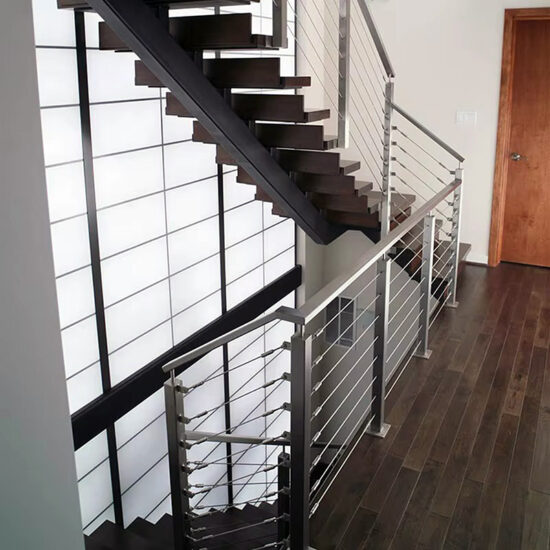
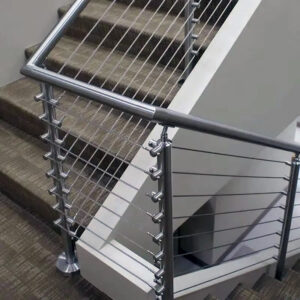
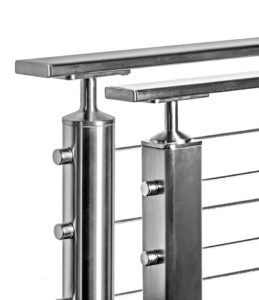
تُشكّل أنظمة الألواح الصلبة أسطحًا متصلةً تحتجز المياه عند عناصر الإطار الأفقية إذا لم يتم تحديد تفاصيل الصرف بشكل واضح. أما التكوينات الرأسية ذات القضبان فهي أخف وزنًا وتسمح بالتصريف بحرية، لكن الإيقاع البصري للمسافات بين القضبان يؤثر على كل من النتيجة الجمالية والتحقق من الامتثال للوائح التنظيمية فيما يتعلق بأحجام الفتحات المسموح بها. تقع أنظمة الألواح الزخرفية، بما في ذلك الملحقات المقطوعة بالليزر والقطع بنفث الماء، بين هاتين الفئتين من حيث الكثافة البصرية، ولكنها غالبًا ما تتجاوز أنظمة الألواح في وزن الوحدة، مما يغير الحمل على الأعمدة ومتطلبات توصيلات القاعدة.
وتتمثل الآثار المترتبة على ذلك في مجال التخطيط في أن نوع التخطيط يمثل مدخلاً هيكلياً، وليس مجرد اختيار أسلوبي. تميل الفرق التي تعامله على أنه تفضيل بصري إلى اكتشاف مشاكل الوزن والتصريف بعد الانتهاء من تصميم الهيكل، وفي هذه المرحلة تكون التعديلات مكلفة. إن تحديد نوع التصميم أولاً — مع الوعي الكامل بوزن الحشو، وسلوك التصريف، ومتطلبات ما بعد التحميل — هو ما يجعل قرارات التصنيع والتشطيب اللاحقة قابلة للتنفيذ.
خيارات الحشو التي تؤثر على الوزن وطريقة التصنيع
تتوفر الألواح الزخرفية بأحجام قياسية — 30×72 بوصة و30×96 بوصة — ويمكن تصنيعها عن طريق القطع بالليزر أو القطع بنفث الماء. هذه أرقام تصميمية مرتبطة بتكوينات المنتجات المتاحة، وليست مواصفات صناعية عالمية، ولكنها تنطوي على عواقب تخطيطية حقيقية: أبعاد الألواح القياسية تقيد تباعد الخانات، مما يعني أن قرارات التخطيط التي تُتخذ دون الرجوع إلى حجم الألواح غالبًا ما تتطلب تصنيعًا غير قياسي لحل حالات عدم التوافق.
تتجاوز أهمية طريقة التصنيع مجرد مسألة التكلفة. يوفر القطع بالليزر تفاوتات أضيق وحواف أنظف على المواد الرقيقة؛ بينما يتعامل القطع بنفث الماء مع المواد السميكة والأنماط الأكثر كثافة دون إحداث مناطق متأثرة بالحرارة، وهو أمر مهم عندما يكون السطح النهائي مخصصًا للتلميع أو الطلاء بالمسحوق. يمكن أن تؤدي المنطقة المتأثرة بالحرارة على حافة مقطوعة بالليزر والتي لم يتم أخذها في الاعتبار في مواصفات التشطيب إلى حدوث تغير ملحوظ في اللون بعد معالجة السطح — وهي مشكلة يسهل منعها ويصعب إصلاحها بعد حدوثها.
الوزن هو المتغير الأقل تناولاً في النقاش. فاللوحة الزخرفية الصلبة أو الكثيفة ذات أبعاد 30×96 بوصة تضيف حملاً ملحوظاً لكل فتحة مقارنةً بالحشو العمودي المكون من قضبان الذي يغطي الفتحة نفسها. إذا تم تحديد تباعد الأعمدة بناءً على افتراضات نظام الألواح الخشبية، ثم استبدل الفريق لاحقًا هذه الألواح بألواح زخرفية أثقل، فقد يكون حجم الأعمدة وقاعدة الألواح غير مناسب. يحدث هذا الاستبدال أكثر مما ينبغي، وعادةً ما يحدث ذلك عند إدخال خيار الألواح الزخرفية كتحسين جمالي بعد اكتمال التصميم الهيكلي بالفعل. بالنسبة للمشاريع التي تستخدم أنظمة حشو الألواح المخصصة, ، إن التحقق من وزن الألواح وطريقة تصنيعها قبل إتمام تصميم الهيكل هو الإجراء الذي يمنع حدوث هذا الخطأ في التسلسل.
إنهاء عمليات الموافقة التي تكشف عن مشكلات في جودة اللحام والحواف
تُعد مرحلة الموافقة على التشطيبات هي المرحلة التي تظهر فيها جودة التصنيع الخفية، وهي المرحلة التي غالبًا ما تواجه فيها المشاريع عمليات إعادة عمل غير متوقعة. والسبب واضح: المعالجات السطحية لا تخفي جودة اللحام — بل تكشفها. فخط اللحام الذي بدا مقبولاً في مرحلة التركيب الجاف يبدو مختلفاً تماماً تحت تشطيب مصقول كالمرآة أو مطلي بالمسحوق، ومعايير الفحص التي تحكم الموافقة في إطار تصنيف الجودة مثل TS 16949 تجعل هذا الاختلاف واضحاً.
يؤدي كل نوع من أنواع التشطيبات إلى ظهور مخاطر محددة عند خطوط اللحام والزوايا وحواف القطع.
| نوع التشطيب | السلوك عند اللحامات والحواف | مخاوف بشأن مراقبة الجودة | نقطة تفتيش رئيسية للموافقة (في سياق معيار TS 16949) |
|---|---|---|---|
| مرآة (مصقولة) | انعكاسية عالية؛ حيث يظهر تغير لون اللحام وتفاوت الحواف على الفور | لا يمكن إخفاء عيوب البشرة؛ لذا فإن المزج السلس أمر ضروري | تم صقل خطوط اللحام حتى اكتسبت لمعانًا عاكسًا متجانسًا؛ ولا توجد أي آثار للصقل أو ثقوب |
| ساتان (مصقول) | يمكن أن تخفي بنية الحبيبات الموجهة جزئيًا التباين الطفيف في اللحام، لكنها تبرز عدم تطابق بنية الحبيبات | يعد محاذاة الحبوب وتوحيد الملمس عبر خطوط التماس أمرًا بالغ الأهمية | اتجاه الحبيبات المصقولة متواصل؛ ولمعان ساتاني متساوٍ في جميع الأجزاء |
| مطلية بالمسحوق | تظهر عيوب الركيزة من خلال الطلاء؛ توحيد اللون بالكامل | أي رذاذ لحام أو نتوءات أو حواف خشنة تفسد تناسق الطلاء | تم تجهيز المعدن الأساسي بحيث يكون أملسًا؛ وتم اختبار الالتصاق والسماكة وفقًا لمعايير TS 16949 |
وتتمثل الآثار العملية لهذا السلوك في أن مواصفات الطلاء ومتطلبات جودة اللحام يجب تحديدها معًا، وليس بشكل متتابع. المشاريع التي تحدد لوحة ألوان الطلاء بالمسحوق في وقت مبكر ولكنها تترك متطلبات تحضير اللحام غامضة تخلق مخاطر تتعلق بالموافقة — فالطلاء بالمسحوق يكشف عيوب الركيزة من خلال طبقة الطلاء، ولا يمكن لأي كمية من الطبقات الإضافية أن تعالج سطحًا لم يتم تحضيره بشكل صحيح. تحمل التشطيبات المرآة مخاطر معاكسة: متطلبات التحضير واضحة وصارمة، ولكن لا يوجد أي غموض حول وجود عيب ما بمجرد تطبيق التلميع. توفر التشطيبات الساتانية (المصقولة) بعض التسامح مع الاختلافات الطفيفة في المزج، ولكن عدم تطابق اتجاه الحبيبات عبر الأقسام الملحومة يكون مرئيًا على الفور للمفتشين والمالكين.
يُعد دليل NAAMM AMP 500-06 مرجعًا مفيدًا لفهم كيفية اختلاف متطلبات تحضير الأسطح باختلاف نوع الطلاء النهائي، ولماذا تُعد حالة السطح الأساسي قبل الطلاء العامل الحاسم في اتساق الطلاء النهائي. وتتمثل أفضل ممارسات الشراء في التأكد من توقعات جودة اللحام ومتطلبات تحضير الأسطح في نفس الوقت الذي يتم فيه اختيار الطلاء النهائي — وليس بعد تقديم العينات.
مقارنة بين البدائل الزجاجية والمعدنية من حيث قابلية الصيانة
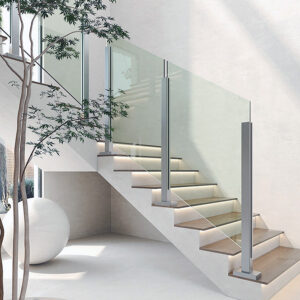
تتميز أنظمة الدرابزينات الزجاجية بميزة واضحة واحدة مقارنة بالملء المعدني: الشفافية البصرية القصوى. وفي الشرفات والتراسات ذات الإطلالة المرتفعة، حيث تُعد خطوط الرؤية العامل الرئيسي في التصميم، تبرز هذه الميزة بوضوح. المقابل هو أن الأنظمة الزجاجية تجلب مجموعة من المتغيرات المتعلقة بدورة الحياة والصيانة التي تتجنبها الأنظمة المعدنية إلى حد كبير، وتلك المتغيرات تميل إلى التفاقم بمرور الوقت بدلاً من الاستقرار.
تتعرض الزجاجات المستخدمة في الدرابزينات لدورات حرارية، والصدمات، وتآكل السطح بفعل مواد التنظيف، فضلاً عن الحاجة إلى استبدالها من حين لآخر — وكل ذلك يتطلب الالتزام بمواصفات الزجاج الأصلية، وغالبًا ما يتطلب ألواحًا مقطوعة حسب الطلب يجب أن تتطابق مع الأبعاد الأصلية ودرجة الصلابة. وعندما تتطلب لوحة زجاجية الاستبدال، فإن المدة الزمنية اللازمة لذلك تعتمد على التصنيع حسب الطلب، وهو ما لا ينطبق على معظم مكونات الحشو المعدنية. وبالنسبة للمشاريع في المناطق ذات الكثافة المرورية العالية، أو البيئات الساحلية المعرضة للعوامل الجوية، أو المنشآت التي يكون الوصول إليها لأغراض الصيانة محدودًا، فإن الجدول الزمني للاستبدال يمثل خطرًا على قابلية الخدمة، وهو ما غالبًا ما يتم التقليل من أهميته في قرارات الشراء الأولية.
أنظمة الحشو المعدنية — سواء كانت على شكل قضبان أو ألواح صلبة أو إدخالات زخرفية — قد تتعرض للتلف، لكن المكونات الفردية قابلة للاستبدال عمومًا دون الحاجة إلى تصنيع مخصص يطابق الدفعة الأصلية. كما أن الأداء الهيكلي للنظام أكثر قابلية للتنبؤ به بمرور الوقت: لا تتعرض القضبان والأعمدة المعدنية لعيوب في الحواف أو السدادات التي قد تظهر في الأنظمة الزجاجية مع تقدم عمر أجزاء الإطار. المقابل الذي تقبله الأنظمة المعدنية هو انخفاض الشفافية ومتطلبات أكثر صرامة لمراقبة جودة اللحامات المرئية. تستحق هذه المقايضة العناء عندما يعطي المشروع الأولوية للقابلية للصيانة على المدى الطويل والقدرة على التنبؤ بالهيكل على حساب الانفتاح — ولكنها ليست الخيار الصحيح بشكل افتراضي، ولا ينبغي الضغط على المشاريع التي تتطلب شفافية قصوى حقًا لاستخدام المعدن لمجرد أنه أسهل في التصنيع.
البساطة الهيكلية التي تجعل المعدن الخيار الأقوى
إن حجة البساطة الهيكلية التي يُساق بها الدفاع عن استخدام المعادن تكون أكثر قابلية للدفاع عنها عندما تكون مدعومة بنهج تصنيع محدد، بدلاً من طرحها كادعاء عام يتعلق بالمواد. فالمكونات المُطلبة مسبقًا والمقطوعة حسب المقاس، والأنظمة المُصنعة مسبقًا بالكامل، تختلف اختلافًا جوهريًا عن التجميعات المعدنية التي يتم تصنيعها في الموقع، والخلط بينها يقلل من شأن المصدر الحقيقي لهذه الميزة.
| نهج التصنيع | يلزم إجراء أعمال لحام في الموقع | تعقيد التركيب | مواصفات المواد (حيثما ورد ذلك) |
|---|---|---|---|
| المكونات المُصنعة حسب المقاس والمطلوبة مسبقًا | ضئيلة أو معدومة (حسب التصميم) | أقل؛ تعديلات أقل في الموقع وتقليل مخاطر الأخطاء | حسب الطلب – لم يتم تحديد درجة معينة |
| نظام مصنوع بالكامل من الفولاذ المقاوم للصدأ 316L | لا يوجد | منخفضة جدًّا؛ حيث تصل المكونات جاهزة للتركيب، مما يلغي الحاجة إلى أي أعمال تصنيع في الموقع | فولاذ 316L المقاوم للصدأ |
عندما تصل المكونات مقطوعة حسب المقاس المطلوب، مع الحاجة إلى حد أدنى من اللحام في الموقع أو دون الحاجة إليه على الإطلاق، تنخفض درجة تعقيد التركيب بشكل ملحوظ — حيث تقل التعديلات المطلوبة في الموقع، وتقل المتغيرات الناتجة عن الظروف الميدانية، وتقل احتمالية انحراف جودة اللحام عن المواصفات النهائية. إن نظام الفولاذ المقاوم للصدأ 316L المصنوع بالكامل والذي لا يتطلب أي تصنيع في الموقع يزيل فئة المشاكل التي تنشأ عند إجراء عمليات اللحام والطحن والتشطيب في ظروف لا تتطابق مع جودة الورشة. تغطي معيار ASTM E985-24 متطلبات أنظمة الدرابزين المعدنية الدائمة في المباني وتوفر نقطة مرجعية هيكلية لما يجب أن تحققه هذه الأنظمة بشكل موثوق — ونهج التصنيع الذي يدعم هذه المتطلبات على أفضل وجه هو الذي يزيل المتغيرات الميدانية بدلاً من إضافتها.
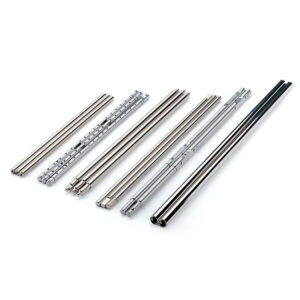
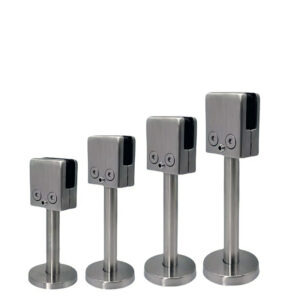
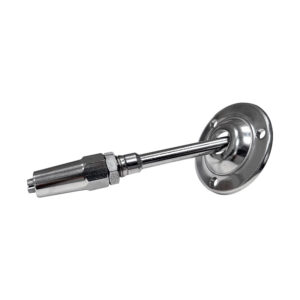
وتتمثل الآثار المترتبة على ذلك في مجال المشتريات في ضرورة تحديد “المعادن الجاهزة” بدقة. فالأنابيب التي يتم طلبها مسبقًا والتي لا تزال تتطلب عمليات القطع واللحام والتشطيب في الموقع لا تمثل نفس الحل الهيكلي الذي يقدمه النظام المُصنَّع بالكامل. المشاريع التي تقبل الخيار الأول بينما تحدد أسعار الخيار الثاني تكتشف أحيانًا عند التركيب أن جودة اللحام في الموقع لا تفي بمعيار الموافقة على التشطيب — مما يعيد المشروع إلى نفس مشكلة إعادة العمل التي كان من المفترض أن يمنعها التصنيع المسبق. إن تحديد نهج التصنيع ومعيار التشطيب معًا، قبل الشراء، هو ما يجعل حجة البساطة الهيكلية للمعدن صحيحة بالفعل. مكونات الحشو العمودي للاعتصام العمودي توفر نقطة مقارنة مفيدة لفهم كيفية تطبيق التصنيع المسبق على مستوى المكونات في أحد أكثر تكوينات الحشو المعدني شيوعًا.
إن القرار الأكثر أهمية في مشروع درابزين معدني ليس اختيار المواد، بل التسلسل الذي يتم من خلاله تحديد نوع الحشو وطريقة التصنيع ومواصفات التشطيب. هذه القرارات الثلاثة مترابطة، وعندما يتم التعامل معها كبنود شراء مستقلة، فإن الخلافات تميل إلى التراكم عند مرحلة الموافقة على التشطيب، حيث تظهر جودة اللحام وإعداد السطح بطرق يصعب معالجتها بأثر رجعي وتكون مكلفة.
قبل الالتزام بنظام معين، تأكد من أن وزن الحشو وأبعاد الألواح متوافقة مع تباعد الأعمدة المخطط له، وأن نوع التشطيب ومتطلبات إعداد اللحام محددة معًا وليس بالتتابع، وأن مصطلح “الجاهز” محدد بدقة كافية لاستبعاد اللحام في الموقع كبديل مقبول. لا يحقق المعدن ميزة البساطة الهيكلية إلا عندما يتم تثبيت هذه المدخلات بالترتيب — ليس كخيار افتراضي بدلاً من الزجاج، ولكن كخيار متعمد عندما تكون قابلية الصيانة وقابلية التنبؤ بالتركيب هما الأولويتان الأكثر أهمية للمشروع المحدد.
الأسئلة الشائعة
س: هل تنطبق النصيحة الواردة هنا إذا كان المشروع يتطلب استخدام كل من الألواح الزجاجية والأعمدة المعدنية في نظام مختلط؟
ج: تؤدي الأنظمة المختلطة إلى تغيير جذري في منطق التصنيع، ولا تنطبق قواعد التسلسل الواردة في هذه المقالة إلا بشكل جزئي. في التصميم الهجين، يجب التوفيق بين تفاوتات الألواح الزجاجية وتفاوتات الإطارات المعدنية قبل الانتهاء من تحديد المسافات بين الدعامات — فالقيود المتعلقة بالأحجام القياسية التي تحكم حشو الألواح المعدنية لا تنطبق مباشرة على الزجاج، وتستمر الفجوة في قابلية الصيانة بين المادتين عند حدود كل مكون. لا يزال من الممكن تصنيع العناصر المعدنية مسبقًا وفقًا للإرشادات المذكورة أعلاه، ولكن يزداد خطر الموافقة على التشطيب في أي مكان يلتقي فيه الإطار المعدني بحواف الزجاج، لأن تلك الوصلات تسبب متغيرات تتعلق بالتنظيف وصيانة السدادات، وهو ما يتجنبه النظام المعدني بالكامل.
س: بعد تحديد متطلبات نوع التشطيب وإعداد اللحام معًا، ما الذي يجب التأكد منه قبل الموافقة على الشراء؟
ج: تتمثل الخطوة التالية في الحصول على عينة من قطعة اللحام بعد تجهيزها وفقًا للمعيار المحدد — سواء كان ذلك بلمعة مرآة أو لمعة ساتانية أو طلاء مسحوقي — والموافقة عليها وفقًا لمعايير الفحص قبل بدء الإنتاج. لا تعتبر مواصفات التشطيب المكتوبة في وثيقة الشراء بديلاً عن العينة المادية، لأن تقييم سلوك خط اللحام تحت معالجة سطحية معينة أمر صعب من خلال ورقة بيانات المواد وحدها. إن الموافقة المسبقة على عينة اللحام النهائية هي ما يجعل مرحلة الموافقة على التشطيب عند اكتمال المشروع تأكيدًا وليس اكتشافًا.
س: عند أي حجم للمشروع تتوقف الهياكل المعدنية الجاهزة عن كونها أكثر فعالية من حيث التكلفة مقارنة بالتركيب المصنوع في الموقع؟
ج: غالبًا ما تفقد عملية التصنيع المسبق ميزتها التكلفية عندما يكون عدد الخلايا قليلًا لدرجة أن رسوم إعداد ورشة التصنيع حسب الطلب تفوق الوفورات في تكاليف العمالة الميدانية، أو عندما تكون هندسة الموقع غير منتظمة لدرجة أن المكونات ذات الأبعاد القياسية تؤدي إلى هدر كبير للمواد. بالنسبة للمسارات الخطية البسيطة ذات المسافات المتساوية بين الأجزاء، يكون التصنيع المسبق هو الخيار الأقل تكلفة إجمالياً في معظم الأحيان، بمجرد احتساب تكلفة مخاطر إعادة العمل. بالنسبة للمشاريع التي تحتوي على العديد من الزوايا غير القياسية، أو التغيرات في المستويات، أو الألواح المقطوعة حسب الطلب، قد تؤدي تعقيدات التصنيع إلى تغيير الحسابات — ولكن مخاطر الموافقة على التشطيب الناتجة عن اللحام في الموقع تظل قائمة بغض النظر عن الحجم، لذا فإن أي عمل يتم تصنيعه في الموقع لا يزال يتطلب نفس معايير التحضير والتفتيش الخاصة باللحام.
س: كيف يؤثر الاختيار بين التشطيبات الساتانية والتشطيبات المطلية بالبودرة على متطلبات الصيانة على المدى الطويل، وليس فقط على الموافقة الأولية؟
ج: تتطلب التشطيبات المصنوعة من الفولاذ المقاوم للصدأ ذات المظهر الساتاني (المصقول) تدخلات أقل بمرور الوقت، حيث يمكن إخفاء الخدوش السطحية على طول اتجاه الحبيبات دون الحاجة إلى إعادة طلاء الجزء بأكمله. تكون التشطيبات المطلية بالمسحوق أكثر عرضة للتشقق عند الحواف والزوايا، وعادةً ما يتطلب التلف الموضعي إعادة طلاء الجزء المتضرر بالكامل لتجنب اختلاف اللون المرئي — كما أن جودة الحواف واللحام نفسها التي تخلق مخاطر عدم الموافقة عند التركيب تحدد أيضًا مدى ثبات الطلاء عند نقاط الضغط على مدار سنوات الاستخدام. في البيئات الساحلية أو ذات الرطوبة العالية، يؤدي أي خلل في الطلاء على ركيزة من الكربون أو الفولاذ الطري المطلي بالمسحوق إلى خطر التآكل، وهو ما لا يحدث مع التشطيب الساتاني الفولاذي العاري.
س: هل يُعد المعدن الخيار الافتراضي المناسب عندما لا يتطلب المشروع درجة عالية من الشفافية، ولكنه لا يتطلب أيضًا درجة عالية من سهولة الصيانة؟
ج: ليس بالضرورة. فعندما لا تكون الشفافية أو سهولة الصيانة من العوامل الرئيسية، تتحول العوامل الحاسمة إلى الميزانية، وقدرات التصنيع المحلية، والقدرة على الموافقة على التشطيبات في المشروع المحدد. ميزة البساطة الهيكلية للمعادن حقيقية، ولكنها تعتمد على تحديد التصنيع المسبق وتنفيذه بشكل صحيح — فالنظام المعدني المصنوع في الموقع دون رقابة صارمة على اللحام والتشطيب لا يتفوق بشكل موثوق على نظام زجاجي من مصدر جيد من حيث التكلفة أو الجدول الزمني. بدون أولوية واضحة للمشروع تفضل قابلية الصيانة أو إمكانية التنبؤ بالتركيب، فإن الأساس الأقوى للاختيار هو عادةً اليقين في التصنيع: أي نظام يمكن للمقاول تسليمه وفقًا لمعايير الموافقة على التشطيب بأقل قدر من التباين في ظروف الموقع.