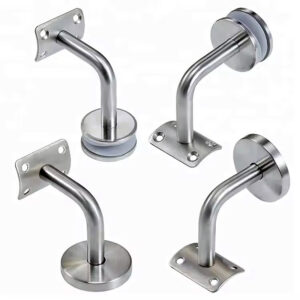
A aprovação de um detalhe de balaustrada para uma elevação de varanda moderna é simples na tela e consideravelmente mais difícil no local. A lacuna entre uma linha de visão renderizada e um sistema fabricado e instalado tende a aparecer tarde - em uma linha central de poste que não se alinha com a borda da laje, um trilho superior que quebra a continuidade em um canto ou um canal rejuntado que exige repetidos ajustes corretivos porque o nível do piso nunca foi verificado em relação à tolerância que o sistema realmente exige. Essas correções são caras não porque as peças individuais sejam complexas, mas porque a fachada é implacável: em uma elevação limpa e contida, cada desvio é lido. O julgamento que determina se um detalhe permanece edificável em vários vãos geralmente é feito antes da emissão do primeiro desenho de fabricação, que é exatamente quando é mais fácil mudar e mais fácil pular. A leitura deste artigo o ajudará a identificar quais escolhas de projeto absorvem a variação normal da construção e quais dependem de uma precisão que o local provavelmente não fornecerá.
Detalhes mínimos que ainda se repetem de forma limpa na fabricação
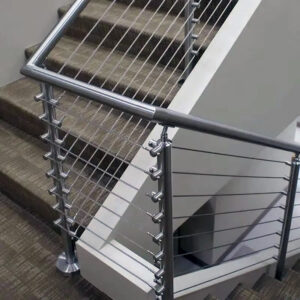
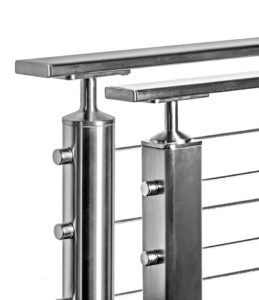
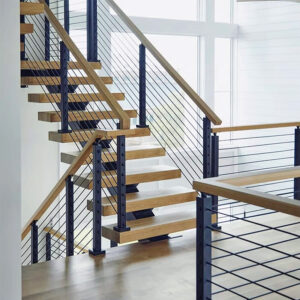
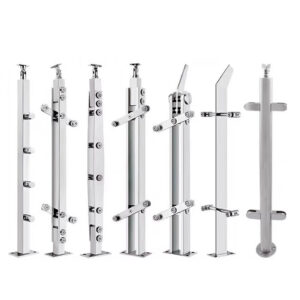
A principal questão de planejamento para qualquer balaustrada moderna não é se um detalhe parece resolvido em elevação - é se esse detalhe pode ser fabricado de forma consistente em todos os vãos sem intervenção personalizada em cada um deles. Uma configuração de colunas e trilhos responde favoravelmente a essa pergunta porque sua geometria é definida por um conjunto limitado de componentes repetitivos: espaçamento das colunas, altura dos trilhos e centros de fixação. Uma vez definidos esses parâmetros, a fabricação segue a mesma sequência em toda a extensão e os ajustes no local permanecem dentro de limites previsíveis.
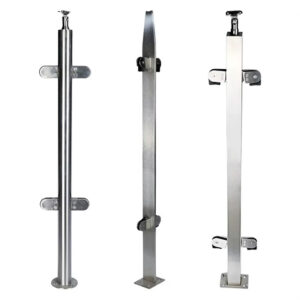
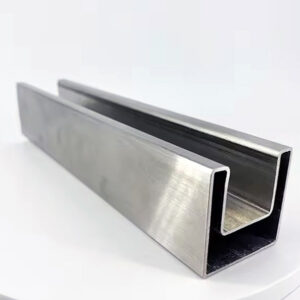
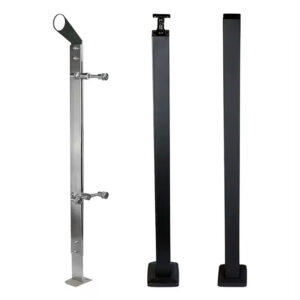
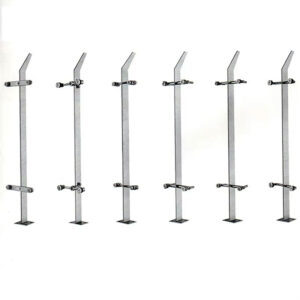
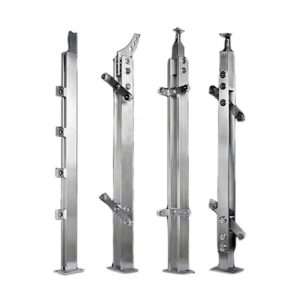
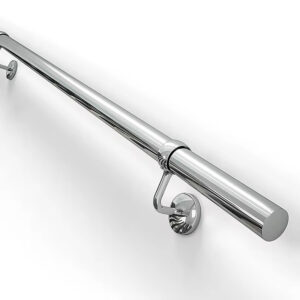
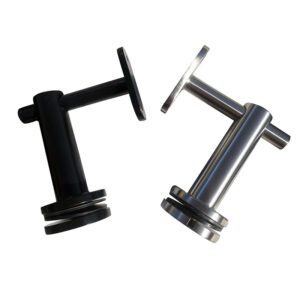
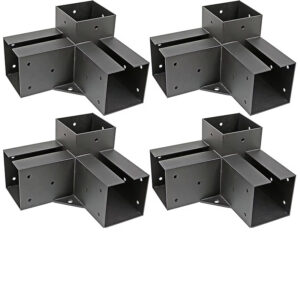
Essa repetibilidade é importante porque a maioria das elevações de sacada envolve vários compartimentos, às vezes em vários andares. Um detalhe que exige usinagem personalizada ou medição individual em cada posição de poste multiplica o tempo de fabricação e cria variações que se acumulam visivelmente. A Poste retangular de aço inoxidável com uma área de fixação definida e uma geometria de seção consistente oferece ao fabricante uma unidade repetitiva em vez de uma solução personalizada. A limpeza do sistema vem dessa consistência, e não da complexidade de qualquer componente individual.
As equipes de projeto subestimam isso quando a questão da repetibilidade precisa ser resolvida com antecedência. O espaçamento dos postes, os centros de fixação do substrato e a continuidade do trilho superior precisam ser confirmados em relação ao layout da laje estrutural antes que o detalhe seja emitido para fabricação. Se essa verificação for adiada - tratada como uma questão de coordenação do local em vez de uma entrada de projeto -, o resultado geralmente é um detalhe que funciona em uma baia e exige modificações na próxima. O custo posterior é o retrabalho, não apenas o ajuste.
Ideias de fixação ocultas que expandem a tolerância ao risco
As fixações ocultas reduzem as ferragens visíveis e, em uma fachada moderna e discreta, esse é um objetivo legítimo do projeto. O problema é que ocultar a fixação não elimina a tolerância que ela exige - ela transfere essa exigência de tolerância para o substrato, o acabamento da laje e o alinhamento do painel, sendo que nenhum deles está dentro da precisão confiável que um sistema de fixação embutido ou em canal realmente precisa.
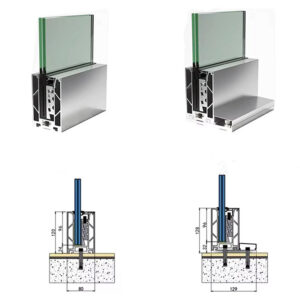
Os painéis fixados por canal e rejuntados na superfície do piso são o exemplo mais claro desse padrão. O sistema funciona bem quando a laje é plana, o acabamento do piso é consistente e as posições dos painéis foram estabelecidas com antecedência suficiente para serem coordenadas com o layout estrutural. Na maioria dos projetos de sacadas comerciais e residenciais, pelo menos uma dessas condições é atendida apenas de forma aproximada. Uma canaleta com rejunte que está 3 mm fora da linha pretendida pode ser lida claramente em um painel de vidro sem moldura porque não há moldura para absorver ou disfarçar o desvio. A fixação está oculta, mas o desalinhamento não.
A consequência posterior é o ajuste do local, que o sistema nunca foi projetado para acomodar facilmente. O trabalho de reparo em uma fixação rejuntada ou embutida é perturbador exatamente porque a fixação é inacessível - a correção exige a reabertura do acabamento do piso, a redefinição do canal e o realinhamento dos painéis que podem já ter sido fabricados na posição original incorreta. Do ponto de vista da aquisição, isso significa que o risco que parece ser uma questão de fabricação é, na verdade, uma questão de preparação do local que precisa ser resolvida antes que os componentes sejam encomendados. A norma ASTM E894-88 reconhece as exigências estruturais que os sistemas de ancoragem ocultos impõem à precisão do substrato; quando essa precisão do substrato não pode ser confirmada com antecedência, o argumento a favor das fixações ocultas enfraquece consideravelmente.
A verificação prática aqui é simples: antes que um detalhe de fixação oculta seja aprovado, confirme por escrito que os níveis do piso, as tolerâncias de planicidade da laje e as posições de colocação do painel foram verificadas pela parte responsável pelo substrato - e não presumidas a partir do desenho arquitetônico.
Layouts finos versus custo de detalhes embutidos personalizados
As comparações de custo entre detalhes slimline e flush geralmente são enquadradas em termos de preço do componente, o que subestima a diferença real. A variável mais importante é a repetibilidade da fabricação - quantas vezes a mesma operação de usinagem pode ser executada sem ajustes - e a sensibilidade do local que decorre da precisão que o detalhe exige.
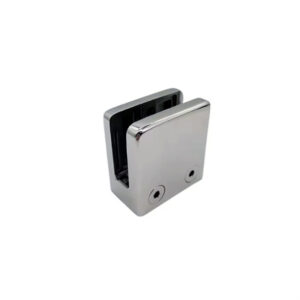
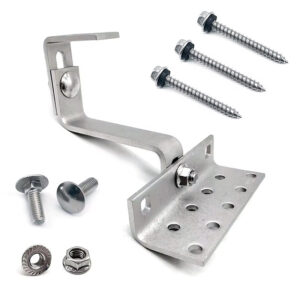
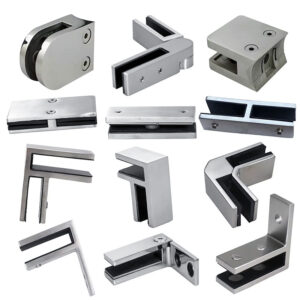
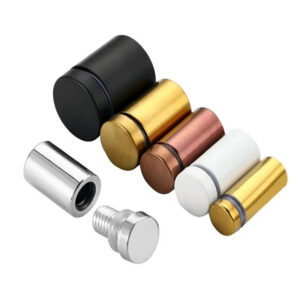
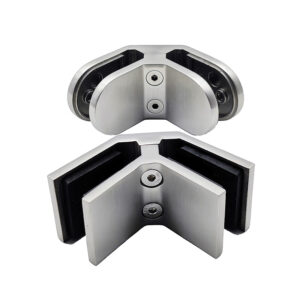
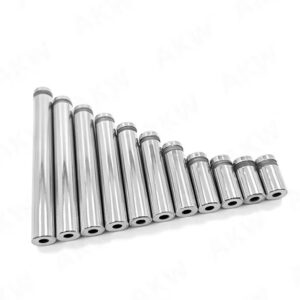
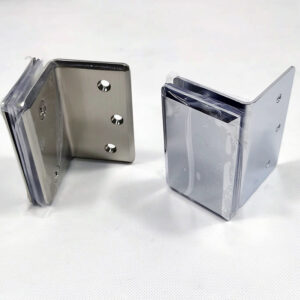
Uma balaustrada de vidro sem moldura padrão usando vidro temperado de 12 mm com fixações de suporte representa uma configuração slimline bem estabelecida. Ela atinge um perfil limpo e mínimo porque o painel de vidro é o elemento visual dominante e os espaçadores são pequenos o suficiente para serem vistos como pontuação em vez de estrutura. A fixação é visível, mas o sistema é repetível: o padrão do suporte é consistente, as tolerâncias são gerenciáveis e a substituição do painel é simples. Um sistema personalizado de fixação por canal embutido, por outro lado, requer uma usinagem mais rigorosa em mais componentes, e cada desvio no acabamento da laje ou na posição do painel requer uma correção individual em vez de um ajuste padrão.
| Abordagem de design | Repetibilidade de fabricação | Custo relativo | Sensibilidade de ajuste do local |
|---|---|---|---|
| Sistema de postes e trilhos | Alta - repete-se de forma limpa em todos os vãos sem fabricação personalizada | Menor custo do sistema com o mínimo de trabalho personalizado | Baixa - a fabricação consistente reduz os ajustes de campo |
| Vidro sem moldura com espaçadores | Vidro temperado de 12 mm de alto padrão e padrão de fixação repetível | Mais econômico do que os sistemas personalizados de canal fixo embutido | Baixo a moderado - fixações visíveis permitem tolerância sem alinhamento complexo |
| Sistema de canal fixo embutido personalizado | Baixa - requer nível preciso do piso, alinhamento do painel e usinagem apertada | Custo mais alto devido à fabricação de precisão e mais ajustes no local | Muito alto - o desalinhamento se torna visível e sua correção é cara |
A tabela concretiza a lacuna de repetibilidade, mas vale a pena destacar diretamente a implicação da aquisição. Um sistema de descarga personalizado que exige alta sensibilidade de ajuste no local não custa apenas mais por unidade - ele cria um custo variável que aumenta com o número de compartimentos e a qualidade do substrato. Em um projeto em que as condições do substrato são controladas apenas nominalmente, a diferença de custo entre um layout slimline padrão e um detalhe de descarga personalizado pode se tornar significativa antes da conclusão da instalação. O ganho visual do sistema de embutir precisa ser ponderado em relação a essa variável, e não apenas em relação ao preço unitário de fabricação.
Problemas de alinhamento que se tornam visíveis em fachadas modernas
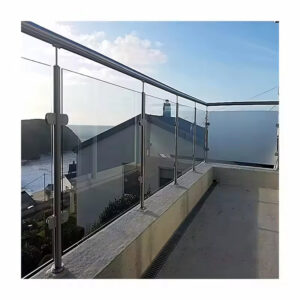
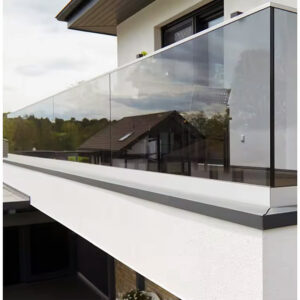
As elevações de sacadas modernas são implacáveis de uma maneira específica: a linguagem visual de restrição depende de tudo estar nivelado, contínuo e posicionado de forma consistente. Uma balaustrada tradicional com um perfil mais pesado e moldura visível absorve pequenos desvios porque o olho tem mais detalhes para ler. Um sistema slimline ou sem moldura em uma fachada limpa não tem essa tolerância - cada desvio na linha central da coluna, na borda da laje ou na continuidade do trilho superior é lido como um defeito.
Esse não é um risco geral; é um padrão de falha com um gatilho previsível. Normalmente, ele aparece quando o detalhe da balaustrada foi aprovado com base em um desenho limpo, sem que ninguém tenha verificado se o acabamento da laje, a condição da borda e as posições de fixação estrutural realmente correspondem à geometria que o detalhe pressupõe. Os desvios de linha central dos postes de alguns milímetros, que seriam absorvidos de forma invisível em uma instalação mais tradicional, tornam-se visíveis como deslocamentos laterais na linha do painel de vidro ou como um trilho superior que corre com uma dobra visível em uma junta de vão.
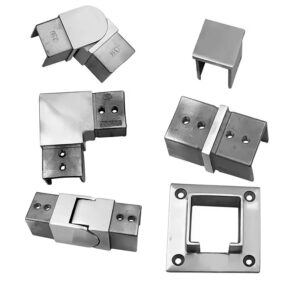
O problema se agrava nos cantos. Uma junta de esquadria em um trilho superior exige que a coluna no canto seja posicionada com precisão suficiente para que ambas as seções do trilho cheguem ao ângulo correto sem uma lacuna ou degrau visível. Em um local onde a borda da laje apresenta pequenas variações - o que é normal, não excepcional - essa precisão é difícil de ser obtida sem a capacidade de fixação ajustável incorporada à base da coluna. Um sistema que não oferece nenhum ajuste lateral na base está basicamente apostando que a laje é tão precisa quanto o desenho, o que é uma aposta que a maioria dos substratos de sacada não vencerá de forma consistente.
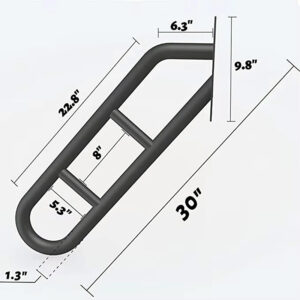
A verificação de revisão que evita isso é um levantamento pré-fabricação das posições de fixação dos postes em relação às condições reais da laje, e não às condições presumidas do desenho estrutural. Em um balaustrada de varanda Quando a elevação é proeminente e a fachada está limpa, esse custo de pesquisa é pequeno em relação ao custo de remediação do realinhamento de uma série de postes após a instalação.
Restrição visual que mantém o sistema edificável
A restrição no projeto de balaustradas às vezes é tratada como um compromisso estético - a versão do detalhe que você aceita quando a opção preferida não é possível. O enquadramento mais útil é que a restrição é a condição sob a qual um detalhe permanece fabricável e instalável em toda a extensão de um percurso sem intervenção personalizada. O afastamento visível em um painel de vidro sem moldura não é prova de que o detalhe ideal não foi alcançado; é prova de que a fixação é acessível, repetível e ajustável no campo.
O vidro sem moldura com fixação por standoff atinge essa posição porque a fixação visível carrega a tolerância. Um suporte pode ser definido em um padrão consistente e ajustado na instalação sem reabrir o substrato. O painel se alinha à fixação, e a fixação se alinha à laje - nessa sequência, a variação no nível da laje é absorvida antes de atingir a face do vidro. Uma fixação oculta fixada por canal inverte essa sequência: o canal é definido primeiro, o painel deve corresponder exatamente a ele e qualquer variação na posição do canal aparece diretamente no vidro.
| Detalhes do projeto | Restrição visual e repetibilidade | Risco de instalação | Caminho de conformidade com o código |
|---|---|---|---|
| Vidro sem moldura com suportes visíveis | Padrão de fixação repetível que evita a complexidade oculta do hardware | Fixações menos visíveis simplificam o alinhamento e reduzem as exigências de tolerância | Mais fácil - os detalhes diretos se alinham com os requisitos mínimos do National Construction Code para soluções simples e construíveis |
| Fixação oculta fixada por canal | Hardware visível reduzido, mas é necessária maior precisão | As conexões mais altas – ocultas – exigem acabamento preciso da laje, alinhamento da linha central dos postes e continuidade do trilho superior | Mais desafiador – a natureza personalizada pode complicar as verificações de conformidade em relação à altura, resistência e espaçamento |
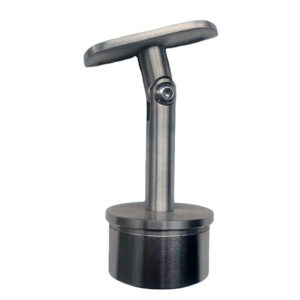
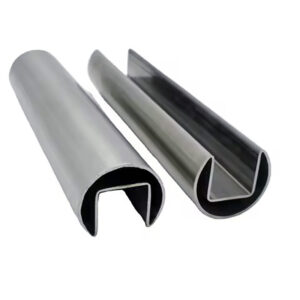
Os requisitos do Código Nacional de Construção relativos à altura da balaustrada, capacidade de carga, espaçamento entre os elementos de preenchimento e materiais estabelecem um nível mínimo de conformidade que se aplica independentemente do método de fixação. O efeito prático desses requisitos é que a margem de manobra para detalhes ocultos personalizados é mais restrita do que parece na fase conceitual — as tolerâncias exigidas por um sistema fixado por canal são mais difíceis de alcançar, ao mesmo tempo em que é necessário garantir a conformidade estrutural e geométrica com o código em todos os vãos. Um sistema fixado por espaçadores, por outro lado, oferece um caminho mais direto para a conformidade, pois sua geometria de fixação é definida e passível de inspeção. Componentes do trilho superior quadrado com perfil uniforme e distâncias padrão entre os pontos de fixação, encaixam-se nessa ranhura de uma forma que as conexões personalizadas de trilhos embutidos talvez não consigam.
A conclusão de design que se depreende disso não é que fixações ocultas sejam sempre inadequadas — mas sim que o ganho visual decorrente da ocultação das ferragens precisa ser maior do que o risco de fabricação e instalação que isso acarreta. Na maioria das elevações de varandas, esse limite não é atingido: a ocultação é parcial, o risco é real e um sistema de fixação com detalhes bem elaborados apresenta um aspecto tão clean quanto a alternativa mais complexa.
O padrão recorrente nas especificações de balaustradas modernas é que os problemas surgem não quando a intenção do projeto está errada, mas quando a lacuna entre a intenção e as condições do local é preenchida tarde demais. Sistemas fixados por canaletas e detalhes ocultos de ferragens podem ser executados em condições controladas; a questão é se essas condições foram confirmadas para o projeto, o substrato e a sequência de instalação específicos — e não apenas presumidas a partir do desenho.
Antes de definir um detalhe, é importante verificar, antes da aquisição, se o acabamento da laje, as posições de fixação dos postes e a sequência de alinhamento dos painéis foram verificados em relação às tolerâncias que o sistema realmente exige. Se essa verificação não tiver sido feita, a questão não é qual detalhe fica melhor na elevação — mas sim qual detalhe ainda terá o efeito pretendido depois que a instalação absorver as variações que o canteiro de obras inevitavelmente introduzirá.
Perguntas frequentes
P: O artigo aborda varandas com vários vãos — o mesmo risco de tolerância se aplica a uma varanda residencial de vão único, em que as condições do local são mais fáceis de controlar?
R: As fixações ocultas e os sistemas fixados por canal ainda apresentam um risco significativo de tolerância em um único vão, mas as consequências são mais controláveis. O problema central — de que ocultar a fixação transfere a exigência de precisão para o substrato, em vez de eliminá-la — se aplica independentemente da escala do projeto. Em uma única varanda residencial, um canal desalinhado representa uma correção pontual, em vez de um problema que se agrava ao longo de vários vãos. Dito isso, em uma fachada residencial de destaque, onde a borda da laje e o acabamento do piso não tenham sido medidos independentemente antes do pedido dos componentes, o perfil de risco é o mesmo; apenas a exposição total muda.
P: Após a conclusão do levantamento pré-fabricação das condições da laje, o que deve ser feito antes que os componentes sejam efetivamente encomendados?
R: Os resultados do levantamento precisam ser comparados com os desenhos de fabricação antes que qualquer pedido de componentes seja feito. Especificamente, confirme se as posições reais de fixação dos postes, as medições de planicidade da laje e as condições das bordas estão todas dentro das tolerâncias exigidas pelo sistema escolhido — e não das tolerâncias que um substrato mais limpo teria permitido. Qualquer desvio identificado no levantamento deve levar a uma revisão do desenho ou a um ajuste na fixação antes da aquisição, e não a uma modificação na obra após a entrega. Fazer pedidos com base em dados de levantamento não comparados anula a principal vantagem que o levantamento oferece.
P: Em que momento a qualidade do substrato de um projeto realmente justifica a especificação de um sistema oculto com fixação por canal, em vez de se optar por fixações com espaçadores como padrão?
R: Um sistema com fixação por canalizações torna-se defensável quando três condições forem confirmadas por escrito antes do pedido dos componentes: a planicidade da laje estiver dentro da tolerância restrita exigida pelo sistema; a instalação do revestimento do piso for realizada após o traçado das canalizações, e não antes; e a parte responsável pelo substrato tiver aprovado formalmente os níveis e as posições de acordo com os desenhos de fabricação. Em projetos em que qualquer uma dessas condições se baseia em suposições, em vez de verificação documentada, é improvável que a vantagem estética das fixações ocultas supere o risco de reparos que o sistema acarreta.
P: De que forma a escolha entre vidro fixado com espaçadores finos e um sistema embutido sob medida afeta o cronograma, e não apenas o custo?
R: Um sistema personalizado de fixação em canal embutido comprime o cronograma em ambas as etapas de forma que um sistema de espaçadores finos não faz. Na etapa inicial, a verificação do substrato e o traçado do canal devem ser concluídos e confirmados antes que os painéis possam ser fabricados sob medida — qualquer atraso nessa confirmação atrasa o pedido de fabricação. Na etapa final, se for necessário um ajuste corretivo após a instalação, a dificuldade de acesso à fixação faz com que a correção seja demorada e cause interrupções. Um sistema de fixação com espaçadores permite que a fabricação dos painéis prossiga com base em posições confirmadas, com tolerâncias padrão, e o ajuste no local durante a instalação é possível sem a necessidade de reabrir o substrato. Em projetos comerciais com prazos apertados, essa flexibilidade no cronograma costuma ser tão importante quanto a diferença direta de custo.
P: Um detalhe de fixação visível e discreto corre o risco de ser considerado visualmente inferior em uma fachada de alto padrão, ou isso é, em grande parte, uma questão de percepção na fase conceitual?
R: Na maioria dos projetos concluídos, um sistema de fixação com suportes ou de postes e trilhos bem detalhado apresenta um aspecto tão limpo quanto uma alternativa com fixação oculta — a diferença de percepção é maior na fase conceitual e diminui significativamente quando ambos os sistemas são especificados com perfis consistentes, acabamentos combinados de acordo com a orientação da norma NAAMM AMP 500-06 e alinhamento preciso. Os casos em que as fixações ocultas proporcionam um resultado visual genuinamente superior são aqueles em que a fachada não apresenta detalhes horizontais ou verticais concorrentes que já desviem o olhar dos pontos de fixação. Em uma elevação típica de varanda com continuidade de corrimão, juntas de painéis e variação na borda da laje, a base visível do suporte ou do poste raramente é o elemento dominante — o desalinhamento é que o é. Um detalhe discreto instalado com precisão sempre terá um desempenho superior a um detalhe embutido instalado com variações não corrigidas.