Selecting the right stainless steel mounting hardware is a critical engineering decision that directly impacts project safety, longevity, and compliance. Professionals often face a complex matrix of material grades, load calculations, and evolving codes, where a minor specification error can lead to costly field failures or non-compliance. This guide provides a technical framework to navigate these variables systematically.
The 2025 landscape demands greater rigor. Regulatory scrutiny on structural integrity and material composition is intensifying, while the strategic shift towards modular mounting ecosystems introduces new considerations for procurement and lifecycle management. A methodical selection process is no longer optional; it is a fundamental requirement for risk mitigation and asset performance.
Understanding Core Stainless Steel Hardware Types & Configurations
Defining the Hardware Spectrum
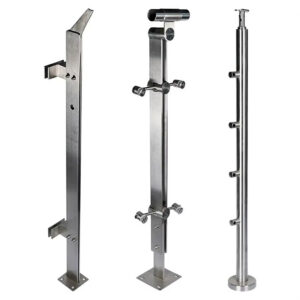
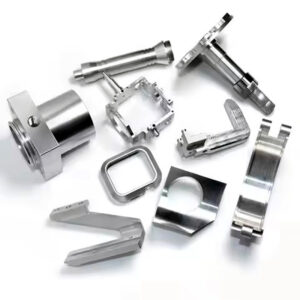
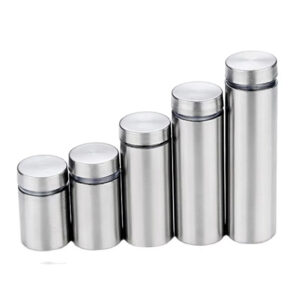
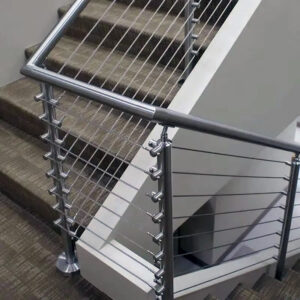
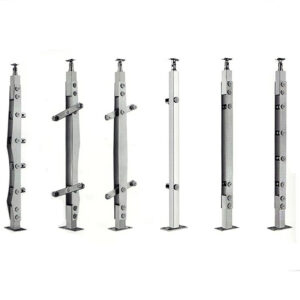
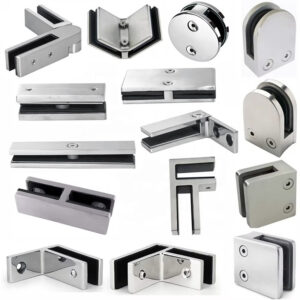
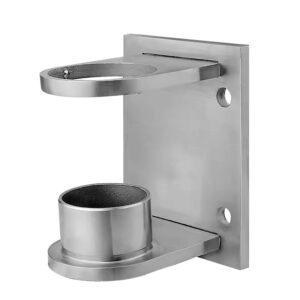
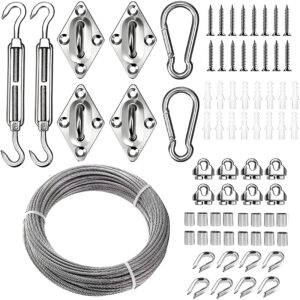
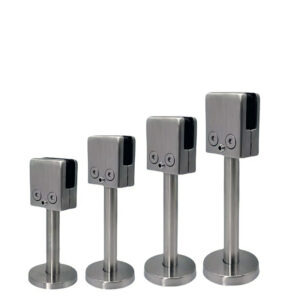
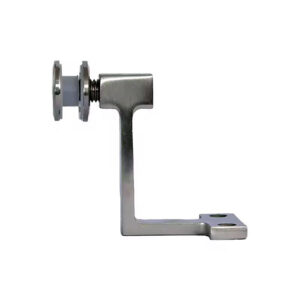
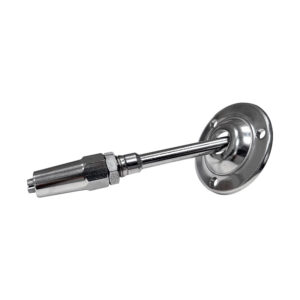
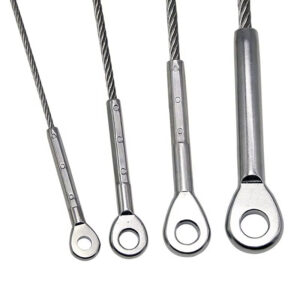
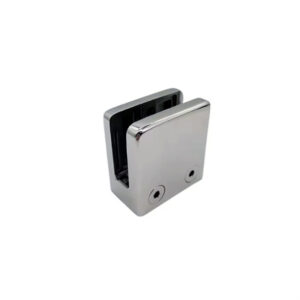
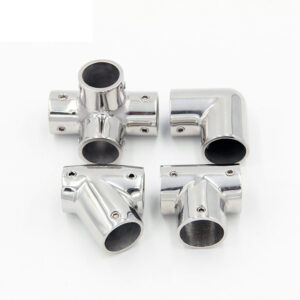
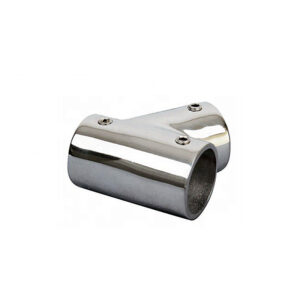
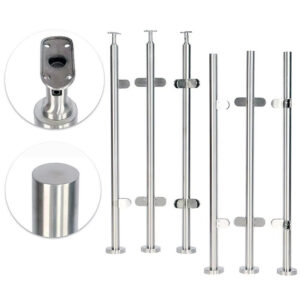
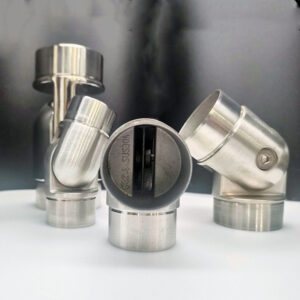
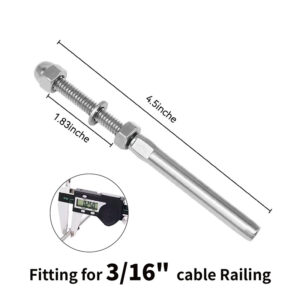
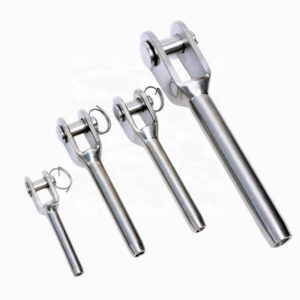
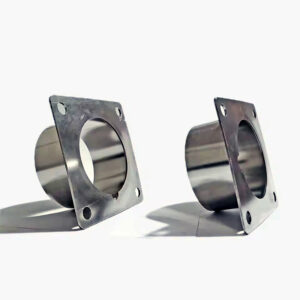
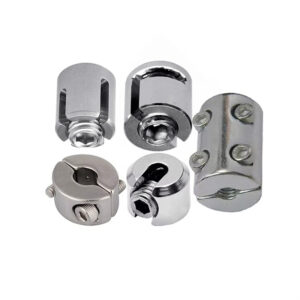
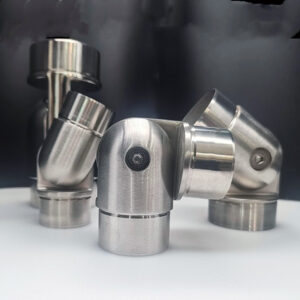
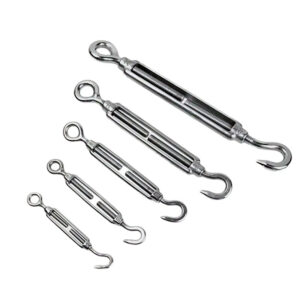
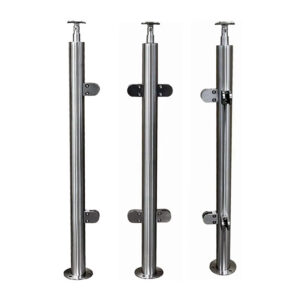
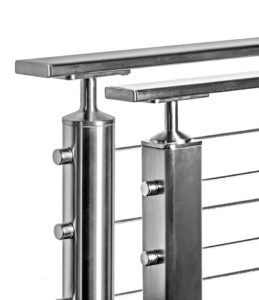
Mounting hardware encompasses the critical, non-structural link ensuring the security of equipment and systems. This includes standardized fasteners like hex cap screws and socket head screws, as well as specialized components such as concrete anchoring systems, adjustable pole clamps, and cable retention hardware. Each type serves a distinct mechanical function within the load path from the mounted object to the substrate.
The Strategic Shift to Universal Systems
A significant industry trend is the move toward universal mounting systems. Suppliers now offer kits designed for wide pole diameter and enclosure size ranges, directly reducing SKU complexity and mitigating project delays from specification mismatches. This approach creates a designed interoperability that offers installation convenience. However, it introduces a critical consideration: long-term vendor lock-in. Relying on a proprietary ecosystem can complicate future maintenance or expansion if the original supplier is unavailable.
The Digital Integration Imperative
The availability of detailed technical drawings from manufacturers signals a readiness for deeper digital integration. These assets pave the way for configurator tools and BIM (Building Information Modeling) objects, which can dramatically streamline design and specification workflows. In my experience, projects that leverage these digital assets from the outset reduce RFIs and installation errors by providing clear, dimensionally accurate references for the entire project team.
The Critical Choice: 304 vs. 316 Stainless Steel for Mounting
The Baseline: Grade 304
AISI 304 stainless steel offers excellent general corrosion resistance and is the established industry standard for corrosion resistance for most atmospheric applications. It forms a protective chromium oxide layer that resists rust in typical indoor and many outdoor environments. For non-coastal, low-chemical exposure settings, 304 provides a cost-effective and reliable material baseline.
The Enhanced Option: Grade 316
The addition of 2-3% molybdenum in AISI 316 stainless steel provides superior resistance to chlorides, acids, and saltwater. This makes it mandatory for coastal, marine, chemical processing, and high-humidity environments where chloride-induced pitting corrosion is a risk. The choice is not merely preferential; it is dictated by environmental analysis.
Enabling Predictive Maintenance
This material standardization enables a key strategic advantage: predictive maintenance. By specifying the correct grade for the environment, the primary failure mode shifts from unpredictable corrosion to measurable mechanical wear (e.g., fatigue, loosening). This allows for the implementation of condition-based inspection schedules and more accurate asset lifecycle planning, which directly optimizes long-term maintenance budgets.
Application-Based Selection Guide
The following table provides a clear framework for selecting between 304 and 316 stainless steel based on the operating environment.
| Application Environment | Recommended Grade | Key Differentiating Factor |
|---|---|---|
| General atmospheric exposure | 304 | Excellent general corrosion resistance |
| Coastal / marine settings | 316 | Superior chloride resistance |
| Chemical processing areas | 316 | Enhanced acid resistance |
| High-humidity environments | 316 | Mandatory for saltwater exposure |
Source: ASTM A276 / A276M. This standard defines the chemical composition requirements for stainless steel bars and shapes, including the molybdenum content in Grade 316 that provides its enhanced corrosion resistance compared to Grade 304.
A Technical Framework for Load & Environmental Analysis
Quantifying Static and Dynamic Loads
A systematic evaluation begins with load capacity, which defines application-specific segmentation. Engineers must analyze both the static weight of the equipment and any dynamic forces from vibration, wind, or seismic activity. Explicit weight ratings (e.g., 70 lbs per bracket) create definitive technical boundaries between light and heavy-duty applications. Appropriate safety factors, typically ranging from 3:1 to 5:1, must be applied to the total calculated load to account for uncertainties and ensure a margin of safety.
Assessing Environmental Exposure
Concurrent with load analysis is a thorough assessment of the environmental operating conditions. This includes exposure to moisture, chemicals, UV radiation, and temperature extremes. The convergence of safety and environmental compliance drivers is increasingly influential here. Regulatory scrutiny now extends to chemical exposures from finishes and coatings, making comprehensive material documentation as critical as mechanical load ratings.
The Integrated Analysis Framework
The following table outlines the key parameters for a dual-focus analysis that ensures both structural and material suitability.
| Analysis Parameter | Key Consideration | Typical Safety Factor |
|---|---|---|
| Static Load | Equipment weight rating | 3:1 to 5:1 |
| Dynamic Load | Wind / seismic forces | 3:1 to 5:1 |
| Environmental Load | Moisture, chemical exposure | Material-dependent |
| Compliance Driver | Chemical exposure regulations | Documentation critical |
Source: ISO 3506. This international standard classifies stainless steel fasteners by material grade and strength class, providing the mechanical property benchmarks essential for calculating load capacity with appropriate safety factors.
Ensuring Substrate Compatibility: Concrete, Steel, and More
Matching Method to Material
Hardware selection is incomplete without verifying compatibility with the base construction material. The fastening method is entirely substrate-dependent. For concrete and masonry, this requires specific anchoring systems like wedge or drop-in anchors, where embedment depth and substrate compressive strength are critical. Steel structures typically use through-bolting or tapped holes.
Accommodating Variability and Aesthetics
The principle of universal mounting systems applies strongly to substrate interface. Adjustable brackets with slotted holes or modular shims can accommodate variability in mounting point distances or surface irregularities. This stage also demands consideration for aesthetic integration in commercial or public spaces. Selecting low-profile or color-matched hardware can reduce finishing costs and improve visual appeal, a detail often overlooked in purely technical specifications.
Substrate Compatibility Guide
A pre-installation verification of substrate integrity is non-negotiable, as a failure in the load path negates even the most correctly specified hardware. The table below summarizes primary fastening methods for common substrates.
| Substrate Type | Primary Fastening Method | Critical Installation Factor |
|---|---|---|
| Concrete / Masonry | Wedge or drop-in anchors | Embedment depth |
| Steel Structures | Through-bolting or tapping | Substrate strength verification |
| Hollow Walls | Toggle bolts | Anchor type selection |
| Variable Mounting Points | Adjustable slotted brackets | Dimensional fit check |
Source: Technical documentation and industry specifications.
Installation Best Practices and Vibration Mitigation Strategies
The Importance of Calibrated Installation
Proper installation transforms specification into reliable performance. This mandates using calibrated torque tools to achieve correct fastener tension and strictly following manufacturer procedures for chemical or mechanical anchor setting. Under-torquing can lead to loosening, while over-torquing can strip threads or induce stress cracking in the fastener.
Mitigating Vibration-Induced Failure
In vibration-prone environments—common with HVAC, machinery, or in high-wind areas—mechanical locking mechanisms are essential. Nylon-insert locknuts, prevailing torque locknuts, or the application of thread-locking adhesive prevent fastener rotation. For challenging access points, planning for low-clearance fasteners like button head screws during the specification phase prevents installation compromises.
Managing Kit Dependency Risk
Hardware kits reduce complexity but introduce dependency risk. While kits ensure component compatibility and reduce procurement errors, damage to a single specialized part can halt an entire project without an easy substitute. A key risk mitigation strategy I always recommend is securing critical spares for kit-based systems at the time of purchase, especially for long-lead or custom items.
Navigating 2025 Seismic, Wind, and Corrosion Compliance
Adhering to Structural Force Codes
Compliance with current building codes is a legal and safety imperative. In designated seismic zones or for equipment subject to wind uplift, mounting systems must be engineered and certified to resist these dynamic forces per the International Building Code (IBC) and ASCE 7 standards. This often requires selecting hardware that has been specifically tested and listed for such applications.
Verifying Material Compliance
For corrosion compliance, documentation is key. Material Test Reports (MTRs) certifying the alloy composition per relevant ASTM F593 or other standards should be obtained for critical infrastructure projects. The convergence of safety and environmental drivers is evident here, with regulations like California’s Prop 65 making chemical exposure warnings a new consideration for hardware finishes and compositions.
Compliance Reference Framework
The evolving compliance landscape requires attention to multiple standards, as summarized below.
| Compliance Area | Governing Standard / Document | Key Requirement |
|---|---|---|
| Seismic / Wind Forces | IBC & ASCE 7 | Engineered resistance certification |
| Fastener Material | ASTM F593 | Alloy composition specification |
| Material Verification | Material Test Reports (MTRs) | ASTM standard certification |
| Chemical Exposure | Prop 65-type regulations | Hazardous substance warnings |
Source: ASTM F593. This standard specifies the chemical and mechanical requirements for stainless steel bolts and screws, forming the basis for the Material Test Reports (MTRs) needed to prove corrosion compliance.
Implementing a Proactive Inspection and Maintenance Schedule
Establishing Inspection Protocols
The longevity of a mounting system depends on proactive oversight, not reactive repair. A scheduled inspection program should check for visual signs of corrosion, fastener loosening, material fatigue, and cracking. Inspection frequency should be based on the criticality of the application and the environmental severity, with increased scrutiny for safety-critical systems or high-dynamic-load areas.
Enabling a Predictive Maintenance Model
The use of standardized, corrosion-resistant stainless steel is what enables a true shift from reactive repair to predictive maintenance. When corrosion is effectively managed, hardware lifespan becomes more calculable based on mechanical wear cycles. This allows maintenance to be scheduled based on condition and data, rather than in response to failure.
Documenting for Digital Integration
Findings from each inspection should be meticulously documented. This historical data is invaluable for informing future digital integration, potentially feeding into digital twin models for comprehensive asset management. This schedule acts as the final validation loop for the initial selection framework.
Proactive Inspection Focus Areas
A structured schedule targets specific failure modes, as outlined below.
| Inspection Focus | Frequency Guideline | Primary Benefit |
|---|---|---|
| Corrosion signs | Scheduled, environment-based | Predictive maintenance enablement |
| Fastener loosening | Vibration application-dependent | Prevents mechanical failure |
| Material fatigue | High-dynamic-load areas | Ensures structural integrity |
| Documentation | Every inspection cycle | Informs digital twin models |
Source: Technical documentation and industry specifications.
Your Selection Checklist: A Step-by-Step Specification Framework
Phase 1: Define Load & Environment
Calculate all static and dynamic loads, applying appropriate safety factors. Conduct a thorough environmental assessment to specify the correct stainless steel grade (304 vs. 316). This foundational step sets the material and mechanical boundaries for all subsequent choices.
Phase 2: Verify Substrate & Compatibility
Confirm the base construction material (concrete, steel, etc.) and select the appropriate anchoring or fastening method. Check all dimensional fits—thread size, clamp diameter, bracket adjustability—against your project drawings. For challenging or non-standard applications, explore customization as a strategic service with qualified suppliers like those offering specialized stainless steel brackets and hardware.
Phase 3: Prioritize Compliance & Sourcing
Mandate seismic or wind certification if required by code or project location. Source and review Material Test Reports (MTRs) for corrosion compliance documentation. Critically evaluate the use of pre-configured kits versus individual components, carefully weighing the convenience against the potential dependency risk for long-term maintenance.
Phase 4: Plan for Installation & Lifecycle
Specify locking hardware (locknuts, threadlocker) for any vibration-prone application. Verify that installation access is feasible with the selected hardware. Finally, establish a proactive inspection schedule at the outset, building it on predictive maintenance principles to ensure the system performs as engineered over its full lifecycle.
Specifying stainless steel mounting hardware is an exercise in systematic risk management. The core decision points hinge on a rigorous environmental analysis to select the correct material grade, a calculated understanding of static and dynamic loads, and a commitment to verifying compliance documentation. Implementing a proactive inspection regime transforms a static installation into a managed asset with a predictable lifecycle.
Need professional-grade stainless steel mounting solutions engineered for compliance and longevity? Explore the technical specifications and material certifications available at Esang. For project-specific consultation or to request Material Test Reports, you can also Contact Us.
Frequently Asked Questions
Q: How do you choose between 304 and 316 stainless steel for outdoor mounting hardware?
A: The choice is dictated by chloride exposure. Grade 304 is the standard for general atmospheric corrosion resistance. Grade 316, with its molybdenum content, is mandatory for coastal, chemical, or high-humidity environments to resist saltwater and acids. This means facilities within five miles of a coastline or handling de-icing salts should specify 316 to prevent premature failure and enable predictable maintenance schedules.
Q: What are the key standards for specifying stainless steel fasteners in industrial projects?
A: You must reference both material and dimensional standards. Material properties for bolts and screws are defined in ASTM F593 and the international ISO 3506. Dimensional interchangeability is governed by standards like ASME B18.2.1. This means your procurement documents should cite both ASTM/ISO for alloy verification and ASME for fit, ensuring components meet all necessary technical and compliance criteria.
Q: What is the primary risk of using universal mounting system kits?
A: While kits reduce specification errors and ensure component compatibility, they create a critical dependency on a single supplier’s proprietary components. Damage or loss of a specialized part can halt an installation with no off-the-shelf substitute available. For projects with tight timelines, you should secure critical spare parts at procurement or verify the supplier’s guaranteed stock levels to mitigate this operational risk.
Q: How does stainless steel hardware enable a predictive maintenance strategy?
A: Standardized stainless grades like 304 and 316 shift the primary failure mode from unpredictable corrosion to measurable mechanical wear, such as thread fatigue or loosening. This allows you to base inspection intervals on calculated wear rates rather than reactive checks for rust. If your operation involves high-vibration equipment, you can plan condition-based maintenance schedules, leading to more accurate lifecycle budgeting and reduced unplanned downtime.
Q: What documentation is required for corrosion compliance in critical infrastructure?
A: For compliance and traceability, you must obtain Material Test Reports (MTRs) from your supplier. These reports certify the fastener’s chemical composition meets the specified ASTM or ISO standard, such as ASTM A276/A276M for bar stock used in custom brackets. This means projects in regulated sectors should make MTR submission a non-negotiable condition in the purchase order, as it provides legal proof of material suitability for the documented environment.
Q: How should load analysis for mounting hardware account for dynamic forces?
A: You must analyze both the static weight and dynamic forces from vibration, wind, or seismic activity, then apply a safety factor—typically between 3:1 and 5:1 for structural integrity. The explicit load rating (e.g., 70 lbs) creates a definitive boundary for application suitability. For equipment in seismic zones or on vibrating machinery, plan to specify hardware rated for the combined dynamic load, not just the equipment’s weight, to meet code and ensure long-term security.