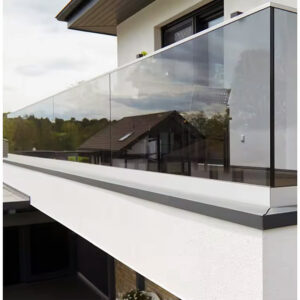
Specifying a stainless steel glass railing system is a foundational architectural decision that balances aesthetics, safety, and lifecycle cost. The primary challenge is navigating the interplay between material science, structural engineering, and evolving building codes to avoid costly over-specification or dangerous underperformance. Professionals must move beyond viewing railings as simple assemblies and instead treat them as integrated, engineered systems where every component choice has cascading implications.
Attention to these specifications is critical now, as 2025 building codes tighten and architectural trends demand higher performance with cleaner aesthetics. The market has shifted from basic safety compliance to a focus on design integration, material longevity, and digital specification tools. Selecting the wrong grade, retention method, or glass type can compromise a project’s safety, budget, and long-term asset value.
Key Components of a Stainless Steel Glass Railing System
The Engineered Assembly Mindset
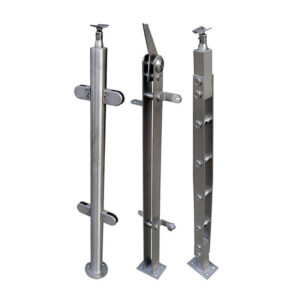
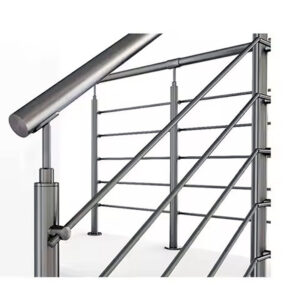
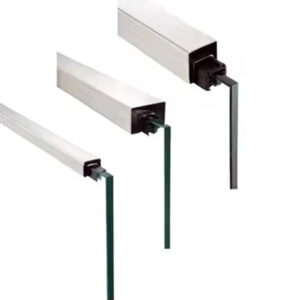
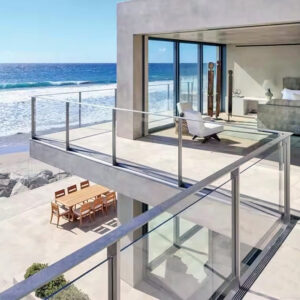
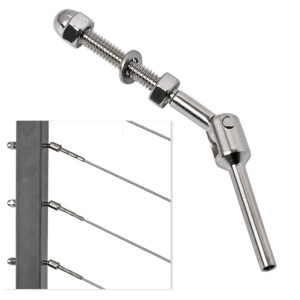
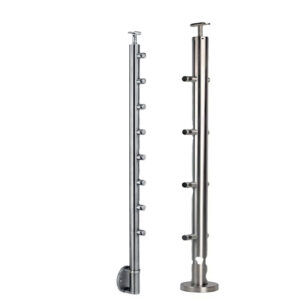
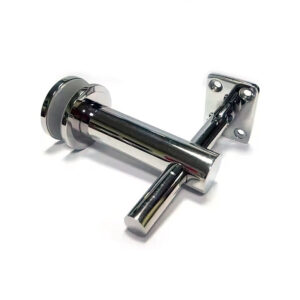
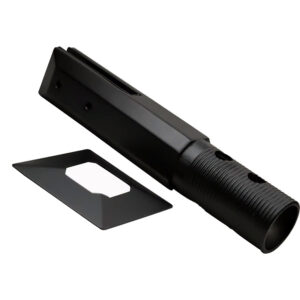
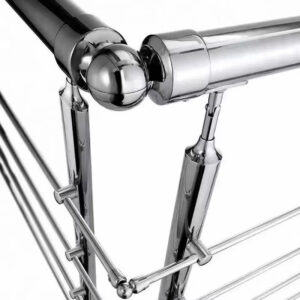
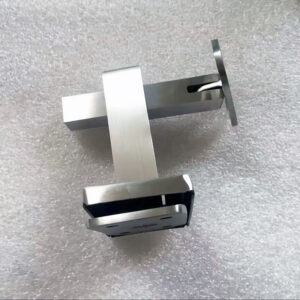
A stainless steel glass railing is not a collection of parts but a performance-dependent assembly. Its integrity relies on three interdependent components: structural posts, safety-rated glass infill, and the chosen retention method. Posts, typically 40mm x 40mm in 11 or 12-gauge steel, provide the primary load path and are available in surface, fascia, or core-drill mount configurations. The mounting method is a foundational design choice made during schematic design, as it dictates structural calculations and the system’s visual transparency. We compared surface-mount and core-drill options on a recent project and found the core-drill method, while more complex to install, provided a superior minimalist aesthetic that the architect demanded.
The Criticality of System Integration
The true performance of a railing system hinges on component compatibility. Hardware like base shoes and clamps are engineered for specific “wet” or “dry” glazing methodologies. Mixing incompatible subsystems from different manufacturers creates predictable points of failure and universally voids warranties. This integration extends to the glass itself, which is a load-bearing structural element, not just a visual barrier. Tempered or laminated glass panels must be specified at exact thicknesses—from 10mm for residential to 22mm for commercial—to match the engineered capacity of the posts and fittings. Industry experts recommend treating the railing as a single-source system to ensure all components are designed to work together under load.
Stainless Steel Grades 304 vs. 316: Choosing for Corrosion Resistance
The Material Science Behind the Choice
The selection between AISI 304 and AISI 316 stainless steel is a calculated trade-off between initial cost and long-term durability in a specific environment. Grade 304, with its chromium-nickel composition, offers good corrosion resistance for general interior and most exterior applications. However, Grade 316 contains added molybdenum, which dramatically increases its resistance to chlorides and salts. This makes 316 not just preferable but essential for coastal, marine, poolside, or de-icing salt applications. According to research from material science institutes, the absence of molybdenum in 304 makes it susceptible to pitting and crevice corrosion in these aggressive environments, leading to premature failure.
Application Dictates Specification
This material decision directly dictates application suitability and lifetime cost. Specifying 304 in a corrosive environment is a fundamental error, risking rapid “tea staining” and structural degradation that necessitates expensive early replacement. Conversely, using 316 in a benign, interior atrium represents an unnecessary capital expenditure. The appropriate alloy is a specification mandate to preserve the asset’s aesthetic and structural integrity. It also corrects a common misconception: no stainless steel is truly “maintenance-free.” Even 316 requires a defined cleaning protocol to remove contaminants and maintain its passive oxide layer.
Comparative Performance Data
The following table clarifies the primary application environments for each grade, based on their alloy composition.
Stainless Steel Grades 304 vs. 316: Choosing for Corrosion Resistance
| Grade | Key Alloy Addition | Recommended Application Environment |
|---|---|---|
| AISI 304 | Chromium, Nickel | General interior, most exterior |
| AISI 316 | Molybdenum added | Coastal, marine, high-humidity |
| Both Grades | – | Require periodic cleaning |
Source: ASTM A480/A480M Standard Specification for Stainless Steel Flat Products. This standard governs the chemical composition and mechanical properties of stainless steel, ensuring the specified grade (304 or 316) meets the required corrosion resistance and structural integrity for architectural applications.
Glass Retention Methods: Clamp vs. Standoff vs. Channel Systems
Defining the Three Primary Methods
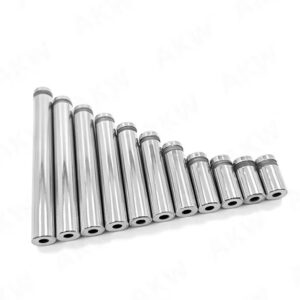
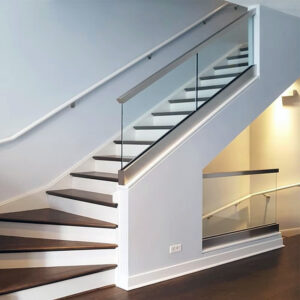
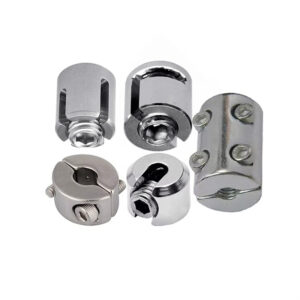
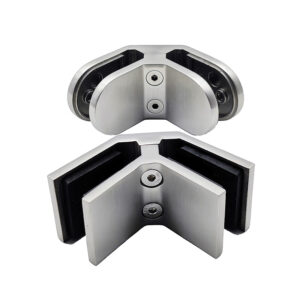
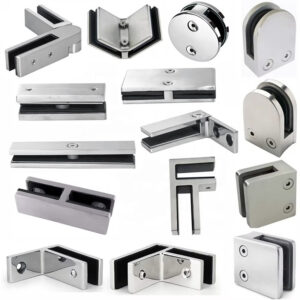
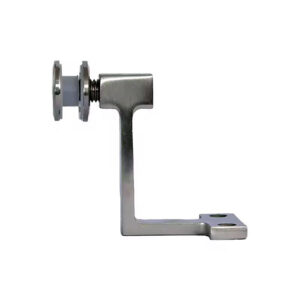
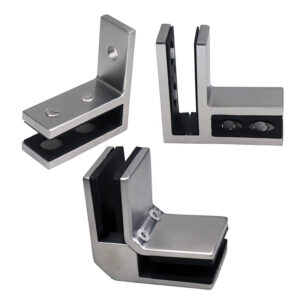
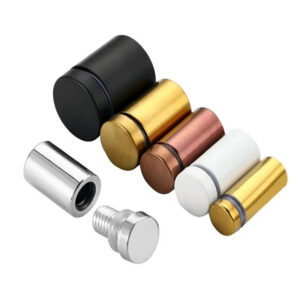
The method of securing the glass defines the railing’s visual language, engineering complexity, and maintenance profile. Clamp systems use metal fittings to mechanically grip the glass edges at posts, offering a visible hardware aesthetic and allowing for potential panel replacement. Standoff fittings create a minimalist, point-supported look by securing the glass through precisely drilled holes. Channel systems, also called wet glaze, set the glass into a U-shaped base shoe or cap rail, sealed with structural silicone for a clean, continuous line. Each system carries different implications for fabrication tolerance, load transfer, and sightlines.
Strategic Implications for Project Planning
The retention method is a major driver of project timeline and budget. Standoff and custom channel systems involve complex fabrication and precise hole drilling in laminated glass, which can add 1-2 weeks to lead times. This complexity directly increases cost, a premium that must be justified by the design intent. Furthermore, glass specification is a critical structural dependency. Every clamp, standoff, or channel is engineered for an exact glass type, thickness, and hole configuration. Specifying the infill independently of the hardware introduces significant risk. In our experience, the most common installation delays occur when site-measured glass panels arrive without the engineered hole patterns required for the purchased standoff system.
Retention Method Comparison
The table below summarizes the key visual and practical considerations for each primary glass retention method.
Glass Retention Methods: Clamp vs. Standoff vs. Channel Systems
| Method | Visual Profile | Key Consideration |
|---|---|---|
| Clamp | Edge-gripped, visible fittings | Allows panel replacement |
| Standoff | Minimalist, point-supported | Requires precise hole drilling |
| Channel (Wet Glaze) | Clean, continuous line | Uses structural silicone sealant |
| Standoff & Custom Channel | – | Longer lead times, higher cost |
Source: Technical documentation and industry specifications.
Understanding 2025 Building Codes and Load Requirements
The Non-Negotiable Baseline
Code compliance is the mandatory entry ticket for any railing system, not a performance differentiator. Key 2025 standards mandate minimum heights (36″ for residential, 42″ for commercial), load resistance (200 lbs. concentrated load, 50 psf uniform load), and the use of certified safety glazing such as tempered or laminated glass meeting CPSC 16 CFR 1201 or ANSI Z97.1. For commercial projects, ADA guidelines further dictate continuous, graspable top rail profiles. Laminated glass with certified structural interlayers is often required for glass acting as a structural balustrade. These are not best practices; they are legal minimums.
Engineering Validation as a Requirement
Meeting these codes requires more than selecting components that claim compliance. The entire assembled system, as installed on the specific substrate, must be validated by engineering calculations and reports from the manufacturer or a licensed engineer. This validation covers the posts, their attachment, the glass, and the retention method under the prescribed loads. This reality forces competition beyond mere compliance. Since all legitimate systems meet the codes, advantage is found in design flexibility, integration support, prefabrication accuracy, and the provision of comprehensive submittal packages. The specifier’s role is to verify this engineering validation exists for the chosen system.
Code Requirements at a Glance
The following table outlines the fundamental load and safety requirements as defined by current standards.
Understanding 2025 Building Codes and Load Requirements
| Parameter | Residential Minimum | Commercial Minimum |
|---|---|---|
| Height | 36 inches | 42 inches |
| Concentrated Load | 200 pounds | 200 pounds |
| Uniform Load | 50 psf | 50 psf |
| Glazing Standard | CPSC 16 CFR 1201 / ANSI Z97.1 | CPSC 16 CFR 1201 / ANSI Z97.1 |
Source: CPSC 16 CFR 1201 Safety Standard for Architectural Glazing and ANSI Z97.1 Safety Glazing Materials. These mandatory standards establish the impact resistance and safety performance requirements for the glass infill panels used in railings to prevent injury.
Installation Best Practices for Safety and Longevity
Foundation and Attachment
Proper installation transforms certified components into a reliable system. It begins with robust substrate attachment using engineer-specified fasteners, such as M8 bolts for concrete or heavy-duty anchors for steel. The substrate itself must be evaluated for its ability to handle the imposed loads. Alignment is not merely aesthetic; it is structural. Maximum panel width and post spacing are engineering calculations based on glass thickness, wind loads, and deflection limits. Deviating from these spacing requirements based on visual preference compromises the system’s safety factor. A common, easily overlooked detail is ensuring the mounting surface is perfectly level before post installation, as shimming after the fact can weaken the connection.
Managing Customization and Lead Times
Non-standard applications like curved stairs, angled facades, or non-level transitions require custom fabrication. This process involves detailed CAD drawings, specialized bending or machining, and precise glass cutting. It typically adds 1-2 weeks to the project timeline, a factor that must be integrated into the construction schedule from the outset. This installation complexity is a primary cost driver. The strategic implication is clear: early collaboration between the general contractor, glazier, and railing supplier is essential. Sharing site condition surveys and architectural details before fabrication prevents costly field modifications and ensures the engineered system aligns with the built environment.
Cost Considerations: Budgeting for Commercial and Residential Projects
Drivers Beyond Per-Foot Pricing
Accurate budgeting requires a holistic view that extends far beyond a simple per-linear-foot material quote. The major cost drivers are the stainless steel grade (316 carries a 20-30% premium over 304), the glass type and thickness (laminated is significantly costlier than tempered), and the retention system (standard clamp kits are more economical than standoff or custom channel systems). However, the most variable and often underestimated factor is installation complexity. Labor for precise core-drilling, structural silicone glazing, or custom fabrication for stairs and curves can equal or exceed the material cost. This reflects the market’s clear segmentation between DIY-friendly residential kits and fully engineered, contractor-installed commercial solutions.
Aligning System with Project Scope
The key is matching the system’s complexity and performance to the project’s actual requirements. Over-engineering a simple residential deck with a commercial-grade standoff system wastes budget. Under-specifying a high-traffic commercial atrium with a basic residential clamp system introduces liability. Specifiers must conduct a needs analysis that weighs foot traffic, environmental exposure, design intent, and lifecycle expectations. This analysis directly informs the value proposition of each component choice. For example, the higher upfront cost of 316 steel and laminated glass in a coastal hotel is justified by decades of reduced maintenance and replacement risk.
Primary Cost Drivers
The table below outlines the key factors that influence the total installed cost of a stainless steel glass railing system.
Cost Considerations: Budgeting for Commercial and Residential Projects
| Cost Driver | Typical Cost Impact | Example Application |
|---|---|---|
| Steel Grade (316 vs 304) | Premium for 316 | Marine, coastal projects |
| Glass (Laminated vs Tempered) | Laminated costlier | Commercial structural balustrades |
| Retention System | Standoff/custom most expensive | High-design atriums |
| Installation Complexity | Major cost variable | Stairs, curved facades |
Note: Custom fabrication can add 1-2 weeks to project timelines.
Source: Technical documentation and industry specifications.
Maintenance and Cleaning for Stainless Steel and Glass
Protecting the Material Investment
While marketed as low-maintenance, stainless steel and glass railings require a defined care protocol to protect the asset’s value. For stainless steel, periodic cleaning with a mild, non-chlorinated soap solution and a soft cloth is essential to remove environmental pollutants, salts, and organic deposits. This is especially critical for Grade 304 and in aggressive environments. Abrasive cleaners, steel wool, or chloride-based products will damage the passive oxide layer, accelerating corrosion. The strategic insight here contradicts common sales pitches: a clear, written maintenance protocol from the supplier should be a deliverable for facilities managers. Neglect can lead to aesthetic degradation like tea staining, which is typically excluded from warranty coverage, creating unplanned operational expenses.
Ensuring Long-Term Clarity and Safety
Glass maintenance focuses on preserving optical clarity and inspecting for damage. Cleaning should use a non-abrasive, ammonia-free glass cleaner to prevent etching or damage to any applied coatings. Beyond cleaning, a semi-annual inspection regimen is recommended. This includes checking for loose fittings, verifying the integrity of silicone seals in channel systems, and inspecting glass edges and surfaces for chips or cracks that could compromise strength. In standoff systems, verifying the tightness of bolt connections is crucial, as vibration can cause loosening over time. This proactive approach transforms the railing from a static installation into a managed building component.
Selecting the Right System for Your Project Type
Synthesis for Application
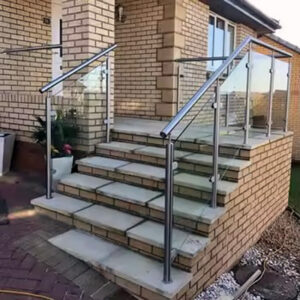
The final selection synthesizes all technical and practical considerations into a project-specific solution. For a residential deck, a clamp or low-profile channel system with 1/2″ tempered glass offers an optimal balance of cost, clarity, and durability. A commercial atrium or monumental staircase demands a heavy-duty standoff or structural silicone channel system with thick laminated glass to meet higher load requirements and achieve a sleek, frameless aesthetic. Marine or poolside settings mandate Grade 316 stainless steel from the outset. This decision framework moves from generic product selection to engineered specification.
The Influence of Digital and Aesthetic Trends
The specification process is increasingly driven by digital integration and evolving aesthetic demands. Comprehensive BIM objects and detailed CAD drawings are now a prerequisite for many commercial projects, favoring suppliers with strong technical documentation capabilities. Furthermore, the market is evolving beyond standard brushed or polished finishes. There is growing demand for powder-coated colors, custom PVD finishes, and integrated lighting, pushing railings to function as a deliberate architectural feature rather than mere code-compliant metalwork. When evaluating systems, consider the supplier’s ability to support these advanced requirements and provide technical guidance on integrating their glass railing hardware with complex architectural designs.
The decision process for a stainless steel glass railing hinges on three non-negotiable priorities: validating engineering for the specific assembly, selecting materials based on the environmental lifecycle cost, and ensuring early collaboration between design and installation teams to avoid field errors. Each choice—from alloy grade to retention method—must be traced back to its impact on safety, budget, and long-term performance.
Need professional guidance to navigate these specifications for your upcoming project? The experts at Esang provide engineered system solutions and technical support to ensure your railing meets both design intent and performance requirements. For a detailed consultation on your specific application, you can also Contact Us.
Frequently Asked Questions
Q: When is Grade 316 stainless steel a mandatory specification over Grade 304 for railings?
A: You must specify Grade 316 for any project in coastal, marine, or high-humidity environments where airborne salts or chlorides are present. The added molybdenum in 316 provides superior corrosion resistance, preventing premature “tea staining” and failure. This means facilities with these aggressive conditions should prioritize 316 to protect the asset’s structural and aesthetic integrity, as using 304 introduces significant long-term replacement risk and cost.
Q: How do building codes influence the choice of glass for a structural glass railing system?
A: Codes mandate the use of certified safety glazing, such as tempered or laminated glass, that meets impact resistance standards like CPSC 16 CFR 1201 or ANSI Z97.1. For commercial balustrades, laminated glass with a structural interlayer is often required to handle design loads. This means specifiers must validate the glass type and thickness with engineering reports early in design, as the infill is a load-bearing component, not just a visual element.
Q: What are the key cost drivers when budgeting for a stainless steel glass railing?
A: Major cost factors include the stainless steel alloy (316 is premium), glass type and thickness (laminated costs more than tempered), and the retention method (standoff and custom channel systems are more expensive than clamp kits). Installation complexity for stairs or curves also significantly impacts price. For projects with tight budgets, expect to evaluate standard clamp systems with thinner glass, while commercial atriums should plan for the higher cost of engineered, custom-fabricated solutions.
Q: What installation error most commonly compromises railing safety and longevity?
A: Inadequate substrate attachment is a critical failure point. Installers must use engineer-specified fasteners, like M8 bolts, suitable for the base material (concrete, wood, or steel). Proper alignment and adherence to maximum panel width calculations are also non-negotiable for structural performance. This means project managers should facilitate early collaboration between the installer, glazier, and railing supplier to align site conditions with engineered details and avoid costly, unsafe field modifications.
Q: How does the glass retention method affect project lead times and maintenance?
A: Standoff and custom channel systems involve complex fabrication and precise hole drilling or silicone glazing, which adds 1-2 weeks to lead times compared to standard clamp kits. The method also dictates future maintenance; clamp systems allow for panel replacement, while silicone-sealed channels require full reglazing. If your project schedule is aggressive, plan for the extended procurement timeline of minimalist point-supported designs.
Q: Is a stainless steel glass railing truly maintenance-free?
A: No, these systems are low-maintenance but not maintenance-free. Periodic cleaning with mild soap and a soft cloth is required to remove salts and pollutants that cause discoloration, especially for Grade 304. Glass needs non-abrasive, ammonia-free cleaner. This means facilities managers must implement a clear maintenance protocol; neglect in aggressive environments leads to aesthetic degradation like tea staining, which typically voids warranties and introduces unplanned operational costs.
Q: What documentation should I require from a railing supplier for code compliance?
A: Always require certified engineering reports for the specific system being installed, validating that it meets the 2025 load requirements (200 lbs. concentrated, 50 psf uniform) and height mandates. For the metal components, material should conform to standards like ASTM A480/A480M. This means relying on supplier claims is insufficient; you need project-specific stamped calculations to ensure compliance and limit liability, as code adherence is the minimum baseline for all reputable suppliers.